


Travel Food Storage: A Guide to Eating Well on the Go

You know the moment. The sandwich that gets flattened in your backpack. The yogurt that turns lukewarm halfway through a drive. The snack you packed with good intentions, then never trusted enough to eat. Travel food storage sounds simple until you're standing in an airport, a van, or a trailhead trying to decide whether your meal is still worth keeping.
That frustration is common because modern travel runs on portable food. The market for food storage containers reflects that reality, with the global household food storage container market valued at about USD 28 billion in 2024 and projected to reach USD 47 billion by 2035 according to Fact.MR. Success isn't buying one more container, it's building a system that keeps food sealed, organized, and ready when you need it. If you want a quick companion list of snack ideas, this guide to healthy eating on the go pairs well with the practical gear choices below.
Your Adventure Starts with Smarter Snacking
The best travel meals aren't lucky, they're planned for the trip you are taking. A squashed wrap in a daypack and a soggy salad in a car console fail for different reasons, but the fix is the same, a setup that matches the way you move, eat, and store food on the road.
The real problem is mismatch
A long drive changes food fast. So does a backpack, a gate change, or a crowded theme park day. The more your food bounces, warms, leaks, or gets opened and closed, the more you need a storage system instead of a loose pile of containers.
That's why travelers now rely on a wider mix of gear, from compact bowls to leakproof bags to insulated jars. The category itself has grown because people need food to survive the trip, not just the first hour of it. If you want an editorial overview of how a reusable setup fits into everyday travel habits, the HYDAWAY blog on reusable travel containers is a useful reference point.
Practical rule: If the container can't survive the bag, the bag can't protect the meal.
For me, the shift happens when food stops being an afterthought. A traveler with a real system eats better, wastes less, and feels less rushed. That's the whole point of smarter snacking, it turns food from a problem into a small comfort you can count on.
Choosing Your Travel Food Storage Arsenal
Think of travel food storage like a toolkit. You wouldn't bring a hammer, a screwdriver, and call it a full repair kit, and the same logic applies on the road. Different trips call for different containers, and the right mix usually beats any single “all-purpose” option.

Match the container to the meal
Bento boxes work when you want separation. They're the easiest way to keep fruit away from crackers and a sandwich away from snacks, which matters more on bumpy days than it does at a kitchen table.
Silicone bags are the flexible option. They compress when empty, handle messy snacks well, and slide into odd spaces that rigid boxes can't use.
Insulated jars are for temperature-sensitive meals. Soup, pasta, and hot grains stay more useful when the container is doing actual thermal work instead of just holding shape.
Collapsible containers solve the problem of storage after the meal. They're the kind of gear that matters on return legs, in camper vans, and in small bags where empty bulk is the enemy.
A good travel kit has one job per container. The second a container tries to do everything, it usually does nothing well.
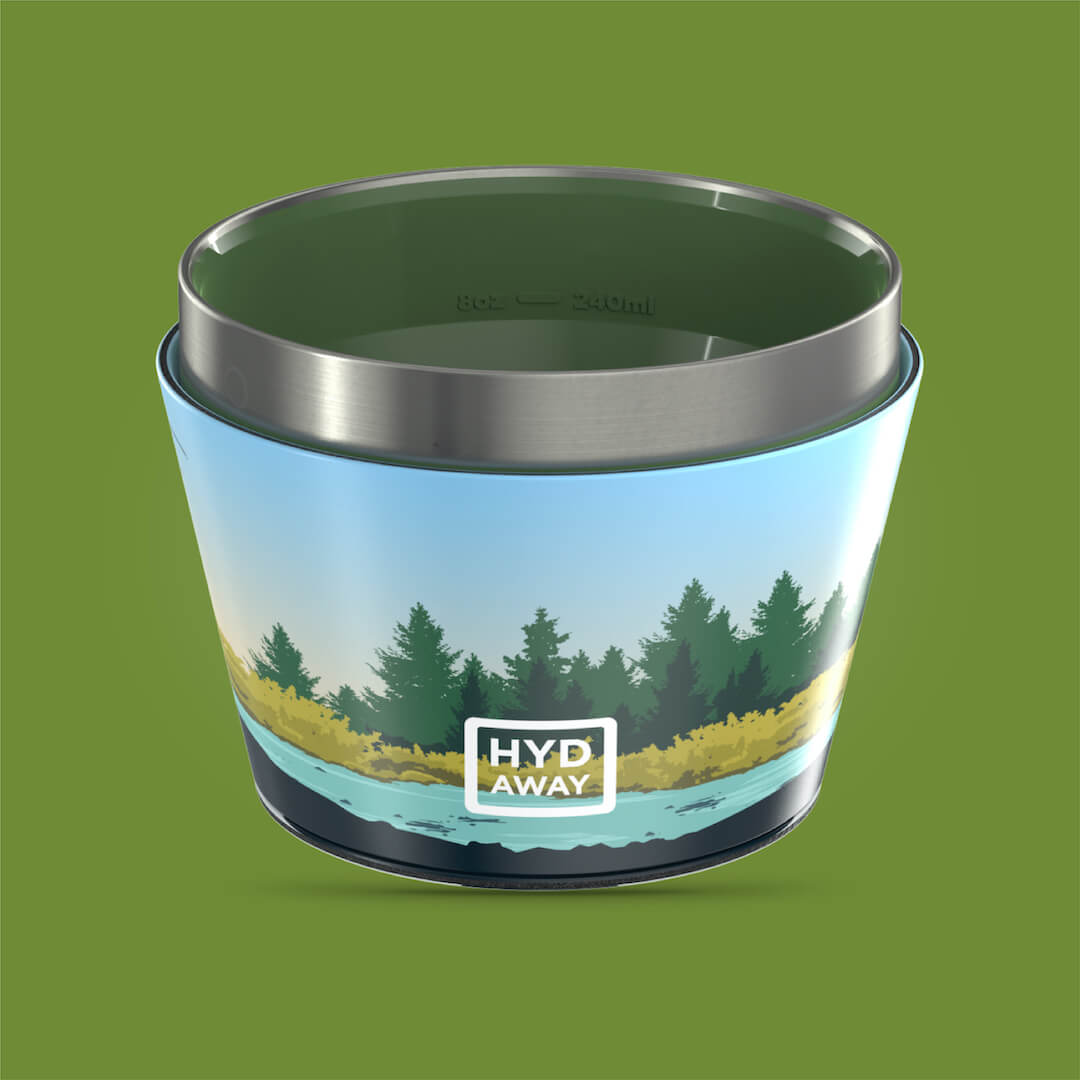
One product style that fits this logic well is a collapsible insulated bowl with a spill-proof lid. It serves hot or cold meals, then folds down when the meal's done, which is exactly what travelers need when space matters. A compact container only earns its place if it can disappear when it's empty, and that's where collapsible gear earns its keep.
The Golden Rules of Food Safety on the Move
Food safety on the road isn't complicated, but it is essential. A container can keep things tidy, yet it can't make unsafe food safe again. Once the temperature window closes, the meal is done.

Time beats intention
The most useful rule is the 2-hour / 1-hour limit. Perishable food shouldn't sit unrefrigerated for more than 2 hours, or more than 1 hour when the temperature is above 90°F (32°C), and anything beyond that should be discarded per Clemson Extension. That one rule covers road trips, theme parks, airport delays, and long stops where the meal looks fine but the clock says otherwise.
Food safety guidance also points to clear temperature targets. Cold foods are meant to stay at 40°F or below, and hot foods at 140°F or above. Those numbers are the line between a usable meal and a risky one, especially when you're traveling with dairy, cooked grains, meats, or anything that gets handled a lot.
Clean, separate, protect
A good travel setup also keeps raw and ready-to-eat foods apart. Raw meat and poultry need their own wrap or bag, and cutting boards or plates shouldn't cross between raw and cooked items. If you've ever packed a sandwich beside a leak-prone meal, you already know why separation matters.
For a plain-language refresher on safe handling habits, this VirusFAQ guide to food safety is a useful companion read. It reinforces the same point every traveler learns the hard way, safe food is about time, temperature, and separation.
Materials matter too
The container itself should support that safety logic. If you're comparing plastics and reusable formats, the HYDAWAY page on safe plastics for food storage fits naturally into that decision. The best travel system is the one that keeps the food protected without making cleaning, carrying, or temperature control harder than it has to be.
Packing Strategies for Every Type of Traveler
Packing for travel food storage works best when you stop thinking in generic terms and start thinking by trip type. A flyer, a van-lifer, a hiker, and a family on a day out all have different constraints. Same goal, different setup.

Air travelers need compact, quiet, and secure
Air travel rewards meals that don't spill, smell, or explode under pressure changes. A cold lunch works better than a fragile hot one, and anything liquid-heavy needs a tight seal and a container that won't flex open in your bag. The point is to arrive with food intact, not to recreate a kitchen in row 22.
A hard-sided lunch box, a sealed snack bag, and one insulated container for the meal you care about most usually cover the basics. If you pack coffee or sauces, keep them isolated from dry items so a small leak doesn't ruin the whole bag.
Van life and road trips need a no-fridge system
When refrigeration is unreliable, you need a dry-goods box, not wishful thinking. A shelf-stable pantry with peanut butter, tortillas, nuts, hard cheeses, apples, oats, canned beans, and shelf-stable milk keeps you fed without depending on a perfect cooler or a grocery run as camping food storage guides note.
Practical rule: Build the meal plan around what can survive the full day, not just what tastes good at home.
That means one box for dry food, one for refrigerated items if you have them, and one container only for messy leftovers or cooked meals. In a van, that separation prevents the classic problem where everything becomes one warm, crushed pile by afternoon.
Hikers need weight discipline
On trail, volume and weight matter more than variety. Pack foods that don't need much structure, then use a small sealable container only for the items that benefit from protection, like berries, chopped fruit, or a dense lunch that needs shape.
A collapsible bowl or compact container makes more sense here than a bulky hard box. HYDAWAY's collapsible travel gear fits this use case well because it saves space when empty and doesn't add dead weight after lunch.
Families on day trips need fast access
Families don't need the most gear, they need the fastest gear. Snacks should be easy to reach, hard to spill, and simple to hand back to kids without unpacking everything else. If you're spending the day at a park or theme park, keep one meal zone and one snack zone so you're not digging for crackers under a pile of fruit cups.
The smartest bag is the one that lets you serve food quickly, keep the mess contained, and keep moving. That's where a compact, reusable setup pays off again and again.
Keeping Your Gear Clean and Ready for Adventure
Reusable gear only works if you keep it clean enough to trust. A container that smells like yesterday's curry or last week's coffee stops being a convenience and starts being a problem. Good maintenance is part of the system, not an extra chore.
Wash fast, dry fully
Rinse containers as soon as you can after eating, especially if they held sauces, dairy, or anything oily. Warm water and mild soap usually handle the job, but collapsible silicone pieces need a full open-and-fold check so residue doesn't hide in seams, lids, or corners.
Drying matters just as much as washing. Leave lids open, separate pieces so air can move, and don't stack damp containers in a closed tote where mildew can start. A few extra minutes at home prevents a bad smell on the next trip.
Deal with stubborn odors early
Strong smells linger when food sits in a warm container too long. Coffee, curry, garlic, and fish are the biggest culprits, and the fix is usually repeated washing plus open-air drying rather than one aggressive scrub.
If a container still smells off, stop using it for the foods that carry smell-sensitive travel risk, like fruit or sandwiches. Keep the gear assigned by use, and the whole kit stays easier to manage.
Store the kit like a travel system
The cleanest setup is also the easiest to grab. Keep lids matched to bases, nest pieces only when they're fully dry, and store your food kit with the rest of your travel essentials so it's available when you need it.
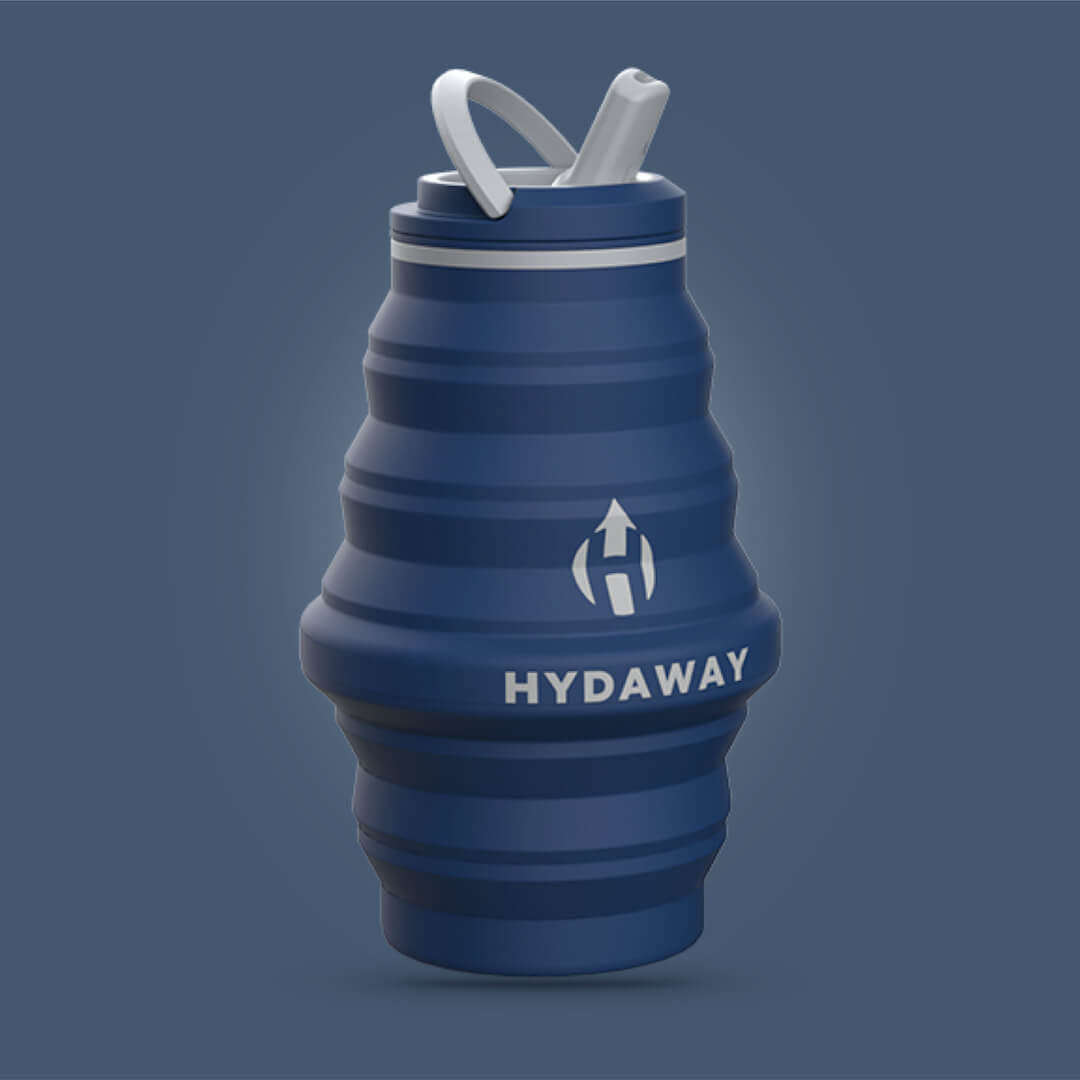
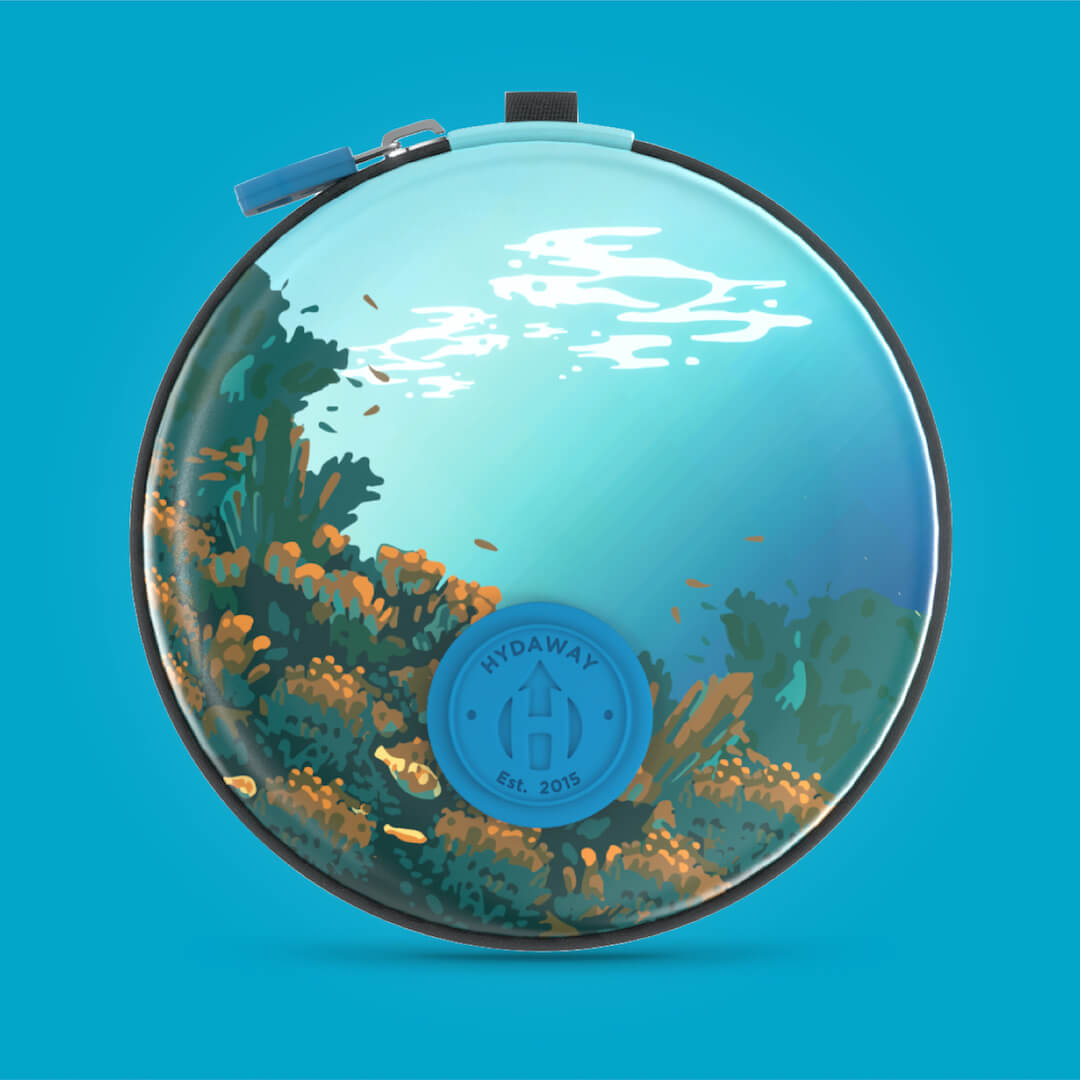
That's one reason compact reusables matter. A collapsible bowl, a fold-flat bottle, and a travel case built for the same kit all reduce clutter and make it more likely you'll bring the system every time, not just on the perfect trip.
Sustainable Snacking How Reusables Make a Difference
Travel food storage does more than make snacks easier to carry. It helps keep good food from getting tossed because it was crushed, spilled, or left unappealing before you had a chance to eat it. A well-built kit also supports the way you travel, whether that means a cooler setup in a van, a compact snack pack for flights, or light containers for trail days.

Waste usually starts with poor containment
Food waste is a serious problem, and travel often makes it worse when packaging fails or food gets forgotten in a bag. The scale is large, as shown according to the One Planet Network reference, which connects waste to weak handling and poor containment across the food system. On the road, the same pattern shows up in a smaller way. A leaking container, a loose lid, or a snack that gets squashed can turn a usable meal into trash before the trip is over.
Reusables make the easy choice the greener one
A travel food storage system works best when the pieces are built to be used again and packed with purpose. Fold-flat containers, insulated bowls, and reusable bottles reduce the need for throwaway packaging, and they fit better into real travel routines because they can be washed, nested, and brought back out on the next trip. That matters whether you are living out of a van, catching a flight, or carrying lunch into the woods.
HYDAWAY's collapsible gear fits that approach because it is designed to replace single-use habits without adding bulk to your pack. If you want a closer look at how reusable gear supports a lower-waste routine, the HYDAWAY guide to sustainable food storage containers gives a practical overview. The idea is straightforward, fewer disposables mean less trash to sort out and fewer replacements to buy.
Smart reusables do not change the trip for the sake of being greener. They make the whole food setup easier to pack, easier to clean, and easier to use again on the next outing.
Eat Better Travel Better
The biggest lesson in travel food storage is that there's no single magic container. There's a system. The right setup combines the right container types, clear food safety habits, and a packing strategy that matches the way you travel.
That's what changes the experience. Flights feel less stressful when your meal survives the bag. Road trips feel smoother when your pantry is organized. Day trips and hikes feel easier when food stays clean, sealed, and ready. Reusable gear supports all of that, and it does it while cutting waste at the same time.
If your current setup depends on luck, upgrade it before the next trip. Build a kit that fits your routine, then make it easy to bring every time you leave home.
If you're ready to make travel meals simpler, cleaner, and easier to pack, take a look at HYDAWAY. Their collapsible drinkware, bowls, bottles, and travel accessories are built for people who want to carry less and eat better on the move.