


A Practical Guide to Safe Plastics for Food Storage

Figuring out which plastic containers are safe for your family can feel like you need a chemistry degree, but the key is actually simpler than you think. That little number inside the recycling symbol on your container? That’s your first clue. Making confident choices really just starts with understanding those codes and what all the fuss about chemicals like BPA is really about.
Why Choosing Safe Containers Matters
Plastic containers are just a part of modern life, from packing school lunches to storing last night’s dinner. They’re undeniably convenient, but not all plastics are created equal.
The wrong type can potentially leach unwanted chemicals into your food, especially when you heat it up or if the container is old and scratched. This is exactly why being a little more mindful about what you buy is more important than ever.
This growing awareness is driving a huge shift in the market. The global household food storage container market, valued at USD 28 billion, is projected to rocket to USD 47 billion by 2035—that's a 67% increase. This boom isn't just about people buying more containers; it's about a collective search for safer, more reliable alternatives.
The Practical Side of Food Safety
Making smart choices isn't just for big businesses; it applies directly to your own kitchen. For a little inside baseball, it can be helpful to check out resources that explain the standards for food storage containers for restaurants. They focus on durability and material safety at a professional level, which gives you a great idea of what to look for in your own containers.
The goal here isn't to overcomplicate things. It's about building simple, effective habits that protect your family's health and creating a kitchen where you can trust every container you reach for.
Convenience Without Compromise
Finding a solution that is both safe and practical is the sweet spot. For those of us with active lifestyles—campers, travelers, or busy families—storage space is also a huge deal. This is where modern, thoughtful design comes into play.
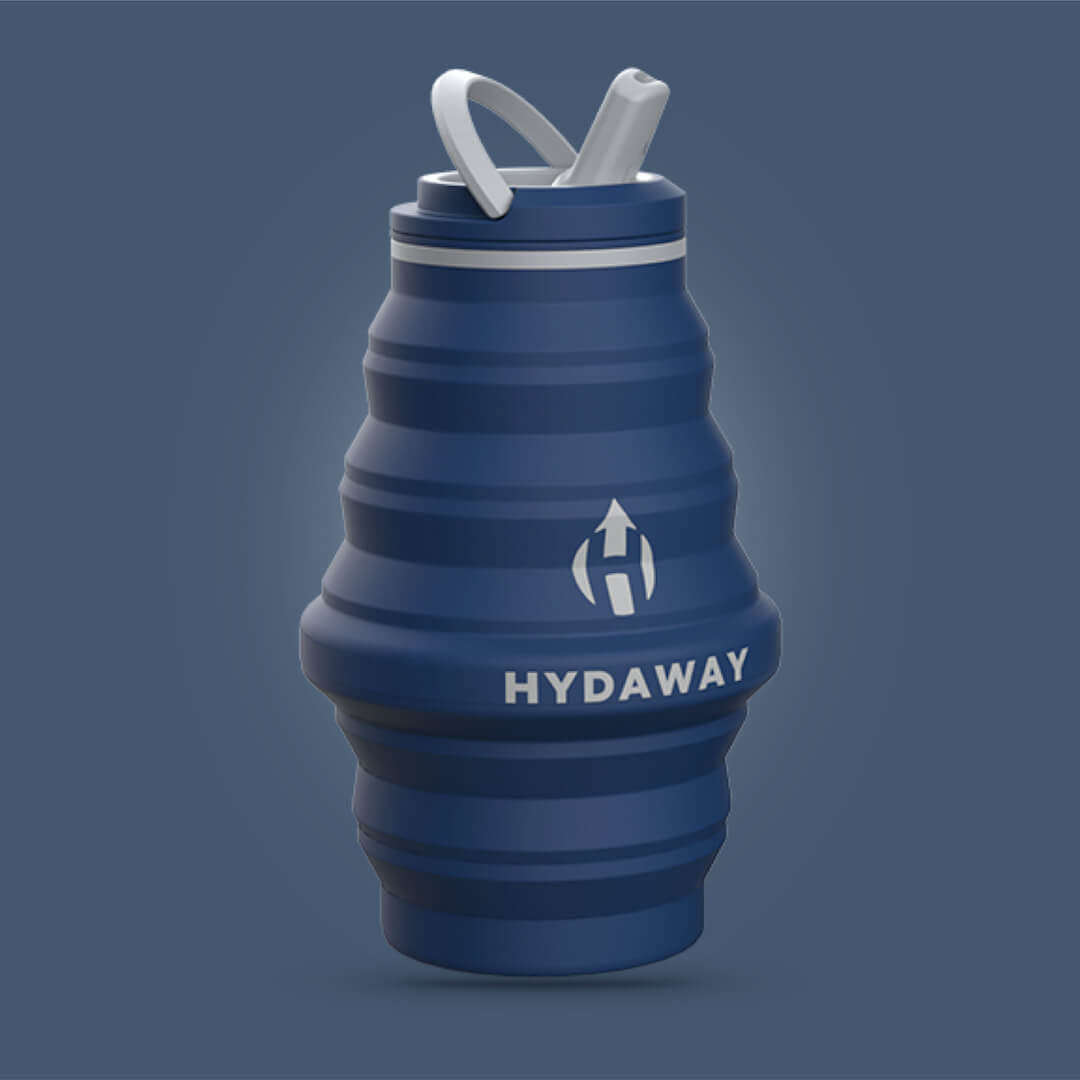
A practical example is packing for a family trip to a theme park. You want to bring your own snacks and drinks to save money, but your backpack space is limited. This is where HYDAWAY’s third-party tested, collapsible silicone containers fit perfectly into your life. They offer a reliable, space-saving solution for people who put a premium on both their health and their convenience. As a BPA-free, non-toxic option, they fit right into daily life, whether you’re packing for an adventure or just trying to organize your fridge. You get peace of mind without sacrificing precious cabinet space.
What Plastic Recycling Codes Mean for Your Health
Have you ever flipped over a plastic container and spotted that little triangle with a number inside? That symbol is the Resin Identification Code (RIC), and it’s way more than just a recycling tip—it's your first and best clue for figuring out if that plastic is safe for your food.
Think of it as a cheat sheet for your container. It tells you exactly what it's made of and how you should (or shouldn't) use it. Understanding these codes is the quickest way to cut through the confusing chemical names and make a smart, confident choice for your kitchen.
Here’s a quick-reference guide to help you sort the good from the bad when it comes to plastics in your kitchen.
Plastic Recycling Codes At-a-Glance Guide for Food Safety
| Recycling Code | Plastic Type | Common Uses | Food Storage Safety Level |
|---|---|---|---|
| #1 PETE/PET | Polyethylene Terephthalate | Soda/water bottles, peanut butter jars | Use with Caution: Best for single use; avoid reusing or heating. |
| #2 HDPE | High-Density Polyethylene | Milk jugs, juice bottles, cereal box liners | Safer Choice: Very stable and a go-to for food and drinks. |
| #3 PVC | Polyvinyl Chloride | Some cling wrap, squeeze bottles | Avoid: Often contains harmful phthalates. |
| #4 LDPE | Low-Density Polyethylene | Squeeze bottles, bread bags, frozen food bags | Safer Choice: Flexible and widely considered safe for food contact. |
| #5 PP | Polypropylene | Reusable containers, yogurt tubs, take-out containers | Safest Choice: Very durable, heat-resistant, and ideal for reuse. |
| #6 PS | Polystyrene | Styrofoam cups, disposable plates, take-out containers | Avoid: Can leach styrene, especially when heated. |
| #7 OTHER | Various Plastics (incl. Polycarbonate) | Large water jugs, some baby bottles | Avoid: A catch-all category that can include BPA-containing plastics. |
This table makes it easy to see which numbers you should look for and which you should leave on the shelf. Let's dig a little deeper into what these categories really mean for your day-to-day life.
The Safest Plastics for Food Contact
When you're packing lunches or stashing leftovers, you want materials that are stable and won't leach funky chemicals into your food. A few plastic codes consistently come out on top as the safest picks for the job.
- Code #2 - High-Density Polyethylene (HDPE): This is the sturdy, often opaque plastic you see used for milk jugs and juice bottles. It’s tough and highly resistant to leaching, making it a fantastic choice.
- Code #4 - Low-Density Polyethylene (LDPE): Softer and more flexible than its high-density cousin, LDPE is what squeeze bottles (like for honey) and bread bags are made of. It's also considered very safe.
- Code #5 - Polypropylene (PP): This is the MVP of reusable food containers. It’s durable, stands up to heat, and is generally microwave-safe (though we still think glass is best for microwaving). You’ll find it everywhere from yogurt cups to those trusty Tupperware-style containers.
These three plastics—#2, #4, and #5—are your kitchen allies. They're built for stability and don’t contain the big-name chemicals like BPA or phthalates, making them reliable choices you can feel good about.
Plastics to Use with Caution
Some plastics aren't necessarily bad, but how you use them matters. A lot. These are typically designed for one-time use and can start to break down with heat or repeated washings, which is when chemicals might start to escape.
Code #1 - Polyethylene Terephthalate (PET or PETE) This is the king of single-use. It’s what most water and soda bottles are made from. While it’s perfectly safe for its intended one-and-done purpose, it's not built to last. Reusing and washing these bottles can create tiny cracks where bacteria can flourish, and the plastic itself can start to degrade.
Think of a PET bottle like a paper cup at a party—it works great for the night, but you wouldn't keep refilling it for the next month. If you're an avid hiker or a student who needs to stay hydrated all day, you need a truly reusable option. This is where products like HYDAWAY’s collapsible, food-grade silicone bottles and bowls really shine. They give you that on-the-go convenience but are built to be used thousands of times, offering a safe and durable alternative to single-use plastic that you can easily stash in a backpack when empty.
This simple hierarchy shows how checking that little number is the first, most important step.
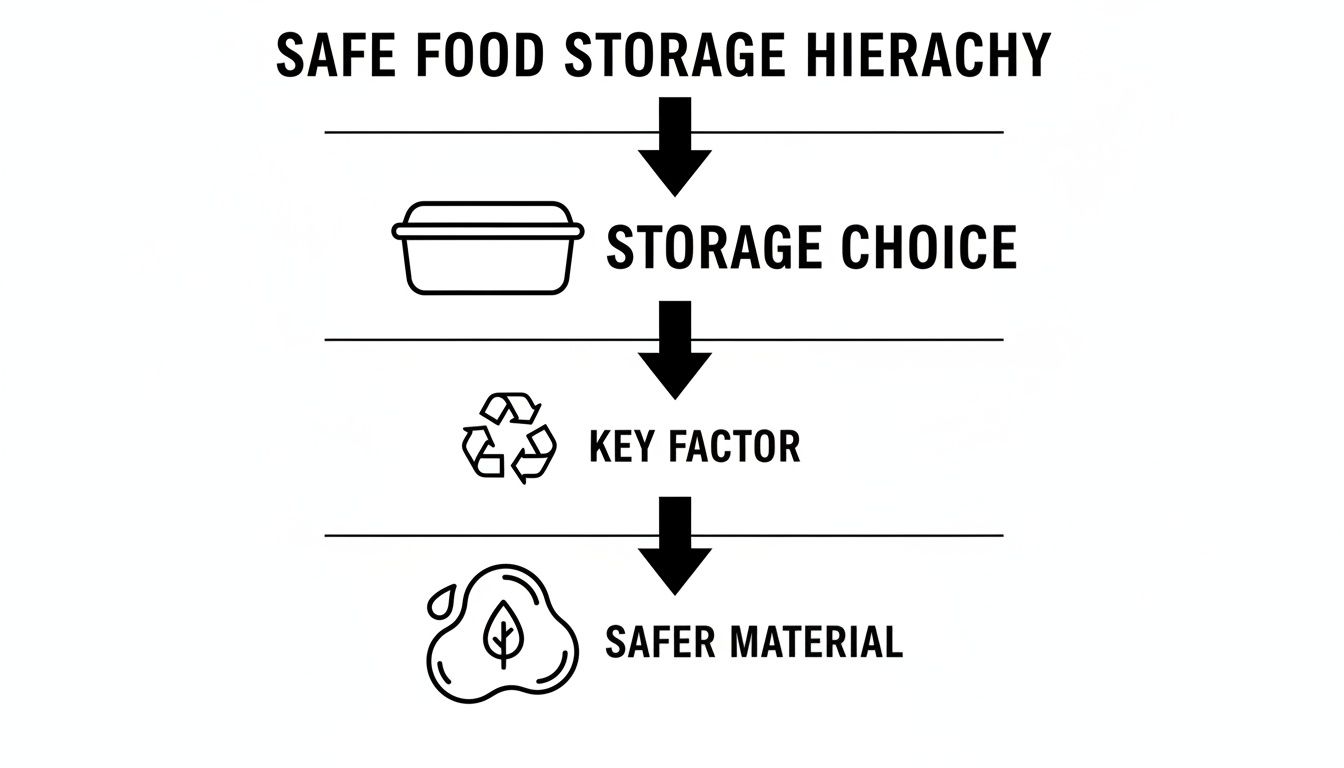
It all starts with your choice of material, and the recycling code is your guide.
Plastics to Avoid for Food and Drink
Finally, we have the plastics you should just keep out of your kitchen altogether. These types are well-known for containing chemicals that can leach into your food, especially when they get hot, oily, or acidic.
- Code #3 - Polyvinyl Chloride (PVC): This one often contains phthalates to make it soft and flexible. You’ll find it in some types of cling wrap and certain squeeze bottles. It's best to steer clear.
- Code #6 - Polystyrene (PS): You know this one as Styrofoam. It's used for disposable coffee cups and takeout containers. It can leach styrene, a potential carcinogen, when it touches anything hot, fatty, or acidic. That hot soup in a foam cup? A classic no-go.
- Code #7 - Other: This is a catch-all category for a bunch of different plastics, including polycarbonate (PC), which is famous for containing BPA. While some newer, safer plastics also land in the #7 bin, the risk of BPA makes it a code to avoid unless the product is specifically marked as non-toxic or made from a known safe material like Tritan.
Making a quick check for codes #3, #6, and #7 is a simple habit that can dramatically cut your exposure to questionable chemicals. By choosing containers made from safer materials like #5 polypropylene or food-grade silicone, you take back control of what goes into your body.
The Hidden Risks of BPA and Other Plastic Chemicals
Knowing the little recycling number on the bottom of your container is a great first step, but the real power comes from understanding why some plastics are safer than others. It all boils down to the tiny, invisible chemicals used to make them.
These additives can actually migrate from the plastic into your food—a process that kicks into high gear with heat, acidity, or even just old age. Think of a plastic container like a brand-new sponge. It feels solid, but under the right conditions (like pouring in hot soup), it can release whatever it's made of. This is why choosing containers made from verified safe materials is so crucial for your peace of mind.
The Problem with BPA
Bisphenol A, much better known as BPA, is a chemical that’s been used for decades to harden plastics. It’s a key ingredient in polycarbonate, that tough, clear plastic you’ll often find with recycling code #7. For years, it was the go-to material for everything from baby bottles to reusable water jugs.
The trouble is, BPA is an endocrine disruptor. In simple terms, this means it can mimic the body's hormones—especially estrogen—and potentially throw a wrench into your body's normal functions. Over time, concerns mounted about its links to various health issues, sparking a huge consumer demand for BPA-free products. While this public pressure has pushed many manufacturers to phase it out, it's still smart to know what you’re looking for. You can dive deeper in our guide that explains what BPA-free plastic really means.
When you choose a product that is not only BPA-free but also third-party tested, you're not just buying a container; you're buying confidence that your food is stored as safely as possible.
And this issue is way bigger than just one chemical. A scientific consensus statement revealed that a staggering 12,000 chemicals are used in food packaging materials. Even scarier, a toxicity assessment of 34 common plastic food storage products found that 74% of them released chemicals that triggered at least one toxic effect. You can learn more about the extensive research on chemicals in food packaging on Break Free From Plastic.
What Are Phthalates
While BPA makes plastics hard, phthalates (pronounced THAL-ates) do the exact opposite—they make plastics soft and flexible. You’ll often find these plasticizers in PVC plastic (code #3), which is used for things like cling wrap and some squeeze bottles.
Like BPA, certain phthalates are also considered endocrine disruptors and have raised health red flags. They aren't chemically bonded to the plastic, which means they can leach out more easily, especially when they touch fatty or oily foods. Imagine storing a greasy pasta salad in a container made with phthalates; those oils can act like a magnet, pulling those chemicals right into your meal.
For this reason, steering clear of plastics with recycling code #3 is a simple and effective way to lower your exposure. Choosing safe plastics for food storage, like polypropylene (#5) or high-density polyethylene (#2), completely sidesteps this risk.
How Chemicals Leach into Your Food
Chemicals don't just randomly jump from your container into your food. The migration is triggered by specific, everyday kitchen conditions. Understanding these triggers is key to using your containers more safely.
- Heat Is the Biggest Culprit: Microwaving a plastic container or pouring hot soup into it can dramatically speed up chemical leaching. Heat causes the plastic to expand and break down on a microscopic level, releasing those additives.
- Acidity and Fats Matter: Highly acidic foods like tomato sauce or fatty foods like cheese can also draw chemicals out of plastic.
- Age and Wear Are Factors: A container that’s old, scratched, or cloudy is a clear sign that the plastic is degrading. Those scratches create more surface area for chemicals to leach from and can also become a breeding ground for bacteria.
This is exactly why choosing the right gear for your daily life is so important. Think about a family heading to a theme park for the day—you'll be refilling water bottles and packing snacks that will sit in the sun. Or if you’re a digital nomad, your gear gets put through its paces with constant use and washing.
In these everyday scenarios, having reliable, safe containers is non-negotiable. HYDAWAY’s entire line of collapsible dinnerware and drinkware is made from third-party verified, food-grade silicone that is completely free of BPA, phthalates, and other harmful toxins. This means you can pack hot oatmeal for a camping trip or a fresh salad for lunch at the office with total confidence, knowing your container is built for safety and convenience, no matter where your day takes you.
Practical Tips for Safely Using Plastic Containers
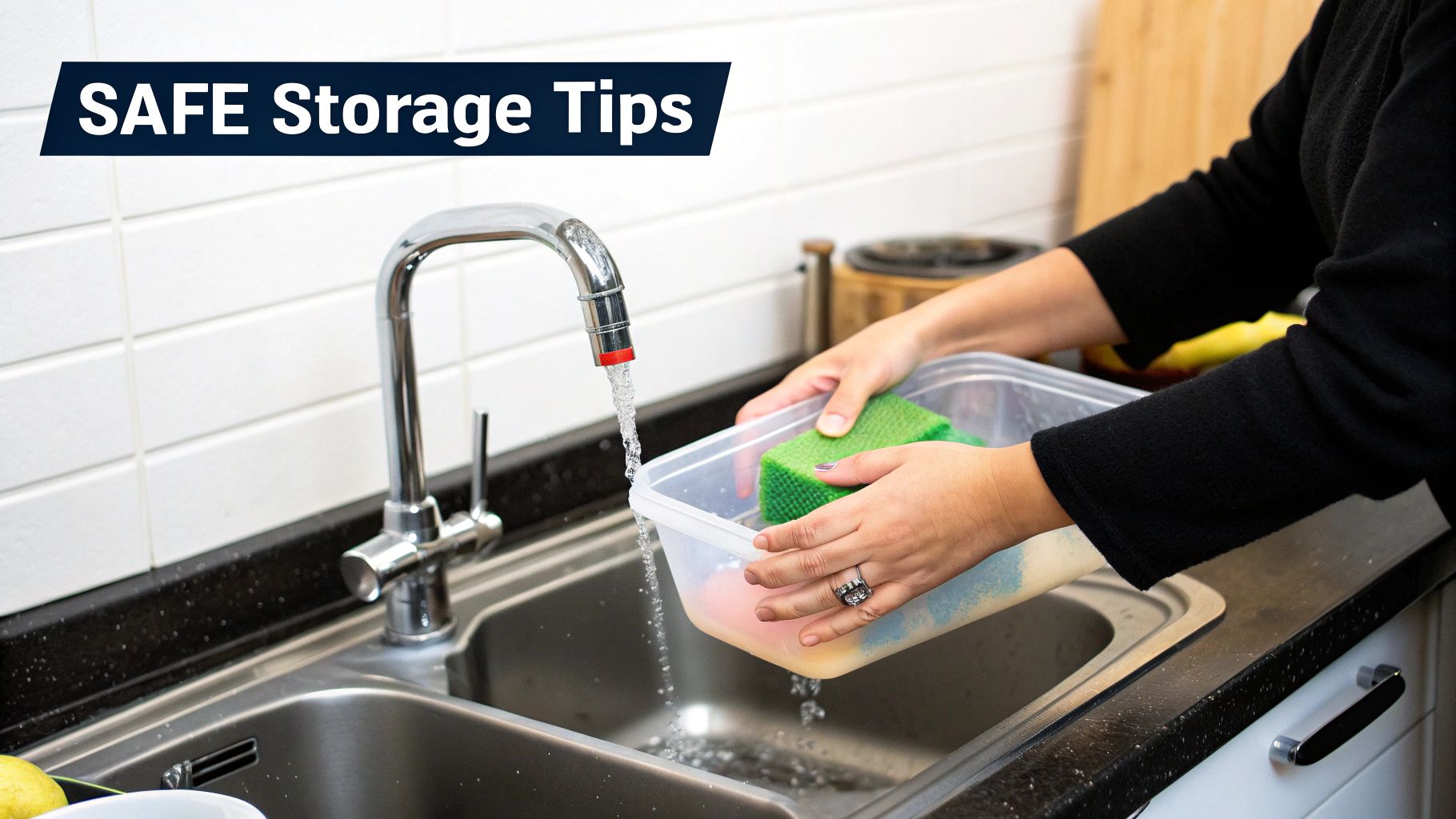
Choosing a container made from a safer plastic is a great start, but how you use and care for it matters just as much. Think of it like a quality kitchen knife—even the best blade gets dull and unsafe if you don't handle it right. The same logic applies to safe plastics for food storage; your daily habits are what truly protect their integrity and your health.
Just a few simple routines can make all the difference. These habits minimize the risk of chemicals leaching into your food, stop bacteria from growing, and help your containers last longer. That way, they stay a reliable part of your kitchen for years.
Handle Heat with Extra Care
Heat is the biggest culprit when it comes to making chemicals move from plastic into your food. Even plastics labeled "microwave-safe" aren't totally risk-free. That label just means the container won't melt or warp, not that it’s leach-proof.
The safest bet is to always move your food to a glass or ceramic dish before you hit start on the microwave. It’s a tiny extra step that erases any doubt. Also, try to let hot foods like soup, chili, or pasta sauce cool down a bit before you pack them into a plastic container. This little bit of patience drastically reduces how much heat the plastic is exposed to.
Master Your Washing and Drying Routine
The way you clean your plastic containers has a direct impact on their safety and lifespan. Abrasive soaps and the high heat of a dishwasher can stress the material over time, causing it to break down much faster.
Here are a few tips to keep them in top shape:
- Hand-Wash When You Can: A soft sponge and some mild dish soap are your best friends. Steer clear of steel wool or harsh scrubbers that create tiny scratches where bacteria and microplastics can hide.
- Check for the "Dishwasher-Safe" Label: If you don't see it, don't risk it. The intense heat can cause warping and speed up chemical breakdown.
- Top-Rack Is Best: For any plastics that are dishwasher-safe, always put them on the top rack. This keeps them far away from the super-hot heating element at the bottom.
- Air-Dry Completely: Make sure your containers are bone dry before you put the lids on and stack them. Any trapped moisture is an open invitation for mold and bacteria.
Taking a moment to wash your containers by hand is more than just a chore; it's a proactive step in preserving the material's integrity and ensuring your food stays pure and safe with every use.
A Smarter Solution for Busy Lifestyles
We get it—life is hectic. Between work, family, and planning that next camping trip or a day at a theme park with the kids, you need solutions that are both safe and incredibly convenient. Hand-washing every single container just isn't always in the cards.
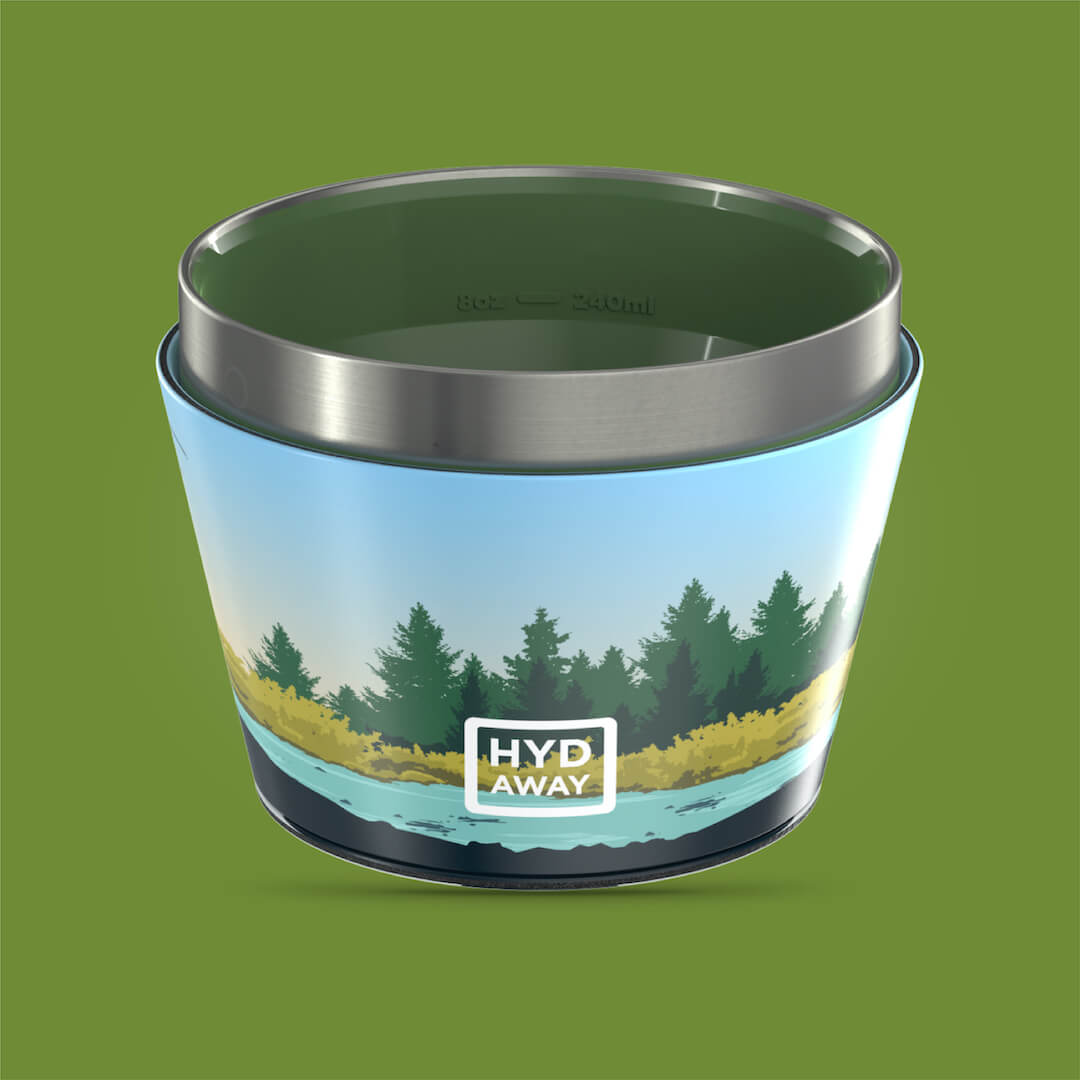
This is where having the right gear changes everything. HYDAWAY’s collapsible bowls and other products are designed specifically for an active, modern life. Made from durable, food-grade silicone, they are completely dishwasher-safe, which makes cleanup a total breeze. You can toss them in with your other dishes and never have to worry about the material breaking down.
Think about it: after a long hike, the last thing you want is a complicated cleanup. With a HYDAWAY bowl, you can eat your meal, collapse it down to save space in your pack, and just pop it in the dishwasher when you get home. It’s the perfect blend of high-performance safety and real-world practicality. To really streamline your routine, check out our insights on choosing the best dishwasher-safe meal prep containers.
When you invest in products built for durability and easy care, you're not just buying a container. You're adopting a system that makes safe food storage a simple, worry-free part of your everyday adventures.
Exploring Safer Alternatives Beyond Plastic
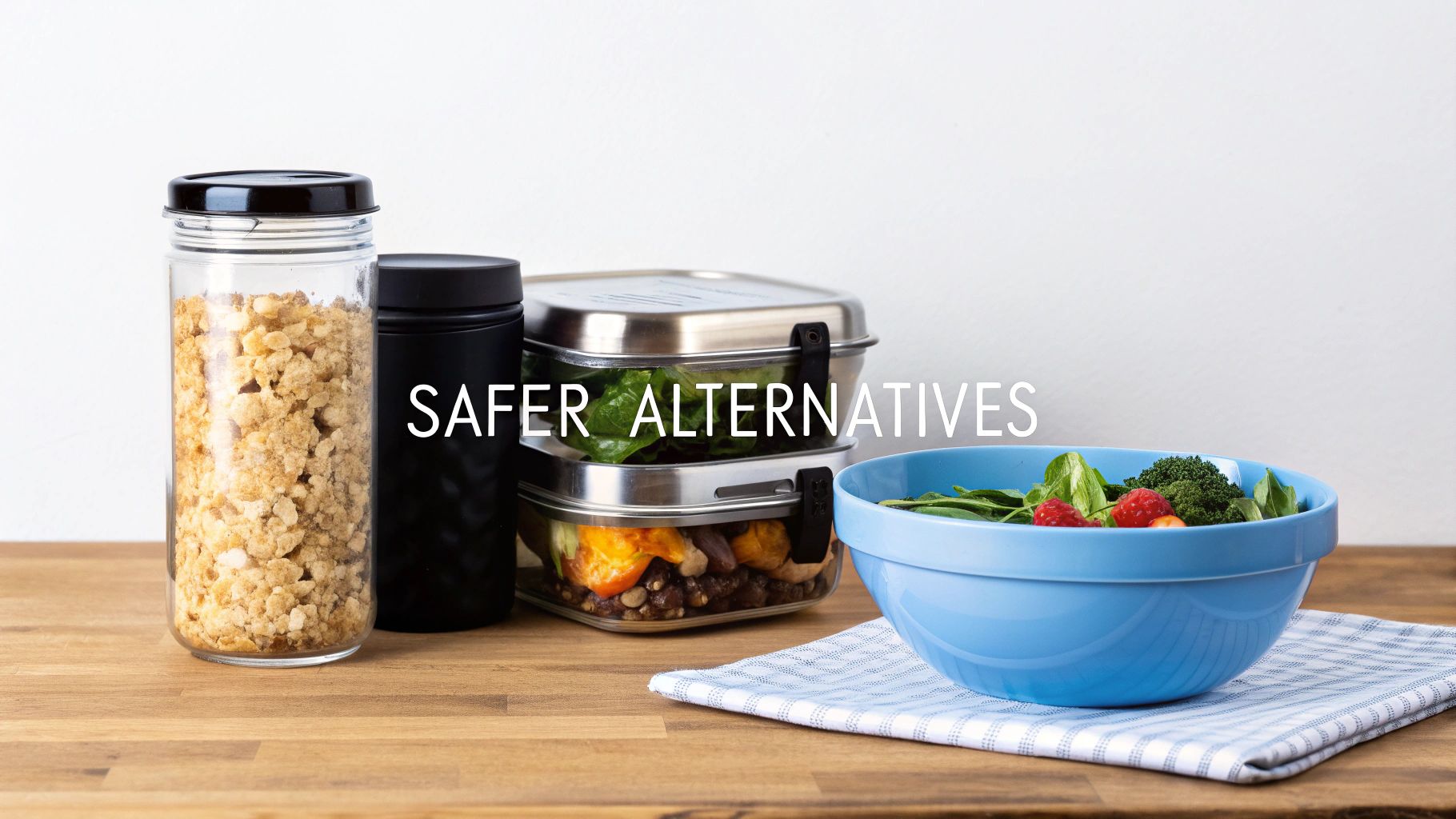
While picking the right kind of plastic is a great first step, lots of us are looking to expand our food storage toolkit even further. Moving beyond plastic altogether opens up a world of durable, reliable, and often more versatile materials for a truly resilient and non-toxic kitchen.
Each material has its own personality and strengths, perfect for different needs and lifestyles. From the see-through purity of glass to the nearly indestructible nature of stainless steel, getting to know these options helps you pick the perfect container for any job, whether you're meal-prepping at home or packing for a big adventure.
The Classic Choices: Glass and Stainless Steel
For good reason, glass and stainless steel are the traditional heavyweights in the non-plastic food storage ring. They are champions of purity and durability, offering a completely inert surface that will never leach chemicals, hang onto smells, or get stained by last night's spaghetti sauce.
Let's break down what makes them so popular:
- Glass Containers: These are fantastic for at-home use. You can pop them in the microwave, run them through the dishwasher, and easily see what’s inside. The biggest downside? They're heavy and, well, breakable—not exactly ideal for travel or a kid's lunchbox.
- Stainless Steel Containers: Tough as nails and surprisingly lightweight, stainless steel is a dream for on-the-go meals. It won’t shatter if you drop it and is great at keeping food at a steady temp. But, you can’t see what’s inside, and it's a no-go for the microwave, which can be a deal-breaker for reheating leftovers at the office.
While both are excellent for cutting down on plastic, their rigidity and weight can feel limiting, especially for those of us who need our gear to be as compact and portable as possible.
Silicone: The Modern, Flexible Solution
This is where food-grade silicone really shines. It’s a total game-changer. It gives you the best of both worlds, blending the non-toxic safety of glass and steel with a flexibility and lightness that neither can touch. Made from silica (aka sand), silicone is a durable, temperature-resistant, and BPA-free material that doesn't react with food or drinks.
Unlike rigid containers that eat up valuable cabinet space, silicone’s real magic is its ability to adapt. This unique quality makes it the perfect material for an active, space-conscious lifestyle where efficiency is everything.
That adaptability is precisely what makes HYDAWAY products so incredibly practical. They harness the power of food-grade silicone to create bowls, cups, and bottles that collapse down to a slim, stashable profile. This solves the storage nightmare that plagues bulky glass and steel containers, a huge win for anyone trying to live a more organized, mobile life.
How HYDAWAY Fits Your Active Life
The true test of any container is how seamlessly it fits into your daily routine. HYDAWAY’s collapsible silicone dinnerware was designed for just that—real-world scenarios that demand both non-toxic safety and next-level convenience.
Think about the digital nomad working from a new city each month. Kitchen space is minimal, and every item in the backpack has to earn its keep. A full set of HYDAWAY collapsible bowls provides a complete dinnerware set that packs flat, fitting right alongside a laptop without the bulk.
Or picture a family heading out for a weekend camping trip. Instead of wrestling with a clunky stack of containers, they can bring a nested set of HYDAWAY bowls. They offer sturdy, spill-proof storage for everything from oatmeal to trail mix, and when empty, they collapse down, freeing up precious space in the gear bin for the ride home. You can find more smart, packable ideas in our guide on collapsible silicone food storage containers.
From theme park moms packing snacks to save a few bucks to retirees exploring Europe, HYDAWAY delivers a practical way to carry less and do more. It’s the perfect example of how choosing the right material—in this case, high-quality, third-party tested silicone—can support a healthier, more organized, and adventurous life without compromise.
Understanding Food Safety Regulations and Certifications
When you're navigating the grocery aisle, labels shouting "FDA-compliant" or "food-safe" can feel reassuring. But here’s the thing: government regulations are often just the minimum safety standard, not the gold standard.
Think of it like a car's safety rating. A basic pass is good, but you really want the car that earns top marks in every crash test. Official bodies like the U.S. Food and Drug Administration (FDA) set a baseline to prevent immediate harm, but their rules don't always account for the long-term effects of low-level chemical exposure.
Going Beyond the Baseline with Third-Party Testing
The real mark of a trustworthy brand is a commitment to exceeding these minimums. This is where third-party verification comes in—it’s solid proof that an independent lab has rigorously tested a product and confirmed it’s free from harmful chemicals.
When a company invests in this level of testing, they are actively choosing transparency and putting your health first. It moves a product's safety claim from a simple marketing statement to a verifiable fact.
A "BPA-free" label is a good start, but a third-party certificate of analysis is your guarantee. It shows a brand isn't just following the rules; it's leading with integrity.
This is the standard we set for all HYDAWAY products. Every single collapsible bottle and bowl is made from food-grade silicone and is also independently tested to be free of BPA, phthalates, and other sketchy substances. This gives you a clear benchmark for what to look for—proven safety you can count on, whether you’re packing lunch for your kids or hitting the road for a cross-country adventure.
Keeping Up with Evolving Standards
The good news is that regulatory action against unsafe materials is gaining steam. As of 2025, eight U.S. states have banned styrofoam food containers, with Maryland being the first to prohibit their use in restaurants and supermarkets. This trend highlights a growing demand for safer materials in our daily lives.
Ultimately, to make sure your food storage practices are up to snuff, it's helpful to understand fundamental principles like what HACCP food safety entails. By choosing products with verified safety claims, you can feel confident that you’re making the smartest choice for your health.
Still Have Questions About Safe Food Storage?
We've unpacked a lot of information, and it's natural if you're still weighing a few things. Let's tackle some of the most common questions that pop up when choosing and using plastic containers in the kitchen.
Is It Safe to Microwave Food in 'Microwave-Safe' Plastic?
This is a big one. While a "microwave-safe" label is a good sign—it means the container won’t literally melt or lose its shape—it doesn't promise zero chemical leaching. Heat is the number one culprit when it comes to encouraging chemicals to migrate out of plastic and into your food.
For total peace of mind, the safest move is always to transfer your leftovers to a glass or ceramic dish before you hit "start." If you absolutely have to use plastic, double-check for that label. And whatever you do, never use plastic wrap as a cover in the microwave; it can easily melt right into your meal.
Are All BPA-Free Plastics Safe to Use?
Not quite. When everyone started getting wise to the dangers of BPA, some manufacturers swapped it out for similar chemicals, like BPS. The trouble is, these replacement chemicals can come with their own set of similar health concerns. A "BPA-free" sticker is a step in the right direction, but it's not the final word on safety.
The real confidence comes from choosing plastics with inherently safer recycling codes—stick to #2, #4, and #5—or better yet, opting for materials from brands that go the extra mile. This is exactly why HYDAWAY puts its products through rigorous, third-party testing for a whole cocktail of chemicals, offering a standard of assurance you just don't get from a simple sticker.
When Should I Throw Away a Plastic Food Container?
Plastic doesn't last forever, and it's important to know when a container has reached the end of its life. It's time to retire one when it starts showing clear signs of wear and tear.
Be on the lookout for these red flags:
- Deep scratches or cracks, which are perfect hiding spots for bacteria.
- A cloudy, chalky, or discolored appearance.
- A greasy film that you just can't seem to wash off.
- Lingering smells from last week's spaghetti sauce that won't go away.
Any of these signs mean the plastic is breaking down, which can ramp up the risk of chemicals leaching into your food.
Ready to make a change to a smarter, safer, and ridiculously convenient storage solution? The HYDAWAY collection of collapsible, third-party tested silicone dinnerware and drinkware is built for a life on the move. It's time to ditch the bulky, questionable plastic and see how easy it is to pack light and live well. Explore the full collection at HYDAWAY.