


Traveller Clothes Line Guide for Smart Packers

You're in a hostel sink at 9 pm, rinsing a hiking shirt that smells like sweat and trail dust, and the room has no dryer, no balcony, and no friendly radiator to save you. That's the exact moment a traveller clothes line earns its keep. Buy the wrong one and it turns into clutter. Buy the right one and it becomes the lightest, most useful laundry tool in your pack.
What a Traveller Clothes Line Actually Does
A traveller clothes line is a compact, tensioned cord for hanging small loads in temporary spaces. It's not a backyard system, and it's definitely not the old rotary setup that took up real outdoor space. The point is simple, suspend damp clothes where air can reach them, then pack the line back down to almost nothing.

The category has real history behind it. The word “clothesline” was already in use by 1830, and early drying devices show up in U.S. patent history in the 1850s. Portable travel versions came much later, with Lloyd G. Copeman's Flexo-Line Travel Clothesline reportedly in production since 1945, and Core77 notes that version weighs 1 ounce, stretches to 7 feet, and supports up to 12 pounds of wet clothing (Clotheslines history, Core77 on the Flexo-Line).
Practical rule: a travel line is for small, fast-drying garments, not wet jeans or a dripping bath towel.
That's why the ultralight category keeps landing under 2 oz, with usable spans around 7 to 11 feet. One widely sold line measures 11 ft / 3.5 m and weighs 0.9 oz / 25 g, while another weighs 1.1 oz / 31 g and stretches to 7 ft / 2.1 m (Sea to Summit Lite Line specs). The tradeoff is obvious, you give up brute-force capacity so you can carry a line without thinking about it. That's the right deal for travel.
Choosing the Right Type for Your Travel Style
The best traveller clothes line depends on where you sleep most nights, not on the prettiest product page. If you're bouncing between minimalist hotels, I'd take a braided cord with coated hooks. If you're living out of a van or camper, a longer span line with sturdy attachment points makes more sense. If you want a tidy, grab-and-go option for short hops, a retractable reel can work, but don't expect it to behave like a heavy-duty home line.
Here's the blunt version. Braided cord wins for versatility because it grips fabric, adjusts easily, and plays nicely with odd anchor points. Retractable reel wins for neatness and quick deployment, but it usually gives you less confidence when the load gets heavier. Bungee style stretches into awkward spaces and can hold items in place, but it's less precise when you want exact tension.
Pick the line that matches the place you'll hang it, not the trip you wish you were taking.
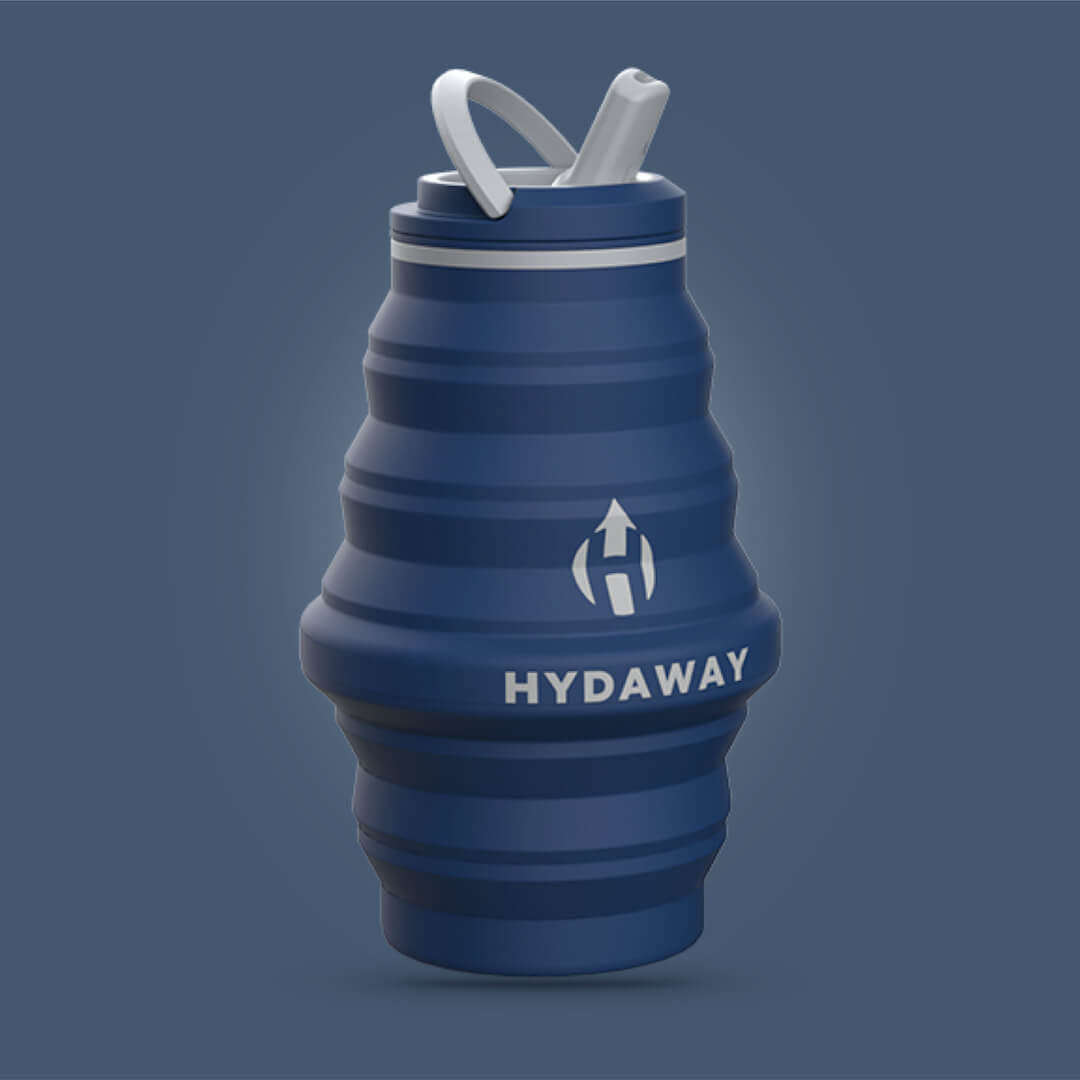
That's also where the packability-first mindset makes sense. HYDAWAY's gear philosophy is built around collapsing small and expanding when needed, and that same logic applies here. A compact laundry line is useful for the same reason a collapsible bottle is useful, it solves a space problem without asking for permanent room in your pack.
If you're shopping for a more specialized setup, the embroidery-friendly U Design It clothes line solution from B-Sew Inn is worth a look because it shows how even niche line systems are built around tension, hooks, and adaptability. That's the signal to watch for. Don't obsess over length alone. Look for secure hooks, low stretch, and a line that won't turn into a limp noodle once your socks get wet.
Setting Up a Line in Any Accommodation
A good line is only half the job. The other half is finding anchors that won't slip, bend, or annoy the person cleaning the room after you leave. The rule is simple, tension beats length, and stable anchors beat cleverness.
In a hostel dorm, the cleanest move is usually between bed frames or bunk ladders. Run the cord tight, keep it away from someone's pillow, and use the beads or hooks to separate items so they can breathe. If the room is crowded, hang only the lightest garments and put the rest in rotation.
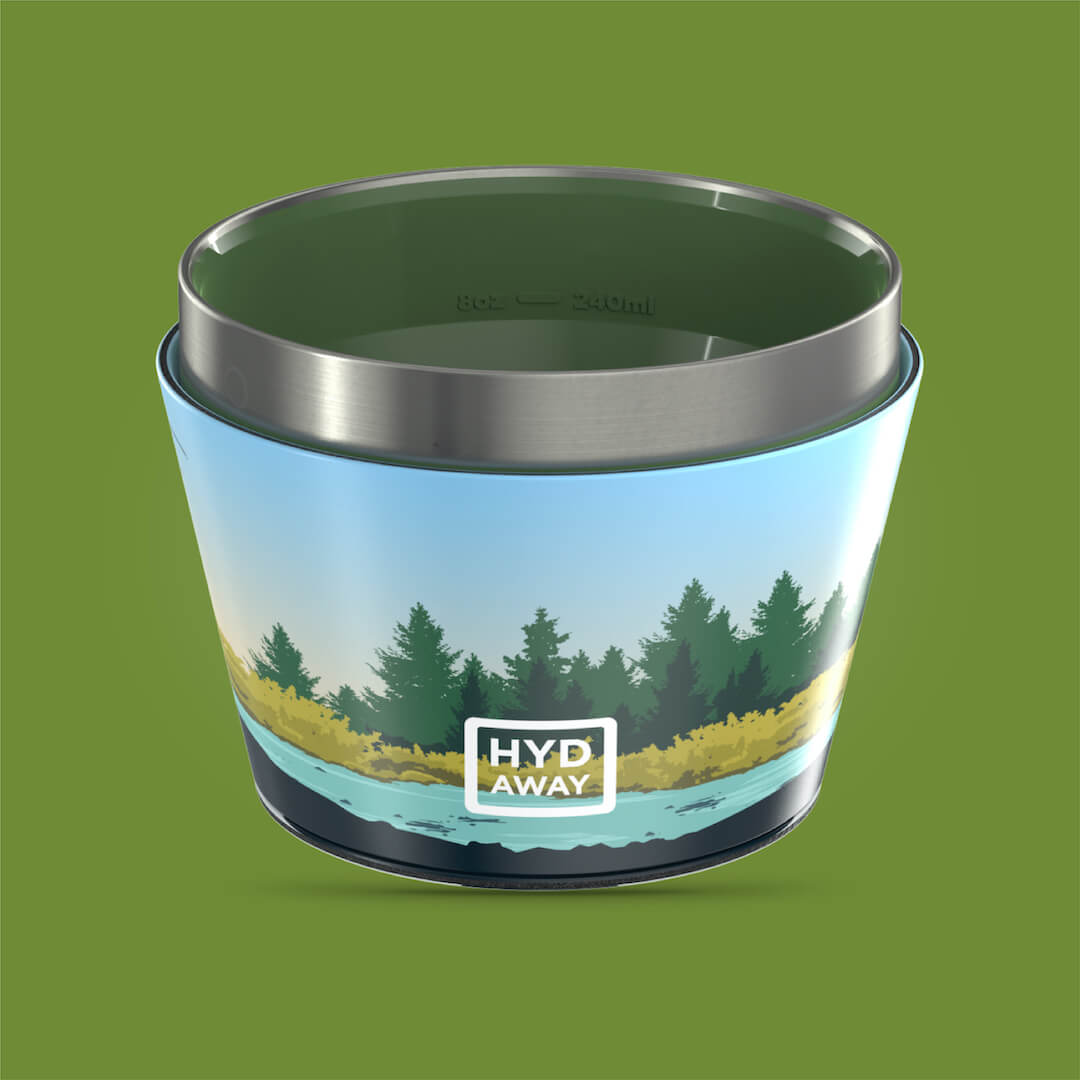
A minimalist hotel room takes more improvisation. Use the shower rod if it's solid, the top edge of a door if the line can't slip, or the gap between a wardrobe and the wall when nothing else is available. A collapsible bottle or bowl from HYDAWAY is a handy visual test here, if the spot won't safely hold the shape of a filled item in your hand, it probably won't like a tensioned line either.
The line also needs airflow, not just a place to hang. That lines up with independent laundry guidance that stresses ventilation and warns against heavy, soaking-wet items indoors. Keep that in mind before you thread the cord through something flimsy or decorative.
A campervan gives you better options. Thread the line through the awning channel, or open the sliding door and clip to a stable exterior point if the setup is safe. On a campsite, run it between two trees or under a rainfly ridge, then keep it high enough that shoes and bags aren't brushing it.
Here's the part people ignore:
A sagging line is a bad line. If it droops, the load is too heavy or the anchors are weak.
The goal is a temporary drying zone, not a laundry disaster waiting to happen. If a fixture feels like it might crack, rattle loose, or leave a mark, don't use it. Choose another point or hang fewer items.
One useful companion habit is to keep your laundry tools together. A compact storage setup like the one described in HYDAWAY's mesh storage bag guide makes it easier to find your line, detergent, and sink gear before you start wrestling with a wet shirt at midnight. For a visual walkthrough of the setup logic, the embedded process diagram above is the fastest way to sanity-check your anchor choices.
Drying Time by Climate and Fabric
People blame the line when the primary issue is the room. Airflow, spacing, and fabric choice matter more than the cord itself. If you hang a damp synthetic shirt in moving air, you're in good shape. If you hang a thick cotton tee in a sealed bathroom, you've basically created a mildew experiment.
The most useful benchmark is simple. Trek Simple says outdoor laundry can be dry in a few hours or overnight when conditions cooperate (Trek Simple). That's the standard to aim for, not some fantasy about every garment drying fast everywhere. A travel line gives you control, but it can't beat bad weather or dead air.
Spacing matters more than people think. Leave room between items, spread fabric out as much as possible, and flip pieces halfway through so the damp side gets fresh air. Independent drying guidance backs that up, and it's why a line with beads or separators is more useful than a bare cord in tight rooms.
A practical rule works better than optimism:
- Quick-dry synthetics: good candidate for fast turnaround, especially with airflow.
- Merino wool: workable, but don't overload the line.
- Cotton tees: slower, so plan ahead.
- Denim jeans: usually a losing move on a travel line.
If the room is humid, has no window, or feels still, expect the clothes to stay damp much longer and plan a backup. That's where travelers often waste time. They hang everything at once, close the door, and hope for magic. Then they pack clothes that feel “almost dry” and open the bag to a sour smell later.
For a simple pairing that helps, see HYDAWAY's quick-drying microfiber towels guide. Microfiber dries faster than heavy cotton, and that same mindset should shape what you hang on the line in the first place.
If you want the honest answer, the line is not the hero. The environment is. The line just gives the environment a chance to work.
Packing and Care Tips for the Road
A traveller clothes line earns its place in the bag the first time you need to wash socks in a hostel sink and still leave that night with dry basics. It lives small, works anywhere with two anchor points, and saves you from hanging damp clothes over chairs, shower rails, or the back of a van seat like some chaotic rookie. For a tighter packing plan around the rest of your kit, the how to pack light guide keeps the focus on what deserves space in your bag.
Keep the line with your laundry kit, not buried under spare shirts. That is the boring move that pays off, because you want the whole washing setup in one place when you arrive tired, wet, and trying to sort out tomorrow's clothes. I keep mine beside a sink stopper, a small detergent bottle, and a quick-dry towel, so the routine stays simple instead of turning into a scavenger hunt in a shared bathroom.
Treat the line like reusable travel gear, because that is exactly what it is. Rinse off salt after beach stops, shake out grit after campsites, and let it dry fully before you coil it back up. If the elastic stops snapping back or the hooks start to chip, replace it before it fails in a bad spot. That same practical mindset is what matters in the practical backpacking guide, keep the kit light, useful, and easy to maintain on the road.
The packing rhyme is simple: line, sink stopper, mini detergent, quick-dry towel. Keep those four together and you can handle hostel laundry, van laundry, and the odd hand-washed layer without making a mess of your pack.
Common Mistakes and Smart Workarounds
The most common mistake is obvious once you've seen it happen. Someone hangs a soaked towel on a tiny line, the cord sags into the floor, and the whole setup becomes useless. Wring hard first, then roll the item in a quick-dry towel and squeeze again before it ever touches the line.
The second mistake is sealing the room. A closed hotel bathroom with no vent doesn't dry laundry, it traps moisture. Leave the door open if the space allows, and point a desk fan at the line or set the clothes near a window or vent. Airflow is the fix, not more patience.
People also pack clothes that feel “close enough” and regret it later. A shirt that's still damp at the seams will keep drying in the bag, which means the smell shows up on day three, not day one. Run your fingers along the thickest parts, especially collars, waistbands, and hems, before you pack anything away.
If it's not fully dry, it doesn't go back in the bag.
Skip the line entirely when the math doesn't work. Long hotel stays with included laundry service, rainy multi-day treks, or trips where every gram matters can all make the line unnecessary. In those cases, a sink-wringing towel and a simpler wash plan are the smarter move.
Your Traveller Clothes Line Quick Checklist
Pick a braided cord with hooks for hostels and hotels, a longer span line for vans and camps, and skip the line on stays longer than a week with on-site laundry. Before you pack, check three things, the line is fully dry, the hooks are intact, and the elastic still has snap. That's enough to keep you from bringing dead gear on a trip.
The simple win is clear. One reusable line replaces a lot of disposable problem-solving, and that's exactly the kind of small, smart gear choice that adds up over a year of travel. If you want fewer bulky backups and more room for useful essentials, this is one of the lightest high-return items you can carry.
If you want compact travel gear that fits the same philosophy as a good clothesline, HYDAWAY is worth a look. Their collapsible bottles, bowls, and travel pieces are built for packability, reuse, and real-world travel, which makes them a natural fit for one-bag laundry setups.