


Quality Assurance Standards: Ensuring Product Excellence

You're probably carrying at least one product right now that asks for your trust. A water bottle in your bag. A lunch container in your backpack. A travel mug rolling around the passenger seat. If you use gear on a commute, at a theme park, in a campervan, or on a remote trail, you're making a quiet bet that it won't leak, crack, or expose your food and drink to materials you'd rather avoid.
That bet is what quality assurance standards are really about.
The phrase often brings to mind factory paperwork, audits, and technical jargon. End users care about something simpler. Will this item work the way the label says it will, and keep working when real life gets messy? That's the consumer version of quality. It's not abstract. It's the difference between a bottle that survives a week of travel and one that fails in your pack on day two.
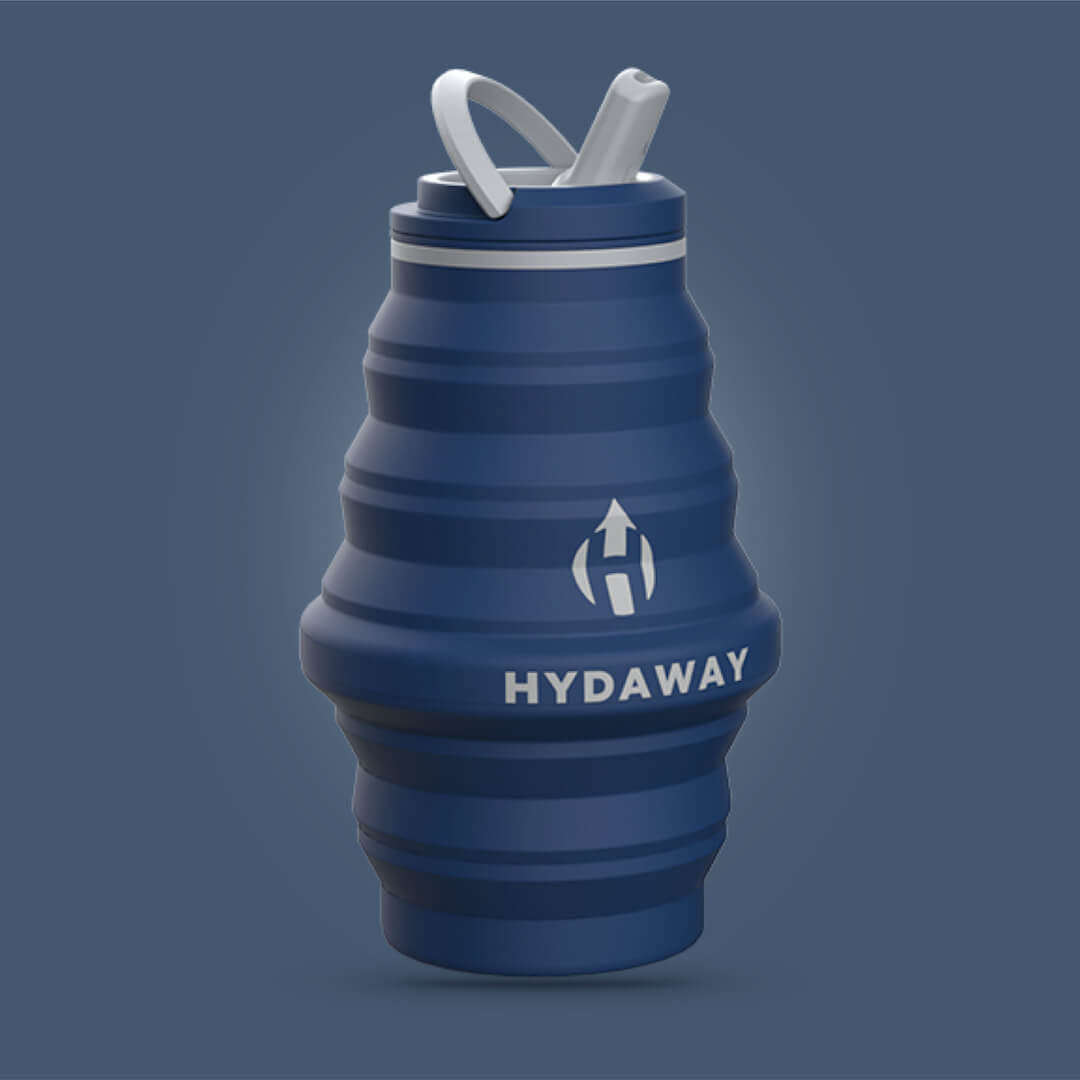
As a product designer, I think of quality as the invisible system behind the visible object. You see a collapsible bottle. I see material choices, test methods, documented procedures, and risk checks that had to go right before that bottle ever reached your hands. Once you understand quality assurance standards, labels and certifications stop looking like corporate fluff. They start looking like clues.
The Foundation of Trust What Are Quality Assurance Standards
Think of a famous bakery with one signature loaf. Customers expect that loaf to taste the same every time. The bakery can't rely on one talented baker's memory. It needs a repeatable recipe, measured ingredients, oven settings, cleaning routines, staff training, and a way to catch mistakes before a bad batch reaches the shelf.
That's what quality assurance standards do for products and services. They create a system for consistency.

Why standards matter before a product exists
Quality assurance, or QA, is mostly about the process behind the product. It asks questions early. Which materials are approved? How are suppliers evaluated? What instructions does the production team follow? How does the company document what happened if something goes wrong?
That's why QA is proactive. It aims to prevent defects instead of merely finding them later.
For consumer gear, this matters more than many shoppers realize. A “dishwasher safe” claim, for example, shouldn't be a guess or a marketing phrase. It should trace back to a deliberate process for selecting materials, defining use conditions, and verifying that the product can handle normal care. A useful primer on that mindset appears in this discussion of manufacturing standards in practice.
Practical rule: If a brand can explain how it ensures consistency, not just what it claims, you're looking at a stronger quality culture.
The system behind the promise
One of the clearest examples is ISO 9001:2015, which requires risk-based thinking in relevant decisions and aligns that thinking with the PDCA cycle, Plan-Do-Check-Act, according to Westgard's explanation of ISO 9001:2015 requirements. In plain English, that means a company is supposed to identify risks, control them, check results, and improve the process.
For an end user, that translates well. If you're taking a collapsible water bottle on a remote hike, risk-based thinking isn't theory. It's the logic that asks:
- Material risk: Could any component introduce unwanted chemicals into food or drink?
- Use risk: What happens if the item is folded, packed tightly, or exposed to repeated washing?
- Failure risk: If a seal or closure fails, where in the process should that problem have been caught?
What shoppers often confuse
People often assume quality means the final product feels sturdy in hand. That's only part of the story. A product can feel solid and still come from a sloppy process. QA asks whether the company has a reliable method for making that same product correctly over and over.
That's the foundation of trust. Not one good sample. A repeatable way to produce good samples consistently.
When you buy gear for travel, outdoor use, or everyday carry, you're not just buying silicone, plastic, or steel. You're buying the discipline behind those materials. That discipline is what quality assurance standards are designed to formalize.
Process vs Product Understanding QA and QC
People mix up quality assurance and quality control all the time because both deal with quality. The easiest way to separate them is to borrow an everyday analogy.
QA is your trainer's full program. Sleep schedule, meal plan, workout structure, recovery habits, and regular adjustments. QC is stepping on the scale or taking a performance test. One shapes the outcome. The other checks the outcome.

A side by side view
| Aspect | Quality Assurance | Quality Control |
|---|---|---|
| Main focus | Process | Product |
| Timing | Before and during work | After production or at checkpoints |
| Main question | How do we prevent problems? | Did this item pass inspection? |
| Typical action | Documenting procedures, training, risk review | Testing, measuring, inspecting |
That distinction matters when you buy outdoor or travel gear. If a collapsible bottle leaks, QC might catch that one bad unit before shipment. QA asks a deeper question. Why was a leak possible in the first place, and what process change keeps it from happening again?
What QC looks like in the real world
Quality control gets very specific. In laboratory-oriented quality programs, a strong QC setup includes elements such as initial demonstration of capability, ongoing demonstration of capability, method detection limit determination, a reagent blank, and at least 4 laboratory-fortified blanks at concentrations between 10 times the MDL and the midpoint of the calibration curve, all with precision and accuracy within acceptance criteria, according to Standard Methods guidance on QC program elements.
Most consumers won't need to memorize those terms. The point is simpler. Good QC isn't casual. It uses defined checks, not vibes.
QA builds the kitchen. QC tastes the soup.
Why end users should care about both
A lot of product disappointment comes from brands leaning too hard on one side. Some companies talk about testing but say little about their process. Others brag about systems but stay vague about actual checks.
For physical products, you want both. QA should tell you the company has a repeatable way to make reliable gear. QC should tell you they verify that finished products meet expectations.
This same distinction shows up in software and electronics too. If you're curious how process discipline works in technical products, this guide to embedded system SQA offers a useful parallel. The medium is different, but the logic is the same. Build quality into the workflow, then test the output with intention.
A practical consumer shortcut
When you read a product page, look for language that hints at each side:
- Signs of QA: documented standards, supplier controls, third-party verification, audit language, process consistency
- Signs of QC: tested batches, leak checks, inspection steps, pass/fail criteria
- Best case: the brand makes both visible without hiding behind buzzwords
That's how you separate a polished label from a product built with discipline.
Key Global Standards and What They Guarantee
Some standards matter because experts know them. Others matter because they've become broad signals of trust. For most consumers, ISO 9001 sits in that second category.
According to SafetyCulture's overview of quality standards, ISO 9001 is the globally most widely accepted quality assurance standard for Quality Management Systems, with over 1.2 million certifications issued worldwide across more than 170 countries. That scale matters because it tells you this isn't a niche framework. It's a shared language for how organizations manage quality.
What ISO 9001 means to a shopper
ISO 9001 doesn't guarantee that every product from every certified organization is perfect. That's a common misunderstanding. What it does signal is that the organization has a documented, auditable management system focused on consistent quality, customer requirements, monitoring, and improvement.
For an end user, that usually means the company should be able to answer practical questions such as:
- How do you define your process?
- How do you document work instructions?
- How do you deal with nonconforming product?
- How do you review performance and improve?
Those are boring questions right up until your bottle leaks in your backpack. Then they become the only questions that matter.
Standards as promises translated into process
A good standard turns a vague brand promise into a structured routine. “Reliable” becomes documented process control. “Safe materials” becomes approved sourcing and verification. “We care about customers” becomes complaint handling, review, and corrective action.
That's why standards matter even when shoppers never see the audit trail. The standard doesn't exist to impress procurement teams. It exists to reduce the gap between what the label says and what the product does in daily life.
If you want a region-specific explainer that makes the ISO family easier to decode, this overview of ISO 9000 quality standards for AU is a solid companion resource.
Beyond one standard
ISO 9001 is the best-known general framework, but some sectors rely on specialized systems. The same SafetyCulture overview notes that ISO 9001 has influenced or aligned with quality structures used in automotive, aerospace, and food manufacturing contexts. That matters for consumer products because many of the habits people want in food-contact and travel gear come from the same quality culture: documentation, repeatability, traceability, and accountability.
Official statistics use a different set of frameworks, but they reflect a similar idea. The United Nations Statistical Quality Assurance Framework was adopted in March 2018, and it defines six dimensions of quality: Relevance, Accuracy, Timeliness, Accessibility, Clarity, and Coherence/Comparability, as outlined in the UN handbook on quality assurance frameworks. That framework isn't about bottles or bowls. Still, it helps show that quality systems across industries revolve around the same core question: can users trust what they receive?
What to look for when a brand mentions safety
When a company discusses food-contact safety or testing, don't stop at the headline claim. Look for specifics about verification, material safety language, and whether the brand explains how those checks support real use.
This overview of safety verification for consumer gear is useful because it frames verification in terms consumers care about: what touches your food, what goes in your bag, and what you rely on away from home.
Standards aren't magic. They're evidence that a company has chosen discipline over improvisation.
For shoppers, that's the practical takeaway. A certification or quality framework doesn't replace judgment, but it gives you stronger reasons to trust the product in your hand.
How Quality Assurance Delivers Your HYDAWAY Experience
Quality assurance gets real when you stop thinking about certificates and start thinking about use. You're hiking with one bottle clipped to your pack. You're commuting with lunch and coffee in a crowded train. You're at Disneyland with kids, trying to avoid another disposable container and another spill.
In those moments, quality isn't a policy. It's whether your gear holds up.

What the material claims mean in everyday life
According to the HYDAWAY product site, all HYDAWAY products are third-party tested to the highest food-safety standards and verified free from BPA, phthalates, PFAS, and other plastic pollutants. For a consumer, that statement matters because it goes beyond “we think it's safe.” It points to external verification.
That changes how you read the product. A collapsible bottle isn't only about saving space in a daypack. It's also about confidence that the material touching your water has been checked against claims that matter to health-conscious buyers.
Translating standards into moments you recognize
Here's what quality assurance looks like when it reaches the end user:
- Packed in a tight bag: A fold-flat bottle has to handle compression and movement without becoming a mess later.
- Used all day on the move: A tumbler or bowl has to stay functional after repeated opening, closing, carrying, and cleaning.
- Trusted around food and drink: The materials need to match the safety promise, not just the design brief.
That's the consumer side of QA. It turns process discipline into calm. You don't have to think about your gear every five minutes because the product was built to behave predictably.
Why portability raises the bar
Portable gear often faces harder use than stationary products. A rigid bottle on your kitchen shelf has an easier life than a collapsible one stuffed into a side pocket, clipped to a bag, rinsed at a trailhead, then washed at home. Packable design is convenient, but it also introduces more chances for stress, wear, and user error.
That's why quality matters so much in travel and outdoor categories. The more often a product gets folded, packed, carried, and cleaned, the more important it becomes that material choices and manufacturing controls are deliberate.
A good travel product disappears into your routine. It doesn't demand babysitting.
How this fits into current life
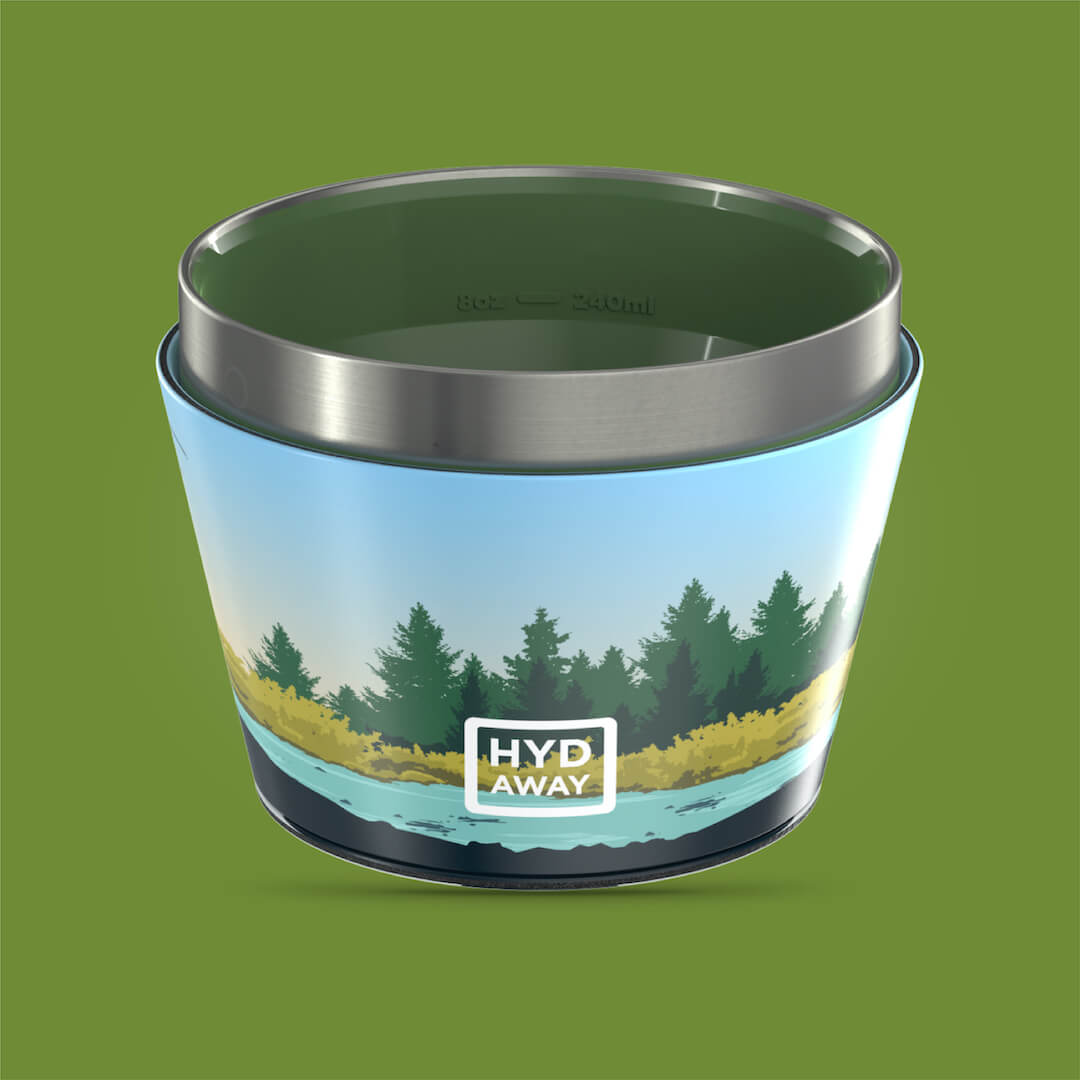
People want products that save space without adding risk. That's true for digital nomads working from cafés, families heading into amusement parks, commuters avoiding disposable drinkware, and campers trying to pack light. A 17oz collapsible bottle makes sense for hiking or commuting because it reduces plastic waste while taking up less room when it's empty. Spill-proof insulated bowls fit the same logic for families who want practical food containers on the go.
The design idea is simple. Carry less bulk, keep the function.
The hidden promise behind convenience
Convenience products can disappoint fast if quality isn't there. “Collapsible” can turn into flimsy. “Reusable” can turn into annoying to clean. “Travel-friendly” can turn into one more item you don't trust enough to rely on.
Quality assurance is what prevents those tradeoffs from becoming normal. It gives structure to the promise that a compact product can still be durable, safe, and dependable in regular use. For people who spend time on trails, in airports, in vans, at offices, or in long theme park lines, that's not a luxury feature. It's the baseline.
A Smart Shopper's Guide to Vetting Product Quality
Once you know what quality assurance standards do, shopping gets easier. You stop being impressed by polished wording and start asking better questions.
That doesn't mean you need an auditor's mindset. You just need a short checklist that helps you tell serious brands from casual ones.

Start with evidence, not adjectives
Words like premium, durable, and high performance are easy to print. Evidence is harder to fake.
A useful filter is whether the company points to certification, third-party testing, documented standards, or clearly defined material claims. If a brand mentions ISO 9001, remember what that involves. According to NSF's explanation of ISO 9001 certification, an organization must operate its management system for a minimum of three months prior to audit, complete a management review, and complete a full cycle of internal audits. The certification cycle lasts three years and is maintained through annual surveillance audits.
That should tell you something important. A quality claim tied to this type of certification points to an ongoing management system, not a one-time badge.
A practical buying checklist
Use these checks when you compare bottles, tumblers, lunch gear, or other travel essentials:
- Check verification language: Look for phrases like third-party tested or externally verified. This piece on what third-party verification means for consumers helps decode why outside validation matters.
- Study the materials: Food-contact claims should be specific. If a brand says BPA-free, see whether it also explains broader material safety in plain language.
- Read reviews for patterns: Don't focus only on star ratings. Look for repeated comments about leaks, cleaning, closures, odor retention, or long-term wear.
- Inspect the warranty or guarantee: A company that stands behind its product gives you a clue about confidence in durability and process consistency.
- Watch for useful transparency: Good brands explain how the product fits real life, not just studio photography.
Questions worth asking before you buy
You don't need to send customer service a giant questionnaire. A few targeted questions can tell you a lot:
| Ask this | Why it matters |
|---|---|
| What testing or verification supports your material claims? | Separates evidence from marketing |
| Is the product designed for repeated washing and regular travel use? | Connects quality to actual routine |
| How do you handle defects or product issues? | Reveals whether the brand has a process |
| Do you offer a clear return policy or guarantee? | Shows how much risk the company shares |
Buyer's shortcut: The best product pages reduce uncertainty. They don't ask you to trust blindly.
How to use this in current shopping decisions
If you're buying gear for a hiking trip, think about failure points before features. If you're shopping for theme park days, focus on spill resistance, food-contact confidence, and easy cleaning. If you work remotely and carry drinkware daily, pay attention to packability and whether the brand explains durability in realistic terms.
The right product is the one whose quality story matches your actual life. For some people, that's a collapsible bottle that slips into a small bag after use. For others, it's a reusable bowl that helps avoid disposable containers while traveling with kids. In both cases, standards matter because they help you decide whether convenience comes with real reliability.
Conclusion Choose Confidence Choose Quality
Quality assurance standards sound technical until you connect them to the products you use every day. Then the value becomes obvious. They're the systems that help turn a product claim into a repeatable reality.
For consumers, the biggest shift is this: stop judging quality by appearance alone. A sleek design, a nice texture, or a polished product page can't tell you much by itself. Process discipline can. Testing can. Verification can. Clear material claims can. A credible guarantee can.
That's especially true for travel and outdoor gear. Products used on the move have to handle more uncertainty, more handling, and more moments where failure is costly or frustrating. A bottle that leaks on your office desk is annoying. A bottle that fails on a trail, in an airport, or in a packed family day out can derail the whole experience.
Understanding quality assurance standards makes you a stronger shopper because it teaches you where trust should come from. Not from hype. From evidence. Not from generic promises. From process, verification, and accountability.
Choose products that make their quality visible. Choose brands that give you reasons to believe the item will keep doing its job after the first week, not just on the day it arrives. That choice is good for your wallet, good for your routine, and often better for a lower-waste lifestyle too.
If you want compact gear built for real travel, everyday carry, and outdoor use, explore HYDAWAY for collapsible bottles, insulated drinkware, bowls, and other packable essentials designed to save space without giving up safety, durability, or convenience.