

10 Natural Wonders of North America to Explore in 2026

North America's Epic Scenery: Your 2026 Adventure Guide
You've probably felt this tension already. You want the big scenery, the kind that justifies a long drive, an early alarm, and a crowded trailhead. But you also don't want to haul a kitchen's worth of gear, buy overpriced bottled water at every stop, or leave behind a pile of disposable plastic by the end of the trip.
That's the challenge with the best natural wonders of North America. The places are wild. The logistics often aren't. Popular viewpoints come with lines, parking pressure, weather swings, and long days where the wrong bottle, bulky bowl, or awkward pack setup gets annoying fast. Light, compact gear matters more than most travelers think.
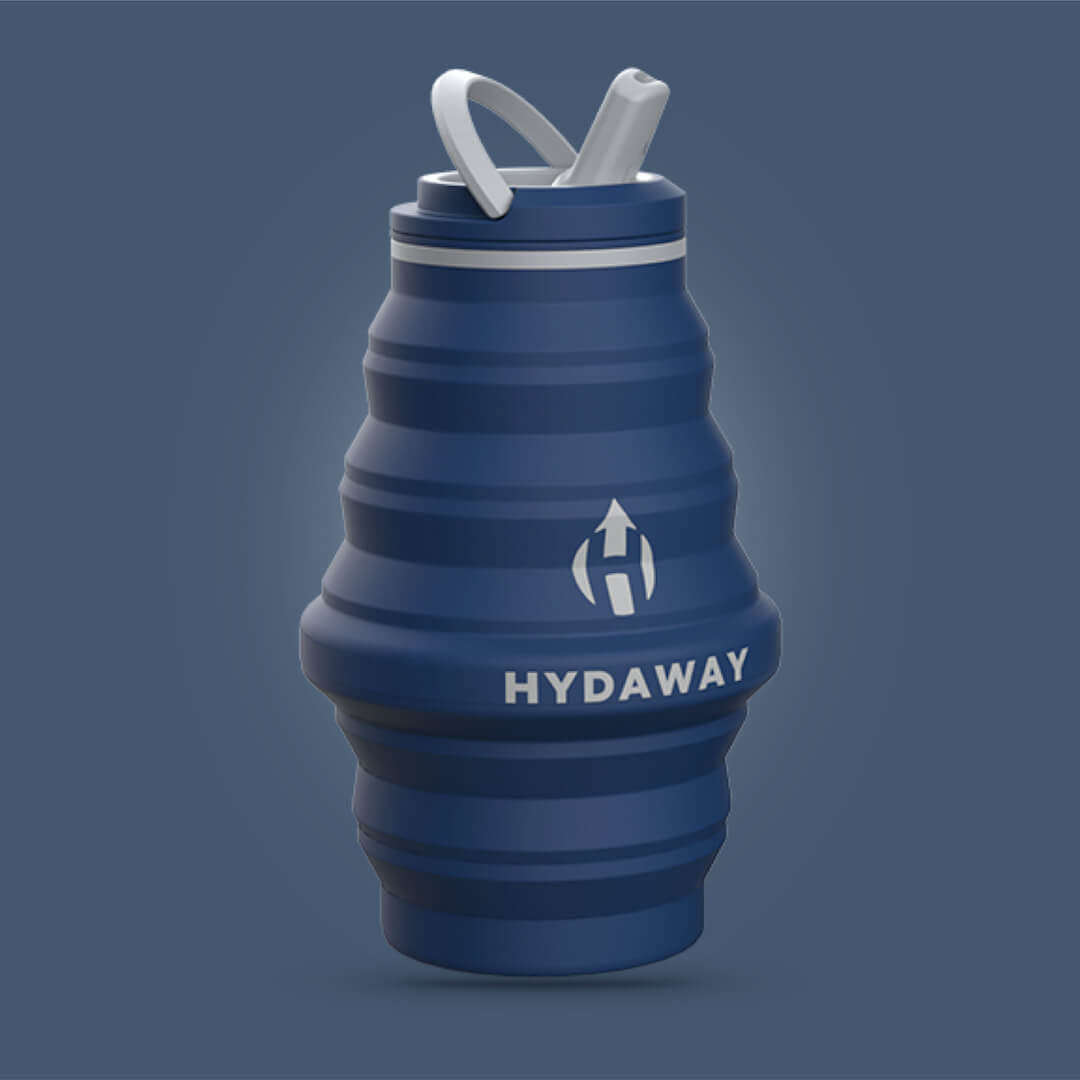
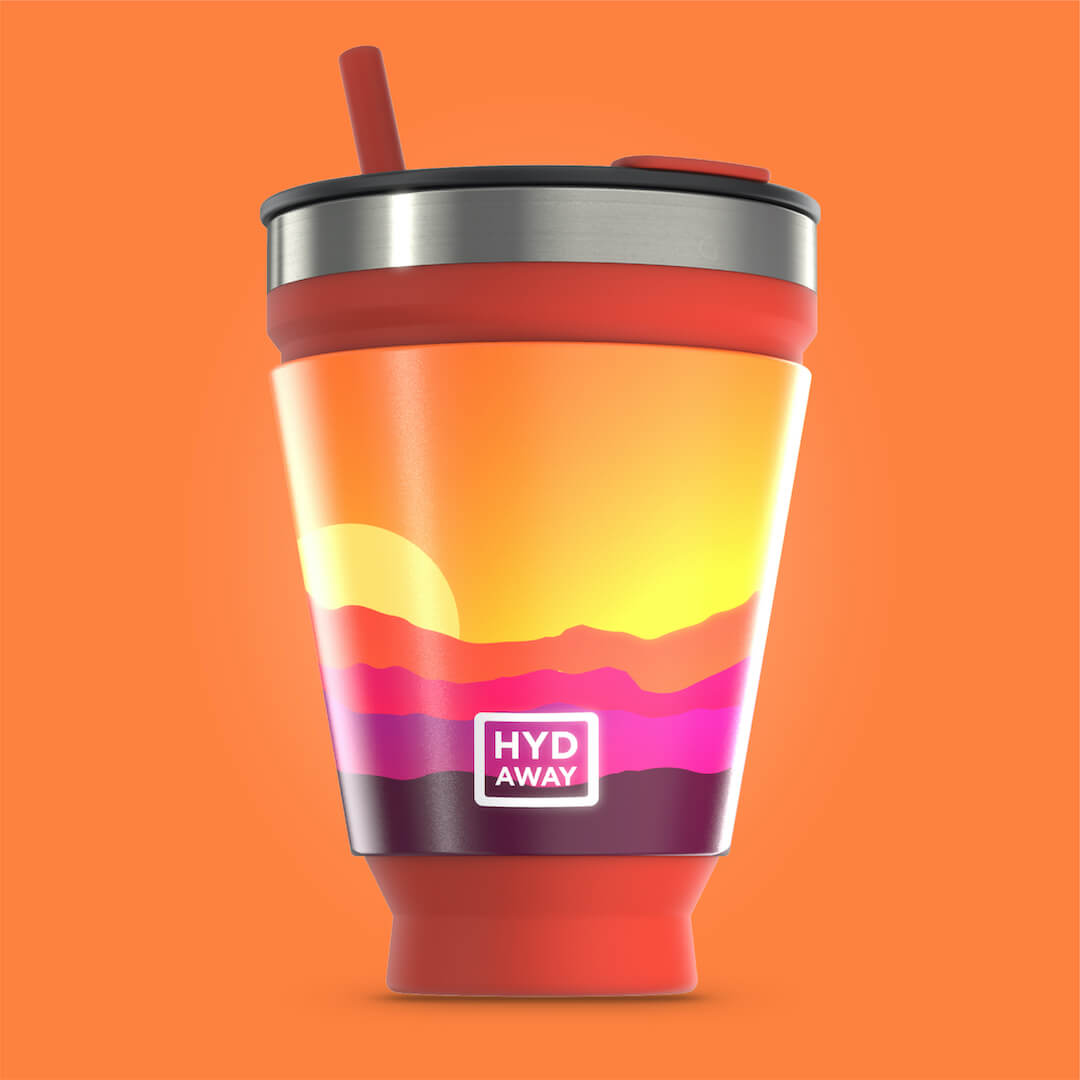
Good systems beat good intentions. A flat-packing bottle you'll carry is better than a bulky one left in the car. A collapsible bowl with a lid is better than grabbing single-use takeout every time your schedule slips. HYDAWAY's ultra-portable bottles, bowls, tumblers, and packs fit the way people travel now, especially if you're road-tripping, flying with one bag, or living out of a campervan.
Travel demand keeps rising in this category. The global geotourism market was valued at $18.8 billion in 2025 and is projected to reach $34.0 billion by 2035, with North America holding the largest regional share. That tracks with what travelers are already doing on the ground: chasing scenery, trying to pack lighter, and wanting a trip that feels cleaner and simpler.
If Utah and Arizona are on your short list, the Haute Black 2026 parks guide is a helpful companion for routing and timing.
1. Grand Canyon National Park, Arizona: Epic Desert Hiking with Packable Hydration
By 8 a.m., bright sun is already bouncing off the rock, the trail feels hotter than the air temperature suggests, and every extra item in your pack starts to feel like a bad decision. Grand Canyon day hikes are won or lost on simple logistics: water capacity, start time, and whether your kit stays useful after the first refill.

The place is enormous. The National Park Service notes that Grand Canyon National Park preserves 278 miles of the Colorado River and adjacent uplands, with scenery that shifts fast as you move below the rim (Grand Canyon National Park overview). That scale catches travelers off guard. Rim viewpoints can feel casual. The trails below them are not.
I pack differently here than I do for coastal or alpine hikes. Bulk matters, but empty bulk matters even more. A rigid bottle that takes up the same space full or empty is annoying by midday, especially if you are trying to keep a small daypack organized. HYDAWAY's 25oz Collapsible Water Bottle makes more sense in the canyon because it carries real volume early, then flattens down once you drink through part of your supply.
A few choices pay off fast:
- Start at first light: You get cooler miles, quieter trails, and more margin if the climb out takes longer than expected.
- Carry more water than feels convenient: Desert hikers get in trouble by packing for comfort instead of exposure.
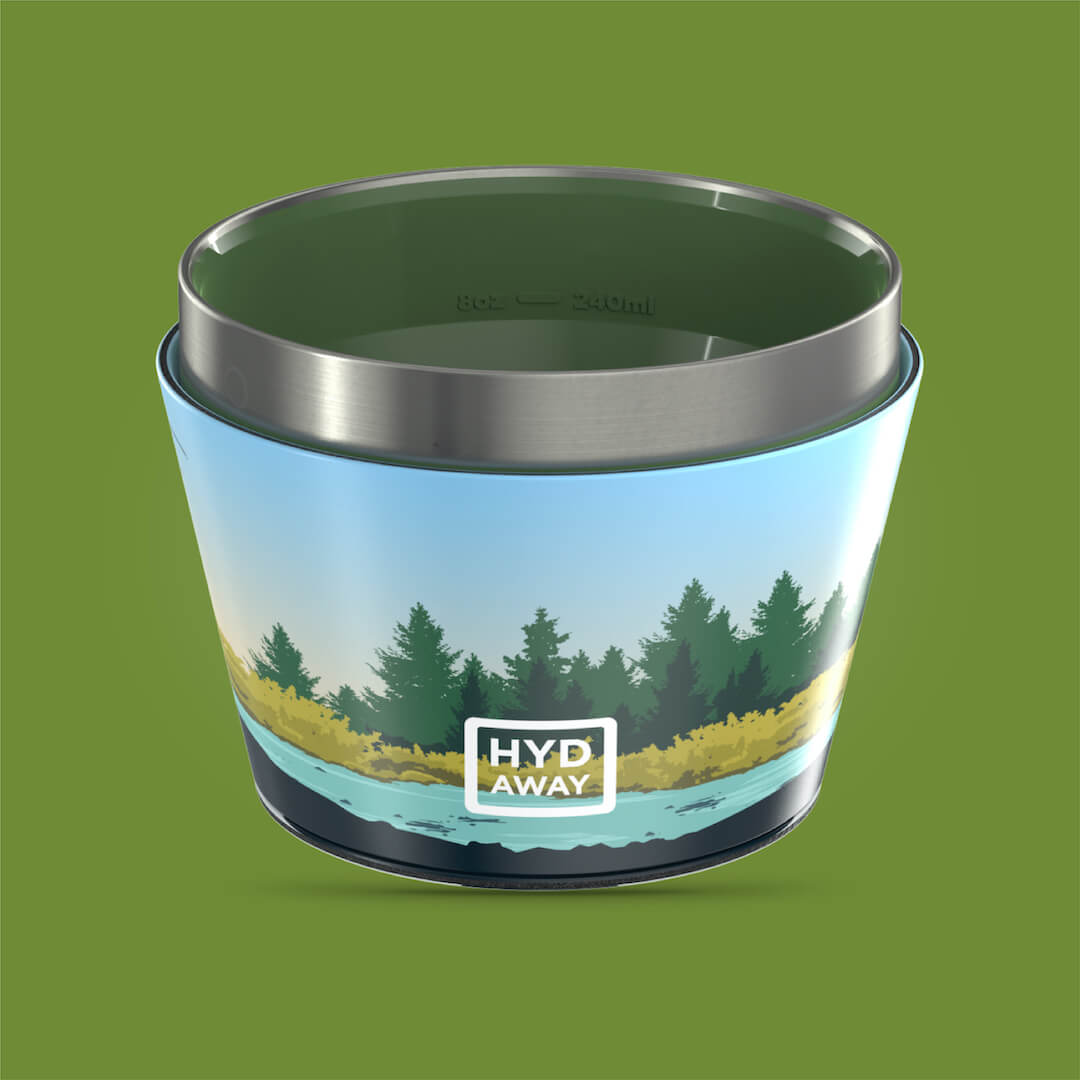
- Keep food simple and compact: A HYDAWAY Insulated Bowl with a lid works well for salty snacks, fruit, or an electrolyte mix without adding another hard-sided container to your bag.
- Set a strict turnaround time: Downhill energy is cheap. The climb back to the rim is where poor planning gets expensive.
The canyon also punishes sloppy assumptions about weather. The National Park Service warns that temperatures at the river can be much hotter than on the rim, and heat illness is a serious risk for hikers who underestimate the descent and return (hiking safety in Grand Canyon). That is the trade-off here. Packing light helps, but cutting water, shade layers, or calories to save weight is a bad bargain.
For a tighter packing system before you go, review HYDAWAY's guide on what to bring on a day hike.
2. Niagara Falls, Ontario/New York: Waterfront Adventure with Packable Drinkware
Niagara Falls is one of those places people underestimate because it's so famous. Then they get there, hear the sound, catch the mist, and realize it's much bigger, wetter, and more immersive than the postcard version.
This stop works best when you treat it like an active outing, not a quick photo stop. You'll walk more than expected, stand around in damp air, and likely want a simple food-and-water setup that doesn't depend on tourist stand prices.
Mist, crowds, and simple gear choices
The practical challenge at Niagara isn't wilderness risk. It's friction. Wet clothes, crowded viewpoints, and overpriced convenience purchases wear people down. That's where packable drinkware earns its place.
HYDAWAY's 17oz Collapsible Water Bottle is useful here because it slips into a day bag or jacket pocket and doesn't eat space after you refill. For picnic stops, an insulated HYDAWAY bowl with a lid is more useful than disposable containers that sag or leak once everything gets damp.
Try this approach:
- Go early or late: The viewpoints feel calmer, and your photos look better in lower light.
- Dress for spray, not forecast: The air near the falls can soak a light outfit fast.
- Pack your own food setup: A collapsible bowl and reusable bottle make a bench lunch or riverside snack easier and less wasteful.
Niagara's appeal is pure force. The three waterfalls drop 188 feet and send 750,000 gallons of water per second over the edge. That power is why you want secure lids, a simple carry system, and gear you don't mind getting wet.
What doesn't work is carrying a full-size insulated bottle, takeaway packaging, and extra “just in case” items for a half-day waterfront visit. Keep this one lean. Refillable drinkware, one compact food container, and a weather layer are usually enough.
3. Yellowstone National Park, Wyoming/Montana/Idaho: Multi-Day Backcountry Exploration with Collapsible Gear
You wake up at a cold trailhead, boil water fast, and realize by mid-morning that Yellowstone is asking you to switch modes again. A geyser basin stroll turns into a longer hike. A roadside lunch turns into a windy pullout meal with bison nearby and no room for loose gear. In this park, pack volume matters almost as much as pack weight.
Yellowstone's scale creates the main challenge. The National Park Service notes that the park spans more than 2.2 million acres, so even a well-planned day can involve long drives, changing weather, and several stops with different gear needs. That range is why rigid bottles, bulky food containers, and spare items you never use become a nuisance fast.
Gear that adapts to Yellowstone works better
For Yellowstone, I'd rather carry gear that changes shape with the day than gear that stays bulky no matter what. HYDAWAY's 25oz Collapsible Water Bottle earns its place on longer outings because it gives you full carrying capacity when you need it and packs down once it's empty. Pair it with a collapsible backpack and you get a cleaner setup for short boardwalk walks, lunch breaks, and bigger trail days without repacking the whole car.
Meals benefit from the same approach. HYDAWAY collapsible bowls with spill-proof lids are practical in camp and at pullouts because they store flat after use and keep your food setup contained. That matters in bear country, where a small, organized camp routine is safer and easier to manage than a scattered one.
Keep your footprint tight. In Yellowstone, less clutter means faster stops, cleaner camps, and fewer opportunities to leave food or gear where wildlife can get interested.
The sustainability angle matters here too, but only if it stays practical. Reusables are useful in Yellowstone because they cut down on disposable bottles, takeout containers, and the extra trash that builds up over several days on the road. If you're putting together a low-bulk camp kit, HYDAWAY's guide to collapsible water containers for camping is a solid place to start.
My rule in Yellowstone is simple. Pack for range, not excess. A bottle that collapses, a bowl with a real lid, and a day bag that stows flat will usually serve you better than a trunk full of hard-sided gear.
4. Banff National Park, Alberta: Alpine Lakes and Glacier Hiking with Space-Saving Hydration
Banff punishes bulky gear in a different way than the desert does. You're not fighting sheer heat as much as long elevation days, changing weather, and the constant friction of carrying too much uphill.
The setting feels polished from the road, but once you're moving, the trade-offs get obvious. Do you want to carry a full-size bottle that takes up half a side pocket, or do you want something that performs on the climb and then disappears when it's empty?
A better setup for alpine days
HYDAWAY's 17oz Collapsible Water Bottle makes sense for shorter alpine outings where every ounce matters and pack volume matters just as much. It's especially useful if you're pairing a shell, extra layer, lunch, and camera gear in a smaller daypack. The bottle's flat profile also helps if you're stuffing gear into a crowded rental car or train bag between stops.
For cooler rest breaks or camp meals, HYDAWAY Insulated Bowls are one of the more practical pieces in the lineup. In alpine environments, a hot meal does more than feel nice. It can help you reset after wind, rain, or an early start.
Banff's roads and lakes can make it feel easy. It isn't. Start early, check conditions, and respect how quickly exposed routes can change. This is one of the natural wonders of North America where “lightweight” and “prepared” should mean the same thing, not opposites.
Useful habits in Banff usually look like this:
- Pack for layers, not just sunshine: Bluebird mornings can turn cold fast at elevation.
- Keep your water system compact: A collapsible bottle is easier to live with all day.
- Use reusable meal gear at viewpoints: It cuts waste and makes quick roadside lunches less chaotic.
What doesn't work is assuming a scenic park means low consequence. Banff rewards early starts, compact kits, and travelers who leave room in the bag for weather.
5. Antelope Canyon, Arizona: Slot Canyon Photography with Packable Hydration Solutions
Antelope Canyon is one of the rare places where your gear needs to be both minimal and protected. You're there for light, color, and the shape of the stone. But the narrow passages, sand, and stop-start pace mean a bulky daypack is more of a liability than a help.

The best approach is compact and deliberate. Carry the camera gear you know you'll use. Skip the rest. Then make sure hydration still has a place in the bag.
What photographers usually get wrong
A lot of visitors either overpack and get frustrated in tight spaces, or underpack and end up hot, thirsty, and distracted. HYDAWAY's 17oz Collapsible Water Bottle fits this destination well because it slides into a camera bag more easily than a rigid bottle and flattens when you've finished it.
That's useful in a slot canyon where every inch matters. It also helps on the drive in and out, when you may want to keep a small bottle handy without dedicating full-time bag space to it.
A few smart adjustments help more than expensive accessories:
- Protect optics from dust: Fine sand gets everywhere.
- Wear layers, even in hot weather: Canyon shade can feel cooler than the surface.
- Use a flat-packing bottle: It keeps water with you without turning your camera setup into a wrestling match.
The canyon sits on Navajo Nation land and is experienced through guided access, which adds structure to the visit. That's a good thing. It keeps traffic moving and helps manage a place that can feel fragile even when it's crowded.
What doesn't work here is bringing hard-sided food containers, oversized bottles, or a full picnic setup. Keep hydration compact, protect your camera, and save the bigger meal for after the tour.
6. Acadia National Park, Maine: Coastal Hiking with Portable Hydration for Rocky Terrain
Acadia is where a lot of travelers learn that short hikes can still be demanding. The mileage may look modest. The footing usually tells a different story. Granite, wind, sea air, and quick temperature shifts make this park feel more technical than its maps suggest.
The park covers 49,000 acres across Mount Desert Island and nearby islands, with rocky coastline, forest, and granite peaks. That mix is why your setup should favor stability and portability over bulk. A giant bottle thumping around your pack is annoying on uneven terrain, and flimsy food packaging doesn't hold up well when you're scrambling over rock.
Best gear trade-offs on the coast
HYDAWAY's 25oz Insulated Bottle works well in Acadia because the insulation helps on longer exposed walks, while the collapsible design still saves space once you've finished it. For coastal picnics, the insulated bowl and spill-proof lid are equally practical. Wind can flip napkins and wrappers in seconds. A secure reusable container is easier to manage and a lot kinder to the shoreline.
On rocky trails, convenience matters more than volume. If something is awkward to carry, you'll stop using it.
Acadia also rewards timing. Early morning and late afternoon feel better on the trail and often solve the parking headache before it starts. If you're hiking a ladder route or a steeper granite section, keep the carry simple: water, weather layer, small food kit, and nothing swinging loose outside the pack.
This is also a good place to use HYDAWAY products beyond hiking. If you're working remotely from the coast, taking a road trip through New England, or building a flexible family travel kit, the same bottle and bowl setup works at overlooks, beaches, campgrounds, and ferry days without taking over your trunk.
7. Moraine Lake, British Columbia: Glacier-Fed Lake Camping with Collapsible Cookware
Moraine Lake looks polished in photos and chaotic in real life if you show up unprepared. Access pressure changes the whole rhythm of the visit. If you don't plan your arrival, meals, and packing setup, the day starts feeling reactive instead of calm.

Here, collapsible cookware shines. Alpine stops are better when you can eat well without dragging a boxy camp kitchen into every beautiful place.
A practical camp-and-viewpoint setup
HYDAWAY's 25oz Collapsible Water Bottle fits naturally into a Moraine Lake plan because it works for the short walks and viewpoint stops, but also transitions well into a longer backcountry day. Pair it with a HYDAWAY Insulated Bowl and spill-proof lid, and you've got a simple meal system for oatmeal at dawn, soup at camp, or leftovers in the van.
That matters more than people think. Scenic destinations often push travelers toward expensive, disposable, or awkward food choices because they didn't bring a compact alternative.
A more functional approach looks like this:
- Pre-pack one meal and one snack: Don't rely on buying food once you arrive.
- Carry a bottle you'll keep using after breakfast: The same bottle should work on trail and in transit.
- Choose lidded dinnerware: It handles uneven picnic tables, damp ground, and quick pack-ups better than open bowls.
For travelers building out a compact cooking system, HYDAWAY's camping kitchen kit guide is a practical reference.
Moraine Lake is one of the natural wonders of North America that exposes bad packing immediately. If your food kit is clunky, your bottle is too bulky, or your van setup is disorganized, you feel it before your second stop of the day.
8. Arches National Park, Utah: Desert Rock Climbing with Lightweight Hydration Systems
Arches is beautiful in the way harsh places often are. The rock glows. The shapes feel impossible. The heat strips away any illusion that scenic equals easy.
This park protects 2,000 plus natural stone arches, the largest concentration in the world. That density is part of the appeal, but the bigger practical issue is exposure. Sun, reflected heat, and dry air can make a short outing feel much harder than the mileage suggests.
What actually helps in high heat
A hydration system at Arches needs to do two things well. It needs to be easy to carry while full, and easy to justify carrying when empty. That's why HYDAWAY's 25oz Insulated Bottle makes sense here. In a desert park, warm water gets old fast. Insulation helps, and the collapsible format keeps the bottle from becoming wasted space later in the day.
HYDAWAY bowls are also useful here for low-mess shade lunches. If you stop under limited cover, a lidded bowl is far easier to manage than wrappers, clamshell takeout boxes, or loose snack bags.
A few habits matter more than fancy add-ons:
- Fill up before you leave the developed area: Desert trails are not the place to improvise.
- Cover skin instead of trying to outsmart the sun: Fabric often works better than bare arms plus sunscreen alone.
- Keep your kit compact: In heat, extra clutter becomes fatigue.
What doesn't work is treating Arches like a casual roadside attraction. The views may be close to parking in some areas, but comfort drops quickly when your water is hot, your bag is heavy, and you're standing on exposed rock with no shade.
9. Bay of Fundy, Nova Scotia: Tidal Zone Exploration with Portable Picnic Solutions
Arrive at Hopewell Rocks or Burntcoat Head at low tide and you can walk the ocean floor. Come back hours later and the same ground sits under a wall of seawater. According to UNESCO's Bay of Fundy Biosphere Reserve overview, this region is shaped by the highest tides on Earth, and that constant change is the whole point of visiting.
It also changes how I pack for the day. Fundy is less about covering big mileage and more about timing, wet surfaces, wind, mud, and waiting in the right place when the tide turns. Gear that packs small matters because a lot of the day happens in the car, at viewpoints, or on short walks between access points.
Why compact food gear makes sense here
A full picnic setup is often overkill at the Bay of Fundy. The better approach is a contained lunch you can eat on a bench, at a lookout, or back at the trailhead without chasing wrappers across a parking area. HYDAWAY's collapsible bowl with a lid works well for this because it handles damp conditions better than paper packaging and takes up very little room once you're done.
A collapsible bottle earns its place for the same reason. Coastal road trips collect clutter fast. A bottle that flattens after use is easier to stash in a daypack or car door pocket, especially if you are stopping often and trying to keep waste to a minimum.
Tide-table destinations reward precise planning. Food, water, and your route should all fit the same window.
The trade-off here is simple. If you pack too casually, you end up eating out of disposable containers in a windy lot or carrying bulky gear over slick ground for no benefit. If you pack too much, every stop feels slower than it should.
Check the tide chart before you leave. Build your meal stop around that schedule, keep your kit closed and compact, and give yourself enough margin to get off the sea floor well before the water returns. The Bay of Fundy is at its best when your day runs on the tide, not against it.
10. HYDAWAY Products & Hydration Integration Summary
The best gear for natural wonders of North America isn't the gear with the most features. It's the gear you'll use across very different days. That's where HYDAWAY stands out. The products fold into real travel habits instead of asking you to build your trip around the gear.
The current travel pattern supports that approach. North America's adventure travel market is valued at approximately $185 billion, and the strongest brands in that space are leaning into experience design and practical sustainability. Travelers want less clutter, less waste, and gear that works from trailhead to town.
How to match the product to the trip
The simplest way to use HYDAWAY well is to match size and insulation to the day you're having.
- Use the 17oz Collapsible Water Bottle for short hikes and camera days: It's easy to fit into smaller bags and city-to-trail itineraries.
- Use the 25oz Collapsible Water Bottle for longer outings: It's the better pick for full trail days, desert parks, and campground routines.
- Choose insulated options when heat or cold changes comfort: Desert sun and alpine mornings both justify insulation.
- Bring the collapsible bowl with lid when meals are part of the plan: It's useful for picnics, camp food, takeout leftovers, and van travel.
There's also a bigger audience for this than many brands acknowledge. Existing natural-wonder content often ignores the packing realities of space-constrained travel, even though over 1.5 million Americans now drive campervans or overland vehicles, and 78% of natural-wonders guides offer no packing efficiency tips or collapsible gear recommendations. That gap is exactly where packable gear becomes more than a nice extra. It becomes part of the trip working at all.
Hydration & Gear Comparison of 10 North American Natural Wonders
| Destination / Item | Implementation Complexity 🔄 | Resource Requirements 🔄 | Expected Outcomes ⭐📊 | Ideal Use Cases 💡 | Key Advantages & Hydration Tips ⚡ |
|---|---|---|---|---|---|
| Grand Canyon National Park, AZ | High, rim-to-rim requires permits, heat planning, early starts 🔄 | High water needs (3+ L/day), electrolytes, durable pack, permit for backcountry 🔄 | Epic geological vistas and strenuous, multi-day hiking experiences ⭐📊 | Rim-to-rim hikes, geology education trips, desert backcountry treks 💡 | Use HYDAWAY 25oz insulated bottles; refill at Bright Angel and Plateau Point; start at dawn to avoid heat ⚡ |
| Niagara Falls, ON/NY | Low, easy access, no strenuous logistics for viewpoints 🔄 | Moderate, waterproof layers, cash for attractions, day parking fees 🔄 | Immersive waterfront experience, high visitor density, strong sensory impact ⭐📊 | Short sightseeing, boat tours, family outings, accessible photo ops 💡 | Pack HYDAWAY collapsible bottles to avoid overpriced bottled water; insulated tumblers handle mist exposure ⚡ |
| Yellowstone National Park, WY/MT/ID | High, backcountry permits, bear safety protocols, seasonal road closures 🔄 | High, multi-liter water, bear spray, filtration, camping gear, permit prep 🔄 | Unique geothermal and wildlife viewing; variable trail conditions and seasonal limits ⭐📊 | Multi-day backcountry, wildlife photography, geothermal study trips 💡 | HYDAWAY saves pack weight (2–3 lbs); insulated bowls/tumblers keep meals warm; carry multiple 25oz bottles ⚡ |
| Banff National Park, AB | Medium, altitude acclimatization, wildlife precautions, permit planning for popular trails 🔄 | High, cold-water filtration, bear spray, layered clothing, technical gear for alpine routes 🔄 | Iconic alpine lakes, glacier views, high-photography value; strenuous altitude gains ⭐📊 | Alpine summit hikes, lake photography, glacier-access backpacking 💡 | Use 17oz for short camera days and 25oz for full days; insulated bowls preserve hot meals at altitude ⚡ |
| Antelope Canyon, AZ | Low–Medium, mandatory Navajo guides and timed tours; flash-flood risk planning 🔄 | Low, short hikes, camera protection, advance booking for tours, protective layers 🔄 | Exceptional slot-canyon photography and cultural interpretation; short guided visits ⭐📊 | Photography-focused day trips, cultural guided tours, midday light-ray sessions 💡 | 17oz collapsible bottles fit camera bags; pre-fill at hotels to avoid on-site prices; insulated options keep water cool ⚡ |
| Acadia National Park, ME | Medium, parking and timing logistics; variable coastal weather 🔄 | Moderate, sturdy footwear, waterproof layers, moderate water supply for rocky scrambles 🔄 | Coastal vistas, accessible summit sunrises, varied trail difficulty ⭐📊 | Coastal hiking, sunrise viewing on Cadillac Mountain, moderate multi-trail days 💡 | HYDAWAY 25oz insulated bottles keep water cool on sun-reflective granite; spill-proof bowls for picnics near shore ⚡ |
| Moraine Lake, BC | Medium, early arrival or permit planning; seasonal road closures 🔄 | Moderate, alpine cold-weather gear, parking/timing, camp cooking setup for backcountry 🔄 | Photogenic turquoise lake vistas at sunrise/sunset; limited access at peak times ⭐📊 | Sunrise photography, short lakeside hikes, high-elevation camping via lottery 💡 | Carry 25oz collapsible bottles to save weight; insulated bowls for warm meals at elevation; arrive early for parking ⚡ |
| Arches National Park, UT | Medium, heat timing critical; sparse facilities require pre-fill planning 🔄 | High, 4+ L water advised in summer, sun protection, first-aid for scrambles 🔄 | Dramatic desert arches and climbing opportunities; high heat risk in summer ⭐📊 | Desert rock hiking, climbing, sunrise/sunset photography in mild seasons 💡 | Use two 25oz insulated bottles in extreme heat; fill at visitor center before heading out to trails ⚡ |
| Bay of Fundy, NS/NB | Low, tide timing planning essential; variable access to features 🔄 | Low, waterproof boots, tide table, secure picnic gear, timed logistics 🔄 | Rapid tidal transformations and unique coastal ecosystems; strong educational value ⭐📊 | Tide-flat hiking, Hopewell Rocks visits, whale-watching windows aligned with tides 💡 | Pack HYDAWAY spill-proof dinnerware for tideline picnics; plan around tide tables and secure gear ⚡ |
| HYDAWAY Products & Integration Summary | Low, product selection and pre-fill habits are straightforward 🔄 | Low–Moderate, acquire bottles/bowls/backpack; plan refills and storage care 🔄 | Weight savings, reduced waste, improved temp control across environments ⭐📊 | Universal: desert/backcountry/alpine/coastal day-hikes and multi-day trips 💡 | Match sizes to itinerary (17oz for camera days, 25oz for full days); insulated models keep temps 10–30+ hrs; avoid punctures and refill strategically ⚡ |
Carry Less, Do More: Your Adventure Awaits
The best trips to the natural wonders of North America don't fall apart because the scenery disappoints. They fall apart because the small logistics stack up. Parking gets tight. Weather shifts. You're hungry earlier than expected. Your water runs warm. Your pack feels overstuffed. You buy disposable gear to fix a problem that better planning could've prevented.
That's why packing smart matters so much more than packing big. A well-chosen bottle, bowl, and compact bag setup remove friction all day long. You feel it on a hot trail in Arizona, on a misty overlook in Ontario, at an alpine lake in British Columbia, and during a windy coastal walk in Maine. Good gear won't replace judgment, but it will make good decisions easier to stick with.
HYDAWAY products fit that reality well because they solve a real travel problem. They don't just look tidy in product photos. They help when you're living out of a carry-on, working from the road, building a van kitchen, or trying to keep a family daypack from turning into a mess of half-used bottles and throwaway containers. A 17oz collapsible bottle makes sense when space is tight. A 25oz insulated bottle makes sense when the day is longer and harsher. A collapsible bowl with a spill-proof lid makes sense when lunch happens on a bench, at a campground, or in the passenger seat between stops.
They also support the kind of travel many people want now. Reusables that are easy to carry are more likely to get used consistently. That means fewer single-use bottles, less plastic food packaging, and less money spent on convenience purchases that never needed to happen in the first place. Sustainable travel usually works best when it's also the easier option. HYDAWAY gets that right.
If you're planning for 2026, start with your route and season. Then build a compact system around water, meals, and storage. Desert trips need more capacity and insulation. Alpine trips need packability and warmth. Coastal days need secure lids and weather-ready layers. Popular scenic destinations need a setup that keeps you moving instead of constantly reorganizing your stuff.
That's the practical side of awe. The view matters. So does everything that lets you enjoy it without fuss, waste, or extra weight.
North America's grandest natural settings are still worth the effort. Pack light, plan well, and you'll spend less time managing gear and more time immersed in the experience.
If you want gear that works as hard as you travel, explore HYDAWAY. Their collapsible bottles, insulated drinkware, bowls, backpacks, and adventure-ready kits are built for hikers, campers, digital nomads, families, and road trippers who want to save space, cut single-use plastic, and stay ready for whatever the day turns into.