


Manufacturing Standard: A Guide for Safe & Reliable Gear

You know the feeling. You toss a reusable bottle into your backpack, head out for a hike, a flight, or a long day at the park, and assume it'll do its one basic job. Hold water. Then you open your bag and find a damp hoodie, a soggy notebook, and a leak you can't even see.
That is often called bad luck or bad quality. In product design, we usually trace it to something more specific. A missing requirement. A loose tolerance. An untested seal. In other words, a weak or poorly defined manufacturing standard.
That phrase sounds technical, but the idea is simple. The products you trust every day, from water bottles to lunch containers to camping gear, only feel dependable because someone wrote down exactly what “dependable” means and made sure a factory could repeat it over and over. When that invisible rulebook is clear, your gear works. When it's vague, you find out at the worst time.
Why You Can Trust Your Gear
Halfway through a trail day, gear becomes very honest. A lid either seals or it doesn't. A hinge either survives repeated folding or it starts whitening, cracking, and feeling loose. A cup either handles hot coffee on a chilly morning or gets too awkward to hold.
That everyday trust is built long before a product gets to your hands. It starts in the factory, where teams decide what materials are allowed, what dimensions matter, how parts are tested, and what counts as acceptable quality. Those decisions become a manufacturing standard.
Manufacturing isn't some tiny background industry. In 2023, manufacturing contributed $2.4 trillion to U.S. GDP, representing 10.2% of the total, and the U.S. was the second-largest manufacturing nation globally by value added according to NIST's overview of total U.S. manufacturing. When production happens at that scale, consistency isn't optional. It's what keeps products usable, trade moving, and buyers confident.
The invisible rulebook behind everyday reliability
A good manufacturing standard acts like a quiet agreement between brand, factory, tester, and customer.
- For the customer: It means the bottle in your tote should behave like the bottle shown online.
- For the factory: It means workers and machines have clear targets instead of guesswork.
- For the brand: It means fewer surprises, fewer avoidable failures, and fewer products that disappoint people in real life.
Practical rule: If a product needs to work the same way every time, someone has to define “the same way” in measurable terms.
That's especially important for reusable gear. A backpacking bowl, collapsible bottle, or insulated tumbler isn't just decorative. It gets squeezed into luggage, left in hot cars, washed repeatedly, dropped at campsites, and used by tired people who don't want to baby their gear.
Why this matters beyond convenience
Reliable products also support sustainability. People keep and reuse gear that feels solid, cleans easily, and performs consistently. They replace gear that leaks, cracks, or smells odd after a short run of use.
So when you trust your gear, you're not really trusting a logo. You're trusting the standard behind it.
What Is a Manufacturing Standard Anyway
The easiest way to understand a manufacturing standard is to think about a recipe. Not the kind that says “cook until done.” The kind that tells you exact ingredients, temperatures, timing, and how the finished dish should look and taste.
Factories need that same level of precision.
A manufacturing standard is a measurable specification that defines material requirements, dimensions, process steps, test methods, and acceptance criteria, as described in Heretto's explanation of technical specifications. That measurability is the whole point. It turns “make it durable” into specific instructions people can check at design review, during production, and before shipping.

What goes inside the standard
For a reusable product, the standard usually answers five basic questions:
- What is it made of The document should identify approved materials, not just broad labels. “Silicone” alone isn't enough if performance depends on grade, finish, or flexibility.
- What size and shape is acceptable Parts have to fit each other. That means dimensions and tolerances need to be spelled out clearly.
- How is it made The order of operations matters. A part formed one way may behave differently than the same-looking part formed another way.
- How do we test it If a lid must resist leaks or a hinge must survive repeated movement, the test method should be written down.
- What counts as pass or fail Without acceptance criteria, teams argue after the fact instead of building correctly from the start.
Why people get confused
A lot of shoppers hear “standard” and think it's just a legal requirement or a badge on packaging. It's more practical than that. It's the working document that helps factories make the same product again tomorrow, next month, and with a different production lot.
A standard only helps if it's specific enough that two different teams would make the same product from the same document.
That's where consumer confidence comes from. If a collapsible bottle needs a tight seal, smooth fold lines, and material consistency, the standard has to define those details in a way that can be measured, not just hoped for.
Why Standards Matter for Products You Use Daily
People usually notice standards only when they fail. A cup warps after washing. A food container absorbs odors. A cap thread feels rough and cross-locks. A hinge pin starts backing out after normal use.
When standards are strong, all of that ordinary friction fades into the background. Your bottle opens, closes, seals, rinses clean, and disappears into your routine. That's the ideal. Good manufacturing should feel boring in the best possible way.
From factory philosophy to real-life trust
A major turning point came when Toyota introduced lean manufacturing in 1948, a shift that pushed factories to streamline production and measure performance more carefully. The legacy of that system shows up today in metrics such as overall equipment effectiveness (OEE) and first-pass yield, which help teams quantify quality instead of describing it vaguely, as outlined by the University of Wisconsin's history of manufacturing.
That sounds abstract until you connect it to real products. If a factory tracks whether parts pass correctly the first time, it's less likely to rely on patchwork fixes later. If a team tracks downtime and process stability, it has a better shot at making the hundredth unit behave like the first sample that looked good in a meeting room.

What that means for the buyer
For everyday users, standards matter in a few very concrete ways:
- Safety: You want clear information about the materials touching your drink or food. If you're comparing labels, a practical primer on what BPA-free plastic means helps separate a meaningful material discussion from loose marketing language.
- Reliability: A product should handle normal use without needing special treatment.
- Value: Reusable gear should earn repeat use, not become another item in the junk drawer.
- Sustainability: The greenest bottle is usually the one you keep using because it performs well.
Why standards also help responsible brands
A company that builds to clear standards can communicate with suppliers more clearly, reject bad parts earlier, and reduce waste caused by rework or preventable defects. That isn't bureaucracy. It's discipline.
If you've ever bought packable travel gear for airport days, office commutes, or family theme-park runs, you've already felt the benefit. The products you reach for repeatedly are usually the ones backed by thoughtful standards, even if you never see the paperwork.
The Main Types of Manufacturing Standards
Not every standard does the same job. Some focus on the company's process. Some focus on the product itself. Some deal with environmental impact. Others get down to the material and part level, where small details decide whether gear feels trustworthy or flimsy.
A useful way to sort them is by what question they answer.
Four categories worth knowing
Quality management standards ask whether a company has repeatable processes. They're less about one single bottle or bowl and more about whether the organization documents work, controls changes, and checks output in a disciplined way.
Product safety standards ask whether the item is suitable for its intended use. For reusable drinkware and food-contact gear, that usually means looking closely at the substances involved, how the product is used, and whether claims are supported.
Environmental standards focus on how a company manages its footprint. For buyers who care about waste reduction, packaging choices, and longer-lasting goods, this category matters because it addresses the system around the product, not just the product itself.
Material and specification standards are where things get especially practical. These standards define the properties of materials or the detailed requirements for parts. In real life, that's often what determines whether a seal seats properly, whether a lid threads smoothly, or whether a foldable component can repeat its motion without early wear.
A quick reference to common organizations
| Organization | Acronym | Primary Focus |
|---|---|---|
| International Organization for Standardization | ISO | Broad management and technical standards |
| ASTM International | ASTM | Material, test, and specification standards |
| American National Standards Institute | ANSI | Coordination and approval of standards in the U.S. |
| Good Manufacturing Practice framework | GMP | Controlled manufacturing practices, often in regulated sectors |
These names can look intimidating on packaging or spec sheets. They're really shorthand for different ways of organizing consistency.
Why workmanship matters more than people expect
Some of the most important standards aren't the broad, recognizable ones. They're the detailed workmanship rules that define what an acceptable part looks like. In safety-sensitive settings, guidance around installation and compliance can also intersect with workplace risk reduction. For that angle, Safety Space's piece on preventing WHS incidents with AS/NZS 3500 is a useful example of how standards move from paperwork into daily practice.
For consumer goods, that same principle shows up in less dramatic ways. If you're comparing materials for collapsible bowls, lids, and food-contact parts, a clear explanation of food-grade silicone helps you ask better questions about suitability, cleaning, and durability.
Better manufacturing isn't always about tighter tolerances. It's about the right tolerance for the function, the material, and the use case.
That's an important mindset shift. A standard should support performance, not impress people with unnecessary precision.
How Products Get Certified A Look Behind the Scenes
A certification claim sounds simple from the outside. Inside a factory, it usually means months of setup, documentation, training, checks, and review.
The first step is adoption. A company picks the standard it wants to meet, then translates that standard into its own procedures. That means deciding who approves materials, who checks incoming parts, how changes are tracked, and what happens when something falls out of spec.

The paperwork that actually matters
Manufacturing specifications demonstrate their value. High-quality specifications are typically structured to separate what the product is, how it is made, and how it is checked, often through general information, product details, and execution instructions, according to Specright's guide to high-quality manufacturing specifications.
That structure sounds dry, but it solves a common factory problem. Procurement may know what was ordered, production may know how it's being made, and quality may know how it should be inspected. If those aren't aligned in one controlled document, teams end up arguing over versions, assumptions, and exceptions.
What an audit looks for
An outside auditor doesn't just ask whether a company says the right things. They usually look for evidence that the process is real.
- Controlled documents: Are people using the current instructions?
- Traceable decisions: Can the team show what changed and who approved it?
- Inspection records: Are checks happening as planned?
- Corrective actions: When a problem appears, does the company fix the cause or just sort the symptoms?
In food and cleanability-related environments, supporting equipment and storage practices matter too. Material Handling USA's overview of NSF certified shelving is a practical example of how certification thinking extends beyond the product itself into the systems around it.
A short visual can make that certification journey easier to picture:
Why this matters to regular buyers
When you see “third-party tested” or “certified,” it should signal process, not just promotion. Somebody had to define the requirements, document the work, and survive outside scrutiny.
That doesn't mean every certified product is perfect. It does mean the company is working inside a visible system instead of relying on vibes and a nice product photo.
Verifying Quality How HYDAWAY Ensures Excellence
Here's where broad standards stop being enough. A general rule can say a product must use suitable materials and pass inspection. But many real failures happen at the part level, where a drawing is incomplete or a tolerance is left open to interpretation.
That's why workmanship standards matter. As noted in the Beaver workmanship standards document, many product failures come not from lacking a generic standard, but from vague drawings, and effective quality control depends on part-specific limits for details such as flatness, internal radii, and chamfers.
Where consumers actually feel those details
For reusable gear, you can translate that engineering language into plain use cases:
- A sealing surface that's slightly off may turn into a slow leak in a backpack.
- An internal corner that's too sharp may become a stress point after repeated folding.
- A part that technically fits can still feel awkward, gritty, or unreliable in the hand.
Those aren't cosmetic problems. They affect trust.

A real-world way to think about HYDAWAY
If you carry collapsible drinkware or dinnerware for flights, hikes, road trips, or long days with kids, the value isn't just that it folds flat. The value is that it unfolds and still behaves like a dependable everyday product. That depends on repeatable materials, stable molding, clean sealing geometry, and consistent inspection.
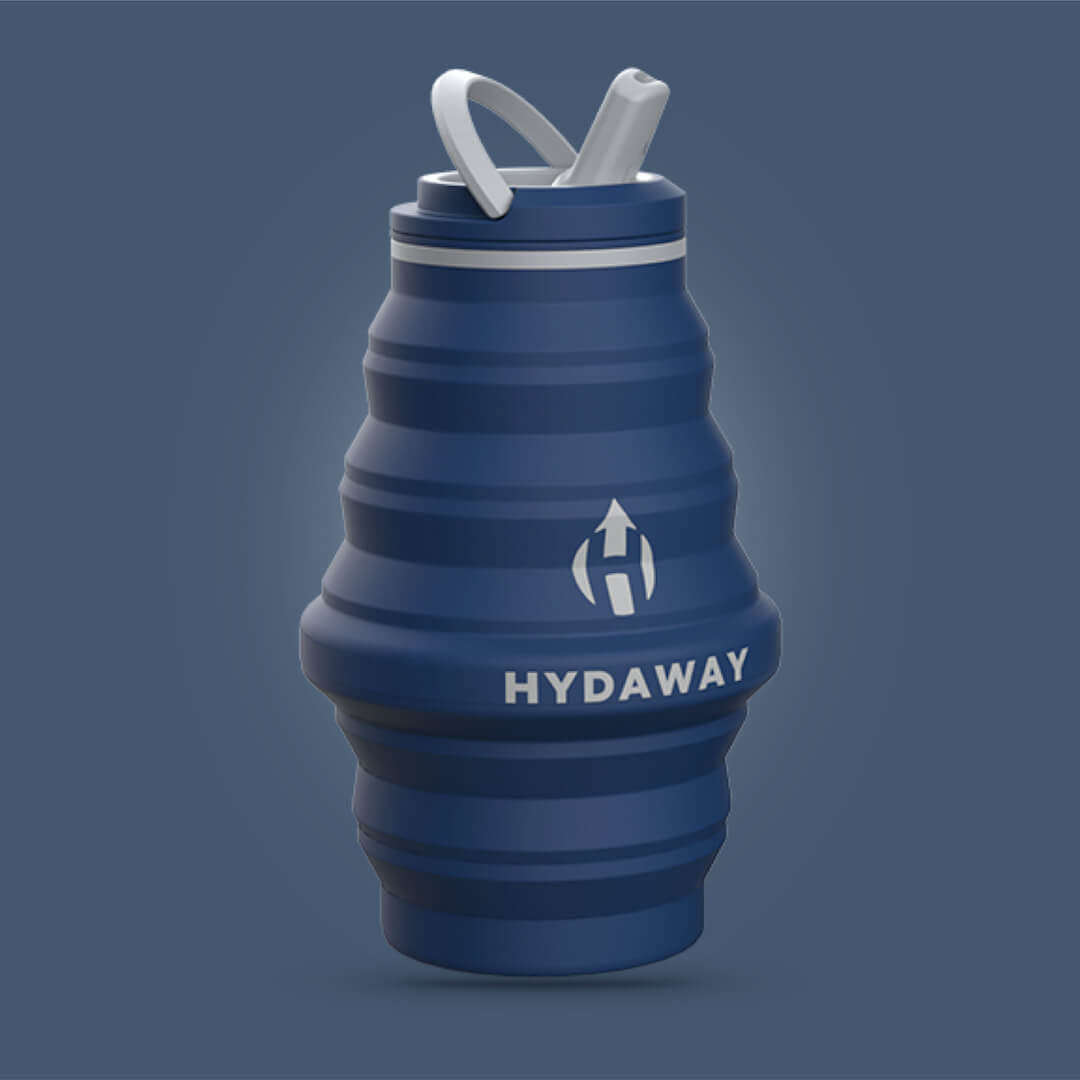
HYDAWAY is one example of a brand working in that space. Its products are built for portable hydration and meal use, and the company also provides a warranty page that helps customers understand support after purchase. For a buyer, that kind of clarity is part of quality too. Not the whole story, but part of it.
A trustworthy product isn't defined only by the big promise on the box. It's defined by dozens of small decisions that nobody notices because they work.
That's why good manufacturing feels invisible. You don't think about wall thickness, seal compression, or revision control when a bottle rides in your carry-on without leaking. You only think about them when they were handled poorly.
Your Action Checklist and FAQ for Smart Choices
Once you know what a manufacturing standard does, shopping gets easier. You stop judging products only by color, price, or clever copy. You start looking for signs that the company has done the hard, boring work of defining quality clearly.
Smart checks for shoppers
- Look for specific claims: “Food-safe,” “tested,” and “durable” are more helpful when the brand explains what those terms mean in practice.
- Read material information closely: Clear material details are more useful than vague reassurance.
- Check support policies: Returns, warranties, and care instructions often reveal how seriously a company treats product performance.
- Watch for consistency in the details: Product photos, instructions, replacement parts, and FAQs should tell the same story.
- Favor products that fit real life: If you need a bottle for commuting, airport security lines, or day hikes, choose the design that matches that use instead of the one with the loudest branding.
Useful checks for small brands and makers
If you're building products yourself, the best place to start isn't with a flashy certification announcement. It's with clarity.
- Define one critical function first Pick the thing the product must do reliably. Seal. Fold. Fit. Pour. Start there.
- Write measurable requirements “High quality” won't help your supplier. Measurable dimensions, materials, and pass-fail checks will.
- Control revisions If the drawing changed, the factory, buyer, and inspector should all be working from the same version.
- Inspect what matters most Don't drown in checklists. Focus on the features most likely to affect safety, reliability, and user trust.
FAQ people often ask
Are all standards required by law
No. Some are legal requirements tied to safety or regulated uses. Others are voluntary frameworks companies adopt because they improve consistency, market access, or customer trust.
Does a certification label guarantee a product is perfect
No. It usually means the company has met a defined system or product requirement. It does not mean every unit can never fail.
Is tighter tolerance always better
Not necessarily. The best tolerance is the one that fits the product's job and can be produced reliably. Unnecessarily tight tolerances can raise cost without improving the user experience.
Does country of origin automatically tell me the quality level
No. Quality depends more on the clarity of the specification, process control, inspection discipline, and supplier management than on a country label alone.
When you buy reusable gear, you're really buying confidence. The visible product matters, but the invisible standard is what makes that confidence stick.
If you want packable reusable gear for travel, commuting, or outdoor days, take a look at HYDAWAY. The useful question isn't just whether a product folds flat or looks good in a photo. It's whether the design, materials, and quality controls support the way you live.