


Water Drinking Bags: A Guide to Portable Hydration

You're probably reading this with a half-empty bottle rolling around in the car, a daypack that's already too full, or a stroller basket packed with everything except room for one more bulky drink. That's where water drinking bags start to make sense.
They solve a simple problem that shows up everywhere. On a trail, in a campervan, in an airport line, at Disneyland, or during an ordinary run across town, hydration gear works best when it disappears into your routine instead of taking over your bag.
That's one reason this category keeps expanding. The bagged drinking water market is projected to grow at a CAGR of 8.5% from 2022 to 2030 according to this bagged drinking water market report. The practical appeal is easy to understand. Less bulk. Easier packing. Fewer single-use bottles bought in a rush.
The Modern Solution to Staying Hydrated Anywhere
A lot of people first think of water drinking bags as hiking gear. That's too narrow.
The better way to think about them is as portable hydration tools built for tight spaces and moving days. If you've ever stuffed a rigid bottle into a personal item bag, tried to wedge a jug under a van bench, or carried an empty bottle around a theme park for hours, you already know the pain point. Hard containers keep their shape even when they're no longer useful.
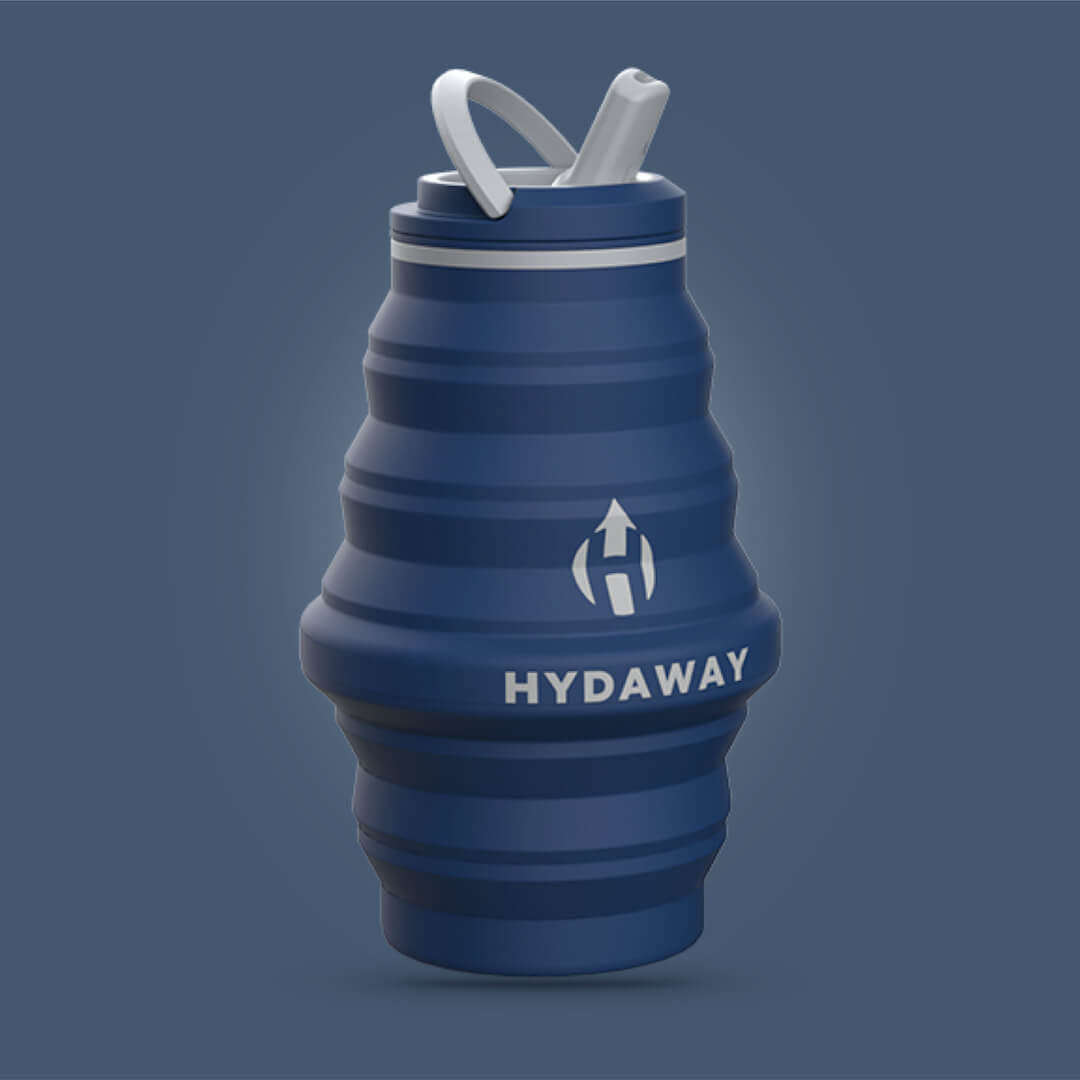
Water drinking bags change that equation. When full, they carry what you need. When empty, many fold, flatten, or roll down so they stop wasting space. That sounds like a small advantage until you're traveling with kids, packing a compact hiking kit, or trying to live out of a van where every corner has a job.
Where they help most
Some of the best current examples aren't on remote expeditions. They're in ordinary, high-friction moments:
- Theme park days when you want refillable water without carrying a large bottle all afternoon
- Van-life kitchens where storage volume matters as much as water volume
- Airport and train travel when you need something empty at security, then useful right after
- Everyday carry for commuters, gym users, and parents who don't want another hard bottle taking up room
Practical rule: The best hydration gear is the gear you'll still carry when it's empty.
That's why soft-sided options keep winning people over. They're not always the best answer for every job, but they're often the easiest answer for real life.
Understanding the Types of Water Drinking Bags
Not all water drinking bags do the same job. Choosing the right one gets much easier when you stop shopping by brand first and start shopping by use.

Hydration bladders
A hydration bladder is the one built for motion. It acts as a water reservoir for your backpack. It sits inside the pack, connects to a hose, and lets you sip without stopping.
That makes it useful for hiking, mountain biking, long walks in hot weather, and any activity where taking the pack off gets old fast. The trade-off is cleaning. Tubes and bite valves need attention, and refilling can be more fiddly than using a bottle.
Collapsible soft bottles
This is the category to consider first for travel and daily use. A collapsible soft bottle works like a normal bottle when full, then packs down when empty.
For city travel, theme parks, commuting, gym visits, and carry-on travel, this is often the sweet spot. It gives you easy refills without dedicating permanent space in your bag. If you want more examples for camp setups and flexible storage, this guide to collapsible water containers for camping is a useful next read.
Flexible flasks and pouches
These are the minimalists. They're small, soft, and designed to disappear into running vests, jacket pockets, or side sleeves.
They're excellent for fast access and light movement. They're less ideal when you want a bottle that stands up well on a desk, slides easily into a cup holder, or feels natural for all-day family use.
Water Drinking Bag Types at a Glance
| Bag Type | Typical Capacity | Best For | Key Feature |
|---|---|---|---|
| Hydration bladders | Medium to large | Hiking, cycling, long active days | Hands-free sipping through a hose |
| Collapsible soft bottles | Small to medium | Travel, errands, gym, theme parks | Flattens when empty |
| Flexible flasks/pouches | Small | Running, vest carry, quick access | Minimal bulk |
A simple filter for choosing: if you'll drink while moving, use a bladder. If you'll refill throughout the day, use a collapsible bottle. If every inch of pack space matters, use a flask.
Hydration for Every Adventure and Errand
The value of water drinking bags shows up in use, not on a product page.

A trail day is the obvious example. You're climbing, moving steadily, and don't want to break rhythm every time you need a sip. A hydration bladder earns its place here because it keeps water accessible without asking you to stop and unpack.
But some of the smartest uses happen far from the trail.
Van-life and overlanding
Rigid jugs are dependable, but they eat storage space even when partially empty. That's a real cost in a van where one cabinet might hold cookware, dry food, cables, and tomorrow's breakfast.
According to this collapsible water bag product reference, heavyweight PVC-bladder collapsible water bags for van-lifers and overlanders can reduce pack weight by 40% compared to rigid containers of the same volume. That matters when you're managing load, organizing a compact build, or just trying to stop gear from piling up.
A practical setup is simple:
- Large flexible bag for camp storage when parked
- Smaller personal bottle or soft pouch for short walks, fuel stops, and day use
- Clear separation between drinking water and utility water so nobody grabs the wrong container in a hurry
Theme parks and family days out
Collapsible bottles outperform bulkier gear. Families heading into Disneyland, Six Flags, or a zoo usually want three things. Less weight, less clutter, and fewer expensive impulse water purchases.
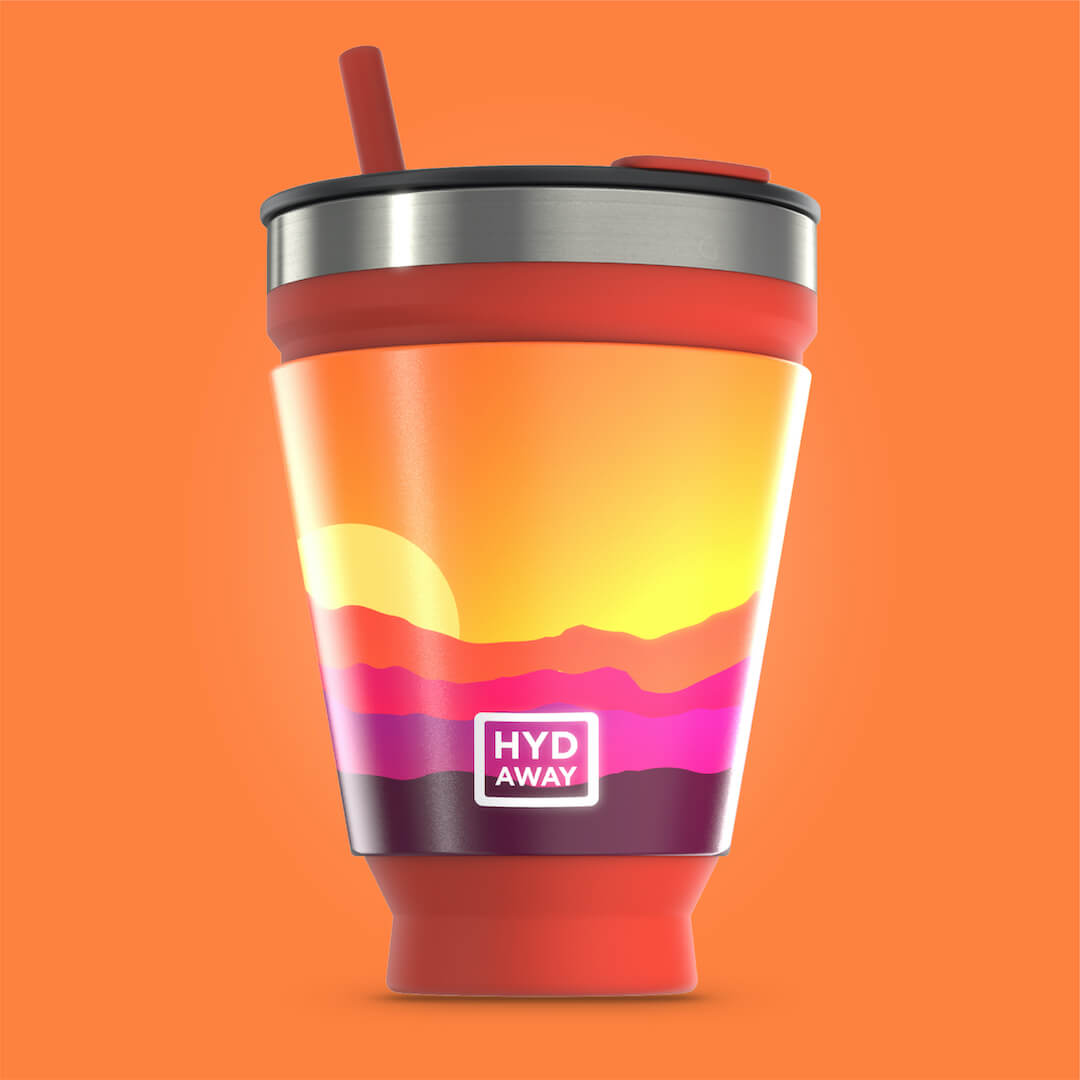
A foldable bottle works because it's useful before the refill, during the refill, and after the drink is gone. It tucks into a sling, stroller organizer, or jacket pocket instead of swinging from your hand all day. For parents managing snacks, chargers, ponchos, and sunscreen, that difference is huge.
Travel, flights, and city walking
For international travel or long sightseeing days in Europe, Hawaii, or a big U.S. city, the best bottle is often the one that doesn't annoy you after lunch. Soft-sided designs shine here because they reclaim space once empty.
If you're building a light backpacking kit for a trip, this guide on how to prepare for an unforgettable adventure is worth saving. It pairs well with the same principle that makes water bags useful: only carry the bulk you'll need.
Everyday carry
Not every hydration problem is dramatic. Sometimes it's just office days, school pickup, the gym, or commuting by train.
That's where collapsible options pull ahead. They fit the life you live. Drink on the go. Refill when you can. Pack it away when you're done.
How to Choose Your Ideal Water Bag
Buying the right water bag comes down to three decisions. Material, size, and the details that make daily use easy or annoying.

The category isn't fringe anymore. As of early 2024, the global market for collapsible water bottles has surpassed USD 2 billion and is growing steadily, according to this foldable travel water bottle market overview. That growth makes sense because more travelers, parents, commuters, and retirees want hydration gear that packs smaller without becoming disposable.
Start with material and safety
Food-contact gear should feel boring in the best way. No odd taste, no mystery coating, no stress about what's touching your water.
Look for food-grade materials and clear safety language. Products that are third-party verified free of BPA, phthalates, and other pollutants are easier to trust because the claim doesn't stop at packaging copy. If you're using a bag daily, that peace of mind matters more than trendy features.
For larger utility-style bags, durability matters too. Some collapsible options are built for rough travel and hauling. Others are really just lightweight carry vessels. Don't confuse the two.
Match capacity to your real day
People often buy for the biggest day they can imagine instead of the day they repeat every week. That usually leads to carrying too much bottle and not enough water.
A simple way to choose:
-
Short daily use
Commuting, school runs, errands, and gym sessions usually call for a compact bottle that's easy to refill and easy to stash. -
Long sightseeing days
Museums, theme parks, and airport days benefit from a little more volume, especially if refill access is uncertain. -
Outdoor movement
Hiking and long walks may call for either a bladder or a larger bottle, depending on whether you prefer sipping while moving or stopping at breaks.
The better question isn't “What holds the most?” It's “What will I carry all day?”
Bigger isn't always better. A bottle left in the car because it's awkward to pack hydrates nobody.
Pay attention to the annoying little things
The details decide whether gear becomes part of your routine.
Check these before you buy:
-
Leak resistance
If it rides near electronics, books, or extra clothes, the closure has to inspire trust. -
Mouth opening
Wider openings are easier to fill and easier to clean. Narrow openings can drink well but may be tougher to maintain. -
Packability when empty
Some products technically collapse. Fewer become sufficiently compact to matter. -
Cleaning convenience
Dishwasher-safe designs remove friction. That's a bigger advantage than most people expect.
Keeping Your Gear Clean and Safe for Reuse
Reusable hydration gear only stays pleasant if you clean it before residue becomes a problem. The good news is that maintenance is simple when you don't let yesterday's water sit around for days.
A routine that actually works
Use this sequence after trips and regularly during everyday use:
- Empty it fully as soon as you're home or back at camp.
- Rinse with warm water right away so minerals and flavors don't linger.
- Wash the lid and drinking surfaces carefully because those areas collect the most contact.
- Let every part dry completely before storage. Moisture trapped in folds, caps, or tubes is where trouble starts.
For hydration bladders and hose systems, specialized tools help. This guide to a hydration bladder cleaning kit is useful if you're dealing with reservoirs, bite valves, and tubing that need more than a quick rinse.
What deserves extra attention
Soft-sided gear has a few maintenance weak spots:
- Closures and threads collect residue if you use anything besides plain water
- Corners and folds can stay damp longer than you think
- Hoses and mouthpieces need full drying, not just a rinse
If your water bag is dishwasher-safe, use that advantage. That feature removes the biggest barrier to long-term reuse, which is procrastination. Gear that's easy to clean gets cleaned more often.
Drying matters as much as washing. Clean but damp gear still causes problems in storage.
For campers and RV users
If your hydration setup overlaps with a van or RV water system, don't treat the personal bottle as the only thing that needs care. Tank cleanliness affects taste and confidence too. For a practical companion read, these SwiftNet Wifi RV water tank tips cover system-level cleaning that pairs well with keeping your portable containers fresh.
Store water drinking bags open when possible, or at least fully dry, in a clean cabinet or gear bin between uses.
The Sustainable Choice Over Single-Use Plastics
Convenience is the reason many people start using reusable water gear. Waste reduction is the reason many stick with it.

The scale of single-use bottle consumption is hard to ignore. Humans purchase 1 million disposable plastic bottles every minute, or 1.3 billion every day worldwide, according to this report on reusable bottle alternatives. That's exactly the habit reusable water drinking bags push against.
Why the switch is realistic
The sustainable option fails when it's less convenient than the wasteful one. That's why collapsible gear matters. It removes one of the main reasons people keep buying disposable bottles, which is that carrying a reusable container can feel bulky and inconvenient after it's empty.
Water drinking bags solve that in a practical way:
- They travel better because they don't demand full-time space in your bag
- They fit refill habits at airports, parks, offices, and gyms
- They reduce throwaway purchases when you're out longer than planned
For people trying to shrink their daily plastic use, that's a realistic behavior change, not a heroic one. If you want more ideas beyond hydration gear, this guide on how to reduce single-use plastic is a solid next step.
A better habit, not a perfect one
Reusable gear doesn't fix every packaging problem. It also doesn't need to.
If a collapsible bottle or water pouch helps you skip even a routine stream of grab-and-go plastic bottles during commuting, travel, family outings, or road trips, that's a meaningful shift. The best sustainable gear is the gear people keep using.
Frequently Asked Questions
Can water drinking bags go in the freezer?
Some can, but always check the maker's care guidance first. Freezing can stress seams, closures, and flexible materials if the container is overfilled. Leave expansion room.
Can I use them for hot liquids?
Usually, only if the product specifically says so. Many soft water bags are designed for cool or room-temperature liquids. Using hot drinks in the wrong container can affect handling, taste, and material lifespan.
What's the safest way to pack one in luggage?
Travel with it empty, fully sealed, and separated from anything you don't want exposed to moisture. For extra confidence, place it in an easy-to-access pocket or a small pouch.
Do they work with hiking filters?
Many do, especially wider-mouth soft bottles and reservoirs, but compatibility depends on the filter system and opening style. Check thread fit and intended use before relying on it in the field.
If you want reusable hydration gear that fits real travel, trail, van-life, and everyday routines, HYDAWAY makes compact bottles and adventure-ready essentials that fold flat, clean up easily, and help you carry less plastic and less bulk wherever the day takes you.