


8 Smart Hiking Lunch Ideas for Any Trail

You know the feeling. You finally stop at the overlook, shrug off your pack, and reach for lunch, only to find a flattened sandwich, a melted snack bar, or the same handful of trail mix you've eaten on every hike this month. The view is great, but the meal feels like an afterthought.
A better trail lunch changes the whole day. Good hiking lunch ideas don't need to be fancy, but they do need to travel well, taste good, and give you steady energy instead of a quick spike followed by a slog. For hiking and backpacking, that usually means thinking about your whole day's food system, not just one meal. Andrew Skurka recommends using 3,000 calories per day as a practical starting point for planning food loads, and that mindset helps explain why the best lunches are compact, calorie-dense, and easy to eat on the move.
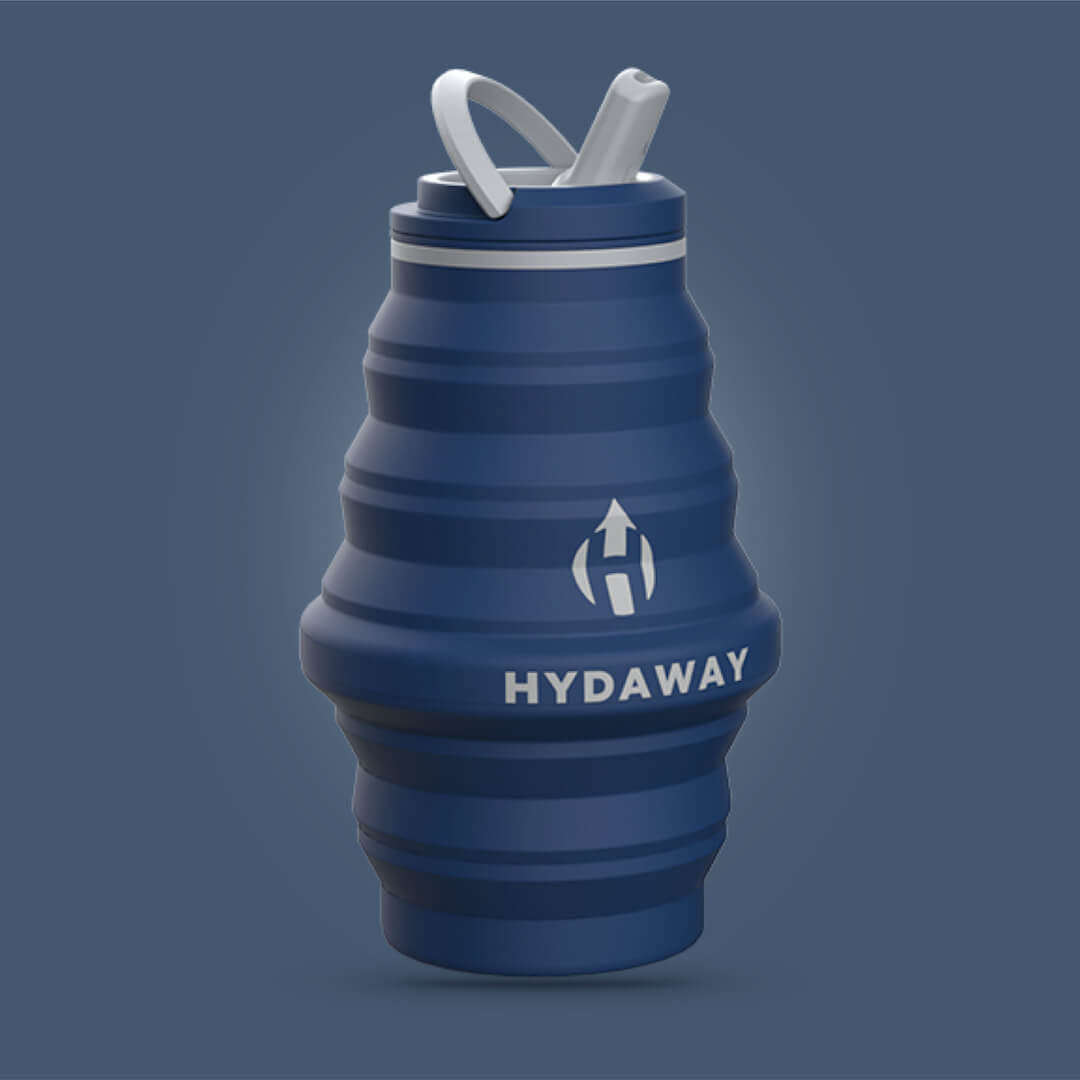
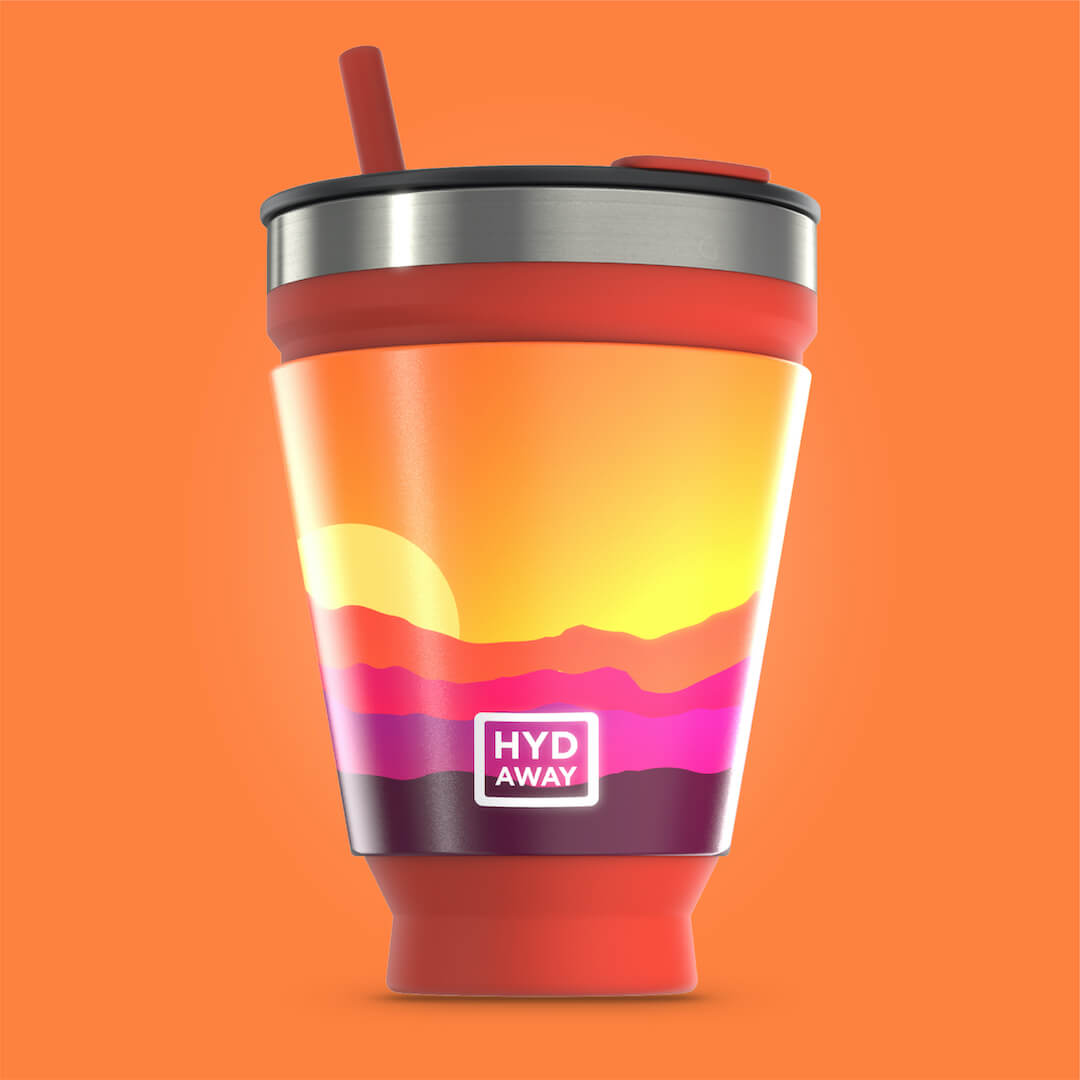
That's where gear matters too. A lunch that rides well in your pack, stays contained, and doesn't leave you carrying a pile of disposable wrappers is easier to repeat week after week. Space-saving reusable gear like HYDAWAY bowls, bottles, and compact food containers fits naturally into that system. You pack better, waste less, and end up with a lunch you want to eat.
1. Energy-Dense Trail Mix & Nut Butter Packs
Trail mix still earns its place. The trick is building one that feels like lunch, not airplane snack mix.
A solid version combines nuts, seeds, dried fruit, and something fun like dark chocolate pieces, then pairs it with a nut butter packet for extra staying power. Sea to Summit's backpacking meal-planning guide highlights staples like nuts, muesli bars, dried fruit, and peanut butter because they're calorie-dense, packable, and can handle time on the trail without refrigeration in a typical trip setup described in its backpacking food ideas and meal planning guide.
If you want current, easy-to-find examples, look at REI Co-op trail mix blends, KIND nut and dried fruit bars, Justin's nut butter packets, or CLIF snack options. I'd use those as building blocks, not gospel. Most hikers get bored when every handful tastes the same.
Make it feel like a real lunch
Mix textures on purpose. Salty roasted almonds, pumpkin seeds, dried cherries, coconut chips, and a few chocolate chunks eat very differently from a bag that's all peanuts and raisins.
- Build contrast: Add crunchy, chewy, sweet, and salty elements so you don't hit taste fatigue halfway through the hike.
- Pack small portions: Split trail mix into grab-and-go bags so you can eat one now and save one for later.
- Use nut butter strategically: Squeeze it onto crackers, apple slices, or straight from the packet when you need a denser bite.
Practical rule: Trail mix works best when it supports movement. If a lunch needs a knife, plate, or ten-minute setup, it usually gets skipped on a windy ridge or quick summit break.
This is also one of the easiest places to cut packaging waste. Instead of tossing multiple single-use snack packs into your bag, preload your own portions in reusable pouches and pair them with a HYDAWAY bottle for easy sipping between bites. If you want more portable food combinations, HYDAWAY's guide to food for hikes is a useful companion for building better trail habits.
For hikers who like ingredient quality, learning a bit about almond tree cultivation can also make you more thoughtful about where your staple trail foods come from.
2. Wraps & Tortillas with Protein Fillings
When people ask for hiking lunch ideas that feel substantial, I usually start with tortillas. They pack flatter than most bread, hold together better, and don't get crushed into sad cubes at the bottom of your pack.
Outdoor food guidance consistently favors wraps, hard cheese, salami, nut butters, tuna packets, and crackers because they're lightweight, non-perishable, and ready to eat, with an emphasis on calorie density and packability in this high-calorie foods for hiking overview. That's exactly why wraps work so well. They're a delivery system for denser fillings without much mess.
Turkey and Swiss is the classic. Salami with hard cheese is even more trail-friendly. If you want meat-free, hummus with shredded carrots and spinach works on shorter outings, and peanut butter with banana gives you a sweeter option for day hikes.
How to stop wraps from getting soggy
The best wrap is tight, simple, and layered with a little strategy.
- Use a barrier layer: Put lettuce, cheese, or a swipe of nut butter against the tortilla before wetter ingredients.
- Keep wet items separate: Tomatoes, juicy pickles, and runny sauces are usually what ruin the texture.
- Wrap it firmly: Foil or parchment keeps the roll compact and gives you a cleaner way to eat it.
A HYDAWAY setup helps more than you'd think here. If you're carrying cut veg, hummus, or a second half of lunch, a compact container keeps fillings from leaking into the rest of your bag, and collapsible gear saves room after you eat. HYDAWAY's article on collapsible lunch boxes fits this kind of hike perfectly because wraps are one of those meals that benefit from shape protection without taking up a lot of pack space.
A wrap should survive a bumpy trail, a hot car ride to the trailhead, and two hours in your pack. If it can't, simplify it.
3. Dehydrated Meal Packets & Instant Noodles
You stop for lunch on a cold, windy ridge, your hands are stiff, and another handful of trail mix is not going to cut it. That is when a hot lunch earns its weight.
Dehydrated meals and instant noodles make the most sense on hikes where warmth, morale, and easy calories matter more than a no-prep lunch. They do ask more from your system. You need water, a stove or at least a way to add hot water, and enough time to sit still while the food rehydrates. For a short summer outing, that setup can feel like overkill. For shoulder-season hikes, high routes, or long days with a planned stop, it often feels like the right call.
Instant ramen works well if you add something to it. A pouch of chicken, peanut butter, olive oil, chili crisp, or dehydrated vegetables can turn a cheap noodle pack into a lunch that holds you for the next climb. Commercial backpacking meals from brands like Peak Refuel, Good To-Go, and Mountain House are more expensive, but they are simple, filling, and easy to portion into a broader food plan.
Hot lunch usually works better as part of the day's feeding system, not the entire midday calorie load. A modest bowl of noodles plus a few easy snacks before and after often sits better than one oversized meal that leaves you sluggish.
When hot lunch is worth the extra effort
Use it when the conditions justify the setup.
- Cold or wet weather: Warm food can help you reset and get moving again.
- Long scenic breaks: If you already plan to stop at a lake, summit, or pass, boil time feels less wasteful.
- Multi-day trips: A hot lunch breaks up the repetition of bars, jerky, and dry snacks.
Test every meal at home first. Some freeze-dried meals rehydrate beautifully. Others stay crunchy in the middle or come out too salty to enjoy on trail.
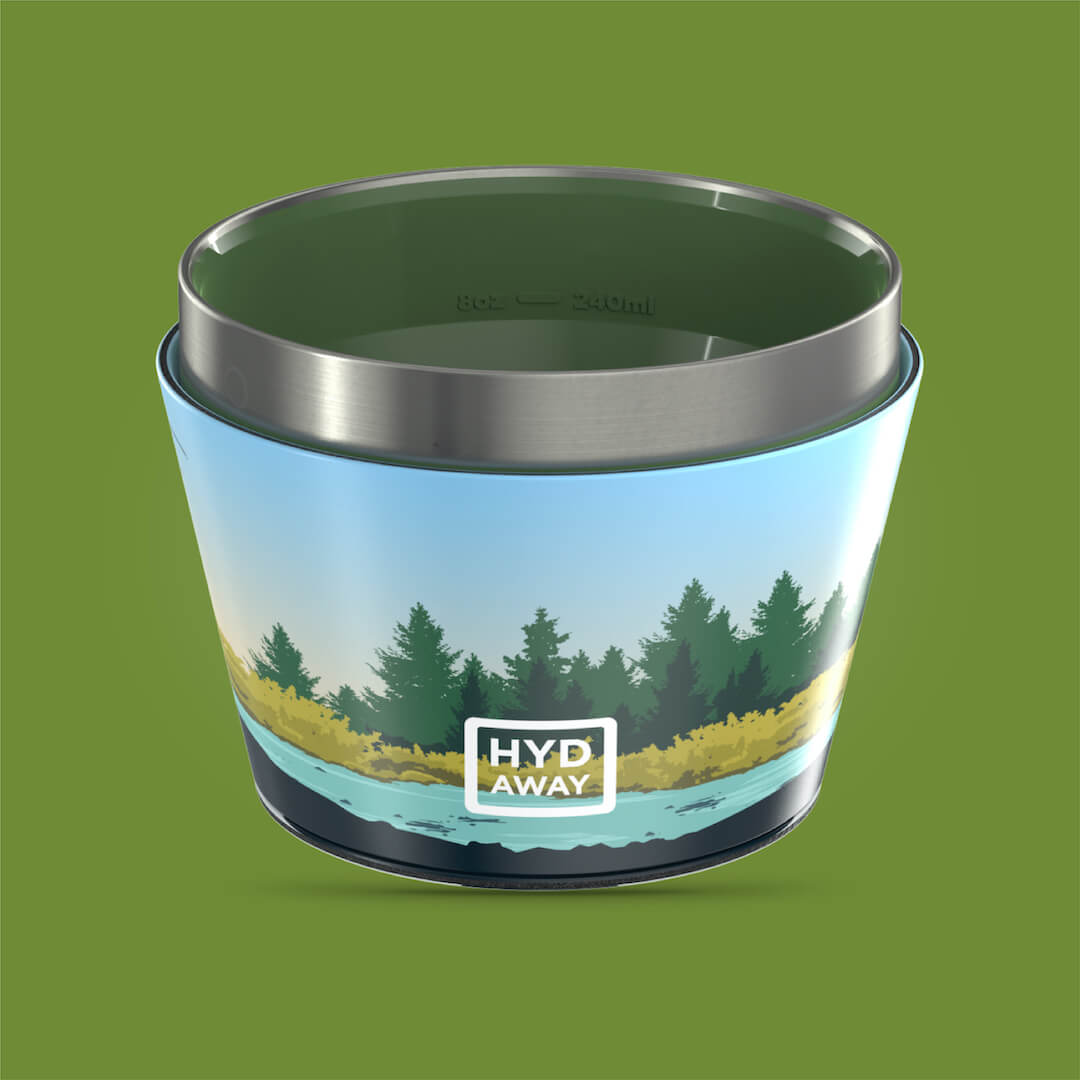
Packing matters here more than people expect. Eating straight from a pouch is convenient, but it can be awkward in wind, and the empty packaging still takes up trash space afterward. A reusable insulated bowl gives you a better eating experience, keeps food warm longer, and pairs well with a low-bulk trail kitchen. HYDAWAY gear fits this style of lunch well because it packs down small after the meal, which is exactly what you want when your cook kit, food bag, and layers are all competing for room.
4. Sandwich or Panini with Durable Bread
A sandwich can still be excellent on the trail. It just needs the right bread and the right expectations.
Soft grocery-store sandwich bread usually doesn't make it. Dense sourdough, ciabatta, seeded whole grain, or a pressed panini hold up much better. These are the kinds of lunches I like for shorter hikes, scenic half days, or road-trip trail stops when you want something that feels more like lunch and less like rationing.

A turkey and Swiss on sourdough is reliable. A ciabatta with prosciutto and mozzarella can work if you keep moisture under control. Roasted vegetables and hummus on sturdy whole grain bread make a good vegetarian version.
Bread choice decides everything
Toasted or pressed bread creates a tougher exterior, which helps the sandwich resist getting compressed in your pack. That's why panini-style sandwiches travel better than soft deli builds.
- Choose sturdy loaves: Sourdough and ciabatta resist squashing better than fluffy sliced bread.
- Separate condiments: Add mustard, oil, or balsamic at lunch instead of before the hike.
- Use paper first, then a bag: Wrapping in parchment or paper prevents the sandwich from steaming itself into mush.
This is one of the rare lunches where I'd say don't overbuild it. Too many fillings mean slippage, sogginess, and cleanup. Keep it focused, wrap it tight, and store it where it won't get crushed by your water or extra layers.
If you're bringing a sandwich on a family hike or quick after-work trail, HYDAWAY gear still fits naturally. Their collapsible bottle and compact food gear leave more room for the lunch itself, and after you eat, the emptied setup takes less space on the way back.
5. Cheese, Cured Meat & Crackers Charcuterie
You reach an overlook, the wind drops, and lunch finally feels like a break instead of a refueling stop. That is the sweet spot for trail charcuterie. It takes a little more packing discipline than bars or a sandwich, but the payoff is better texture, better flavor, and a lunch that still feels intact when you open your bag.
A good setup is simple. Pack a hard cheese such as aged cheddar, gouda, or manchego, add salami or pepperoni, then round it out with sturdy crackers. A few olives, roasted almonds, or dried apricots can make it feel more complete without adding much fuss. The system matters as much as the food here, because each item has a different job and needs a little separation to arrive in good shape.
Best on cooler days and moderate hikes
This lunch works best on hikes where you can stop for 15 minutes and eat.
- Keep components in separate containers: Crackers stay crisp, cheese stays firm, and oily meats do not coat everything else.
- Choose hard, low-moisture cheeses: They hold up better in a pack and are less messy by midday.
- Portion with intention: A few slices of meat, a block of cheese, and one serving of crackers usually travels better than a full deli assortment.
I usually skip soft crackers and creamy cheeses unless the hike is short and cool. Heat changes this lunch fast. Cheese gets sweaty, fat from cured meat starts to smear, and crushed crackers turn the whole thing into trail crumbs.
For prep, a small reusable container does real work here. It keeps the pieces organized, protects the fragile items, and cuts down on the pile of single-use bags that charcuterie-style lunches can create. If you want more ideas for building meals that travel well, HYDAWAY's guide to camping meal prep ideas for organized outdoor lunches is a useful place to start.
The trade-off is clear. This lunch is heavier than dry snacks and less forgiving in hot weather, but it feels more satisfying on short day hikes, scenic summit days, and relaxed family outings. Pack it for the right conditions, and it earns its spot.
6. Cold Pasta Salad with Protein
Cold pasta salad isn't classic trail food, but it's a great option for day hikes, campground lunches, and shorter adventures where enjoyment matters as much as weight. It's also one of the easiest ways to bring more variety if you're tired of wraps and bars.
The challenge is balance. Existing hiking advice often leans on crackers, nut butter, or dehydrated foods, but backpacking-focused guidance also points out the need to intentionally add protein sources like tuna, jerky, salmon, cheese, lentils, beans, tofu, or pulses in this lightweight backpacking lunches article. That advice is especially useful here because pasta alone can leave you hungry again too soon.
Try rotini with grilled chicken and vinaigrette, orzo with roasted vegetables and feta, or whole wheat pasta with chickpeas and tahini dressing. For current, realistic use, this is the kind of lunch people pack for local state-park hikes, family outings, and easy summit trails where there's time to sit and eat.
Keep it chilled and structured
A good trail pasta salad is lightly dressed, not swimming in sauce. You want it seasoned enough to taste good cold, but dry enough that it doesn't leak.
- Choose hearty shapes: Rotini, penne, and orzo tend to hold texture better than long noodles.
- Add protein at home: Chicken, beans, tuna, tofu, or cheese make it feel like lunch instead of a side dish.
- Use durable vegetables: Bell pepper, cucumber, and olives usually travel better than fragile greens.
This is exactly the kind of meal that benefits from a reusable insulated container. HYDAWAY's practical, packable food gear suits a cold lunch that needs shape, spill control, and a smaller footprint after the meal is gone. If you want more make-ahead ideas in that lane, HYDAWAY's guide to camping meal prep ideas translates well to hike lunches too.
7. Energy Bars, Gels & Electrolyte Chews
A steep climb in hot weather is rarely the moment for a sandwich. On those stretches, quick fuel often works better than a packed lunch you have to stop and chew through.
Bars, gels, and electrolyte chews earn their spot for fast hikes, summit pushes, long climbs, and any day when appetite drops but energy needs stay high. CLIF Bars, KIND bars, GoMacro bars, GU Energy Gel, and chews from brands like GU or Skratch are easy to stash in hip-belt pockets, vest pockets, or the top of a pack. They also create very little setup. Open, eat, keep moving.
The trade-off is obvious. These products are efficient, but they can get monotonous fast, and a full day built around sweet, sticky fuel leaves plenty of hikers unsatisfied. I use them to support lunch, not replace it, unless the route or pace really calls for it.
Use them with a plan
Bars usually fit best on short stops or as a backup lunch when weather, pace, or terrain cuts your break short. Gels and chews are better for high-output sections when you want fast carbs and low chewing effort.
- Test them before a big day: Some bars sit heavy, and some gels cause stomach trouble when effort is high.
- Drink with gels and chews: Water helps with texture, digestion, and hydration at the same time.
- Pack a mix of sweet and neutral flavors: Flavor fatigue is real by mid-hike.
- Carry the wrappers deliberately: These foods create a lot of small trash, so give them a dedicated spot after you eat.
This category works best as part of a system. Real food handles satisfaction and staying power. Quick fuel covers gaps between breaks, steep efforts, and late-day slumps. A HYDAWAY bottle fits that system well because fast fuel only helps if water is just as easy to reach, and collapsible gear takes up less room once the food and drink are gone.
8. No-Cook Lunch Bowl with Hydrating Vegetables
You hit a shaded overlook at noon, pull out lunch, and want something crisp instead of another dense, dry handful of trail food. That is where a no-cook bowl earns its spot.
This option works best on shorter hikes, cool days, and any outing where lunch only needs to stay fresh for a few hours. Good combinations include quinoa with chickpeas, cucumber, tomato, olives, and feta, or a Southwest bowl with black beans, corn, bell pepper, and a cilantro-lime dressing. The trade-off is straightforward. Fresh vegetables add water, texture, and relief from heavy trail food, but they also add bulk and cut into the calorie density you would want on a long backcountry day.

The best version is built for the trail, not packed like a picnic salad. Use sturdy ingredients that hold up to a few hours in a pack. Cucumber, snap peas, carrots, cabbage, cooked grains, beans, olives, and firm cheese travel better than delicate greens or watery cut fruit.
Build bowls that survive the trail
Pack these bowls in layers so they still taste good when you open them.
- Start with the base: Grains, beans, lentils, or pasta catch dressing well and keep the meal filling.
- Add sturdy vegetables: Cucumber, peppers, carrots, cabbage, and cherry tomatoes hold their texture better than tender greens.
- Pack dressing separately: A small leakproof container keeps the bowl from turning soggy.
- Finish with fat and protein: Feta, tofu, chicken, hard-boiled eggs, pumpkin seeds, or nuts make it feel like lunch, not a side.
Container choice matters here as much as the recipe. A rigid bowl protects soft ingredients better than a zip bag, and an insulated option gives you a little more margin on warm days. A HYDAWAY insulated bowl fits this system well because it packs a proper meal, washes out easily after the hike, and collapses down once empty, which is useful when space gets tight on the walk back.
Comparison of 8 Hiking Lunch Ideas
| Item | Implementation Complexity 🔄 | Resource Requirements ⚡ | Expected Outcomes 📊 | Ideal Use Cases ⭐ | Key Advantages 💡 |
|---|---|---|---|---|---|
| Energy-Dense Trail Mix & Nut Butter Packs | Very low, pre-portioning only | Minimal weight; no stove; resealable bags | High-calorie, sustained energy; easy grazing | Full-day hikes; ultralight outings; on-the-go snacking | No-cook, non-perishable, customizable; bulk prep |
| Wraps & Tortillas with Protein Fillings | Low–moderate, morning prep and tight wrapping | Fresh ingredients; foil/parchment or beeswax wrap | Satisfying, balanced meal; moderate shelf life | Day hikes, mixed groups, craving a "real" meal | Portable, customizable proteins; accommodates diets |
| Dehydrated Meal Packets & Instant Noodles | Moderate, requires hot water/stove and rehydration time | Lightweight stove/fuel, water, insulated bowl | Hot, lightweight meals; morale and warmth boost | Cold-weather, multi-day backpacking, ultralight treks | Extremely light, long shelf life, gourmet options |
| Sandwich or Panini with Durable Bread | Low, simple assembly; optional pressing | Dense/crusty bread, protective container or press | Familiar, balanced meal; heavier than snacks | Casual day hikes, group outings, comfort-focused hikers | Universally appealing; easy to prepare; satisfying |
| Cheese, Cured Meat & Crackers Charcuterie | Moderate, component prep and separate packing | Multiple small containers; cured meats and cheeses | Variety-rich, nutrient-dense grazing; social appeal | Leisurely hikes, picnics, group grazing experiences | High variety and density; elegant, snackable options |
| Cold Pasta Salad with Protein | Moderate, cook ahead and cold-chain management | Insulated container/cool element; pre-cooked pasta | Complete meal with carbs/protein; heavier pack weight | Full-day hikes, meal-prep fans, group lunches | Nutritionally complete; flavors improve overnight; make-ahead |
| Energy Bars, Gels & Electrolyte Chews | Very low, ready-to-eat, no prep | Minimal space; water for gels; generates wrappers | Rapid, predictable energy; less satiating long-term | High-intensity segments, endurance hikes, quick boosts | Highly portable; precise fueling; easy timing during activity |
| No-Cook Lunch Bowl with Hydrating Vegetables | Moderate, careful layering and same-day prep | Insulated, spill-proof container; fresh produce | Hydration plus nutrition; premium meal experience | Hot-weather hikes, wellness-focused outings, groups | Supplies hydration via food; very nutritious and customizable |
Pack Smart, Eat Well, and Leave No Trace
A good trail lunch usually succeeds or fails before the hike starts. The hikers who eat well on trail are rarely the ones carrying the fanciest food. They're the ones who matched the meal to the route, packed it so it survives the hike, and brought a system that makes eating and cleanup simple.
That system starts with a few practical questions. Will you eat while walking or stop for 20 minutes? Is the day hot enough to make dairy, cooked pasta, or cut vegetables harder to manage? Do you have room for a rigid container, or do you need gear that shrinks as you eat and drink? Once you answer those, the lunch choice gets clearer. A tortilla wrap, a compact snack spread, or an instant noodle bowl each makes sense in a different trail situation.
Packing is what turns a good lunch idea into a reliable one. Soft foods get crushed if they ride loose. Oily foods need better sealing than dry snacks. Hot meals require a bowl that is pleasant to hold and eat from, especially in wind or cold. Collapsible, reusable gear helps because it solves two problems at once. It protects the meal and cuts down the bulk that usually pushes hikers back toward disposable packaging.
HYDAWAY fits well into that setup. A collapsible bottle frees space after you drink. An insulated bowl works for cold pasta on a summer hike and hot noodles on a shoulder-season day. Compact food gear also makes it easier to pack meals that feel like real lunches instead of a pile of wrappers and backup bars.
The sustainability side matters too, but only if it works in practice. Reusables need to be easy to carry, easy to rinse out, and worth bringing every time. That's why space-saving gear tends to get used consistently. If a bowl or bottle disappears into the pack when it's empty, it earns its place on both trail days and regular weekdays.
Leave No Trace gets easier with the same system. Fewer single-use wrappers means less loose trash to chase at a windy overlook. Better containers mean fewer leaks, fewer crumbs in the pack, and less messy cleanup overall. If you're carrying anything perishable or moisture-sensitive, it also helps to follow sensible safe food storage practices so lunch stays safe and appetizing.
Better lunches improve the whole day. You eat on time, carry what you want, and finish with less waste and less fuss.
If you want trail meals to be easier to pack, easier to enjoy, and easier on the planet, take a look at HYDAWAY. Their collapsible bottles, insulated bowls, and compact food gear make it much simpler to carry real lunches without wasting space or relying on single-use packaging.