


Self Inflating Air Mattress Camping: Best Self-Inflating

You crawl into your tent after a long day outside. The stars are out, the stove is packed away, and everything should feel dialed. Then the ground starts winning. Your hip finds a hard spot. Cold creeps up from below. By midnight, you're rotating like a rotisserie chicken, trying to find one patch of comfort that lasts longer than ten minutes.
That's usually the moment campers stop treating sleep gear like an afterthought.
A good pad doesn't just feel nicer. It changes the whole trip. You wake up warmer, less stiff, and ready to hike, fish, paddle, or drive farther without feeling wrecked. For a lot of campers, the sweet spot is a self-inflating mattress. It blends foam support, air cushioning, and solid insulation in one piece of gear that's easier to live with than many people expect.
If you're sorting through self inflating air mattress camping options, the trick isn't finding the one with the loudest marketing. It's finding the one that fits your travel style, your vehicle space, your body, and the rest of your kit.
Tired of Tossing and Turning on the Trail
A few years back, I watched a friend bail on the second night of an otherwise beautiful Central Oregon campout. Not because of weather. Not because of the route. He left because he hadn't slept. His pad was thin, chilly, and lumpy enough that every root under the tent floor felt personal.
That story repeats itself all the time.
Most bad camp sleep comes down to two problems. First, the ground is uneven. Second, the ground steals heat. People usually focus on the first one because pressure points are obvious. The second one is sneakier. You can have a decent sleeping bag and still feel miserable if your pad isn't doing its job underneath you.
For some campers, poor sleep gets tangled up with body discomfort they already deal with at home. If lying flat seems to make your legs ache or feel restless, it's worth reading this guide to understanding nighttime leg discomfort, because not every rough night outdoors is caused by your sleeping pad alone.
Why this kind of mattress changes the experience
A self-inflating camping mattress solves a very common problem. Closed-cell foam pads are reliable but can feel Spartan. Old-school air mattresses can feel cushy at first, but many campers find them cold, bulky, or annoying to inflate. Self-inflating models land in the middle, and often in the best way.
They bring structure from foam and comfort from trapped air. That combination helps smooth out rough ground better than a basic foam pad, while also avoiding some of the floppy, unstable feel that cheap inflatable beds can have.
A rough night outside doesn't just ruin sleep. It shortens hikes, shrinks patience, and makes a great campsite feel like work.
For campers who want practical comfort without adding unnecessary hassle, this category has become a go-to for good reason.
How a Self-Inflating Mattress Works Its Magic
The easiest way to understand a self-inflating mattress is to think about a kitchen sponge.
Compress a sponge, seal it up, and then let it expand again. As it springs back, it pulls in air. A self-inflating mattress works on the same basic principle, just with camping-grade materials built to hold air and survive real use.
The foam does the heavy lifting
Inside the mattress is open-cell foam. Unlike dense closed-cell foam, this material has tiny spaces that let air move through it. When the mattress is stored, that foam is compressed. When you open the valve and unroll the pad, the foam wants to return to its original shape.
As it expands, it draws air into the mattress on its own. That's the “self-inflating” part.
This visual helps show the parts working together:

The foam also explains why these mattresses feel different from simple air beds. You're not floating on air alone. You're resting on a cushion that has built-in structure, which helps with stability and insulation.
The shell and valve control the system
Around that foam sits an airtight fabric shell. It keeps the air where it belongs and gives the mattress its shape. The valve is the control point. Open it, and air enters while the foam expands. Close it, and the mattress holds its shape for the night.
Most campers still add a little air at the end by mouth or with a pump if the model allows it. That final top-off lets you tune the firmness. If you're a side sleeper, you may want a little more support to keep hips and shoulders from bottoming out. If you sleep on your back, a slightly softer setup can feel great.
A quick demo makes the process much easier to picture:
Why it sleeps warmer than many people expect
A basic air mattress contains a lot of empty space. That can feel lofty, but it doesn't automatically mean warm. Self-inflating designs have foam throughout the interior, and that foam slows heat loss to the ground better than a hollow chamber alone.
That's why people who are new to self inflating air mattress camping often say the same thing after their first cold night on one. They expected convenience. They didn't expect the warmth difference to feel so noticeable.
Decoding the Specs for Your Next Camping Trip
Spec sheets can either clarify your choice or bury it in jargon. With self-inflating mattresses, five details matter most: R-value, thickness, weight, packed size, and materials. If you understand those, you can filter out most of the noise.

Start with R-value, not softness
If you camp in shoulder season, desert nights, or anywhere the ground stays cold, R-value is the first spec to look at. It measures resistance to heat loss into the ground.
Current premium self-inflating mattresses commonly come in around 4 inches thick, and top-tier examples can reach R-values around 7.3, according to Outdoor Gear Lab's roundup of current camping mattresses. That same roundup notes that leading self-inflating models such as the Exped MegaMat, Therm-a-Rest MondoKing 3D, REI Camp Dreamer, NEMO Roamer, and Sea to Summit Comfort Deluxe SI are all about four inches thick, while SylvanSport's Cloud Layer Self-Inflating Camping Mattress advertises a 7.3 R-value and a 4-inch profile.
That matters because values above 7 are unusually high for camp sleep systems. In plain English, these aren't glorified foam mats anymore. They're full-on comfort-and-insulation platforms.
Thickness changes how your body feels the ground
Thickness is usually the first thing people notice in a product photo, and it does matter. More foam and air generally mean better cushioning and more separation from roots, gravel, and hard-packed tent sites.
For side sleepers, thickness often matters even more than for back sleepers. Your hips and shoulders create sharper pressure points, so a taller pad can feel dramatically better.
Practical rule: If you often wake up with sore hips or shoulders, don't shop by price first. Shop by thickness and insulation first, then decide what size and weight you can live with.
Weight and packed size decide where the pad belongs
Many buyers often err by shopping for the most comfortable mattress, then realizing it eats half the cargo area or dominates the trunk.
A self-inflating mattress can be worth that trade if you're car camping, overlanding, or sleeping in a van. If you're carrying everything on your back, those same features can become a burden. More foam usually means more bulk. Better warmth usually means more material. Comfort has consequences.
A quick translation table
| Spec | What it tells you | Why it matters in real life |
|---|---|---|
| R-value | Ground insulation | Higher values help on cold ground |
| Thickness | Cushioning and support | More thickness usually means better pressure relief |
| Weight | Carry burden | Important if you hike camp gear in |
| Packed size | Storage footprint | Critical in small cars, vans, and crowded bins |
| Materials | Wear resistance and feel | Affects durability and day-to-day use |
Materials are the long-game spec
People often skip this one because it's less exciting than thickness or warmth. But materials affect noise, durability, repairability, and how much abuse the mattress can take from dogs, gravel, and repeated packing.
If you're a space-conscious traveler, think about the whole system. A mattress that packs reasonably well leaves room for the gear you use all day. That might be cooking gear, clothing layers, or compact reusable essentials. The best choice isn't the mattress with the biggest dimensions once inflated. It's the one that fits your actual travel rhythm.
Self-Inflating Pads vs Other Camping Sleep Systems
Not every camper needs a self-inflating pad. Some do better with a lightweight air pad. Others are happiest on old-school foam. The trick is comparing them by the same standards instead of by marketing category.

Where self-inflating pads stand out
Self-inflating pads usually offer the most balanced mix of comfort, warmth, and convenience. They're easier to live with than many full air beds, and they feel more forgiving than simple foam.
That's why so many car campers and basecamp-style travelers end up here. They want good sleep without dragging a household mattress into the woods.
Side-by-side reality check
| Sleep system | Comfort | Insulation | Packability | Ease of use |
|---|---|---|---|---|
| Self-inflating pad | Strong blend of support and cushioning | Usually strong | Moderate | Simple setup and predictable feel |
| Traditional air mattress | Can feel plush | Often weaker unless specially insulated | Often bulky in camp versions | Usually needs a pump and more fuss |
| Closed-cell foam pad | Basic | Reliable for its category | Awkward shape even when light | Easiest, nothing to inflate |
Traditional air mattresses make sense for some campground setups, especially when weight doesn't matter. But many campers dislike the cold feel and extra inflation step. Closed-cell foam pads are hard to beat for reliability, but they can be too firm for campers who want real recovery sleep.
If you're building a cold-weather setup, pairing your pad choice with the rest of your sleep system matters too. This guide on sleeping bags for extreme cold is useful because even a warm pad can't compensate for a bag that's mismatched to conditions.
Who should skip self-inflating pads
Not everyone should buy one.
- Minimalist thru-hikers may want something smaller and lighter.
- Campers on a tight storage budget might prefer a slimmer inflatable option.
- People who value absolute simplicity may still prefer foam because it can't really fail in the same way.
Self-inflating pads win when you want comfort that still feels camping-ready, not bedroom-style gear that happens to be outdoors.
Mastering Your Mattress from Setup to Storage
A self-inflating mattress works best when you stop treating it like a pool float and start treating it like sleep equipment. A few habits make a big difference in comfort and lifespan.
First setup matters more than people think
When the mattress is brand new, the foam has usually spent a while compressed in storage and shipping. The first time you use it, open the valve and give it time to expand fully. Don't expect it to leap to perfect loft instantly.
Then add a little extra air if needed and let it sit. That first full expansion helps the foam regain memory and makes future setups easier.
Dial in firmness instead of accepting whatever happens
A lot of campers either leave the pad too soft or overinflate it until it feels like a picnic table. Better approach:
- Open and unroll it early when you arrive at camp.
- Let the foam draw in air while you pitch the tent and handle the rest of camp chores.
- Lie on it before bed and add or release a bit of air for your sleep position.
- Check your hips and shoulders rather than judging with your hand.
Back sleepers can often go slightly softer. Side sleepers usually need more support.
Slightly underfilled can feel cozy at first, but if your body sinks too far and meets the ground, sleep quality drops fast.
Packing it down without a wrestling match
Deflation gets easier if you do it in stages.
- Open the valve fully and press from the far end first.
- Fold or roll consistently so air moves toward the valve instead of bouncing around inside.
- Pause once after the first compression, because the foam may rebound and release more trapped air.
- Finish with tighter pressure for the final roll and then secure it immediately.
If you camp often, build the same packing rhythm every time. That cuts frustration and helps the mattress fit its storage sack more predictably.
Protect it in camp
Your sleeping pad doesn't need babying, but it does need common sense. Clear sharp debris from the tent floor. Don't drag it across dirt or gravel. Keep pet claws in mind. If you use a ground cloth or tent footprint, make sure it fits your space cleanly. For general campsite surface protection ideas, this 9x12 canvas drop cloth guide offers useful context on how durable fabric layers can help shield gear in rough-use settings.
Storage at home keeps it performing better
Long-term storage matters. Don't keep the mattress tightly rolled forever if you can avoid it. A looser storage approach helps the foam stay healthier over time.
A few simple habits help:
- Store it dry so moisture doesn't hang around inside or on the shell.
- Avoid hot garages if temperatures swing wildly.
- Leave valves open when appropriate so trapped air and humidity can dissipate.
- Check for tiny leaks after trips instead of discovering them at dusk on the next outing.
If you're organizing your whole kit, it helps to think beyond the pad itself. A smarter camp setup starts with a complete packing system, and this what to pack for a camping trip checklist is a good way to make sure your sleep gear fits into the rest of your loadout instead of dominating it.
Choosing the Right Mattress for Your Adventure Style
There isn't one best mattress. There's the best mattress for the way you travel.

For the backpacker who counts space
If you hike your sleep setup into camp, be careful with plush self-inflating models. Current examples in this category show how the trade-off works. For cold-weather use, R-value is the key metric, and thicker self-inflating mats are often chosen for winter or shoulder-season camping. Current product examples include 3-inch self-inflating foam beds with R-values around 6.1 to 7.5, with a single around 72 x 26 x 3 inches and a double around 79 x 50.4 x 3 inches, while larger queen-size versions start at 4.4 kg (9.7 lb) packed weight, based on current KingCamp product benchmarks.
That tells you something important. Warmth and comfort rise with thickness, but so do weight and packed volume. Backpackers usually need to compromise earlier than car campers do.
If your priority is covering miles, look for the smallest self-inflating option that still matches your sleep habits. If you want more ideas for building a lighter setup around that decision, this ultralight camping gear list is a useful starting point.
For the car camper who wants real rest
Car campers can shop more generously. If you're parking close to camp, thickness and insulation usually deserve priority over minimal packed size. A larger self-inflating mattress can make a small tent feel a lot more livable, especially on cold ground or gravel-heavy sites.
This is the group that benefits most from premium self inflating air mattress camping setups. You don't need to apologize for choosing comfort when the vehicle is doing the carrying.
For van-lifers and boondockers who live by storage math
Van travel changes the equation. You care about comfort, but you also care about where the mattress goes at sunrise. A huge bed may sleep well and still be the wrong choice if it consumes precious daytime space.
That's why van-lifers should think in systems. Bed, bedding, cookware, water, and clothing all compete for volume. If you camp off-grid often, this roundup of Motor Sportsland boondocking advice is helpful because it reflects the actual planning mindset required when storage, water, and camp comfort all interact.
The right mattress isn't the one with the biggest profile. It's the one that disappears cleanly into your routine when morning comes.
Invest in Rest and Adventure More
A better sleeping pad won't make bad weather disappear or flatten every campsite. It will do something just as valuable. It will make your body more ready for the trip you came to enjoy.
That's why self-inflating mattresses have earned such a loyal following. They give many campers the best middle ground available: more support than bare-bones foam, less hassle than many air mattresses, and enough insulation to matter when the ground turns cold.
The smart buy comes down to honest priorities. If you hike far, watch weight and packed size closely. If you drive to camp, don't be shy about comfort. If you live out of a van, judge every piece of gear by how it stores, not just how it performs for eight hours overnight.
That broader mindset matters. The best camp kit is a packable system, not a pile of unrelated products. When your sleep setup, hydration, food gear, and daily-carry essentials all store efficiently, camp life gets easier. You spend less time cramming bins and more time watching alpenglow, cooking dinner, or heading out for one more mile before dark.
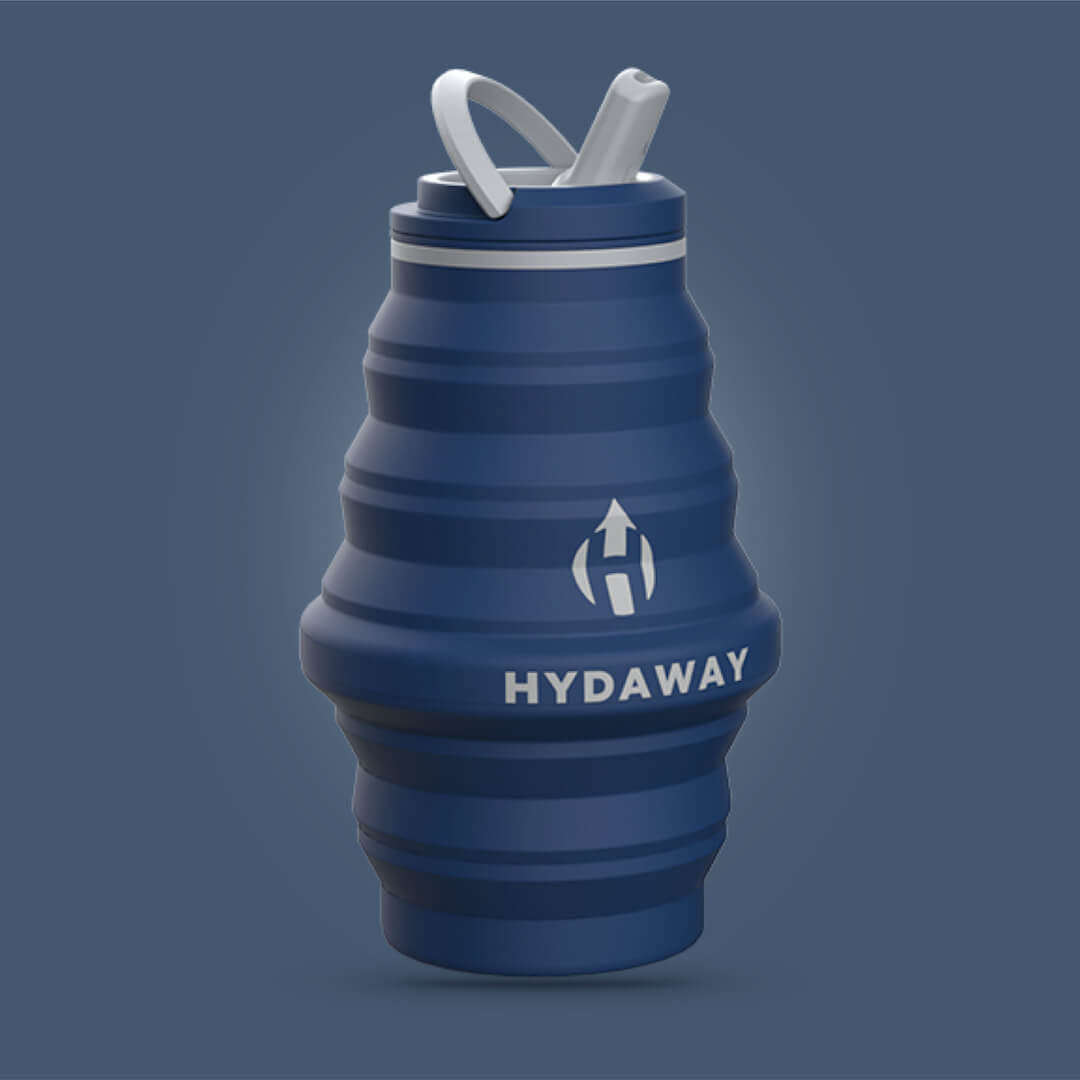
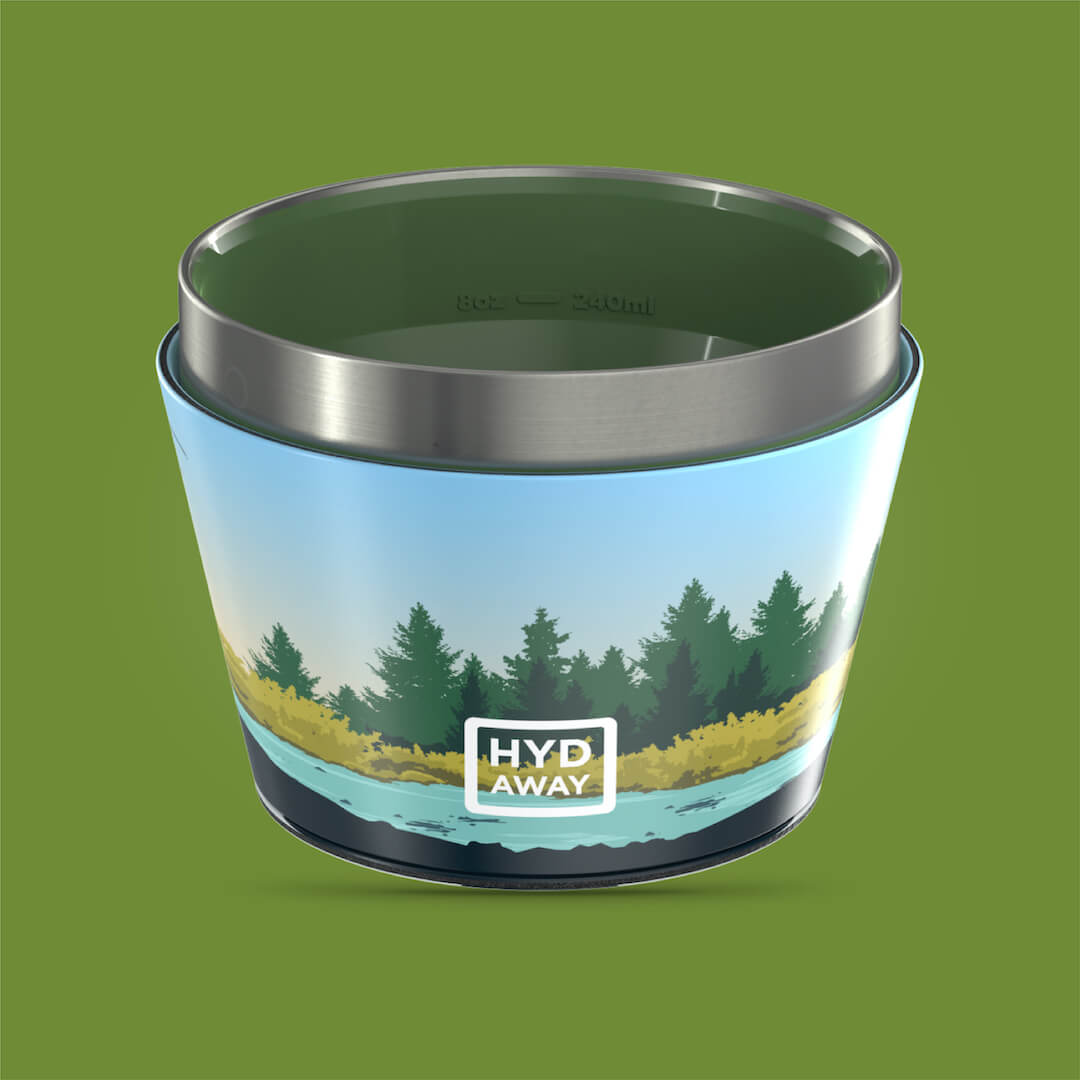
If you want that kind of efficient, space-saving setup beyond just your mattress, take a look at HYDAWAY. Their collapsible bottles, drinkware, bowls, and compact adventure gear fit the same philosophy that makes a good sleep system worth buying: carry less bulk, stay organized, and make more room for the parts of travel that matter most.