


Food for Hikes: Your Ultimate Trail Fuel Guide for 2026

You’re a couple miles in, the view is finally opening up, and lunch turns out to be a smashed bar, a warm handful of trail mix, and the sinking feeling that you didn’t pack enough. Most hikers have had that day. The legs get heavy, the mood drops, and food becomes a problem to manage instead of part of the fun.
Good food for hikes changes the whole rhythm of the day. A salty tortilla wrap on a windy ridge. Hot oats from a thermos stop on a cold morning. A simple ramen bowl at the summit that feels far more satisfying than another sticky snack pulled from the bottom of a pack. Trail food doesn’t need to be complicated, but it does need to be chosen on purpose.
That’s especially true now, when more hikers want better meals without carrying bulky camp kitchen gear. The old model was cold snacks for day hikes, full cook kits for overnights, and not much in between. That gap is finally closing. Packable, reusable gear makes it much easier to bring real meals onto shorter hikes, eat better, and throw away less packaging after the hike.
Beyond GORP The New Rules of Hiking Food
A lot of hikers still treat food as an afterthought. They grab a few bars, toss in some jerky, maybe add an apple, and hope that covers it. Sometimes it does. Sometimes it leads to the familiar late-hike slump where every uphill step feels harder than it should.

The problem usually isn’t that the food is unhealthy. It’s that the mix is wrong for the effort, the timing is off, or the meal plan ignores what people want to eat outside. A dry protein bar can technically count as trail fuel, but it won’t always keep energy steady or feel satisfying after hours on the move.
The better approach is simple. Pack food that matches the hike, travels well, and still feels good to eat when you’re tired, cold, or standing in the wind.
What has changed for hikers
Day hikers used to accept cold food as the only practical option. That made sense when the choice was either a full stove setup or a zip bag of snacks. Now there’s a middle path. You can bring compact, reusable dinnerware, pair it with a thermos or simple rehydration plan, and eat something warm without turning a short hike into a gear-hauling exercise.
That shift matters because food affects more than calories. It shapes pace, comfort, morale, and how likely you are to keep hiking well.
Hot food on a short hike can feel like a luxury, but in cold, wet, or windy conditions it often feels more like smart planning.
The new trail food mindset
The strongest trail food systems usually follow a few rules:
- Match food to effort: A relaxed walk and a steep summit push don’t ask the same thing from your body.
- Favor foods you’ll crave: Trail plans fail when everything looks good in the kitchen and terrible on the trail.
- Keep weight and mess under control: Bulky packaging and low-density foods add frustration fast.
- Make room for one satisfying meal: Even a short hike feels better when lunch feels like lunch.
Food for hikes works best when it’s built around enjoyment and function at the same time. That’s the sweet spot.
Fueling Your Hike The Smart Way
Think of your body like an engine. Calories are the fuel in the tank. If the tank runs low, performance drops fast. On trail, that usually shows up as heavy legs, poor focus, irritability, and the classic urge to stop moving.
The amount you need depends on the hike. Hikers generally need about 1.5 to 2.0 pounds of food per day, with energy needs ranging from 1,500 to 2,000 calories for light hikes, 2,000 to 3,000 calories for moderate hikes, and 3,000 to 5,000 calories for strenuous hikes, according to this hiking food guide from BattlBox.

Carbs, fats, and protein each do a different job
Carbohydrates are your quick-burn fuel. They help on climbs, fast starts, and those moments when energy dips suddenly. If you’ve ever eaten dried fruit or a candy bar halfway up a steep section and felt human again, that’s the effect.
Fats work more like long-range fuel. They’re slower, steadier, and especially useful on longer days when you want food that stays with you. Nuts, nut butters, olive oil, cheese, and similar foods earn their place because they deliver a lot without much bulk.
Protein is the maintenance crew. It won’t usually rescue a bonk in the moment, but it matters for recovery and for staying stronger over repeated hard efforts.
A simple way to estimate what to pack
You don’t need a spreadsheet for every outing. For most hikers, this works:
- Light outing: Pack like you’re covering a shorter walk with snack support and one simple meal.
- Moderate hike: Bring a more deliberate lunch and enough snacks to keep eating through the day.
- Strenuous day: Expect a real appetite. Plan for frequent eating, not one big lunch break.
That’s where many people underpack. They think in terms of meals instead of sustained output. Trail energy usually goes better when food is spread across the day.
Practical rule: If you only packed food for when you feel hungry, you probably packed too late for steady energy.
Timing matters more than people think
A common mistake is saving the “good stuff” for lunch. By then, energy may already be sliding. Grazing works better for most hikes. Eat a little early, then keep topping up before the slump hits.
A good rhythm often looks like this:
- Start fed: Don’t begin on coffee alone.
- Eat early: Have a snack before you feel drained.
- Use lunch as a reset: Include something salty, substantial, and easy to digest.
- Finish with recovery in mind: A final snack on the descent can help more than people expect.
Hydration supports every part of the plan
Food and water work together. If you’re underhydrated, food can sit badly, energy can feel flat, and the day gets harder than it should. Water also affects whether salty foods, higher-fat foods, and drier snacks feel helpful or heavy.
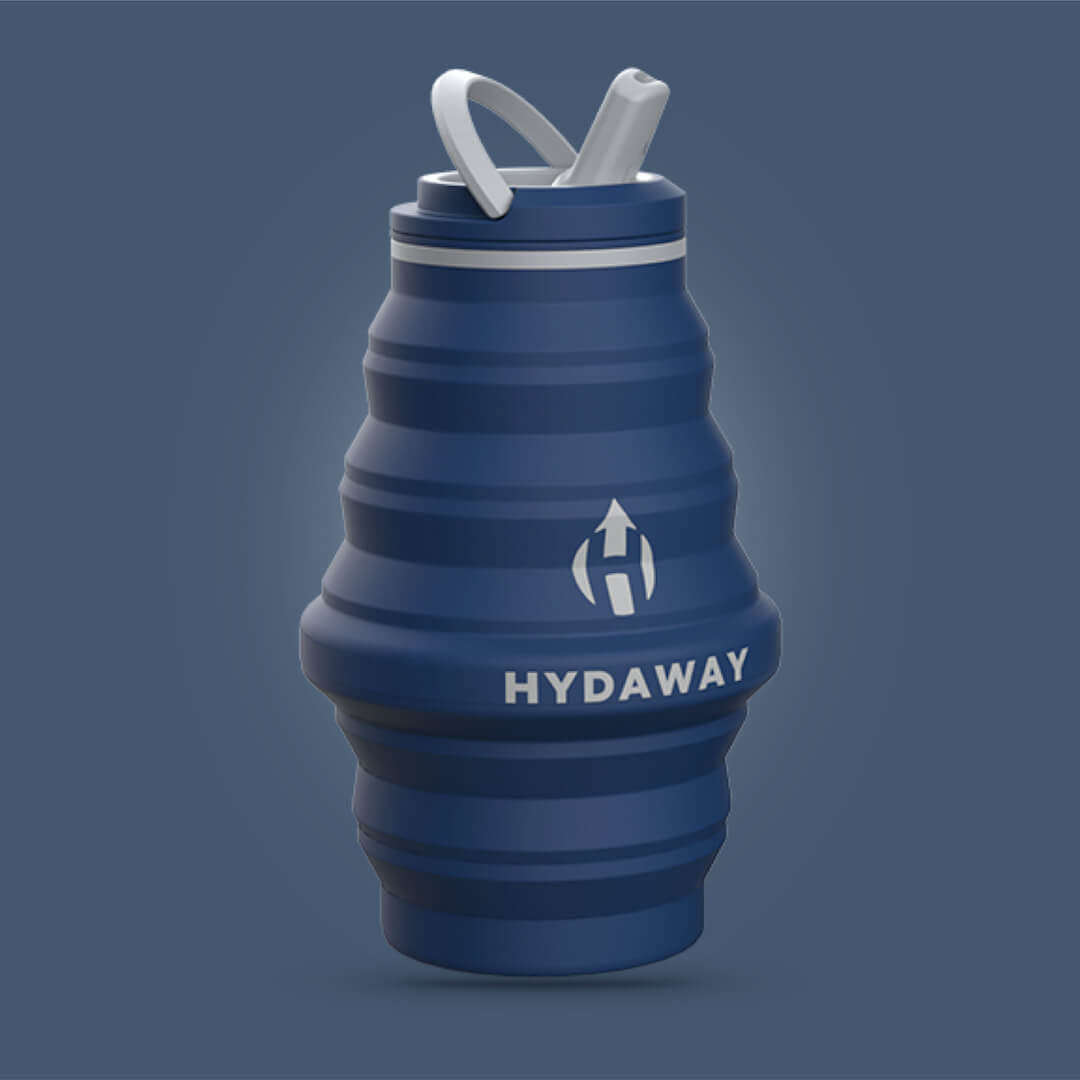
The easiest hydration systems are the ones you’ll use consistently. A collapsible bottle is especially handy for hiking because it doesn’t hold onto bulk when it’s empty. That matters on shorter trips where every bit of space in a small pack gets contested by layers, food, and extras.
Smart fueling isn’t fancy. It’s just matching the engine to the terrain, then feeding it before it sputters.
Choosing the Best Foods for Your Pack
The best hiking foods solve several problems at once. They give strong energy for their weight, survive getting jostled around, don’t require much cleanup, and still sound appealing after a few hours on the trail. If a food fails two or three of those tests, it usually doesn’t stay in the rotation long.
The most useful filter is calorie density, often discussed as calories per ounce. Expert backpackers commonly aim for foods over 100 calories per ounce, and the REI menu planning guide gives examples such as peanut butter at 170 calories per ounce, nuts at 160 to 180 calories per ounce, Snickers bars at 125 calories per ounce, and Doritos at 140 calories per ounce in its backpacking menu planning advice.
Why calorie density matters
High-calorie foods let you carry less weight for the same energy. That’s the heart of efficient food for hikes. On short hikes, the payoff is comfort and convenience. On longer ones, it’s the difference between a manageable food bag and a bulky burden.
Low-density foods aren’t always bad. They’re just situational. A crisp apple can be fantastic at the trailhead or early in the day, but it’s a poor foundation for a full-day fueling plan if pack efficiency matters. Dense foods like nuts, peanut butter, salami, hard cheese, tortillas, and chocolate usually travel better and do more work.
What to look for in real trail food
A useful trail food should check most of these boxes:
- High energy for the weight: Nut butters, nuts, chips, and dense bars tend to do well here.
- Shelf stability: Foods need to handle time in a pack without becoming risky or unpleasant.
- Simple prep: The best options are no-cook, add-water, or ready to eat.
- Pack durability: A food that turns into mush or crumbs too easily creates waste and annoyance.
- Easy access: If it’s too fussy to eat while moving, you may skip it when you need it most.
Foods that usually work
The classics stick around for a reason. Tortillas beat bread because they crush less easily. Trail mix works because it combines fast and slow energy in one handful. Nut butter packets, salami, cheese, granola, instant oatmeal, crackers, dried fruit, dark chocolate, ramen, couscous, and dehydrated meals all pull their weight.
What doesn’t work as well? Foods with too much water weight, fragile items that bruise or burst, and snacks that feel healthy in theory but leave you unsatisfied in practice.
A hiking food isn’t good just because it’s nutritious. It has to survive the pack, fit the weather, and still taste right when you’re tired.
A quick trade-off table
| Food type | What works | What can go wrong |
|---|---|---|
| Nut butters | Dense, satisfying, easy to add to wraps or oats | Messy if packaging leaks |
| Nuts and trail mix | High energy, easy to snack on | Can get repetitive without variety |
| Tortillas with fillings | Durable and filling | Soft fillings can get squashed |
| Fresh fruit | Refreshing early in the day | Bulky and lower in energy per weight |
| Dehydrated meals | Great for easy hot food | Need water planning and a good container |
| Crunchy chips or crackers | Salty, appealing, good morale food | Crush easily without careful packing |
Specialized diets need a slightly different filter
If you hike gluten-free, vegan, dairy-free, or with other food restrictions, the same principles still apply. Focus on density, durability, and simplicity first, then build from foods that fit your needs. For vegan hikers, nuts, seeds, nut butters, dried fruit, olive oil, instant grains, beans, and dehydrated meals can create a strong base. Gluten-free hikers often do well with rice-based meals, corn tortillas, nut mixes, jerky alternatives, and certified snacks they already trust.
Restriction-friendly trail food often fails on palatability, not planning. The answer isn’t to settle for bland options. It’s to build combinations that feel like real meals.
Audit your food before the hike
Lay everything out and ask four questions:
- Would I want to eat this when I’m tired?
- Can I eat this without making a mess?
- Does this earn its space in the pack?
- Does the day include both quick fuel and something substantial?
That quick audit catches most mistakes before you leave home.
Trail Menu Ideas From Quick Snacks to Hot Meals
The most satisfying trail menu isn’t all bars and it isn’t all cook-in-bag meals either. The sweet spot is a mix. Keep some items ready to eat while moving, then build in one or two foods that feel more like a real meal. That’s what keeps the day from blurring into an endless stream of sweet snacks.

This matters even more for shorter hikes. A cited claim on the Food Revolution page says a 2025 study found 68% of day hikers abandon hot foods due to gear bulk, and that insulated reusables reduce cooling by 45%, which points to a simple truth in their hiking food discussion. People often want warm meals on trail. They just don’t want the bulk and mess that usually come with them.
Breakfast that starts the day well
Breakfast should be easy to eat and easy to digest. If you’re driving to a trailhead, you can eat before the hike. If you’re already out there, a simple hot breakfast can be worth the effort on cool mornings.
Good options include:
- Instant oatmeal with nut butter or olive oil: Warm, quick, and far more satisfying than a dry bar.
- Granola with powdered milk or a shelf-stable milk alternative: Best when you want no cooking at all.
- Breakfast tortilla: Nut butter, honey, and a sprinkle of seeds or granola.
Trail breakfast idea: Hot oats feel especially worth packing on breezy starts when cold hands make cold food less appealing.
Sunrise Oatmeal
Add instant oats, a spoonful of nut butter, dried fruit, and a pinch of cinnamon to your bowl at home. On trail, pour in hot water from a thermos, stir, and let it sit covered until soft. It’s simple, warm, and easy to scale for appetite.
Lunch that feels like a real break
Lunch is where many hikers undershoot. They pack snack food and call it lunch, then wonder why the second half of the hike drags. A better lunch has texture, salt, and enough substance to feel like a reset.
Reliable lunch ideas:
- Tortilla with salami and cheese
- Tortilla with peanut butter and something sweet
- Couscous salad cold-soaked ahead of time
- Crackers, cheese, and olives
- Instant soup or ramen made with hot water from a thermos
A good lunch doesn’t need to be elaborate. It just needs to be deliberate.
If you want more ideas that skip the stove entirely, HYDAWAY’s own roundup of no-cook backpacking food ideas is useful for building out easy lunches and backup meals.
Snacks that actually hold up on trail
Snacks do the day-to-day work. They should be easy to grab, resistant to crushing, and varied enough that you don’t get flavor fatigue halfway through the outing.
A practical snack rotation might include:
- Something salty: chips, crackers, seasoned nuts
- Something sweet: dried fruit, chocolate, candy
- Something substantial: trail mix, nut butter packet, dense bar
- Something savory-protein-leaning: jerky or a vegetarian equivalent
One small upgrade helps a lot here. Sort snacks by eating moment instead of by category. Morning, climbing snack, lunch-side extra, and descent snack is often more useful than “all bars in one bag.” If you like systems, this guide to organizing your meal prep and snacks has smart labeling ideas that translate well from kitchen prep to trail packing.
Hot meals for day hikes are finally practical
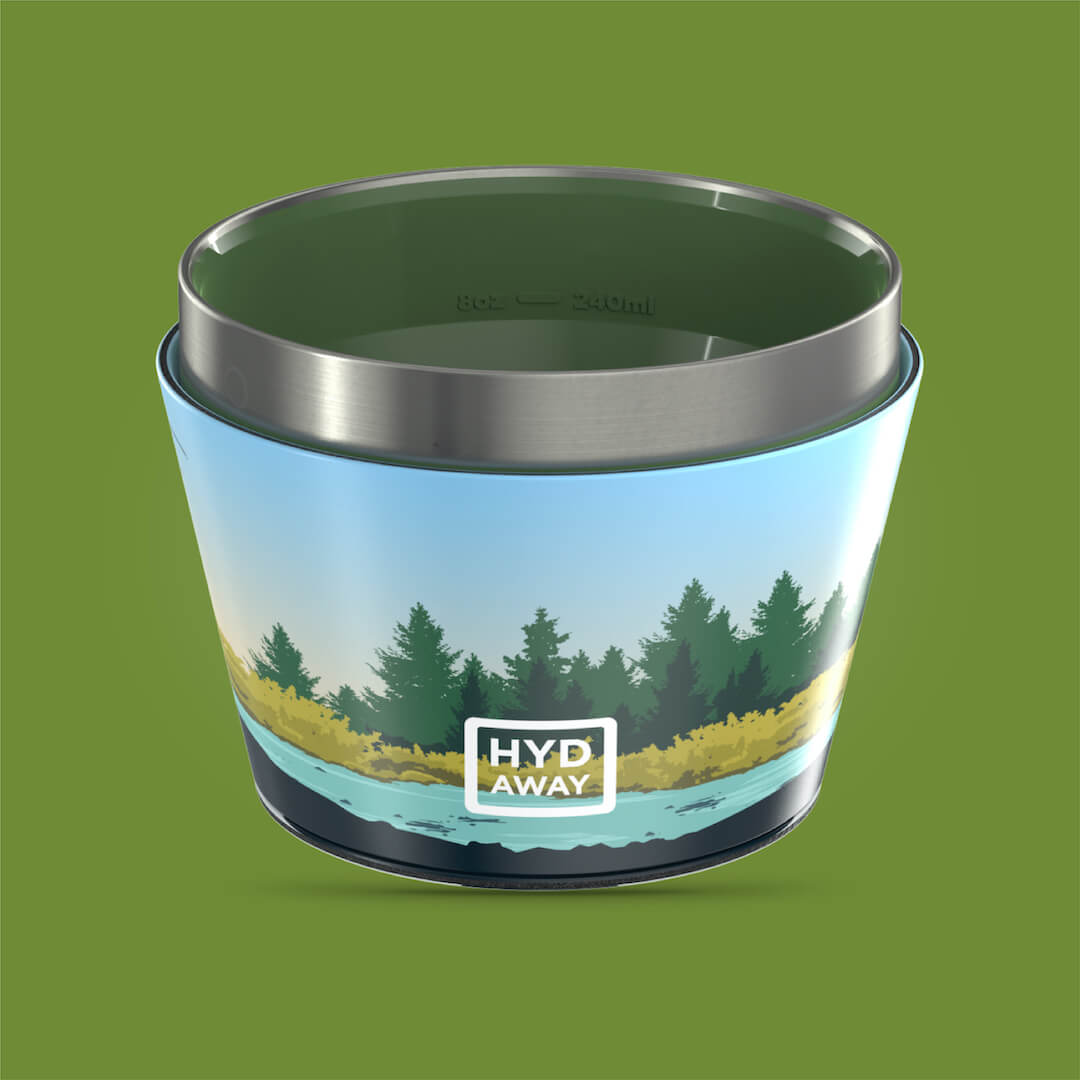
This is the overlooked category. For years, hot food on a short hike felt like overkill unless you carried a stove. That’s no longer the only option. A thermos plus insulated, packable dinnerware gives you a middle ground that works well for ramen, oats, instant potatoes, couscous, soup, and dehydrated meals that only need hot water.
That means cold-weather day hikers, parents on family hikes, and anyone tired of another cold tortilla can bring one warm meal without the bulk of a full cook kit.
Here’s a useful visual if you want more ideas in motion:
Three easy mini-recipes
Backcountry Pesto Pasta
Pack quick-cooking pasta or pre-softened pasta, pesto powder or a shelf-stable pesto option, parmesan if you tolerate it, and nuts or seeds for texture. Add hot water, cover, let it soften, then stir until glossy.
Summit Ramen Bowl
Bring instant ramen, a few crushed peanuts, and a small packet of chili crisp or seasoning. Add hot water, cover, and let it sit until tender. Finish with the toppings for a salty, warming lunch.
Cold-Soak Couscous Salad
Combine couscous, dried herbs, olive oil, chopped dried vegetables, and a pinch of salt. Add water before your final climb or scenic stop, let it absorb while you walk, then fluff and eat when you reach your break spot.
The best menu for food for hikes mixes ease with pleasure. Some meals should be grab-and-go. At least one should feel like you planned the day for yourself, not just for survival.
Packing Prepping and Food Safety on the Trail
A strong food plan can still fall apart if the packing is sloppy. Crushed wraps, leaking nut butter, buried snacks, and sticky trash all turn good choices into trail irritation. The fix is a simple system that starts in the kitchen.

Trail Sister’s backpacking food guidance recommends pre-labeling daily food bags at 1.5 to 2.5 pounds per day and notes that spill-proof insulated bowls work well for 1:1 rehydration of freeze-dried meals, which is practical on uneven ground where spills are more likely, as described in their backpacking and hiking food guide.
Prep food so it’s ready before you leave
The easiest trail food is the food that needs no decisions once you’re outside. Repackage bulky commercial items, combine ingredients ahead of time, and separate anything you’ll want quickly.
A straightforward prep routine looks like this:
- Remove excess packaging: Boxes and oversized wrappers waste space.
- Group by use: Put breakfast items together, lunch together, snacks together.
- Pre-mix where it helps: Oatmeal blends, couscous mixes, and seasoning packets are easier when they’re already assembled.
- Label clearly: Mark meals or eating windows so nobody has to guess.
- Pack one waste bag: Every wrapper and scrap needs a ride home.
Pack your bag in eating order
A lot of hikers pack food by shape, not by use. That’s how lunch ends up trapped under a rain layer and snacks vanish into side pockets. Put the foods you need first where your hands can reach them first.
A simple pack order works well:
- Top or outer pocket: first snack, second snack, water access
- Middle of the pack: lunch, extra layers, hot meal items
- Lower in the pack: end-of-day food, backup snacks, less urgent items
Soft foods need protection. Tortillas can act as an outer shell for fillings. Chips and crackers do better when braced by sturdier items. Nut butter packets belong somewhere they won’t get punctured.
Repackaging isn’t just about saving space. It also makes it much more likely that you’ll eat on schedule instead of forgetting what you packed.
Keep safety simple and realistic
Food safety on the trail doesn’t need to be dramatic, but it does need common sense. If a food is perishable, treat it like a day-one item unless conditions are reliably cold and you know what you’re doing. Hard cheeses and cured meats often travel better than softer, wetter foods. Anything that smells off, looks off, or has spent too long in heat isn’t worth gambling on.
For rehydrated meals, stable containers matter. Sloshing hot food in a flimsy pouch on a rocky overlook is awkward at best. A secure bowl is easier to hold, easier to stir, and less likely to dump your lunch into the dirt.
If you’re trying to cut down on disposable bags and one-use containers, this roundup of eco-friendly biodegradable food storage containers offers useful options for home prep and short-term organization. For longer use, reusable systems are usually the cleaner answer.
You can also borrow ideas from HYDAWAY’s guide to collapsible silicone food containers if you want a more compact kitchen-to-trail setup.
Don’t forget the trip home
The best trail food system leaves very little mess at the end. Consolidate trash as you go, seal up leftovers, and keep anything scented contained for the ride back. That last part matters more than people think. A neat, low-waste setup feels better at the trailhead and makes the next hike easier to prep for.
Sample Meal Plans for Your Next Adventure
Meal plans become much easier when you stop trying to invent them from scratch every time. A few proven templates cover most situations. Then you adjust for weather, appetite, pace, and who’s coming along.
For harder efforts, it helps to remember how experienced long-distance hikers often eat. Katie Gerber’s backpacking guidance notes that many thru-hikers lean toward 50 to 60% fat, 20% protein, and 20 to 30% carbs to reach 2,500+ calories per day efficiently, and one example day includes oatmeal with olive oil for breakfast at 520 calories and trail mix at 850+ calories in her trail food breakdown. That isn’t a rule for every hiker, but it’s a useful reminder that calorie-dense food often looks richer than people expect.
Three practical templates
| Hike Type | Breakfast | Lunch | Snacks (x2) | Dinner (if applicable) | Est. Calories |
|---|---|---|---|---|---|
| Lightweight day hike under 10 miles | Eat before trail or pack simple oats | Tortilla with peanut butter and something sweet | Trail mix; salty chips or crackers | Not usually needed | Light to moderate day needs |
| Strenuous summit push | Oatmeal with olive oil or nut butter | Hot ramen or couscous bowl at the main break | Trail mix; chocolate and nuts | Recovery meal after hike | Higher end day needs |
| Weekend warrior 2-day 1-night trek | Day 1 simple breakfast, Day 2 hot oats | Tortilla wrap with savory filling | Mixed nuts and dried fruit; dense bar or candy | Dehydrated meal or pasta-style bowl | Multi-day range |
Lightweight day hike under 10 miles
This is the plan for a relaxed or moderately active day when speed matters less than convenience. Keep it compact. Bring one real lunch and enough snacks to avoid the late-afternoon fade.
A strong example looks like this:
- Breakfast before leaving, or simple oats if you’re starting early outside
- Tortilla spread with peanut butter and a sweet add-in for lunch
- Trail mix for steady grazing
- Chips, crackers, or chocolate for a second snack
This kind of day doesn’t need elaborate food. It needs food you’ll eat before hunger turns into low energy.
Strenuous summit push
Planning pays off. Long climbs, weather exposure, and hard descents can make people underfuel early and over-crave late. A richer breakfast and a more substantial lunch usually work better than trying to survive on bars.
A practical structure:
- Start with hot oatmeal boosted with olive oil or nut butter
- Snack while moving, not only at rest stops
- Stop for one warm, salty lunch such as ramen or couscous
- Keep one sweet, easy snack for the final push or descent
Hot lunch shines here because morale matters on hard outings. If wind, altitude, or cold are part of the day, warm food can settle the body and reset your head.
Weekend warrior 2-day 1-night trek
For a short overnight, you can have more fun with food while still keeping it manageable. You’re not trying to carry luxury items for a week. You’re trying to eat well for one evening, one morning, and the miles around them.
A balanced weekend plan often includes:
- Day 1 breakfast: eat before the trailhead
- Day 1 lunch: savory tortilla wrap
- Day 1 snacks: trail mix plus a sweet snack
- Day 1 dinner: a dehydrated meal, ramen bowl, or simple pesto pasta
- Day 2 breakfast: hot oats
- Day 2 hiking snacks: whatever remains easiest to eat on the move
If you want broader ideas for adapting these templates, HYDAWAY’s collection of camping meal prep ideas is a helpful place to build variations.
How to adjust these plans without overthinking it
Use appetite and conditions as your main variables.
- Cold weather: Pack foods that feel good warm and include richer items.
- Hot weather: Lean a little more toward salty, easy-to-digest foods.
- Big elevation or long mileage: Bring an extra snack you’re excited about.
- Family or group hikes: Pack at least one universally appealing option that doesn’t require persuasion.
The best meal plan is the one that fits the day closely enough that you return with maybe a little extra, not a pile of untouched “healthy” food you never wanted in the first place.
Fuel Your Adventure and Leave No Trace
Great food for hikes doesn’t need to be gourmet. It needs to be planned well, packed smart, and chosen with the actual day in mind. When that happens, trail food stops feeling like a compromise and starts becoming part of why the outing feels good.
A few habits make the biggest difference:
- Know the effort: Pack for the hike you’re doing, not the hike you wish it were.
- Choose dense foods: Weight matters, but satisfaction matters too.
- Mix quick fuel with real meals: Snacks keep you moving. A proper lunch can reset the whole day.
- Prep before the trailhead: Repackage, label, and organize so the day runs smoothly.
- Cut waste where you can: Reusables and smarter packing support Leave No Trace in a practical way.
That last point deserves attention. Trail food creates a surprising amount of mess when every item comes in its own wrapper or throwaway pouch. Repacking at home, carrying durable containers, and bringing reusable bottles and bowls cuts down on waste without making life harder. In practice, it usually makes trail days easier.
The payoff is simple. You eat better, carry smarter, and finish the hike feeling looked after instead of depleted. That’s a better outdoor habit, and it’s one worth keeping.
If you want compact gear that makes better trail meals and low-waste hydration easier, take a look at HYDAWAY. Their collapsible bottles, insulated bowls, and space-saving drinkware fit naturally into day hikes, weekend trips, travel days, and everyday routines where bulky gear just gets left behind.