


Eco Friendly Camping Dinnerware: 2026 Buyer's Guide

80% of plastic disposable dinnerware in the United States ends up in landfill. That's why eco friendly camping dinnerware isn't one product, it's a decision framework, and the right choice depends on your trip type, washing conditions, and how many times you will use it.
The mistake most campers make is treating every meal like a disposable moment. They buy whatever looks green enough, pack it for one trip, then toss it with the rest of the site trash when cleanup gets messy or the family is tired. That's how a plate becomes waste twice, once in the store aisle and again at the campsite.

If you've ever watched a family finish dinner after a long day outdoors and reach for throwaway plates because nobody wants to wash anything, you already know the problem. Convenience wins in the moment, then the trash bag fills up fast. That's why a useful guide has to go beyond material labels and into actual campsite behavior, the kind of practical waste-prevention thinking that fits into a broader sustainability and cost-cutting guide.
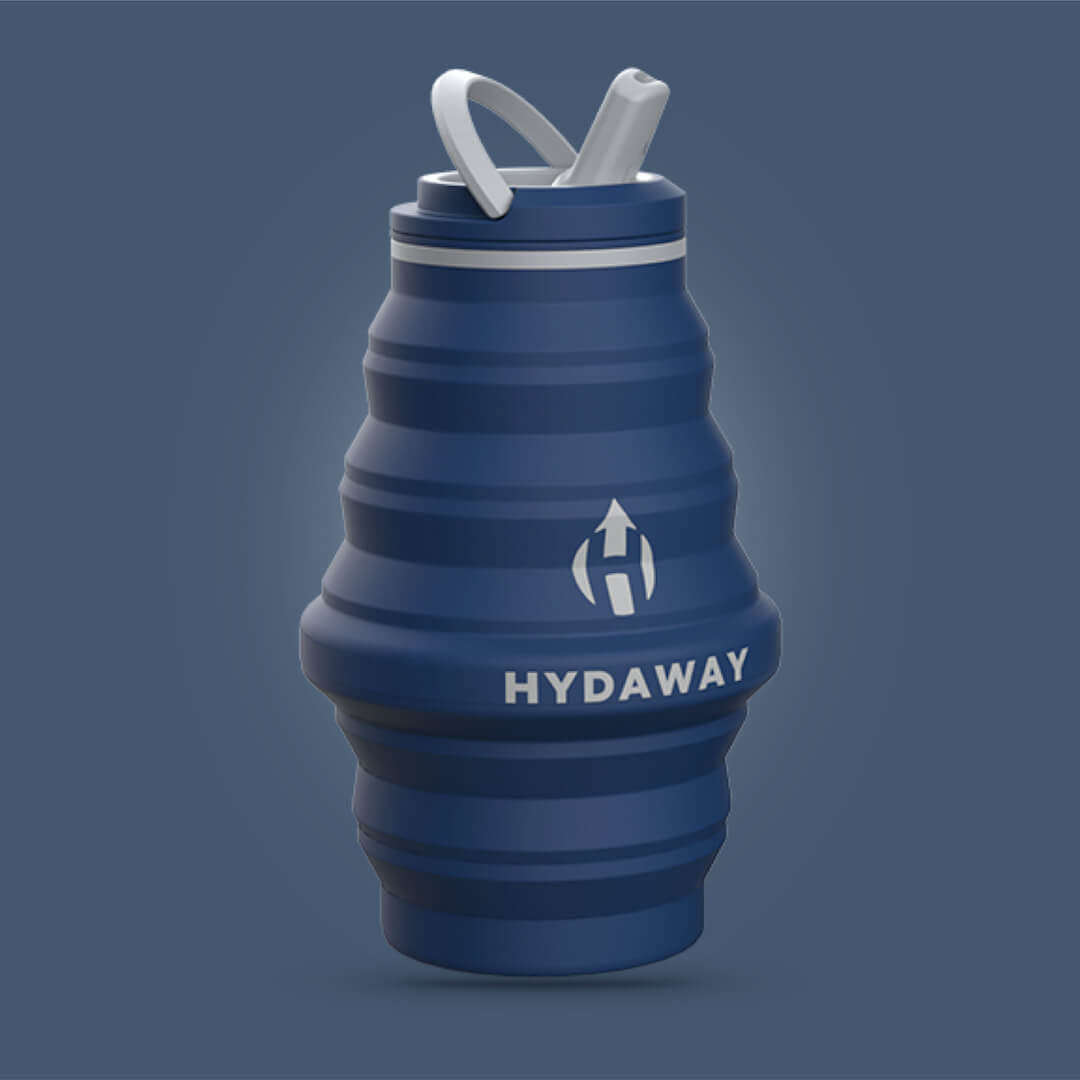
HYDAWAY sits squarely in that tension. Its collapsible dinnerware is built for repeated use, folds flat for travel, and still gives campers an option that doesn't depend on single-service convenience. The bigger idea is simple, though, and it applies whether you backpack, car camp, vanlife, or just want a cleaner family day trip. The most eco-friendly dinnerware is the one that matches your trip, your cleanup reality, and your willingness to reuse it enough times to matter.
Why Your Camping Dinnerware Choice Creates More Waste Than You Think
Camping waste usually starts with a small decision. Someone grabs a stack of plates, a pack of cups, and a few forks because the campground looks busy, the kids are hungry, and the sink area is far away. By the end of the trip, the “easy” choice has turned into a full bag of disposable material that's headed straight out with the trash.
The landfill problem is already baked into conventional disposable dinnerware. A U.S. Transportation Research Board paper reports that about 80% of plastic disposable dinnerware goes to landfill, and 40% of paper cups do too (Transportation Research Board paper). That changes the way a camping shopper should think. A product can feel temporary at the campsite and still create a permanent disposal burden later.
The campsite is where convenience gets expensive
Outdoor meals are especially prone to waste because washing usually takes effort, water, and planning. At a developed campground, a family might mean to rinse plates after dinner, then skip it when the fire runs long and everyone wants bed. On a backcountry trip, the same group may have no practical wash setup at all, so the fastest option wins before anyone evaluates the footprint.
A useful rule is to ask what happens after the meal, not just during it. If the dinnerware will be tossed after a single use, the “eco” label matters less than the actual disposal path. If it's reused on trip after trip, the up-front choice starts to pay off in a way that cheap disposables rarely do.
Practical rule: If the gear won't survive more than a handful of outings, it's probably not doing much for the environment, no matter how green the packaging looks.
That's why compact, reusable systems have gained traction. HYDAWAY's collapsible dinnerware solves a real camp problem, namely the gap between “I don't want waste” and “I need something that packs small enough to come with me.” Once you start thinking in those terms, the category becomes less about buying a plate and more about choosing a waste pattern you can live with.
What Makes Camping Dinnerware Eco Friendly
Good eco friendly camping dinnerware usually fits into one of four camps: bamboo, metal, bioplastic, or enamel. Modern outdoor tableware also tends to favor products that are reusable and, in some cases, recyclable, instead of items meant to be thrown away after one meal. That is a major shift from the older campsite habit, where convenience often mattered more than durability.
The label on the package matters, but it does not tell the full story. A set can be marketed as plant-based and still be a poor choice for repeated travel if it cracks, stains, or cannot handle the way you cook. A careful buyer looks for the properties that affect real use, not just the material name.
How to read the claims without getting fooled
Start with BPA-free and phthalate-free when you are buying reusable dinnerware. Those labels tell you the product is not relying on some of the more common plastic additives. Then check whether the item is dishwasher safe, because that affects whether you will keep using it after the first muddy weekend.
Compostability needs extra caution. A material being compostable does not mean it will break down in the backcountry, and it does not mean your campsite trash bin is the right end point. It only helps when the disposal system matches the material.
HYDAWAY's collapsible dinnerware is a useful reference point here because it is built for repeated use, dishwasher-safe convenience, and third-party verification against common pollutants. That combination matters more than a vague “eco” claim, because real sustainability usually comes from how long the item stays in use.
The market context also shows this category is not a passing fad. The broader biodegradable tableware market was estimated at USD 15.27 billion in 2023 and is projected to reach USD 24.69 billion by 2030, with a 6.2% CAGR from 2024 to 2030 (Grand View Research). For campers, that growth means more choice, but it also means more marketing noise.

What the main material families mean
- Bamboo and wood: These appeal to buyers who want a renewable, natural feel, but durability and wash care still matter.
- Certified composites: PLA and sugarcane options can fit hot-food use, but certification and intended use are what separate a real option from greenwashing.
- Recycled and reusable: Stainless steel, silicone, and similar long-life products usually win on repeated use, especially when your goal is to buy once and keep using the set.
If you want a practical reference for how disposable products are usually compared in the marketplace, the disposable plate buying tips article is useful context for spotting the difference between a casual convenience purchase and something built for a real meal system.
A food-grade material check is also worth your attention, especially if you are comparing silicone components or foldable gear. Use the explanation of what food-grade silicone means as a guide for understanding the kind of claim you should check before you buy.
Comparing Eco Friendly Camping Dinnerware Materials
The material you choose shapes the whole camp meal routine. It affects heat tolerance, pack weight, how easily you can clean up at a campground sink, and what happens after the set has reached the end of its usable life. That is why one camper's sensible choice can be another camper's hassle.
A plant-fiber plate may be fine for a picnic lunch or a one-time gathering. A stainless-steel bowl may be the better fit for years of family trips. The question is not which material sounds greener. The question is whether the gear matches the way you camp.
Camping Dinnerware Material Comparison
| Material | Durability | Weight | Thermal Range | Dishwasher Safe | End of Life |
|---|---|---|---|---|---|
| Plant-derived PLA or melamine composites | Moderate for repeated use | Usually moderate | One marketed set is rated from -20°C to 120°C for up to 60 minutes (Mountain Warehouse product page) | Yes, on the marketed set | Reuse, then follow local disposal guidance |
| Bagasse or sugarcane dinnerware | Low to moderate, designed for single-service use | Light | Microwave safe up to 248°F (120°C) on common product specs | No, generally not | Compost only where proper facilities exist |
| Stainless steel | Very high | Higher than plant-fiber options | Broadly suitable for camp meals, no direct flame assumptions | Usually yes | Long-life reuse, then recyclable where accepted |
| Enamel | High with careful handling | Moderate | Good for everyday camp meals, but avoid abuse and drops | Often yes | Long-life reuse, then recycle where accepted |
| Silicone collapsible gear | High for repeated pack-and-go use | Low to moderate | Good for food service, but follow product limits | Often yes | Long-life reuse |
The useful lesson here is that material choice affects both thermal safety and end-of-life profile. A hot meal, a cold-storage system, and a campground wash-up all ask different things from the gear. A compostable plate can fit one meal at a festival-style campsite, while a reusable metal or silicone set usually makes more sense for repeated trips across a season.
A reusable set can have the lower impact even if it weighs more, as long as you use it often enough to spread out its footprint.
That tradeoff is easier to see when you compare real trip conditions instead of product labels. In a water-scarce or off-grid setting, throwaway dinnerware can create more waste than a durable reusable set, because every meal brings more trash and a harder cleanup problem. A reusable bowl or plate also avoids the awkward middle ground where compostable items are packed out as waste anyway because the campsite cannot handle them.
That is the point where HYDAWAY fits naturally for travelers who want packable gear without treating dinnerware as something to use once and discard. Its stainless steel and silicone-style approach gives you a reusable middle ground for people who care about durability, storage, and repeat use more than single-service convenience.
For readers who want a practical reference for how disposable products are usually compared in the marketplace, the disposable plate buying tips article provides useful context for spotting the difference between a casual convenience purchase and something built for a real meal system.
If you are comparing silicone components or foldable gear, the explanation of what food-grade silicone means helps clarify the kind of claim worth checking before you buy.
Choosing Dinnerware by Your Camping Style
Camping style matters more than most buyers realize. A solo backpacker, a family at a drive-in campsite, and a vanlifer all need different things from a plate. If you start with the trip instead of the material, the decision gets much easier.
Backpacking usually means ultralight, nestable, and low-bulk gear. Car camping opens the door to more durable enamel and metal pieces because weight is less punishing when the gear rides in a trunk. Vanlife and overlanding reward spill-resistant, insulated, and space-efficient gear because every inch of storage gets used. Family theme-park days or picnic-heavy outings need lightweight, easy-clean solutions that fit in a small bag and don't create post-lunch chaos.
Match the set to the trip
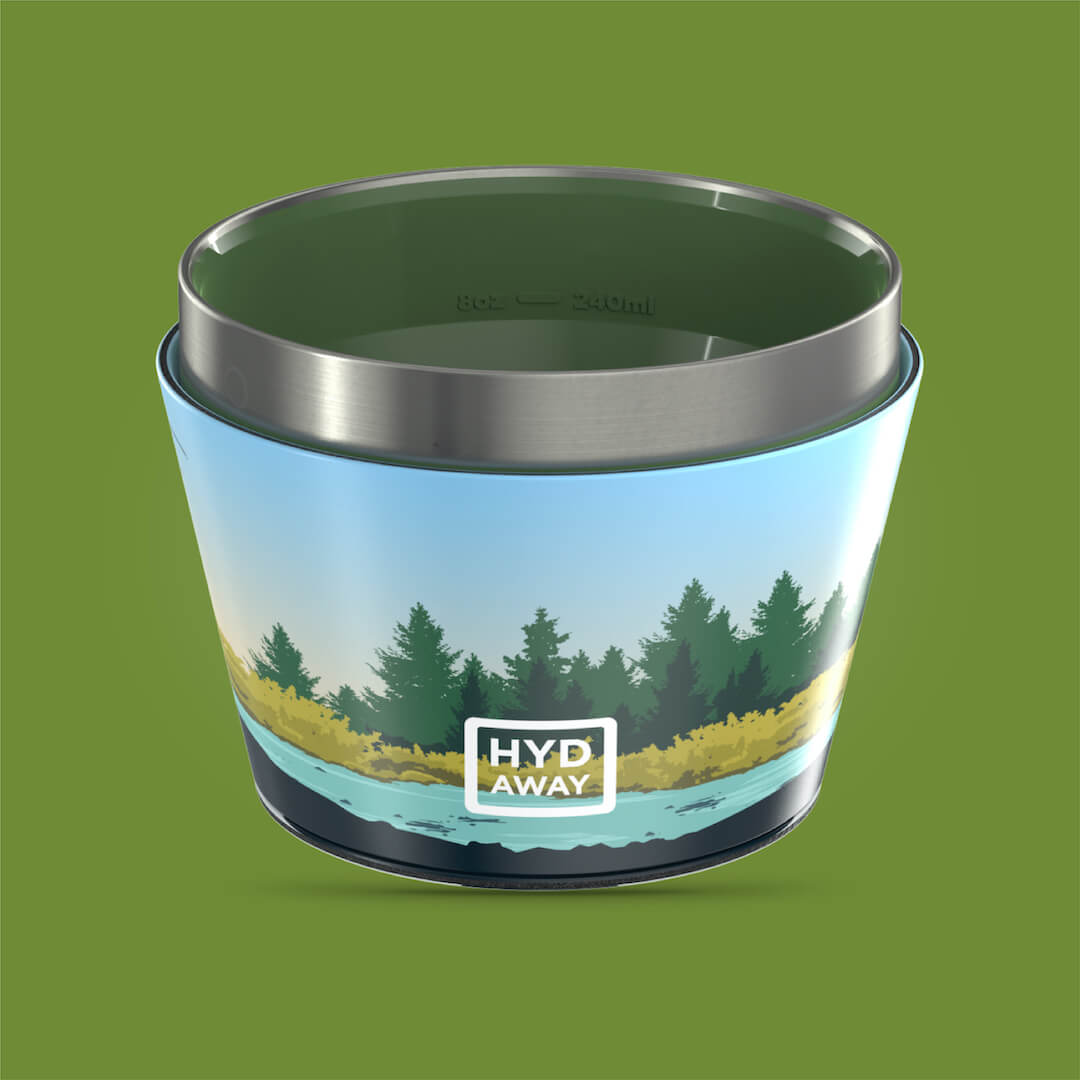
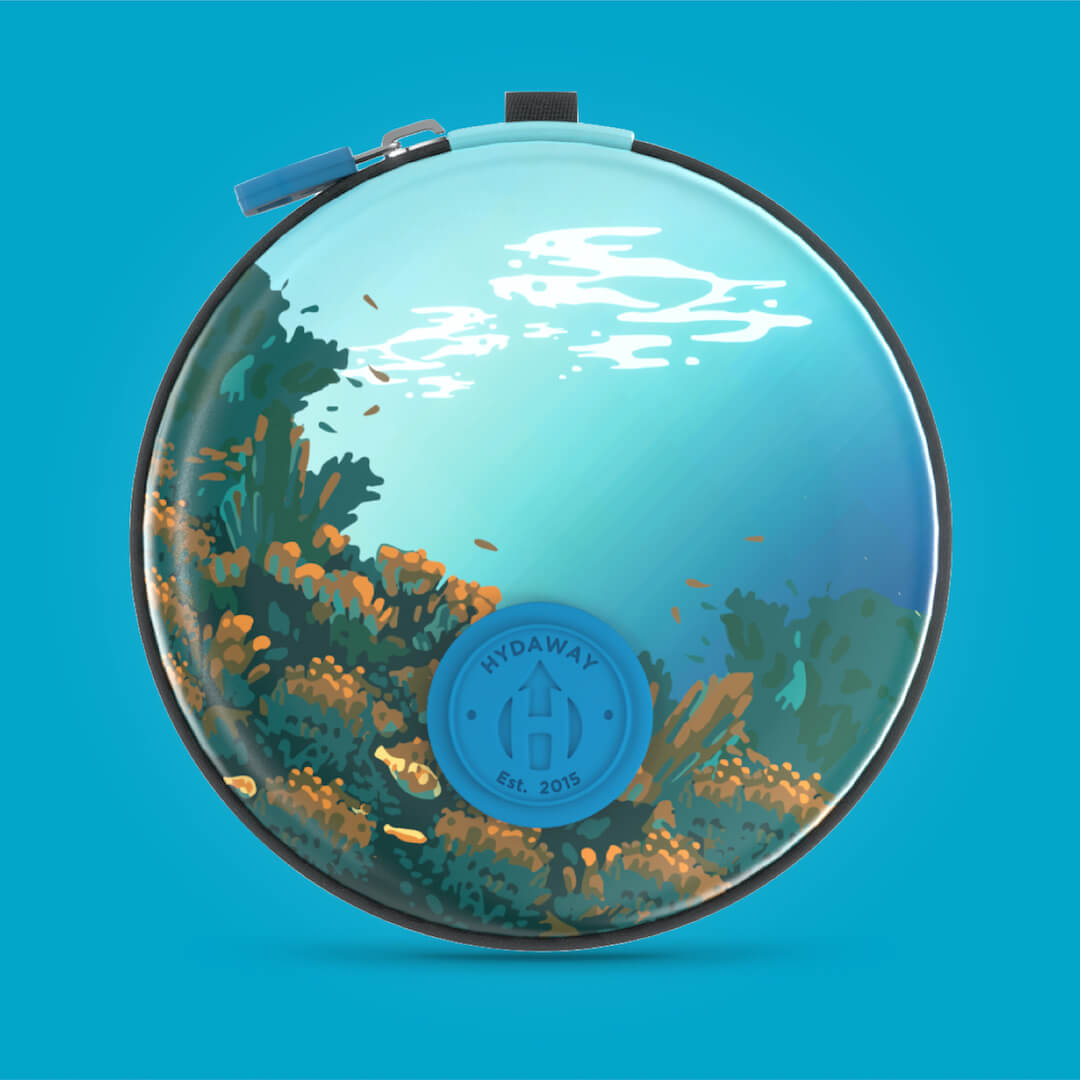
- Backpacking: Choose the smallest practical set, something you'll carry every mile. HYDAWAY's collapsible bowls and compact travel cases fit this logic well because they save volume without forcing you into disposables.
- Car camping: Go with a sturdier reusable set if the car is doing the hauling. A metal or enamel setup can make sense when you want gear that keeps showing up season after season.
- Vanlife and overlanding: Prioritize spill control and easy storage. HYDAWAY's insulated drink tumblers and 17-ounce or 25-ounce collapsible bowls with spill-proof lids are useful here because they're built for repeated travel and compact packing.
- Family park days: Think quick cleanup and simple transport. A small reusable kit beats a stack of throwaways when you're trying to keep bags light and the day organized.
The environmental lesson is counterintuitive but important. A stainless-steel set that lasts through years of car camping can create less real-world waste than a compostable option that gets used once and buried. That's especially true when composting access is unreliable or the product never reaches the right end-of-life stream.
HYDAWAY's product mix makes the most sense in this kind of use-case thinking because it's not trying to be one universal answer. It offers collapsible dinnerware for travelers who need reusability, space savings, and something that can stay in the rotation.
Caring for and Cleaning Your Eco Friendly Dinnerware
Reusable dinnerware only stays eco friendly if you can keep it clean without turning each meal into a water problem. Campers run into trouble when they bring gear that's durable but awkward to wash, because frustration leads to bad habits. Dirty dishes get wiped poorly, food attracts wildlife, and the “reusable” set starts feeling like a burden.
Cleaning without wasting water
The simplest low-water methods are the ones most campers can repeat. Dry-wipe as much food residue as you can before any washing. Use a spray bottle for a quick rinse when you don't need a full basin. If you have enough water, a two-basin system keeps wash water and rinse water separate so you use less overall.
That matters because the UNEP lifecycle report on single-use plastic tableware says reusable tableware consistently outperforms single-use tableware across most environmental impact categories, with water use as the main exception because of washing (UNEP lifecycle report). In plain language, reuse is usually the better environmental bet, but the wash routine has to stay lean.
A few field rules help a lot:
- Scrape first: Remove food before it dries onto the surface.
- Keep soap modest: More soap doesn't make you greener, it just means more rinse water.
- Pack out food scraps: Don't leave residue at camp where animals can find it.
- Let pieces dry fully: Mold and odor destroy any camping system fast.
For campers who don't want to fuss with handwashing, HYDAWAY's dishwasher-safe design gives you a cleaner path back home or at an RV stop. Its easy-clean build matters because a gear system only stays in rotation when the cleanup step is realistic.
If you want a deeper look at the practical side of wash routines, the washing dishes while camping guide is a good companion piece for planning your cleanup setup.
The tough truth is that sometimes a compostable disposable is still the more responsible choice. If water is scarce, you're off-grid, and sanitation would be compromised by trying to reuse a dirty plate, a single-service option can be the lower-friction answer. Eco-friendly doesn't mean ignoring the conditions you're in.
Packing and Space Saving Strategies for Camp Dinnerware
Good camp dinnerware has to earn space in your bag. If a plate set is bulky, awkward, or hard to keep together, it is the kind of gear that stays in the cupboard when the trip starts in a hurry. Space-saving design helps reusable gear stay in your rotation because the system feels easy to pack and easy to keep organized.

Start with nesting whenever the pieces allow it. Bowls, cups, and utensils that fit inside one another take up less room than separate rigid items, much like fitting nested pots into a kitchen cabinet at home. For pieces that need to flatten instead of stack, collapsible gear is the better fit. A travel case or strap also helps keep the kit from rattling in a pack or sliding under a seat.
HYDAWAY's collapsible line fits that approach well. The bowls fold flat, the cases keep multiple pieces in one compact unit, and the drinkware replaces extra cups you would otherwise have to pack. For campers, that can be the difference between carrying a complete kit and leaving pieces behind because the bag is already full. A good example is the collapsible camping bowls guide, which shows how compact bowl designs can still handle real meals without taking over your pack.
A simple packing order that works
- Nest the rigid items first. Put the bowl inside the bowl, the cup inside the cup, and keep similar pieces together.
- Collapse the flexible pieces. Flat gear belongs in the spaces around your stove, fuel, or clothing.
- Secure the kit. Use bands, sleeves, or cases so the items do not spread out inside the pack.
- Place weight low. Heavier items ride at the base of a backpack or storage bin.
Here is the part that matters most. Space efficiency and sustainability work together. The gear that fits into your system is the gear you are more likely to use, and that usually means fewer backup disposables getting tossed into the trip.
This is a short video example of how camp gear can fit into a tighter setup:
Your Eco Friendly Camping Dinnerware Buying Checklist
A good shopping list starts with the trip itself. A set that works for a weekend in a developed campground can fail on a backpacking route, and a compostable plate that seems low-waste at home can become a poor fit if you have no water, no disposal system, or no place for organics. Before you buy, ask five questions. What camping style is this for? How will you wash it? How much space do you have? What material and certification claims are verifiable? What happens to the product at end of life? If you can answer those clearly, you are likely looking at a real solution rather than a green-sounding impulse buy.

A quick buying filter
- Material Verification: Look for bamboo, stainless steel, or certified compostable materials.
- Certification Check: Confirm labels like BPI, FSC, or similar claims before you trust the packaging.
- Space-Saving Design: Choose nestable or collapsible pieces if you travel light.
- Lifecycle Consideration: Buy for durability, not just first-use appearance.
- Complete Kit: Make sure the set covers plates, bowls, cups, and cutlery together.
HYDAWAY's product ecosystem lines up with that checklist because it is built around collapsible bowls, insulated tumblers, travel cases, and reusable accessories that fit different travel patterns. A compact kit matters because the right dinnerware should fit the way you camp, not force you to build your meal plan around fragile gear or throwaway backups. The eco-friendly camping tableware market reached USD 51.34 billion in 2025, with a 7.6% CAGR from 2020 to 2034 (Data Insights Market). That growth suggests more shoppers are choosing gear they can use again and again.
If you are ready to replace one-time campware with a setup that travels well, take a look at HYDAWAY. Its collapsible dinnerware, tumblers, and travel-friendly accessories are built for people who want less waste, less bulk, and gear that fits the way they camp.