


Sustainable Travel Accessories That Actually Pack Down Small

It's 5 a.m., the car is half loaded, and the back seat already looks like a thrift-store donation pile. One kid's bottle is rolling under a duffel, the airport tumbler is somewhere in the house, and you've got a stack of disposable wrappers in the cup holder because “we'll just grab stuff on the way.” That's the exact moment sustainable travel accessories stop sounding like a lifestyle trend and start looking like common sense.
The good news is that the market is clearly moving this way, and not just in theory. The broader travel accessories category has already crossed the multi-billion-dollar mark, with forecasts from Allied Market Research and other trackers showing continued expansion, while sustainability-minded products are growing even faster. Travelers are also signaling the shift. 85% of travelers said more sustainable travel matters to them in 2026, and 75% of Gen Z travelers want to travel more sustainably in the next 12 months, compared with 71% of Millennials, 60% of Gen X, and 47% of Boomers (Booking.com and travel trend data). The market is ready. The only question is whether your gear is useful in the real world.
If you want the short version, stop buying “eco” labels and start buying items that replace a disposable, pack small, and survive repeated use. That's the test, and it works at security, in a van galley, on a theme-park day, and in a hotel room with nowhere to dry anything. If you want the broader travel habits behind that mindset, these sustainable travel practices line up with the same logic, reuse what you can and carry less of what you won't use.
The Packed Car at 5 a.m. and Why Sustainable Travel Gear Matters Now
The car is loaded, but the trash still keeps growing. A plastic water bottle gets tossed in because it is easy, a paper bag gets used once and crushed, and the toiletry pouch ends up full of tiny hotel freebies that never make it home. That is the trap with travel, convenience wins in the moment, then you pay for it in clutter, waste, and a bag that gets heavier every hour.
At 5 a.m., nobody wants gear that looks virtuous and fails on contact. The items that earn space in your bag are the ones that hold up under real travel conditions, fit through airport security without drama, and work in a van galley, a hotel room, or a Disney queue without turning into a nuisance. Fold-flat design and food-safe surfaces beat heavy, greenwashed gear every time.
Sustainable travel accessories solve two problems at once. They cut single-use waste, and they stop your packing system from turning into a mess of backups, duplicates, and “just in case” junk. The pieces worth carrying do both without making your trip harder, which is why the winners are usually the ones that fold flat, clean easily, and fit into the routines you already have.
The baseline has changed
Reusable gear used to feel optional. Travel shoppers have moved past that, especially in markets like North America, Europe, and Asia-Pacific, where sustainability is increasingly tied to everyday purchase decisions. That shift is part of a broader pattern tracked in travel sustainability trends, and it shows up in how people choose bottles, pouches, utensils, and storage that can survive repeated use.
Travel volume still keeps the pressure on. UN Tourism has reported steady international movement, which means more packaging, more short-life gear, and more disposable purchases moving through airports, hotels, and attraction queues. The point is simple. The more you travel, the more those throwaway habits pile up.
That scale matters because small gear choices add up fast. A reusable bottle used on the way to the gate, in the car, at a resort, and on the return trip replaces a stream of disposable purchases you do not need. The same logic shows up in hospitality too, and certification paths for properties push hotels and lodging operators toward cleaner habits that make reusable gear make more sense for guests.
Practical rule: If an accessory does not replace a disposable item, pack small, and stay useful after the first trip, it is not a sustainable travel accessory. It is just packaging with a nicer color.
If you want the broader behavior shift behind that mindset, these sustainable travel practices line up with the same logic, reuse what you can and carry less of what you will not use.
What Counts as a Sustainable Travel Accessory
A lot of products call themselves eco-friendly. Most of them don't earn the label. A sustainable travel accessory has to clear four tests at once. It should replace a disposable item, last long enough to offset its manufacturing footprint, use materials that make sense at end-of-life, and still be practical when you're tired, rushed, or dealing with airport rules.
The four things I check first
Start with reusability. If the item only exists to be thrown away after a weekend, it's not a sustainable travel accessory no matter how green the packaging looks. Then check durability, because an item that breaks after a few trips creates more waste than it prevents. After that, look at materials, especially recycled shells, food-safe surfaces, and lower-impact finishes. Finally, ask whether it's packable. A reusable item that stays in the hotel room because it's too bulky has already failed.
Certifications help, but only if you know what they mean. BPA-free and third-party pollutant testing are useful because they point to fewer unwanted chemicals in the product. LFGB certification matters for food contact because it signals the item is built for direct use with drinks or food. bluesign-approved materials are worth paying attention to because they point toward cleaner textile inputs, while PFAS-free DWR tells you the water-repellent finish avoids persistent fluorinated chemistry. Those labels don't make a product perfect, but they tell you the brand is doing more than slapping “eco” on a hang tag.

Greenwashing is easy to spot once you stop getting distracted by the color of the product. Be skeptical of vague “natural” claims, items with no testing or material details, and anything that looks durable but feels disposable in the hand. If a zipper snags immediately or a bottle cap feels flimsy on day one, you already know the lifespan is going to be short.
Rule of thumb: If the label says “eco” but the brand won't explain the material, the certification, and the repair story, skip it.
Materials Compared, The Building Blocks of Every Eco Accessory
Material choice is where sustainability gets real. The same shape can be a smart buy or a waste of money depending on whether it's built from recycled nylon, silicone, steel, aluminum, or some half-baked bio-plastic blend. Weight, cleanability, and lifespan all change with the material, and travelers feel those differences fast.
Recycled nylon and polyester
Recycled nylon and polyester are the backbone of better packs, shells, and organizers. They're usually lighter than virgin equivalents, and they make sense when the product needs structure without a lot of bulk. That's why a commuter pack built with 100% recycled oxford nylon and a 100% recycled polyester lining, both bluesign approved, is a stronger design choice than a heavy, overbuilt bag that will never be repaired. One example from REI also shows how material efficiency and low-profile construction work together, since that pack weighs 1 lb. 9 oz. and holds 22 L (REI product listing).
Food-grade silicone
Silicone is the best material for collapsible drinkware and dinnerware when packability matters. It bends, folds, rinses easily, and doesn't fight you in a crowded bag. The tradeoff is that it needs to be made well, because flimsy silicone can feel cheap and hold odors if the design is poor. Good silicone earns its keep because it replaces multiple disposables without adding much weight or taking over your carry-on.
Stainless steel and aluminum
Steel is durable and easy to trust, but it's heavier and usually takes more use to justify the footprint of making it. That makes it better for people who will use it constantly, not for occasional travelers. Aluminum is lighter and can be recycled repeatedly, but the material is still energy-intensive to produce, so it only makes sense if the item is well designed and kept in rotation for a long time.
Bio-based and recycled plastics
This is the watch-it-carefully category. Some bio-based plastics are promising, but the market is still full of products that sound cleaner than they perform. If the item feels brittle, can't be repaired, or ends up in a drawer after one season, the material story doesn't matter much.
A good accessory should be boring in the best way. It should disappear into your packing routine, not force you to admire it.
That's why HYDAWAY's collapsible drinkware and dinnerware fit the conversation naturally. Their travel focus is built around pack-down size, reusable function, and food-safe, easy-clean surfaces, which is exactly what a traveler needs from a material system. The point isn't to worship one material family, it's to choose the one that supports your trip.
Buying Smart Across the Five Core Categories
The smartest travel kit is built category by category, not by impulse. Start with hydration, then dinnerware, then toiletries, then bags, then tech. If you cover those five areas well, you've handled most of the junk that usually fills hotel trash cans and airport bins.
Hydration and food carry
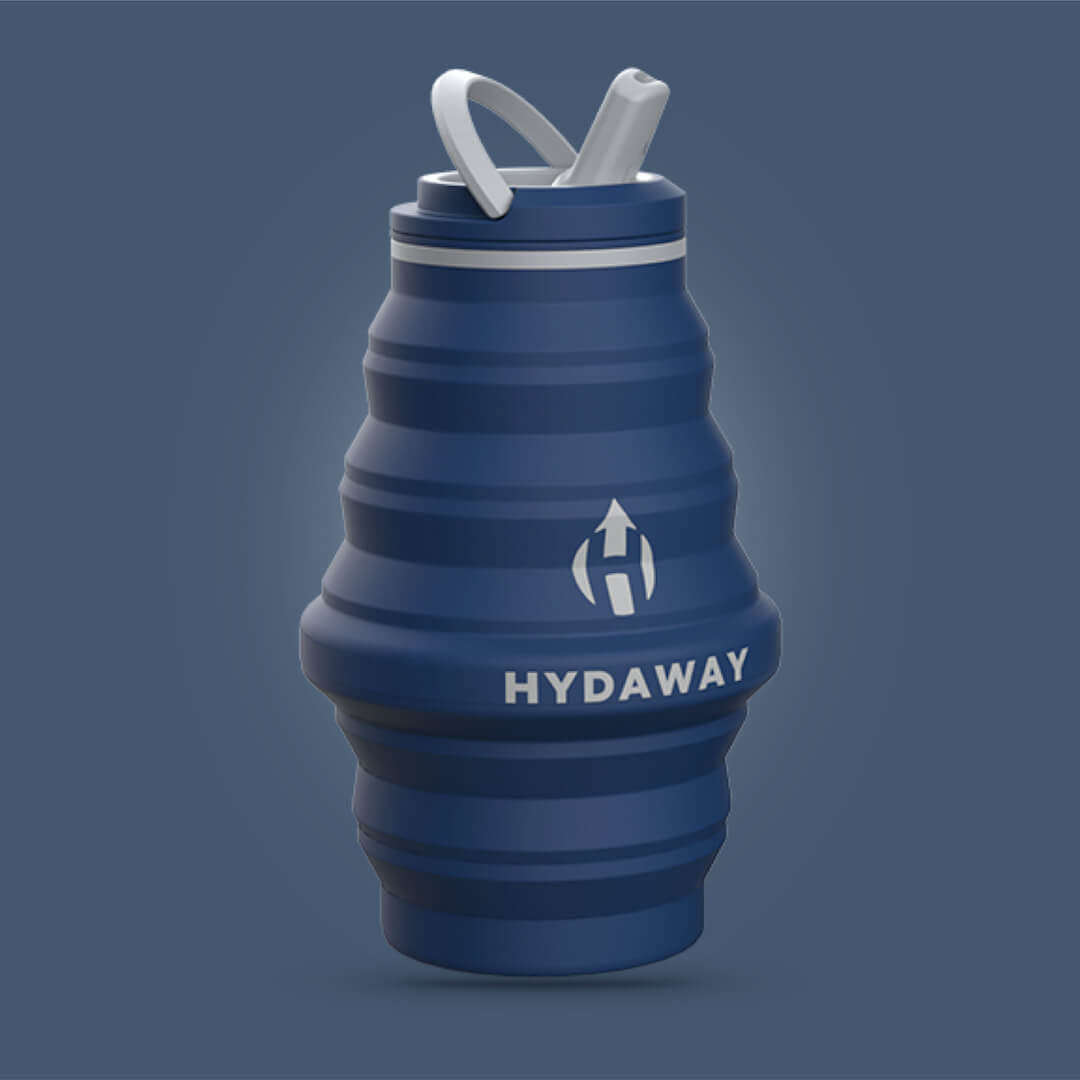
For drinks, collapsible bottles make the most sense when space is tight. They're the right move for flights, park days, hikes, and train travel because they disappear when empty. HYDAWAY's 17oz and 25oz collapsible water bottles are built for that exact use case, and the collapsible insulated drink tumbler works when you want a reusable cup that still packs down. If your day includes security lines, stroller pushing, or a long walk from the parking lot, packability matters more than looking rugged.

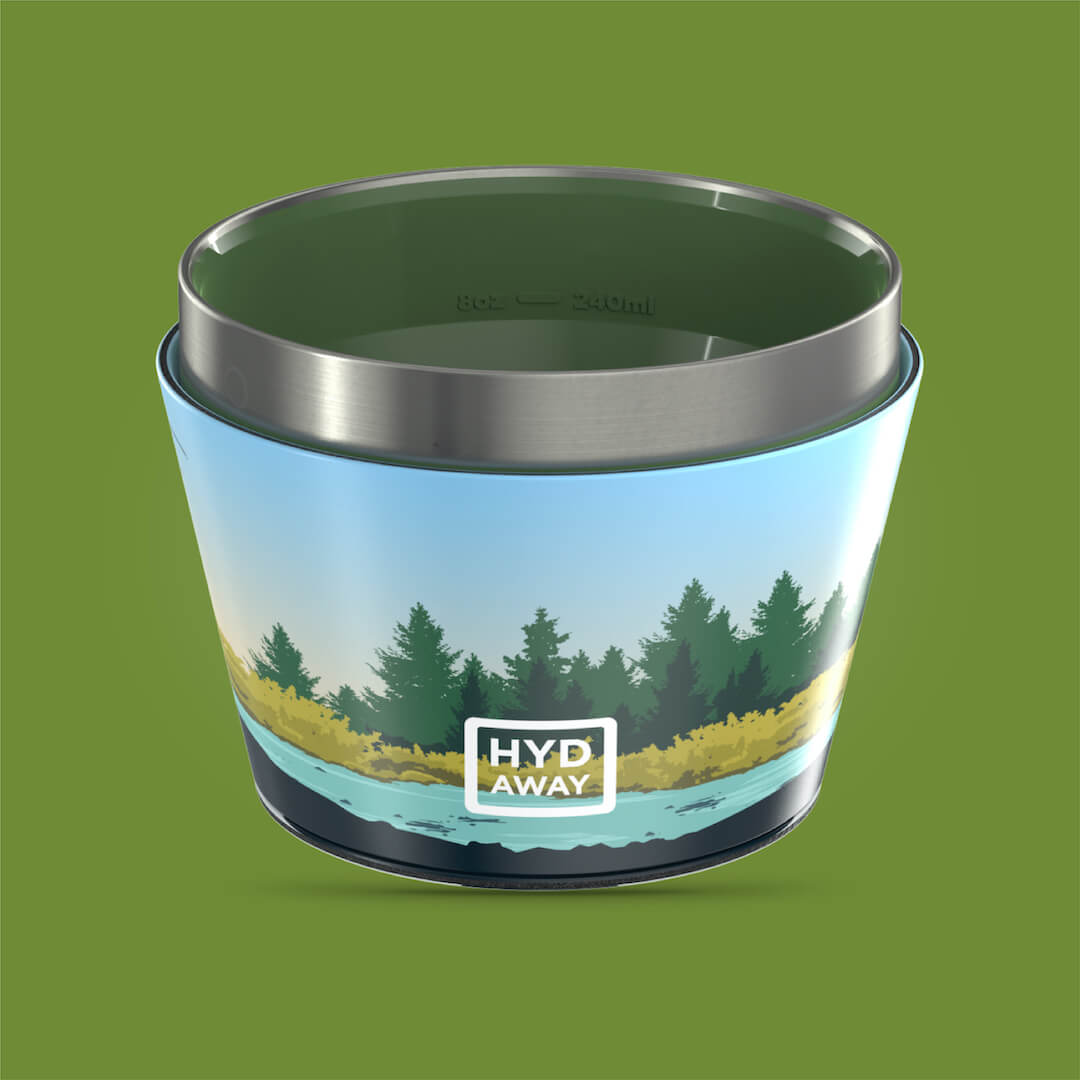
For meals, focus on collapsible bowls, lids, and cups that survive a spill in a van or a picnic bench in the rain. HYDAWAY's insulated bowls with spill-proof lids are a smart fit for camper vans, road lunches, and family snacks because they keep food contained without taking over storage space. If you're packing for kids, this is the kind of gear that earns a permanent spot.
Toiletries should be boring and low-leak. Refillable silicone bottles, solid bars, bamboo toothbrushes, and leak-proof cases all reduce the usual clutter of mini bottles and plastic wrap. A travel wash kit that dries quickly is worth more than a fancy pouch that stays damp for two days.
For bags, look for a daypack that compresses, a tote that folds into its own pocket, or organizers made from recycled fibers. If a bag can't flatten or nest, it's usually taking more space than it gives back. That's where compact travel gear wins, because it lives in your bag until you need it.
Tech and power
Travel tech should be chosen like tools, not gadgets. Solar chargers, power banks, and cables should be repairable where possible and durable enough to survive years of stuffing into side pockets. If a charger is shiny but fragile, it's clutter.
HYDAWAY also fits in the broader pack-down logic because its travel pieces are designed for people who don't want a separate “green” kit, they want one kit that just works. That's the whole point of sustainable travel accessories, less duplication, less waste, more use.
For more examples of how compact gear can replace bulky backups, these eco-friendly travel products show the kind of packing logic that holds up trip after trip.
Building Your Kit by Traveler Type
A good travel kit changes with the trip. The items that make sense for a digital nomad are not the same ones that matter to a family standing in a theme-park line at noon. If you pack by persona instead of by product category, you waste less money and carry less dead weight.
Digital nomad
The nomad kit should stay lean. A collapsible bottle, a leak-proof tech organizer, a foldable daypack, and a refillable toiletry case cover most needs without turning a backpack into a cabinet. That setup works for hostel lockers, coworking benches, and long train days because everything earns its place twice, once in transit and once at the destination.
Camper-van overlander
Van travel rewards gear that nests and stacks. Add insulated bowls with lids, a larger water bottle, and repair-friendly packs that can live beside stove fuel, utensils, and dry goods. The van lifestyle punishes clutter fast, so a flat-packing bowl or bottle matters more than something that looks premium on a shelf.
Theme-park family
Families need leak resistance and clean-up speed. A HYDAWAY collapsible bottle and bowl set per kid is the kind of practical move that pays off in queues, at lunch, and during the drive home. If the item can survive being dropped, shoved, and reopened with sticky hands, it belongs in the bag.
Bucket-list retiree
For Hawaii, Europe, or Asia, the best kit is light, multi-use, and carry-on friendly. One bottle, one compact cup, one small organizer, and a foldable tote can replace a stack of hotel plastics and one-off purchases. Travelers who pack this way spend less time managing stuff and more time on the trip itself.

The pattern is simple. The right accessory is the one you'll bring every time, not the one that looked clever on one packing list.
Real-World Impact and the True Cost of Going Reusable
Reusable gear only matters if it gets used enough to justify its footprint. That's the part too many glossy eco guides skip. A bottle that sits in a cabinet doesn't help the planet, and a heavy insulated model needs more use to pay back its materials than a lighter collapsible one. A recent life-cycle study on reusable bottles makes that tradeoff clear, reuse count and washing habits matter, and frequent use is what flips the balance in favor of the reusable option.
The break-even question
For travel accessories, the right question is not “Is this reusable?” It's “Will I use it enough on flights, hikes, park days, and road trips to make it worth carrying?” Stainless steel usually demands more repeated use than a lightweight collapsible bottle, so it's the better buy only if you're committed to carrying it often. That's why packability isn't a side feature, it's part of the sustainability math.
The waste and cost angle
A single HYDAWAY 25oz bottle can replace roughly 200 single-use plastic bottles a year for a daily user, which is the kind of simple math travelers understand immediately. It also means fewer impulse buys at airport kiosks, theme-park stands, and train stations where water is overpriced and plastic waste is unavoidable if you keep “forgetting” your bottle. For a guide on how brands can back that kind of reuse mindset with cleaner operations, InchBug's sustainability efforts overview is a useful reference point.
| Accessory | Average reuses to break even | Annual single-use items avoided | Typical retail price range |
|---|---|---|---|
| Collapsible bottle | Not quantified in the provided data | About 200 for a daily user | Not provided |
| Insulated tumbler | Not quantified in the provided data | Not provided | Not provided |
| Reusable bowl or food container | Not quantified in the provided data | Not provided | Not provided |
| Refillable toiletry bottle set | Not quantified in the provided data | Not provided | Not provided |
| Foldable daypack | Not quantified in the provided data | Not provided | Not provided |
Maintenance and end-of-life
Reusable gear only stays useful if you take care of it. Wash it before grime hardens, dry it fully, and stop using anything with cracked seals, damaged threads, or a lid that won't hold. When an item reaches end of life, check whether parts can be separated and recycled correctly instead of tossing the whole thing in the bin.
The cheapest accessory is the one you don't replace every season.
That's the win. A reusable kit saves money only when it stays in rotation long enough to matter, and it saves waste only when it leaves the bag and gets used.
Maintenance, Packing, and a Pre-Trip Checklist
A good kit needs a routine. If you don't clean and dry your gear properly, collapsible bottles get weird fast, silicone traps odors, and leak-proof containers stop being leak-proof. Travel accessories are only sustainable when they stay in service.
Keep the routine simple
Wash bottles, tumblers, and food containers with warm soapy water after each trip, and use a straw brush for narrow openings. Run dishwasher-safe parts through the machine when you can, but don't assume every gasket or lid insert belongs there. Once a month, give everything a deeper clean with a vinegar soak or a baking soda scrub, then dry it fully before storage.
Pack gear with airflow in mind. Collapsible silicone especially should go back into a bag or drawer completely dry, or it can hold moisture and smell off by the next trip. Before a flight, fill bottles in your sink and turn them upside down, because a cap that leaks at home will absolutely leak in the car or on the plane.
For broader storage and packing habits, reusable travel containers are worth keeping in your mental toolkit because the same principle applies across drinkware, food containers, and organizer pouches.
A 10-minute pre-trip checklist
- Check lids and seals. Tighten each one and inspect the gasket.
- Test for leaks. Do the sink test before you pack.
- Dry everything completely. No damp silicone, no closed wet containers.
- Reset your toiletry kit. Refill only what you'll use.
- Pack one fold-flat bottle. Add one cup or tumbler if the trip calls for it.
- Add one reusable food container. Better if it nests or collapses.
- Toss in one foldable bag. It should live in your day bag, not your trunk.
- Charge your tech once. Don't start a trip with a dead power bank.
That's the whole system. Keep it lean, keep it dry, and keep it ready.
Cutting Through Greenwashing and Packing Smarter Tomorrow
The fastest way to spot a fake eco product is simple. If the brand uses vague “eco” language, hides certification details, or sells something that can't be repaired or replaced in parts, walk away. The product might look responsible, but it's usually just dressed-up convenience.
Ask three questions before you buy. What disposable item does this replace? What proof do I have that the material and safety claims are real? Will I still want to use this on the tenth trip, not just the first? If the answers are fuzzy, the product probably is too.
Start small and move fast. Pick one collapsible bottle for your next flight, one refillable toiletry setup, and one foldable daypack. That's enough to cut waste, lighten your bag, and build a kit that works in the airport, at the campsite, or in the Disney queue without becoming a burden.
HYDAWAY makes compact bottles, tumblers, bowls, backpacks, and travel-ready accessories that are built to fold flat and return to use trip after trip. If you want gear that saves space without asking you to compromise on practicality, visit HYDAWAY and pick the one or two pieces you'll pack next month.