


Washing Dishes While Camping: Easy Guide

You finish dinner at camp and the work starts. The fire is shrinking, the stove is cooling, and there's a greasy pan, a sticky spoon, and a bowl with dried rice clinging to the corners. If you rush it, you waste water, leave food residue where animals can get it, and pack away gear that smells worse tomorrow.
Washing dishes while camping is really a budget decision. Backpackers count every sip, car campers balance cleanup against stove fuel, and vanlifers have to think about sink space, graywater, and where that water ends up. The right routine depends on the setup, but the basics don't change, scrape first, wash with minimal water, keep dirty water away from natural sources, and treat sanitation as a real health question when the trip or group makes that worthwhile.
The End-of-Meal Moment Every Camper Knows Too Well
The last bite is gone, and now the campsite shows you what the meal cost. A blackened bandana, a leaky soap bottle in a daypack, or a puddle of graywater near camp can turn a decent night into a mess fast. I've seen people treat cleanup like a nuisance, then spend the next morning dealing with smell, bugs, and half-clean cookware that never quite feels safe to use again.
Why the routine matters before you get tired
Good dishwashing isn't about obsessing over sparkle. It's about keeping your gear usable, keeping food residue out of the wrong places, and not burning through your limited water or fuel because you used the wrong method for your setup. A quick rinse in a stream looks easy, but it's exactly the kind of shortcut that creates bigger problems later.
Practical rule: if cleanup starts to feel improvised, it usually means you didn't bring the right system for the trip.
That's why the details change so much between backpacking, car camping, and vanlife. A thru-hiker carrying everything on their back needs a very different plan from a family at a developed site or an overlander with a sink and a graywater tank. Compact, reusable dinnerware makes the job simpler in all three cases, because there's less volume to wash, dry, and pack away when space is tight.
Build a Dish Kit Before You Leave the Trailhead
The best dish kit is the one you can keep organized when you're tired, cold, or packing out at dawn. Start with function, not with a shopping list. You need a way to scrape food, a way to wash, a way to rinse, a way to dry, and a way to carry clean water and manage used water without making a mess.
What belongs in the kit
A practical setup usually includes a collapsible basin or two, a small bottle of biodegradable soap, a scrub pad that doesn't trap grease, a drying towel, and something to strain food scraps. A measuring spoon helps because campers often use too much soap, then wonder why the rinse water never feels clean. Paper towels still earn their place for sticky pans, greasy lids, and the first pass on cookware that would otherwise contaminate the basin too quickly.
What to skip and what to favor
Skip fragile mugs and oversized dish bottles that waste space. Favor compact gear that serves more than one purpose, like a bowl that also becomes a wash basin or a cup that rinses clean without a lot of surface area for grime to hide in. If you're building a lighter kit for trail travel or a tighter van drawer, that kind of stackable, easy-clean design matters more than people admit.
If you're comparing small, practical utensils for a camp setup, the best camping cutlery set NZ is a useful reference point for what a compact meal kit should solve in the field.

A contained kit also helps you stay consistent. If your soap, towel, and scrubber all live together, you're less likely to forget one piece and improvise with too much detergent or dirty water. For campers who like a cleaner, more modular setup, a portable kitchen sink for camping fits the same logic, because it keeps the whole wash routine in one predictable system.
The Core Routine That Works in Almost Every Setup
The most reliable camp method starts before water touches anything. Scrape food into trash or pack it out, wipe grease with a paper towel if needed, then wash the cleanest items first so the basin stays usable longer. Cups and bowls go before pots and pans, because a dirty skillet turns wash water into sludge fast.
Wash with less water than you think
For a compact basin, about a quarter to a half inch of water is enough to wet a sponge and move grease around without wasting water, according to OXO's camping kitchen guidance cited in the brief. That small amount works because you're lifting residue, not filling a sink like you're at home. In the field, a small squeeze bottle is often enough to flush the last bits of sticky rice or broth from a mess tin.
A two-basin setup is the minimum that makes sense. One basin gets the soap and wash water, the second gets clean rinse water. A three-basin setup adds a sanitizing stage, which is useful when you've got more people, more risk, or more time.
Practical rule: if your rinse water looks greasy before you've finished the cookware, you've mixed stages too early and the whole system is losing efficiency.
Sanitize only when it earns its keep
A common field recipe uses 1 tablespoon of bleach per gallon of water in a sanitizing basin, while some camp guides keep it looser with a capful of bleach or vinegar, so the advice isn't standardized. The point isn't to drown dishes in chemicals, it's to remove soap, then decide whether the trip justifies a final disinfection stage. A cast-iron skillet warmed over the fire, a honey jar, or a sticky spoon from a shared breakfast all clean better when you respect the sequence instead of rushing it.
Drying matters too. If you pack away damp bowls, lids, or utensils, you trap smell and residue that turn into tomorrow's problem. Air-dry when you can, towel-dry when you have to, and don't close containers until they're dry.
Matching the Routine to Your Style of Camping
Backpacking, car camping, and vanlife are all camp, but they're not the same cleanup problem. The biggest mistake is borrowing someone else's routine without checking your own water, fuel, and space limits. A thru-hiker doesn't have the luxury of a full three-basin spread. A van dweller doesn't need to pretend they're washing dishes in a creekside picnic setup.
| Camping Dishwashing Setups by Style | Water Budget | Basins | Soap Use | Greywater Disposal |
|---|---|---|---|---|
| Backpacking | Very low, often carried in bottles | One or two micro-containers | Minimal, sometimes skipped on short trips | Strain scraps, disperse far from water |
| Car camping | Moderate, with heated water available | Two or three basins | Normal camp soap use, measured carefully | Carry away from site, follow campground rules |
| Vanlife | Low to moderate, limited by tank size | Built-in sink or collapsible system | Minimal soap, more emphasis on wipe-out first | Manage tank, don't dump casually at dispersed sites |
Backpacking
Backpackers usually win by using the least possible water and the least possible friction. A squeeze bottle, paper towel, and a tiny soap dose can clean a mug, spoon, and pot without turning a campsite into a wash station. On short trips, soap may not even be necessary if you're only handling simple meals and the gear gets wiped and rinsed promptly.
Car camping
Car campers can heat water on the stove and run a more complete wash, which makes greasy cookware far easier to deal with. You've got the room for a drying rack, a second basin, and a more deliberate rinse. This is the lane where you can do the full wash-rinse-sanitize flow without feeling squeezed.
Vanlife
Vanlife looks easy from the outside, but the graywater tank changes everything. You can wash in a real sink and still be sloppy if you overuse soap or dump water without thinking about disposal rules at dispersed sites. The smartest routine is the one that protects tank capacity, keeps the sink easy to rinse, and doesn't create a cleanup problem after cleanup.
Greywater Rules and Eco-Friendly Soap Choices
Dishwater isn't harmless. It carries grease, food particles, and soap into places that are already vulnerable, and that's why the repeated 200-foot rule matters. Leave No Trace guidance for backcountry dishwashing says cleanup should happen at least 200 feet from water sources, about 70 big steps, and that dishes shouldn't be rinsed directly in streams or lakes. The same guidance appears across outdoor education sources, which makes it a standard, not a niche preference, and the Leave No Trace dishwashing guidance is the cleanest reference point for that benchmark.

What to do with scraps and graywater
The safest move is to scrape food into trash first, then strain solids out of used water before you dispose of anything. On absorbent ground, disperse graywater widely rather than dumping it in one puddle. In alpine or desert terrain, packing water out can be the better option because there may be nowhere appropriate for it to go.
How to choose soap without overthinking it
Camp soap should do two things well, cut grease and rinse clean. Biodegradable options are common, but the true test is whether they fit your environment and your skin. Some products are better for sensitive hands, others are better at grease, and the right choice depends more on your route than on a label promise.
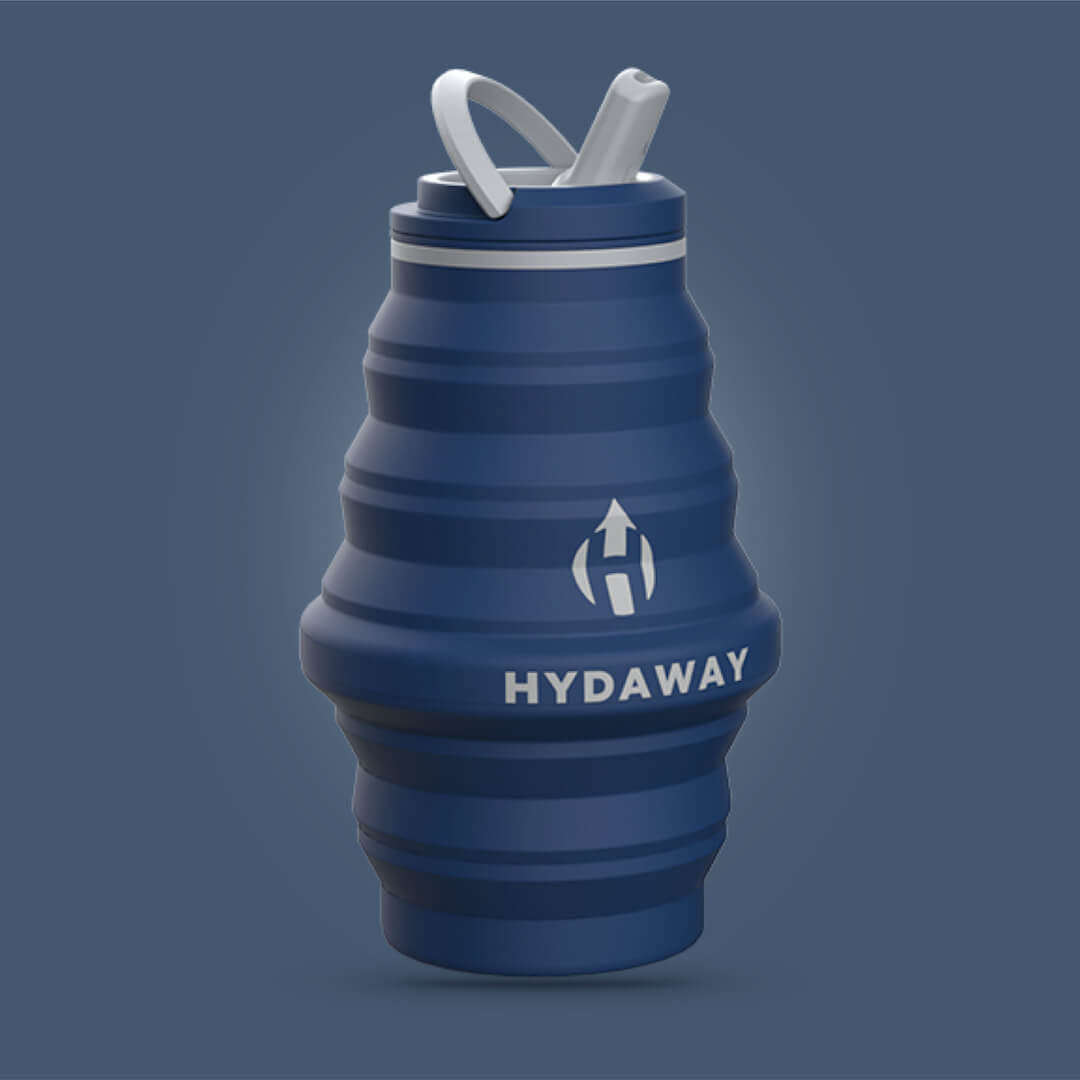
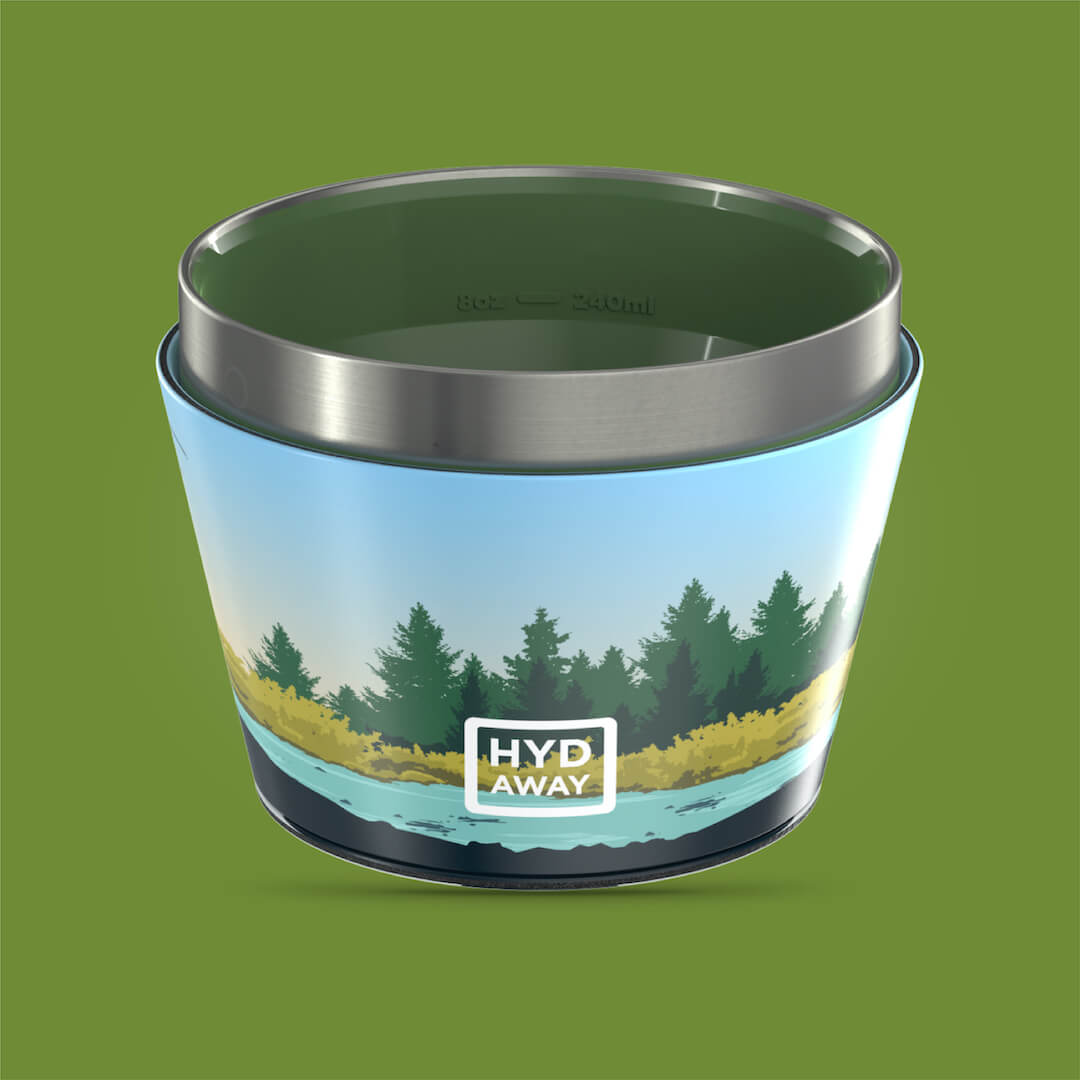
For compact, reusable gear, material quality matters too. HYDAWAY's third-party-verified, dishwasher-safe construction fits the same low-impact mindset because it keeps dinnerware easy to wash and reuse without piling up disposable plastic. If you want a matching collapsible water carry option for cleanup, the collapsible water bucket is the kind of tool that makes graywater handling simpler in camp.
When Sanitizing Actually Matters
A good wash removes a lot already. In the research summarized by Science News, a 2004 study found 56% of backpackers on the Appalachian Trail developed diarrhea, and those who did not always treat their water faced a 69% risk of illness. The same report says common expedition washing methods can remove more than 99% of bacteria in the first cleaning step, but quick follow-up rinses don't always get the rest. That's why washing and sanitizing are related but not identical jobs.
The situations that justify extra cleanup
Shared utensils, multi-day trips, raw meat cookouts, and kids handling dishes all push you toward more careful sanitation. So does any situation where cookware sits dirty too long and starts building biofilm. If you're cooking for a bigger group or anyone with a weaker immune system, a third sanitizing basin or a boiling step starts making more sense.
Boiling is often the cheapest, cleanest answer when you already have a stove going and only need to treat a spoon, cup, or small pot. A diluted bleach basin makes more sense when you want a broader sanitize step for multiple items at once. If the dishes are just a couple of cups and a trail pot, though, a thorough wash, proper rinse, and full dry are usually enough.
For campers who want a more contained way to keep high-touch gear clean, the bottle cleaner tablets fit the same logic as a disciplined field wash, because the point is not more effort, it's the right kind of effort for the item in front of you.
Troubleshooting Common Camp Kitchen Problems

Cold weather makes people sloppy because nobody wants to stand around with wet hands. The practical fix is to heat a small amount of water efficiently and use it while it is still warm enough to cut grease. Cold water will rinse off loose dirt, but it does very little with oily pans or protein residue, and that is when camp cleanup starts to feel impossible.
The fixes that save a wash
When water is tight, switch to a paper-towel-and-squeeze-bottle routine. Wipe the pot clean first, then use just enough water to lift the remaining film. That beats filling a basin for one greasy pan, and it is often the fastest way to clean mess tins at trailheads or roadside pullouts.
Greasy cookware sometimes needs mechanical help before it sees the basin. A sprinkle of baking soda or a drop of soap on a paper towel works better than a long soak when the mess is localized to one skillet edge or a burnt spot. Shared utensils at group camps are easier when you wash the cleanest items first and keep the dirtiest thing for last, because that stretches the life of the wash water.
Collapsible bowls and lids fail when people pack them damp. Full drying is the answer, not more soap. Easy-rinse, dishwasher-safe formats are better for packable dinnerware because they do not trap moisture in seams the way clunkier gear often does.
If your camp kitchen keeps fighting you, the answer is usually to simplify the gear, not to argue with the weather. HYDAWAY's compact drinkware and dinnerware are built for exactly that kind of routine, and if you want to see what a cleaner, smaller camp setup looks like in practice, visit HYDAWAY and choose the pieces that fit your trips, your pack space, and your real cleanup habits.