

Wholesale Pricing Structure: Models, Formulas, and Tactics

You're staring at a cost sheet, a competitor's line sheet is open in another tab, and the first wholesale number has to go out today. If you set it too high, the buyer passes. If you set it too low, every shipment feels busy and unprofitable. That's why a wholesale pricing structure is less like a single price and more like a system that keeps your math, your margin, and your buyer relationships aligned.

What a Wholesale Pricing Structure Actually Is
A first-time wholesale manager often starts with one question, “What should I charge?” A better question is, “What has to be true for this price to work?” That shift matters because wholesale is not just a markup exercise, it's a layered decision built from cost, margin, channel, and terms.
From one number to four layers
Think of the price as a stack. The bottom layer is your landed unit cost, which includes more than manufacturing. The next layer is the margin you need to protect the business, and above that sits the channel logic, where you decide how much room a retailer needs to earn its own margin. The last layer is terms, things like order size, payment timing, and fulfillment friction, which can significantly change whether the account is truly profitable.
That's why a simple 2× rule is only a starting point. A more usable structure treats wholesale as a repeatable framework for every SKU, every account, and every order size. It keeps you from giving the same number to a boutique buying a few cases and a larger retailer buying pallets.
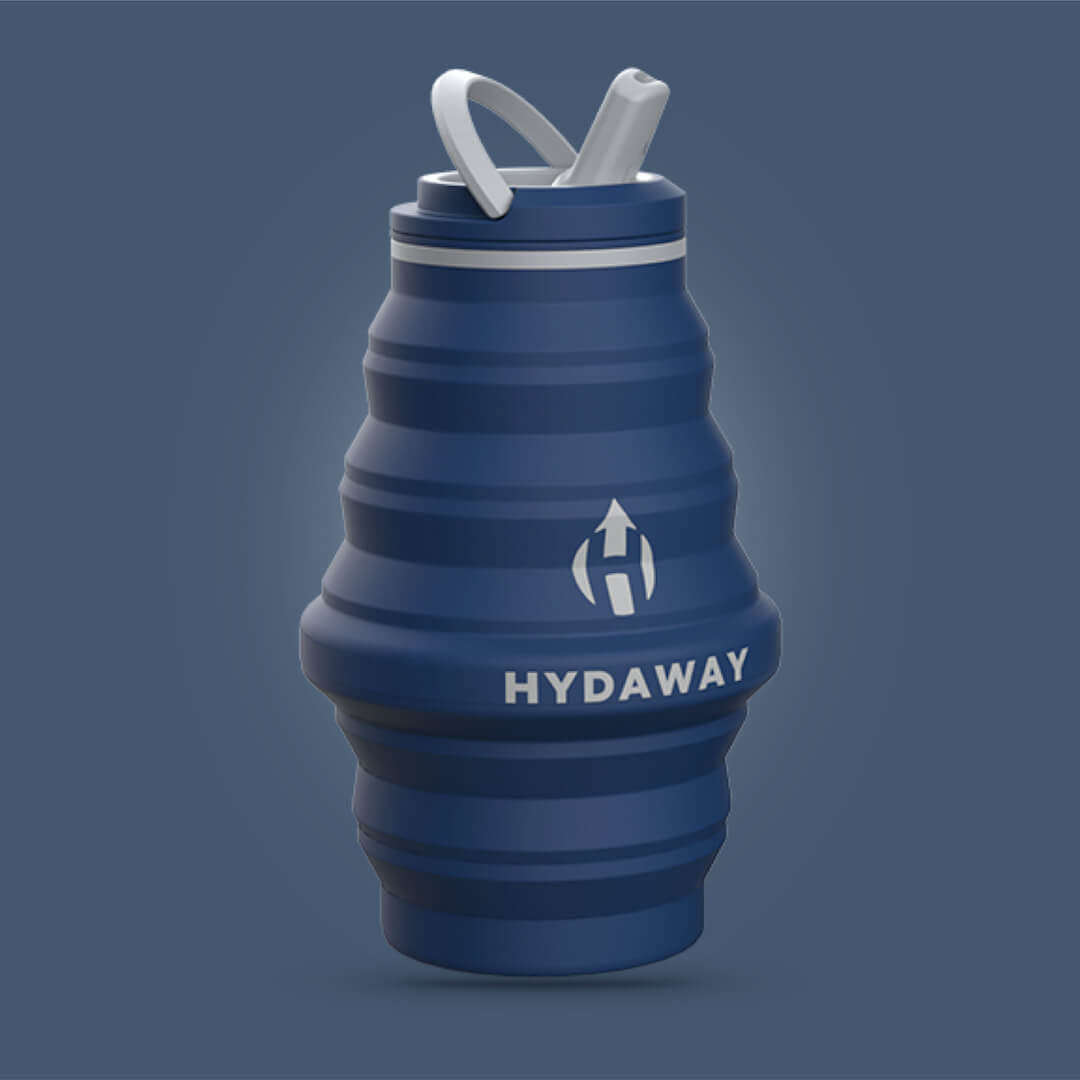
For a practical reference point, a useful CPG wholesale pricing guide can help a brand compare line-sheet thinking with actual buyer expectations. HYDAWAY's wholesale page is another useful example of how brands present the sell-in side of the conversation, since the pricing structure and the account setup sit together in one place on the wholesale page.
Practical rule: if you can't explain where the price comes from in one sentence, you probably don't have a structure yet.
For something like a collapsible bottle, the structure keeps the product from being treated as a single number on a spreadsheet. It becomes a decision tree. Should the bottle price change for a reorder? Should a custom color carry a different margin? Should a buyer who pays faster get a better deal? Those are structure questions, not just pricing questions.
The Core Pricing Models Every Buyer Should Know
Buyers usually meet four ideas first, and they're easy to mix up: keystone pricing, cost-plus pricing, MAP, and MSRP. Each one plays a different role. If you treat them as interchangeable, the line sheet gets messy fast.
Keystone, cost-plus, MAP, and MSRP in plain English
Keystone pricing is the cleanest starting point. In the wholesale guides, it's commonly defined as wholesale at 50% of MSRP, which means retail is a 2× markup from wholesale to shelf. A product with a $10 wholesale price would land at $20 retail under that model, and a product with a $10 unit cost would often sit around $20 to $25 wholesale under the common 2 to 2.5 times COGS rule of thumb from pricing guides. Those benchmarks are summarized in the wholesale pricing guide.
Cost-plus pricing starts from cost and adds your target margin. That sounds similar to keystone, but it's a different mindset because you're building from the bottom up instead of back-solving from retail. For a collapsible bottle or insulated tumbler, that distinction matters when freight, duties, or packaging change the landed number.
MAP, or minimum advertised price, is not the wholesale price itself. It's the floor for how low a retailer can advertise the product. MSRP is the printed retail price you want the market to see. They support wholesale economics, but they don't replace the wholesale number.
A useful benchmark is that wholesale prices are commonly set 30% to 50% below retail, while brands often aim for 15% to 25% gross margin before trade spend when building MSRP from landed cost. Another common B2B benchmark is setting MSRP at 4 to 5 times landed cost of goods to preserve room for wholesale and retail economics, as noted in the wholesale pricing overview.
If a 17oz collapsible bottle lands at a true unit cost of $10, a keystone-style wholesale price might push the retailer into a workable shelf price. A 25oz tumbler might sit differently because its buyer expects a different perceived value and a different margin story. The model doesn't change the product, but it does change how the buyer reads the math.
How to Read and Build a Wholesale Pricing Matrix
A pricing matrix is what happens when the line sheet stops being a list and becomes a decision tool. It lets a buyer see how price changes with SKU, order size, and sometimes assortment mix. That's where a brand can reward scale without handing the same discount to everyone.
Building the matrix without hiding the math
A simple matrix usually starts with MSRP and then layers in wholesale tiers. For a collapsible drinkware and adventure gear line, you might list a 17oz bottle, a 25oz bottle, an insulated tumbler, and a collapsible backpack. The structure then tells the buyer what changes at different volumes, instead of forcing them to guess.
| SKU | MSRP | Tier 1 (1-99) | Tier 2 (100-499) | Tier 3 (500+) |
|---|---|---|---|---|
| 17oz bottle | MSRP set for the line | Standard wholesale price | Lower tier price | Best tier price |
| 25oz bottle | MSRP set for the line | Standard wholesale price | Lower tier price | Best tier price |
| Insulated tumbler | MSRP set for the line | Standard wholesale price | Lower tier price | Best tier price |
| Collapsible backpack | MSRP set for the line | Standard wholesale price | Lower tier price | Best tier price |
A table like this doesn't need to be complicated to be useful. What matters is that each tier is visible and intentional. A small boutique buyer can still buy one case and understand the entry point, while a larger account can see the incentive for scale.
Keep the structure readable enough that a buyer can understand it without calling you for a translation.
The reason this approach matters is simple. Newer guidance recommends tiered pricing with structured exceptions instead of one across-the-board markup, because blanket multipliers can hide unprofitable accounts. That's especially relevant when a SKU mix includes high-interest hero products and lower-cost accessories, since they don't all deserve the same discount logic.
For a brand with collapsible bottles and travel gear, the matrix protects the line from getting flattened. The 25oz bottle might need a different price posture than a refill accessory, and the matrix gives you a place to show that difference without making the buyer feel singled out.
Comparing Tiered Volume and Matrix Pricing Approaches
A lot of brands say they have “tiered pricing,” but the structure can mean very different things in practice. The right model depends on who buys from you, how they buy, and how much product mix they expect in one order.

Choosing the right structure for the buyer in front of you
Pure volume tiers work best when the buyer cares mostly about total quantity. Big-box accounts and simpler replenishment programs usually like this because the rule is obvious: buy more, pay less. The trap is that it can erase product-level differences and underprice your best sellers.
Product-specific tiers fit catalogs with mixed price points. If your assortment includes a collapsible bottle, a tumbler, and an accessory line, separate tiering helps protect the items that carry more brand value. The risk is that the sheet gets harder to read if the SKU logic isn't clean.
Matrix pricing combines order volume and product category. It's the most flexible model when hero SKUs need protection and lower-cost add-ons need movement. That makes it a strong fit when a buyer wants a mixed cart rather than one giant bulk order.
A useful way to decide is to ask which buyer profile you're trying to win. A chain buyer usually wants the cleanest volume story. A specialty retailer tends to care more about assortment balance. A distributor often wants enough structure to protect margins across many SKUs. If you want practical implementation ideas, the article on optimize Shopify pricing tiers gives a useful lens for turning tiers into an operational system rather than a loose discount habit.
In practice, the best structure is the one that exposes the math. If the discount ladder makes a bad account look good, the structure is wrong. If it lets you protect a premium tumbler while still moving lower-cost accessories, it's doing its job.
Margin Versus Markup and the Formulas Behind Them
A lot of new wholesale managers get crossed up. Markup is the brand's lens on price. Margin is the buyer's or finance team's lens on profit. Same transaction, different math.
The formulas side by side
The formulas are straightforward:
Markup = (Wholesale Price - Cost) / Cost
Margin = (Wholesale Price - Cost) / Wholesale Price
Using a $10 landed cost and a $25 wholesale price, the markup is 150% because the gain is $15 on a $10 cost. The margin is 60% because the gain is $15 on a $25 selling price. Those two numbers are not the same, and mixing them up can lead to bad pricing decisions. For a separate plain-language walkthrough of markup language, the article on understand retail markup formulas is a helpful reference.
Why the difference matters in real pricing
A brand can celebrate a healthy margin percentage and still lose money after freight, damages, concessions, or payment friction. That's why the smarter starting point is landed cost plus a buffer, not a flat multiplier copied from another category. A wholesale price that looks fine on paper can collapse once the account starts asking for special handling or longer payment terms.
The number on the sheet is only the beginning. The account economics decide whether it holds.
For a worked example, take a collapsible backpack in a 500-unit tier. If the landed cost is the starting point, the wholesale number has to leave enough room for the retailer's resale margin while still protecting the brand after fulfillment costs are layered in. The point isn't to memorize one percentage. The point is to know which lens you're using when you say “this price works.”
Negotiating the Contract Terms Around the Price
The price sheet looks clean right up until the buyer starts talking terms. That's normal. A wholesale pricing structure only works if the contract supports the math underneath it.
Terms that change price, terms that change risk
MOQ, or minimum order quantity, sets the floor for what it takes to place an order. For a small adventure gear brand, a sensible starting point in 2026 is often 50 to 100 units for collapsible bottles, with higher minimums when custom logo work is involved. The number matters because too-low minimums can make the account expensive to serve, while too-high minimums can keep promising retailers out.
Net terms change cash timing. If a buyer wants net-60 instead of net-30, pricing guides now suggest that the longer terms can justify a 2% to 3% price uplift because cash is tied up longer and collection risk goes up. That's not punishment, it's cost recovery, and it belongs in the pricing conversation from the start, not after the buyer signs.
Freight and FOB points also matter. If you ship collapsible bottles across borders, duties and inbound freight can change the true unit economics fast. Customization has its own layer too. A logo print on a tumbler, a special colorway, or an etched set all add operational complexity, so they need explicit adders or separate pricing logic.
For brands selling branded drinkware, a useful reference is the custom branded water bottles page, because it shows how branding and product packaging often get discussed alongside the core wholesale conversation.
Practical rule: price the order you're actually going to ship, not the idealized order you wish every buyer would place.
First orders and reorders should also be priced differently when service costs change. A first shipment often carries more setup work, while reorders may justify cleaner economics if the account is stable. Once you see terms this way, the contract stops being paperwork and starts becoming part of the pricing structure.
Common Pitfalls That Break a Wholesale Pricing Structure
New brands usually don't break wholesale pricing all at once. They leak margin in small places until the line sheet no longer matches reality.

Five mistakes that quietly drain profit
- Uniform Pricing: A 50-unit boutique buyer and a 5,000-unit regional chain should not look identical on paper. The better move is to build tiers that reflect order size, service level, and channel value.
- Cost Ignorance: If landed cost isn't tracked closely, the sheet starts from a fantasy number. The better move is to price from true landed cost, including the friction that comes with shipping and fulfillment.
- Margin Erosion: A discount that feels small can still push an account below breakeven. The better move is to pressure-test every tier against the cost of serving the order.
- Channel Conflict: Wholesale pricing that undercuts direct-to-consumer pricing creates confusion fast. The better move is to keep wholesale, MAP, and retail positioning aligned.
- Rigidity: No plan for promotional or closeout pricing forces bad improvisation later. The better move is to predefine exception paths before the first seasonal slowdown.
The key warning from newer guidance is that a standard multiplier stops working once landed cost, payment terms, and fulfillment friction are part of the equation. That's why a simple “2× and done” habit tends to fail in practice. It hides the accounts that look healthy on volume but aren't healthy after service costs.
A mentor would tell a first-time wholesale manager to look at the whole account, not just the first order. A retailer that asks for special packaging, slower payment, and custom freight handling is not the same as a standard reorder account. If the pricing structure can't show that difference, it's not a structure yet.
Putting Your Wholesale Pricing Structure Together
The cleanest way to review a line sheet is in order. Start with landed unit cost, layer in the target wholesale margin, add your MOQ and volume tiers, then test the result against payment terms, freight, and customization. That sequence keeps you from pricing from instinct instead of from economics.
A useful example is a HYDAWAY-style collapsible bottle or tumbler, because it moves between everyday life and travel in a way buyers understand quickly. The same product might sit on a specialty retailer's shelf, in a van-life shop, or in a corporate gifting program, and each channel changes the account math. For brands handling reusable drinkware in bulk, the internal guide on reusable water bottles in bulk is a good reminder that order size, use case, and channel all pull the structure in different directions.
A strong wholesale pricing structure does three things well. It protects the brand's economics, it gives the buyer a clear path to scale, and it leaves room for exceptions without destroying the whole sheet. If one of those is missing, the structure is incomplete.
This week, review your line sheet and do three things. Price from landed cost, not retail. Build a tiered matrix instead of a single number. Review terms alongside price, not after it.
If you're building or revising wholesale for reusable drinkware, HYDAWAY offers collapsible bottles, tumblers, bowls, backpacks, and custom branding options that are designed for real retail use and real-life packing constraints. Visit HYDAWAY to see how their wholesale and branding options can support your next line sheet review.