


Zero Waste Travel Essentials: A Real-World Packing Guide

You're halfway through a trip before you've even reached the gate. The airport coffee cup is in your hand, your water bottle is empty because you couldn't bring it through security full, and by the time you grab a sandwich at the terminal, the wrapper, fork, and napkin are already headed for the trash. Add a hotel mini shampoo, a takeout container on a road stop, and a flimsy plastic spoon from a layover meal, and a “normal” travel day turns into a trail of single-use waste.
That pattern is exactly why zero waste travel essentials matter. They're not about performing perfection on the road. They're about carrying a small, durable set of items that replaces the disposables travelers reach for over and over again, especially in places where packaging is everywhere and sorting options are weak. This plastic-waste overview puts the scale in context, global plastic waste generation reached about 353 million metric tons in 2019, and only about 9% was recycled according to the OECD. That's the backdrop for every reusable bottle, cup, container, and toiletry swap in your bag.
The Disposable Trail Most Travelers Leave Behind
The waste usually doesn't come from one big decision. It comes from a dozen small ones that feel harmless in the moment. You buy bottled water because the airport refill station is closed, then a paper cup at the terminal because your coffee habit is nonnegotiable, then a wrapped snack at a rest stop because your food ran out earlier than expected.
The trip feels ordinary while the waste adds up
I've seen this pattern on short city hops, on long-haul transfers, and on RV trips where the trash bin fills with coffee lids and takeout boxes before lunch. The worst part is how routine it feels, because none of those choices looks dramatic on its own. The cumulative effect is what turns travel into a stream of short-lived packaging.
That's why the scale matters. The OECD-linked figure above isn't just a global alarm bell, it explains why travel habits focused on bottles, cups, utensils, and toiletry minis are worth changing. Those are exactly the items most travelers consume fast and discard immediately, which makes them the easiest place to start.
Practical rule: if you use the same disposable item more than once on a trip type, it probably deserves a reusable substitute.
A working guide like this plastic-reduction travel checklist makes the point well, but the shift is simpler than a huge overhaul. The rest of this article treats the kit as a set of decisions, not a shopping haul, so you can match your gear to the trip you're taking.
What Zero Waste Travel Essentials Actually Are
Zero waste travel essentials are the items that let you say no to the same throwaway products again and again. The cleanest way to think about them is through the 6 Rs, Refuse, Reduce, Reuse, Recycle, Rot, and Repair. On the road, Reuse and Reduce carry most of the load, because travelers are mainly trying to replace high-turnover disposables and trim what they pack in the first place.
A useful mental model before you buy anything
Refuse means turning down the easy waste, bags, straws, hotel toiletries, extra napkins, and packaged freebies you don't need. Reduce means packing light and buying less so your bag doesn't become a portable junk drawer. Reuse is where the gear lives, water bottles, cups, containers, bags, and toiletries that keep working trip after trip.
The concept isn't fringe anymore. When Lonely Planet published a dedicated zero-waste travel guide in 2018, it signaled that packable reusables had crossed into mainstream travel planning, not just niche environmental circles as noted in the travel coverage here. That shift matters because travelers now expect gear that folds, stacks, wipes clean, and fits in a carry-on without turning the trip into a logistics puzzle.

A good reusable travel item usually checks four boxes. It's packable, cleanable, lightweight, and durable. If it fails one of those badly, it tends to stay in the bag instead of replacing anything useful.
A reusable that's too awkward to wash or too bulky to carry will lose to the disposable you were trying to avoid.
The Four Essential Categories Worth Packing
The easiest way to audit your kit is to sort it into four categories, then decide what each item replaces on your trip. That keeps the bag from filling up with “maybe useful” gear that never gets used. It also makes room for products built around collapse-and-carry design, which is where HYDAWAY fits naturally as one example of compact, fold-flat gear.
Hydration, dinnerware, toiletries, and packing
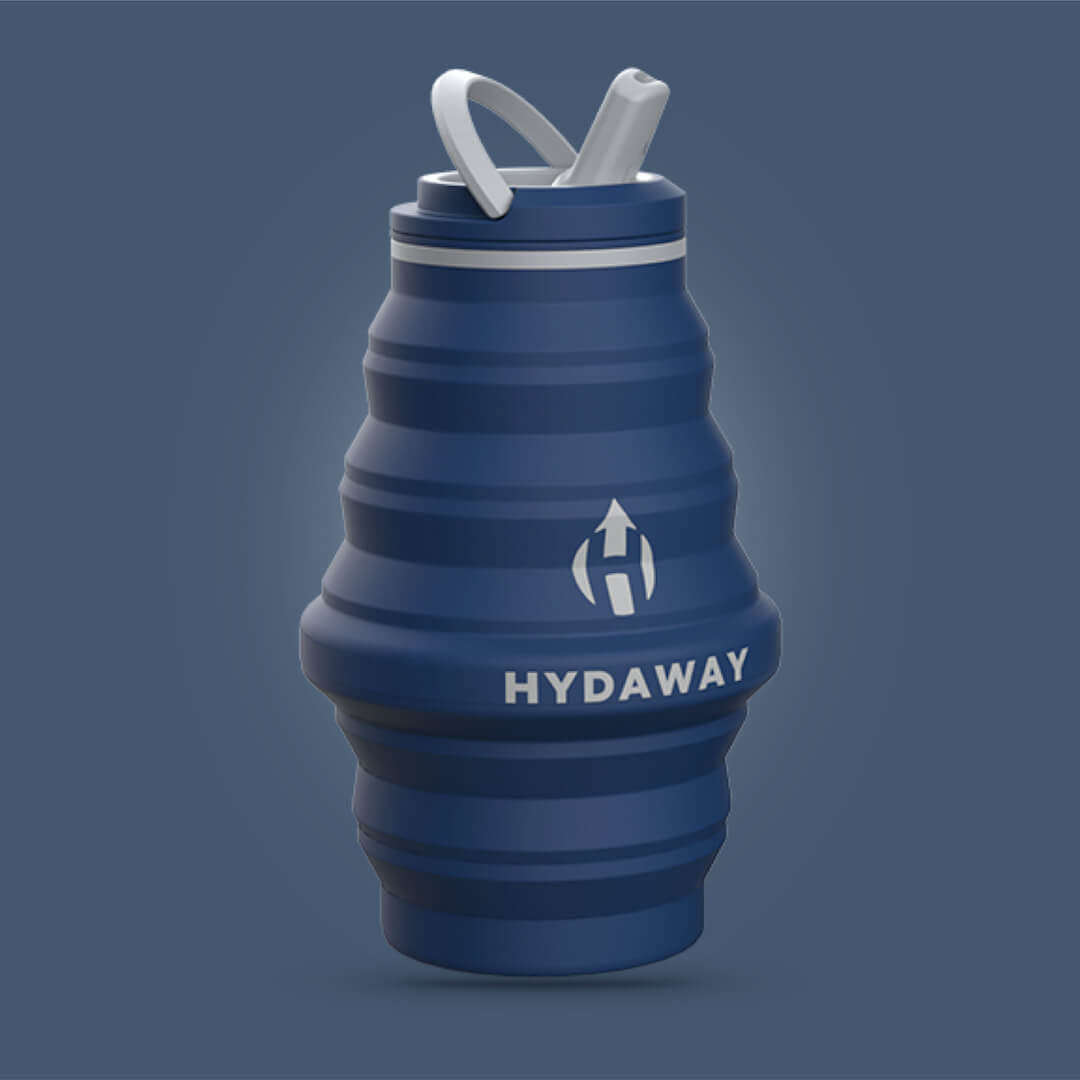
Hydration is the most obvious category. A collapsible bottle, insulated tumbler, or fold-flat cup solves the problem of needing something you can drink from everywhere, then tuck away when space gets tight. That matters in jacket pockets, daypacks, airport lines, and van dashboards, where rigid bottles always seem to be in the way.
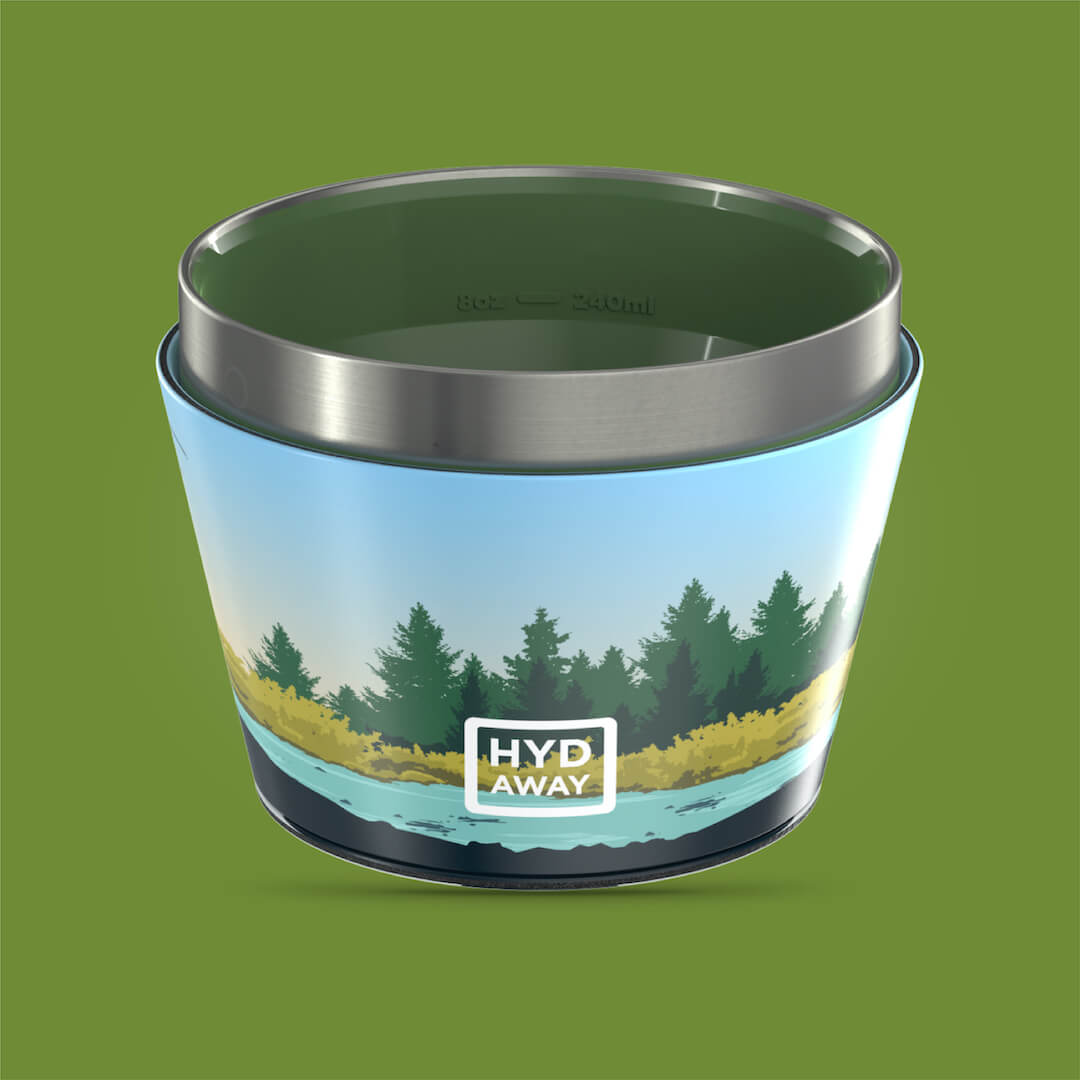
Dinnerware covers reusable bowls, cutlery, and leak-resistant containers. These are the items that replace airport snacks, theme-park meals, roadside takeout, and campground paper goods. Stainless steel and food-grade silicone make sense here because they handle repeated use better than thin plastics and usually clean up more easily after a long day outdoors or on the move.
Toiletries belong in the same logic. Shampoo bars, refillable containers, and small-format liquids are the common travel answer because they reduce the stream of mini bottles that vanish after one use. If you're carrying liquids through security, the container still matters, because the product only helps if it fits the trip rules.
Packing and organization gets overlooked, but it decides whether the kit stays usable. Stuff sacks, dry bags, and compressible backpacks keep damp items separated from dry clothes and stop little accessories from floating around the bag. When the gear is dishwasher safe, BPA-free, and phthalate-free, as with many modern travel products, the maintenance side gets easier too.
For marine-minded itineraries, eco-conscious marine travel is a useful lens, because boat days and shore excursions are exactly where reusable drinkware and compact meal gear earn their keep. A collapsible bottle or bowl isn't just a nice-to-have there, it's the difference between carrying a lot and carrying almost nothing once the meal is done.

A practical rule for materials, especially in gear with a collapsible profile, is to favor stainless steel for durability and food-grade silicone for flex and foldability. HYDAWAY's collapsible drinkware and dinnerware are a clean example of how that approach works when the goal is to carry less, not pack more.
Pack Lists Built Around Real Trip Types
A universal checklist sounds tidy, but it usually misses the point. A six-person RV trip and a four-day hostel stay create different waste patterns, different storage problems, and different chances to refill or wash gear. So the smarter move is to match the kit to the trip.
Four trip styles, four different kits
| Trip Type | Hydration | Dinnerware | Toiletries | Packing |
|---|---|---|---|---|
| Van life and overlanders | Collapsible bottle plus insulated tumbler | Spill-proof bowl, reusable cutlery, container for leftovers | Refillable wash kit, bar soap, compact travel bottles | Larger stuff sack, dry bag, collapsible backpack |
| Backpackers and hostel travelers | Slim collapsible bottle, 17oz if you want a smaller footprint | Fold-flat cup or compact container | Minimal toiletry kit, bar shampoo, travel-size refillables | Small packing cube, pocketable organizer |
| Theme-park families | Bottles that refill between rides | Leak-proof snack and lunch containers | Small family toiletries that can stay together in one pouch | Daypack with easy-access pockets |
| Digital nomads | Insulated tumbler for long café sessions | Compact bowl or container for hotel-room lunches | Refillable containers for short stays and checked-bag trips | Laptop-friendly bag, slim organizer, digital document storage |
Van-lifers and overlanders usually need the most kitchen-style gear, because they cook more often and store food in a moving space. Backpackers need the lightest version possible, because every extra inch starts competing with clothing and sleep gear. Theme-park families care about budget and convenience, especially when refillable bottles and snack containers can cut down on repeated purchases. Digital nomads often need a hybrid setup, something that works in cafés, on trains, and in hotel rooms without looking like camping gear.
The biggest difference between these kits isn't the product category. It's how much of the trip's waste pattern each item can intercept. That's why a collapsible bottle and a packable lunch container solve a different problem for a hostel traveler than they do for a family in a rental car.
Cleaning and Maintaining Reusables on the Road
A reusable only stays useful if it's easy to clean when the day gets messy. That's why maintenance matters as much as purchase day. On the road, you're often working with hostel sinks, tiny van galleys, or a hotel bathroom that wasn't designed for gear care.
What to do after meals, hikes, and long transit days
Rinse bottles and bowls as soon as you can, before dried-on residue becomes the whole problem. If the gear collapses, open it fully so air can move through the folds, then let it dry upright or clipped to the outside of your bag when the weather allows. That simple air-dry habit keeps moisture from lingering inside fold-flat items.
Dishwasher-safe parts are worth paying attention to if your accommodation has a kitchen. They save time, and they also make it easier to reset the kit before the next leg of the trip. Stainless steel and food-grade silicone are the materials that usually tolerate hot water and soap well, while cheaper plastics can hold odors and get grimy faster.
Keep damp gear isolated. A dry bag or stuff sack stops a wet bottle sleeve or container lid from soaking your clothes.
For travelers who want a more structured cleaning approach, these bottle-cleaner tablet tips are a practical companion to the basic rinse-and-dry routine. They're especially helpful on longer trips where a bottle is doing daily work and needs a deeper clean than a quick sink rinse can provide.
A simple maintenance rhythm works better than an elaborate one. Rinse daily, dry overnight, inspect seals and lids every few trips, and retire any item that starts retaining odor, cracking, or leaking. That's the point where reuse stops being a benefit and starts becoming a chore.
Getting Through Airports, Security, and Refill Stations
Airports make the rules visible. An empty collapsible bottle usually passes through security without much drama, but liquids still have to follow the usual limits, so refillable toiletry containers only help if they're packed the right way. A kit that works in your hotel room can still turn into a checkpoint headache if it is filled or stowed carelessly.
The travel friction most guides gloss over
Post-security refill stations can save a trip, but they are not guaranteed in every airport. That matters because travelers often plan around an ideal version of the terminal, one with clear signage, working fountains, and space to pause without missing a boarding call. A better habit is to check the airport setup before you leave, especially if you are flying somewhere where tap water safety is uncertain. If the answer is inconsistent, you may refill in some places and buy water in others, which is still a more realistic plan than assuming every airport works the same way.
Security also rewards gear that disappears into the bag when you are done with it. A bottle that ends the trip nearly flat, like HYDAWAY's fold-flat design, takes up less room than a rigid bottle that keeps demanding the same pocket all week. For more on that trade-off, see this guide to reusable travel containers. That difference matters on flights where a personal item is already crowded with a jacket, documents, chargers, and whatever else has to stay with you.
If your kit creates extra hassle at the airport, it is probably too large for the trip you are taking.
Electronic tickets for flights, trains, buses, and events also cut down on paper you do not need. Downloaded books or phone-based reading do the same job as printed material without adding another object to carry, protect, and remember. A zero-waste trip often ends up looking lighter because each item has to justify its space.
For cold-weather or mountain itineraries, essential gear for Triglav shows the same principle in a different setting. A refillable bottle only helps if the destination, the season, and the local infrastructure make it practical to carry and use.
The Decision Framework That Beats Every Checklist
The strongest zero-waste travel move is not buying a larger set of gear. It's deciding, trip by trip, which disposable item you're most likely to create and replacing only that one. That keeps the kit sharp instead of sentimental.

A simple way to pack without overpacking
- List the top three disposables you're likely to use on this trip, maybe bottles, coffee cups, wrappers, or toiletries.
- Choose one durable replacement per item, not two versions of the same solution.
- Check the trip context, airport refill access, tap-water safety, cooking access, and where you'll sleep.
- Leave out anything that doesn't replace a real disposable in that setting.
- Adjust after the trip, then keep the items that earned space.
That rule stops common mistakes fast. A bamboo cutlery set for a one-night hotel stay is usually overkill. So is a large rigid bottle on a flight where refill stations are confirmed post-security. The right kit is the one you'll use, not the one that looks most complete.
HYDAWAY fits this framework as a compact option for travelers who want collapsible hydration, drinkware, and dinnerware that take up less room when they're not in use. If you're ready to build a smaller, more intentional travel setup, visit HYDAWAY and look at gear that folds flat, cleans easily, and travels light.