


Eco Friendly Dinnerware Set: Top Picks for 2026

If you've ever loaded a cooler, packed snacks, and then watched a stack of flimsy plates bend at the park table or blow off the picnic bench, you already know the problem. Travel meals create waste fast, and the throwaway option that feels easy in the moment usually leaves behind soggy bowls, crushed forks, and another bag of trash to carry out.
That's why an eco friendly dinnerware set matters more than you might think. The right set keeps pace with real life, whether that's a theme park day with kids, a campsite dinner after sunset, a commuter lunch in the office, or a long-haul trip where every inch of bag space counts. It's not about turning every meal into a perfect zero-waste ritual. It's about choosing gear that works hard, packs small, and doesn't force you to buy disposables over and over.
Why Your Dinnerware Choice Matters More Than You Think
A family at a theme park usually isn't thinking about dinnerware until lunch arrives, the kids are tired, and the food comes out in layers of cardboard, plastic, and grease-resistant packaging. A camper has the same moment at a trailhead, only the stakes are different. One group is trying to keep a day fun, the other is trying to keep a pack light, and both end up with the same result, a pile of single-use plates and bowls that disappears into the trash within minutes.
The bigger issue is that those meals add up quickly. A reusable set changes the pattern without making dining harder. It lets you eat from something sturdy, rinse it, pack it back down, and move on with your day, which is exactly why the market for biodegradable tableware has become a serious category rather than a niche one, valued at USD 15.27 billion in 2023 and projected to reach USD 24.69 billion by 2030 with a 6.2% CAGR from 2024 to 2030, according to Grand View Research.
Why travel changes the calculation
Home-kitchen habits don't always survive the road. A plate that's fine in a cupboard can become useless if it chips in a bag, takes too much room, or stains the second a saucy meal hits it. That's why portable, reusable dinnerware needs to be judged by how it behaves in transit, not just by how it looks on a table.
For readers comparing food-service packaging and travel gear, the guide on eco containers for caterers is a useful companion because it shows how sustainability decisions change once portability and cleanup enter the picture. The same logic applies to an eco friendly dinnerware set. If it fits your bag, survives repeated use, and reduces the need for disposables, it earns its place.
Practical rule: if a plate only works when you're standing next to a kitchen sink, it's not truly travel-ready.
Understanding Eco Friendly Dinnerware Materials
The term eco friendly dinnerware set covers a lot of ground, and not all of it is equally useful. Some materials are bio-based. Others are basically plastic with a greener story attached. The practical difference shows up in durability, heat tolerance, portability, and what happens when the item finally wears out.
The market growth matters here because it signals that sustainable materials are no longer fringe experiments. The broader organic dinnerware segment was valued at USD 2.7 billion in 2024 and is projected to reach USD 7.4 billion by 2035 with a 9.63% CAGR from 2025 to 2035, according to Vantage Market Research. That scale helps explain why you now see bamboo, sugarcane fiber, paper composites, and plant-based polymers in mainstream channels rather than only in specialty shops.
What each material is good at
Bamboo is often sold as a sustainable option because it's plant-derived and can be lighter than ceramic or glass. It can work well for casual use, but quality varies a lot, and some bamboo products rely on binders that matter more than the label on the front. Sugarcane fiber and corn starch composites are common in disposable eco tableware, especially for one-time events or short trips.
Plant-based bioplastics can be a better fit for portability because they're usually lighter than rigid kitchenware. One product example is a dinner set made from 100% plant-based material, explicitly marked BPA-free and containing no petrochemicals. That same product page says it's safe for microwave and dishwasher use and claims it's tougher than ceramic, which shows how far plant-derived materials have come in everyday performance, according to Stuck On You.
For reusable home and travel use, stoneware, porcelain, and glass can be durable and low-toxicity when chosen well, but they're rarely the best answer for backpacks or van cabinets because they're heavier and breakable. Food-grade stainless steel is another strong option for durability and safety, especially for meals that travel hard. A practical overview of safer material choices and what labels mean is also covered in this food-grade silicone guide.
| Eco Friendly Dinnerware Materials Compared | ||||
|---|---|---|---|---|
| Material | Durability | Portability | Heat Tolerance | End of Life |
| Bamboo | Moderate, quality varies | Good | Moderate | Depends on binders and finish |
| Sugarcane Fiber | Lower for repeated use | Excellent for disposables | Moderate | Often compostable where accepted |
| Corn Starch Composites | Lower for repeated use | Excellent for disposables | Moderate | Often compostable where accepted |
| Plant-Based Bioplastics | Moderate to good | Very good | Varies by formulation | Depends on local composting or recycling rules |
| Stoneware | High at home, breakable in transit | Poor | High | Long-lasting, but not endlessly recyclable |
| Porcelain | High at home, breakable in transit | Poor | High | Long-lasting, but not endlessly recyclable |
| Glass | High at home, breakable in transit | Poor | High | Long-lasting, but heavy and fragile |
| Food-Grade Stainless Steel | Very high | Very good | High | Long service life, recyclable at end of use |
For anyone trying to reduce single-use swaps in the kitchen, reduce single use plastics in kitchen is a helpful reference point, especially if you want to compare a travel set against what you already use at home.
Bottom line: the most sustainable material is the one you'll actually keep using without frustration.
How to Spot Genuine Certifications and Avoid Greenwashing
Packaging can make almost anything look eco-minded. A plate with a leaf on the box isn't automatically safer, less toxic, or better for the planet. The smart move is to read labels like a buyer who expects proof, not promises.
Start with the language that tells you something. Independent guidance recommends looking for lead-free or cadmium-free labeling, third-party safety certifications, or California Proposition 65 compliance, and it points to food-grade stainless steel, high-fire porcelain, and vitrified stoneware as examples that can support those claims. That matters because non-toxic dinnerware is about what touches your food, not just what the product page says about being “natural.”

Red flags that deserve skepticism
Vague material names are often the fastest way to misread a product. Terms like PP, poly, polypropylene, and melamine are plastic indicators, not proof of sustainability. They may have a place in durable goods, but they shouldn't be treated as eco credentials on their own.
Look for concrete disclosure instead. A trustworthy listing usually says what the product is made from, what testing has been done, and whether it carries safety labels that are relevant to food contact. That same standard is the reason this third-party verification guide is worth keeping handy before you buy.
If a product page leans hard on words like “eco,” “earth-friendly,” or “natural” but won't say what the item is made of, assume you're looking at marketing, not evidence.
A quick buying checklist
- Check the material name: look for a specific substance, not a feel-good adjective.
- Confirm safety labels: BPA-free is useful, but it's not the full story on its own.
- Look for food-contact proof: lead-free, cadmium-free, Proposition 65 compliance, or third-party testing are stronger signals.
- Watch for plastic language: PP, poly, polypropylene, and melamine should make you ask more questions.
- Inspect the finish details: glaze chemistry, coating disclosures, and care notes usually tell you more than the hero image does.
A product can be stylish and still be a poor food-contact choice. The goal is to buy something that's both usable and credible.
Choosing the Right Set for Your Lifestyle
The best eco friendly dinnerware set depends on how you live. A digital nomad who eats between trains has different needs from a family who lunches at a theme park, and neither should shop like they're stocking a quiet home dining room. Portability, break resistance, cleanup, and nesting shape matter just as much as material.
Match the set to the trip
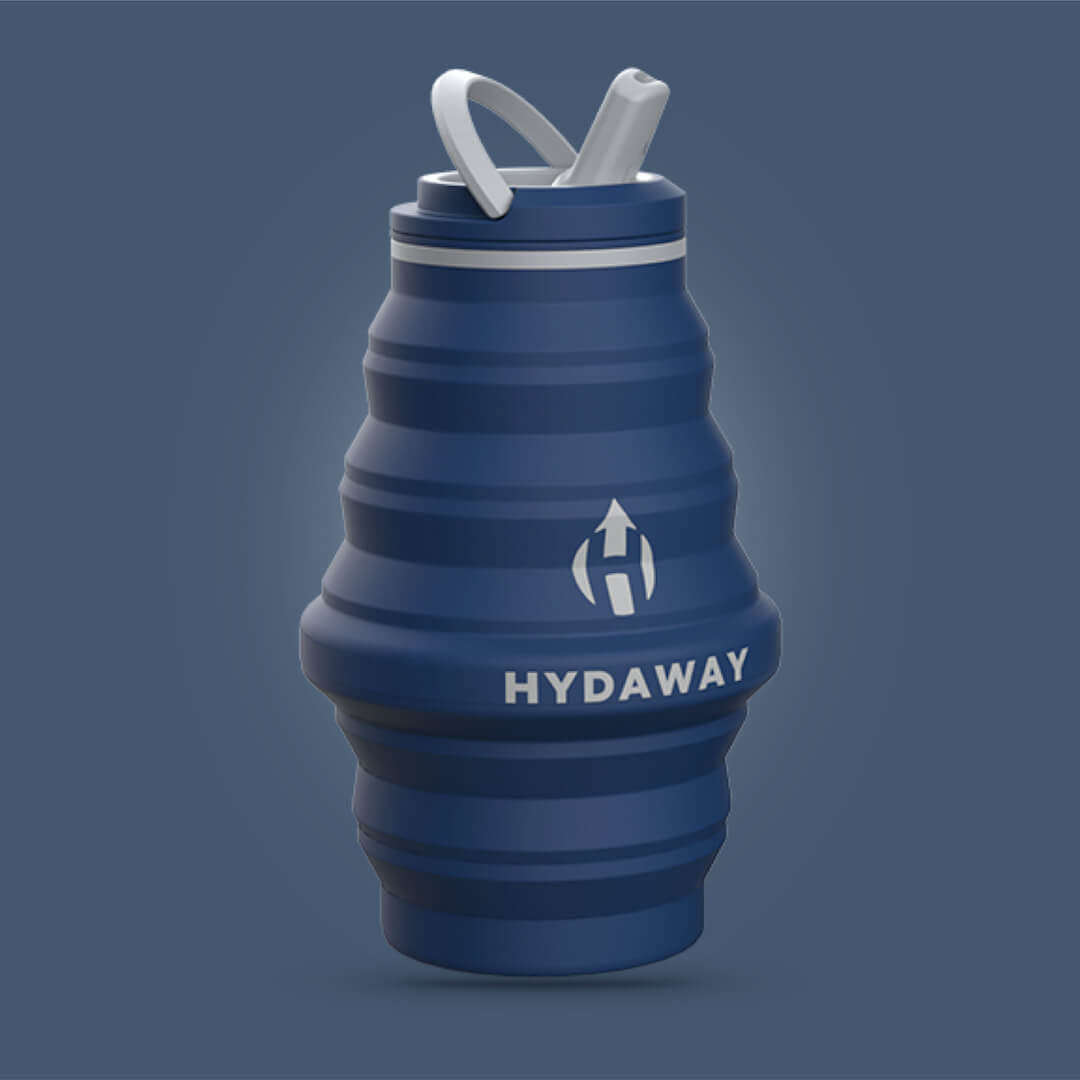
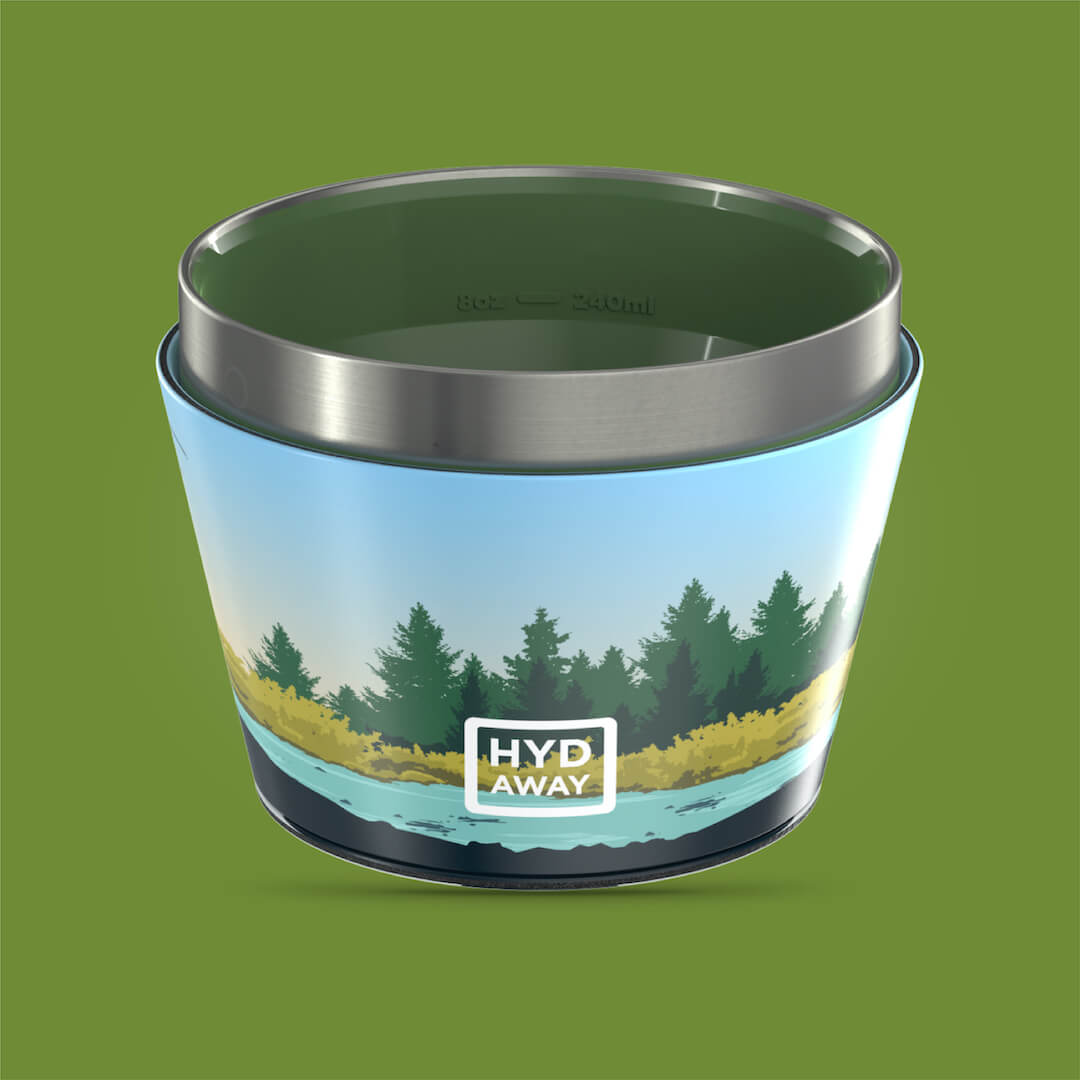
For adventure travelers and digital nomads, collapsible bowls and cups make sense because they disappear into a corner of a bag when empty. HYDAWAY's collapsible tableware fits that pattern well, since the whole point is to save space when packed and behave like normal dinnerware when open. For people who jump between airports, coworking spaces, and temporary rentals, that kind of design matters more than a beautiful cabinet stack.
For campers and van-lifers, durability and stackability usually beat delicate finishes. Food-grade stainless steel and sturdy plant-based options are easier to live with than breakable ceramics, especially when dishes get tossed into bins or shifted around on bumpy roads. If the gear also cleans quickly, it's easier to keep using instead of defaulting to disposables.
For families at theme parks or festivals, the practical winner is a lightweight reusable set that reduces the need to buy lunchware again and again. Parents don't want bulky gear, and they definitely don't want to deal with snapped plastic forks in a backpack. A compact bowl or plate that handles snacks, fries, fruit, and leftovers solves a very real pain point.
Who should choose what
- Digital nomads: prioritize fold-flat or collapsible pieces, leak-resistant lids, and easy rinsing.
- Campers and overlanders: choose rugged materials, nesting shapes, and finishes that tolerate repeated washing.
- Theme park families: pick lightweight, reusable bowls or plates that slip into a day bag without taking over the stroller basket.
- Office commuters: look for something compact enough for a tote and polished enough to feel normal at your desk.
- Retirement travelers abroad: favor durable, easy-clean options that don't depend on unfamiliar local disposal systems.
A collapsible bowl is often the sweet spot for people who want to carry less without switching back to single-use foodware. It's also where HYDAWAY's form factor makes sense in day-to-day life, because the gear can move from a cabin meal to a park lunch to a hotel room snack without needing a separate pantry of parts.

Care and Maintenance Tips That Extend Lifespan
The greenest dinnerware is the set you don't have to replace. That sounds obvious, but it's where many buyers lose the sustainability advantage. They choose a thoughtful product, then shorten its life with the wrong sponge, bad storage, or wet packing.
Clean for the material you bought
Dishwasher-safe claims matter, but only if you follow them sensibly. Check the base or care instructions before sending a bowl through a hot cycle, especially if it has printed graphics, soft seals, or mixed materials. If a set is hand-wash only, use a non-abrasive sponge and mild soap so you don't haze the surface or wear down protective finishes.
Plant-based composites and bamboo-style products often last longer when you avoid soaking them for extended periods. Dry them fully before storage so odors don't settle in, especially after oily foods or saucy meals. For collapsible gear, the trick is to open it completely at home before packing it away, because moisture trapped in folds is the fastest route to mildew or a stubborn smell.
Practical rule: if it still feels damp, it's not ready for the bag.
Store it like travel gear, not houseware
A shelf in a kitchen cabinet is easier on dinnerware than a side pocket in a packed day bag. Still, good storage habits work the same way in both places. Nest only when the pieces are dry, keep lids unlatched when possible, and avoid crushing flexible walls under heavier gear.
A few habits pay off fast.
- Rinse soon after eating: dried food takes more scrubbing later and can stain faster.
- Air-dry fully: trapped water creates smell and can weaken some materials over time.
- Keep abrasive tools away: steel scrubbers can scratch surfaces that were designed to stay smooth.
- Store by use case: keep the travel set together so you don't misplace lids or lids seals between trips.

The Real Cost of Reusables Versus Disposables
The upfront price of a reusable set can feel harder to justify than a cheap stack of disposables. That reaction makes sense at the checkout counter. It falls apart once you look at how often a reusable piece replaces another purchase.
Washington County's sustainability guidance is blunt about the economics, reusable dishware is “cheaper in the long run” according to Washington County, Oregon. The logic is simple. A durable plate, bowl, or collapsible travel set gets used again and again, while disposables force you to pay every single time you eat.
For people who buy lunchware regularly, that changes the math fast. A family that packs picnic meals, a workplace that serves repeat lunches, or a traveler who eats out of a bag every day is not buying one plate. They're buying a pattern. Reusables convert repeated spending into a one-time purchase, then spread the value across many meals.
The waste angle is just as practical
The environmental difference is easy to see at the table and in the trash can. Disposable dinnerware creates a stack of plates, bowls, cutlery, wrappers, and packaging for every meal. A reusable set leaves you with one item to wash and carry back home.
That's why how to reduce single-use plastic belongs in the same conversation as dinnerware. The dinner plate is one of the easiest places to stop buying waste you don't need. If the item packs small enough to come with you, the excuse for disposables gets weaker every time.

Your Eco Friendly Dinnerware Decision Checklist
Before you buy, check the material first. Bio-based or food-grade is better than vague green branding, and if a product leans on plastic terminology without context, treat it carefully. Then confirm safety language such as BPA-free, lead-free, cadmium-free, or third-party testing, because a sustainable-looking plate that can't safely touch food isn't a win.
Match the set to how you'll use it. Collapsible gear makes sense for travelers and commuters, sturdier reusable pieces fit camps and vans, and lightweight lunchware works for family days out. Care matters too, so choose a set you'll be able to clean, dry, and store without hassle.
HYDAWAY fits this checklist when a buyer wants collapsible, food-grade silicone dinnerware that's designed for travel, easy cleaning, and compact storage. That combination matters more than a marketing claim because it solves the daily problem of carrying less while still eating from something reusable.
Every swap away from disposables changes your routine a little, and those small changes add up. Start with one set that suits your actual life, then use it often enough to make the choice pay off.
[plain paragraph, no ## heading] A CTA for HYDAWAY.