


What Is a Dry Bag and Why You Need One for Adventure

At its core, a dry bag is a beautifully simple piece of gear: a flexible, completely waterproof sack designed to keep your stuff bone-dry, no matter what. Think of it less like a regular bag and more like your personal force field against water, sand, mud, and dust. It ensures your essentials—from your phone and wallet to a spare set of warm clothes—stay perfectly protected on any adventure.
Your Adventure-Proof Shield Against the Elements

Picture this: you're out kayaking and a surprise wave crashes over the side. Or maybe an unexpected downpour soaks your entire campsite just as you’re setting up. In moments like these, a dry bag instantly becomes the most valuable thing you own.
Without one, your phone, camera, and warm layers are all at the mercy of the elements. A quality dry bag provides total peace of mind, creating a reliable seal that keeps your valuables safe and dry. It's a game-changer.
To put it simply, a dry bag is more than just a piece of gear; it’s an insurance policy for your adventure. Here’s a quick breakdown of what makes them so essential.
Dry Bag Benefits at a Glance
| Feature | Benefit |
|---|---|
| Waterproof Protection | Keeps your gear 100% dry from rain, splashes, and even full submersion. |
| Durability | Made from tough, abrasion-resistant materials that can handle rough use. |
| Versatility | Useful for everything from water sports to theme parks and daily commutes. |
| Peace of Mind | Lets you relax and enjoy your activity without worrying about your valuables. |
| Organization | Helps separate wet/dirty items from clean/dry gear inside a larger pack. |
Ultimately, a dry bag empowers you to embrace the unexpected without risking the gear you rely on.
More Than Just for Paddlers
The need for a good dry bag goes way beyond the river or the lake. In a world where we're always carrying electronics, keeping things dry is a universal challenge.
- For the Theme Park Warrior: A small dry bag is a lifesaver at parks like Disneyland or Six Flags. It keeps your phone, keys, and wallet safe from the giant splash at the end of a water ride like Tiana's Bayou Adventure.
- For the Digital Nomad: Imagine you’re at a cafe in Bali when a sudden downpour hits. A dry bag ensures your laptop and chargers stay safe, letting you pack up quickly without worrying about water damage.
- For the Overlander: Living out of a vehicle means surprises are part of the journey. A dry bag is perfect for keeping spare clothes and important papers dry when you have to haul gear in the rain from your rooftop tent.
A dry bag isn't just for extreme adventurers; it's a practical tool for anyone who wants to protect their gear from life's unexpected spills and splashes. It’s the simple, reliable solution to a universal problem.
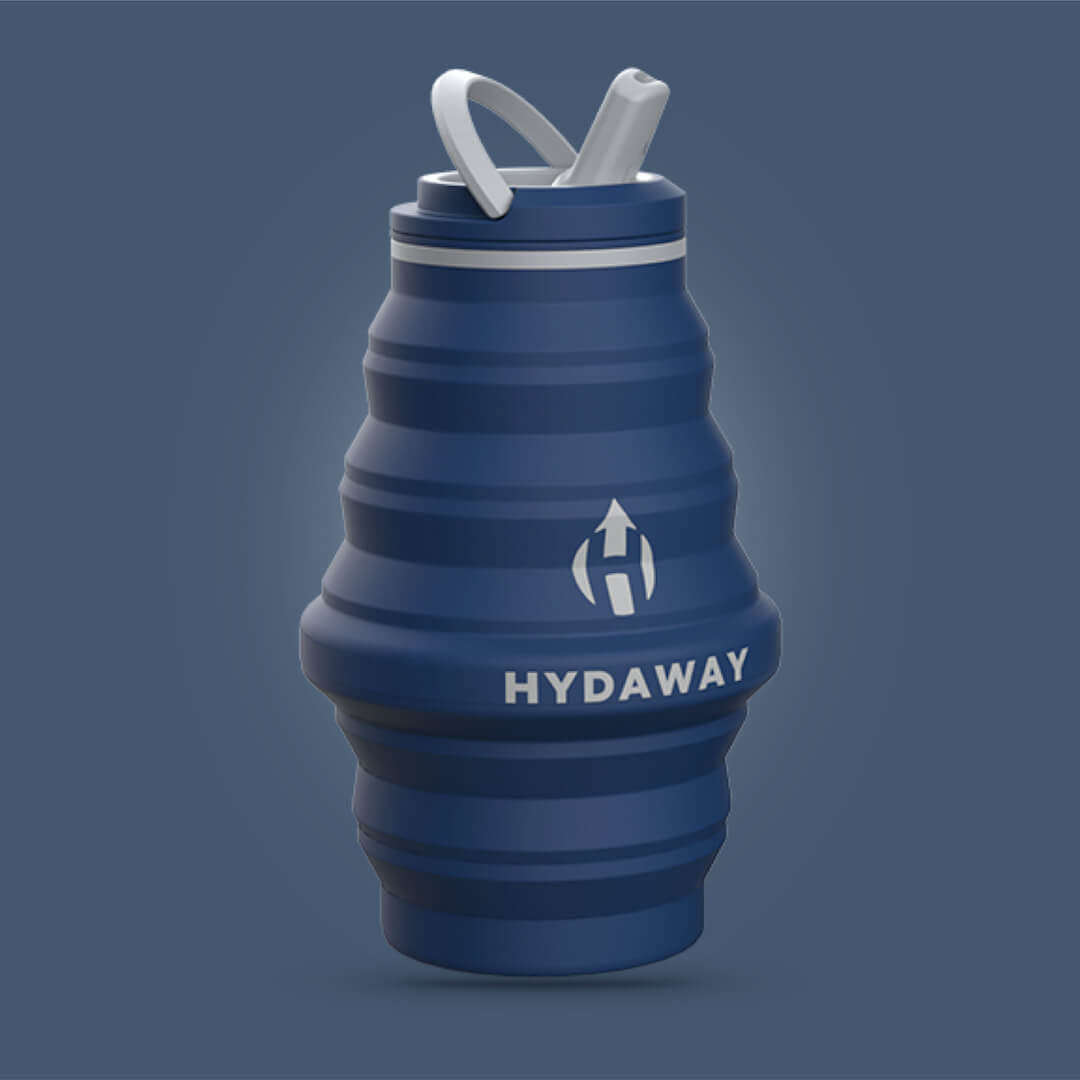
This is also where a dry bag works perfectly with other smart, packable gear. While your dry bag keeps water out, a leak-resistant HYDAWAY Collapsible Bottle makes sure the water you’re carrying stays securely in.
Pairing the two gives you a complete system for managing liquids. For example, you can stash your HYDAWAY bottle in your daypack, and even if it’s full, the rest of your gear stays safe in the dry bag. This means your electronics, snacks, and extra layers are protected from both outside rain and inside spills.
How Dry Bags Create a Watertight Seal
It seems almost too good to be true, right? How can a simple bag keep your phone, snacks, and extra layers completely dry, even if it takes a tumble into the river? It’s not magic, but it is some seriously clever design.
A dry bag’s superpower comes from two key things working in perfect harmony: the advanced fabrics they’re made from and a brilliantly simple closure system.
The first line of defense is the material itself. Most dry bags are made from one of two things: super-tough PVC (Polyvinyl Chloride) or a lighter, more flexible TPU-coated (Thermoplastic Polyurethane) nylon. PVC is the absolute workhorse—incredibly durable and tough as nails, which is why you see it on serious whitewater rafting trips.
TPU-coated fabrics, on the other hand, are much lighter and more packable. This makes them a perfect fit for hiking, travel, or any adventure where every single ounce matters.
The Magic of the Roll-Top Closure
While the fabric lays the waterproof groundwork, the real secret sauce is the roll-top closure. Picture rolling up a tube of toothpaste from the bottom. With each roll, you create a tighter, more foolproof seal that stops anything from getting out. A dry bag uses the exact same idea, just in reverse—to keep water from getting in.
You just fold the top lip of the bag over itself at least three times, then clip the buckles together. That's it. This creates a physical barrier that water just can't get past. It’s a simple, elegant system that protects your gear from a light drizzle all the way to a full-on dunking.
This kind of reliable gear has become a must-have for modern adventurers. In fact, the global dry bags market is booming, valued at around $500 million in 2025 and expected to grow by 7% annually through 2033, thanks to a huge surge in water sports and eco-conscious travel. With North America holding a massive 40% market share, fueled by over 20 million paddlers each year, the demand for gear that works is crystal clear. Explore more about the growing dry bag market trends and see what's driving this expansion.
Demystifying Waterproof Ratings
To help you figure out just how waterproof a bag is, manufacturers use an Ingress Protection (IP) rating. You’ll see codes like IPX7 or IPX8. The "X" just means it hasn't been tested for dust, while the number tells you everything you need to know about its water protection.
An IPX7 rating means the bag can be fully submerged in up to one meter of water for 30 minutes. This is what you want for an accidental drop off the paddleboard or a sudden downpour on the trail. An IPX8 rating takes it a step further, allowing for even deeper or longer submersion.
For a HYDAWAY adventurer, this is a game-changer. An IPX7-rated dry bag gives you the peace of mind to pack your phone, a camera, and your collapsible HYDAWAY gear for a day on the water. You know that even if your bag takes a plunge, your electronics and snacks will stay perfectly dry and ready for action.
Choosing the Right Dry Bag for Your Adventure
Not all dry bags are created equal, and finding the right one is all about matching the bag to the mission. It’s like picking shoes for a trip—you wouldn't wear hiking boots to the beach. A small 5L bag is your go-to for the bare essentials like a phone, wallet, and keys, making it perfect for a quick paddleboard session or keeping your valuables dry on a theme park water ride.
As your adventures get bigger, your bag should, too. A 20L dry bag becomes a day-trip workhorse, easily swallowing a rain jacket, your lunch, and a camera. For multi-day expeditions, you’ll want to look at larger bags in the 30-40L range to get the space you need for camping gear and extra clothing.
The style of the bag also makes a world of difference. A standard dry bag with a single shoulder strap is fantastic for stashing inside a kayak hatch, but a dry bag backpack is a game-changer for hiking, since it keeps your hands free to navigate the trail. When you're hauling serious equipment, a dry bag duffel is the undisputed champ for expeditions that demand secure, bulk transport.
Matching Bag Size to Your Activity
Picking the right size can feel a little daunting, but it’s simpler than you think. It really just comes down to what you’re trying to carry and where you’re headed.
Which Dry Bag Size Do You Need?
Find the perfect dry bag size based on what you need to carry and where you're going.
| Size (Liters) | Best For | Example Items |
|---|---|---|
| 2-5 Liters | Quick trips, protecting small essentials | Phone, keys, wallet, a small snack |
| 10 Liters | Day trips, personal gear for one person | Small towel, sunscreen, a couple of HYDAWAY Collapsible Bottles |
| 20 Liters | Full-day adventures, shared gear | Change of clothes, lunch, camera, first-aid kit |
| 30+ Liters | Overnight trips, multi-day expeditions | Small sleeping bag, extra layers, cookware, tent footprint |
These sizes give you a solid starting point. Remember to leave a little extra room at the top—you need that space to get a good, tight seal when you roll it down.
And while we're talking about protection, it’s critical to understand the difference between a "water-resistant" bag and a truly waterproof dry bag. This decision guide breaks down how waterproof material and a solid roll-top seal team up to create a barrier that water just can't penetrate.

The bottom line? If your gear absolutely, positively cannot get wet, you need both waterproof fabric and a reliable seal. No compromises.
The Right Bag for Your HYDAWAY Gear
This is where your whole gear system starts to click. Whether you’re a family heading to Disneyland or an overlander exploring Europe, pairing the right dry bag with HYDAWAY products creates an unbeatable travel setup. A 10L bag can easily hold your snacks, sunscreen, and a whole flock of HYDAWAY bottles for the kids, keeping your day-pack light and your family hydrated. Our guide on collapsible water containers for camping shows just how much space you can save.
The market definitely reflects this growing need for reliable gear. The North American dry bag market held a massive 40% share globally in 2023, and it’s no wonder. The outdoor boom has seen 57% of Americans getting outside for recreation. With kayaking’s popularity exploding and over 25 million North Americans hitting the water each year, the demand for bags that can protect our phones and keys has skyrocketed. It's proof that a good dry bag has become an essential piece of modern adventure gear. Discover more insights about the booming dry bag industry from Cognitive Market Research.
How to Pack and Seal Your Dry Bag Correctly

Having a dry bag is one thing, but knowing how to use it is what separates the seasoned adventurers from the soggy beginners. A poorly sealed bag is really just a regular bag waiting for a waterlogged disaster. The good news? Mastering the perfect seal is a piece of cake once you learn the one crucial technique.
The secret to a truly waterproof closure is what we call the “three-roll” rule. Think of it as the golden rule of dry bags. Simply fold the stiff top lip of the bag down and roll it tightly at least three full times before you clip the buckles shut.
This simple action creates a series of baffles that water just can't sneak past. Anything less than three rolls is a gamble, and you don’t want to bet against the water when your phone or a warm change of clothes is on the line.
Step-by-Step Sealing Process
Getting that perfect, watertight seal is easy. Just follow these quick steps every time, and you'll lock out moisture like a pro.
-
Pack Smart: Toss your gear inside, but be sure to leave about a third of the bag empty at the top. You need this extra space to get a good, tight roll without overstuffing it.
-
Squeeze the Air Out: Before you roll, gently push down on the bag to get most of the air out. This slims down the profile, making it way easier to tuck into a kayak hatch or cram into your backpack.
-
Remember the Three-Roll Rule: Get the top edges of the bag flat, then fold them over and roll down firmly at least three times. Make each roll tight and clean.
-
Buckle Up: Once it’s rolled, bring the two ends of the buckle together and click them securely. This locks your roll in place and doubles as a handy grab handle.
Follow this process, and your bag becomes a personal vault, keeping your essentials bone-dry no matter what the adventure throws at you.
Pro Tips for Packing and Sealing
Beyond the basics, a couple of extra tricks can make your dry bag even more useful on the trail or out on the water. For instance, sometimes you want to trap a little air inside.
Leaving a small pocket of air in your dry bag before sealing adds extra buoyancy. If it happens to go overboard while you're kayaking, that trapped air will help it float right on the surface, making it much easier to retrieve.
It also pays to think about how you organize your gear inside. Put the stuff you'll need easy access to—like sunscreen or your phone—right at the top before you pack anything else. This saves you from having to dump everything out just to find one item.
This is where smart gear pairing really shines. Instead of a bulky water bottle eating up valuable space, pack a HYDAWAY Collapsible Bottle. It shrinks down to almost nothing when empty, freeing up critical room for snacks or an extra layer. For instance, after you finish your water on a hike, collapse your bottle to make space for the jacket you just took off. To really level up your organization skills, check out our guide on how to pack a backpack efficiently.
Making Your Dry Bag Last for Years
Think of your dry bag as a trusty sidekick for all your adventures. You bought a good one for a reason—it’s an investment in keeping your important stuff safe and dry. And just like any piece of high-performance gear, a little bit of care goes a long, long way.
Taking care of your bag is surprisingly simple, but it's what separates gear that lasts a season from gear that lasts a lifetime.
The single most important habit you can build is rinsing your bag with fresh water after every single trip. This is non-negotiable, especially if you've been around saltwater or sand. Salt crystals are like tiny little knives that can wear down fabrics, and sand has a knack for getting into every seam and buckle, causing damage over time.
Simple Steps for Long-Term Care
After a good rinse, always air-dry your bag completely before you even think about putting it away. Just prop it open somewhere with good airflow, but keep it out of direct sunlight, which can weaken the waterproof coatings. Storing a damp bag is a one-way ticket to mildew and that musty smell you can never quite get rid of.
To keep your bag ready for action for years to come, just follow these simple rules:
- Rinse After Use: A quick rinse with fresh water gets rid of all the salt, sand, and trail grime.
- Dry Completely: Let it air-dry all the way through, inside and out, before storing.
- Store Loosely: Don't fold it along the same creases every time. Your best bet is to roll it up loosely or just hang it.
- Protect from Sharps: Be careful with sharp objects inside, like your keys or a multitool. A small pouch can prevent a trip-ending puncture.
Think of your dry bag like a good rain jacket. You wouldn't ball it up and shove it in a drawer while it’s still wet and muddy, right? Give your bag that same respect, and it will be ready to protect your gear the next time you head out.
This whole mindset—caring for your gear to make it last—is what we’re all about here at HYDAWAY. A durable, well-cared-for dry bag means less waste in the world and more adventures for you. When you pair it with our long-lasting, packable bottles and bowls, you're building a travel kit that's not just smart and efficient, but also kinder to our planet. This practical approach ensures you're always ready for your next adventure.
Essential Gear to Pair with Your Dry Bag

A good dry bag is the hero of your adventure kit, but even heroes need a team. Your dry bag truly comes alive when you pair it with other smart, packable gear. Think of it less like a bag and more like the hub of a complete system where every piece works together.
The real goal is being ready for whatever the day throws at you, without hauling around a bunch of heavy, bulky stuff. For instance, while your dry bag keeps the river or rain out, our HYDAWAY gear keeps your drinks and snacks in, preventing messy spills inside your pack. That's total peace of mind.
Building Your Adventure Ecosystem
A truly dialed-in kit is more than a random pile of gear; it’s a tiny, efficient ecosystem. This is where you see the magic of choosing items that play well together, especially for water-based fun like snorkeling near Kona, Hawaii. A well-thought-out pack just makes everything easier.
Imagine this practical setup for a day trip:
- Electronics & Dry Clothes: Your phone, power bank, and a spare jacket are safe from splashes and downpours inside your dry bag.
- Hydration: A HYDAWAY Collapsible Bottle is full and ready to go, then flattens down to almost nothing when you’ve finished it, saving precious space for souvenirs.
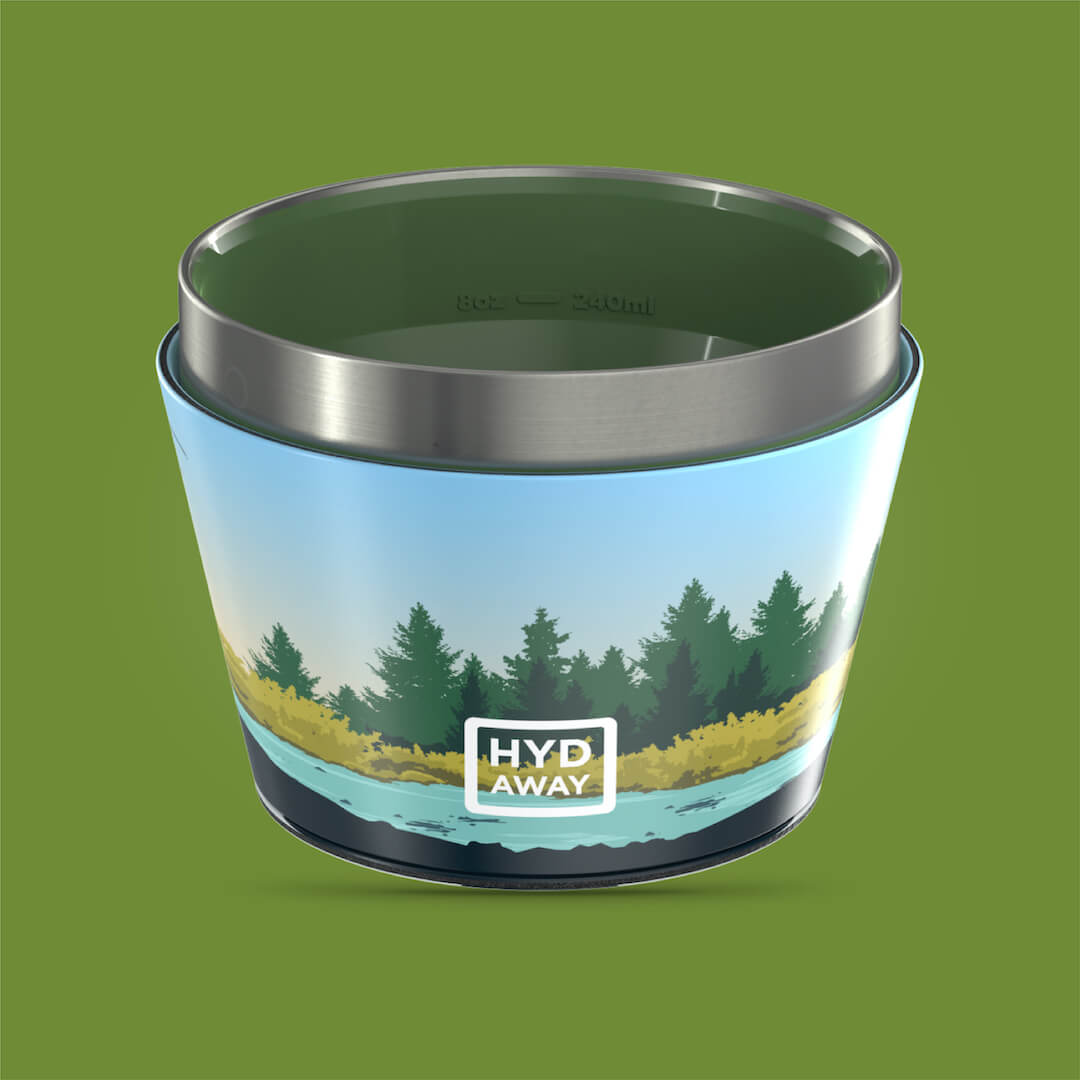
- Lunch & Snacks: Your sandwich and trail mix are tucked away in a HYDAWAY Collapsible Bowl, with its leak-proof lid ensuring no crumbs or sogginess escape into your main pack.
It’s a simple setup, but it means you're prepared and efficient. Your dry bag keeps the outside world out, and your HYDAWAY gear keeps the inside world contained.
Beyond Hydration: The Complete Minimalist Kit
To really round out your setup, a few other packable items can turn your dry bag into the ultimate mobile basecamp. These pieces are all about maximum utility and minimum space, so you're ready for just about anything.
A well-packed dry bag is the difference between a minor inconvenience and a ruined day. By pairing it with the right gear, you’re not just carrying things—you’re carrying confidence.
Consider tossing these into your kit:
- Packable Microfiber Towel: Dries in a flash and takes up almost no room. Perfect for an impromptu swim or getting caught in the rain.
- Compact First-Aid Kit: An absolute non-negotiable for handling the little scrapes and cuts that happen on any good adventure.
- Portable Power Bank: Keeps your phone and camera charged, especially when you’re miles away from the nearest outlet.
When you build your kit this way, with the dry bag at its core, you create a system that’s light, organized, and surprisingly capable. For even more ideas, check out our guide on the best camping accessories.
Got Questions About Dry Bags? We’ve Got Answers.
As you're getting all your gear together for that next big trip, it's normal for a few last-minute questions to pop up. Nailing down these final details is what gives you the confidence to pack right and adventure on without a single worry.
Let's clear up some of the most common things we get asked.
Can I Actually Dunk My Dry Bag in Water?
Yes, you can—but there's a pretty important detail to know. A dry bag with an IPX7 rating is built to handle being fully submerged in up to one meter of water for 30 minutes.
This is your saving grace if you accidentally drop your bag from a kayak or take a spill crossing a creek. It is not, however, designed for long, deep-water activities like scuba diving. Always double-check your bag’s specific IP rating before you head out.
Are Dry Bags Smell-Proof?
For the most part, yes! The very same roll-top seal that keeps water out is also fantastic at trapping odors in.
This is a game-changer for campers and van-lifers in 2024, especially if you need to store food safely in bear country. It's also great for packing out used diapers on a family hike or just keeping that campfire smell from taking over everything else in your car. That airtight seal makes a dry bag a surprisingly great scent-proof container.
Dry Bag vs. Waterproof Backpack: What’s the Real Difference?
Think about it this way: a dry bag is your specialized, absolutely-no-leaks vault, while a waterproof backpack is more of an everyday bag that can handle a bit of weather.
A dry bag's whole reason for existing is to be 100% submersible and airtight. A waterproof backpack is built for comfort and carrying things first, with water protection as a bonus—it’ll shrug off rain but will almost certainly fail if it goes for a swim.
A waterproof backpack is perfect for a drizzly bike commute to work. But for a day of paddleboarding where your gear has a good chance of ending up in the lake? A true dry bag is the only smart call. It’s all about choosing the right tool for the adventure ahead.
Ready to build a smarter, more packable adventure kit? Start with the best collapsible gear from HYDAWAY and discover how our bottles, bowls, and tumblers pair perfectly with any dry bag.