


Your Ultimate Guide to the Best Camping Accessories

If you ask a seasoned camper what the best accessories are, they won't hand you a generic checklist. Instead, they'll tell you to focus on gear that's multi-functional, packable, and durable. It’s all about making sure every single item pulls its weight without weighing you down.
How to Choose the Best Camping Accessories for Your Adventure
Before you even think about clicking "add to cart," let's get into the right headspace. Thinking like an experienced outdoorsperson means looking past the flashy brand names and focusing on what actually works out in the wild. This mindset shift will help you pack smarter and adventure better, whether you're heading out for a weekend of car camping or a month-long overland trip.
Think about the difference between a clunky, rigid cooler and a modern soft-sided one that flattens down when it's empty. That's the core idea right there—picking things that do their job exceptionally well but take up as little space as possible. It's about making every square inch of your pack or vehicle count.
The Three Pillars of Smart Gear Selection
To zero in on the best camping accessories, run every potential piece of gear through a simple three-point check. This filter helps you cut through the clutter and invest in stuff that will actually last.
- Purpose: Does this actually solve a problem I'll have? Even better, can it do more than one thing? For instance, a quality multi-tool can replace a whole bag of random tools.
- Packability: How small does it get when I'm not using it? Space is always a premium, whether you're working with a 65-liter backpack or the trunk of your car. Collapsible gear is a game-changer here.
- Durability: Can it handle being knocked around? Gear that breaks in the middle of a trip isn't just annoying; it can be a real safety issue. Always look for quality materials and solid construction.
This is a simple way to visualize that decision-making process. You want gear that lives at the intersection of all three.
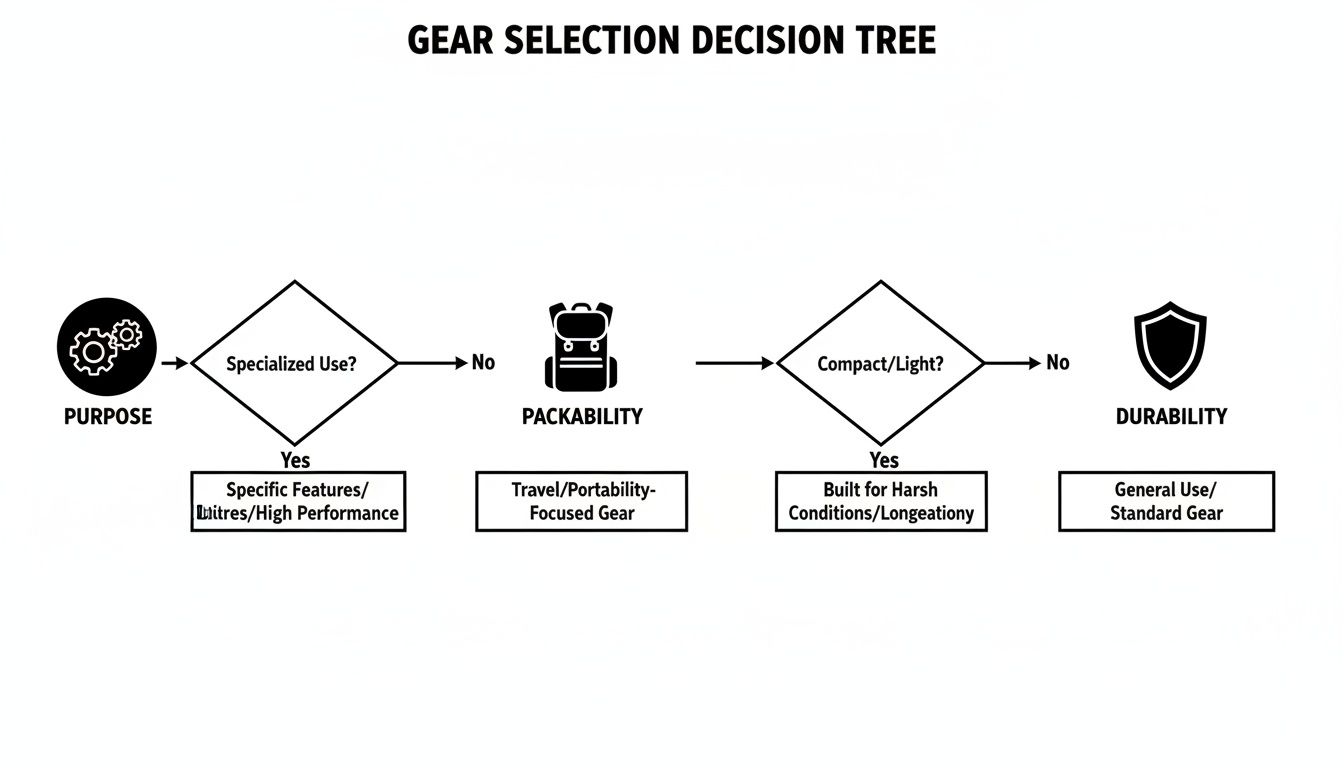
The sweet spot is always where purpose, packability, and durability meet. That's where you'll find the gear that truly makes your trips better.
Practical Application: The HYDAWAY Way
Let's put this framework into action with a universal camping need: hydration and food storage. Your average setup might involve some rigid water bottles, a bunch of plastic food containers, and a few different mugs. It gets the job done, sure, but it's a mess to pack.
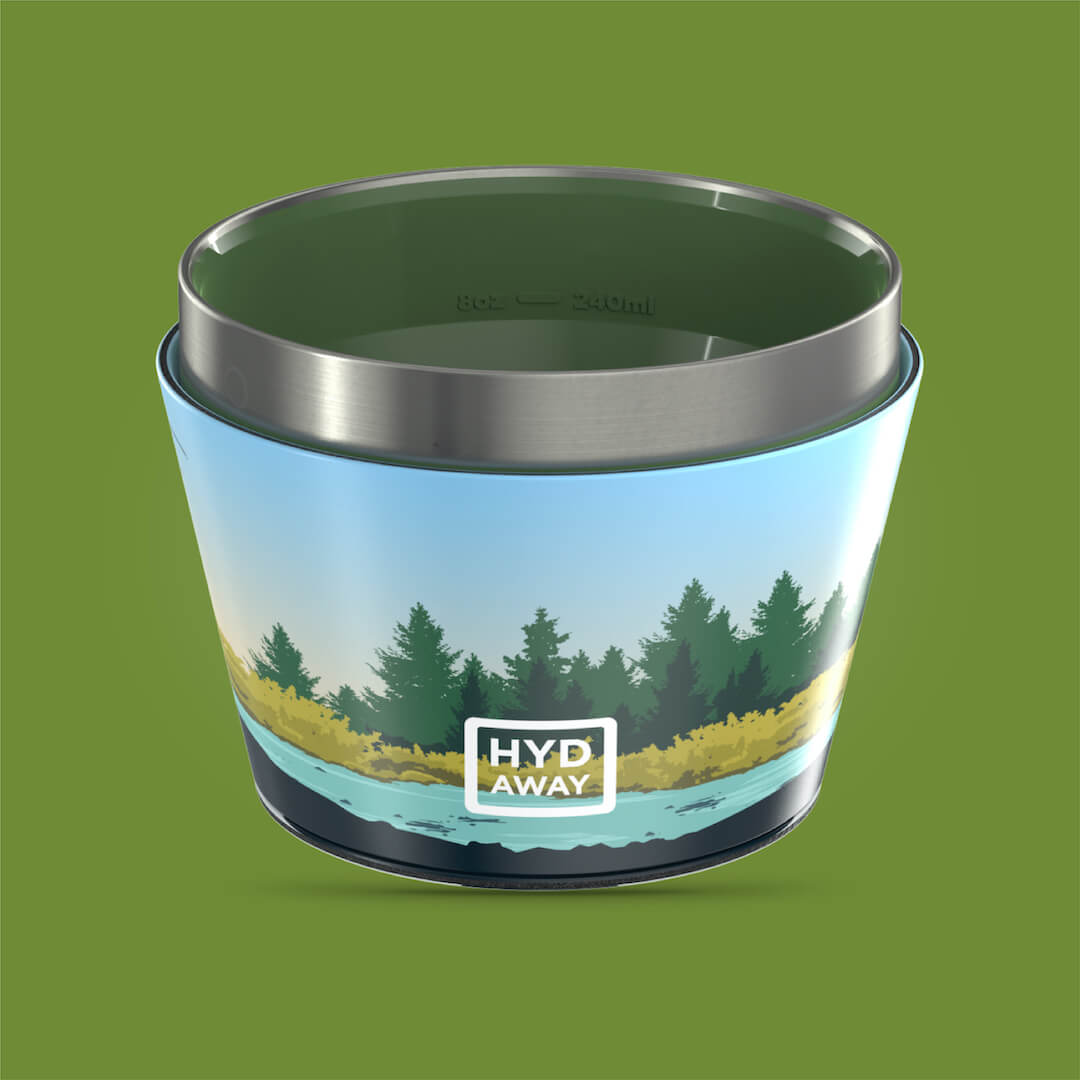
Now, imagine a smarter alternative. A set of collapsible HYDAWAY bowls can do the work of a whole stack of those bulky containers. They pop open to hold a full meal, have spill-proof lids for leftovers, and then squish completely flat. Just like that, you've freed up an entire corner of your gear bin for firewood or an extra blanket. If you're building a kit from the ground up, our guide on the best camping gear for beginners is a great place to start applying these principles.
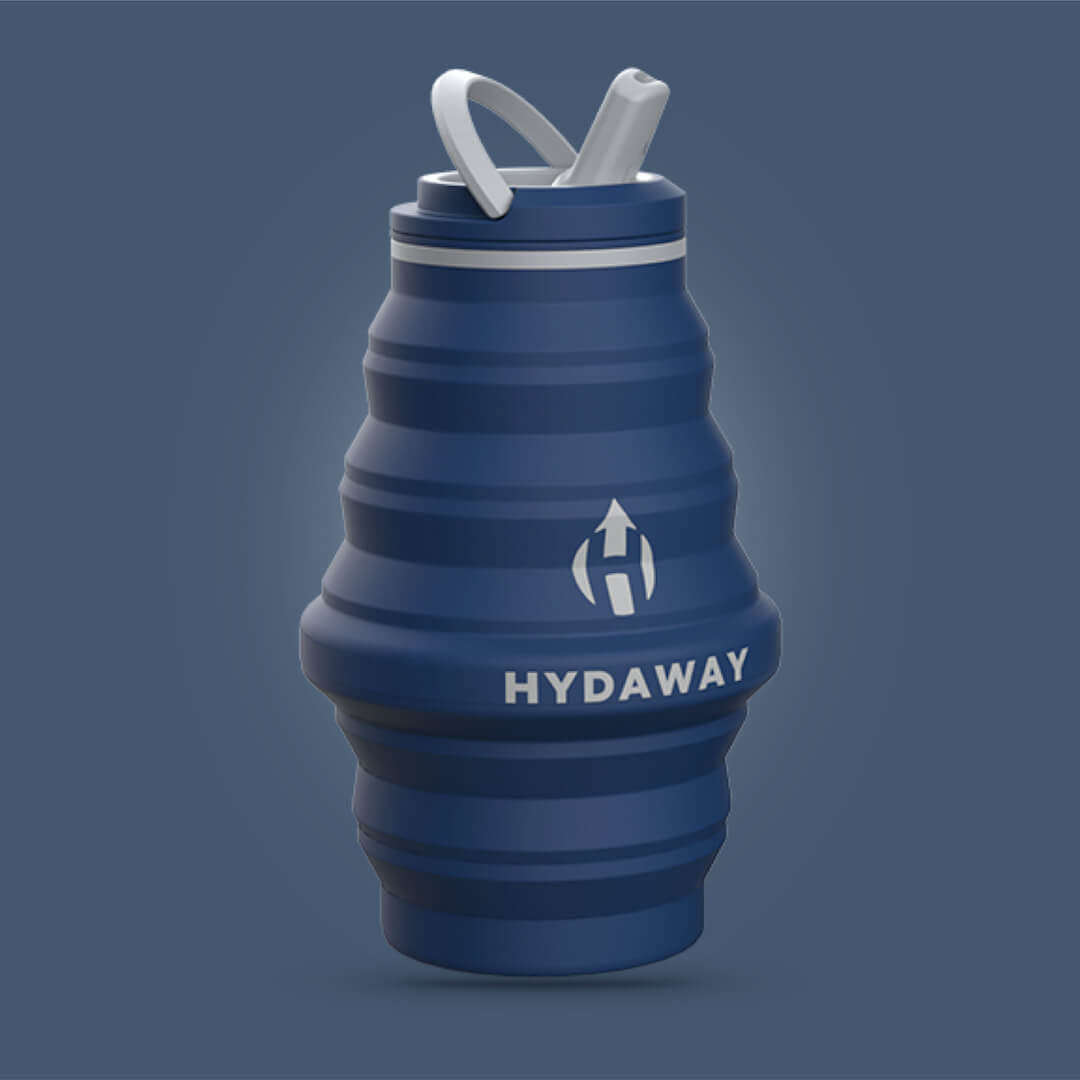
It’s the same story with a HYDAWAY collapsible water bottle. You get 25oz of water when you need it, but it shrinks down to fit in your pocket when it's empty. This is the whole philosophy in practice: choosing smart, versatile gear that gives you maximum function with a minimal footprint. This doesn't just make packing less of a headache—it makes your whole camping experience run that much smoother.
Building Your Core Shelter and Sleep System
A great camping trip really comes down to two things: a solid shelter over your head and a good night's sleep. Get those right, and everything else just falls into place. Think of this system as your mobile basecamp—it’s the foundation you build all your best outdoor memories on.
Your choices here will make or break your trip, directly affecting your comfort, safety, and even how much energy you have for the next day's hike. Let's dig into how to pick the best gear for your shelter and sleep setup, finding that sweet spot between comfort and packability.
Selecting the Right Tent
Your tent is your backcountry castle. Its number one job is keeping you safe from the elements, but the size and style need to match how you camp. A massive family tent for a drive-up campsite is a world away from the tiny, ultralight shelter a solo backpacker needs.
Here’s what to keep in mind:
- Capacity: Tent makers are a bit optimistic with their numbers. A "2-person" tent will fit two people, but it’ll be cozy. If you want room for gear or just don't want to be shoulder-to-shoulder, it’s smart to size up. For example, a couple car camping with their dog will be much happier in a 3 or 4-person tent than a 2-person one.
- Season Rating: For most of us, a 3-season tent is perfect. They’re built for spring, summer, and fall, giving you great ventilation and solid rain protection. A 4-season tent is overkill for casual trips—it’s designed for heavy snow and gnarly winds.
- Packed Size and Weight: If you're backpacking, every single ounce counts. Modern ultralight tents, like the ridiculously popular Big Agnes Copper Spur, can weigh less than 3 pounds. For car camping, weight isn’t a big deal, so you can go for bigger, cushier cabin-style tents.
Picture it: you're planning a weekend hike. You need a tent that shrinks down small and won't feel like a sack of bricks on your back. But if you’re setting up shop at a state park for a week with the family, a spacious tent you can stand up in suddenly becomes the far more practical (and comfortable) choice.
Decoding Your Sleep System
Your sleep system isn't just a sleeping bag. It's a team effort: your bag and your sleeping pad working together. One keeps you warm, and the other provides comfort and crucial insulation from the cold ground. Forgetting about the pad is a classic rookie mistake that guarantees a chilly, miserable night, no matter how fancy your sleeping bag is.
A good sleep system is the difference between waking up refreshed for a sunrise hike and spending the night tossing and turning.
Don’t underestimate your sleeping pad—it can be responsible for up to 50% of your warmth. The ground is a massive heat sink, constantly pulling warmth from your body. An insulated pad creates that critical barrier to stop it cold.
Choosing Your Sleeping Bag and Pad
When you're looking at sleeping bags, the most important spec is the temperature rating. That number tells you the lowest temperature where an "average" person will sleep comfortably. For summer camping, a 30°F to 40°F bag is usually plenty. For spring and fall trips, a 15°F to 20°F bag gives you a lot more versatility. You’ll also have to choose between down fill (lighter, packs smaller, costs more) and synthetic fill (bulkier, works better when damp, easier on the wallet).
Now for the sleeping pad. For backpacking, a lightweight inflatable pad like a Therm-a-Rest NeoAir is a game-changer, packing down to the size of a water bottle. While you're on the trail, you can keep your HYDAWAY bottle collapsed in your pocket and your sleeping pad tucked in your pack, saving a ton of space.
For car camping, where size doesn't matter, a thicker self-inflating mattress offers next-level comfort. It’s all about striking that perfect balance so your core system is ready for whatever adventure you throw at it.
Revolutionize Your Camp Kitchen with Packable Gear
We've all been there. The camp kitchen bin, rattling with a chaotic jumble of pots, pans, and single-use gadgets. It's bulky, a nightmare to organize, and takes up way too much precious cargo space. But camp cooking doesn't have to start with a frustrating game of gear Tetris. The best camping accessories today are all about being clever, compact, and ridiculously efficient, turning meal prep into something you actually look forward to.
The secret is to start thinking differently about your kitchen. It's less about individual items and more about a cohesive, packable system. This means saying goodbye to rigid, space-hogging gear and embracing things that shrink, nest, or pull double duty. From tiny stoves that boil water in minutes to entire dining sets that collapse down flat, a well-thought-out kit can slash the space your kitchen takes up.
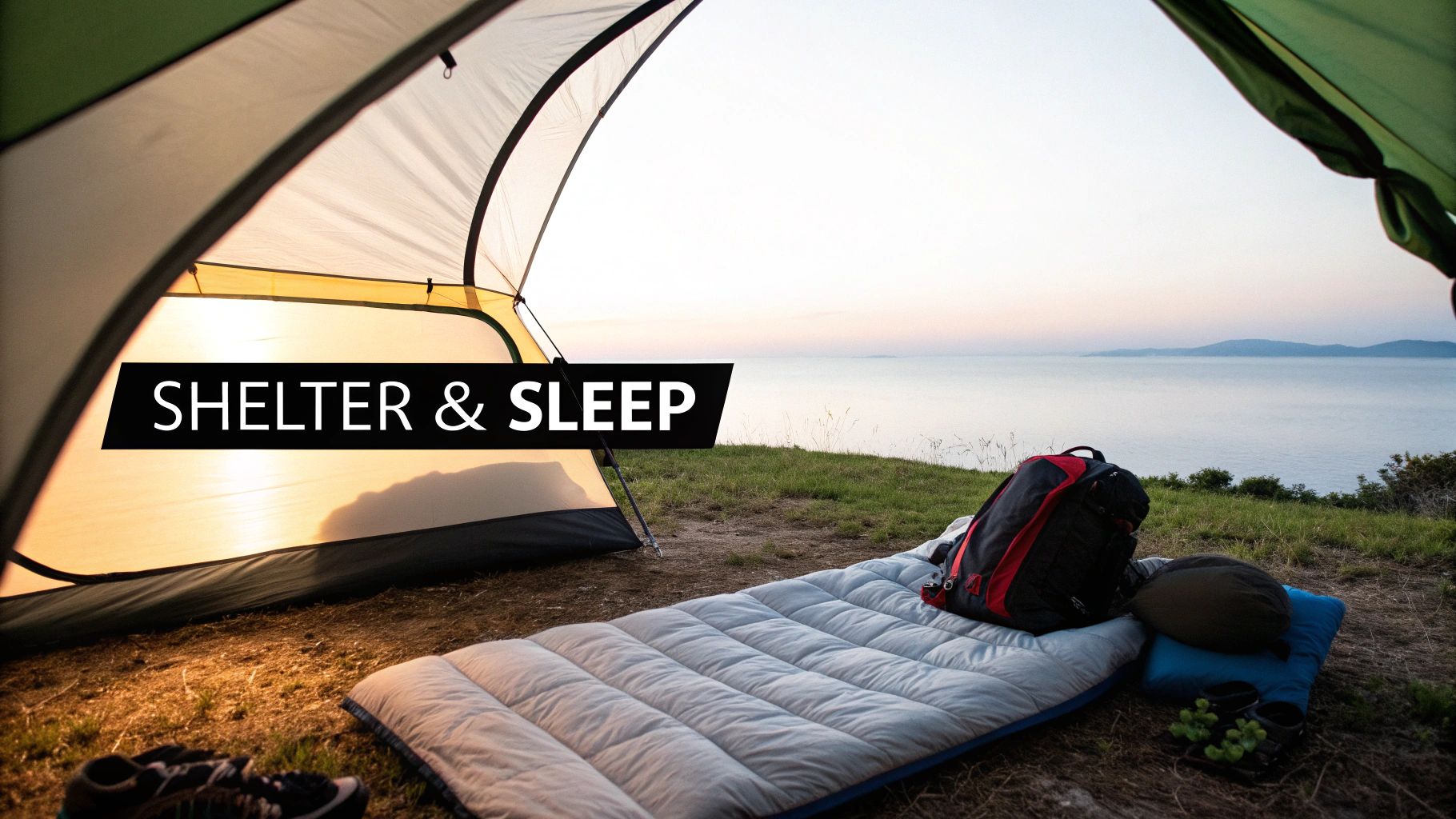
This isn't just about making the car easier to pack. It streamlines your whole campsite experience. When your gear is organized and easy to grab, you spend less time digging through bins and more time enjoying that meal under the stars.
The Foundation: Your Compact Stove and Cookware
Your stove is the heart of your camp kitchen. While those big, two-burner propane stoves are awesome for massive car camping feasts, many of us are finding joy in smaller, more efficient systems. Brands like MSR and Jetboil have perfected integrated stove systems that are famous for their lightning-fast boil times—perfect for that first cup of coffee or rehydrating a quick trail meal.
Once you’ve got your heat source sorted, turn your attention to cookware that nests. Look for sets where pots, pans, and lids all stack neatly inside each other, creating one tidy, compact unit. A four-piece set can easily shrink down to the size of a single medium pot, saving a shocking amount of room.
For a deeper dive into smart kitchen solutions, check out our complete guide to collapsible camping cookware. It's packed with even more ways to streamline your setup.
The Game-Changer: Collapsible Dinnerware and Hydration
Okay, this is where the real magic happens. Rigid plates, bowls, and water bottles are volume hogs; they take up the same amount of space whether they're full or empty. Collapsible gear flips that problem on its head, offering one of the biggest space-saving wins you can get. This is where HYDAWAY products truly shine.
Think about a family of four packing for a weekend trip. Instead of a wobbly stack of plastic plates and bowls, they pack a set of HYDAWAY's insulated, spill-proof bowls. They're perfect for serving hot chili around the campfire, and the secure lids mean storing leftovers is a breeze. When dinner's done, they collapse completely flat.
The real benefit of collapsible gear isn't just about saving a little space—it’s about fundamentally changing how you pack. By shrinking your entire dining set down to the thickness of a few magazines, you free up a huge amount of volume in your vehicle for other essentials, like firewood or an extra blanket.
This principle works for every part of your kitchen kit:
- Daily Hydration: Swap that bulky, hard-sided water bottle for a 25oz HYDAWAY bottle. It holds plenty of water for a day hike but flattens to fit in a back pocket or small pouch when it's empty.
- Morning Coffee & Evening Drinks: Instead of packing separate mugs and cups, a versatile HYDAWAY Tumbler does it all. It keeps your coffee hot in the chilly morning air and your cold drink chilled by the fire, all while being a snap to clean and pack away.
By building your camp kitchen around these smart, packable essentials, you're doing more than just bringing the right gear. You're creating an efficient, organized, and stress-free system that makes camp cooking one of the best parts of the adventure.
Finding the Right Pack and Smart Storage Solutions
Your backpack is so much more than a sack for hauling your gear. Think of it as your mobile command center—the central hub that keeps everything you need protected, organized, and ready when you need it. Picking the right pack is easily one of the most personal and critical decisions you'll make.
A poorly fitted or wrong-sized pack can quickly turn a dream hike into an absolute slog. It all comes down to getting a proper fit, which is non-negotiable. That means finding a pack that matches your torso length and has a hip belt that correctly transfers the load onto your hips, taking the strain off your shoulders.
This focus on fit and function is why backpacks have become the undisputed king of camping equipment. In fact, backpacks now command a massive 28.12% market share of all global camping gear. North America leads the charge, accounting for 38.52% of that demand. It just goes to show how essential the right pack is for modern campers.
Choosing Your Ideal Camping Pack
To help you navigate the options, we've broken down the main types of packs by what they do best. Consider how long your trips will be and what you'll be doing to find the perfect match.
| Pack Type | Ideal Use Case | Typical Capacity (Liters) | Key Features |
|---|---|---|---|
| Daypacks | Short hikes, day trips from a basecamp, summit pushes | 15-35 | Lightweight, minimal structure, hydration reservoir compatible |
| Weekend Packs | 1-3 night backpacking trips | 40-65 | Internal frame, padded hip belt, multiple access points |
| Expedition Packs | Multi-day treks, winter camping, mountaineering | 70+ | Robust suspension system, high volume, specialized gear loops |
Ultimately, the best pack is the one that fits your body and your adventure style. Don't be afraid to try on several in-store with weight in them to see how they feel.
Picking the right pack is just the first step. Getting it organized is a whole other art form. A well-packed bag is way more comfortable to carry and saves you from digging for gear. Our guide on how to pack a backpack has all the pro tips on weight distribution you'll need.
The Overlander's Secret Weapon: A Packable Daypack
If you're a car camper, overlander, or RVer, your vehicle is your main storage unit. But you still need a smaller, grab-and-go bag for side excursions. This is where a collapsible backpack is an absolute game-changer. Lugging around a full-sized, empty daypack is just awkward and wastes precious space.
This is exactly the problem the HYDAWAY collapsible backpack was built to solve. It’s a legitimate 25-liter pack with comfy straps and plenty of pockets, but it magically folds down into its own tiny pouch when you're done.
Imagine exploring a national park from your van. You can keep the HYDAWAY backpack tucked in a drawer, then pop it open to carry your water bottle, snacks, and a rain jacket for a spontaneous hike to a waterfall. It’s the perfect secondary pack, giving you full functionality without the storage headache.
Smart Storage Tactics Beyond the Backpack
Great organization doesn’t stop with your pack. A few clever storage solutions can keep all your gear tidy and compressed, whether it's in your tent or the back of your car.
- Compression Sacks: These are a must for bulky items like sleeping bags and puffy jackets. Cinch down the straps and you can shrink their packed size by up to 40%, freeing up a ton of room.
- Durable Gear Bins: For car camping, clear plastic bins are your best friend. They let you organize gear by category—kitchen, shelter, clothing—and see what's inside at a glance. No more tearing the whole car apart just to find the salt.
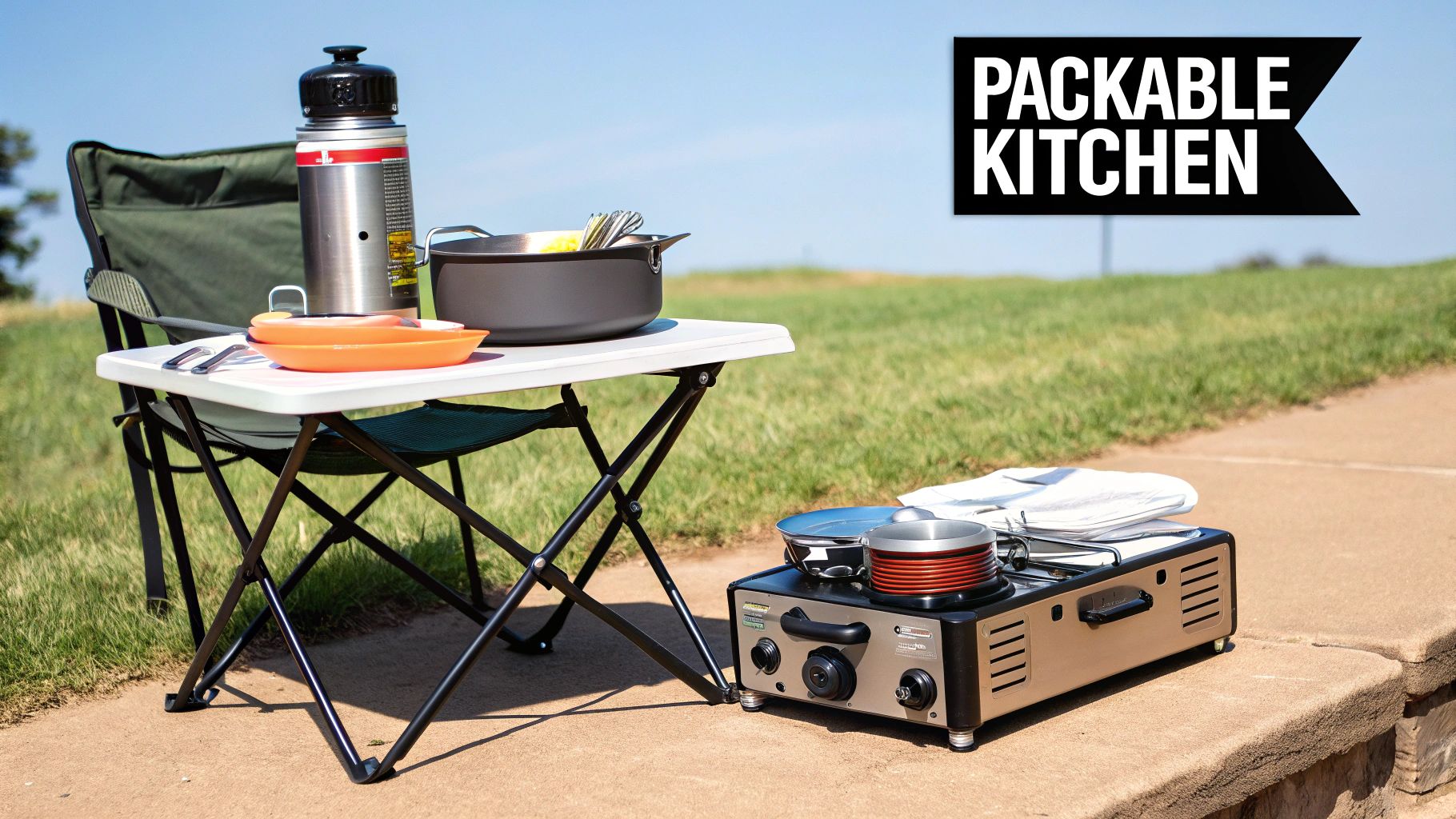
Let’s be honest, the best part of camping is turning that random patch of dirt into your own little slice of heaven. We’re moving beyond just surviving in the woods; this is about creating a space so comfortable and convenient you can truly kick back, relax, and soak it all in. It’s about building an outdoor haven you can’t wait to return to after a long day of hiking.
First things first: lighting. Good lighting completely sets the mood. Sure, a flashlight works, but a layered approach is so much better. A hands-free headlamp is non-negotiable for things like cooking or finding your way to the bathroom after dark. A popular model from BioLite keeps your hands free to actually do things.
For the main campsite area, a central ambient lantern casts a warm, welcoming glow. You'd be surprised how long modern rechargeable LED lanterns can last—many will go a whole weekend on a single charge. And for that perfect finishing touch? Drape some battery-powered string lights over your tent or between a few trees. Instant cozy vibes.
Essential Tools and Lightweight Furniture
Beyond setting the mood with lights, a few key tools and pieces of furniture will dramatically improve your camping game. Beginners often overlook these items, but they’re staples in any seasoned camper’s kit for a reason. They offer safety, convenience, and a much-needed dose of pure relaxation.
A solid multi-tool, like the classic Leatherman Skeletool, is an absolute must-have. It’s your pliers, knife, screwdrivers, and more, all packed into one compact tool that’s ready for any gear repair or camp chore you throw at it. Pair that with a compact folding saw, which makes getting firewood ready far safer and more efficient than swinging a hatchet around.
And finally, arguably the most critical accessory you can bring is a well-stocked first-aid kit. You can buy great pre-made kits or build your own to match your specific needs and how long you’ll be out there.
Remember, the point of comfort-focused gear isn't to drag your living room into the wilderness. It's about finding smart, packable solutions that deliver maximum relaxation with a minimal footprint. Modern gear proves you don't have to sacrifice comfort for convenience anymore.
The New Wave of Packable Comfort
Forget those clunky, old-school metal-frame camp chairs that hog half your trunk space. The best camping accessories today include an incredible range of lightweight, packable furniture that makes lounging by the fire a genuine pleasure. Chairs from brands like Helinox are a game-changer; they pack down to the size of a water bottle but are surprisingly comfortable and supportive.
A small, portable camp table is another simple addition that makes a huge difference. It gives you a stable, clean surface for prepping meals, setting down drinks, or playing a late-night game of cards. No more balancing your plate on your lap or getting dirt in your food!
For the ultimate afternoon chill session, nothing beats a packable hammock. Brands like Kammok offer durable, lightweight hammocks that you can set up in minutes. It's the perfect spot for a nap or to get lost in a good book.
This whole ethos of packable comfort applies to everything you bring. For instance, once you've set up your comfy chair and table, you can grab a cold one from your HYDAWAY Tumbler. It keeps your drink perfectly insulated, and when it’s time to pack up, it collapses down to save precious space—perfectly embodying that modern camper mindset of enjoying maximum comfort with minimum bulk.
Essential Tech and Safety Gear for Today's Camper
Let's be real: "roughing it" doesn't mean you have to be totally unprepared. Modern camping is all about finding that sweet spot between disconnecting from the daily grind and having the peace of mind that a little smart technology provides. This isn't about dragging your entire office into the woods; it's about being ready for anything, whether that's a dead phone battery or a real emergency.
Power is usually the first thing people think about. For a quick weekend trip, a simple portable power bank is often all you need to keep your phone and headlamp juiced up. But if you’re heading out for a longer stay or need to power bigger gear like a small cooler, a solar generator from a brand like Jackery or Anker SOLIX is a game-changer, giving you a reliable source of off-grid electricity.
Navigation and Communication When It Matters Most
Your smartphone is an incredible tool for finding your way, especially with powerful apps like Gaia GPS that can turn it into a backcountry powerhouse. But here's the catch—relying only on a device that can die is a huge risk. Always, always carry a physical map and a compass. They're your foolproof backup. A map never runs out of batteries.
For those adventures that truly take you off the grid and beyond cell service, you need a dedicated way to call for help.
- Personal Locator Beacons (PLBs): Think of a PLB as your big red emergency button. If you're in serious trouble, you activate it, and it sends an SOS signal with your exact location to search and rescue teams via satellite. It's a one-way lifeline, no texting back and forth.
- Satellite Messengers: Devices like the Garmin inReach are a step up, allowing for two-way texting, location tracking for folks back home, and that same SOS function. This is perfect for checking in, letting family know you'll be a day late, or handling non-life-threatening issues.
Honestly, these gadgets are some of the best camping accessories you can own. They provide that vital connection when you're completely out of reach.
Practical Safety Gear for Peace of Mind
Beyond the electronics, your safety kit needs some practical, life-saving tools. Clean drinking water is absolutely non-negotiable. A reliable water filter, like the classic Sawyer Squeeze, is a must-have for removing nasty bacteria and protozoa from streams and lakes. This is where your HYDAWAY bottle becomes the perfect sidekick—just fill it up from the stream, screw on the filter, and you've got safe, drinkable water ready to go.
If you're camping in bear country, carrying bear spray and knowing exactly how to deploy it is crucial. But your single most important piece of safety gear? Your emergency plan. That means telling someone your detailed itinerary and when you expect to be back. To make sure you've got all your bases covered for the unexpected, you can check out this comprehensive emergency kit checklist.
A well-thought-out safety plan and the right gear do more than just prepare you for the worst-case scenario. They give you the confidence to relax and fully immerse yourself in the adventure, knowing you’re ready for whatever comes your way.
Your Questions About Camping Accessories Answered
Feeling a little lost in the sea of camping gear? Don’t worry, you’re not alone. It’s easy to get overwhelmed by all the choices out there.
Let's cut through the noise. This is your no-nonsense guide to the most common questions campers ask, with practical answers to help you gear up smarter from your very first trip.
What Are The Absolute Must-Have Camping Accessories For A Beginner?
When you're just starting out, the best thing you can do is ignore the hype and focus on the "Big Three." Getting these right is what truly makes or breaks your comfort and safety outdoors. Forget everything else for now.
- A Quality Shelter: Your tent is your home away from home. It's your primary shield against wind, rain, and mosquitos. Make it a good one.
- A Comfortable Sleep System: This isn’t just a sleeping bag. It's the bag and a sleeping pad—one for warmth, the other for comfort. Trust us, you need both.
- A Simple Kitchen Kit: All you really need to get started is a stove, fuel, a small pot, and something to eat with, like a spork.
That’s it. Camp chairs, fancy lanterns, and portable coffee grinders can all wait. Get the basics dialed in, see what you enjoy, and then build your kit from there.
How Can I Save Space When Packing For A Car Camping Trip?
It's amazing how quickly the trunk of a car can fill up, right? The secret to winning at Tetris-packing is to choose gear that is either multi-functional or collapsible.
A perfect example is swapping out your rigid kitchenware. Instead of bulky pots and plates, consider something like HYDAWAY's collapsible bowls. They function as full-size bowls for dinner, come with spill-proof lids for stashing leftovers, and then flatten to about an inch thick. It's such a simple switch, but it frees up a shocking amount of space in your gear bin.
Also, get yourself some compression sacks. Stuffing your sleeping bag and puffy jacket into one can shrink them down to a fraction of their original size, reclaiming tons of valuable real estate in your car.
Do I Really Need Expensive High-Tech Camping Gear?
Absolutely not. While the super-pricey, high-tech stuff is awesome for shaving off ounces on a long backpacking trip, it’s often overkill for weekend camping.
There are tons of reliable, durable, and affordable options out there that get the job done just as well. The "best" gear is simply the gear that fits your budget and meets the needs of your adventure. Durability and function will always trump a fancy brand name or a high price tag.
Ready to see how much space you can really save? Check out the full line of game-changing, collapsible gear from HYDAWAY and get inspired for your next adventure at https://myhydaway.com.