


Sustainable Travel Practices for a Greener Trip

So, what do we actually mean by "sustainable travel"? At its heart, it's about being a more mindful traveler. It’s making conscious choices to lessen your impact on the environment, the local culture, and the economy of the incredible places you visit.
This isn't about some rigid set of rules. It’s simply about being thoughtful in how you get there, where you stay, and what you do each day—all to make sure these wonders are still around for future generations to explore.
Why This Matters Now More Than Ever
We're all driven by that deep-seated desire to see the world, but there's a flip side: the way we travel leaves a mark. From the carbon trail of a long-haul flight to the plastic bottles dotting a once-pristine beach, modern tourism has a hefty footprint. But something is changing. A real shift is happening, turning the idea of a simple vacation into something much more meaningful.
And this isn't just a fringe movement; it's gone mainstream. A 2023 survey found that a staggering 83% of travelers worldwide now believe sustainable travel is vital. Even better, 76% are actively planning to make more sustainable choices in the next year. It’s clear people are hungry for authentic experiences that truly connect them with local communities and help protect the natural world. You can dig into all the fascinating details in recent sustainable tourism market reports.
It’s About Traveling with Purpose
The whole idea is to fuse your love for adventure with a sense of purpose. It’s realizing that every small, intentional choice you make is part of a much bigger, positive ripple effect.
Packing a reusable water bottle, for example, seems like a tiny act. But when you consider that nearly one million plastic beverage bottles are sold every single minute across the globe, your simple choice suddenly feels pretty powerful. A practical example: if you're exploring the historic streets of Kyoto, instead of buying single-use plastic bottles from vending machines, you can refill your own.
Sustainable travel isn’t about sacrificing anything. It’s about enhancing your trip by making it more intentional, respectful, and impactful. It’s the difference between just being a tourist and becoming a true global citizen.
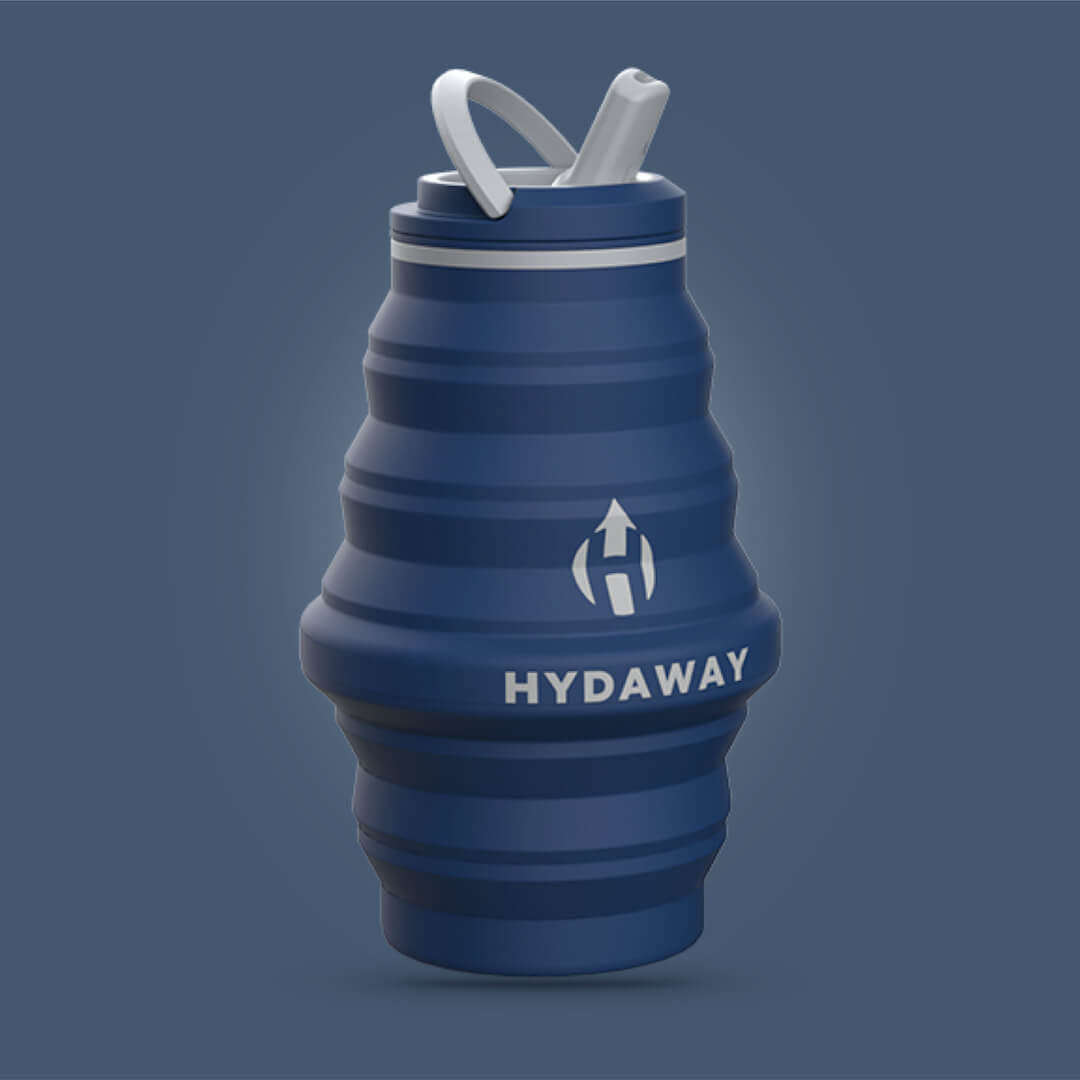
This mindset transforms every decision into an opportunity. When you fill up your HYDAWAY collapsible bottle from a public fountain in Rome, you’re not just saving a few euros. You’re actively preventing another piece of plastic from potentially ending up in the Mediterranean. It's a simple, actionable step that lets you enjoy your trip while feeling good about your impact.
The Awesome Ripple Effect of Your Choices
Think about it: every time you pick a locally-owned guesthouse over a massive resort, or buy a souvenir directly from a community artisan, you're putting money straight into the local economy. You’re helping to preserve a culture.
When millions of us make these kinds of choices, it creates a powerful force for good. It sends a clear message to the entire travel industry that sustainability isn’t just some buzzword—it's what we, the travelers, demand. This guide is here to show you just how easy it is to have an incredible trip and leave a positive impact, making your adventures richer and more memorable than ever.
Building Your Sustainable Travel Toolkit
Thinking about sustainable travel often starts with the big picture—flights, destinations, hotels. But one of the most powerful changes you can make begins right in your suitcase, long before you even lock the front door.
Putting together a smart, reusable toolkit is your first line of defense against single-use waste on the road. This isn't about cramming more stuff into your luggage. It's about being strategic and packing versatile items that knock out the need for disposables.
Pack for Convenience and Impact
The goal here is a go-to, zero-waste kit that has your back in any situation. Think beyond just a water bottle. We're talking solid shampoo and conditioner bars that ditch plastic bottles entirely, a feather-light reusable shopping bag for those unexpected market finds, and maybe a set of bamboo utensils to politely refuse that flimsy plastic fork.
Every single item in your kit should make your life easier. Picture this: you're hiking the stunning trails of Zion National Park. Instead of juggling a bunch of plastic water bottles, a 25oz HYDAWAY collapsible bottle keeps you hydrated all day and then flattens down to almost nothing when you're done. It's a simple, practical switch that saves space and keeps plastic out of a beautiful place, helping you act on your desire to protect national parks.
The same logic applies to food. You’re wandering through a vibrant street market in Thailand, and the food smells incredible. An insulated HYDAWAY Camp Bowl with a secure lid means you can grab some delicious leftovers to-go without needing a Styrofoam container. It fits perfectly into your life by letting you enjoy spontaneous local food experiences without the waste. Less food waste, less plastic waste. Win-win.
Packing a reusable toolkit is the ultimate travel hack. It empowers you to say "no, thank you" to single-use plastics gracefully and effortlessly, no matter where your adventure takes you.
This whole idea creates a beautiful cycle between how we travel, our sense of purpose, and the planet itself.
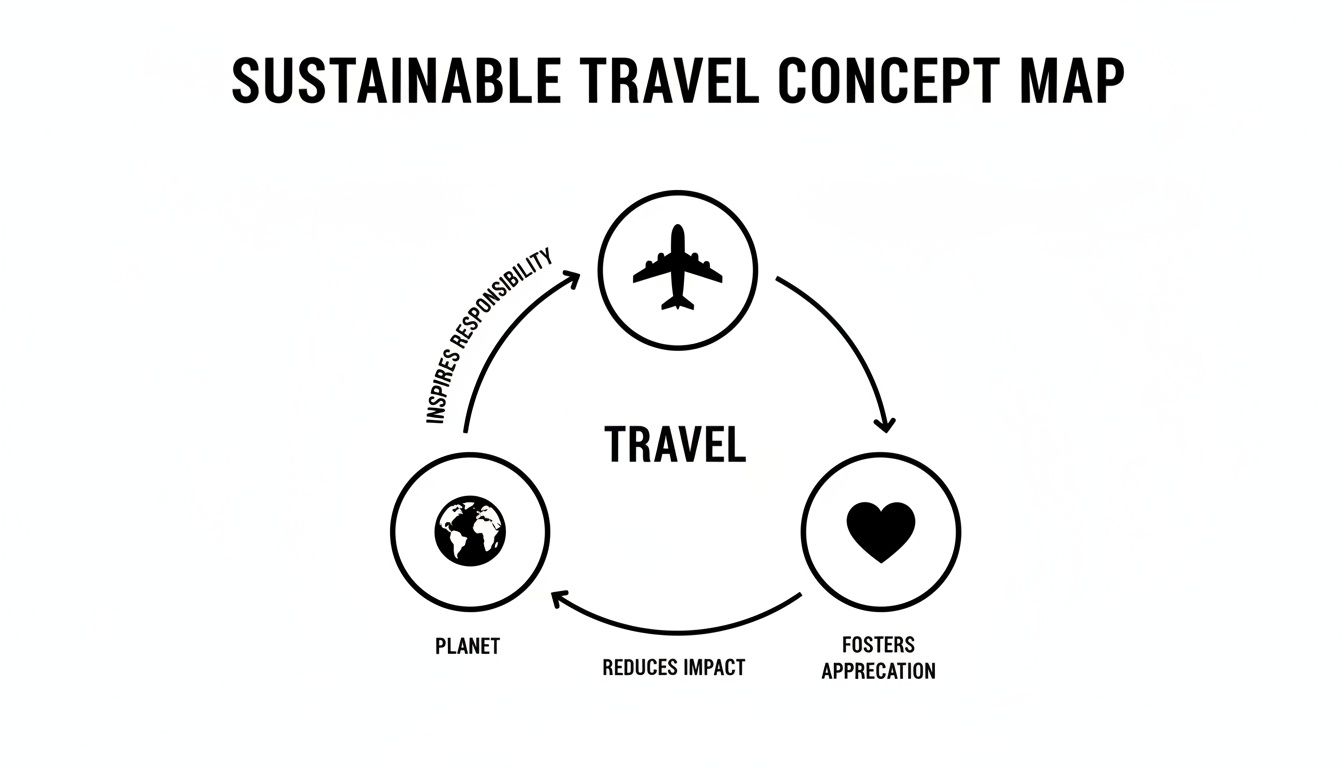
As the map shows, when our travel choices are more thoughtful, we create a positive loop that enriches our own experiences while protecting the very places we've come to see.
Your Ultimate Zero-Waste Travel Kit
Building the right kit is all about swapping common single-use items for their smarter, reusable, and often space-saving counterparts. Here’s a quick-glance table to get you started.
| Single-Use Problem | Sustainable Solution | HYDAWAY Product Fit |
|---|---|---|
| Plastic Water Bottles | Collapsible Water Bottle | The original HYDAWAY Collapsible Bottle is a no-brainer for staying hydrated on the go. |
| Takeaway Coffee Cups | Insulated Reusable Tumbler | A HYDAWAY Collapsible Tumbler keeps drinks hot or cold and packs down small. |
| Styrofoam To-Go Boxes | Spill-Proof Food Container | The HYDAWAY Camp Bowl is perfect for leftovers or packing your own lunch. |
| Plastic Cutlery | Bamboo or Metal Utensil Set | While not a HYDAWAY product, this is a must-have companion for your Camp Bowl. |
| Disposable Party Cups | Collapsible Pint Glass | The HYDAWAY Collapsible Pint means you’re always ready for a cold one, minus the plastic cup. |
With just a few key items from HYDAWAY, you can dramatically cut down your travel footprint without sacrificing convenience, helping you live out your sustainable values.
Real-World Scenarios with Smart Gear
The right gear makes the sustainable choice the easy choice. It just slides right into your travel routine.
- The Family Vacation: Imagine a family at a theme park. Instead of shelling out for pricey bottled drinks all day, they can bring their own HYDAWAY Collapsible Tumblers. Refilling at water fountains saves a ton of money and stops a mountain of plastic from ending up in the trash. This practical solution meets their need to save money and be more eco-friendly.
- The Digital Nomad: A remote worker finds a favorite café in Bali. They bring their HYDAWAY Collapsible Pint for their daily iced coffee. It’s a small act, but it cuts down on cup waste and makes them feel more like a part of the local scene. This simple habit fits their daily routine and aligns with a desire for responsible living.
- The Eco-Conscious Beachgoer: Heading to a place like Hawaii? Your sunscreen choice really matters. An estimated 8,000–16,000 tons of sunscreen wash into our oceans every year, and the chemicals are devastating to coral reefs. Always pack a reef-safe, non-nano mineral sunscreen and pair it with UPF clothing. This is a crucial current issue, with destinations like Hawaii and Palau banning sunscreens with reef-harming chemicals.
Building your own kit is a personal journey, but the result is universal: less waste, richer experiences, and a much lighter footprint on the places you love. For more ideas, check out this great guide on essential eco-friendly travel products to make your next trip even greener.
Making Conscious Transportation and Lodging Choices
Your travel footprint often starts long before you feel the sand between your toes or the cobblestones under your feet. The truth is, how you get there and where you stay are two of the most significant decisions you'll make. Nailing these choices is a huge part of traveling more sustainably.
How you travel from point A to point B matters. A lot. While flying is sometimes unavoidable for crossing oceans, it carries the heaviest carbon footprint per passenger. Whenever possible, look at alternatives. Train travel, especially on Europe's expanding network of high-speed and sleeper trains, is dramatically more energy-efficient. For shorter hauls, driving an EV or hybrid can be a better option, especially if you’re traveling with others.
Once you arrive, your choices continue to make a difference. The good news is that a growing movement of travelers is opting for greener ground transportation. For zipping around town or taking short trips, grabbing an electric bike for commuting can slash your carbon footprint while being a seriously fun way to explore.
Choosing Greener Ways to Get Around
Think about your daily explorations. Instead of automatically hailing a cab or renting a car for the week, challenge yourself to experience a destination like a local would.
- Embrace Public Transit: Metros, trams, and buses aren't just cheap; they drastically cut down emissions compared to a bunch of individual car trips.
- Walk or Bike: There is simply no better way to discover hidden alleys, local shops, and the true rhythm of a city than on your own two feet or from the seat of a bike.
- Fly Smarter: If flying is a must, try to book direct flights. Takeoffs and landings burn the most fuel, so one direct flight is way more efficient than a route with layovers. Many airlines now also offer sustainable aviation fuel (SAF) options during booking.
The most authentic travel memories are often made when you slow down and immerse yourself in the local pace. Choosing to walk or use public transit isn't a sacrifice; it's an upgrade to your experience.
Vetting Your Accommodations
Just as important as how you get there is where you lay your head at night. The term "eco-friendly" gets thrown around a lot, but what does it really mean? A good starting point is to look for hotels and guesthouses with legitimate certifications.
Organizations like the Global Sustainable Tourism Council (GSTC) and Green Key provide third-party verification that an accommodation meets high standards for environmental and social responsibility. These labels are more than just slick marketing; they signify a real commitment.
Recent data shows that travelers are actively looking for these places. A report from Booking.com revealed that 65% of travelers feel markedly better about staying at properties with sustainability certifications. This has pushed over 500,000 properties worldwide to earn these labels. What's more, 43% of travelers plan to walk, bike, or use public transit while sightseeing, signaling a powerful shift in mindset.
When you're booking, don't just stop at the certifications. Dig a little deeper on their website and look for tangible practices:
- Water conservation programs like linen reuse options.
- Energy-saving measures like solar panels or key-card electricity.
- Waste reduction initiatives, including comprehensive recycling and composting.
- Real support for the local community, like hiring local staff and sourcing food from nearby farms.
By putting in a little research upfront, you can ensure your travel dollars support businesses that genuinely care for their environment and their community.
How to Be a Responsible Traveler on the Ground
Once your plane touches down or your car pulls into town, this is where your sustainable travel habits really get to shine. The way you interact with a new place can be a huge force for good, especially when you’re mindful of the local resources, the waste you create, and how you engage with the community.
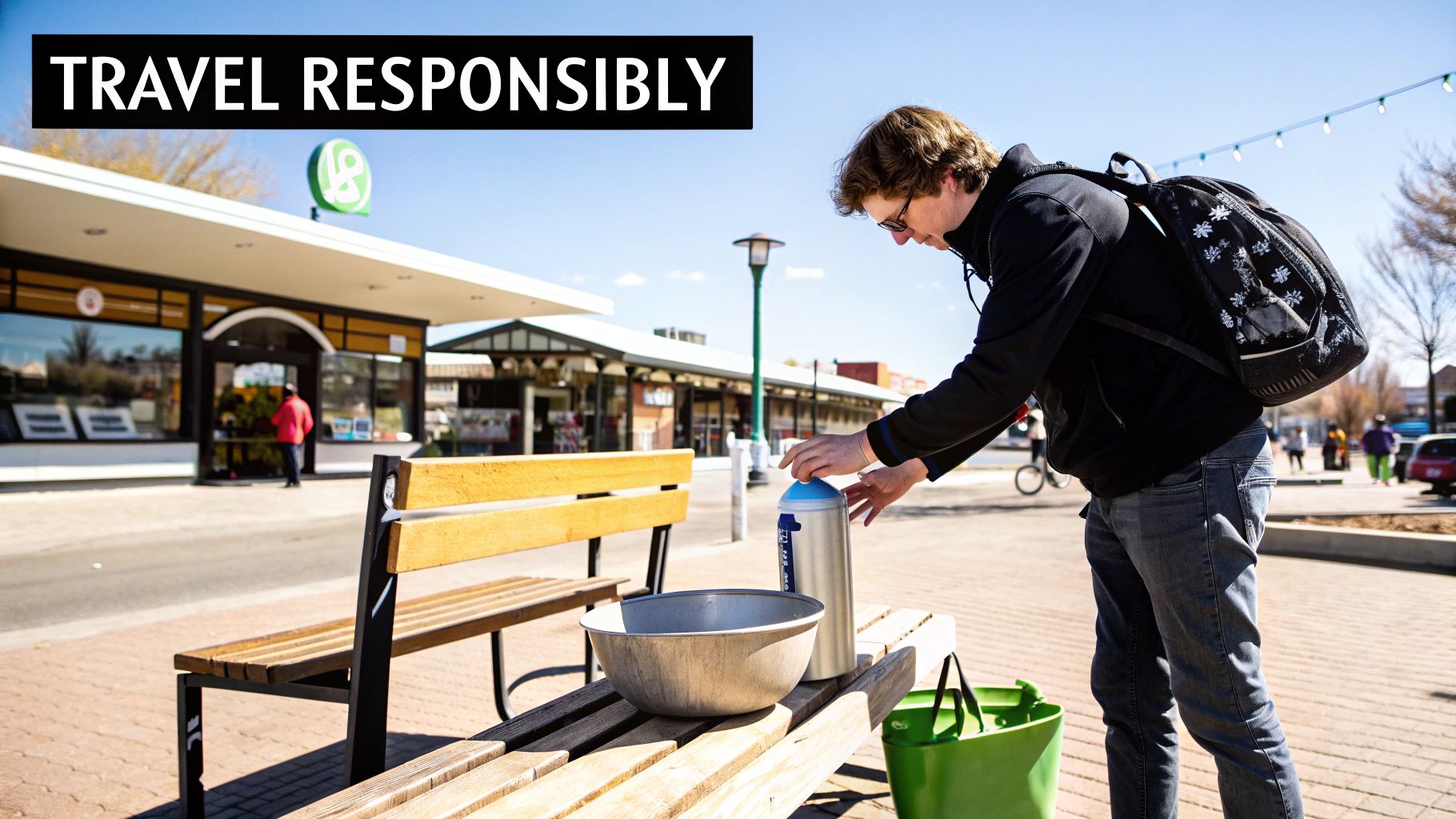
It all boils down to small, conscious choices. Think about it: many amazing destinations, particularly islands or places in arid climates, are dealing with serious water and energy shortages. You can make a genuine difference just by taking shorter showers or remembering to flip off the lights and AC when you head out for the day. These aren't huge sacrifices, but they take a massive strain off the local infrastructure.
Put Your Zero-Waste Toolkit to Work
Now’s the time to break out all that great reusable gear you packed. Having your HYDAWAY collapsible bottle ready to go means you can fill up at the hotel or a public fountain without ever thinking about buying a plastic bottle. It's a simple, practical way to act on your desire to reduce waste.
Picture yourself wandering through a market in Mexico and buying some incredible fresh fruit. Instead of taking the flimsy plastic bag they offer, you can just pop it into your reusable HYDAWAY Camp Bowl. It's an easy way to live your values and it fits seamlessly into your daily explorations, helping you avoid waste effortlessly.
Being a responsible traveler means leaving a place better—or at least the same—as you found it. Every time you choose a reusable item over a disposable one, you’re actively participating in the preservation of your destination’s beauty.
These habits do more than just shrink your own footprint. They send a clear message to local businesses that sustainability is important to visitors, and they set a great example for other travelers, too. If you’re hungry for more ideas, we’ve got a bunch of practical tips on how to reduce plastic waste on the road and at home.
Engage Respectfully and Support Locally
Beyond just being green, responsible travel is about connecting with the community you’re visiting. It’s about making choices that put money directly into local pockets and showing respect for cultural traditions.
- Dine at Family-Owned Restaurants: Skip the big international chains. Hunt down those little hole-in-the-wall spots run by local families for an authentic meal. Your money stays right there in the community.
- Shop at Local Markets: When you’re looking for souvenirs, buy directly from the artisans at a local market. You’ll get a much more meaningful keepsake, and you’ll be supporting their craft.
- Hire Local Guides: Always try to book tours with companies that employ local guides. Their personal stories and deep knowledge offer a way richer experience, and you’re supporting local jobs.
And if your adventures take you into the ocean, understanding responsible and considerate diver etiquette is non-negotiable. At the end of the day, respectful behavior—whether you're on land or underwater—is what sustainable tourism is all about. It makes sure your trip is a positive experience for everyone involved.
Sustainable Travel Practices for Every Adventurer
Sustainable travel isn't a one-size-fits-all checklist; it’s more of a mindset that you can adapt to whatever adventure you're on. The way a family approaches a theme park trip will be totally different from a solo backpacker's strategy. The real trick is finding practical, sustainable habits that actually fit your specific journey.
No matter your travel style, it's clear there's a global shift happening. Countries like Japan are setting a seriously high bar, even topping the World Economic Forum's index for sustainable tourism. This isn't just a fluke—it reflects a massive trend. A whopping 76% of travelers say they want greener trips, even with budgets getting tighter.
While only 43% are willing to pay more for it, the habit of making better choices is sticking around. In fact, we've seen a 23% jump in destination sustainability over the last nine years. You can dive deeper into the future of sustainable tourism at WEForum.org.

For Campers and Van-Lifers
Life on the road is built on minimalism and a deep respect for nature, which is why Leave No Trace principles feel like second nature. This lifestyle requires gear that’s not only tough but also incredibly space-efficient. Every inch counts.
Your setup is your whole world, so every item has to earn its spot. A HYDAWAY Camp Bowl is a game-changer—perfect for morning oatmeal, hearty campfire chili, and everything in between. The spill-proof lid means you can actually save leftovers without making a mess or creating waste. It fits perfectly into a minimalist lifestyle by being multipurpose and compact.
Pair it with a collapsible HYDAWAY bottle, and you’ve got a compact, zero-waste system that’s ready for anything. It's one of the easiest ways to stay organized and pack smart, helping you act on your desire to live more simply and sustainably on the road. We've got more tips on this in our guide on how to pack light for any trip.
For Digital Nomads
As a digital nomad, you get to blend into new communities for weeks or even months at a time. This gives you a unique chance to really live like a local and shrink your daily footprint.
One of the simplest habits to pick up is bringing your own cup to cafes. Instead of racking up a pile of single-use cups from your daily coffee runs, just carry a HYDAWAY Collapsible Tumbler. It's a small change that keeps a surprising amount of trash out of local landfills and shows you respect the place you're calling home. This product fits into your life by being easy to carry and helping you meet your need to reduce daily waste.
Being a conscious traveler means adapting your habits to your surroundings. For nomads, this means making small, consistent choices that reduce daily waste and support the communities you temporarily call home.
For Families on Vacation
Traveling with kids has its own unique challenges, but it's also a perfect opportunity to teach them about making responsible choices. Let's be honest, resorts and theme parks are often ground zero for single-use plastics and overpriced everything.
A simple strategy can make a huge difference for your wallet and the planet. Pack a HYDAWAY Collapsible Bottle for every person in the family. This one move stops the constant cycle of buying expensive bottled water and juice, saving you a surprising amount of money while preventing a mountain of plastic trash. It's a real, tangible lesson in sustainability that kids can easily grab onto, and a practical solution that fits the family's needs for convenience and budget.
For Bucket-List Travelers
When you're heading to an iconic destination like the Galápagos Islands or trekking to see mountain gorillas, you're stepping into a fragile ecosystem. These are truly once-in-a-lifetime experiences, and protecting them has to be the top priority.
Your main responsibility here is to choose tour operators with a proven track record of ethical and sustainable practices. Look for companies with legitimate certifications that put wildlife welfare and community benefits first. This always means no direct contact with wild animals and keeping a respectful distance. A current example is ensuring your operator in places like Costa Rica is certified by the local tourism board for sustainable practices.
By putting your money toward operators who are genuine stewards of the environment, you help ensure these incredible places will still be around for the next generation of adventurers.
Common Questions About Sustainable Travel
Once you start thinking about traveling more sustainably, a few questions usually pop up. It's totally normal to wonder about the cost, the real impact, and how to actually shift your habits without a ton of extra effort. Let's tackle some of the most common concerns so you can hit the road feeling confident and ready.
Does Sustainable Travel Have to Be Expensive?
Not a chance. In fact, you'll probably find that traveling more sustainably ends up saving you a good bit of cash. Just think about how quickly the cost of buying single-use plastic water bottles adds up in a busy tourist spot. It's wild.
Carrying a reusable bottle, like a HYDAWAY collapsible bottle, means you can fill up for free at airports, hotels, and public fountains. This HYDAWAY product fits your life by directly addressing the need to save money while traveling. Choosing to eat at an authentic local market? That's almost always way cheaper than the tourist-trap restaurants. And opting for public transit or your own two feet will always be easier on the wallet than calling a taxi for every little trip. At its heart, sustainable travel is about consuming less, which naturally means spending less.
How Can I Find Genuinely Eco-Friendly Tours?
Finding operators who are truly walking the walk takes a little digging, but it’s so worth it. A good starting point is to look for official certifications from respected groups like the Global Sustainable Tourism Council (GSTC).
Then, get into the recent reviews. Pay close attention to what people say about the company's relationship with the local community and their environmental practices. And don't ever be afraid to ask direct questions before you hand over your money:
- How do you manage waste on your tours?
- Do you hire local guides and staff exclusively?
- What's your policy on wildlife interactions?
A transparent, truly sustainable company will be excited to tell you about what they're doing right. Red flag alert: be very wary of any tour that promises you can touch or hold wild animals. These kinds of operations are almost always unethical and incredibly harmful.
Your individual choices absolutely make a difference. The travel industry is driven by consumer demand. Every time you book a hotel with a verified eco-label or eat at a local restaurant, you are casting a vote for a more sustainable form of tourism.
Can My Individual Choices Really Make a Difference?
Yes, one hundred percent. It might feel like a small drop in a huge ocean, but your actions are the building blocks of this entire shift. Every single time you pack up your leftovers in your HYDAWAY Camp Bowl instead of a styrofoam box, you've stopped another piece of trash from littering some beautiful place. This is a practical way your desire to protect the planet translates into a simple action.
Now, multiply your choices by the millions of other travelers making similar ones. That's how you create a powerful ripple effect. This collective demand sends a clear message to the entire travel industry that sustainable travel practices aren't just a niche trend—they're what we expect.
Ready to make your adventures more sustainable and convenient? Explore the full collection of collapsible, space-saving gear from HYDAWAY and build your ultimate travel toolkit today. Start your journey at https://myhydaway.com.