


Your Guide to Smart Substitutes for Plastic Bags

So, you're on the hunt for a good substitute for plastic bags. You've seen them tangled in trees and floating in waterways, and you just know there has to be a better way to haul groceries, pack a lunch, or keep your life organized. The good news? There is. From sturdy reusable totes and clever collapsible containers to innovative beeswax wraps, the best options are the ones that slot right into your lifestyle, making sustainability feel less like a chore and more like a smart upgrade.
The Real Reason We're Ditching Single-Use Plastic
Let’s be real for a second. You’re here because that flimsy, one-and-done plastic bag just doesn't make sense anymore. We've all seen the pictures and heard the stories about their impact on our parks and oceans. This isn't just some passing trend; it's a genuine global shift toward being more mindful.
Finding better alternatives is a practical step toward a cleaner, more organized life—one that’s free from the clutter and guilt of throwaway items. This isn't about chasing perfection. It's about feeling empowered to make smarter choices, one bag at a time. For instance, instead of getting a plastic bag for a single croissant at your local coffee shop, you could pop it into a small reusable pouch. It's these small, daily actions that add up.
When you opt for a reusable solution, it's more than just a personal win. You're joining a massive positive movement. Consumers are demanding better, and policymakers are finally starting to listen. You can dive deeper into what makes these items so wasteful in our detailed guide on what single-use plastics are.
The Global Push for Better Alternatives
This whole movement is backed by some pretty powerful data. As consumer habits change and new policies kick in, we're seeing a real drop in plastic consumption. Take the EU, for example. Between 2018 and 2023, several countries saw massive reductions in lightweight plastic bag use. Belgium cut its consumption by an incredible -86%, and Sweden wasn't far behind at -85%.
It’s proof that when we all move together, supported by smart regulations, we can make a huge difference. The best choice for you just comes down to what you need it for. This handy decision tree can help you figure out which substitute works best for your daily grind.
As you can see, it’s all about context. A big tote is perfect for a major grocery haul, a compact container is a lifesaver for lunch, and a small pouch is just right for those quick errands.
Finding Your Perfect Plastic Bag Substitute
To help you narrow down the options, we put together a quick-glance guide to the most popular alternatives we'll be covering. Think of it as your cheat sheet for finding the perfect match based on what you’re carrying and what matters most to you.
| Alternative | Best For | Key Benefit |
|---|---|---|
| Reusable Shopping Bags | Grocery runs, farmers' markets, and bulk shopping | High capacity and durability for heavy loads |
| Silicone Storage Bags | Food prep, freezing leftovers, and packing snacks | Airtight seal preserves freshness and prevents leaks |
| Beeswax Wraps | Covering bowls, wrapping sandwiches, and storing produce | Molds to any shape, creating a natural, breathable seal |
| Collapsible Containers | Lunches, travel meals, and on-the-go food storage | Space-saving design that collapses flat after use |
| Mesh Produce Bags | Buying fruits and vegetables without plastic | Lightweight and breathable, extending produce life |
| Packing Cubes | Organizing luggage, gym bags, and backpacks | Compartmentalizes items for efficient and tidy packing |
Each one of these offers a unique way to tackle plastic waste. For instance, a set of HYDAWAY collapsible containers can easily replace dozens of single-use plastic bags during your weekly meal prep, and they collapse down to save precious cabinet space when you're done. It's about finding what works for you and making it a habit.
Choosing Your Go-To Reusable Shopping Bag
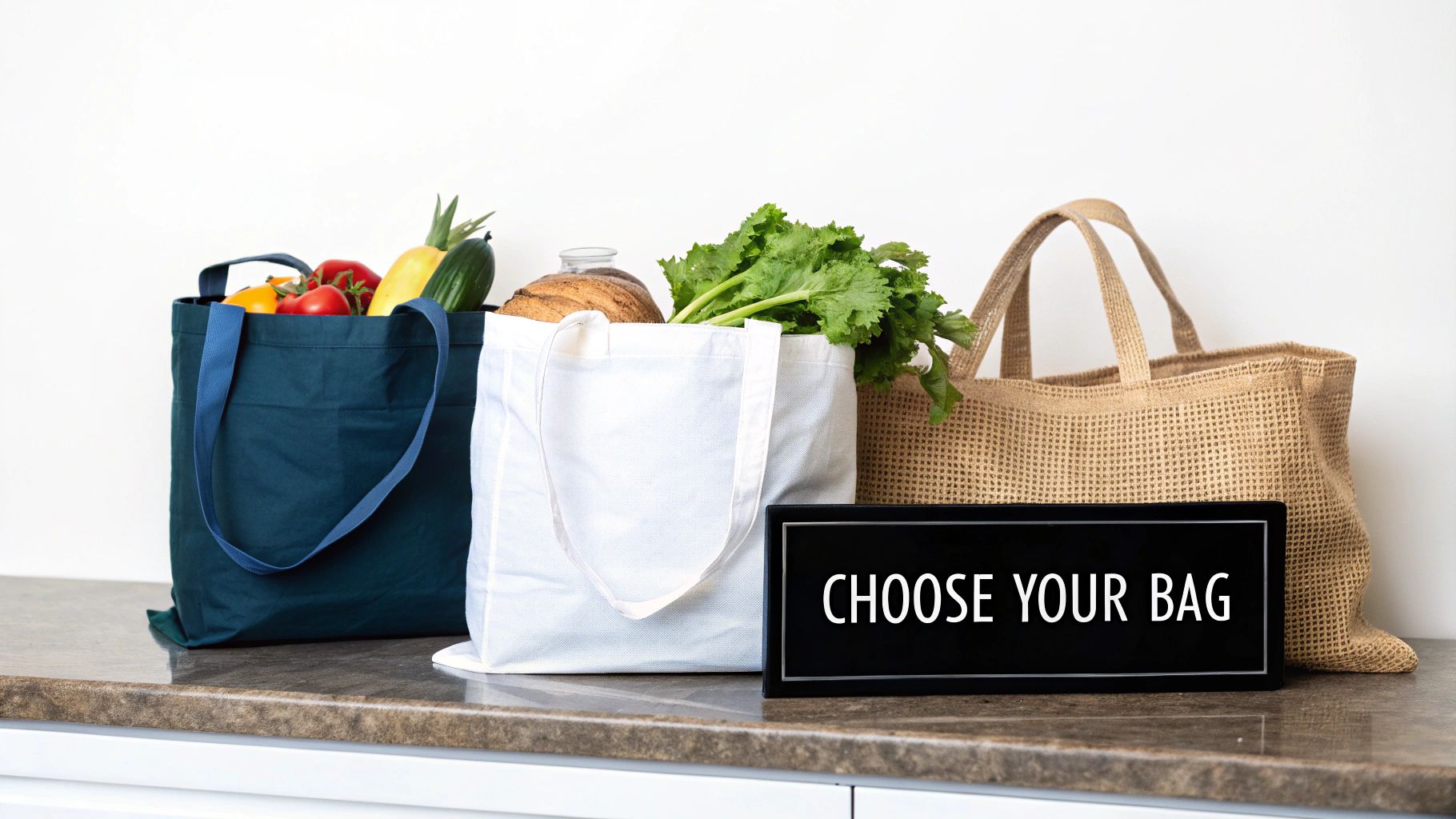
Switching to reusable bags seems simple enough, but picking the right one? That can feel surprisingly complex. The best alternatives to plastic bags aren't just about good intentions; they have to be practical, tough, and actually fit your life. A bag that’s perfect for a quick farmers' market stop might not survive a heavy-duty warehouse club haul.
Think of your reusable bags like tools in a toolbox—you wouldn't use a tiny hammer for a job that needs a sledgehammer. Having a few different types on hand means you’re ready for anything, whether it's grabbing a couple of last-minute items or tackling a full week's worth of groceries. Let's dig into the most popular materials to help you find your perfect match.
Cotton and Canvas: The Reliable Workhorses
When you picture a classic reusable bag, you're probably thinking of cotton or its heavy-duty cousin, canvas. These are the undisputed champs of the grocery aisle, and for good reason. Their natural fibers give them some serious strength, letting you carry heavy stuff like milk jugs, canned goods, and glass jars without worrying about the bottom tearing out.
A solid canvas tote is the ultimate workhorse. It can handle a massive grocery list and is usually machine washable, so spills are no big deal. Cotton bags are generally lighter and more foldable, making them perfect to stash in your car or backpack for those unplanned shopping trips.
- Pros: Super durable, easy to find, machine washable, and biodegradable at the end of their very long life.
- Cons: They take a lot of water and energy to produce, so you have to use them consistently—we’re talking hundreds of times—to really offset their initial environmental footprint.
Jute Bags: The Natural and Sturdy Choice
Jute bags bring a rustic, earthy vibe but with surprising muscle. Made from jute plant fibers, these bags are incredibly sturdy and have a rigid structure that helps them stand upright on their own. This is a game-changer when you're trying to pack groceries at the checkout.
Imagine you're at a weekend market, picking up potatoes, onions, and other root veggies. A jute bag is perfect for this. Its breathable weave helps keep produce fresh, and its rugged build makes it a reliable choice for frequent shoppers.
A huge plus for jute is its lower environmental impact compared to cotton. It needs less water and fewer pesticides to grow, making it a more sustainable pick right from the start.
Recycled PET and Nylon: The Lightweight Champions
If convenience and portability are your top priorities, bags made from recycled PET (polyethylene terephthalate) or nylon are where it's at. These are those ultra-light, foldable bags that squish down into a tiny pouch you can clip to your keychain or toss in a pocket. They're the perfect fix for unexpected errands or for travelers needing to save every inch of space.
Think about the last time you were out and decided to pop into a store on a whim. Having a compact nylon bag in your purse or glove compartment means you can always say no to plastic. While they are made from synthetic materials, using recycled PET gives post-consumer plastic a second life and keeps it out of landfills.
- Pros: Extremely lightweight, compact, water-resistant, and surprisingly durable for their weight.
- Cons: They aren't biodegradable and can shed microplastics when washed. It's best to hand-wash them or use a special laundry bag to minimize this.
Finding the right reusable bag is a huge first step, but what about all the other single-use plastics in your day-to-day? For lunches, leftovers, and on-the-go snacks, a set of HYDAWAY collapsible containers can be the perfect partner to your new bags. They offer the same waste-reducing benefits but are designed for food, keeping it fresh while collapsing down to save space on your way home.
Smarter Solutions for Food Storage and Daily Life
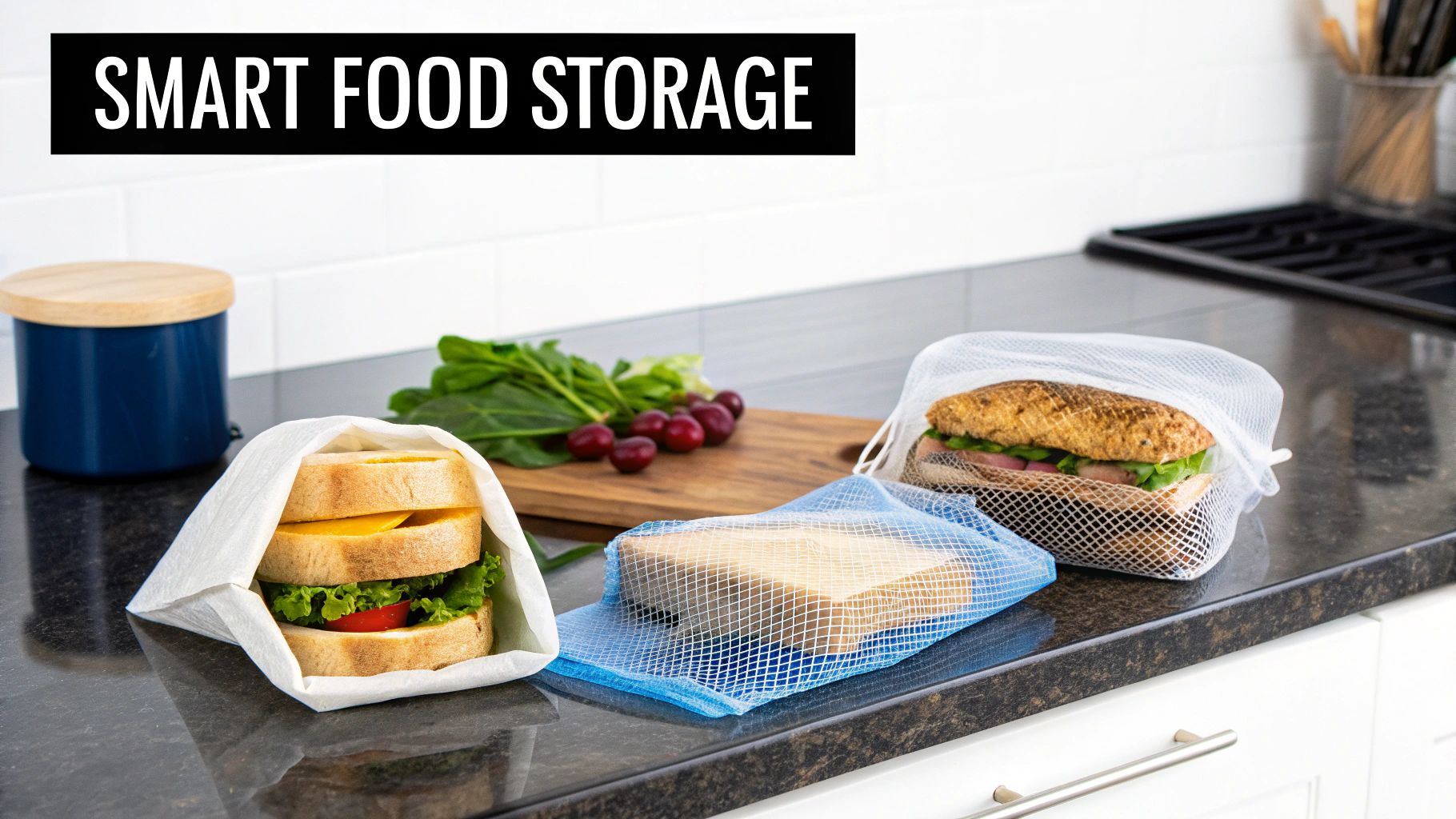
While bringing your own shopping bags to the store is a great first step, it only scratches the surface. The truth is, single-use plastics are sneaky. They pop up everywhere, from your kid's lunchbox to the back of your freezer, holding snacks, leftovers, and all sorts of little things. To make a real dent in our plastic habit, we need to find better options for these everyday moments.
The good news? Today's alternatives aren't just eco-friendly—they're often flat-out better than the flimsy plastic they replace. They seal tighter, last way longer, and are designed for how we actually live. This is about upgrading your routine, not just making a sacrifice.
Beyond the Sandwich Bag: Silicone Solutions
Silicone storage bags are a true game-changer in the kitchen. Made from food-grade silicone, these durable, flexible pouches are a direct swap for disposable baggies, but they can do so much more. The pinch-lock seal creates a totally airtight and leakproof barrier, making them perfect for just about anything.
Think about your weekly meal prep. You can marinate chicken, freeze leftover soup, or store chopped veggies for quick dinners, all without reaching for a single piece of plastic. They’re a lifesaver for parents packing lunches, too—fill one with apple slices or trail mix, and you know it won’t spill all over a backpack. When you’re done, just toss them in the dishwasher.
And they’re not just for food. Use them to keep toiletries from leaking in your suitcase, protect your phone on a camping trip, or even for sous vide cooking. Their versatility makes them a powerful tool for decluttering both your kitchen and your trash can.
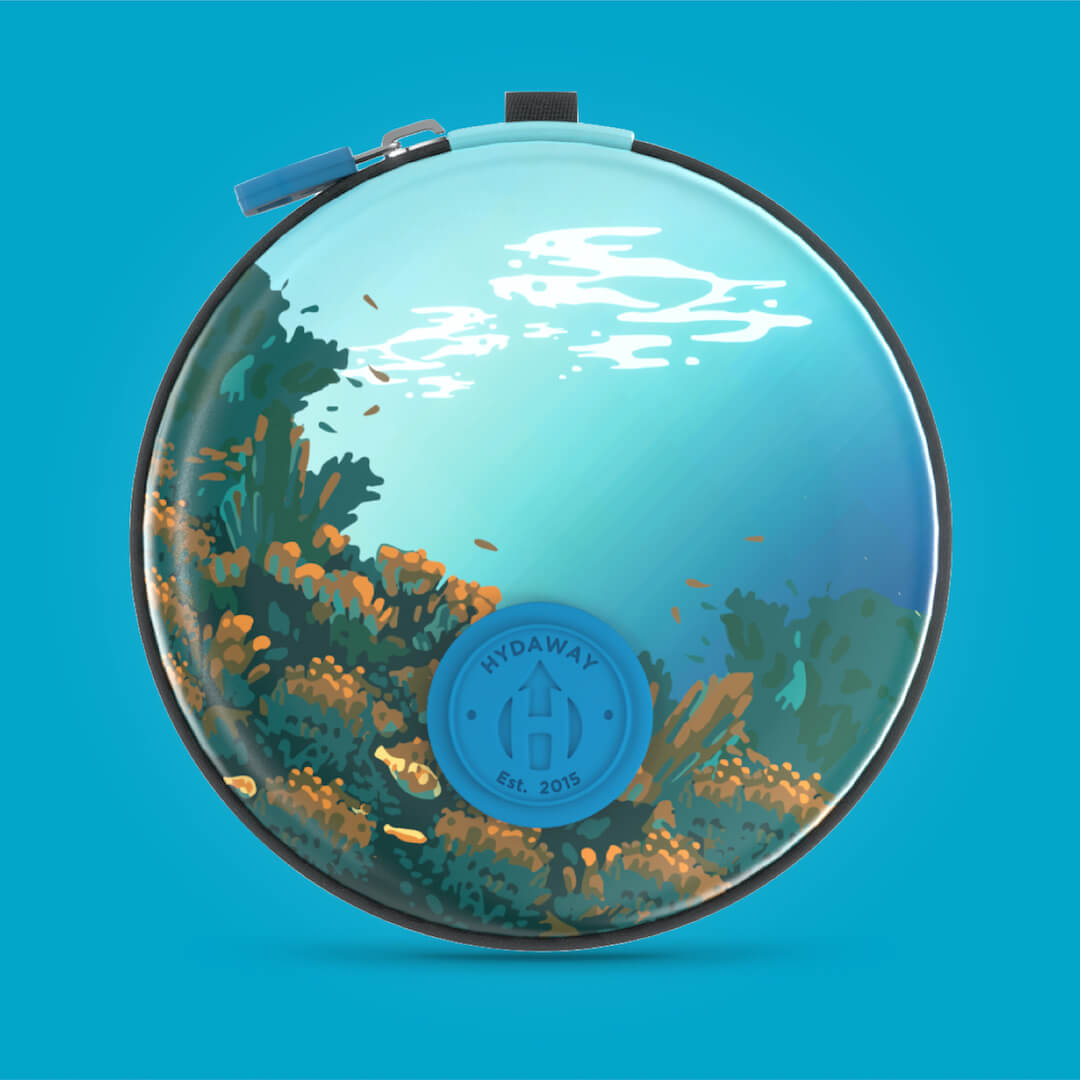
Another brilliant addition is a set of HYDAWAY collapsible containers. They give you that same airtight storage but with a sturdier structure that’s perfect for packing a real lunch or storing last night's pasta. The best part? When they’re empty, they collapse down to a slim disc, freeing up precious space in your bag for the commute home. For more great ideas, check out our guide on the benefits of collapsible silicone food containers.
Beeswax Wraps: The Natural Alternative to Plastic Wrap
For decades, plastic wrap has been the go-to for covering a bowl or wrapping a sandwich. Beeswax wraps are a charming and surprisingly effective replacement. They’re simply cotton cloths infused with beeswax, jojoba oil, and tree resin. The warmth from your hands softens the wrap, letting you mold it over a bowl or around a piece of food to create a breathable, natural seal.
That breathability is actually a huge advantage. Plastic wrap suffocates food, but beeswax wraps let just enough air circulate to keep things like cheese, bread, and avocados fresh for longer. They’re perfect for wrapping half an onion, covering a salad bowl, or packing a muffin for a snack. To clean them, just give them a quick rinse with cool water and a little soap.
Mesh Produce Bags: Your Farmers Market Ally
We’ve all been there—standing in the produce aisle, surrounded by those flimsy, hard-to-open plastic bags. Mesh produce bags are the simple, brilliant answer. Made from lightweight cotton or recycled materials, they let you bag up your apples, onions, and greens without adding more plastic to your cart.
Using them couldn't be easier. Just keep a set tucked inside your reusable shopping totes. When you get home, you can rinse your produce right in the bag and pop it straight into the crisper drawer. The mesh design promotes great airflow, which helps prevent moisture buildup and keeps your fruits and veggies fresh.
Eco-Friendly Alternatives for Travelers and Commuters
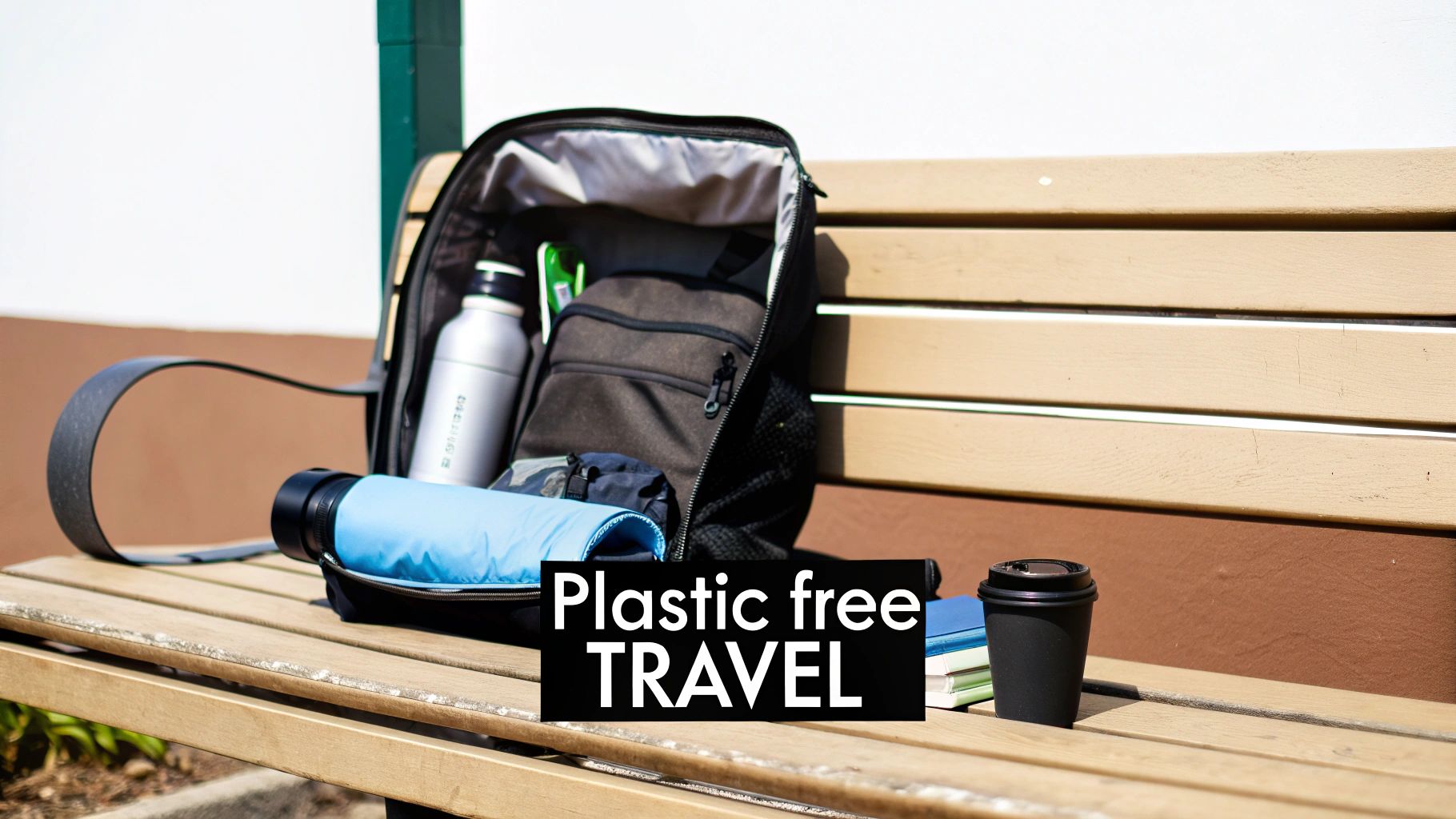
When you're constantly on the move, dodging single-use plastic can feel like an uphill battle. Airports, train stations, and roadside cafes are practically swimming in disposable packaging. But for travelers, commuters, and adventurers, finding the right substitutes for plastic bags isn’t just about being green—it's about smart, efficient packing.
A mobile lifestyle demands gear that’s lightweight, compact, and pulls double duty. Bulky containers that hog precious backpack space just won't cut it. The best solutions are the ones that work hard when you need them and practically disappear when you don’t, making a waste-free journey not just possible, but easy.
The Power of Collapsible Design
This is where modern innovation really shines, giving us the perfect answer for on-the-go waste reduction: collapsible containers. Imagine packing a healthy lunch for work or bringing snacks for a long flight in a sturdy, leakproof container. After you’ve finished your meal, instead of being stuck with a bulky box, you just collapse it down to a slim, flat disc that slips right back into your bag.
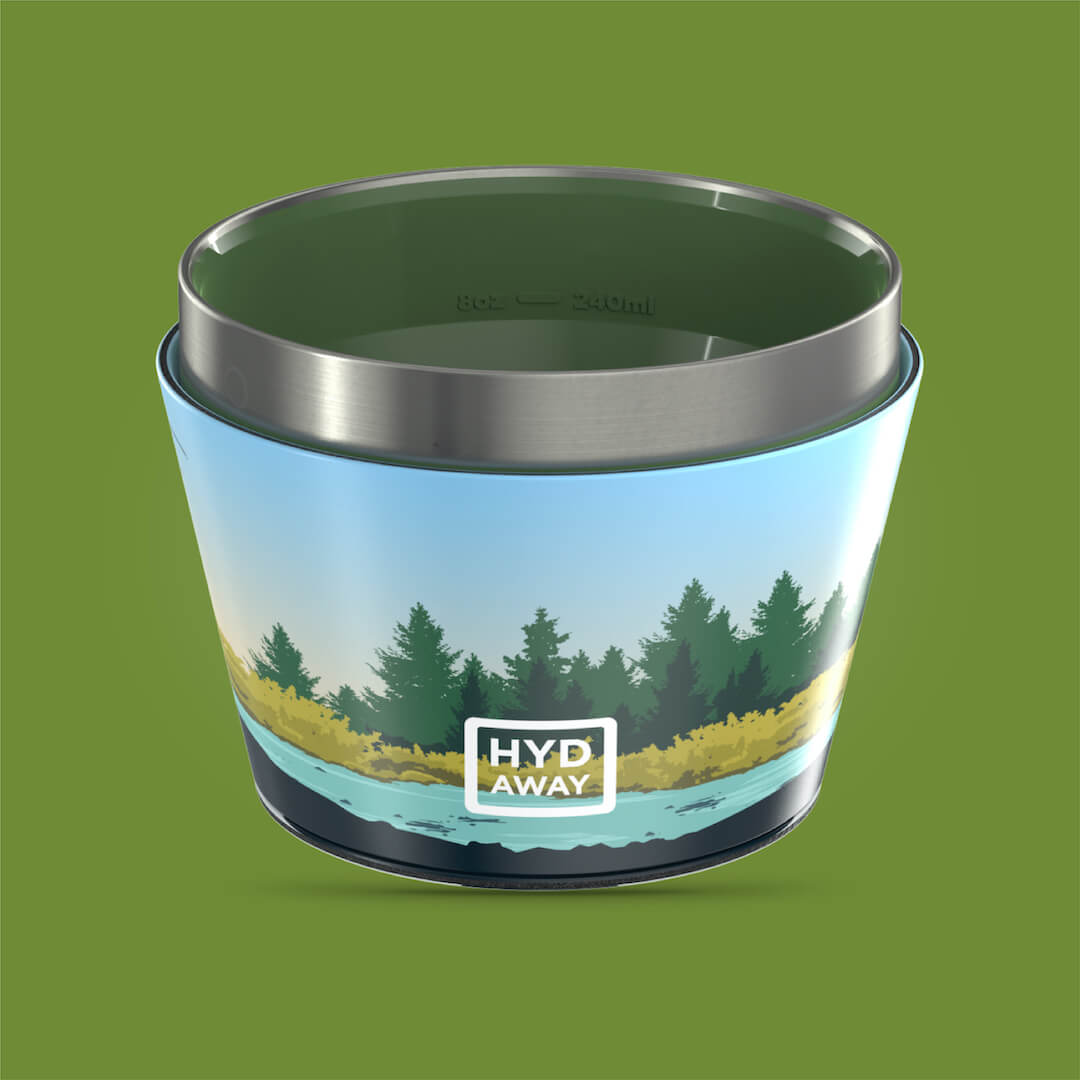
That's the magic behind HYDAWAY's collapsible containers and bowls. They were designed specifically for people who value both space and convenience. You get all the durability of a rigid container without the permanent bulk, which means you can finally say goodbye to flimsy disposable baggies and clunky plastic boxes.
A business traveler can pack a HYDAWAY bowl to sidestep plastic-wrapped airport snacks, while a daily commuter can enjoy a zero-waste lunch without sacrificing space in their work bag. It’s a simple switch that streamlines your daily carry.
Smart Packing for the Modern Adventurer
For hikers, campers, and anyone who loves the outdoors, the "leave no trace" philosophy is everything. This means packing out what you pack in, and single-use plastics are a heavy, messy burden. Lightweight, reusable gear is your best friend for minimizing both pack weight and your environmental footprint.
A well-chosen set of reusables makes all the difference. Think about prepping for a day hike:
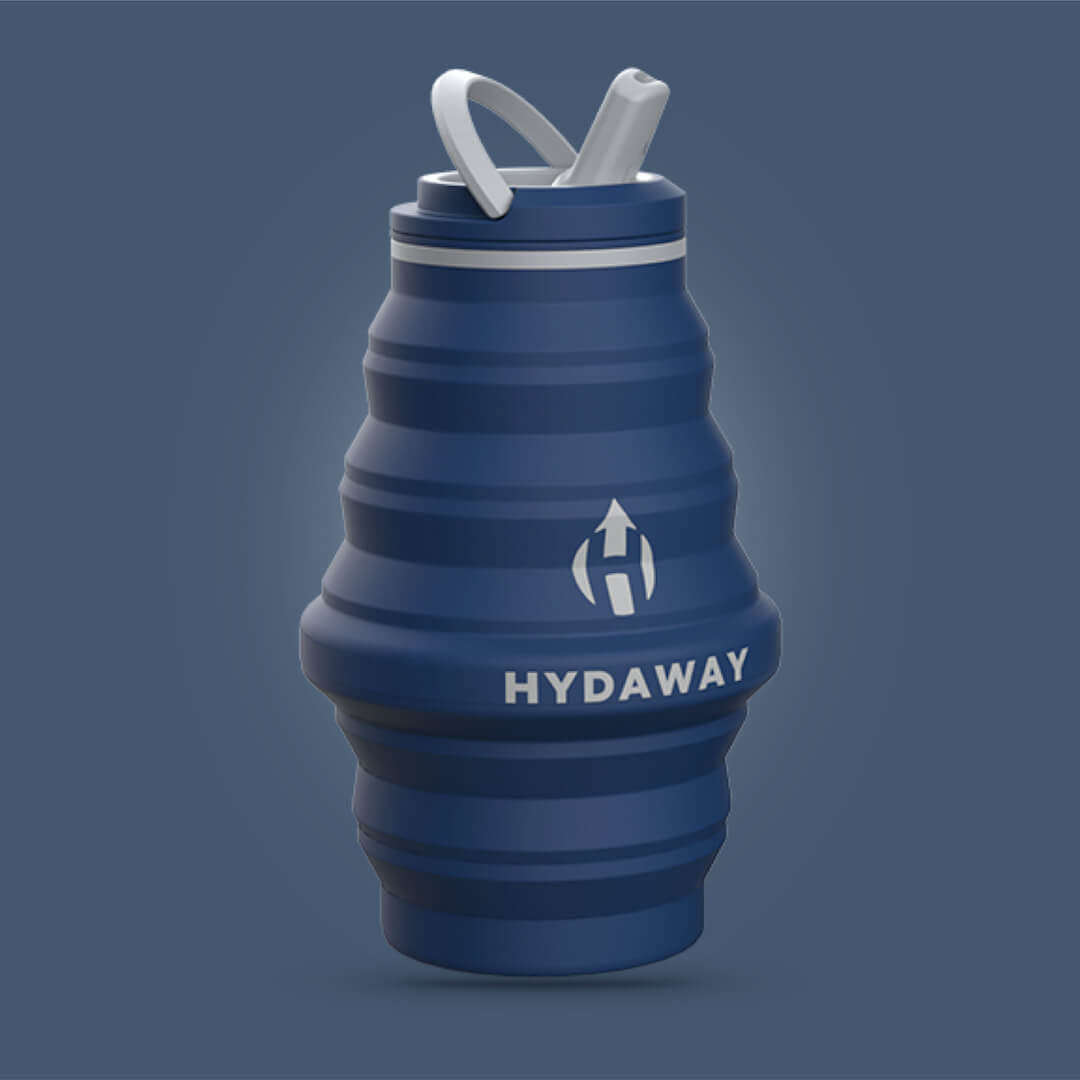
- Hydration: A HYDAWAY collapsible bottle holds plenty of water for the trail, then shrinks down to fit in your pocket once it’s empty.
- Meals: A collapsible bowl is perfect for rehydrating a trail meal or enjoying that well-deserved summit snack. It weighs next to nothing and takes up almost no space.
- Snacks: Small reusable silicone pouches can hold trail mix, nuts, or dried fruit without the crinkle and waste of plastic bags.
By building a kit of packable reusables, an adventurer can stay fueled and hydrated while leaving the wilderness exactly as they found it. The same goes for van-lifers and campers, where every inch of storage is precious. Having dinnerware that collapses flat is a total game-changer for keeping a small living space organized and clutter-free.
Making Your Daily Commute Greener
You don’t have to be scaling a mountain to benefit from portable, waste-free solutions. The daily commute is packed with opportunities to ditch single-use plastic. From your morning coffee to your packed lunch, a few smart choices can slash your daily waste.
Creating a "commuter kit" is a fantastic strategy. Just keep a small bag in your car or backpack stocked with the essentials.
- A reusable coffee cup or insulated tumbler to skip the disposable cups.
- A set of lightweight cutlery (like bamboo or titanium) to avoid plastic forks and spoons.
- A HYDAWAY collapsible container for your lunch or any takeout you might grab.
- A foldable shopping bag for those unexpected errands on the way home.
Having these items ready to go makes sustainability the easy choice. It becomes an automatic habit, not another decision you have to make during a busy day. These tools fit seamlessly into your routine, making your journey—whether across town or across the globe—a little lighter on the planet.
Beyond the Reusable Bag: The Next Wave of Sustainable Materials
While reusable bags and containers are fantastic daily drivers in the fight against plastic, there's a whole new world of materials emerging to tackle single-use waste. This isn't just about reusing things anymore. It's about getting smarter with the science of what our products are made of and, crucially, where they go when we're done with them.
We're seeing a huge rise in materials like paper, bamboo, and other natural fibers. Why the sudden popularity? It comes down to their lifecycle. Instead of sticking around for hundreds of years like plastic, they’re designed to break down and return to the earth.
This shift is more than just an environmental win; it's a massive economic opportunity that's changing how we manufacture everyday items. The market for non-plastic substitutes is booming, with global exports hitting around USD 485 billion in 2023. While glass and metal still lead the pack, plant-based options are a huge and growing piece of the pie. You can get a deeper look at this economic shift in this UNCTAD report.
Decoding the Buzzwords: Biodegradable vs. Compostable
As you start exploring these alternatives, you’ll run into a couple of key terms: "biodegradable" and "compostable." They sound pretty similar, but the difference is huge—and knowing it helps you make much better choices.
-
Biodegradable: This is a really broad, and sometimes misleading, term. It just means something can be broken down by microorganisms over time. The problem? It doesn't say how long it will take or what it breaks down into. Some "biodegradable" plastics just crumble into nasty microplastics.
-
Compostable: This is the one to look for. It's a much more specific and meaningful label. A certified compostable product will break down into natural elements—think water, carbon dioxide, and biomass—in a set amount of time in a proper composting environment. Most importantly, it leaves no toxic gunk behind.
Here's a simple way to think about it: An apple core is both biodegradable and compostable. Toss it in your backyard compost bin, and it breaks down beautifully. A "biodegradable" plastic bag, on the other hand, might need very specific industrial conditions to even begin to break down, and could still leave harmful particles in its wake.
The Rise of Plant-Based Materials
Plant-based materials are really at the heart of this new wave. They offer some seriously innovative ways to replace plastic in everything from packaging to kitchenware, taking advantage of the natural strength and renewability of plants.
Take bamboo, for instance. It's become a popular choice for things like eco-friendly bamboo cooking utensils. Bamboo grows incredibly fast with very few resources, and it's surprisingly strong and versatile. It's a true superstar substitute.
But we have to look at the bigger picture. As promising as these materials are, their current production is just a drop in the bucket compared to the massive plastics industry. Right now, plant-based alternatives make up only about 1.5% of the world's plastic production capacity. That number shows just how far we still have to go.
This is where proven, long-lasting reusables like HYDAWAY's collapsible gear become so important for your on-the-go needs. While these next-gen materials are still scaling up, having durable, space-saving items you can use thousands of times is an immediate and powerful way to cut down on waste. They perfectly bridge the gap, giving us a reliable solution for today while the materials of tomorrow continue to evolve.
How to Make Your Plastic-Free Habits Stick
Knowing the facts is one thing, but real change happens when we act. Ditching single-use plastics isn’t about one giant leap; it’s about building a series of small, consistent habits that stick. It’s about setting yourself up for success until reaching for a reusable bag is as automatic as grabbing your keys.
This shift in thinking is already making waves. The global market for plastic alternatives is expected to jump from USD 6–7 billion in 2024 to nearly USD 30 billion by 2034. That explosive growth is powered by people just like you. You can read more about these market trends and their drivers.
Build Your Reusable Go-Kit
The secret to avoiding single-use plastic is simple: be prepared. The easiest way to do that is to put together a "go-kit" that lives in your car, your backpack, or right by the front door. This isn’t about hauling around a ton of gear—it’s about having the right tools on hand for your actual life.
Your kit should look like you. A parent’s kit will have extra snack containers, while a commuter will probably prioritize a collapsible coffee cup.
- For the Car: Keep a few foldable shopping totes, a set of mesh produce bags, and maybe a spare HYDAWAY collapsible container stashed in a bin in your trunk. You’ll be ready for those unplanned grocery runs or spontaneous trips to the farmers' market.
- For Your Backpack or Purse: A single, super-compact nylon bag that folds into its own little pouch is a game-changer. Add a set of lightweight travel cutlery and a HYDAWAY collapsible bottle to stay hydrated without ever needing to buy a plastic one.
Simple Tricks to Remember Your Bags
Let's be honest, one of the biggest hurdles is just remembering to bring your reusables into the store. It’s a common frustration, but a few simple memory hacks can solve it for good.
The goal isn’t perfection; it’s consistency. Think of it like this: you wouldn't leave home without your keys or phone. Your reusable kit can become just as essential with a bit of practice.
Try the "hook" method: hang your reusable bags on the doorknob you always use to leave the house. Another great trick is to put your bags right back in your car as soon as you finish unpacking groceries. By building it into your routine, you take the guesswork out of it.
Care and Maintenance for Longevity
Your reusables are an investment, and a little TLC will make them last for years. Washing your bags regularly keeps them fresh and prevents bacteria from building up. Most canvas and cotton bags can just be tossed in the washing machine, while bags made from nylon or recycled PET are better off being hand-washed to avoid shedding microplastics.
Silicone gear like your HYDAWAY collapsible bowls and containers is even easier—just pop them in the dishwasher. Beeswax wraps just need a quick rinse with cool water and a little mild soap. Taking proper care of your stuff ensures it stays hygienic and durable, which maximizes its positive impact. For more great ideas, check out some realistic guides on how to reduce plastic waste.
Got some questions about making the switch from single-use plastics? That's completely normal. Moving toward a more sustainable lifestyle always brings up a few real-world "what ifs." Let's tackle some of the most common ones head-on.
Aren’t Reusable Options Expensive Upfront?
It's true, a quality reusable bag or container costs more than a single flimsy plastic one. But it's better to think of it as a small, one-time investment that pays you back over and over again. A durable canvas tote or a set of HYDAWAY collapsible containers can easily replace hundreds, if not thousands, of single-use bags and containers throughout their life.
For instance, think about all the times you buy pre-packaged snacks or drinks for an outing. Packing your own in reusable containers saves a surprising amount of money pretty quickly. The initial cost disappears when you realize how convenient it is to always have a reliable, money-saving option ready to go.
How Do I Keep My Reusables Clean and Hygienic?
This is way easier than you might think. Keeping your reusable gear clean is simple, and it's key to making them last. Most fabric bags, like cotton or canvas totes, can just be tossed in the washing machine with your regular laundry. For some of the synthetic bags, a quick hand-wash is all they need to stay in top shape.
Silicone items are even more low-maintenance. Products like HYDAWAY's collapsible bowls and bottles are completely dishwasher safe, so cleanup is basically effortless. For something like a beeswax wrap, all you need is a quick rinse with cool water and a little mild soap, and it's ready to use again.
The real trick is building it into your routine. Make washing your reusables a habit, just like unpacking groceries or loading the dishwasher after dinner. It's a tiny step that keeps your gear fresh, safe, and always ready for your next adventure.
Is Switching Really That Convenient?
The convenience question is a big one, but honestly, most people find that a good reusable system actually makes life simpler. Once you build a little "go-kit" for your car or backpack, you're never caught off guard without a bag or container. No more last-minute scrambles or dealing with the clutter of disposable packaging.
Imagine this: you finish your lunch at the office and, instead of a bulky container, you collapse yours down to a slim little disc that vanishes in your bag for the commute home. That’s the kind of practical, space-saving convenience that modern reusables bring to the table. It’s less about making a sacrifice and more about a smart lifestyle upgrade.
Ready to make your on-the-go life simpler and more sustainable? Check out the full collection of smart, space-saving gear from HYDAWAY and see just how easy it is to carry less and do more. Find your perfect travel and daily-use companions at https://myhydaway.com.