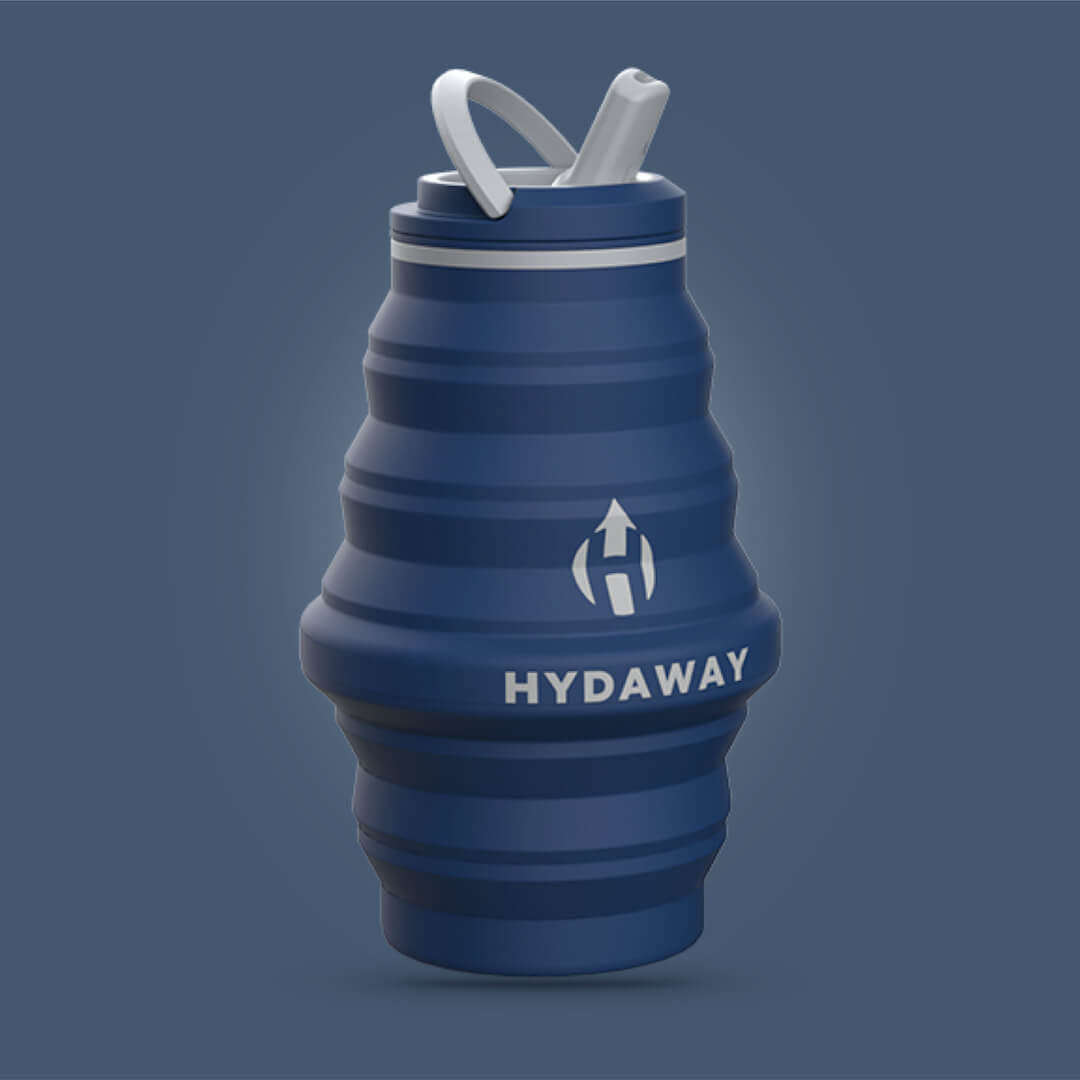



Shipping and Handling Costs: Reduce Shipping & Handling

You add a bottle, backpack, or travel case to your cart. The price looks fine. Then checkout adds another line for shipping and handling, and the order suddenly feels different.
That moment frustrates shoppers and stresses store owners for the same reason. Both sides are trying to answer a simple question. What am I paying for? If you're buying gear for a Hawaii trip, replacing a lost tumbler before a camping weekend, or running an online store with tight margins, that line item affects real decisions.
For shoppers, it can mean the difference between clicking “buy” and abandoning the cart. For sellers, it can decide whether an order is profitable at all. That matters even more now because shipping isn't just a logistics issue anymore. It's a pricing issue, a conversion issue, and in some cases a legal issue.
The Real Story Behind Your Checkout Total
A familiar checkout scene goes like this. You find the exact product you wanted, maybe something compact for travel so your bag doesn't get overloaded. The item price feels reasonable, but the final screen adds a charge labeled shipping & handling, and suddenly you're second-guessing the purchase.

That reaction isn't irrational. Shipping charges became a bigger public issue during the pandemic, when global containerized maritime freight shipping costs roughly tripled in a single year. The Freightos Baltic Index reported a 180% year-over-year increase in global shipping prices by 2021, and East Asia costs surged by an average of 220% year-over-year between November 2020 and February 2021. Research cited by the U.S. International Trade Commission also found that when shipping costs double, consumer inflation rises by 0.7 percentage points, and the 2021 increase alone was projected to raise global inflation by about 1.5 percentage points in 2022, with heavier effects on lower-income and remote economies (U.S. International Trade Commission freight cost briefing).
So the fee you see at checkout isn't random. It's connected to packaging, labor, transit, and broader supply chain pressure.
Shipping costs don't stay in warehouses. Stores pass them through, absorb them, or hide them in product prices.
For a shopper, that means comparing a cart total, not just a product page price. For a seller, it means every pricing decision needs context. A lightweight collapsible item may look cheap to ship, but box size, destination, speed, and fee structure can still change the final number.
If you're checking a brand's current delivery policies before ordering, it's smart to read the HYDAWAY shipping information before you hit the final checkout button.
Deconstructing Shipping Versus Handling
These are often treated as one thing. They aren't.
Think of takeout from a restaurant. The shipping part is the driver bringing the food to your door. The handling part is everything that had to happen before the car even moved: the container, the bag, the sealing stickers, and the staff time to pack the order correctly.
The P plus S plus H formula
Shipping and handling costs are commonly calculated as P + S + H, where P is packaging, S is the carrier transit fee, and H is handling labor for packaging operations (Study.com explanation of the formula).

That formula matters because it clears up a common confusion. A shopper may think, “Why am I paying more than postage?” A seller may think, “Why does my shipping charge never seem to cover my actual fulfillment cost?” The answer is that postage is only one part of the total.
Here's what each piece usually includes:
- Packaging means the box or mailer, inner wrap, tape, labels, inserts, and any protective material.
- Shipping means the amount charged by the carrier to move the parcel.
- Handling means the labor required to pick, pack, and prepare the order.
Why handling is real, not made up
Handling can sound vague, which is why shoppers often distrust it. But for a store owner, it's concrete. Someone has to find the product, verify the order, pack it securely, print the label, and hand it off correctly.
A compact item still creates handling work. A fold-flat bottle, travel bowl, or insulated tumbler may be easy to store, but it still needs protective packaging and labor to prevent damage or leakage in transit.
Practical rule: If a package takes materials and labor to leave the warehouse safely, handling exists whether the customer sees it broken out or not.
Why package size changes everything
The formula also points to another important fact. Inefficient packaging directly inflates costs. If a seller uses a box that's too large, the carrier may charge based on dimensional weight instead of the item's actual weight. That means empty space becomes expensive.
Many new store owners often slip up. They calculate the cost of the product, then tack on postage, and forget that the shipping box itself changes the price. The result is a fee that looks fair on paper but loses money in practice.
A good test is simple:
| Question | Why it matters |
|---|---|
| Is the box much bigger than the item? | Oversized packaging can raise carrier charges |
| Does the product need protection or just containment? | Some items need cushioning, others don't |
| Can multiple items fit one carton cleanly? | Better packing can reduce per-item cost |
When shoppers understand this split, checkout feels less mysterious. When sellers understand it, pricing gets more honest and more durable.
How Carriers Calculate Your Shipping Cost
Carrier pricing looks simple from the outside. Put item in box, weigh it, buy label. In reality, carriers judge the package from several angles at once.
Weight isn't the whole story
Actual weight still matters, but it isn't the only thing that matters. Carriers also price based on package size, destination, service speed, and a pile of surcharges that can show up after you've built your own “simple” shipping formula.

The big concept here is dimensional weight, often shortened to DIM. A carrier may charge for the space a package occupies, not just what it physically weighs. That's why a lightweight item can still be costly to ship if the box is bulky.
A collapsible bottle is a useful mental model. If it ships in packaging that matches its folded shape, the parcel stays compact. If the same bottle goes into a roomy carton with lots of dead air, the carrier may treat it like a bigger shipment than its true weight suggests.
The surcharge trap
Carriers also layer on fees that many small businesses don't spot until margins shrink. Hidden surcharges such as fuel adjustments, peak season fees, and DIM charges are often triggered by package size or delivery location, and these fees can exceed 20% of total transportation spend without consistent audits (ICC Logistics on hidden shipping fees).
That changes how you should think about shipping and handling costs. They aren't a neat flat number. They're a moving target.
A seller deciding between a mailer and a box isn't just making a packaging choice. They're making a margin choice.
A simple way to think like a carrier
Carriers usually price with questions like these in mind:
- How much space does it take up? A small dense parcel is different from a large light one.
- How far is it going? Distance and zone affect transit cost.
- How fast does it need to move? Expedited service raises the price.
- Where is it going? Some locations trigger extra charges.
If you want a rough external check before quoting large or awkward shipments, a tool like this Shipping Calculator can help you sanity-check assumptions before you publish a fee table.
A shipping rate that works for one box size can fail fast when product bundles, remote destinations, or peak-season surcharges enter the picture.
Why this matters to shoppers too
Shoppers usually see only the final number, but the logic behind it explains why two similar products can have very different checkout totals. One store may pack efficiently and negotiate well. Another may use a broad flat rate that overcharges some customers and undercharges others.
So if a shipping fee looks odd, don't just look at product weight. Look at package shape, order mix, and urgency. That's often where the actual answer is hiding.
Smart Shopping to Minimize Shipping Fees
Shoppers have more control than they think. Shipping fees often feel fixed, but your cart can change the outcome.

Bundle with purpose
The most useful tactic is strategic bundling. In a 2026 projection, free shipping thresholds in consumer e-commerce have shifted to $75 to $100 as carrier rates have increased, and one example given is that a customer can hit that threshold by bundling a collapsible backpack with a 25oz bottle, avoiding the average $6 to $10 ground shipping cost for a single item (Shippo on what to charge for shipping and handling).
That idea matters because many shoppers treat shipping as a penalty instead of comparing total value. If your cart is close to a threshold, adding one item you already need can be cheaper than paying standalone shipping.
A practical example: if you're preparing for a trip and already need a water bottle, it may make more sense to add a second travel item now rather than place another small order later. Families doing theme park days, digital nomads packing light, and retirees planning Hawaii or Europe trips often save more by consolidating purchases than by checking out quickly with a single product.
Slow down before you pay more
Urgency is expensive. If the trip isn't this week, slower shipping can be the better choice.
Try this checklist before checkout:
- Check the threshold first: If you're only a little short, compare the cost of shipping against an item you'd buy soon anyway.
- Consolidate purchases: One larger order from one seller is often cleaner than several small orders from multiple stores.
- Skip speed you don't need: Faster delivery usually raises the cost without adding value if your timeline is flexible.
For shoppers ordering branded gifts or event gear, it can also help to plan custom orders early. This guide to custom branded water bottles is useful if you're buying with a team, company, or group in mind and want to avoid rush decisions later.
Use product fit, not just product price
A compact reusable item often makes more sense in a bundle because it solves multiple needs at once. One order can cover commuting, gym use, travel, and day trips instead of repeating checkout several times across the year.
The short video below shows the kind of packable use case that makes bundling easier to justify when you're trying to hit a threshold without adding clutter.
Buy the cart, not just the item. The smartest checkout decision is the one that lowers your total cost per useful product.
Setting Profitable Shipping Rates for Your Business
For store owners, shipping strategy sits right at the intersection of math and customer psychology. Charge too much and people leave. Charge too little and you train your business to lose money.
What customers expect
In e-commerce, 92% of consumers report that free shipping directly influences their purchasing decisions, while 58% of global shoppers cite high delivery costs as their primary frustration (OpenSend shipping cost statistics). That tension explains why shipping and handling costs cause so many internal debates.
Customers want a low-friction checkout. Merchants still have to pay for fulfillment.
Three common models
Most stores end up choosing among three approaches.
| Model | Best use | Main risk |
|---|---|---|
| Real-time carrier rates | Works when box size and destination vary a lot | Checkout feels unpredictable |
| Flat-rate shipping | Easy to understand and market | Some orders lose money |
| Free shipping | Strong for conversion and average order value | Margin gets squeezed if threshold is wrong |
None of these is automatically correct. The right choice depends on order mix, packaging consistency, and margin structure.
Build the threshold from your economics
A useful rule is to set a free shipping threshold only when the order margin can comfortably absorb the typical shipping cost. That means looking beyond product price.
A seller should review:
- Average order composition: Do people buy one item or a small bundle?
- Packaging profile: Do products fit in standard packaging, or do bundle sizes vary?
- Destination mix: Are most orders local, national, or frequently remote?
- Return exposure: Some categories create more post-purchase cost than others.
If you sell reusable products in bulk, the economics can look very different from single-item direct-to-consumer orders. A merchant exploring larger-order strategy can compare ideas in this piece on reusable water bottles in bulk.
A practical mindset for newer brands
Flat rates are tempting because they're simple. But simplicity can hide bad assumptions. If your products range from small accessories to bundled kits, one flat number can undercharge heavy orders and overcharge light ones.
One option in the compact travel-gear category is HYDAWAY, which sells collapsible hydration and travel items. It's the kind of catalog where threshold design matters because customers may buy a single portable item or combine several small products into one order. That order-shape difference can change whether a flat rate makes sense.
Decision test: If your shipping policy is easy for customers to understand and still leaves room for packaging, labor, and surprises, you're close. If not, revise before scaling.
The Hidden Legal Risks in Shipping and Handling
Many stores still treat “shipping and handling” like a harmless combined line item. In 2026, that's not just sloppy. In some cases, it's risky.
Why the label itself matters
California's 2024 SB 478 drip pricing law makes it a legal risk to bundle shipping and handling into one excluded fee. Official guidance states that businesses must include the entire combined charge in the advertised price, which means handling is legally part of the product cost, while only postage can be a separate line item (Brann Law on drip pricing and shipping handling charges).
That changes the old habit of listing a low product price and then adding a mandatory “shipping & handling” charge later. If part of that fee is really labor or materials, a seller may need to treat it differently in the advertised price.
The strategic effect on pricing
This isn't just a legal footnote. It changes merchandising.
A merchant that once relied on separate handling fees may need to shift toward:
- All-in product pricing: Bake mandatory non-postage costs into the item price.
- Cleaner checkout language: Separate postage from anything that's operational overhead.
- Reworked free-shipping offers: Make sure threshold messaging doesn't hide mandatory charges elsewhere.
Shoppers benefit from this too. The more transparent the pricing, the easier it is to compare stores accurately.
Why logistics language can still confuse teams
Some businesses mix up parcel pricing issues with broader freight issues and assume all delay or storage fees work the same way. They don't. If your team also handles imports, containers, or warehousing, this explainer on demurrage vs detention charges is a useful contrast because it shows how different logistics fees arise from different operational events.
A legally safer checkout starts with one question: is this fee truly postage, or is it part of the cost of selling the product?
Businesses should also remember that tax treatment can vary by state. That means the display issue and the tax issue may overlap, but they aren't the same problem. If you run a multi-state store, this is one of those areas where generic templates can create expensive mistakes.
Navigating International Shipping Costs
International orders add another layer of uncertainty because the shipping charge is only one piece of the total.
The charges beyond postage
When a package crosses borders, the destination country may apply duties, taxes, or tariffs. Those charges are separate from the carrier's transport fee. So a shopper ordering travel gear before a Europe or Asia trip might pay one amount at checkout and still face import-related charges later if the order terms don't include them upfront.
That surprise is why delivery terms matter so much.
DDP versus DDU in plain English
Two common setups come up in international e-commerce:
- DDP means the seller handles duties and taxes in advance, so the customer gets a more predictable delivery experience.
- DDU means the duties and taxes are unpaid at checkout, so the customer may get billed before final delivery.
For shoppers, DDP usually feels smoother because there are fewer last-minute surprises. For sellers, DDU can reduce upfront complexity but create customer-service headaches if buyers didn't expect a customs bill.
A short checklist before you order or sell across borders
For buyers:
- Read the delivery terms carefully: Find out whether import fees are prepaid or collected later.
- Order early for time-sensitive travel: Customs delays don't care about flight dates.
- Check restricted-material rules: Some products, components, or packaging types face extra scrutiny.
For sellers:
- State the terms clearly: Customers should know whether duties are included.
- Match service level to product urgency: Fast transit doesn't guarantee fast customs release.
- Use plain checkout language: International buyers already face enough uncertainty.
If you're trying to get your head around why overseas delivery can feel so much more expensive than domestic shipping, this guide on understanding expensive international shipping gives helpful context.
For travelers, the practical move is simple. If you need packable gear for an upcoming trip, order with enough buffer that customs, routing delays, or destination-country fees don't derail your plans.
If you want travel gear that takes up less space in a carry-on, campervan, daypack, or office bag, explore HYDAWAY. Its collapsible bottles, drinkware, bowls, backpacks, and accessories are built for people who want reusable gear that packs flat and fits real travel routines.