


What to Pack for Camping Trip: The Ultimate Modern Checklist

Figuring out what to pack for a camping trip can feel like a huge task, but there's a simple secret to getting it right. It all starts with a solid foundation: the ten non-negotiable essentials. These are the items that cover your absolute core needs for shelter, navigation, hydration, and safety.
Once you have these basics locked down, everything else—from the comfy camp chair to the gourmet s'mores ingredients—is just a bonus that makes your trip even better.
Your Essential Camping Gear: The 10 Non-Negotiables
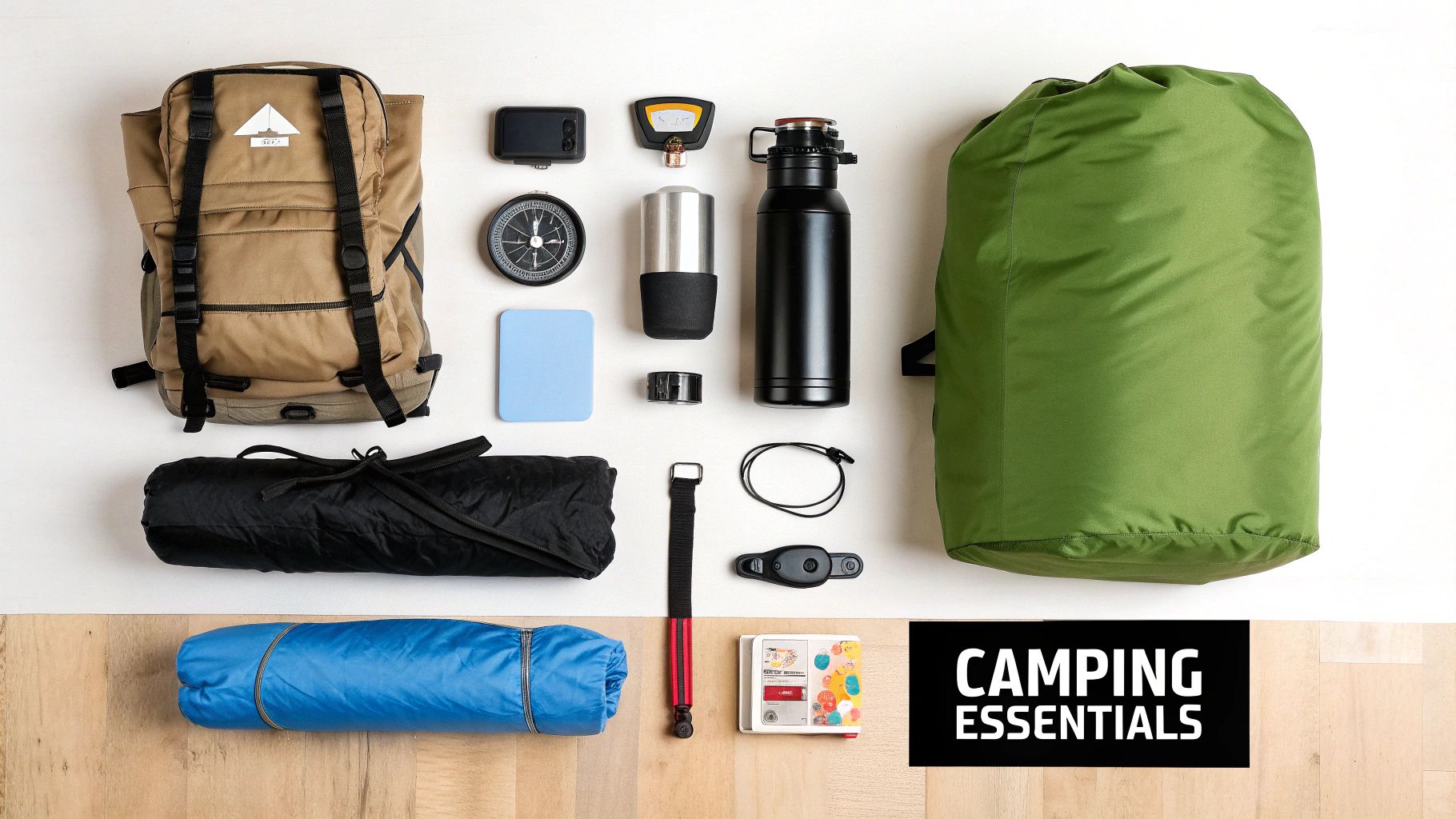
Before you start dreaming about fireside ghost stories or that perfect cup of camp coffee, let's get serious about the gear that acts as your safety net in the great outdoors. These ten items are the pillars of any successful trip, making sure you’re ready for both the expected challenges and those little surprises nature loves to throw your way.
Nailing this core list builds the confidence you need for any adventure, whether it's a quick overnight getaway or a multi-day trek deep into the backcountry. It's a focus on good, reliable gear that more and more people are embracing. In fact, the global camping equipment market is booming—it's projected to hit USD 27.7 billion by 2033. It's all part of a huge shift toward getting outside, with people everywhere looking for practical, well-designed gear to take with them.
The Core Ten Camping Must-Haves
Think of these items as your starting lineup. They’re universal, no matter if you're car camping at a state park or backpacking through a national forest. The specific brands and models will change, but the job each one does is absolutely critical.
For a deeper look at getting your first kit together, be sure to check out our guide on the best camping gear for beginners.
Here’s a quick-glance list of the essentials you can't leave home without:
- Navigation Tools: A map and compass are classic for a reason. A GPS device or a phone app like AllTrails or Gaia GPS is a great backup.
- Headlamp or Flashlight: With extra batteries, of course. Because the sun will go down.
- Sun Protection: This means sunscreen, sunglasses, and a good hat to shield your face.
- First-Aid Kit: You can buy a pre-made one or build a custom kit for your specific trip.
- Knife or Multi-Tool: Incredibly useful for repairs, food prep, and a thousand other little tasks.
- Fire Starter: Lighters, waterproof matches, or a ferro rod—bring something reliable.
- Shelter: At a bare minimum, an emergency blanket. But for most trips, this means a tent or tarp.
- Extra Food: Always pack at least one extra day's worth of non-perishable food.
- Extra Water: Bring more than you think you need, plus a way to filter or purify more on the go.
- Extra Layers: Pack weather-appropriate clothing to handle any unexpected dips in temperature.
Breaking Down The Ten Camping Essentials
To really understand why each of these items is so vital, it helps to see their purpose in action and look at some modern gear that makes packing smarter, not harder.
The Ten Camping Essentials Breakdown
| Essential Item | Purpose | Modern Example | Smart Packing Tip |
|---|---|---|---|
| Navigation | Knowing where you are and where you're headed, especially when you lose cell service. | A physical map of the area and a reliable compass, supplemented by a GPS app like Gaia GPS on your phone (with maps downloaded beforehand). | Laminate your map or keep it in a waterproof sleeve. And please, practice basic map skills on a local trail before you're in a remote area! |
| Illumination | Hands-free light is a game-changer for setting up camp, cooking, or finding the trail after dark. | A rechargeable LED headlamp with adjustable brightness and a red-light mode to preserve night vision. | Always pack a small backup light and extra batteries or a portable power bank. A dead headlamp is just a headband. |
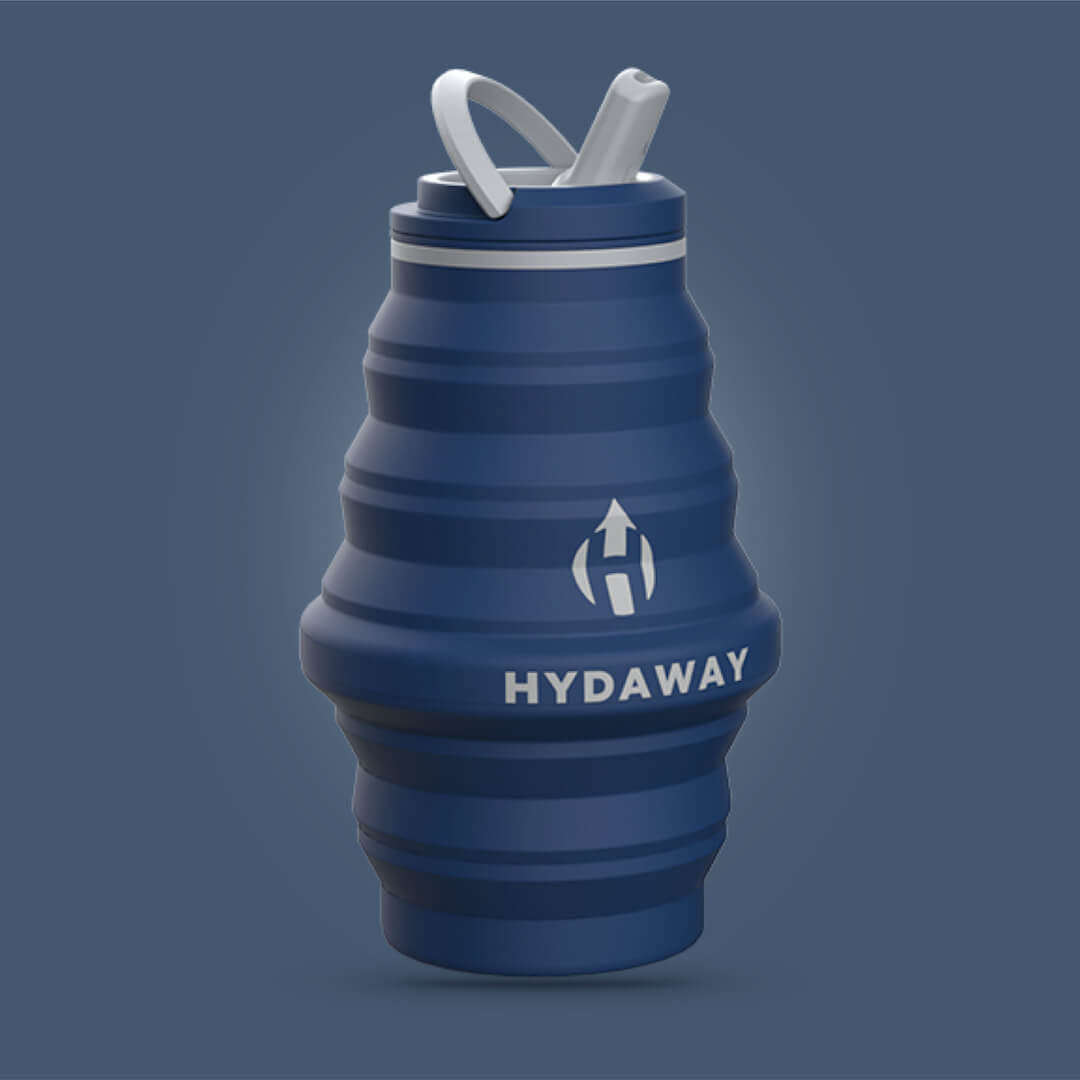
| Hydration System | To carry enough water for your trip and have a way to safely treat more from natural sources. | The HYDAWAY 25oz Collapsible Water Bottle, which shrinks down to just over an inch thick when empty, making it perfect for stashing in a pack. | A collapsible bottle saves a shocking amount of pack space on your way out. When you finish your water on a long hike, it collapses instead of taking up valuable room. Pair it with a lightweight water filter for endless refills. |
| Shelter | Your protection from wind, rain, and bugs, ensuring you get a safe and restful night's sleep. | A lightweight, seam-sealed tent that's properly rated for the season and number of campers. | Do a practice run! Set up your new tent in the backyard first so you're not fumbling with it in the dark, in the rain, at your campsite. |
Mastering this list of ten essentials is the first and most important step to becoming a self-sufficient and confident camper. Once you have these covered, you're ready for almost anything.
Building Your Home Away From Home
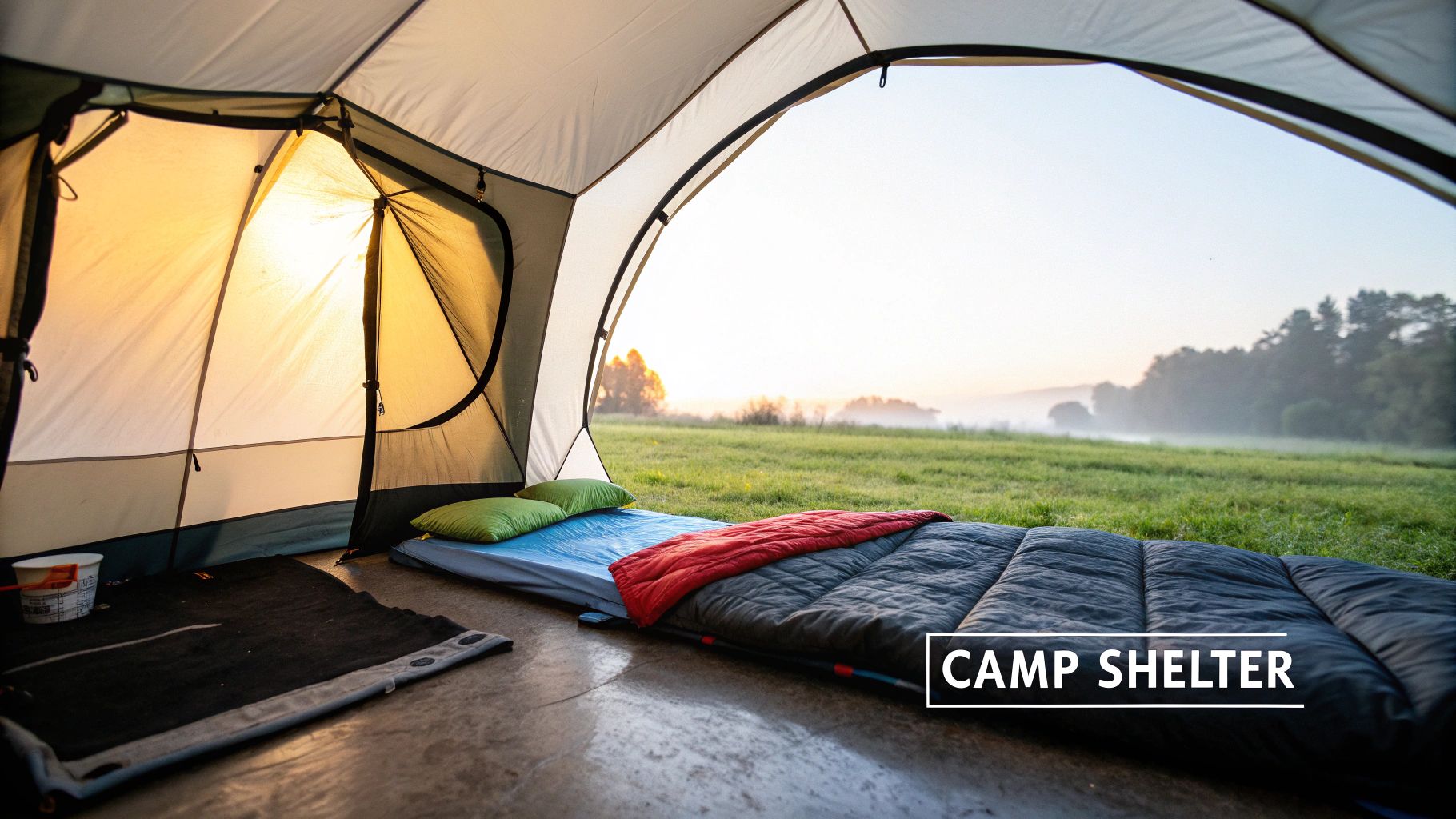
Your shelter and sleep system are the absolute foundation of a great camping trip. This is your personal haven, the thing that stands between tossing and turning all night and waking up refreshed, ready to explore. It’s about more than just "packing a tent"—it's about creating a comfortable basecamp you'll look forward to returning to.
The real goal is to match your gear to the adventure you have planned. What you pack for a family car camping trip at a national park is worlds away from a solo backpacking trek on the Appalachian Trail. This is where you get to transform a patch of dirt into a true home away from home.
Choosing the Right Tent
Think of your tent as your primary shield against wind, rain, and mosquitos. Picking the right one is your first big decision, and it’s not just about the person count.
- For Car Camping Families: When you're driving to your site, space is king. A 6-person dome tent gives a family of four plenty of room to spread out with gear, making it feel less like a sardine can and more like a backcountry living room.
- For Solo Backpackers: Every single ounce counts on the trail. An ultralight 1-person or 2-person tent is non-negotiable. These are engineered to be incredibly compact and light, trading a bit of interior space for a much lighter load on your back.
And if you're bringing an infant along, planning their sleeping arrangements is crucial. For a deep dive, check out this fantastic guide to a portable crib for camping. It's a great resource for making sure even the littlest campers sleep safely.
Decoding Sleeping Bags and Pads
A good tent keeps the weather out, but your sleeping bag and pad are what keep you cozy inside. Getting a handle on their ratings is key.
A sleeping bag's temperature rating isn't a promise of comfort; it's more of a survival number indicating the lowest temp the bag will keep you alive. For a truly comfortable night's sleep, I always recommend choosing a bag rated 10-15°F colder than the lowest temperature you actually expect.
For example, if your fall trip to the Smoky Mountains shows nighttime lows of 35°F, a 20°F-rated bag is your best bet. That buffer is the difference between shivering through the night and staying perfectly toasty.
Next up is the sleeping pad. It provides cushioning, sure, but its main job is to insulate you from the cold, hard ground.
- Foam Pads: These are bulletproof, cheap, and can't pop. They provide reliable insulation but are definitely bulkier and less plush than their inflatable cousins.
- Inflatable Pads: Modern inflatable pads are shockingly comfortable and pack down to almost nothing. They offer amazing cushioning, but you do have to be a little careful about punctures.
A restful night's sleep isn't a luxury when you're camping—it's a necessity. By carefully picking your tent, bag, and pad, you’re not just packing gear; you're building a sanctuary that recharges you for whatever adventure tomorrow holds.
Creating Your Ultimate Camp Kitchen
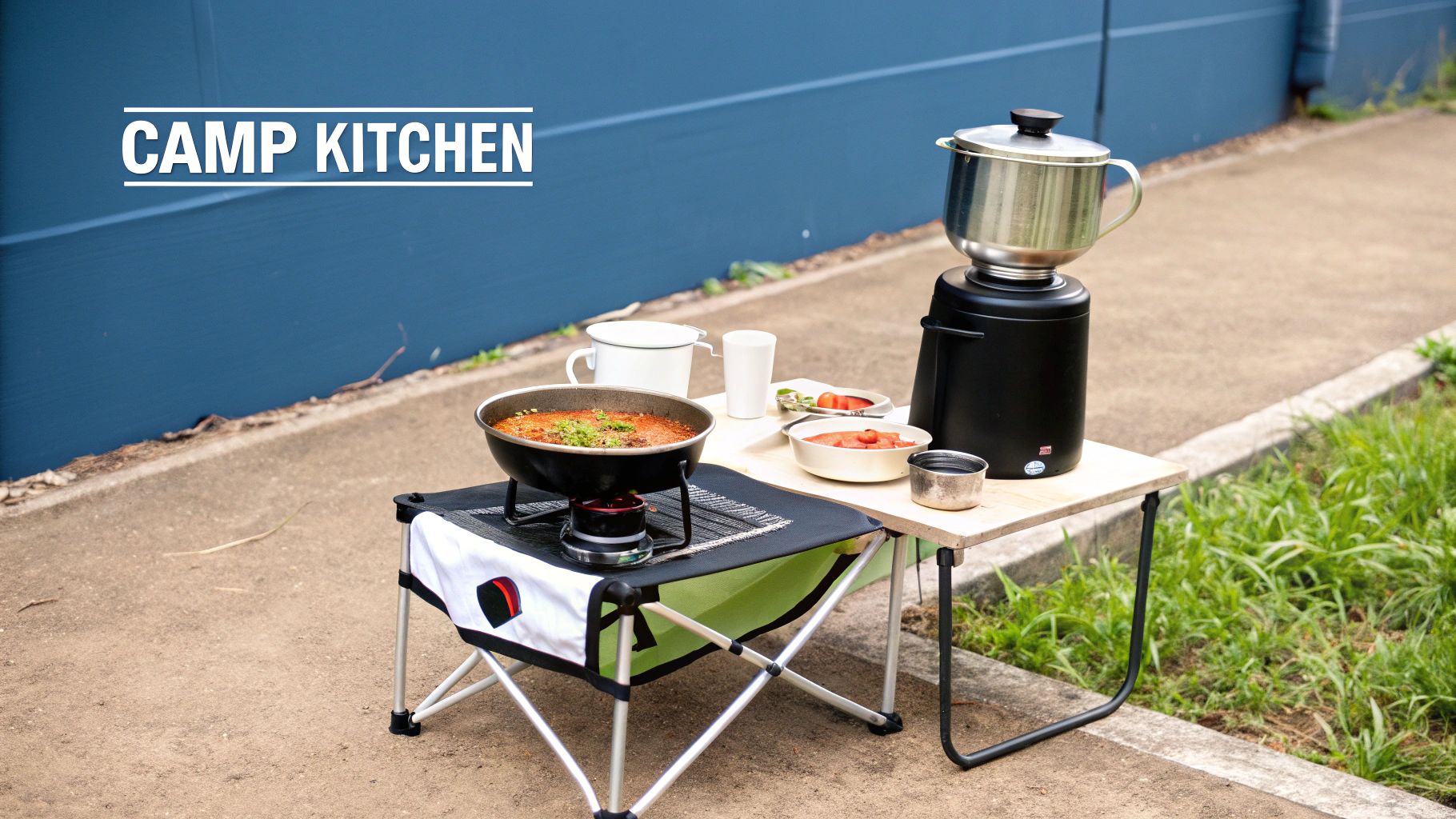
Let's be honest, good food can take a camping trip from fun to unforgettable. The secret to making those amazing fireside meals happen without all the stress? A functional, well-thought-out outdoor kitchen. It’s all about having the right gear on hand so cooking feels like part of the adventure, not a chore.
The best way to approach this is to think of your setup as a portable "kitchen in a box"—a complete system with everything you need to prep, cook, serve, and clean up. This keeps all your cooking gear in one place and makes packing so much simpler.
The Core Cooking Gear
At the heart of any camp kitchen is the stove. While cooking over an open fire has its charm, a reliable camp stove gives you the control and consistency you need, especially after a long day on the trails. Whether you go for a classic two-burner propane stove for car camping or a tiny single-burner for backpacking, it's an absolute must-have.
A few other key pieces of equipment are non-negotiable:
- Fuel: Always, always pack more than you think you'll need for your stove.
- Cookware: A good pot and a frying pan can handle just about anything. Don't forget a lightweight spatula, tongs, and a decent knife.
- Lighter or Fire Starter: Never rely on just one way to get your stove lit.
- Cooler: For car camping, a quality cooler is your lifeline, keeping food safe and your drinks perfectly chilled.
Smart Dinnerware That Saves Space
This is where you can make a huge difference in how much you have to haul. Bulky, rigid plates and bowls eat up a shocking amount of room in your car or pack. It's no wonder collapsible gear is becoming so popular.
Campers are definitely getting smarter about their setups. The demand for compact, functional gear is on the rise, with camping furniture and related equipment expected to grow at a 7.76% compound annual growth rate. It shows a clear trend: we want gear that delivers comfort and convenience without weighing us down.
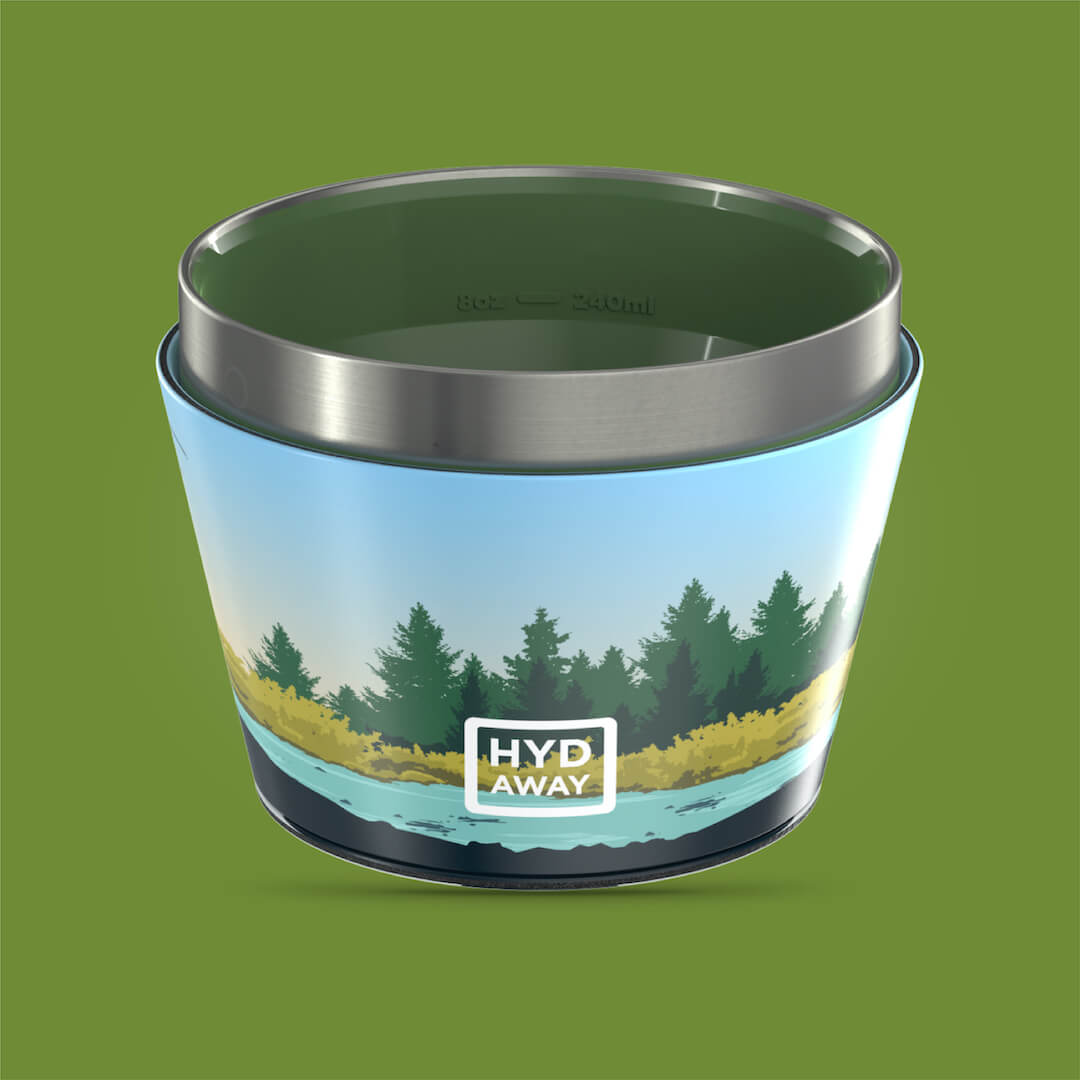
This is where HYDAWAY completely changes the game. Picture this: you're serving up hot chili in a HYDAWAY Insulated Bowl. Not only does it keep your meal warm, but the spill-proof lid means you can easily save leftovers for lunch tomorrow without attracting critters. Afterwards, you can relax with a drink in a Collapsible Pint that shrinks down to almost nothing when you’re done, saving precious space in your gear tote.
Organization and Cleanup
A well-organized kitchen is a happy kitchen, even when it's in the middle of the woods. I'm a huge fan of using a large, clear tote bin to create that "kitchen in a box." You can see everything at a glance, and it keeps your gear protected from dirt and curious critters.
Here’s how I like to set up my kitchen box:
- Prep Station: A flexible cutting board, a sharp knife with a sheath, and some basic spices in small, sealed containers.
- Eating Utensils: Sporks are great, or just a set of reusable cutlery for everyone.
- Beverage Station: Your collapsible mugs and pints, plus some instant coffee or tea bags for an easy morning boost.
Cleanup is often the part of camp cooking we all dread, but it doesn't have to be a drag. A small collapsible sink, some biodegradable soap, and a sponge make a world of difference. HYDAWAY products are a huge help here, too—their food-grade silicone is super easy to wipe clean, meaning you spend less time scrubbing and more time enjoying the campfire.
By thinking through your cooking system and choosing smart, space-saving solutions, you can build an awesome outdoor kitchen. For a full breakdown of what to pack, check out our guide to building the ultimate camping kitchen kit. You'll be ready to cook up some incredible memories on your next trip.
Dressing for the Outdoors with a Layering System
Staying comfortable when you're outside isn't about cramming your entire closet into a backpack. It's about being smart, choosing the right pieces of clothing, and wearing them in an adaptable way. This is the art of layering, a simple but game-changing system that lets you stay perfectly comfortable no matter what the weather throws at you—from a sunny morning hike to a chilly evening by the campfire.
Think of layering as your personal climate control. Instead of relying on one big, bulky jacket, you use three specialized layers that work as a team. You can add or shed them as you warm up or as the weather turns, making sure you're never too hot or too cold. It’s that simple.
The Three Core Layers Explained
The whole system is built on three distinct parts, and each one has a specific job to do. Once you get the hang of their roles, you’ll master your own comfort and know exactly what clothes to throw in your pack for any trip.
-
The Base Layer (Your Second Skin): This is the layer right up against your skin. Its main purpose isn't actually to keep you warm, but to wick moisture away from your body. Fabrics like merino wool or synthetic polyesters are the champions here, pulling sweat away so you stay dry and comfortable.
-
The Mid-Layer (Your Insulation): Now this is your warmth layer. Its job is to trap your body heat and keep the cold out. Think fleece jackets, down vests, or synthetic puff jackets. This is the piece you'll pull on when the temperature drops or when you stop moving for a lunch break.
-
The Outer Layer (Your Weather Shield): Also known as a shell, this layer is your bodyguard against wind and rain. A good shell needs to be both waterproof and breathable—it has to keep the rain from getting in while letting the moisture from your sweat get out.
There's a golden rule in the outdoor world that's absolutely critical: 'cotton kills'. We all love cotton for daily life, but for camping, it's a huge liability. It soaks up moisture like a sponge and takes forever to dry. Once it's wet from sweat or rain, it loses all its insulating power and actually starts pulling heat away from your body, which can be seriously dangerous in cold conditions.
Tailoring Your Layers for the Season
How you use these layers obviously changes with the weather, but the core idea stays the same. Packing a smart layering system means you're ready for just about anything. A chilly morning hike, for example, might start with all three layers on. But as the sun climbs higher and you start working up a sweat, you can easily stuff that mid-layer into your pack. That’s the beautiful flexibility layering gives you.
And while you're managing your layers, don't forget to stay hydrated and energized. Keeping your HYDAWAY Collapsible Water Bottle clipped to your pack makes it super easy to grab a sip on the go. When you stop for a snack, it collapses down so small it's never in the way, meaning you don't have to choose between carrying water and having space for your extra layers.
Seasonal Clothing Checklist
-
Summer Camping (Warm and Sunny): The focus here is on breathable, sun-protective clothing. A lightweight, moisture-wicking synthetic t-shirt is a perfect base layer. Your outer layer might be as simple as an ultralight, packable rain jacket for those surprise afternoon showers.
-
Spring/Fall Camping (Cool and Unpredictable): This is where layering really proves its worth. You'll want all three layers packed and ready to go. A merino wool base layer, a cozy fleece mid-layer, and a reliable waterproof shell will have you covered for almost any condition these tricky seasons can throw at you.
-
Winter Camping (Cold and Snowy): Insulation is everything. You'll need a heavyweight base layer, a thick insulating mid-layer (like a puffy down jacket), and a fully waterproof and windproof outer shell. And don't forget the other essentials: insulated pants, warm wool socks, gloves, and a hat are non-negotiable.
Staying Safe and Healthy in the Wild
A truly great camping trip isn’t just about having the right tent or the coziest sleeping bag—it’s about feeling prepared for whatever nature throws your way. When you've done your homework, potential problems become minor speed bumps, not trip-ruiners. That peace of mind is what lets you really unplug and soak it all in.
This isn’t about expecting the worst, but simply being smart. A solid first-aid kit, a reliable navigation plan, and good hygiene habits are the trifecta of a safe adventure. Honestly, they’re just as crucial as your shelter.
Building a First-Aid Kit That Actually Works
You can grab a pre-made kit off the shelf, and that's a decent start. But the best ones are always customized to you and your trip. Think about the common stuff: blisters from a long hike, scrapes from gathering firewood, or a surprise reaction to a plant you brushed up against. Your kit needs real solutions for these real-life moments.
Here’s what a truly useful kit should have:
- Wound Care: Don't skimp here. Pack plenty of adhesive bandages in all shapes and sizes, antiseptic wipes, sterile gauze pads, and good medical tape. This is your first line of defense for cuts and scrapes.
- Blister Prevention and Treatment: Moleskin is non-negotiable if you’re doing any amount of hiking. Seriously. Slap a piece on the second you feel a "hot spot" forming, and you can stop a painful blister in its tracks.
- Medications: Throw in some pain relievers like ibuprofen, antihistamines for unexpected allergies, and, of course, any personal meds you need.
- Tools: A quality pair of tweezers for splinters and ticks is invaluable, and a small pair of scissors always comes in handy.
Staying Clean Following Leave No Trace
Good hygiene in the backcountry is about more than just feeling fresh. It’s about respecting the wild places we love and keeping yourself healthy. Following the Leave No Trace principles is the best way to make sure you leave your campsite just as beautiful as you found it.
One of the most important principles is to "Dispose of Waste Properly." This means everything—packing out every last food scrap and piece of trash, and knowing how to handle human waste when there are no toilets around.
When it comes time to wash yourself or your dishes, always use biodegradable soap and walk at least 200 feet (about 70 big steps) away from any river, lake, or stream. This gives the soil plenty of space to filter the soapy water before it reaches the source. If you need to dig a cathole, the same rule applies: 200 feet from water, trails, and campsites, and make sure it’s 6-8 inches deep.
Modern Navigation Meets Timeless Skills
Knowing where you are is safety 101. These days, we have incredible tools right in our pockets. Apps like Gaia GPS can turn your phone into a backcountry powerhouse, showing your exact location on detailed maps—even when you have zero cell service (just remember to download the maps before you leave!).
But tech isn't foolproof. Batteries die. Phones break. That's why a good old-fashioned physical map and a compass are still absolute essentials for your pack. They are your unbreakable backup plan. Before your trip, spend a little time learning how to use them. Combining modern tech with classic skills is, hands down, the smartest way to navigate the outdoors.
Tailoring Your Pack for Any Adventure
Not all camping trips are created equal, and your packing list shouldn't be a one-size-fits-all affair, either. The gear that makes for a luxurious car camping weekend would feel like an anchor on a multi-day backpacking trek. The secret to smart packing is simple: match your gear to your adventure's specific demands.
This means shifting your mindset from "what do I need?" to "what does this particular trip need?" A weekend warrior with a car can afford the comfort of camp chairs and a massive cooler, while a backpacker has to scrutinize every single ounce. Tailoring your list ensures you have exactly what you need without being weighed down by what you don’t.
For the Weekend Car Camper
When you're camping right next to your vehicle, weight and bulk are barely part of the equation. This style of camping is all about comfort and creating a true home away from home. Your packing list can get a lot more generous, including all those little items that make the experience more relaxing and fun.
Think bigger, cozier, and better:
- Shelter: A large, multi-room tent that you can actually stand up in. No crawling required.
- Sleep System: Why not an air mattress or a thick, plush sleeping pad for maximum comfort? Don't forget your favorite pillow from home.
- Kitchen: A two-burner propane stove, a big cooler, and real cookware. This is your chance to cook some seriously gourmet camp meals.
- Comfort Items: Camp chairs are a must. Add a portable table, some string lights for ambiance, and maybe even a hammock for lazy afternoons.
For the Multi-Day Backpacker
Backpacking is a different beast entirely. Every single item in your pack is locked in a constant battle between function and weight. The goal is to carry only what is absolutely essential, and every piece of gear should be as light and compact as humanly possible. Out here, you truly learn what it means to be self-sufficient.
Your pack needs to be lean and mean:
- Shelter: An ultralight, one or two-person tent that packs down to the size of a water bottle.
- Sleep System: A high R-value inflatable sleeping pad and a compressible down sleeping bag to save precious space and weight.
- Kitchen: A tiny canister stove, a single titanium pot, and a spork. Meals are almost always dehydrated to minimize weight.
- Hydration: A lightweight water filter and a HYDAWAY Collapsible Bottle are the perfect duo. The bottle is featherlight and shrinks to almost nothing when empty, making it a game-changer for managing space in a crowded pack.
Ready for a deeper dive into optimizing your load? Our article on how to pack a backpack is full of expert tips on weight distribution and organization.
Packing Comparison: Car Camping vs. Backpacking
The gear choices for car camping and backpacking couldn't be more different. One prioritizes creating a comfortable basecamp, while the other is an exercise in minimalist efficiency. This table breaks down the core philosophy behind packing for each.
| Gear Category | Car Camping Choice (Comfort First) | Backpacking Choice (Weight First) |
|---|---|---|
| Tent | Spacious, multi-person tent with standing room. | Ultralight, compact 1-2 person tent. |
| Sleeping Bag | Rectangular, roomy synthetic or cotton bag. | Lightweight, compressible down mummy bag. |
| Sleeping Pad | Thick air mattress or memory foam pad. | Inflatable or closed-cell foam pad with high R-value. |
| Stove | Two-burner propane stove. | Small, single-burner canister or liquid fuel stove. |
| Cookware | Cast iron skillet, pots, pans, full utensil set. | Single titanium or aluminum pot, spork. |
| Cooler | Large, hard-sided cooler with plenty of ice. | No cooler; dehydrated/non-perishable foods only. |
| Chair | Full-size, comfortable folding camp chair. | A small sit-pad or no chair at all. |
| Hydration | Large water jugs stored in the car. | Water filter/purifier and a collapsible bottle. |
Ultimately, the right choice always comes down to how you're getting to your campsite. If your car is doing the heavy lifting, bring the comfort. If your back is, every ounce counts.
The decision tree below shows a simple but critical thought process every camper should have for navigation backups. It’s a small thing that makes a huge difference.
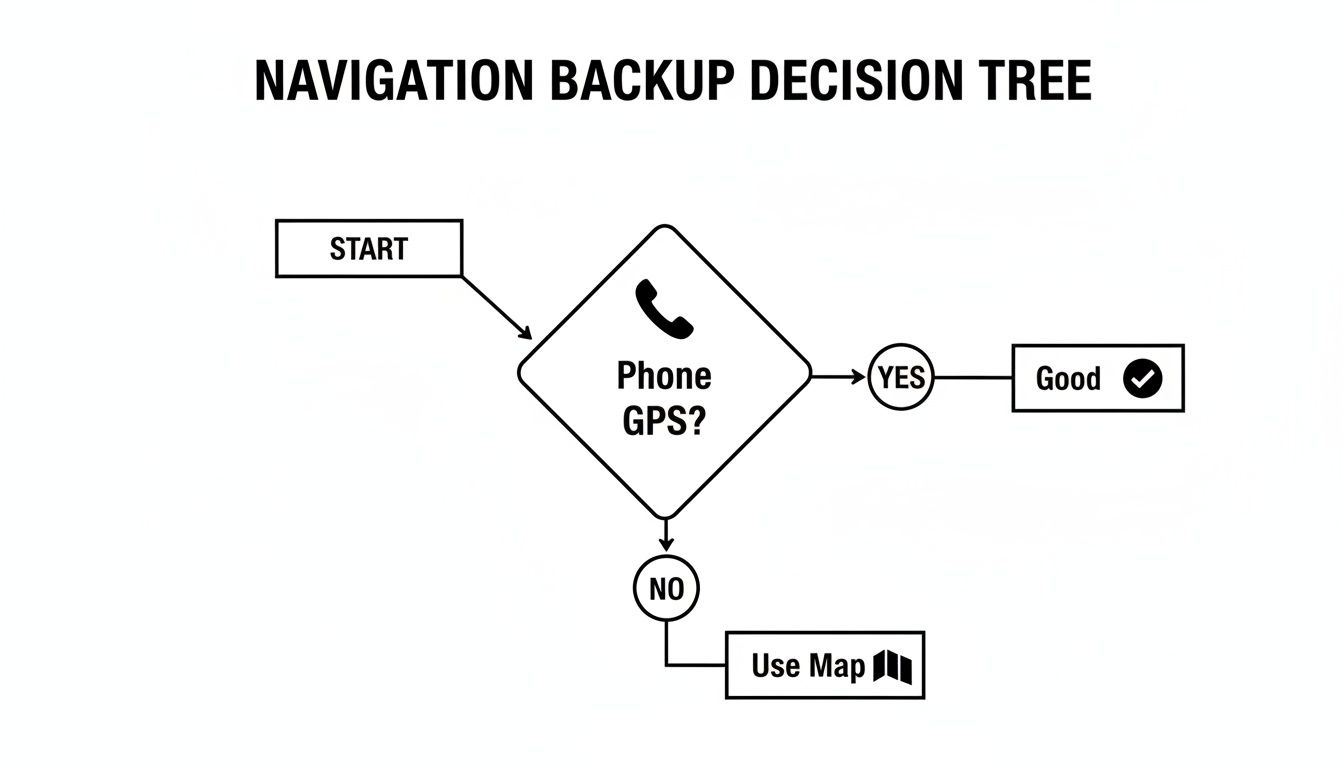
This visual is a great reminder not to rely solely on one navigation tool. That physical map isn't just old-school; it’s an essential, non-negotiable backup.
For the Family Camping Holiday
Family camping blends the comfort of car camping with the need for smart, kid-friendly organization. The real challenge is packing for multiple people with different needs while trying to keep the chaos at bay. This is where space-saving and durable gear becomes your best friend.
The secret to successful family camping is organization and involving the kids. When meals are easy and everyone has their own colorful gear, it feels less like a chore and more like a shared adventure.
Colorful, practical gear can make the entire experience more fun for everyone. A set of HYDAWAY Collapsible Bowls is perfect for family meals. They save a tremendous amount of space in a packed car, are easy for little hands to hold, and the bright colors mean everyone knows which bowl is theirs—which goes a long way in cutting down campsite squabbles.
Your Camping Packing Questions, Answered
Even the most detailed checklist can leave you with a few lingering questions. It happens to everyone! Here are some quick answers to the common head-scratchers that pop up for campers, whether it’s your first trip or your fiftieth.
How Can I Make My Backpack Feel Lighter?
The real trick isn't just what you pack, but how you pack it. It all comes down to smart weight distribution.
Think of it like building a tower—you want the heaviest stuff at the core. Place hefty items like your food stash and water supply in the middle of your pack, right up against your spine. This keeps the weight centered with your body's own center of gravity, making it feel way more manageable.
Your lighter, bulkier gear (like that fluffy sleeping bag) goes at the very bottom. Keep the things you’ll need on the trail—snacks, a rain jacket, and your HYDAWAY bottle—in the top lid or side pockets so you can grab them without unpacking everything. Pro tip: compression sacks are a game-changer for shrinking down clothes and saving a surprising amount of space.
What's the Best Way to Store Food at Camp?
Rule number one, and it's a big one: never keep food or anything scented (yep, even toothpaste) inside your tent. That's just an open invitation for curious critters.
If you're in bear country, a certified bear canister is your best friend. It’s the safest, most reliable option, period. Many established campgrounds also have metal bear lockers right at the campsite—if they're there, use them.
When neither is an option, learning to properly hang a bear bag is a classic and effective skill. And if you're just dealing with smaller bandits like raccoons and squirrels, keeping everything locked securely in your vehicle overnight works perfectly.
How Much Water Do I Really Need to Bring?
A solid starting point is to budget for at least one gallon (about 4 liters) of water per person, per day. This should cover drinking, cooking, and a bit of hygiene like washing your hands and brushing your teeth. If it's going to be hot or you're planning a strenuous hike, you'll definitely need more.
Always, always bring more water than you think you’ll need. It's the one thing you can't go without. A great system is to have a big water jug at camp for general use and pack a portable filter to treat water from streams or lakes while you're out hiking. Your HYDAWAY bottle is perfect for this since it’s light and super easy to refill on the go.
What are the Classic Mistakes a Beginner Camper Should Avoid?
We've all been there! The most common slip-ups usually involve wearing cotton (it soaks up sweat and rain, leaving you cold and damp), not testing out your gear before you leave home, and seriously underestimating how chilly it can get when the sun goes down.
Forgetting a good headlamp is another classic rookie error, right up there with not packing bug spray.
Oh, and don't try to get too fancy with your camp meals right away. Stick to simple, one-pot recipes to start. And last but not least, check the weather forecast one last time right before you walk out the door and adjust your pack accordingly.
Ready to make packing easier and your adventures lighter? The award-winning collapsible gear from HYDAWAY is designed to save space without sacrificing performance. Explore the full collection and gear up for your next trip.