


Double Sleeping Pads for Camping: Ultimate Comfort & Warmth

You get to camp tired, hungry, and ready to lie down. Then the sleep setup fights you. Two single pads slide apart, one ends up half on a seam in the tent floor, and the narrow strip between them becomes the cold spot nobody wants. By the time you've shoved duffels into the corners and tried to leave a path to the door, the inside of the tent feels smaller than it looked at sunset.
That's why so many campers start looking at double sleeping pads for camping. The appeal isn't just comfort. It's also about making the whole shelter work better. A shared pad can create one stable sleep surface, cut down on shifting during the night, and make the floor plan easier to live with.
This matters whether you're doing weekend car camping, sleeping in a van, or planning a more permanent outdoor base. If you're thinking beyond short trips and researching buying camping land, it helps to understand the same core issue early: sleeping systems shape how usable your space feels, whether that space is a small backpacking tent or a simple long-term campsite.
Introduction to Double Sleeping Pads for Camping
A double sleeping pad is one sleep surface built for two people. That sounds simple, but the experience is very different from laying two singles next to each other. There's no crack in the middle, less nighttime drift, and less fiddling once the tent is already set up in the dark.
Many campers first consider one after a frustrating trip. A couple shares a tent, one person tosses and turns, the pads separate, and both wake up cold and annoyed. The next trip, they switch to one double pad and immediately notice that the inside of the tent feels calmer and easier to organize.
That's the main benefit. Better sleep usually starts with fewer small problems.
A good camp bed doesn't just feel soft. It removes nightly annoyances before they start.
Double pads also appeal to campers who care about efficiency. If your setup has to fit inside a compact tent, a van platform, or the back of a vehicle, one larger pad often feels easier to place than two separate pieces that each need their own exact spot.
Understanding Double Sleeping Pads and Their Users

A double sleeping pad sits in an odd middle ground. It is not just a bigger solo pad, and it is not the same thing as the tall vinyl air mattress many campers picture first. A camping double pad is built as part of a sleep system, so the core question is not only “Who sleeps on it?” but also “What shelter, platform, and storage plan has to work around it?”
That distinction matters because the best users are not defined by relationship status alone. They are defined by how they share space.
Couples are the obvious fit, especially if they already sleep close together and want one stable surface. Parents with a small child often like a double pad for the same reason. In a tight tent, one shared base can feel less like arranging furniture and more like laying one fitted sheet across a bed.
Vehicle campers and van campers are another strong match, but for a different reason. They usually care less about shaving ounces and more about exact fit. A pad that is a little too wide can press into wheel wells, bunch against door trim, or leave no room for a water bottle and shoes. In that setting, a double pad works more like a cut-to-fit insert than a generic mattress.
Backpackers can use double pads too, but only when the whole setup agrees. A pad may look right on paper and still fit poorly once tent walls slope inward, sleeping bags puff up, and both campers need elbow room. That is why compatibility checks matter so much here. Floor dimensions are only the starting point.
A good way to judge whether you are the right user is to look at your camp routine, not just your sleeping preference.
| Type of camper | Usually a good fit if you want | Common snag people miss |
|---|---|---|
| Couples in a tent | One shared bed and less shifting at night | Tent walls reduce usable width near the shoulders |
| Parent with one child | Simpler bedtime setup in a small shelter | Kids often sprawl wider than expected |
| Car campers | Fast setup and fewer loose pieces | Cargo space for the packed pad and pump |
| Van or SUV sleepers | A pad shaped to the platform | Wheel wells, seat hinges, and door clearance |
| Backpacking partners | Shared comfort and one sleeping zone | Packed size and tent taper |
The shoppers who get frustrated are often the ones who buy by label alone. “Two person” sounds universal, but it rarely is. Some pads are better for broad, square tent floors. Others make more sense on a plywood van platform or in the back of a wagon with the seats folded flat.
Setup style matters too. A double pad pairs best with campers who like one coordinated system. Shared quilt, side-by-side pillows, one inflation routine, one footprint inside the shelter. If each person wants a different firmness, a different bedtime, or a different amount of edge space, the pad can feel less cooperative.
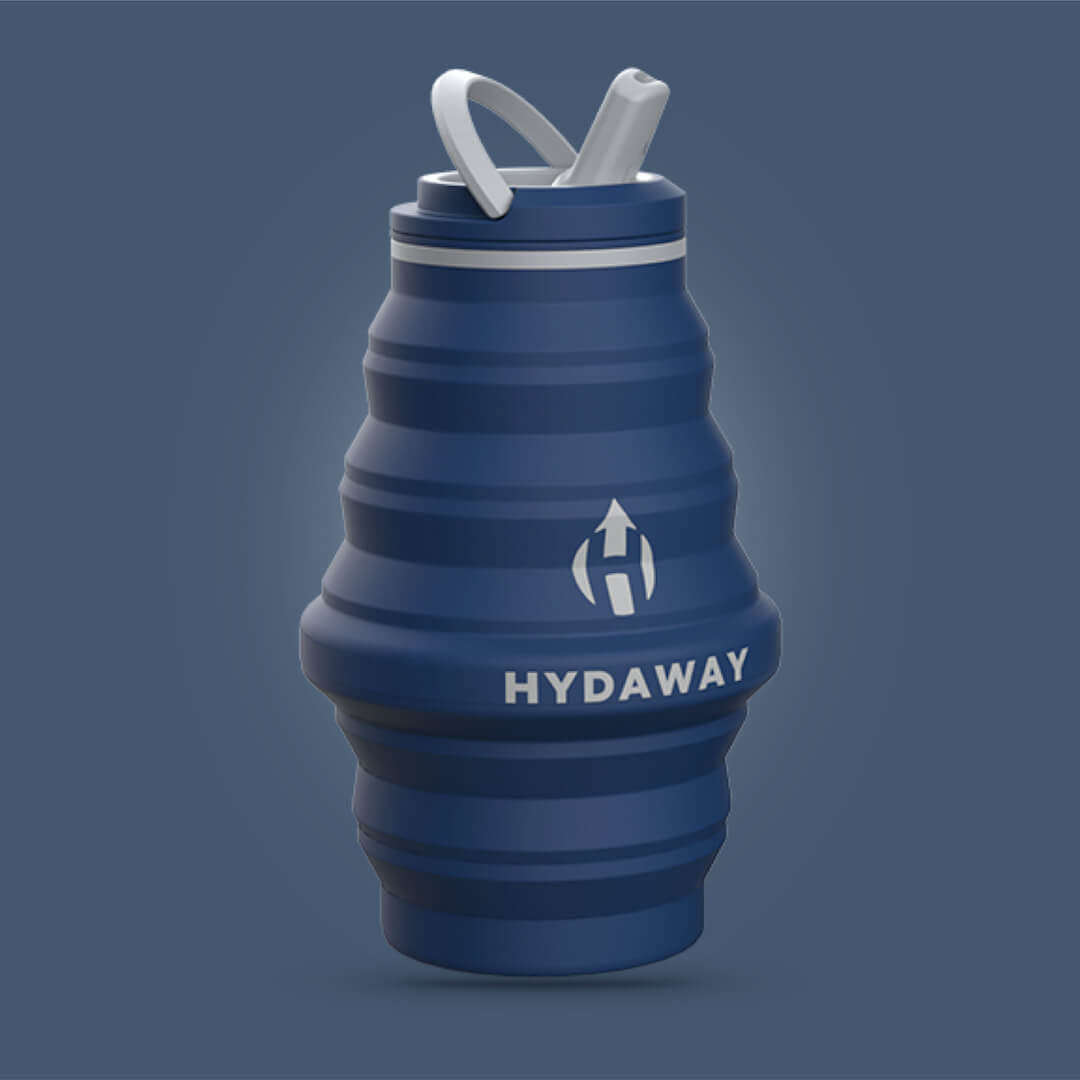
This is also where campsite efficiency starts to show up in small ways that many guides skip. One double pad means one place to inflate, one place to deflate, and one large item to position before the rest of the gear comes in. HYDAWAY gear complements that approach well because compact, collapsible bottles, bowls, and storage pieces free up the narrow strips of space around the pad. Those edge zones matter. In a small tent or vehicle, the difference between cluttered and calm is often the six inches beside your bed, not the bed itself.
The right user, then, is usually someone building a shared sleep area on purpose. They want the pad to match the shelter, the vehicle, and the rest of camp organization, not just provide enough width for two bodies.
Pros and Cons of Double versus Single Pads

You crawl into the tent after dark, and the difference becomes obvious fast. A double pad feels like one shared mattress. Two single pads feel more like pushing two cots side by side and hoping they stay put.
That difference affects more than comfort. It changes how your shelter works, how much usable floor you keep, and how easy the whole campsite is to manage once the bed is down.
Where double pads win
A double pad creates one continuous sleep surface, so there is no crack in the middle to drift into during the night. For couples who already sleep close together, that often feels more natural than managing two separate rectangles. Switchback Travel's camping pad guide also notes that double designs can be a smart choice for partners who want to share space and reduce the annoyance of pads separating overnight.
The setup advantage is easy to miss until you camp in a smaller tent, van, or hatchback. One pad gives you one inflation point, one footprint to square up, and fewer edges to catch on tent walls or storage bins. It works a lot like using one fitted sheet on a bed instead of trying to make two narrow mats behave like one mattress.
There is also a campsite-efficiency benefit that many comparisons skip. A double pad tends to create cleaner side zones because the sleep area is defined in one block. That matters if you use compact accessories around the bed. HYDAWAY bottles, bowls, and collapsible storage fit neatly into those narrow lanes beside the pad, which helps keep water, toiletries, and breakfast gear accessible without spilling into your sleeping space.
Where singles still make sense
Single pads are better when each camper needs a different sleep setup. One person may want a firmer pad, while the other wants more cushioning. One may sleep cold and want a warmer pad, while the other is comfortable on a lighter model.
They also give you more flexibility across different trips. If you camp together one weekend and solo the next, two singles are easier to split up and reuse.
Motion transfer is another point people often underestimate. If one sleeper tosses, turns, or gets up often, a shared pad can pass some of that movement across the surface. REI's guide to sleeping pads explains that pad construction and intended use matter a lot, and separate pads can be the simpler answer when each sleeper wants their own feel and less disturbance.
A large double pad can also be awkward to position in a tight space. In a tapered tent, for example, getting the corners aligned can feel like turning a couch through a narrow doorway. Two singles are slower to arrange, but each piece is easier to maneuver.
A simple comparison
| Pad choice | Best for | Main drawback |
|---|---|---|
| Double pad | Couples who want one shared sleep surface and a tidier layout | Less control over firmness, warmth, and movement |
| Two singles | Campers with different preferences or frequent solo trips | More gaps, more shifting, and more pieces to manage |
A good rule is to match the pad style to the kind of compromise you are willing to make. Choose a double if you want the sleep area to behave like one bed. Choose singles if you want each side of the bed to behave independently.
Key Features to Consider When Choosing Your Pad
The best pad isn't the thickest one or the most expensive one. It's the one that matches your shelter, season, and patience level. A pad that feels excellent in a showroom can still be wrong if it bunches tent walls or leaves no room for gear.
Size and shelter match
Start with the actual space where the pad will live. Read your tent spec sheet, then measure the interior yourself if you can. Vehicle sleeping platforms deserve the same treatment. Curves, trim, and folded seat backs often steal usable space.
A smart check is to sketch your sleeping area on paper. Add the pad dimensions, then mark where shoes, headlamps, and nighttime essentials will go. If there's no obvious place for those items, the pad may be technically compatible but practically annoying.
Insulation and cold ground performance
For cold-weather trips, insulation matters as much as cushioning. The Wearify's guide to two-person sleeping pads describes an R-value of 9.5 as a premier benchmark for double pads, and says that level of thermal resistance can reflect 95% of body heat back to the user in extreme winter conditions.
That doesn't mean every camper needs that benchmark. It does mean you should treat insulation as a first-order feature, not a side note. A wide pad touches more ground. More contact area means more opportunity for heat loss if the pad isn't built for cold surfaces.
Cold campers often blame the sleeping bag first. The ground is usually the part doing the damage.
Material and surface feel
Materials shape the whole sleep experience. Some pads feel slick and bouncy. Others feel quieter and steadier when one person rolls over. If you're a light sleeper, noise matters more than many buyers expect.
Pads with foam or memory-foam style surfaces often feel more bed-like. Pure air designs can be lighter and more compact, but some sleepers notice more motion transfer. If you want more context on how self-inflating designs compare with other camp mattresses, HYDAWAY has a useful read on the self-inflating air mattress for camping.
Key Feature Comparison
| Feature | Recommended Spec | Notes |
|---|---|---|
| Width and length | Match your shelter and sleeping style | Bigger isn't better if the fit is cramped |
| Insulation | Choose for expected ground temperature | Winter campers should take this seriously |
| Surface material | Quiet, stable top fabric | Helps with comfort and less nighttime disturbance |
| Construction | Air, foam, or hybrid | Each changes bulk, feel, and setup effort |
| Compatibility | Confirm fit in tent, van, or vehicle | Measure the actual sleep area, not just the brochure |
Weight and carry style
If you hike to camp, packed size and carry burden matter. If you drive to camp, ease of use may matter more. Don't buy like a backpacker if you are a car camper, and don't buy like a car camper if you plan to carry the thing uphill.
That sounds obvious, but it's a common mistake. Campers often shop aspirationally instead of realistically.
Measuring and Fitting Double Pads in Tents Vans and Cars
Fit problems usually happen before the trip, not during it. The mistake is trusting product labels instead of measuring the actual sleeping space.
How to measure a tent correctly
Lay the tent out or pitch it at home. Measure the floor at the shoulders, not just the foot end or the widest point. Then account for wall angle. A pad can match the floor width on paper and still push hard into the sidewalls once the tent is zipped closed.
Use this sequence:
- Measure the usable width where your shoulders will rest.
- Check the length from the back wall to the door side.
- Leave room for the tent to work naturally so the walls aren't under pressure.
- Reserve a gear zone so you're not sleeping directly on bags and loose items.
How to measure vans and cars
Vehicles are trickier because the floor may not be a clean rectangle. Seat hinges, plastic trim, and wheel wells can interrupt the pad.
Try painter's tape. Mark the footprint of your intended pad onto the platform or folded-seat area. Then lie down in that outline. It sounds basic, but this test reveals a lot fast. You'll notice where your feet hit a hatch curve or where a door panel steals elbow room.
For campers building out vehicle kits, HYDAWAY's article on camper van must-haves is a helpful companion because it focuses on the small functional items that keep compact spaces livable.
Common fit mistakes
- Buying to the listed floor size only: Tapered walls change the experience.
- Ignoring door swing or hatch access: A pad that blocks movement becomes annoying fast.
- Forgetting bedding thickness: Sheets, quilts, and pillows take up real space too.
Measure for the way you actually camp, not the way an empty showroom or catalog photo looks.
Setup Maintenance and Care for Your Double Sleeping Pads

A good pad can last a long time if you treat it like sleep gear instead of beach gear. Most damage comes from moisture, rough handling, bad storage, or forcing the pad into too-small spaces.
Setting it up the right way
Start on a clean surface. Clear small stones, sharp twigs, and grit before the pad touches the ground. Then inflate with a dry method, such as a pump sack, rather than adding breath moisture into the inside of the pad.
That moisture issue is easy to underestimate. Over time, damp air inside a pad can contribute to odor, interior buildup, and harder long-term drying.
Use this setup routine:
- Check the ground first: Even tiny debris can stress the underside over repeated nights.
- Inflate gradually: Stop before the pad feels drum-tight. You can fine-tune firmness after it settles.
- Test the valves: Make sure caps are fully seated before bedding goes on top.
Cleaning and repair habits
After a trip, wipe the surface with mild soap and water. Let it air-dry completely before storage. Don't rush this part. Damp gear stored closed is the beginning of a lot of preventable problems.
Inspect seams and valve areas while you clean. Those spots often show trouble first. If you're storing gear between trips in changing weather, a broader seasonal storage guide can help you think through heat, dampness, and off-season organization.
Storage that protects the pad
Loose storage is better than cramming the pad tightly for months. Keep it in a dry, cool, shaded place. If your garage, van, or gear closet has recurring moisture issues, HYDAWAY also has a practical article on how to prevent mold growth.
A simple care checklist works well:
| Task | Why it matters |
|---|---|
| Dry completely after trips | Helps avoid odor and mildew issues |
| Inspect seams and valves | Catches small leaks before they grow |
| Clean gently | Protects fabric and coatings |
| Store loosely | Reduces material stress over time |
Store the pad the way you'd want to find it before the next trip, not the fastest way to be done unpacking tonight.
Real World Camping Examples with HYDAWAY Gear
You roll into camp late, headlamps on, and you want the tent to feel settled in ten minutes, not forty. That is where a double pad shows its value fastest. It changes more than sleep comfort. It changes how the whole campsite functions once bags, shoes, water, and dinner gear start competing for the same small space.
The easiest way to judge a double pad is to watch what happens around it. A pad is the bed, but it also sets the floor plan. In a small tent or van, that works a lot like placing the biggest piece of furniture in a studio apartment. Once that piece fits well, everything else has a place. If it fits poorly, every other item becomes harder to manage.
Weekend tent camping for two
A couple arrives Friday evening after work. They need a quick setup, they are hungry, and daylight is fading. One double pad goes down, one sheet or quilt goes on top, and the remaining tent floor can stay open for a small duffel, a lantern, and the next morning's clothes.
The benefit here is compatibility, not just convenience. Two single pads often leave a crack in the middle, push into the tent walls, or create uneven height if the pads are different models. A well-sized double pad avoids that patchwork effect. It gives both sleepers one stable surface, which is especially helpful if the tent narrows near the feet or has sloped sidewalls.
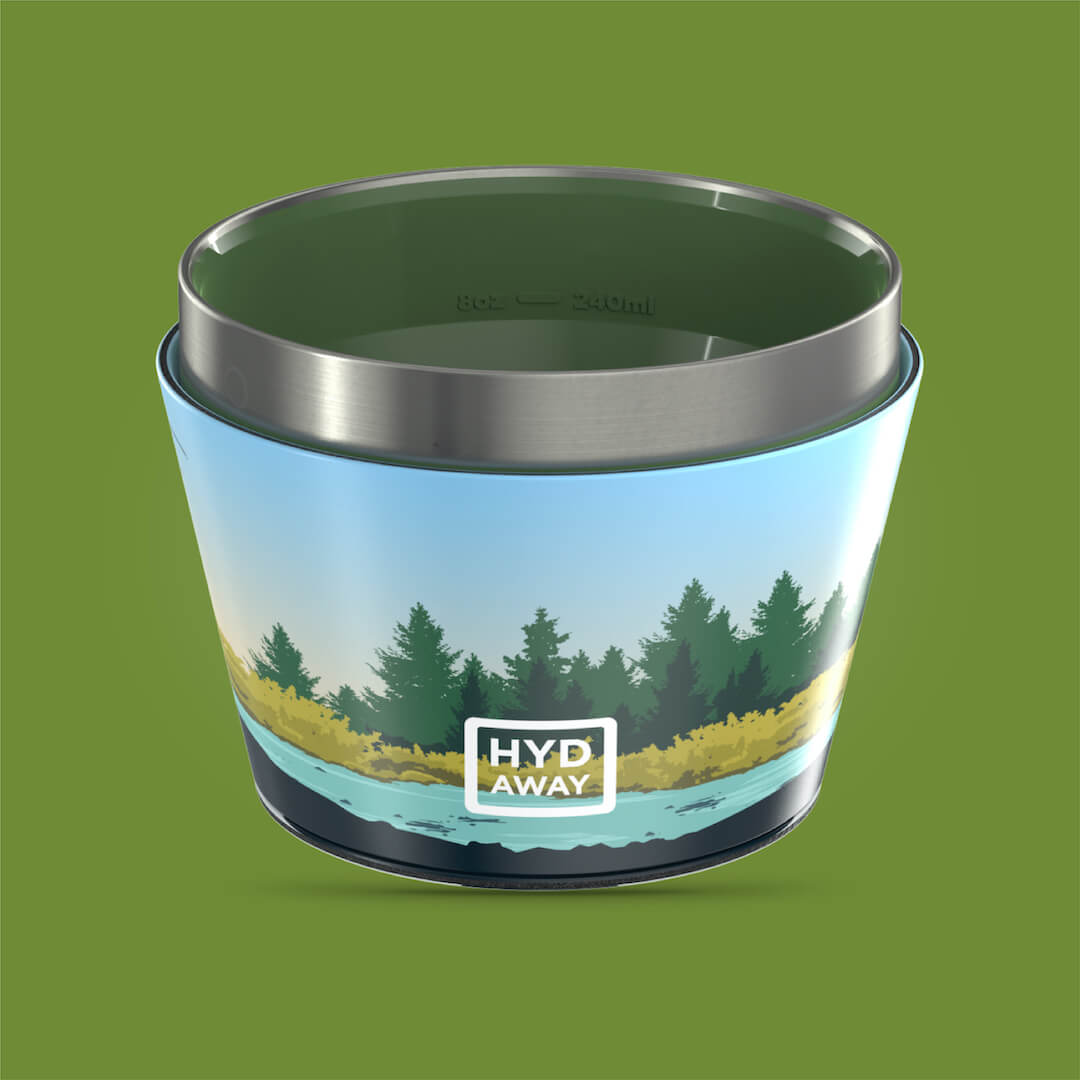
HYDAWAY gear fits this same logic. If your sleep setup already uses a larger share of the floor, collapsible bottles, bowls, and drinkware help keep the remaining space useful instead of cluttered with hard-sided items that stay bulky even when empty.
Compact van living on a short road trip
In a van, every item needs two jobs. It has to work well, and it has to store cleanly. A double pad can simplify the sleep area because there is one surface to position and one bedding setup to manage, but only if it matches the platform dimensions and leaves clearance for side bins, wheel wells, or cabinet doors.
That is the setup detail many guides skip. A pad that technically fits can still be annoying if it blocks access to under-bed storage or forces you to move gear every night. In a short-wheelbase van or SUV sleep build, a slightly narrower double pad may work better than the widest model you can buy because it protects that daily-use aisle or storage pocket.
The same principle applies to camp kitchen items. Collapsible HYDAWAY pieces can slide into a drawer or seat-back pocket after dinner, which keeps the bed zone clear for the evening and the morning pack-up faster.
Family or mixed-use camping
A parent camping with one child often wants a setup that feels calm and easy to reset after a midnight wake-up. One broad sleeping surface can help with that. There is less shifting between separate pads, fewer edges to drift off, and less floor clutter around the bed.
This also works well for mixed-use trips where the same tent handles sleeping, changing clothes, and waiting out bad weather. In that kind of trip, efficiency comes from how the pieces work together. A double pad saves setup steps. Compact water and meal gear keeps the open floor space from disappearing.
The bigger lesson is simple. A good double-pad setup is not just about choosing a comfortable mattress. It is about making sure the pad, shelter, bedding, and packed camp items all fit together without forcing awkward compromises once you are tired and ready to sleep.
Conclusion and Next Steps
Double sleeping pads for camping make the biggest difference when you care about fit, warmth, and usable living space. The smart choice isn't just picking a pad that looks comfortable. It's checking whether it suits your tent, vehicle, or camp style, then taking care of it so it stays reliable.
If you're shopping now, measure first, choose appropriately for your season, and think about the whole layout around the bed. The best sleep setup is the one that helps the rest of camp feel simpler too.
If you want the same space-saving logic in your hydration and meal setup, explore HYDAWAY. Their collapsible bottles, drinkware, bowls, and travel-ready accessories fit naturally beside a compact sleep system, especially when every inch of tent, van, or trunk space counts.