


Portable One Cup Coffee Maker: Your 2026 Brew Guide

You wake up somewhere new, and coffee decides whether the morning feels smooth or scrambled.
Maybe you're in a campervan outside Bend with cold air coming through the cracked window. Maybe you're in a hostel kitchen trying not to wake anyone. Maybe you're parked at a trailhead and want one hot cup before the first mile. In all of those situations, a portable one cup coffee maker isn't just a gadget. It's the difference between packing too much and moving cleanly.
The search for a portable one-cup coffee maker often begins incorrectly. It often focuses on the smallest electric machines, only for users to realize they still require a wall outlet, occupy awkward space, and demand cleanup unwelcome before sunrise. The better question is simpler. What coffee setup gives you a good cup with the least bulk, the least fuss, and the fewest dependencies?
That question isn't new. The New Hampshire Historical Society documents an 18th century portable coffee maker associated with Benjamin Thompson, Count Rumford, built so the brewer and cup nested into one compact unit. The historical model is described as just 4.5 inches high and 4.5 inches in diameter, which tells you this obsession with compact one-cup brewing has been around a long time (portable coffee maker model from the New Hampshire Historical Society).
The gear has changed. The core need hasn't. Good coffee, one serving, minimal space, ready to move.
Great Coffee Anywhere Your Adventure Takes You
The morning ritual matters more when everything else is in motion.
On the road, small comforts pull extra weight. A hot cup before a long drive keeps the day from starting rushed. A quick brew in a rental apartment makes a strange city feel familiar. One clean cup at camp means you don't have to fire up a full kitchen just to feel human.
Why one cup beats a full setup
A full coffee setup makes sense at home. On the move, it usually creates friction. Bigger brewers need more counter space, more water, more cleanup, and more patience. That's fine in a kitchen. It's a headache in a van galley, a hotel room, or a picnic table with wind coming sideways.
A one-cup system works because it matches travel life:
- You brew only what you need so you don't waste coffee or water.
- You pack one drink vessel instead of a brewer plus carafe plus extra cup.
- You clean faster which matters when you're short on sink space.
- You can stay flexible and make coffee at a trailhead, rest stop, or shared kitchen.
Coffee gear should earn its place in the bag. If it needs special conditions to work, it's not very portable.
The freedom is in the form factor
Here, packability matters more than product category. A compact electric brewer might look travel friendly on a countertop, but that doesn't mean it belongs in a backpack or milk crate. For people who move often, the best coffee kit usually stores inside itself, nests tightly, or collapses down when the cup is empty.
That's the useful mindset. Carry less. Keep the ritual. Lose the dead space.
In Bend, that logic applies to more than coffee. The same reason people choose fold-flat bowls, nesting cook kits, and compressible layers is the reason a portable one cup coffee maker earns a spot in the loadout. Space is never just space. It's room for food, warmer gear, a smaller bag, or no bag at all.
Choose Your On The Go Brew Method
The easiest way to choose a portable one cup coffee maker is to ignore brands at first and choose a brew method. That tells you how the coffee will taste, how much gear you'll carry, and what cleanup will look like when you're half awake.

Pour over for clean flavor and small kits
Pour over is the travel classic for people who want a clean, bright cup and don't mind a little ritual. You pour hot water over grounds in a filter and control the pace by hand. That gives you a lot of control without much hardware.
It works well for travelers who already carry a kettle or camp stove. It works less well if you hate standing there and paying attention before your first sip.
Cleanup is usually easy if you're using paper filters. Lift out the filter, discard the grounds where appropriate, and rinse the dripper.
Best fit: campers, road trippers, minimalist travelers, anyone who values a tidy cup.
Immersion for fuller body and forgiving brewing
Immersion brewing, like a travel French press or steep-and-press setup, tends to produce a rounder, heavier cup. The grounds sit in the water for a set time, so the method is forgiving when your water pouring isn't precise.
That makes immersion useful when conditions are sloppy. Windy camp table. Dim hostel kitchen. Early train departure. You can still get a solid cup without perfect technique.
The downside is cleanup. Wet grounds cling to screens, lids, and corners. If you're trying to use very little water, immersion systems can feel messier than they looked online.
A brewer can be compact and still be annoying. Wet grounds trapped in a multi-part press are what make some travelers leave gear behind.
Pressure brewers for speed and versatility
Pressure-style travel brewers, including AeroPress-type systems and portable espresso tools, sit in the middle. They're fast, compact, and capable of producing either a concentrated cup or something closer to standard filter coffee depending on how you brew.
For travel, this category often strikes the best balance between cup quality and cleanup. Many people like it because you can brew directly into a mug, press out the coffee, and deal with a relatively contained puck of grounds instead of scooping sludge from a carafe.
The tradeoff is that some pressure systems add accessories fast. Scoop, filters, cap, stirrer, mug adapter, travel case. Good system, but the kit can sprawl if you don't edit it down.
A simple decision table
| Method | Flavor profile | Gear bulk | Cleanup reality | Best use case |
|---|---|---|---|---|
| Pour over | Clean, light, clear | Low | Usually simple | Minimalist travel |
| Immersion | Fuller, heavier | Medium | Can get messy | Camp mornings with time |
| Pressure | Flexible, punchy | Low to medium | Fast if the system is simple | Daily travel use |
| Moka pot | Strong, dense | Medium | More parts to clean | Stove-based setups |
| Instant coffee | Depends on the packet | Very low | Easiest possible | Ultralight or backup kit |
If you care most about space, start with pour over or a compact pressure brewer. If you care most about brew forgiveness, immersion is easier to live with.
Must Have Features For a Truly Portable Coffee Maker
A lot of coffee products are marketed as portable when they're really just smaller than a standard countertop machine. That's not the same thing.
When I evaluate a portable one cup coffee maker for travel, I don't start with flavor claims. I start with whether the thing fits the trip without forcing extra gear around it.

Size decides whether you'll actually bring it
A useful benchmark for real packability is under 10 inches tall with a reusable filter. One example is the Brentwood portable single-serve maker at 9 inches tall, which is the kind of dimension that can matter for a daypack or carry-on (Brentwood portable single-serve maker dimensions at Office Depot).
That doesn't mean every sub-10-inch brewer is automatically good. It means you now have a practical cutoff. Above that, many units stop fitting common travel spaces cleanly. They become the object you have to pack around.
Ask these questions before buying:
- Can it store inside a bin or side pocket cleanly
- Does it require a dedicated mug or can it brew into the one you already carry
- Does it have removable parts that will rattle loose
- Will the shape waste more space than the height suggests
Power source matters more than marketing
Many users encounter issues here. A compact electric brewer sounds convenient until you need AC power, a car outlet, or a large battery setup just to make one cup. That's why off-grid travelers often end up back at manual methods. A lot of so-called portable advice still assumes access to plug-in power, while travelers in actual conditions are asking what works with limited energy and no outlet at all (discussion of off-grid portability assumptions in travel forums).
For practical use, think in three tiers:
- Manual Best for hiking, flights, hostels, and backup kits. No charging. No dependence.
- Battery powered Useful if your routine supports charging discipline. Risky if the battery dies at the wrong time.
- Plug in Fine for offices, hotel rooms, and van setups with reliable power. Weak choice for true mobility.
Materials affect both durability and the cup
Materials decide whether the brewer survives travel and whether the cup stays hot enough to enjoy. Capresso's On-the-Go Personal Coffee Maker is specified to heat a 16 oz stainless steel thermal mug to 200°F, and BLACK+DECKER's CM618 also brews directly into a 16 oz thermal mug. Brewing straight into an insulated mug reduces heat loss and skips the extra transfer step that cools coffee and creates spill risk (Capresso On-the-Go specifications).
That's a useful lesson even if you don't buy an electric model. The more your setup avoids transferring coffee between vessels, the better it tends to travel.
Practical rule: Brew into the vessel you'll drink from whenever possible. Every extra transfer steals heat, adds mess, and creates one more thing to pack.
Cleaning decides long term satisfaction
People often overrate brewing and underrate cleanup. On a trip, a coffee maker that's annoying to clean becomes dead weight fast.
Look for:
- Few parts because lids, baskets, and tiny screens disappear.
- Wide openings because narrow chambers trap oils and grounds.
- Simple filters because cleanup should take a rinse, not a process.
- No hidden corners because coffee residue builds up quickly on the road.
If a unit looks sleek but needs a sink, a brush, and patience every morning, it's a countertop machine wearing travel clothes.
Coffee Setups For Every Kind Of Traveler
The best portable one cup coffee maker depends on who's carrying it. A thru-hiker, a vanlifer, and a remote worker all say they want portability, but they mean different things by it.

The backpacker
If you're carrying everything on your back, power-hungry machines are the wrong category. Much of the advice around portable coffee makers misses this and assumes wall power somewhere in the chain. For real off-grid use, manual brewing wins because it strips the system down to heat, water, grounds, and one vessel.
A backpacker setup should favor:
- Manual brewing
- Low cleanup
- No fragile glass
- One cup at a time with no extra accessories
For this traveler, a simple pour-over or compact pressure brewer makes sense. If the weather is ugly or water is limited, fewer parts matter more than perfect extraction.
The vanlifer
Van travel opens the door to small electric brewers, but that doesn't mean they're the best default. Counter space is still tight, sink space is still limited, and every appliance competes with food storage and charging priorities.
A van setup usually works best when it separates two questions. How do you heat water, and how do you brew? A kettle plus a manual brewer is often easier to store and easier to replace than a dedicated machine. It also lets you use the same hot water for coffee, oatmeal, dishwashing, or tea.
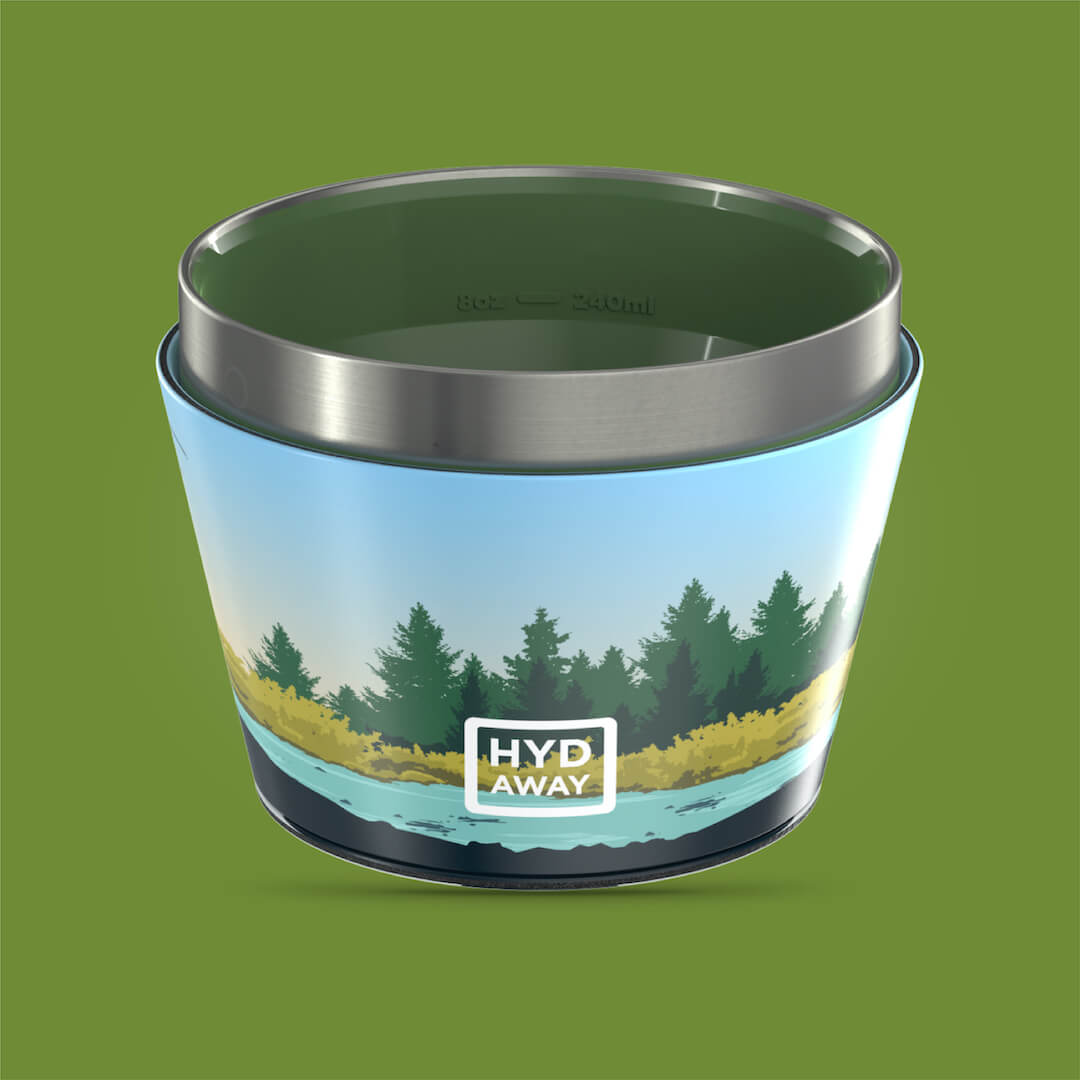
For people building a compact kit, pairing a brewer with a collapsible cup keeps the system from ballooning. A collapsible coffee cup setup for travel is a practical example of that approach, especially when your mug needs to disappear into a drawer or day bag after breakfast.
The digital nomad
This traveler usually wants three things at once. Quiet brewing, fast cleanup, and a setup that doesn't dominate a small room.
That points toward compact manual systems that don't hiss, buzz, or leave a pile of wet parts beside the sink. In hostels and short-term rentals, simplicity beats novelty. You're not staging a café bar. You're trying to make one reliable cup before a work call.
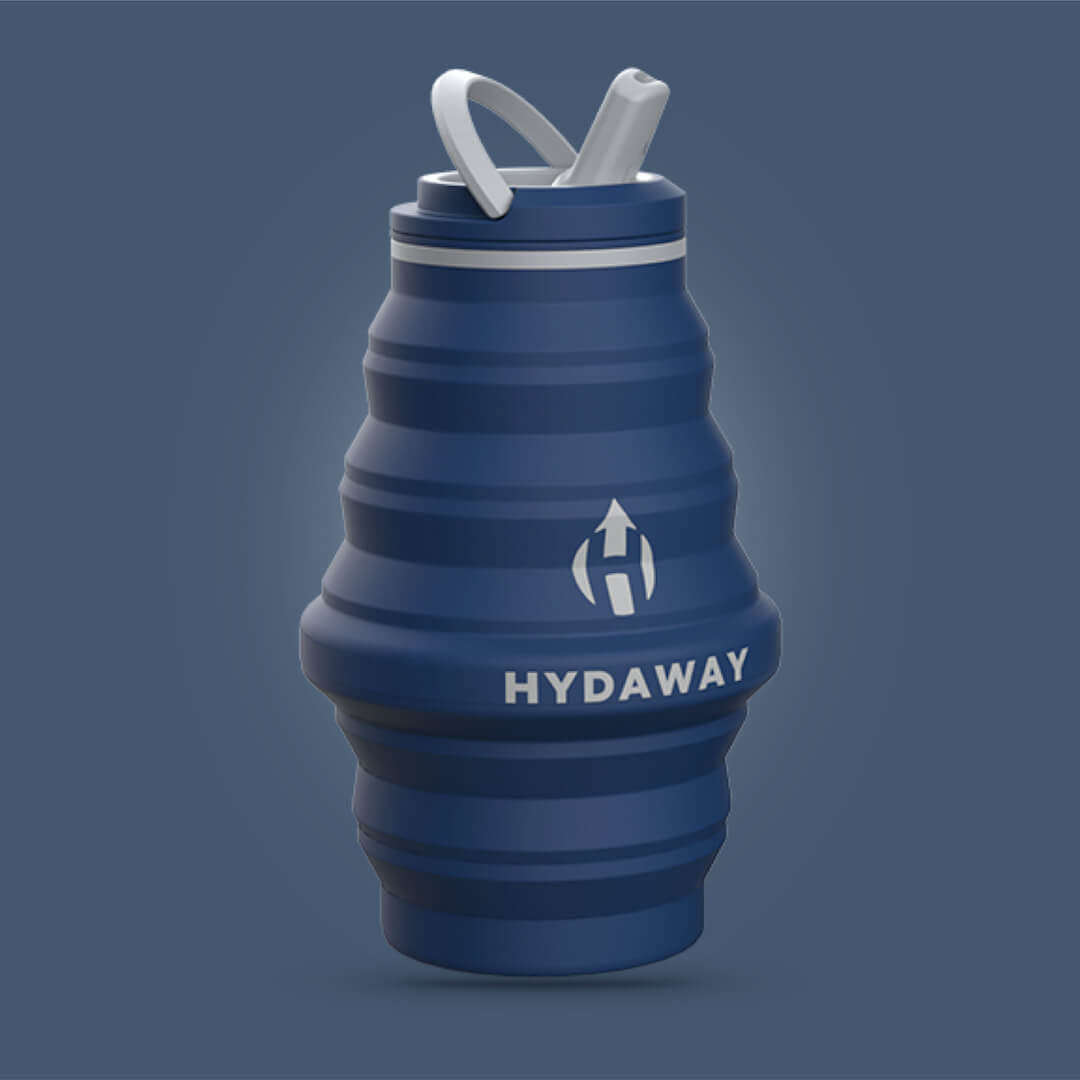
One reasonable setup is a compact pressure brewer plus a fold-flat drinking vessel. In that context, HYDAWAY fits neatly because its collapsible tumbler gives you a coffee cup that takes up less bag volume when you're done, instead of forcing you to carry a rigid mug all day.
Here's a quick visual if you want ideas for a compact routine on the move.
The office commuter who travels light
This is the overlooked group. Not everyone needs summit coffee. Some people just want to skip burnt office coffee without dragging half a kitchen to work.
For that person, a brewer that stores neatly in a tote and makes one cup fast is enough. The key is not overbuying. If your commute already includes a laptop, charger, lunch, and jacket, the coffee kit has to justify every cubic inch.
How To Pack And Care For Your Coffee Kit
A good travel coffee setup isn't just the brewer. It's the whole system. Grounds, cup, cleanup, storage, and how fast you can get everything packed again.
The mistake I see most often is buying a brewer first, then stuffing random pieces around it. That creates dead space and tiny annoyances that add up every morning.

Build one contained coffee kit
Keep the kit together so you can grab it half asleep. That usually means one pouch or one dedicated corner of the bag.
A practical travel kit often includes:
- Brewer that can make one cup without extra adapters
- Cup or tumbler that doubles as your drink vessel
- Coffee storage in a sealed bag or compact container
- Spoon or scoop only if your brewer requires one
- Filters if the system isn't reusable
- Small cleanup cloth for drying parts before repacking
If the brewer requires a long list of support items, it's probably not that portable.
Decide where you'll spend the effort
The primary tradeoff after purchase is often pack size versus cleanup effort. Compact gear can still become annoying if setup and washing take too long, especially for digital nomads and travelers who need efficiency more than coffee theater (discussion of pack size and cleanup tradeoffs in travel brewing).
That means you should choose where you want the work to happen:
| Choice | Easier on the road | Tradeoff |
|---|---|---|
| Pre-ground coffee | Faster mornings | Less control over freshness |
| Whole beans + hand grinder | Better flavor control | More gear and more time |
| Paper filters | Cleaner cleanup | Need to restock |
| Reusable filter | Less disposable waste | More rinsing |
If you hate cleanup, buy for cleanup first and brew style second. Most travelers abandon fussy coffee gear long before they abandon coffee itself.
Pack to avoid wet gear problems
Wet coffee gear turns a neat kit into a mess. The fix is simple. Separate the clean-dry side from the used-wet side until you can air things out.
A few field-tested habits help:
- Let the brewer drip dry briefly before it goes back in the bag.
- Carry one small absorbent cloth to wipe the cup and brewer.
- Store grounds separately from wet parts so everything doesn't smell like stale coffee.
- Clean immediately when possible because dried coffee oils are harder to remove later.
For travelers using compact accessories, a small case or pouch can keep the whole coffee kit from migrating through your bag. The point isn't perfection. It's making the setup easy enough that you'll keep using it.
Brewing With Safety And Sustainability In Mind
Portable coffee gear takes more abuse than kitchen gear, so materials matter. Cheap plastic can feel fine on day one and become the weak point later, either through heat handling, odor retention, or wear.
The strongest setups usually keep things simple. Brew directly into an insulated stainless steel mug, skip the extra transfer, and cut down on heat loss. Capresso's portable brewer is specified to heat a stainless steel thermal mug to 200°F, which shows why the mug itself is part of performance, not just an accessory (eco-friendly travel mug choices and reusable drinkware thinking).
Reusable beats disposable for travel
Single-use pods and throwaway cups solve a short-term problem by creating a long-term mess. For travelers who care about carrying less, reusable systems make more sense anyway. You pack one brewer, one cup, and one routine. No pile of used pods. No dependence on the exact consumable your machine requires.
That also gives you more flexibility. Grounds are easier to find in unfamiliar places than brand-specific pod formats.
Leave fewer traces
Sustainability on the road is mostly about habits:
- Choose reusable filters or durable paper systems based on how you travel.
- Pack out grounds when needed instead of dumping them carelessly at camp.
- Rinse away from natural water sources when you're outdoors.
- Buy durable gear once instead of replacing cracked travel gadgets every season.
Good coffee gear should support the trip without adding unnecessary waste to it.
Your Perfect Cup Is Now Ready Anywhere
The right portable one cup coffee maker doesn't look the same for everyone. For some people it's a fold-flat pour-over and one insulated cup. For others it's a pressure brewer in a work bag. For some van travelers, it's a kettle and a compact manual setup that stores in one drawer.
What matters is the match.
If you need true mobility, choose manual and keep the parts count low. If you travel by car or work from temporary spaces, a slightly larger setup may be worth it if cleanup stays easy. If space is always tight, prioritize gear that nests, collapses, or brews directly into the vessel you already carry.
That's the part a lot of buying guides miss. Better travel coffee isn't about bringing more café equipment with you. It's about protecting the ritual while cutting the bulk.
A reusable cup is often the anchor for that whole system, especially if it doesn't take over your bag after you finish drinking. A reusable travel coffee cup for everyday movement fits that carry-less mindset well because your coffee gear should work for the commute, the airport, the trailhead, and the campsite without needing a different setup each time.
Choose the system you'll pack. That's the one that will keep showing up for the good mornings.
If you want travel gear that takes up less room and stays useful after the coffee is gone, take a look at HYDAWAY. Its collapsible drinkware and packable accessories fit the kind of coffee kit that works on the road, at camp, and in daily carry without wasting space.