


Finding the Best Hydration Pack Cleaner for Your Gear

We've all been there. You take a big swig from your hydration pack during a summer music festival or a long trail run, expecting crisp, refreshing water, but instead, you get a funky, plastic-like taste. That unpleasant surprise isn't just a minor annoyance—it's your gear telling you it needs a serious cleaning.
Ignoring this little warning can do more than just ruin a perfectly good gulp of water; it can derail an entire adventure. Regular cleaning isn't just about making your water taste better; it's about keeping you healthy and your gear in top shape for years to come.
What's Really Lurking in Your Hydration Pack?
That off-taste or faint musty smell is the first red flag. It’s a telltale sign of biofilm—a slimy, invisible layer of bacteria—starting to build up inside your reservoir and tube. It might start small, but if you let it go, that funky taste can become a real health hazard.
Think about it. You're deep into training for a half-marathon and suddenly get sidelined by a nasty stomach bug. Or maybe you're on a family hike, and the kids start refusing to drink their water because it "tastes weird." These aren't just worst-case scenarios; they're common, frustrating outcomes of using a dirty hydration pack.
The Problem Goes Deeper Than Just Bad Taste
A dirty reservoir doesn't just taste gross. It can become a breeding ground for mold and bacteria, which can lead to stomach issues right when you need to be feeling your best. It's more than an inconvenience; it's a real performance and safety issue.
The problem is so common that it’s a known headache in a booming market.
The global hydration backpack market, valued at USD 442.11 million in 2024, is set to climb past USD 1.2 billion by 2034. But here’s the catch: studies have found that improperly stored packs can harbor up to 10,000 bacteria per square centimeter after just one week. It’s no wonder cleaning is a major hurdle for so many of us. You can learn more about the growing hydration pack market on towardsconsumergoods.com.
Making Your Hydration Routine Effortless
Let’s be honest, the biggest reason we put off cleaning our gear is because it’s a hassle. Trying to scrub out narrow reservoirs and maneuver brushes through long, tangled hoses is a chore nobody looks forward to. This exact pain point is what inspired us to design gear that’s genuinely easy to care for.
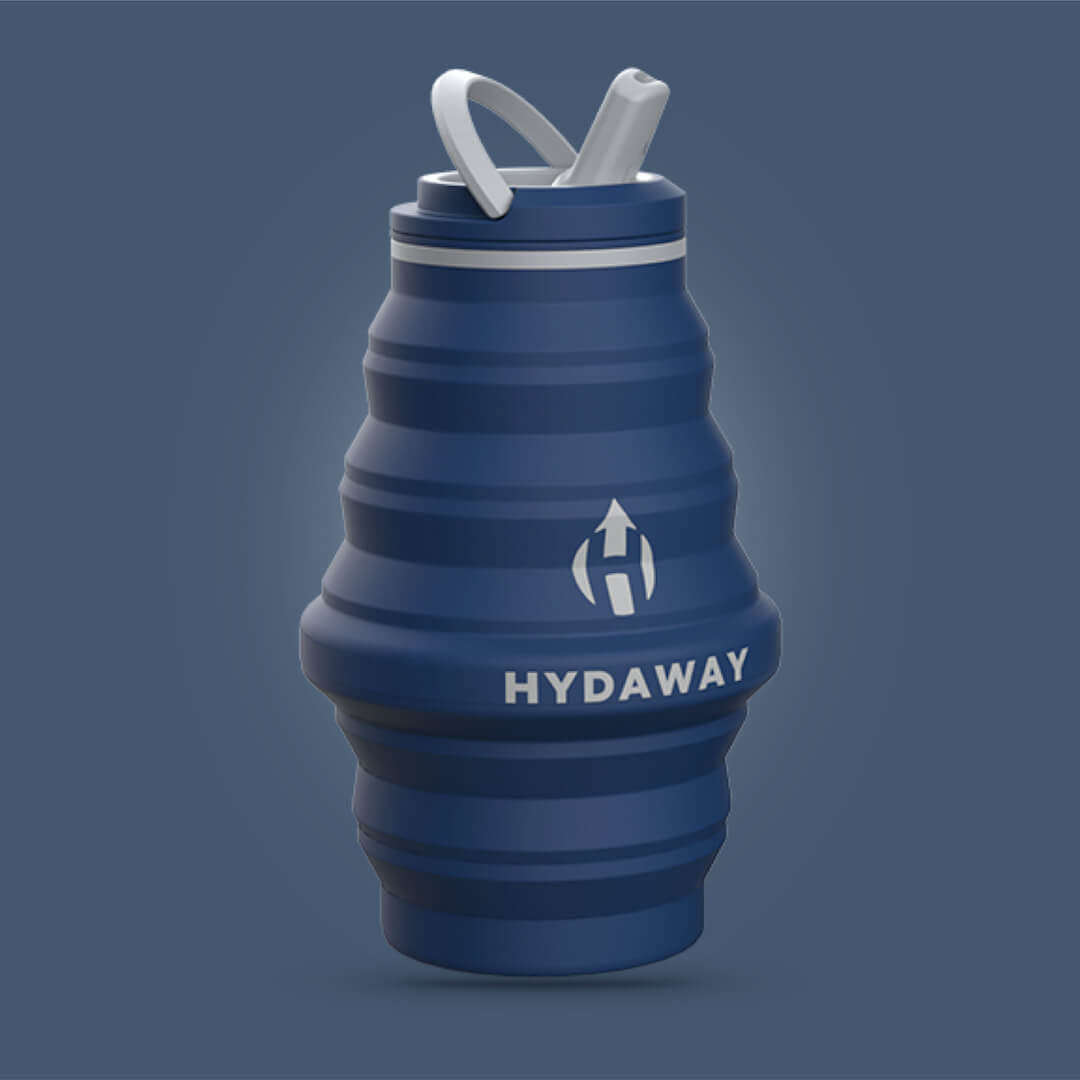
Our HYDAWAY collapsible water bottles, for instance, were created with a wide-mouth opening specifically to make cleaning a breeze. Even better, they're top-rack dishwasher safe. No special brushes, no complicated rituals.
For anyone who’s always on the move—from families hitting theme parks to adventurers traveling the world—this is a game-changer. Imagine coming home from a long day at Disneyland. Instead of facing a complicated cleaning project, you can simply collapse your bottle, toss it in the dishwasher, and know it will be clean, safe, and ready for your next adventure.
Your Guide to Cleaning and Sanitizing Your Hydation Pack
We’ve all been there. You get home from a killer hike, exhausted and happy, and toss your gear in the corner. The last thing on your mind is cleaning your hydration pack. But turning that chore into a quick, easy habit is the secret to making sure your gear is always ready for the next adventure.
The whole process is pretty simple once you get the hang of it. It’s all about getting into those nooks and crannies where funky stuff likes to grow. First things first, take it all apart. Don't just unscrew the fill cap—disconnect the tube from the reservoir and pop the bite valve off the end of the hose. This is the only way to get everything truly clean.
The Initial Rinse and Deep Scrub
Once you've got all the pieces separated, give everything a good rinse with warm water. This is just to flush out any leftover drink mix or sediment before you get down to business.
Now it's time for a proper scrub. A dedicated hydration pack cleaner brush kit is your best friend here, but a long-handled bottle brush can work in a pinch. Fill the reservoir about halfway with warm water and a small drop of mild, unscented dish soap.
Get in there with the big brush and scrub the inside of the reservoir. Make sure you hit the corners and seams where that slimy biofilm loves to build up. For the hose, thread the long, skinny brush all the way through, working it back and forth a few times. Trust me, you might be surprised (and a little grossed out) by what comes out.
The infographic below really shows why this matters. That slightly funky taste is the first warning sign.

As you can see, ignoring that off-taste can let bacteria get a foothold, which can eventually become a health risk. A little scrubbing goes a long way.
The Final Sanitizing Soak
After a good scrub and rinse, it's time to sanitize and knock out any lingering microbes. You can use purpose-made cleaning tablets, or you can go the DIY route. A couple of tablespoons of baking soda or a splash of lemon juice in a full reservoir of water does a fantastic job.
Let everything—the reservoir, tube, and bite valve—soak in your cleaning solution for at least 20-30 minutes. To get the solution all the way through the tube, just lift the reservoir up and let gravity do the work.
Here’s a tip from experience: When you’re done soaking, rinse everything really, really well. There's nothing worse than taking a big swig of water on the trail only to get a mouthful of soapy, bleachy flavor.
Since many bite valves are made of silicone, other cleaning tips can be helpful. For example, learning how to clean silicone watch bands can give you ideas for caring for other silicone gear.
How HYDAWAY Simplifies Everything
This whole process works, but let's be honest, it can feel like a project. That’s exactly why we designed our collapsible gear to be ridiculously easy to care for.
- Wide-Mouth Opening: Forget trying to force a brush into a tiny opening. Our bottles open up wide, so you can easily scrub the entire inside with a regular sponge.
- Dishwasher Safe: This is the ultimate shortcut. Just collapse your bottle, toss it on the top rack of your dishwasher, and let the machine do all the work. It comes out perfectly clean and sanitized every time.
For active people, this means no more choosing between a post-workout recovery meal and cleaning your gear—you can do both. After your gym session, just collapse the bottle and put it in the dishwasher. It’s a simple, practical way to make sure every sip you take on your adventures is fresh, pure, and safe.
DIY Solutions vs. Commercial Cleaning Tablets
When it’s time for a deep clean, you have a couple of solid options. Do you reach for a specialized cleaning tablet or whip up a quick solution from your kitchen pantry? Both get the job done, but one might be a better fit depending on the situation.
The choice often boils down to convenience versus cost. If you're a thru-hiker on the Appalachian Trail, a few lightweight, mess-free tablets are a no-brainer. But if you're just cleaning your pack at home after a weekend bike ride, a simple baking soda mix is quick, effective, and practically free.
The Case for DIY Cleaners
The best thing about DIY cleaning is how easy and accessible it is. Chances are, you already have everything you need for regular maintenance or to tackle common issues like a funky smell or a slight film inside your reservoir.
Here are a couple of my go-to recipes:
- Baking Soda for Odors: Mix two tablespoons of baking soda into a liter of warm water. Pour it into your reservoir, seal it up, and give it a good shake. Let it sit for about 30 minutes, then rinse it out completely.
- Vinegar for Sanitizing: A solution of one part white vinegar to four parts water works wonders. The acidity is great for breaking down mineral deposits and stopping anything funky from growing. A 30-minute soak and a thorough rinse is all it takes.
You don't always need dedicated tablets. Knowing how an eco all purpose cleaner works can even inspire your own safe and effective cleaning methods. These homemade options are gentle on your gear and your wallet.
When Commercial Tablets Shine
On the other hand, commercial cleaning tablets from brands like CamelBak or Osprey are purpose-built to destroy stubborn grime with almost zero effort. Their fizzy, effervescent action helps dissolve the tough-to-remove biofilm that a simple soak-and-rinse might leave behind.
This is convenience at its best. You just drop a tablet in, add water, and let it do its thing. It takes all the guesswork out of measuring, which is why they've become such a popular choice for cleaning hydration packs.
We get it—maintenance can be a pain. In fact, surveys show that 62% of people say cleaning difficulty is their biggest complaint with hydration gear. This frustration makes sense, especially when you consider things like the U.S. Army's strict protocol of weekly bleach soaks, which cut infection risks by a massive 85% in the field.
How HYDAWAY Makes It All Easier
No matter which cleaning method you prefer, the design of your gear makes a huge difference. Trying to scrub the inside of a traditional reservoir through a tiny opening can make anyone want to give up.
This is where HYDAWAY's collapsible bottles really shine. Their wide-mouth design means you can add baking soda, vinegar, or a cleaning tablet without spilling a drop. Better yet, the entire bottle is top-rack dishwasher safe, giving you a third, even simpler cleaning option.
For anyone who dreads the post-adventure cleanup, that feature alone is a total game-changer. Imagine you're packing for a spontaneous weekend trip. Instead of debating if your old water bottle is clean enough, you can just grab your HYDAWAY bottle from the dishwasher, knowing it's perfectly sanitized and ready to go. If you want to learn more about the tablet route, check out our guide on the benefits of using hydration bladder cleaning tablets.
How to Fix Common Hydration Pack Issues

Even when you're diligent about cleaning your gear, some frustrating issues can still pop up. Maybe it's the faint, discolored splotches left behind from that berry-flavored sports drink, or a plastic taste that just won’t go away. Don’t toss your gear just yet—these are totally normal problems, and luckily, the fixes are pretty straightforward.
Think of your hydration pack like any other piece of high-performance gear. Sometimes it just needs a little extra TLC to get back to 100%. These quick fixes will tackle those specific problems without a ton of hassle.
Tackling Stubborn Stains and Lingering Odors
If you’ve spotted some faint stains or caught a funky whiff that a regular wash couldn't handle, it's time to get a bit more targeted. The usual culprit is leftover residue from sugary drinks that loves to cling to the inside of a bladder.
For any discolored patches, just whip up a simple paste with baking soda and a little bit of water. Slather it directly onto the stained area inside the reservoir and let it work its magic for 15-20 minutes. After it sits, use a soft brush to give it a gentle scrub before rinsing everything out thoroughly.
Ignoring this can get gross, fast. Some research shows that uncleaned reservoirs can breed E. coli 100 times faster than plain old tap water. On the flip side, manufacturer tests confirm a simple baking soda scrub—just two tablespoons per liter with a 15-minute soak—can get rid of 99% of odors. That's great news for the over 45% of users who report dealing with off-tastes in their gear. You can dig into more data on hydration product trends and maintenance.
Getting Rid of That 'New Plastic' Taste
Ah, the "factory fresh" taste. It's one of the most common complaints with new hydration gear and can make perfectly good water taste artificial and pretty unappealing. Thankfully, this is an easy one.
A simple soak with lemon juice and water does wonders for neutralizing that plastic flavor. Just squeeze the juice of half a lemon into a full reservoir of water, give it a good shake, and let it sit for at least an hour. For really stubborn tastes, you can even leave it overnight. The natural acidity of the lemon cuts right through that chemical aftertaste, leaving your pack tasting fresh.
Pro Tip: No lemons on hand? A couple of tablespoons of white vinegar mixed with water will also get the job done. Just make sure to rinse it out extremely well afterward, or you’ll just be trading a plastic taste for a vinegary one!
The HYDAWAY Advantage in Problem-Solving
These common frustrations are exactly why we designed our products the way we did. We wanted to get rid of the hassle of scrubbing stubborn stains and smells from a traditional plastic bladder.
That’s why HYDAWAY collapsible bottles are made from food-grade silicone.
- Naturally Resistant: Silicone is non-porous, which means it naturally resists stains and doesn't trap odors the way typical plastics can. You can switch from a sports drink back to plain water without any of that lingering sugary taste.
- Effortless Cleaning: If you do need a deep clean, the wide-mouth opening makes it incredibly easy to get in there and scrub every corner. And since they’re top-rack dishwasher safe, you can get a perfect sanitization with zero extra effort.
With HYDAWAY, you can say goodbye to those annoying problems for good. For example, if you love adding electrolyte powders to your water for a workout but hate the lingering flavor, our silicone bottle is the perfect solution. A quick wash or a cycle through the dishwasher, and it’s completely fresh for your next use—no more ghost flavors.
The Art of Drying and Storing Your Hydration Gear

You’ve done all the work scrubbing and sanitizing your gear. Don't fall at the final hurdle. The final step—drying—is arguably the most important one.
A damp reservoir, no matter how clean, is an open invitation for mold and mildew. Proper drying isn't just a suggestion; it's non-negotiable for keeping your gear fresh and ready for the next adventure.
The goal is simple: maximize airflow. You need air circulating into every last nook and cranny. If you just hang a bladder upside down, the sides will inevitably stick together, trapping moisture and pretty much undoing all your hard work. This is where a good hydration pack cleaner routine really comes together.
Smart Drying Techniques for Any Gear
The good news is you don’t need a bunch of fancy equipment to dry your gear properly. Over the years, adventurers have come up with some pretty clever hacks using stuff you probably already have at home.
A few of our favorite methods include:
- Dedicated Drying Hangers: Plenty of brands sell hangers made specifically to hold a reservoir open while it hangs upside down. They work great.
- The Kitchen Whisk Hack: This one is a classic. Just slide a clean kitchen whisk inside the reservoir. Its shape naturally props the sides apart, allowing for fantastic airflow.
- The Paper Towel Roll Trick: An empty paper towel roll can also be used to prop the bladder open while it sits on a drying rack. Simple, but effective.
One of the best pro-tips we've heard from long-distance hikers is to store a completely dry and empty reservoir in the freezer. The freezing temperatures make it nearly impossible for any stray microbes to grow, ensuring your bladder is pristine for your next trip, even months later.
Storage Solutions for Modern Lifestyles
Once your gear is bone-dry, where you store it matters. Tossing it into the back of a dark closet can reintroduce a musty environment, and you’re back to square one.
This is where gear designed for modern life really shines, especially for those of us in smaller spaces like apartments or traveling in a campervan.
The HYDAWAY collapsible bottle is a perfect example. Its wide opening not only makes the initial cleaning a breeze but also helps it air dry incredibly fast. You won't need any special hangers or kitchen tools to prop it open.
Even better, once it's dry, it collapses flat. Instead of hogging a whole shelf, it can slide into a drawer, a pocket in your travel bag, or a tiny bin in your van. For anyone living in a city apartment or trying to pack light for an international flight, this space-saving design means you can have high-performance gear that fits your life, not the other way around.
Our guide on cleaning a CamelBak bladder has even more tips that you can apply to all types of hydration gear.
Your Questions About Hydration Pack Cleaning Answered
Even the most seasoned adventurers have questions when it comes to gear maintenance. When you're trying to keep your hydration pack in top shape, a few straightforward answers can turn a confusing chore into a quick, confident habit.
Let's cut through the confusion. You just finished a dusty trail run and you're wondering if a quick rinse is enough. Or maybe you're staring at a brand-new bladder, questioning if it can handle the dishwasher. These are the real-world details that actually matter.
How Often Should I Really Clean My Hydration Pack?
It really comes down to one simple thing: what are you putting in it?
- After every single use: If you’re filling it with sugary sports drinks, electrolyte powders, or anything other than plain water. You'll want to clean it thoroughly to stop sticky buildup and funky bacteria from taking over.
- Once a month for a deep clean: For regular, water-only users, a full scrub and sanitizing soak is a great habit to get into. This keeps any potential gunk from ever getting started in the first place.
- Immediately, no exceptions: If you've been sick and drinking from it, or if you accidentally stored it while it was still damp, a full sanitization is a must before your next adventure.
Can I Just Throw My Hydration Reservoir in the Dishwasher?
This is a huge point of confusion, and for most traditional plastic bladders, the answer is a hard no. The intense heat from a dishwasher can easily warp the plastic, damage the seams, and completely ruin the seal, leading to frustrating leaks on the trail. Always double-check your specific model’s instructions, but it's generally a risk not worth taking.
This is where HYDAWAY products completely change the game. Our collapsible bottles are specifically engineered to be top-rack dishwasher safe. This one feature simplifies your entire cleaning routine—just let the machine do the hard work. It's the perfect solution for busy families coming home from a theme park or a traveler needing a quick turnaround at their Airbnb.
A Pro Tip From Us: To be safe with any gear, always check the manufacturer’s care instructions. What works for one brand might ruin another. For HYDAWAY bottles, it's simple: just collapse them and pop them on the top rack for a perfect, effortless clean.
Is Using Bleach to Clean My Hydration Pack Safe?
Yes, but you have to be precise and careful. A heavily diluted bleach solution is an incredibly effective way to knock out stubborn bacteria or mold.
A safe and common ratio is just a few drops of regular, unscented household bleach per liter of water. Let this solution sit in the reservoir and run it through the hose for about five minutes.
Afterward—and this is critical—you need to rinse, rinse, and rinse again with warm water until you can't smell even the faintest hint of bleach. If the idea of using bleach makes you a little nervous, don't worry. Commercial cleaning tablets or a simple white vinegar solution are excellent and highly effective alternatives.
With a HYDAWAY collapsible bottle, you can skip the complicated cleaning rituals altogether. Our wide-mouth, dishwasher-safe design makes staying hydrated on your adventures easier than ever. Explore our full line of packable gear at myhydaway.com.