


Guide to cleaning a camelbak bladder: Quick tips for pristine hydration

That plastic taste in your water isn't just annoying—it’s a dead giveaway that cleaning your CamelBak bladder is overdue. When you forget to clean it, that dark, moist reservoir becomes the perfect breeding ground for mold and bacteria. Suddenly, your go-to hydration source turns into a potential health hazard. A quick, thorough clean is all it takes to make sure every sip is fresh, safe, and tastes like, well, water.
Why Cleaning Your Bladder Is an Essential Adventure Skill

Think of keeping your bladder clean not as a chore, but as a non-negotiable part of your adventure prep. It's just as vital as charging your GPS or packing a first-aid kit. A clean reservoir guarantees fresh-tasting water, which can honestly make or break your morale on a tough, sweaty hike.
More importantly, it’s about your health. Imagine you're tackling the rugged trails of Bend, Oregon, and your water tastes funky. You're not alone. Up to 70% of outdoor enthusiasts report weird tastes or smells from their hydration systems after just a few weeks. Without regular cleaning, this can lead to gastrointestinal issues in as many as 15% of users who let maintenance slide. If you want a visual guide, CamelBak has some great official tips on their YouTube.
The Real Risks of a Dirty Bladder
When left to its own devices, your hydration reservoir can host more than just a bad smell. It can become a hotspot for microbial growth that ruins your water and poses some real health concerns.
- Bacteria and Mold: These are the main culprits behind that gross taste and odor. They absolutely love dark, damp environments like an un-dried bladder.
- Mineral Buildup: If you have hard water, it can leave a chalky film inside, messing with the taste and even the bladder's flexibility over time.
- Lingering Residues: Love sugary sports drinks or electrolyte powders? That sticky residue they leave behind is a super-food for bacteria, making frequent cleaning an absolute must.
A Proactive Mindset for Better Adventures
Taking a proactive approach to gear care is just smart. It makes your equipment last longer and ultimately saves you money. A well-maintained bladder can give you years of reliable performance on countless trails.
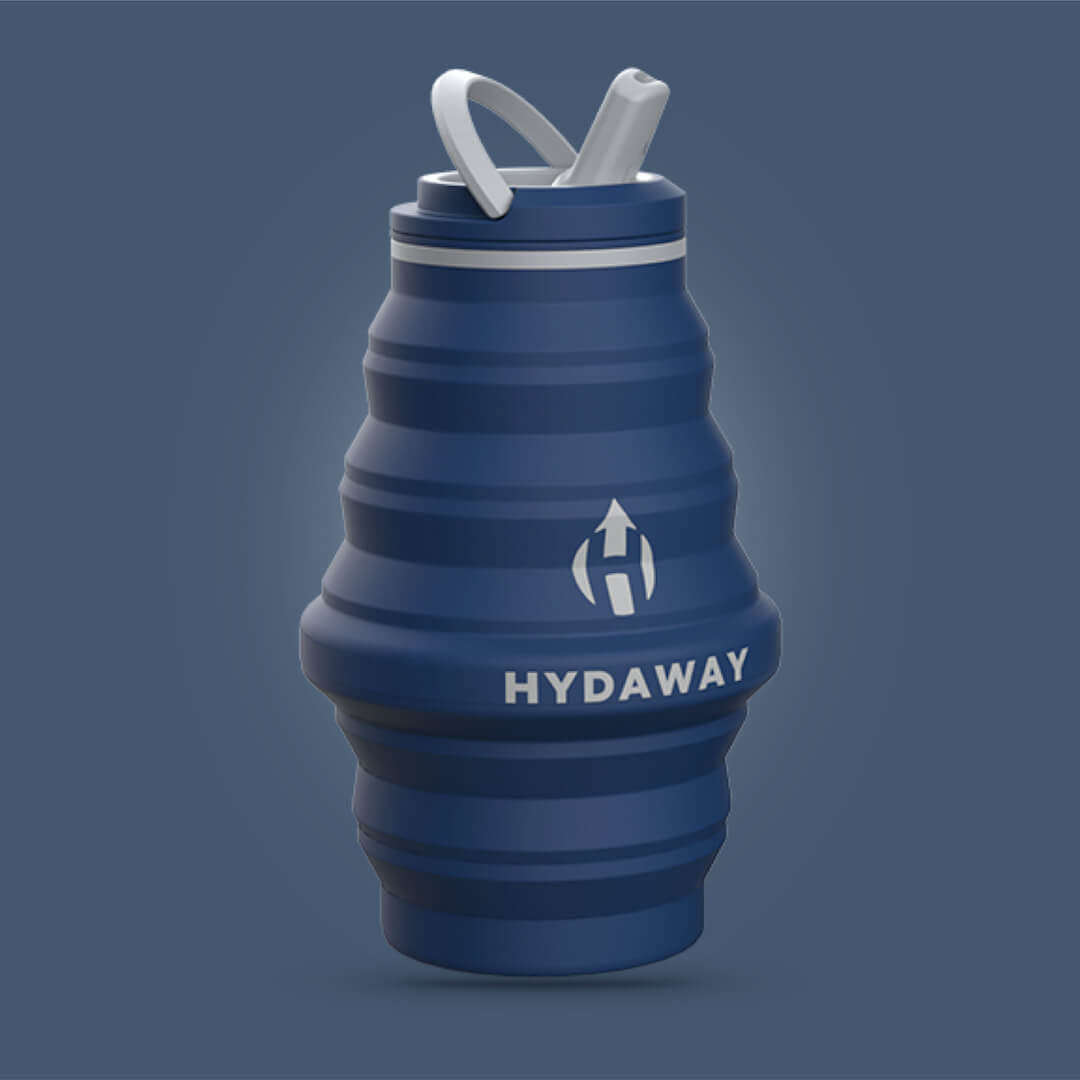
This mindset is exactly what we had in mind when we designed our durable, easy-to-clean collapsible bottles. Just like HYDAWAY products are built for the long haul to reduce waste, taking a few minutes to clean your CamelBak ensures your gear is always ready for the next adventure. Whether you're a festival-goer who needs easy hydration or a minimalist traveler packing light, knowing your gear is clean and ready makes everything simpler.
A clean hydration system is a cornerstone of safe and enjoyable outdoor recreation. It’s a simple habit that pays huge dividends in performance, health, and gear longevity.
While a CamelBak bladder is an awesome piece of kit, it's always good to have options. Exploring gear like filtered water bottles for hiking can add versatility and provide a solid backup, especially on longer trips where water sources might be a little sketchy. This way, you're always prepared to stay hydrated safely, no matter where the trail takes you.
Getting Your Cleaning Tools Together
Before you can get that hydration bladder sparkling clean, you need to round up a few supplies. The great news is you don’t need a professional-grade setup. You can get a spotless clean with just a few key items, and you probably have most of them in your kitchen already.
For a routine clean, your best friends are simple: warm water and a little bit of mild dish soap. But to really get into every nook and cranny, a dedicated cleaning kit with brushes for the bladder, tube, and bite valve is a fantastic investment. These kits are designed to scrub away any film or residue that a simple swish and rinse just can’t touch.
Household Alternatives for a Deeper Clean
Sometimes, your bladder needs a little extra muscle to tackle stubborn issues. If you’ve noticed a funky odor that just won’t quit after a long hiking weekend, baking soda is your go-to. Just a small amount mixed with water can neutralize those lingering smells.
Dealing with mineral buildup from hard water? A white vinegar solution works wonders to dissolve that chalky film, leaving your bladder feeling fresh again.
A common mistake is using boiling water, which can damage the bladder's material. Always stick to warm water for mixing solutions or rinsing.
On-the-Go and Convenient Options
What if you're on the road with limited space? This is where specialized cleaning tablets really shine.
For a van-lifer finishing a cross-country trip or a traveler staying in a hostel with limited kitchen access, just popping a tablet into the bladder is the ultimate convenience. There’s no measuring or mixing, making it an incredibly practical way to maintain your gear when you're far from home.
These tablets are compact and effective, fitting perfectly into the minimalist lifestyle that products like HYDAWAY's collapsible gear support. You can throw a few tablets in your pack alongside a collapsed bottle, giving you a full hydration and cleaning system that takes up almost no space. To learn more and find the right tools for your adventure style, check out our guide on selecting a hydration bladder cleaning kit.
Your Deep Cleaning Playbook for a Pristine Bladder
Alright, you've got your tools ready. Now it's time to move past a quick rinse and give your CamelBak bladder the deep clean it deserves. Think of this less as a strict set of rules and more as a flexible game plan you can adapt to your needs, whether you're a daily water-only user or a weekend warrior who powers through with sugary sports drinks.
The whole process really comes down to three phases: take it apart, clean it out, and rinse it well. Before you do anything else, disassemble everything. Pull the drinking tube off the bladder and pop the bite valve off the end of the tube. This is the only way to guarantee your cleaning solution gets into every nook and cranny.
This flowchart maps out your options, from the daily essentials to on-the-go fixes.

As you can see, your cleaning routine can be as simple or as thorough as the situation calls for, making it easy to keep your gear fresh no matter where you are.
Choosing Your Cleaning Method
Once your bladder is in pieces, the real work starts. You've got a few solid methods to choose from, and the best one really depends on what you're dealing with and what you have on hand. After a recent long run fueled by electrolyte mixes, I knew a simple rinse wouldn't cut it. I needed a full scrub with soap to get rid of that sticky residue.
Your choice of deep-cleaning method depends on your needs, supplies, and how funky your bladder has gotten. Here’s a quick comparison to help you pick the right tool for the job.
Comparing Your Bladder Cleaning Options
| Method | Best For | Mixture and Instructions | Soak Time |
|---|---|---|---|
| Soap & Brush | General grime, sugary residue, and physical buildup. | A few drops of mild dish soap and warm water. Scrub all interior surfaces with a brush kit. | None |
| Baking Soda | Neutralizing stubborn odors and plastic-like tastes. | Add 2 tbsp of baking soda to a bladder full of warm water. Shake and circulate through the tube. | 20-30 mins |
| White Vinegar | Breaking down mineral deposits and hard water scale. | Mix 1 part white vinegar with 6 parts warm water. Shake and circulate. | 30 mins |
| Bleach | Killing persistent mold and mildew. Use as a last resort. | Use 2-5 drops of unscented household bleach per liter of water. Shake and circulate. | 5 mins |
| Cleaning Tablets | Convenience, travel, and a no-measure, no-mess deep clean. | Drop 1 tablet into a bladder full of warm water. Let it dissolve and circulate. | 15-30 mins |
Each of these methods is effective in its own right. Just be sure to follow up with a thorough rinse, no matter which one you use.
The Baking Soda Blast for Odor Neutralization
Ever forget to empty your bladder after a weekend trip, only to find it smells a bit... funky? Baking soda is your best friend for this exact scenario.
- Mix your solution: Add about two tablespoons of baking soda to your bladder, then fill it with warm water. Don't use hot water, as it can damage the plastic.
- Shake and soak: Seal it up and shake it like you mean it for about 30 seconds. To get the solution into the tube, hold the bladder up, pinch the bite valve, and let the mixture flow all the way through.
- Let it sit: For a standard refresh, let the solution hang out for 20-30 minutes. If you're dealing with a seriously stubborn smell, you can let it soak for up to an hour.
Baking soda works wonders because it's a natural deodorizer, absorbing and neutralizing the compounds that cause those unpleasant smells.
The Vinegar Soak for Mineral Buildup
If your bladder looks a little cloudy or feels chalky inside, a vinegar soak will bring it back to life. This is especially handy if your home has hard water, which leaves mineral deposits over time.
Pro tip: Stick to plain white distilled vinegar. I once grabbed a flavored vinegar by mistake while rushing, and my water tasted like a salad for the next three hikes. It’s a simple detail, but a crucial one!
The process is a lot like the baking soda method. Just mix one part white vinegar with about six parts warm water and let it soak for around 30 minutes, making sure to run the solution through the tube and bite valve. The mild acid in the vinegar gently breaks down mineral buildup without harming the bladder.
For the most convenient option, especially when you're traveling or just short on time, cleaning tablets are a total game-changer. They pack a powerful, deep-cleaning punch into one simple, fizzing tablet. If you want to know more, you can learn all about hydration bladder cleaning tablets in our guide.
No matter which method you choose, the final step is always a thorough rinse to get rid of any leftover taste before you let it air dry.
The Critical Final Step: Drying and Storing Your Bladder

After you've given your CamelBak bladder a thorough deep clean, you might think you're finished. Not quite. The single most important part of preventing that musty smell and nasty mold growth is making sure your reservoir is completely, totally, bone-dry before you put it away.
I can’t tell you how many times I've heard fellow adventurers complain about pulling out their pack for a spontaneous trip, only to find a science experiment growing inside their bladder. Trapped moisture is the number one enemy. Airflow is your best friend here.
Simple Air-Drying Techniques That Actually Work
The goal is to get the inside of the bladder completely dry, which means you have to prop it open so air can circulate and evaporate every last droplet. It's easier than it sounds.
- Use a Dedicated Dryer: Many cleaning kits include a purpose-built reservoir dryer. These hangers are shaped to hold the bladder wide open for maximum airflow. It's a worthy investment if you use your pack often.
- The Kitchen Whisk Trick: This is a classic hiker hack for a reason. Just slide a simple kitchen whisk into the bladder. It works like a charm to keep the sides from sticking together.
- The Paper Towel Method: Another easy DIY solution is to loosely bunch up a paper towel and gently stuff it inside. It props the bladder open while also absorbing any stubborn leftover moisture.
Don't forget about the tube and bite valve! Pop them off the bladder and hang them vertically so any water can drip out. You can also whip a thin brush through the tube to push out any trapped droplets. The idea is to leave no safe harbor for moisture.
Smart Storage for a Fresh Start
Once your bladder and its parts are completely dry, storing them correctly will keep everything fresh for your next outing. One of the best pro-tips I've ever gotten from seasoned thru-hikers is to store your dry bladder in the freezer.
The freezing temperatures in your freezer are fantastic for inhibiting the growth of any microscopic bacteria or mold spores that might have survived the cleaning process. It’s a foolproof way to ensure your water tastes clean and fresh every single time.
This little habit saves you from the future headache of dealing with a funky bladder. It's a small action with a huge payoff—kind of like collapsing a HYDAWAY bottle to fit in your daypack for a city tour, ensuring you have water without the bulk. It just makes your next adventure that much easier and more enjoyable. You can find more gear-optimizing tips in our guide to choosing an outdoor hydration pack.
Regular maintenance really is everything. Experts agree that fully air drying is non-negotiable, noting that 60% of odor complaints come directly from trapped moisture. For those who only use water, a two-stage deep clean every three months can cut your mold risk by an incredible 85%. If you’re a fan of sugary sports drinks, you'll need to clean it weekly—that leftover residue helps bacteria grow 10 times faster.
Troubleshooting Common Hydration Pack Problems
Even when you follow a pretty consistent cleaning routine, you might still run into a stubborn issue with your hydration pack. It’s frustrating to deal with a lingering plastic taste or discover a mysterious slow leak, but don't worry—most of these common problems have simple fixes that will get you back on the trail in no time.
Sometimes, no matter how well you think you’ve cleaned your CamelBak, a few persistent mold spots or a weird taste just hangs around. This is especially true if you’ve been using sugary sports drinks. It's not a sign you failed; it just means you need a more targeted approach to get your gear back to 100%.
Conquering Stubborn Mold and Lingering Tastes
So, you’ve done a full deep clean, but there’s still a small, dark spot in a corner or a faint plastic tang to your water. What’s next?
- Targeted Scrubbing: For those isolated mold spots that survived a good soak, grab your brush kit. Make a paste with a bit of baking soda and water, apply it directly to the spot, and scrub gently. The mild abrasion can often lift what a simple soak couldn’t.
- Lemon Juice Power: To neutralize a stubborn plastic or funky taste, a lemon juice soak is fantastic. Just add a quarter cup of lemon juice to a full bladder of warm water. Let it sit for about an hour, then give it a thorough rinse. The citric acid is great at breaking down the compounds that cause those off-tastes.
These issues are often a direct result of how we use and clean our bladders. In fact, some expert analyses have found that improper cleaning is behind a huge number of hydration pack issues, with some studies showing it causes 25% of all failures. It's also been noted that mold can affect the taste in 80% of neglected systems after just one month. One guide on intensive cleaning showed that a thorough scrub could eradicate 99% of E. coli in controlled tests. As you can see from these insights about hydration pack care on Bikeboard, proper cleaning isn’t just about health—it’s about making your gear last.
Fixing Leaks On and Off the Trail
Picture this: you're exploring Europe, excited for a day of sightseeing, when you notice a slow drip from your pack. A leaky connection is one of the most common—and annoying—gear failures you can have on the go.
A leak, no matter how small, is a problem that needs immediate attention. It can soak your gear, waste your precious water supply, and turn a great day into a soggy, frustrating one.
First, you need to find the source. Is it coming from the bite valve or the connection where the tube meets the bladder?
- Leaky Bite Valve: More often than not, a tiny piece of debris is stuck in the slit, preventing a proper seal. Just remove the silicone cover, rinse it well under running water, and check for any blockages. Popping it back on usually solves the problem.
- Loose Tube Connection: Disconnect the tube from the bladder itself. Take a look at the O-ring on the connection point to make sure it's clean and seated correctly. Sometimes, all you need to do is disconnect and firmly reconnect it to create a secure seal.
These quick fixes don’t require any special tools and can be done anywhere, from a hostel in Rome to a campsite in the Rockies. It’s this kind of practical, easy-to-apply knowledge that keeps your adventures running smoothly, much like how HYDAWAY’s durable, simple gear is designed to perform reliably trip after trip.
Answering Your Top Bladder Maintenance Questions
Got questions about keeping your hydration bladder in top shape? You're not alone. Let's tackle some of the most common things we hear from hikers, cyclists, and everyday adventurers. We'll skip the jargon and get straight to the practical, real-world advice.
Should I Clean My Bladder Before Using It for the First Time?
Yes, absolutely! Think of it as starting on the right foot. A quick wash with some mild soap and warm water before you ever fill it up is a great habit to get into.
This simple step gets rid of any leftover taste or residue from the manufacturing process. It’s the best way to make sure your first sips are pure, refreshing water—not a hint of plastic.
How Do I Get the Tube and Bite Valve Really Clean?
This is where a lot of gunk can hide, but you don't need a bunch of fancy tools. The trick is all in the technique.
When you're soaking your bladder with a cleaning solution (whether it's baking soda, vinegar, or a tablet), make sure that solution gets a chance to work its magic inside the tube, too. Just hold the bladder up high, give the bite valve a pinch, and let gravity pull the liquid all the way through. For a really deep scrub, especially if you’ve been using sugary sports drinks, a dedicated tube brush is a game-changer for getting rid of that sticky film.
What’s the Best Way to Clean a Seriously Grimy Bladder?
We’ve all been there. You get home exhausted from a long weekend, toss your pack in the corner, and forget about the bladder until... well, until it's a bit of a science experiment. If you're dealing with visible funk or a stubborn smell, a quick rinse won't cut it.
You'll need to go for a full scrub down. Start with warm water and a few drops of mild dish soap. Then, grab a brush kit and get to work on all the interior surfaces, paying extra attention to the corners where stuff loves to hide. Finish by scrubbing the inside of the tube and the bite valve before giving everything a very thorough rinse.
People often ask about using bleach. And while a super-diluted bleach solution (2-5 drops per liter) can work for disinfecting, we find that natural options like vinegar or baking soda are usually just as effective and a lot less harsh on your gear.
How Often Should I Actually Be Cleaning My Bladder?
The honest answer? It completely depends on what you're putting in it.
- Just water? If you’re a water-only user, a deep clean once a month or so is perfectly fine, as long as you’re drying it completely between uses. That's the key!
- Sports drinks or electrolytes? You’ll need to clean it after every single use. No exceptions. That sugary residue is a breeding ground for bacteria and mold.
Taking a few minutes for proper maintenance keeps your gear ready for your next adventure. This same principle applies to your other gear. For instance, the simple, top-rack dishwasher-safe design of HYDAWAY gear means you can easily clean your collapsible bottle after a day of use, whether you're at home or on the road, ensuring it's always ready for your next outing.
Ready for hydration that adapts to your life? Explore the full collection of ultra-portable bottles and gear from HYDAWAY and carry less while you do more. Check out our gear at myhydaway.com.