


Beat The Heat: How To Stay Hydrated In Hot Weather

Hot pavement, reflected sun off stone buildings, a backpack already too full, and a water bottle you don’t want to carry because it takes up half the side pocket. That’s how dehydration sneaks up on people who are otherwise doing everything right.
I see it all the time with travelers moving through summer cities, hikers heading out later than planned, and van-lifers trying to make one fill-up last until the next stop. The problem usually isn’t awareness. The need to drink more water is widely understood. The problem is access, timing, and the annoyance of hauling bulky gear when you’re already managing a mobile life.
If you want to know how to stay hydrated in hot weather, start with this: hydration works best when it’s built into your movement, not left to chance. A good plan beats a good intention every time.
Your Guide to Staying Hydrated on the Move
A lot of hot-weather dehydration starts with a small miscalculation. You head out for “just a quick walk” through a sun-baked neighborhood, or you take a “short trail” that ends up fully exposed with no shade and no refill option. An hour later, your pace drops, your mood changes, and you’re already trying to conserve the little water you brought.

That’s the portability gap. For travelers and digital nomads, the challenge often isn’t knowing what to drink. It’s how to carry and access enough water when normal routines fall apart, especially when you can’t count on refill stations or need to ration what you have, as noted by Houston Methodist’s guidance on humid-weather hydration.
The real issue is friction
When carrying water feels inconvenient, people delay drinking. They leave the bottle in the van, skip refills in the airport, or avoid bringing a second bottle because it feels too bulky. That friction matters.
In real travel life, hydration falls apart in a few familiar ways:
- Day-trip thinking: You pack for a short outing, then stay out far longer.
- Space pressure: Your bag has room for a jacket, camera, snacks, and charger, but not a rigid bottle once it’s empty.
- Water uncertainty: You don’t know where the next refill will be, so you either under-carry or overpack.
Practical rule: If water isn’t easy to reach while you’re moving, you probably won’t drink enough.
Van and RV travelers have another layer to think about. If your onboard water tastes off, smells stale, or you don’t trust the system, you’re less likely to drink consistently from it. That’s why it helps to stay on top of basics like maintaining a clean RV water tank so your stored water remains something you’ll use.
Build a system, not a reminder
The best hydration setup is simple. Carry water you can reach fast. Know your refill points before you need them. Pack a bottle that doesn’t become dead weight once it’s empty. For people living out of backpacks, carry-ons, camper vans, and commuter bags, that packable approach isn’t a luxury. It’s what makes consistency possible.
Why Heat Drains Your Energy The Science of Dehydration
Heat drains you faster than you might expect because water isn’t just something your body stores. It’s part of how your body regulates itself minute by minute. The human body is approximately 60% water, and in hot weather an active 150-pound person should aim for at least 1 ounce of water per pound of body weight, or 150 ounces, according to UCLA Health’s summer hydration guidance.
That number surprises people because it’s far beyond the old “8 glasses a day” mindset. But in real heat, especially when you’re walking hard, hiking, working outdoors, or carrying gear, your body burns through fluid quickly.
Your cooling system depends on water
Think of hydration like coolant in an engine. When the engine heats up, the cooling system has to work harder. Your body does the same thing through sweat and circulation.
When conditions are hot, your body uses water to help:
- Regulate temperature: Sweat helps release heat.
- Support brain function: Poor hydration can make decision-making feel slower and fuzzier.
- Keep joints moving well: Fluid supports lubrication and overall comfort on long days.
- Aid digestion: Heat plus travel plus dehydration is a rough combination for your gut.
When that system starts running low, the first thing many people notice isn’t dramatic thirst. It’s subtle drag. You feel more irritable. Your legs feel heavy earlier. Your concentration slips.
Mild dehydration changes performance fast
The tricky part is that dehydration often feels “manageable” right until it doesn’t. You may still be moving, but less efficiently. You may still be sightseeing, but you stop enjoying it. On trail, that can mean bad pacing decisions. In a city, it can mean walking through the hottest part of the afternoon with no plan.
Heat doesn’t just make you sweaty. It makes every physical and mental task more expensive.
That’s why people often describe hot-weather dehydration as an energy crash. It doesn’t always arrive like a single event. It can feel more like your system gradually downshifts. You walk slower, think less clearly, and recover poorly.
What works better than reacting late
Reactive drinking is unreliable. If you wait until you feel wrung out, you’re already behind. A better move is to treat hydration like sun protection. You don’t wait for the burn to start. You handle it before the problem catches up.
That mindset matters whether you’re crossing a parking lot in full sun, climbing above tree line outside Bend, or navigating a long transit day with hours between reliable fill-ups.
Your Hydration Game Plan What and When to Drink
Most hydration advice is too vague to use. “Drink plenty of water” sounds fine, but it doesn’t help when you’re deciding what to do before a run, during a hot commute, or after a steep climb with salty clothes and a dry mouth.
The American College of Sports Medicine gives a far more useful framework. Their protocol recommends 16 to 20 ounces of fluid 2 to 4 hours before activity, then ½ to 1 cup every 15 to 20 minutes during activity, and following that approach has been associated with a 60 to 70% reduction in heat illness risk in athletes, according to Cooper Health’s summary of ACSM hydration guidance.

Before you head out
Pre-hydration is where good days start. If you begin already low, the sun just speeds up the problem.
A practical approach:
- Drink before exposure, not at the trailhead. Aim for that pre-activity window instead of trying to chug right as you start.
- Keep it ordinary. Water works for many situations. If you know you’ll sweat heavily, an electrolyte drink can make more sense.
- Check your morning habits. Coffee and rushing out the door often crowd out the water that would have helped most.
For a casual city day, this might mean finishing a solid bottle before leaving your lodging. For a hike, it means arriving at the trailhead already in decent shape, not using the first mile to catch up.
During activity in the heat
Consistency matters more than heroics. Small, regular sips usually work better than long gaps followed by a huge gulp.
Use this as your field rule:
- Short efforts under an hour: Sip steadily during exposure.
- Longer outings: Drink on a schedule, even if you still feel okay.
- High-sweat situations: Don’t count on thirst to guide you.
What often goes wrong? Waiting for the next break. Saving water because the bottle feels too precious. Leaving the bottle buried in your bag. All three lead to the same result: you drink too late.
A bottle in your pack doesn’t help much if you only reach it once an hour.
For runners, hikers, and fast walkers, one of the easiest fixes is to decide your drinking rhythm before you start. If you want a sport-specific version of that routine, HYDAWAY has a useful read on staying hydrated while running.
After the heat exposure
A lot of people stop thinking about hydration the minute they get back to the car, hotel, or campsite. That’s a mistake. Recovery starts there.
Good post-heat recovery usually looks like this:
- Drink steadily after you finish. Don’t slam a huge amount all at once.
- Pair fluids with food. That helps recovery feel more complete and often sits better.
- Notice how you feel later. Headache, fatigue, and low appetite can linger if you stop too early.
A practical example from travel life: if you’ve spent the afternoon walking exposed streets in Lisbon, don’t wait until dinner to rehydrate. Start as soon as you’re back in shade or indoors. If you’ve finished a hike outside Moab, start recovering in the parking lot, not after the drive back.
Match the plan to the day
Not every hot day needs the same volume or strategy. A shaded morning stroll is different from hauling gear in direct sun. But the pattern stays the same:
| Situation | Best move |
|---|---|
| Easy urban walking | Pre-hydrate before leaving, then sip regularly |
| Exposed trail hike | Start hydrated, carry enough, drink on intervals |
| Travel day with uncertain access | Fill early, top off whenever you can, don’t assume the next stop will be easy |
| Outdoor work or long park day | Use frequent small sips and plan refills before you run low |
The people who stay comfortable in heat usually aren’t tougher. They’re more organized.
Beyond Just Water Using Electrolytes and Foods
Water handles a lot. It doesn’t handle everything.
If you’re sweating hard for a sustained period, especially in direct sun or humid conditions, you’re losing more than fluid. You’re also losing electrolytes, and that’s where many people go wrong. They keep drinking plain water, feel strangely flat anyway, and assume they just need more of it.

According to OSHA hydration guidance, in heavy sweat conditions oral rehydration solutions with specific sodium and glucose levels can deliver over 90% absorption efficacy, and relying on plain water alone in those situations can be ineffective and even dangerous.
When water isn’t enough
This doesn’t mean every warm afternoon requires a special drink mix. For many everyday situations, water is fine. But some conditions raise the stakes:
- You’re sweating heavily for a long stretch
- Your clothes show heavy salt residue
- You feel drained even though you’ve been drinking
- You’re working or exercising in repeated heat exposure
Those are moments to think beyond plain water.
A useful middle-ground option is a simple electrolyte tablet or powder that packs small and mixes quickly. That’s easier for travel than relying on refrigerated drinks or buying whatever happens to be available at a gas station.
Food helps more than people think
Hydration isn’t only what’s in your bottle. Foods can support fluid intake and make recovery easier when you’re tired of drinking.
The most practical hot-weather foods are the ones that do two jobs at once:
- Watermelon and cucumbers: High water content and easy to eat in heat
- Citrus fruit: Refreshing when appetite is low
- Simple salty snacks: Useful after long sweat sessions
- Cold produce and ready-to-eat trail foods: Good for road trips, campsites, and airport layovers
If you’re building a food kit for hot travel days, HYDAWAY also has solid ideas on trek-friendly food options that pair well with a more deliberate hydration routine.
Don’t confuse sugary drinks with recovery
A lot of people reach for the sweetest sports drink they can find and call it good. Sometimes that works well enough. Often it leaves them feeling sloshy, over-sugared, or still thirsty.
What works better in the field:
- Use electrolytes when the day demands them
- Keep sugar moderate if you’re heat-stressed
- Pair fluids with food when possible
- Test your system before a big adventure day
This short video gives a helpful visual reminder of why smart hydration choices matter when temperatures climb.
If plain water keeps going in but you still feel depleted, stop assuming the answer is only “more water.”
The best hydration strategy is flexible. Water is the foundation. Electrolytes are the tool for longer, sweatier, harsher days. Food rounds out the system.
How to Spot Trouble Early Signs of Dehydration
The late signs of dehydration are not what go unnoticed. It's the early ones that are missed because those signs feel ordinary. A mild headache gets blamed on travel. Low patience gets blamed on the heat itself. Heavy legs get blamed on the climb.
That’s why early recognition matters. By the time you feel thirsty, you’re already 1 to 2% dehydrated, which can impair performance by 10 to 20%, and the stakes are real given that the CDC reported over 700 heat-related deaths in the U.S. in 2023, as summarized by the Arizona Department of Health Services.
Dehydration warning signs
| Stage | Key Symptoms | Immediate Action |
|---|---|---|
| Early dehydration | Dry mouth, noticeable thirst, lower energy, darker urine, reduced focus | Move to shade or a cooler spot, start sipping fluids, slow down activity |
| Worsening dehydration | Headache, dizziness, fatigue, muscle cramps, nausea | Stop exertion, cool the body, drink steadily, use electrolytes if heavy sweating has been ongoing |
| Heat illness concern | Confusion, inability to continue, persistent vomiting, severe weakness | Seek urgent medical help, move to a cooler area immediately, don’t try to push through |
What these signs look like in real life
On a hike, early dehydration often shows up as bad pacing. You stop enjoying the climb and start bargaining with yourself about the next switchback. In a city, it can look like unusual irritability, poor decisions about staying in the sun, or a complete drop in appetite.
For families, the clue is often behavior before complaints. Kids may get cranky, slow, or checked out before they ask for water. Adults do something similar. They just tend to call it “being tired.”
Don’t wait for a dramatic symptom. Act on the first useful clue.
What to do right away
If you notice the early signs, keep the response simple:
- Get out of direct sun
- Start drinking in small steady amounts
- Loosen your pace
- Add cooling measures like shade, airflow, or a damp cloth
- Reassess before resuming activity
What doesn’t work is trying to “tough it out” until the next landmark, the next scenic overlook, or the next store. Heat punishes delay.
If symptoms escalate beyond ordinary thirst and fatigue, treat it as a safety issue, not an inconvenience. Back off fast and get help when needed.
Smart Gear and Habits for Hydration on the Go
The best hydration setup is the one you’ll carry every day. That sounds obvious, but it eliminates a lot of gear. If a bottle is bulky when empty, awkward to pack, or annoying to clean, people stop using it consistently. Hot-weather success comes from removing those friction points.

Match the setup to your lifestyle
A commuter needs something different from a van-lifer. A parent in a theme park has different constraints than a solo hiker. The habit works when the gear matches the day.
Here’s what that looks like in practice:
- For commuters: Keep a collapsible bottle in your laptop bag so you’re never choosing between water and space for chargers, lunch, or a light layer.
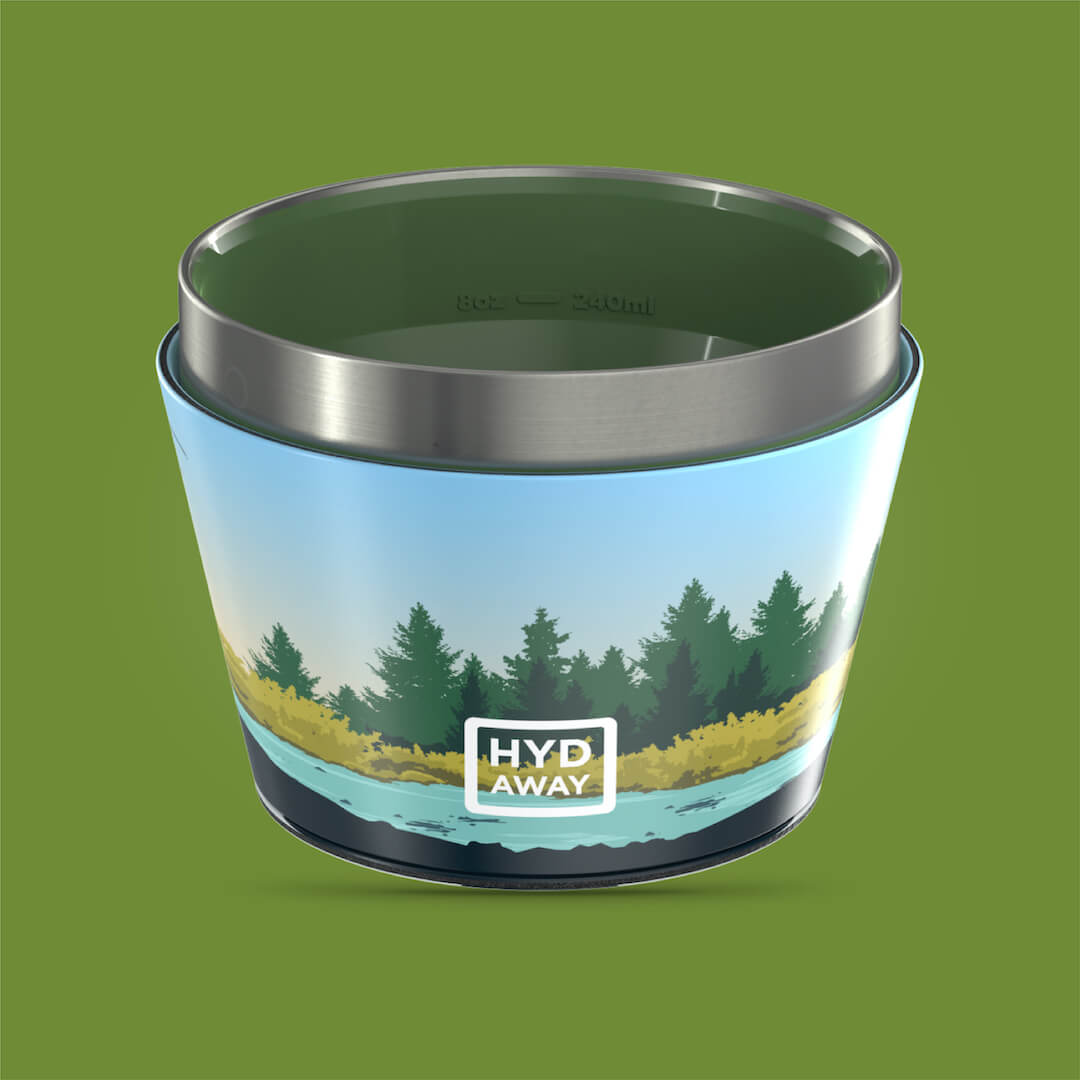
- For van-lifers and overlanders: Use packable drinkware and bowls so cabinets don’t get eaten up by rigid containers you only need at full volume.
- For families at amusement parks: Carry bottles in collapsed form on entry, fill when you can, and avoid relying on expensive single-use drinks all day.
- For hikers and day-trippers: Keep one easy-access bottle on hand and stash backup capacity without turning your pack into dead bulk.
Good habits beat perfect intentions
The gear matters, but the habit matters more. People who stay well-hydrated in heat usually do a few practical things consistently:
| Habit | Why it works |
|---|---|
| Fill early in the day | You start ahead instead of chasing the deficit |
| Refill whenever the option is easy | You don’t gamble on the next stop |
| Keep water reachable | Access drives actual intake |
| Pair hydration with another routine | It turns drinking into automatic behavior |
One simple example: if you stop for gas, refill water. If you stop for coffee, refill water too. If you return to the vehicle after a viewpoint, drink before you drive.
Pack less, carry smarter
Space-saving gear earns its place. Packable hydration tools solve a real mobile-life problem. They let you carry capacity when you need it and reclaim space when you don’t. That’s useful in a carry-on, a daypack, a crowded center console, or a camper van drawer.
If you’re building a travel system around reusable, compact gear, HYDAWAY’s guide to reusable travel bottles is worth a look.
Cooling strategy matters too. If you’re hauling drinks and snacks for a beach day, festival, or roadside lunch stop, it helps to understand what separates a mediocre bag from one that keeps contents useful in the heat. This breakdown on choosing the right cooler backpack is practical and easy to apply.
The easier your water is to carry, the more likely you are to drink it before heat turns the day sideways.
Smart hydration doesn’t have to be complicated. Carry less bulk. Build repeatable habits. Use gear that fits the reality of how you move.
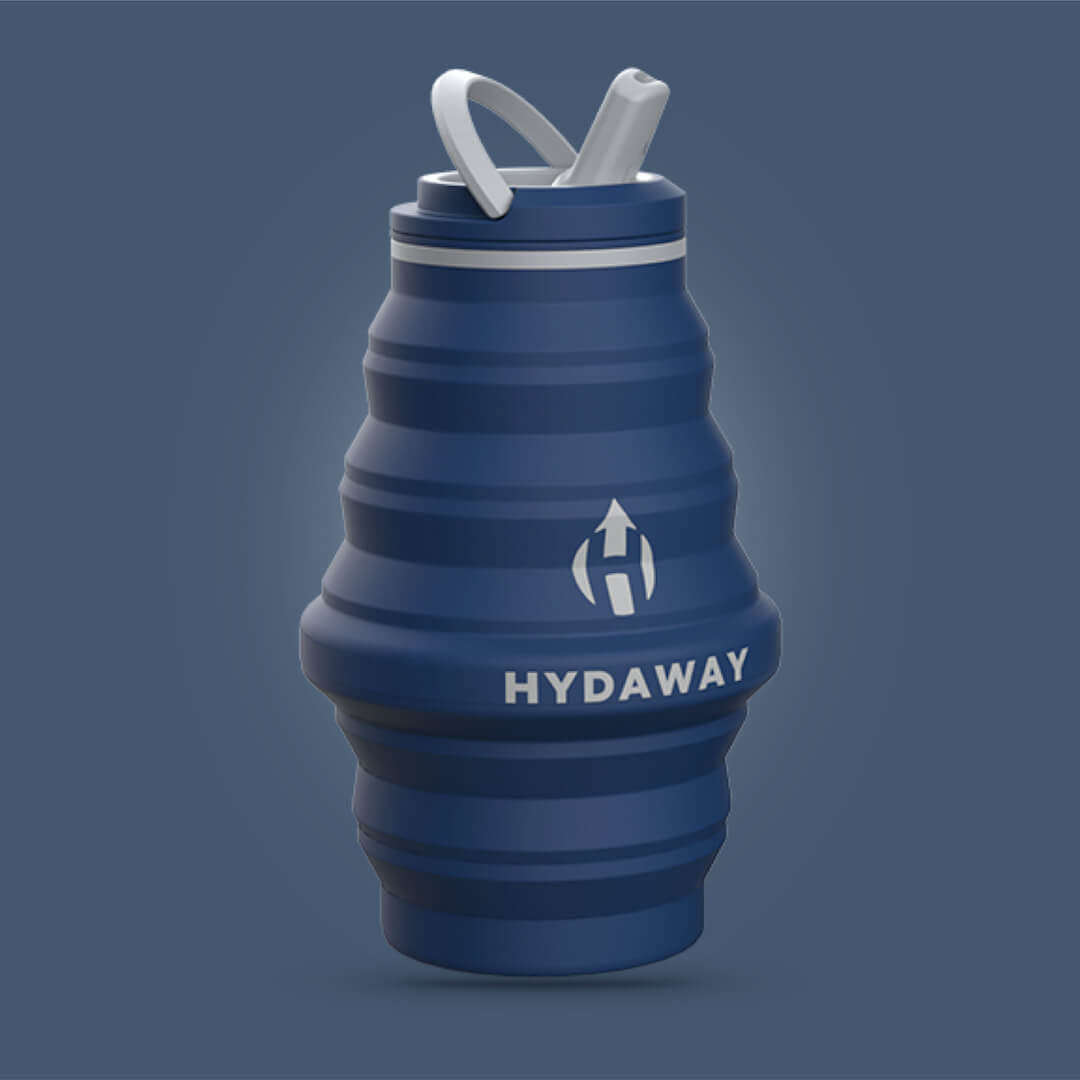
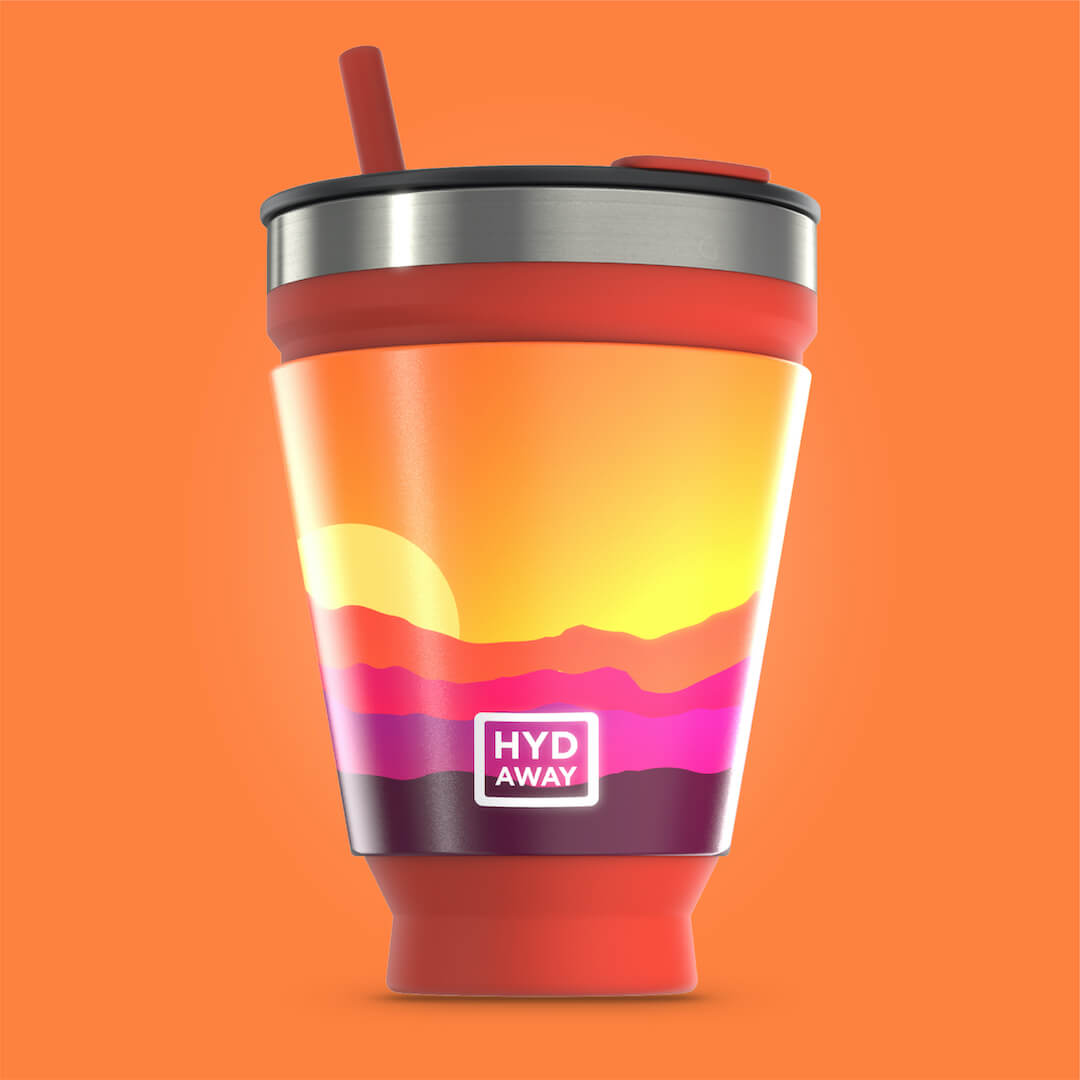
HYDAWAY makes that easier with compact, collapsible bottles, drinkware, bowls, and travel-ready gear built for life in motion. If you want a hydration setup that takes up less space in your pack, van, or daily bag while still being ready when the heat kicks in, explore HYDAWAY.