


1 Ounce Plastic Cups Uses Materials and Smarter Swaps

You're at a farmers market with a spoonful of hot sauce in one hand and a backpack already full of water, snacks, and layers. The vendor reaches for a tiny clear cup, and suddenly a simple sample raises bigger questions. Is it really one ounce? Can it hold a condiment without leaking? Should you pack a sleeve for a camping trip, or is there a reusable option that won't take over your bag?
The 1 ounce plastic cup is a small tool with a surprisingly wide range of uses. It can portion a sauce, hold a tasting sample, organize a tiny craft supply, or help measure liquid medicine. It also belongs to a much larger disposable-packaging system, so the right choice depends on more than capacity. Material, temperature, lid fit, local recycling rules, food-contact labeling, and how often you'll use it all matter.
What 1 Ounce Plastic Cups Are and Why Size Matters
A 1 ounce cup holds 30 milliliters, roughly the amount used for a small medicine dose or a single condiment serving. That makes it smaller than a typical 2 ounce soufflé cup and far smaller than a drinking tumbler. In everyday terms, it's the little cup you might see beside ketchup, salsa, salad dressing, or a tasting spoon at a market stall.
The size creates useful precision. A restaurant can serve one controlled portion of aioli without filling a larger container. A parent can separate a small snack serving for a theme park day. A traveler can use one for a tiny amount of electrolyte powder or a liquid sample, provided the product is clearly labeled for that purpose and kept away from children who could mistake it for a toy.

Small footprint, specific job
A tiny cup takes less counter space than a bowl and uses less material than a full-size container, but that doesn't automatically make it a low-impact choice. Oceana estimated that the global market for single-use plastic cups reached about 1.4 million metric tons in 2022, equivalent to roughly 411 billion 250 ml cups, with the United States and China together accounting for 41% of the total weight sold. Oceana also estimated that up to 48 billion 250 ml cups sold that year could become pollution in waterways and oceans. A 1 ounce cup is much smaller than that reference size, but the figures show how quickly small disposable formats can add to a large waste stream. Oceana's disposable cup analysis provides the broader context.
For a one-time sample at a busy event, a disposable portion cup may be practical. For repeated tasting, travel, or camping, carrying a washable alternative can make more sense. That trade-off becomes clearer once you look at how these cups are built.
Materials Rim Styles and How 1 Oz Cups Perform
Most widely sold 1 ounce portion cups use polystyrene, identified by recycling code #6. One published specification lists a top diameter of about 1.8 inches, a bottom diameter of about 1.2 inches, a height of about 1.3 inches, a 30 mL capacity, and a maximum service temperature of 185°F. Those dimensions create a short, tapered cup that stacks efficiently and stays stable on a serving tray. The temperature rating points to cold-to-warm service, not hot-fill or microwave use. The Uline 1 ounce cup specification gives the listed measurements and service guidance.
Polystyrene feels crisp and rigid. It often looks clear or glossy, which helps a vendor display a colorful sauce or a food sample. Polypropylene is usually more pliable, so it's useful where a cup needs to flex slightly instead of cracking under pressure. Polymer data describes polystyrene as having a density around 1.04 to 1.05 g/cm³, low molding shrinkage, and food-contact grades formulated for applicable U.S. and European packaging rules. This polymer and food-contact overview explains why material selection affects stiffness, clarity, and dimensional stability.
A quick fit-and-feel test
Hold an empty cup by the rim and press the side gently.
- If it barely flexes, it's likely suited to neat, rigid presentation and stacking.
- If it gives under light pressure, it may be polypropylene or another flexible format.
- If the rim distorts, don't expect a snap-on lid to seal reliably.
Rim shape matters too. A rolled rim can feel more comfortable for sipping, while a straight rim may stack more tightly. Neither style guarantees leak resistance. The lid and cup must be designed as a matched pair, and a loose lid can fail when a backpack tips sideways.
Practical rule: Match the cup to the temperature and movement it will face. A rigid portion cup is fine for a chilled sauce, but it isn't a substitute for a hot beverage container.
For drink ideas that work well in small tasting portions, Drinkist apple juice ideas can help you think beyond plain samples. Before choosing a product for repeated contact, also review what BPA-free plastic means, because “BPA-free” alone doesn't answer every question about temperature, migration, or reuse.
Everyday Uses for 1 Ounce Plastic Cups in 2026
The most useful way to understand 1 ounce cups is to follow them through an ordinary day. At a farmers market, a cheesemaker might offer a taste of jam, while a hot-sauce maker uses one for a controlled sample. At a food hall, a vendor may pair a small portion of dressing with a takeout salad. The cup keeps the sample separate, visible, and easy to hand over.

Where the format earns its place
Condiments and sauces: One ounce is enough for ketchup, mustard, salsa, ranch, or a dipping sauce without soaking the rest of a meal. If you're packing takeout for a group, write the sauce name on the lid or place it beside the matching dish before closing the bag.
Medication and supplements: A dosing cup can help measure a liquid medicine, but a random food-service cup isn't automatically a medical measuring device. Use the dosing tool supplied with the medicine whenever possible, and follow the label or a clinician's instructions.
Tasting portions: Coffee, juice, broth, cider, and mocktails can all be sampled in small servings. The size helps a host offer variety without pouring a full drink for every guest. For apple-based drinks, keep samples chilled and use a cup designed for the liquid rather than assuming every clear cup handles warmth equally.
Travel organization: A tiny cup can hold beads, buttons, watercolor rinse water, or a small amount of bait during a craft or outdoor project. Put it inside a sealed pouch instead of loose in a backpack, especially if the contents could spill.
Family outings: At a theme park or picnic, parents sometimes portion snacks or condiments ahead of time to avoid buying another serving at the gate. A cup can help with organization, but it's still a disposable item if it gets used once and discarded.
A better fit for people who use small containers regularly may be a washable container with a secure lid. HYDAWAY's compact approach is more relevant to repeated travel and outdoor routines than to a literal 1 ounce serving, and this guide to 1 ounce containers offers more ideas for thinking about capacity and packing.
For samples, label first and pour second. A tiny container is easy to confuse once several sauces or drinks sit on the same tray.
How to Buy 1 Ounce Plastic Cups Without Overpaying or Overpacking
Buying a sleeve for a single birthday picnic is different from stocking a café, tasting table, or catering kit. Start with the job, then check the count, material, lid availability, and storage footprint. A thick cup may feel better in the hand, but it can consume more shelf space and cost more than a lighter sample cup. A thin cup may work for a quick condiment serving, yet collapse when someone presses a fork against the edge.
Look for clear food-contact labeling and product instructions that match your use. If the listing says cold service only, don't treat it as a hot drink vessel. If lids are sold separately, confirm that the lid is made for that exact cup shape before ordering in bulk.
| Option Type | Typical Count and Feel | Best For |
|---|---|---|
| Lightweight portion cups | Large sleeves, light walls, easy to stack | Events, quick samples, single-use condiments |
| Rigid polystyrene cups | Stiffer feel, clear or glossy appearance | Neat presentation, sauces, tasting tables |
| Flexible polypropylene cups | Softer squeeze, more forgiving walls | Liquids that need a little flexibility |
| Cup-and-lid sets | More storage pieces, better containment | Takeout sauces, travel kits, organized portions |
| Reusable small containers | Fewer pieces purchased over time, washable construction | Repeated sampling, camping, office snacks |
A whiskey tasting is a useful comparison because people often confuse a small tasting pour with the capacity of the glass itself. For a beginner-friendly explanation of serving sizes and glass capacity, read this guide for new whiskey drinkers. The same principle applies to portion cups: capacity tells you how much fits, not how much you should pour.
Store disposable cups in a lidded bin if you keep them at home. For travel, bring only the number you expect to use, and pack them in a flat pouch so they don't become crushed under clothing or cookware. If your routine involves frequent small portions, compare the space occupied by a reusable container with the volume of several sleeves over time.
Recycling Health and Legal Realities You Should Know
A 1 ounce cup feels too small to matter, but it sits inside a global disposable-cup system that moves enormous volumes. UNEP reports that more than 500 billion disposable cups are consumed globally each year, with roughly 250 billion to 300 billion made from plastic-lined paper. Ireland's EPA reported that about 13,000 tonnes of beverage cups containing plastic were placed on its market in 2024, including around 2,000 tonnes of fully plastic cups and about 11,000 tonnes of composite cups. UNEP's beverage-cup life-cycle report provides the global context, while the Ireland figures are included in the same verified reference.

Recycling depends on the local system
The number on the bottom doesn't guarantee that a local facility accepts the cup. Polystyrene and polypropylene may be collected in some places and rejected in others, while a small, sauce-coated cup can be difficult to sort or too contaminated to recover. Empty and rinse it when local guidance calls for that, then check your municipality's rules instead of guessing.
Food-contact safety is also about authorization and use conditions, not cup size. FDA guidance explains that food-contact substances are evaluated through the U.S. food-contact framework, including the 21 CFR 170.39 Threshold of Regulation pathway. The FDA food-contact packaging guidance is a useful reference when you're comparing products for food or drink service.
The European Union sets a global migration limit of 10 mg of total constituents per dm² of food-contact surface under Regulation (EU) No 10/2011. The EU plastic food-contact regulation applies to plastic articles intended to contact food. Disposable cups can also release micro- and submicron particles into hot liquids, so a small cup marked for cold or warm service shouldn't be repurposed for boiling water or microwave heating. This study on particle release from disposable cups is relevant to that concern.
Rules are becoming more location-specific
The European Commission's single-use plastics framework includes beverage cups among the product categories targeted by the directive. Where sustainable alternatives are easily available and affordable, certain single-use plastic products can't be placed on the market in EU Member States, including cups and food or beverage containers made from expanded polystyrene. The European Commission's single-use plastics overview explains the framework.
EU packaging obligations begin phasing in from 12 August 2026, including harmonised PFAS limits in food-contact packaging and common labeling requirements. Broader single-use-packaging restrictions begin from 1 January 2030, and the reporting describes packaging-waste reduction targets of 5% by 2030, 10% by 2035, and 15% by 2040, measured against 2018 levels. This 2026 EU packaging rules summary outlines the timeline.
Local rules can also distinguish between a drinking cup and a small sauce container. South Australia's guidance describes restrictions affecting small cup-shaped plastic sauce containers, while California's 2025 EPS food-service ware rules cover cups. For a plain-language explanation of that legal distinction, review the South Australia single-use plastics guidance. A broader overview of changing restrictions is available in what the 2023 plastic ban means.
Smarter Reusable Swaps and Packing Tips for Travelers and Campers
A disposable 1 ounce cup makes sense when a vendor serves a one-time sample to many people and has a responsible disposal process. Your own travel kit is different. If you'll portion sauces, taste drinks, or organize small snacks repeatedly, a reusable container can replace a stack of tiny cups without adding much bulk.
Pack by routine rather than by fantasy. For a hotel breakfast, place nuts, dried fruit, or a condiment in a washable container before heading out. At a farmers market, carry a collapsible drinking cup for a sample or shared beverage, then rinse it at the next water stop. In a campervan, keep a small washable bowl near the galley so you don't reach for a disposable cup every time you need to separate ingredients.
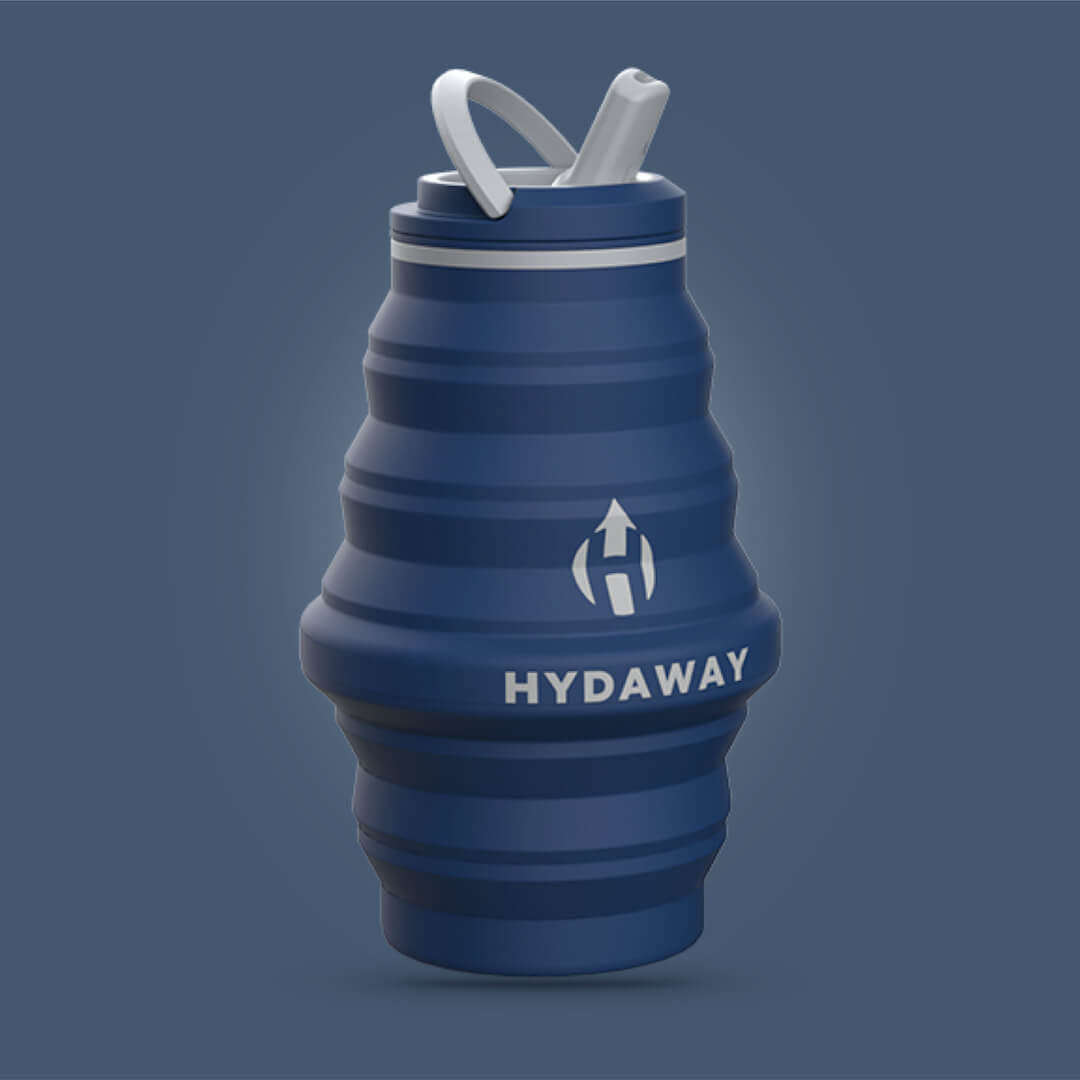
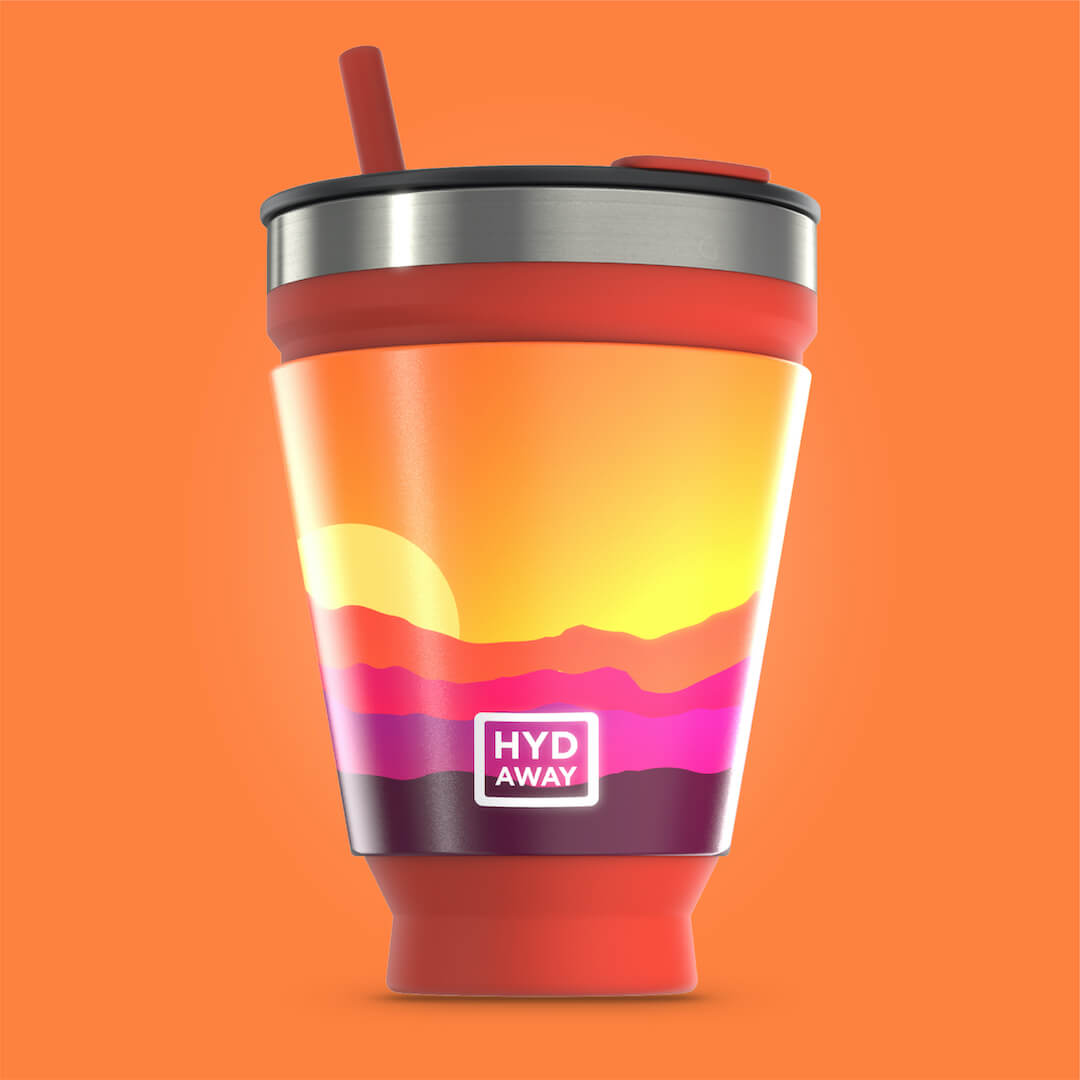
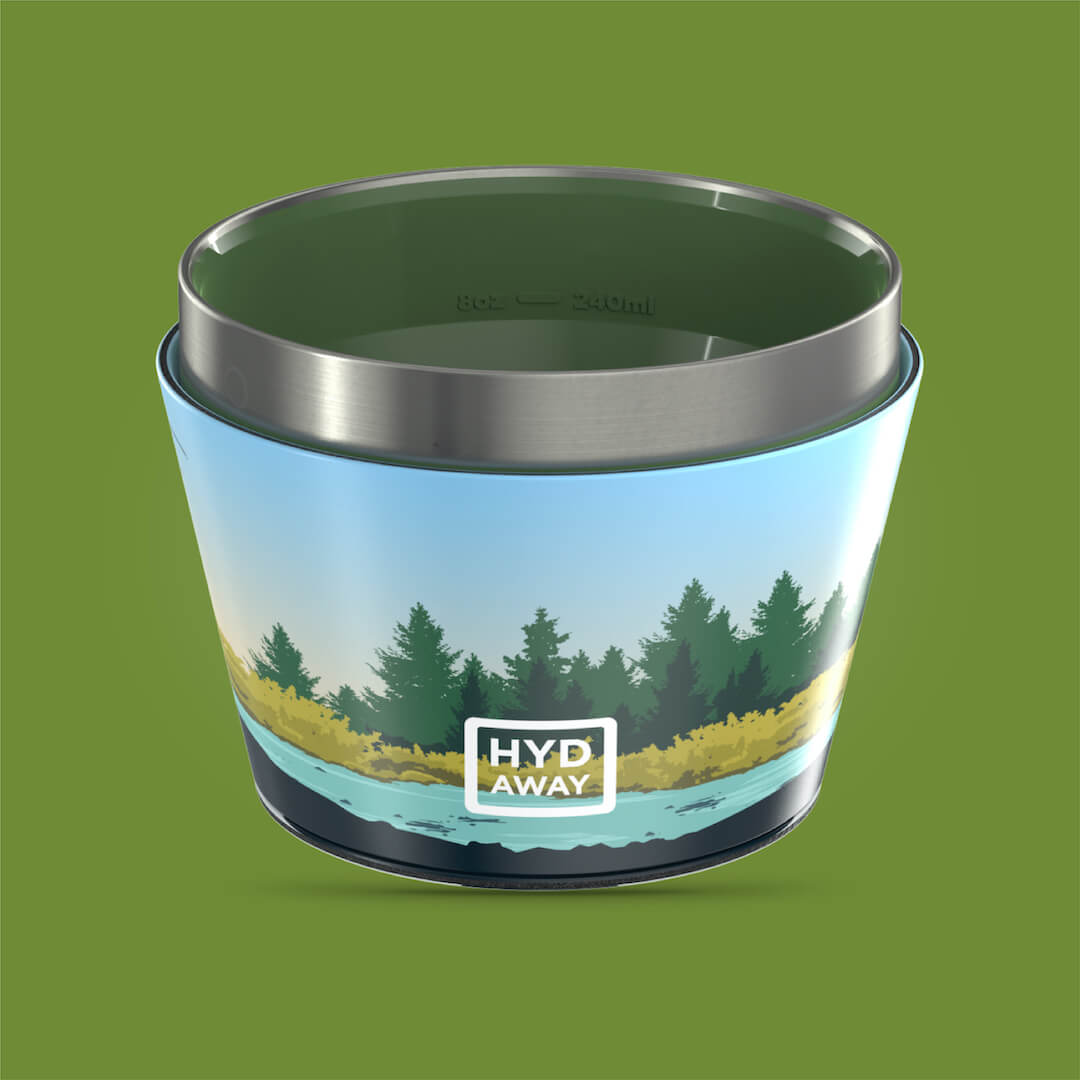
HYDAWAY offers collapsible bottles, tumblers, pints, bowls, and travel accessories designed to fold down for storage and expand for use. Its products are dishwasher safe and third-party verified free of BPA, phthalates, and other pollutants, which supports repeated everyday use. The 16 ounce collapsible tumbler is a drinking vessel rather than a 1 ounce portion cup, and the 1.5-cup collapsible insulated bowl is better suited to food storage or serving than tiny sauce portions. Those distinctions matter. A reusable product works best when its capacity matches the job.
Use a simple packing routine:
- Rinse before storing. Let the item dry before folding it into a backpack pocket.
- Keep food and drink pieces separate. A small washable pouch prevents crumbs from spreading through your gear.
- Choose one multipurpose vessel. A tumbler can handle drinks, while a bowl can manage snacks or leftovers.
- Check the lid before leaving. A secure closure matters more than a tiny footprint when you're carrying soup, salsa, or a wet snack.
For more options beyond disposable foodware, explore alternatives to single-use plastic. The aim isn't to carry a full kitchen on a day hike. It's to replace the disposable items you reach for most often with gear that packs flat and stays useful.
Pack Light Waste Less and Enjoy Every Sample
A 1 ounce plastic cup is useful when precise, single-serve portions matter. Choose it for a controlled event sample or a condiment that will be used once, and check the material, temperature guidance, lid fit, and local disposal rules before buying.
For camping, travel, markets, and family outings, ask one question: Will I use this small container repeatedly? If the answer is yes, a collapsible reusable vessel can save storage space while avoiding repeated disposable purchases. Pack it clean and dry, label samples clearly, and match the container to the food or drink instead of forcing one cup to do every job.
HYDAWAY makes collapsible bottles, tumblers, pints, bowls, and travel gear that fold flat for backpacks, campers, theme-park days, and everyday carry. Visit HYDAWAY to choose a reusable piece that fits your routine and start replacing the disposable mini cups you reach for most often.