


10 Smart Trek Food Ideas for Your Next Adventure in 2026

Planning your meals is just as crucial as packing your gear. The right trek food ideas can make the difference between an exhausting slog and a high-energy adventure. Forget generic trail mix and crushed granola bars; modern trail food is about maximizing nutrition and flavor while minimizing weight and hassle. This guide moves beyond the obvious, offering ten practical and lightweight food strategies designed for every type of trekker, from day hikers exploring local parks to multi-day explorers tackling remote backcountry.
You'll discover how to assemble satisfying meals and snacks that are easy to prepare on the go. We'll cover breakfasts, lunches, dinners, and high-energy snacks, complete with specific prep tips and storage notes. To make these meals even more convenient, we'll show you how to pair them with space-saving gear like HYDAWAY's collapsible bowls and cups, which pack flat and make cleanup simple. For hot meals, having the right tools is essential; investing in quality titanium camping cookware ensures you can cook efficiently without adding significant weight to your pack. Get ready to upgrade your trail menu with these smart, packable, and delicious ideas.
1. Dehydrated Meal Pouches with Reusable Bowls
Dehydrated meal pouches are the gold standard for multi-day treks, offering a fantastic balance of high caloric content and minimal weight. These vacuum-sealed meals, like those from popular brands like Good To-Go or Peak Refuel, require only boiling water to transform into a hot, satisfying dish. They are one of the most efficient trek food ideas for minimizing pack weight while ensuring you get the necessary fuel.
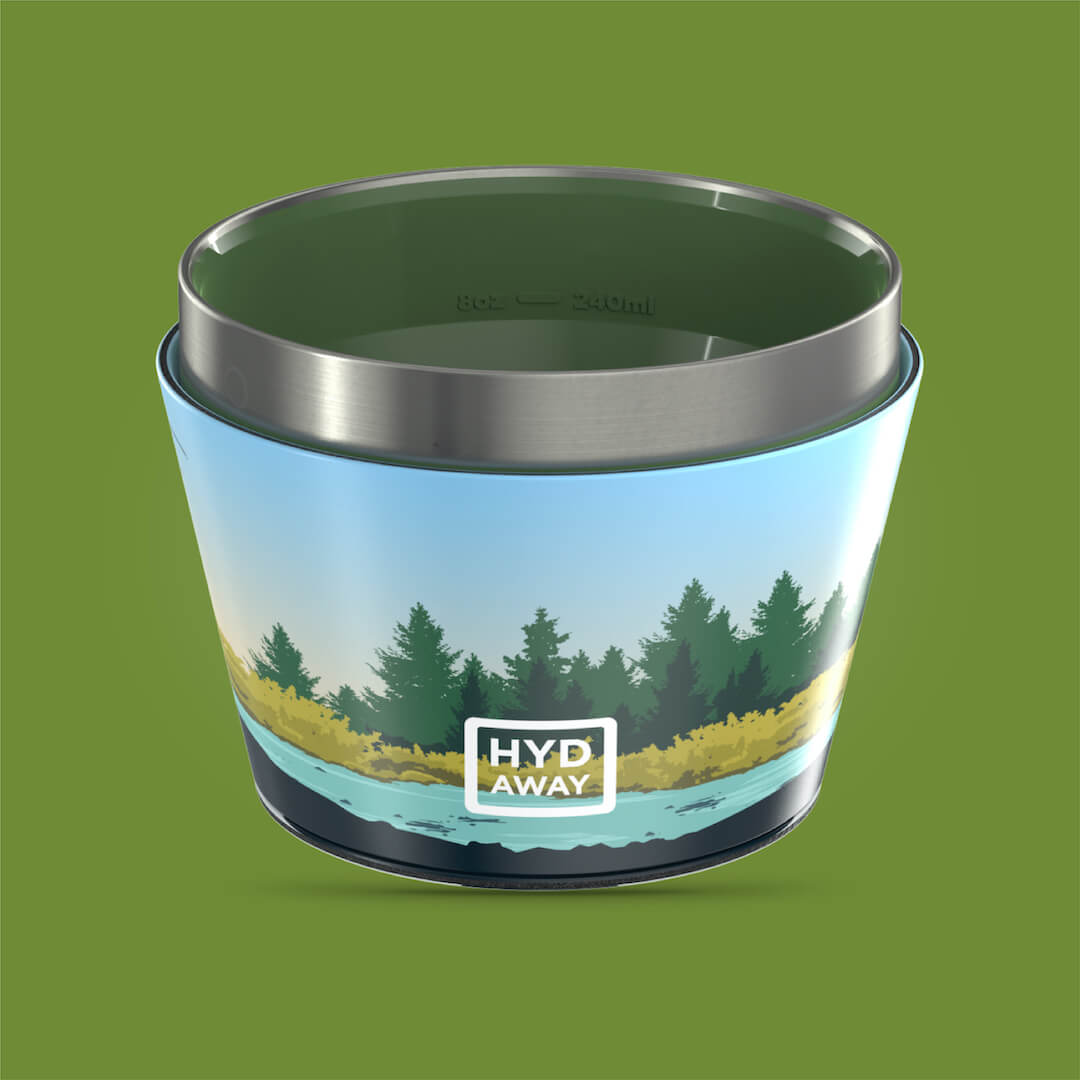
While you can eat directly from the pouch, it’s often messy and retains heat poorly. A better approach is to rehydrate your meal in a dedicated bowl. Using a HYDAWAY insulated, collapsible bowl not only helps the food cook more evenly but also keeps it warm longer, a welcome comfort on a cold evening. Practically, this means you can set up your meal, get your camp chores done, and come back to a perfectly cooked, warm dinner without juggling a flimsy, hot pouch.
Pro Tips for Meal Pouches:
- Boost the Flavor: Don't be afraid to customize. Pack small containers of hot sauce, red pepper flakes, or even a simple salt and pepper mix to liven up standard flavors.
- Add Texture & Protein: Elevate a simple pasta or rice dish by mixing in beef jerky, crushed nuts, or a handful of sunflower seeds for extra protein and a satisfying crunch.
- Pre-Trek Test: Always try a meal at home first. This helps you gauge rehydration times and decide if you actually enjoy the taste before you're miles from civilization.
- Smart Packing: By transferring the food to a reusable bowl, the empty, lightweight pouch can be packed out flat, taking up virtually no space in your trash bag. To see how these bowls make trail life easier, check out our guide on collapsible bowls for camping.
2. Trail Mix and Nut Butter Packs
Trail mix is a classic for a reason; it's a dense, no-cook source of sustained energy perfect for munching on the move. Custom blends of nuts, seeds, dried fruits, and a little dark chocolate provide a balanced mix of healthy fats, proteins, and quick-burning carbohydrates. Paired with single-serve nut butter packets from brands like Justin's or emerging favorites like Trail Butter, these trek food ideas deliver a powerful caloric punch without requiring any prep time or cookware on the trail.

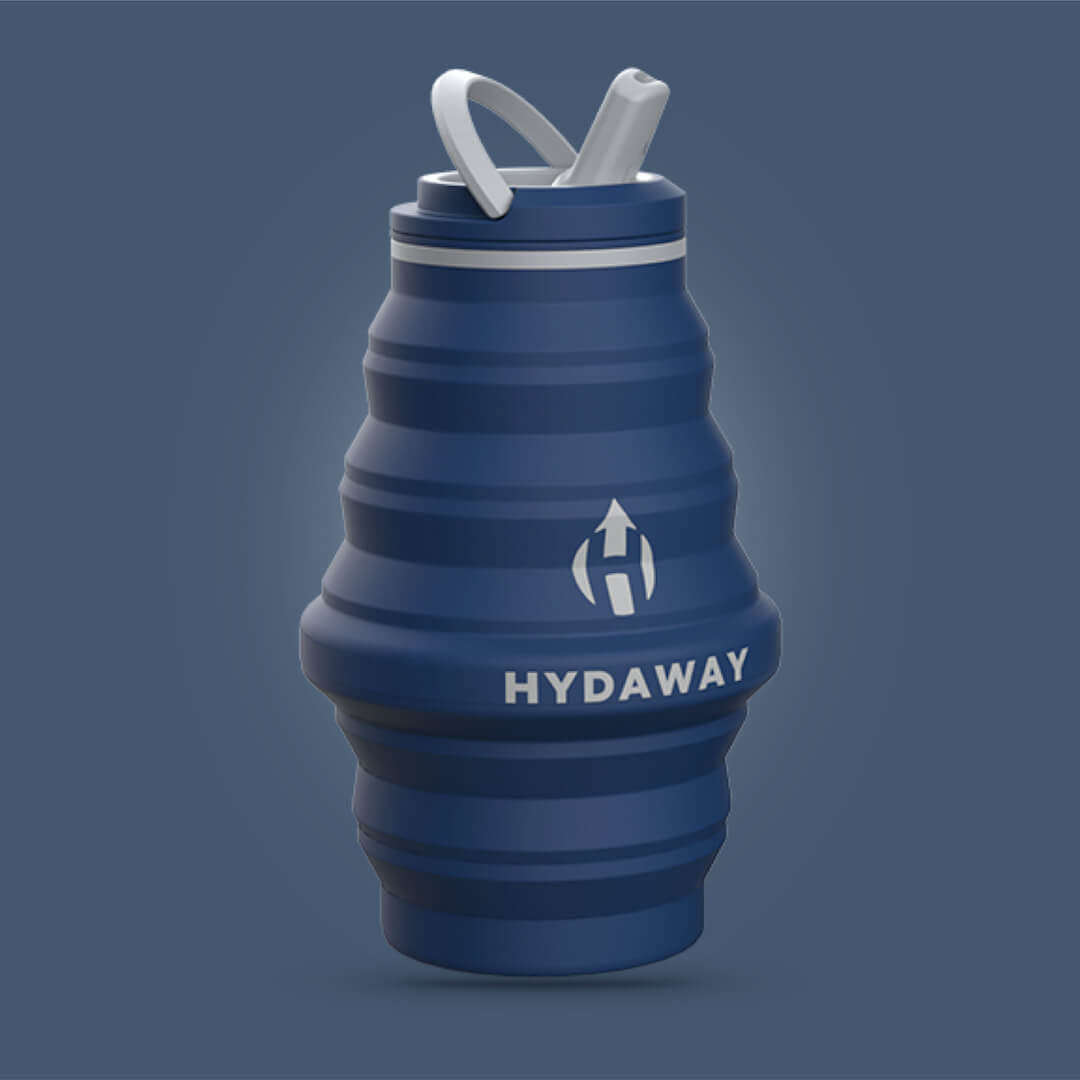
This combination is ideal for quick mid-hike fuel-ups or as a substantial snack to hold you over until dinner. Squeezing a nut butter packet onto a piece of dried apple or just straight into your mouth is an incredibly efficient way to fight off fatigue. Staying hydrated is key to digesting these dense foods, so be sure to sip from your HYDAWAY water bottle as you snack. For an easy-to-access snack, you can pre-load your trail mix into a HYDAWAY collapsible bowl and keep it in a side pocket of your pack for easy munching.
Pro Tips for Trail Mix & Nut Butter:
- Create a Balanced Blend: For sustained energy, aim for a ratio of about 60% nuts and seeds (like almonds, walnuts, and pumpkin seeds) to 40% dried fruit and chocolate. This prevents a sugar crash.
- Portion Control: Pre-portion your trail mix into small, reusable bags for each day. This prevents overeating your supply too early and makes it easy to grab and go.
- Keep It Cool: Store nut butter packets in a cooler part of your backpack, away from direct sunlight, to prevent them from becoming overly oily and separated.
- Avoid Excess Salt: Be mindful of adding overly salty items like salted pretzels or certain nuts, as they can increase thirst and dehydration. For more grab-and-go meal ideas, explore our list of no-cook backpacking food.
3. Energy Bars and Granola Bars
Energy and granola bars are quintessential trek food ideas, offering a compact, calorie-dense solution for quick fuel on the go. These no-cook snacks combine oats, nuts, seeds, and dried fruits, providing sustained energy without the hassle of preparation. With options ranging from simple Nature Valley bars to performance-focused Clif Bars or whole-food options like Bobo's Oat Bars, they are a convenient way to power through a tough ascent or bridge the gap between larger meals.
Their main advantage is immediate accessibility; you can eat one straight from your pack without breaking stride. While a single bar isn't a full meal, pairing one with water from your HYDAWAY bottle can effectively curb hunger and rehydrate you simultaneously, making for a smart, efficient trail break. Imagine reaching a summit and wanting a quick calorie boost—a bar and a sip of water from a space-saving bottle is the perfect, no-fuss solution.
Pro Tips for Energy Bars:
- Prioritize Protein: For lasting energy and muscle recovery, choose bars with over 10 grams of protein. Options like RXBARs or Quest Bars are excellent for this purpose.
- Go Homemade: Control ingredients and save money by making your own no-bake energy bites before your trip. A simple mix of oats, nut butter, honey, and seeds is all you need.
- Keep Them Cool: To prevent a melted, sticky mess, store bars in the coolest, most central part of your backpack, away from direct sunlight.
- Bring Variety: Combat "flavor fatigue" on multi-day treks by packing a diverse mix of bars. Having different tastes and textures helps keep your appetite and morale high.
- Check the Label: Always review the ingredient list for potential allergens or to ensure they meet your dietary needs, whether you're gluten-free, vegan, or nut-free.
4. Instant Oatmeal with Add-Ins
Nothing starts a cold morning on the trail like a hot, hearty breakfast. Instant oatmeal packets are a classic choice for a warm, filling meal that’s both lighter and less expensive than pre-packaged dehydrated breakfast skillets. Requiring only hot water, options from Quaker, Bob's Red Mill, or Kodiak Cakes provide the complex carbohydrates needed for sustained energy on a challenging morning hike, making them one of the most efficient trek food ideas.

The real magic of oatmeal, however, is in its customization. By preparing your own add-ins, you can create a breakfast tailored to your energy needs and taste preferences. This approach avoids the high sugar content of many flavored packets and boosts the nutritional value significantly. Using a HYDAWAY insulated bowl is perfect for this, as it keeps your oatmeal warm from the first bite to the last, even on a frosty morning. It also doubles as a measuring cup, so you can add the right amount of water without guesswork.
Pro Tips for Oatmeal:
- Prep at Home: Before your trip, portion out plain instant oats into individual ziplock bags. Mix in your favorite dried fruits (like apricots or cherries), nuts (almonds, walnuts), and seeds (chia, flax) for a custom blend.
- Boost the Protein: Add a scoop of your preferred vanilla or unflavored protein powder into each bag. This simple addition helps with muscle recovery and provides longer-lasting energy, keeping you full until lunch.
- Calorie Top-Up: Pack individual packets of honey, maple syrup, or a small container of brown sugar for a quick and easy calorie boost right before you hit the trail.
- Efficient Cleanup: Preparing and eating your oatmeal in a collapsible HYDAWAY bowl means cleanup is a breeze. A quick rinse is all it takes, and it packs down flat, saving valuable space in your pack for the day’s journey. Paired with your HYDAWAY water bottle for hydration, it’s a complete and compact breakfast system.
5. Jerky and Dried Meat Products
A time-tested staple for long-distance travelers, jerky and other dried meats are exceptional trek food ideas for their high protein content and shelf stability. These require no cooking and deliver sustained energy, making them perfect for snacking on the move or supplementing a main meal. From classic Jack Link's Beef Jerky to artisanal options like Krave Jerky or even plant-based jerky alternatives from brands like Beyond Meat, there is a savory, protein-packed option for nearly every diet.
The primary benefit is dense, ready-to-eat nutrition that satisfies hunger far longer than sugary snacks. While a handful of jerky is great on its own, it also adds a much-needed savory element and amino acids to other trail foods. Think of it as a versatile building block for a more complete trail diet, providing the fuel needed to push through a tough ascent or long final mile. Practically, having a protein-rich snack that doesn't require refrigeration or cooking makes it the ultimate grab-and-go fuel.
Pro Tips for Jerky:
- Balance the Salt: Jerky is notoriously high in sodium. Pair it with fresh or dried fruits, like apricots or berries, and make sure you stay hydrated. Keep your HYDAWAY water bottle easily accessible to counteract the salt and maintain proper fluid levels.
- Portion Control: To avoid eating your entire supply in one sitting, pre-portion jerky into smaller, reusable bags. This helps you manage your intake and makes it easier to grab a quick snack without stopping to dig through your main food sack.
- Boost Your Meals: Chop up jerky and add it to ramen, couscous, or instant mashed potatoes. This not only improves the flavor but also adds substantial protein and texture, turning a simple carb base into a more well-rounded meal.
- Don't Forget Floss: It’s a small but significant comfort. Packing dental floss will be a welcome relief after snacking on fibrous dried meats throughout the day.
6. Electrolyte Drinks and Hydration Mix Packets
Maintaining hydration on the trail involves more than just drinking water; it requires replacing essential minerals lost through sweat. Electrolyte drink mixes, such as those from Liquid I.V., LMNT, or Skratch Labs, are a cornerstone of any smart list of trek food ideas. These lightweight powders dissolve easily in water, delivering a crucial blend of sodium, potassium, and carbohydrates to help your body absorb fluids more effectively and maintain peak performance.
Carrying pre-mixed sports drinks is impractical due to weight, so these individual packets are the perfect solution. Simply tear one open and mix it into the water you're already carrying in a HYDAWAY collapsible bottle. This not only replenishes vital minerals but also provides a welcome burst of flavor, encouraging you to drink more frequently. On a hot day, this simple action can prevent cramps and fatigue, allowing you to enjoy your trek instead of just enduring it.
Pro Tips for Hydration Mixes:
- Test Your Tolerance: Some mixes can be intense. Start with a half-strength serving to see how your stomach handles it during exertion before committing to a full packet.
- Prevent Flavor Fatigue: Pack a variety of flavors. Sipping the same lemon-lime drink for five straight days can become monotonous, so alternating between different tastes keeps hydration interesting.
- Alternate with Water: Don't rely solely on electrolyte drinks. Alternate between your hydration mix and plain water throughout the day to maintain a healthy balance and avoid overconsumption of sugars or sodium.
- Drink Proactively: Don't wait until you feel thirsty. Start sipping your electrolyte drink when you feel your core temperature rising during a climb or strenuous section to stay ahead of dehydration. To ensure you have the right gear, find out more about the best water bottles for hiking.
7. Nut Butters on Whole Grain Crackers
For a simple, no-cook lunch or a substantial snack, the combination of nut butter and whole grain crackers is a classic for good reason. This pairing offers a powerful mix of healthy fats, protein, and complex carbohydrates, delivering sustained energy that prevents the dreaded mid-hike crash. It's one of the most reliable and efficient trek food ideas for fueling your body between major meals.
Individually wrapped packets from brands like Justin's or RX Nut Butter are perfect for the trail, eliminating mess and allowing for easy portion control. Paired with sturdy, whole-grain crackers such as Mary's Gone Crackers or Triscuit, you get a satisfying and nutritious boost. This combo is ideal for a quick stop when you don't have time to boil water but need more than just a handful of trail mix. Imagine a scenic overlook—you can have a fulfilling mini-meal assembled in under a minute.
Pro Tips for Nut Butter & Crackers:
- Prevent Soggy Crackers: Always pack your crackers and nut butter packets separately. Store crackers in a hard-sided container or their original box to prevent them from being crushed in your pack.
- Boost the Flavor: A little variety goes a long way. Toss a few single-serving honey or jam packets into your food bag to create a sweet and savory treat.
- Stay Hydrated: This snack is dense in calories and can be dry. Be sure to drink plenty of water alongside it to aid digestion and stay hydrated. Keeping your HYDAWAY collapsible water bottle handy makes this easy.
- Smart Portioning: If you prefer bringing a jar of nut butter to reduce waste, pre-portion it at home into small, leak-proof containers for each day's snack. This avoids carrying a heavy, half-empty jar.
8. Dried Fruit and Fresh Fruit Combinations
For a quick and natural energy boost, combining dried and fresh fruits is an excellent trek food idea. This approach provides easily digestible carbohydrates from natural sugars, along with essential fiber, vitamins, and minerals. Dried fruits like dates, apricots, and mango strips offer concentrated energy in a lightweight, packable form, while fresh options like apples or sturdy oranges add hydration and a refreshing taste.
This pairing works because it balances convenience with nutrition. On shorter hikes or the first day of a longer trek, packing a crisp apple in a protective container is a fantastic morale booster. For multi-day trips, a stash of mixed dried fruits provides a reliable, non-perishable sugar source. Staying hydrated is key to digesting the fiber in these snacks, so be sure to pair them with plenty of water from your HYDAWAY bottle to help your body process the energy efficiently. This is a practical way to get a taste of fresh food when you're miles from civilization.
Pro Tips for Fruit Combinations:
- Balance with Protein: Mix your dried fruits with nuts or seeds to create a more balanced snack. The protein and healthy fats will slow the sugar absorption, providing more sustained energy.
- Prevent Bruising: For fresh fruit, use a hard-sided container or pack it carefully at the top of your bag to avoid getting squished. Apples and oranges are generally more resilient than other fruits.
- Choose Wisely: Opt for unsulfured and unsweetened dried fruits to avoid unnecessary additives and sugar crashes. A variety of textures and flavors, like chewy dates and tart cranberries, keeps things interesting.
- Mindful Portions: Dried fruit is dense in calories and sugar. To avoid an energy spike and subsequent crash, portion it out into small bags for the trail and eat it slowly throughout the day rather than all at once.
9. Protein Powder and Recovery Shakes
Intense trekking demands serious muscle recovery, and protein powder is one of the most efficient trek food ideas for the job. Lightweight, shelf-stable, and packed with muscle-repairing amino acids, a single-serving packet of whey or plant-based protein adds significant nutritional value for almost no weight. Simply mix it with water to create a powerful recovery shake right on the trail.
After a grueling day, refueling is crucial for muscle repair and energy restoration. To optimize your post-trek recovery, consider incorporating some of the best post-workout recovery drinks into your routine. Instead of a dedicated shaker bottle, you can easily mix your shake in a HYDAWAY collapsible bottle. Just add water from your filtered source, pour in the powder, seal it, and shake for a quick, clump-free drink. Popular choices include Orgain plant-based protein and Optimum Nutrition Gold Standard whey, which are readily available in travel-friendly packets.
Pro Tips for Recovery Shakes:
- Time it Right: For the best results, aim to consume your protein shake within 30-60 minutes after you finish hiking for the day. This is the optimal window for muscle absorption and repair.
- Boost with Extras: Enhance the flavor and nutritional profile by adding a spoonful of peanut butter powder or a handful of crushed dried berries before shaking.
- Test for Digestion: Try any new protein powder at home before your trek to ensure it agrees with your stomach. Digestive issues are the last thing you want on the trail.
- Choose Single Servings: Pre-portioned, single-serving packets are ideal. They eliminate the need for measuring and keep your food bag clean and organized.
10. Instant Ramen and Noodle Soups with Protein Add-Ins
Instant ramen is a budget-friendly and ultralight staple that has fueled backpackers for decades. These quick-cooking noodle packets or cups offer a hot, salty, and satisfying meal after a taxing day, making them one of the most reliable trek food ideas available. They take up minimal pack space and rehydrate in minutes with just boiling water, delivering a quick carb boost when you need it most.

While standard ramen is light on nutrition, it’s incredibly easy to upgrade into a more balanced meal. The key is adding lightweight, nutrient-dense ingredients. To avoid a lukewarm, messy meal, transfer the noodles and broth into a HYDAWAY insulated bowl. This not only keeps your soup steaming hot while you add extras but also makes it much easier to eat, turning a simple packet meal into a proper trailside dinner. It’s a practical way to feel more civilized and enjoy your meal after a long day.
Pro Tips for Noodle Soups:
- Boost with Protein: Elevate your ramen by mixing in dehydrated chicken, crumbled jerky, dried tofu bits, or even a scoop of unflavored protein powder. These additions turn a simple carb dish into a more complete recovery meal.
- Add Vegetables and Flavor: Pack lightweight dried vegetables like mushrooms, carrots, peas, or seaweed. A dash of hot sauce, sriracha powder, or a homemade low-sodium broth mix can dramatically improve the taste.
- Smart Prep: Before your trek, break noodles into smaller, more manageable pieces inside their packaging. This makes them easier to fit in your pot and eat with a spork.
- Efficient Eating: Using a dedicated bowl like the HYDAWAY means your meal stays warmer for longer. The insulated design is perfect for enjoying hot soup on a cold night, and it’s far more comfortable to hold than a flimsy, scalding-hot pouch or cup.
10-Item Trek Food Comparison
| Item | 🔄 Implementation Complexity | Resource Requirements | ⭐📊 Expected Outcomes | Ideal Use Cases | ⚡ Key Advantages & 💡 Tips |
|---|---|---|---|---|---|
| Dehydrated Meal Pouches with Reusable Bowls | 🔄 Moderate — requires boiling water; 5–10 min prep | Stove/fuel, water source, insulated collapsible bowl; higher per-meal cost | ⭐⭐⭐⭐ Warm, calorie-dense (500–800 kcal), filling; moderate sodium | Multi-day backpacking, high-altitude & winter expeditions | ⚡ High energy-to-weight; 💡 bring seasonings, test meals beforehand |
| Trail Mix and Nut Butter Packs | 🔄 Very low — ready-to-eat, no prep | Packaged mixes or single-serve nut butter; no cooking gear; watch heat/allergens | ⭐⭐⭐ Sustained energy from fats/protein (150–200 kcal/oz); portable | Day hikes, quick energy breaks, supplemental snacks on treks | ⚡ Instant energy; 💡 pre-portion, keep cool to prevent melting |
| Energy Bars and Granola Bars | 🔄 Very low — grab-and-eat, no prep | Individually wrapped bars; minimal gear | ⭐⭐⭐ Quick calories (150–300 kcal), decent carb→protein balance; variable sugar | Day hikes, quick breakfasts, emergency energy | ⚡ Highly portable; 💡 choose >10g protein for sustained energy |
| Instant Oatmeal with Add-Ins | 🔄 Low–Moderate — hot water needed; 3–5 min prep | Hot water, bowl, optional nuts/dried fruit/protein powder; moderate pack space | ⭐⭐⭐ Filling breakfast (150–250 kcal), economical; may need added protein | Multi-day trek breakfasts, cold mornings, budget trips | ⚡ Affordable comfort food; 💡 pre-mix toppings and add protein powder |
| Jerky and Dried Meat Products | 🔄 Very low — no prep | Packaged jerky; small water needs for thirst; monitor sodium | ⭐⭐⭐⭐ High protein (8–15g), satiating and shelf-stable | Multi-day backpacking, protein-focused snacks, long-distance trekking | ⚡ Excellent protein density; 💡 choose low-sodium and pair with fruit |
| Electrolyte Drinks and Hydration Mix Packets | 🔄 Low — dissolve in water; adjust concentration | Clean water, HYDAWAY bottle, flavor packets; minimal weight | ⭐⭐⭐ Improves hydration and absorption, low calories (0–50 kcal) | Long-distance treks, hot-weather hikes, high-altitude | ⚡ Enhances hydration efficiency; 💡 start half-strength, alternate with plain water |
| Nut Butters on Whole Grain Crackers | 🔄 Low — assemble, no cooking | Nut butter packets, sturdy crackers, careful packing to avoid crushing | ⭐⭐⭐ Balanced macros (200–250 kcal), satisfying mid-trek snack | Mid-trek meals, substantial snack breaks, quick trail lunches | ⚡ Balanced satiety; 💡 pack crackers separately, use hard crackers |
| Dried Fruit and Fresh Fruit Combinations | 🔄 Very low — no prep for dried; fresh needs protection | Dried fruit (lightweight), occasional fresh fruit with protective container | ⭐⭐⭐ Quick carbs & vitamins (60–100 kcal/oz); may spike blood sugar | Quick energy breaks, day hikes, supplemental snacks | ⚡ Natural sugars & fiber; 💡 combine with nuts for balance, limit portions |
| Protein Powder and Recovery Shakes | 🔄 Low — mix with liquid; best post-exertion | Single-serve powder, water or milk alternative, shaker or bowl; adds water weight | ⭐⭐⭐⭐ Supports recovery (15–30g protein), reduces muscle breakdown | Post-trek recovery, multi-day dinner supplement, ultra events | ⚡ High protein per weight; 💡 use single-serve packets, consume within 30–60 min |
| Instant Ramen and Noodle Soups with Protein Add-Ins | 🔄 Moderate — boiling water required; 5–7 min prep | Stove/fuel, water, bowl; inexpensive base + add-ins for nutrition | ⭐⭐⭐ Warm, comforting meal (200–400 kcal) but often very high sodium | Budget multi-day treks, cold camps, morale-boosting meals | ⚡ Extremely affordable and light; 💡 add dried veg/protein and choose lower-sodium varieties |
Putting Your Trek Meal Plan into Action
Fueling your body effectively is just as important as choosing the right trail or packing the correct gear. The trek food ideas we've explored, from instant oatmeal for brisk mornings to hearty dehydrated meals at sunset, are more than just recipes; they are the building blocks of a successful and enjoyable adventure. The difference between a grueling march and a memorable journey often comes down to the quality and convenience of your trail nutrition.
Mastering your on-the-go meal plan means you spend less time worrying about food and more time soaking in the vistas. It’s about creating a system that works for you, one that balances nutritional needs, taste preferences, and pack weight. This is where preparation becomes your greatest asset. By pre-portioning your trail mix, assembling your oatmeal "add-in" bags, and having a clear plan for each day's meals, you set yourself up for success before you even take your first step on the trail.
Key Takeaways for Your Next Adventure
Your next steps are straightforward. It's time to move from reading to doing.
- Audit Your Pantry: Look at the items you already have. Can you create your own trail mix, or do you have jerky and dried fruit ready to go? Start with what's familiar.
- Create a Sample Menu: Plan a one-day or weekend menu using the ideas from this article. Think about breakfast, lunch, dinner, and two snacks. This simple exercise makes the process feel much more manageable.
- Invest in Smart Gear: A common mistake is packing bulky, heavy containers. This is where your gear choices matter immensely. Using a HYDAWAY collapsible bowl for your ramen and a matching collapsible cup for your morning coffee or protein shake instantly saves critical space and weight in your pack. Instead of a rigid, empty bottle taking up room after you've finished your water, a collapsible one shrinks down to almost nothing.
- Practice, Practice, Practice: Don't wait for a week-long trek to test your new food strategy. Try your meal ideas on a local day hike. See how you feel after eating that new energy bar. Does your instant soup satisfy you after a few hours of walking? This real-world feedback is essential for refining your plan.
By thoughtfully curating your trek food ideas and pairing them with efficient, space-saving gear, you are not just packing food; you are packing energy, comfort, and peace of mind. The ability to prepare a quick, hot meal in a reusable bowl or stay properly hydrated without the burden of bulky containers makes your entire outdoor experience better. You'll feel stronger on the trail, recover faster at camp, and create less waste, leaving your favorite wild places as beautiful as you found them. Your adventure truly begins in the kitchen.
Ready to upgrade your trail kitchen and hydration system? HYDAWAY offers a complete range of collapsible, lightweight, and eco-friendly bowls, bottles, and cups designed for adventure. Visit HYDAWAY to see how our gear can help you pack smarter and explore further on your next trek.