


Camp Shower Wipes: Best Picks for 2026

You know the moment. You roll into camp dusty, sunburned, a little greasy, and the closest shower is either closed, coin-operated, or 40 miles the wrong direction. That's when camp shower wipes stop being a novelty and start earning space in the kit. Used right, they're the fast, packable fix between a real wash and another night of pretending trail grime is part of the aesthetic.
What Camp Shower Wipes Are and Why They Exist
The first time I really cared about body wipes was after a three-day run of heat, dust, and bad sleep. A sink full of cold water wasn't enough, a full shower wasn't happening, and I didn't want to crawl into my sleeping bag sticky with sunscreen and sweat. That's the lane camp shower wipes fill, a no-rinse clean-up for the moment when you need to feel human, not polished.
They sit in the same family as wet wipes, a category whose commercial roots go back to 1957 when Arthur Julius is credited with inventing the first wet wipes in the United States. He trademarked Wet-Nap in 1958, and mass production of disposable non-woven wipes didn't really become possible until the 1970s. By 2019, the global wet wipes market was estimated at about US$14 billion, which tells you how a convenience product became a serious hygiene category with outdoor spillover use cases. Wet wipe history and market background
Where they fit in real travel life
Don't confuse camp shower wipes with baby wipes or makeup removers. The better camping versions are larger, thicker, and meant for body use after sun, sweat, salt, and dust. That's why travel brands keep stretching them toward something closer to a portable sponge bath, not a face-touch-up pad.
A solid reference point is a spa-style hand towel pack like scented hand wipes for spas, because it shows the same basic idea in a cleaner, more premium format, individual convenience, controlled moisture, and a wipe that feels like a tool instead of a compromise. That's also why I treat wipes as part of a broader camp hygiene system, not a standalone solution.
Practical rule: If a wipe feels too small to handle chest, back, underarms, and legs without folding it over itself three times, it's the wrong wipe for trail use.
Portable showers, solar bags, quick-dry towels, and wipes solve different problems. A solar shower is great when you've got time and privacy. A wipe is what you use when the truck stop is closing, the campsite water spigot is frozen, or you just want to sleep without feeling grimy.
The Three Main Types and What's Inside Them
Read the wipe the same way you would check tire sidewall info. Size, fabric density, and ingredient profile tell you more than a shiny label ever will.
Large no-rinse body wipes
These are the workhorses. They're made for full-body cleaning, usually with a soft non-woven fabric and ingredients aimed at comfort after sweat and sun, not just a fast surface wipe. The better ones use familiar skin-friendly ingredients like aloe vera, vitamin E, and glycerin, which help cut that dry, stripped feeling you get from harsher cleansers. REI's no-rinse bathing wipes are described as paraben-free and enriched with vitamin E and aloe vera on the product page for no-rinse bathing wipes.
Biodegradable or compostable wipes
These are for campers who hate hauling extra trash, and I get the appeal. The catch is simple. “Biodegradable” does not mean you can dump a wipe anywhere, and it does not make the product safe for a sewer or a random patch of ground. Treat these as a better packaging choice, not as a free pass on disposal.
Specialty or exfoliating wipes
These are the rougher option. They're aimed at greasy hands, stubborn trail grime, or skin that needs more scrub power after long days in heat. They can earn a place in a kit, but they are not what I'd reach for on already-irritated skin.
The ingredient labels usually tell the story. Alcohol free usually means less sting and less drying. pH balanced matters if your skin gets cranky after repeated use. Paraben free is a common comfort signal for buyers who want a simpler formula. A listing for camping wipes that are alcohol free, pH balanced, and made with aloe shows how brands position gentler formulas for sensitive skin, while another body-wipe listing includes aloe vera leaf extract, glycerin, vitamin E, witch hazel, and benzalkonium chloride, which shows the mix of moisturizers and cleansing agents you'll see in this category.

Rule of thumb: For post-sun, post-hike skin, I'd rather have a bigger, gentler wipe than a tiny, aggressive one. Cleaning power matters, but not if it leaves your skin feeling worse.
Size, Thickness, and Pack Count Compared
Specs tell the truth. A wipe that looks “large” on the front of the package can still be too small to clean a real human after a dusty day. The retail listings and industry guidance line up on one point, sheet size and fabric density matter more than marketing language.
What the current listings signal
Industry guidance says a practical camp wipe should be at least 7 × 10 inches and ≥60 gsm fabric density because smaller wipes require more passes and more sheets per use. That sizing guidance matches what you see in the market. REI lists no-rinse bathing wipes with 8 towels per package, each 8×8 inches, and a total weight of 7 ounces, while noting they're vitamin E- and aloe vera–enriched and require no water. A Target listing for adult shower wipes shows a flip-top lid, 6 packs of 10, and dimensions of 8.27 inches by 5.31 inches, while another mass-market listing shows 12×12 inch XXL body wipes in a 50-count pack. Target adult shower wipes listing
| Current Camp Shower Wipe Listings at a Glance | Sheet Size | Count | Key Ingredients | Notable Features |
|---|---|---|---|---|
| REI no-rinse bathing wipes | 8×8 inches | 8 per package | Vitamin E, aloe vera, paraben-free | No water required |
| Target adult shower wipes | 8.27×5.31 inches | 6 packs of 10 | Aloe, vitamin E | Flip-top lid |
| Mass-market XXL body wipes | 12×12 inches | 50-count | Varies by listing | Oversized format |
What that means on trail
Smaller sheets force folding, stacking, and second passes. That sounds minor until you're wiping off salt, sunscreen, and trail dust every night. Bigger sheets reduce the number of wipes you burn through, which matters if you're packing for a long weekend or you just hate carrying half-open trash.
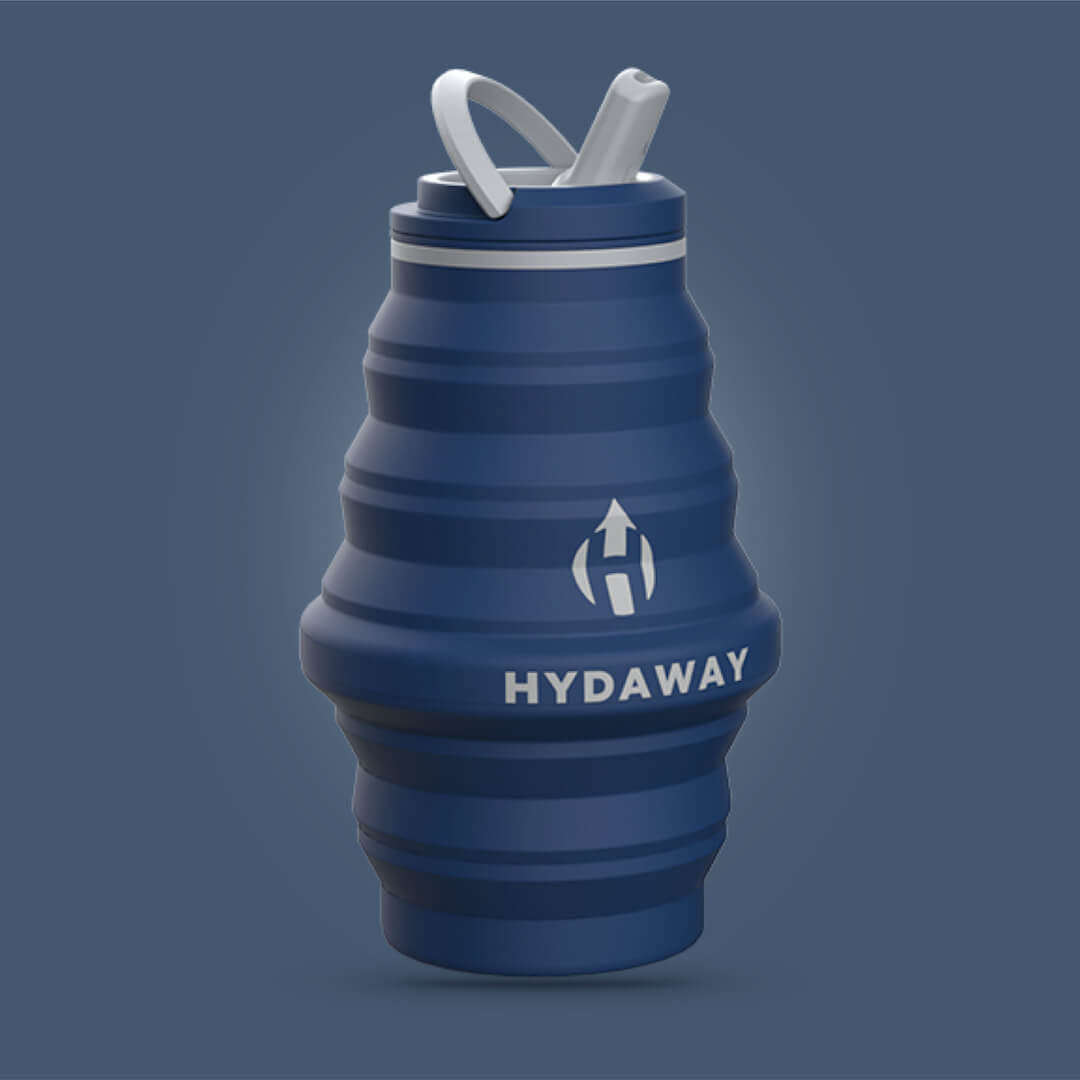
This is the same packing logic that makes collapsible bottles and bowls worth owning. HYDAWAY's fold-flat gear works because it saves volume without acting flimsy, and wipe selection should follow the same rule. Pick the format that disappears into your pack when stored, then performs like real gear when you need it.
Bottom line: Buy by usable coverage, not by pack hype. A compact pack that under-delivers on sheet size is just dead space in your drawer.
Pros and Cons for Campers and Vanlifers
I use wipes because they do a job well, not because they solve everything. They save water, they save time, and they make a long travel day feel less rough. They also create waste and can irritate skin if you pick the wrong formula.
Why they work so well
Camp shower wipes earn their place on travel days when a shower exists in theory but turns into a hassle in practice. Fuel stops, late arrivals, gym parking lots, and one-night pullouts all make a quick wipe-down more realistic than a full wash. They also ease laundry pressure, which matters if you're living out of a van or bouncing between trailheads and airports.
The better way to use them is as part of a packable hygiene system, the same way you would build around collapsible bottles and bowls. HYDAWAY's fold-flat gear works because it cuts bulk without feeling flimsy, and wipe selection should follow that same mindset. Choose wipes that store small, hold enough moisture, and fit cleanly into the rest of your kit, then keep disposal just as deliberate as the packing.
They also fit families and mixed travel days well. A beach stop, a theme park day, or a long drive home all get easier when you can clean up without setting up a basin, heating water, or unpacking a full wash kit.
Bottom line: Buy for usable coverage and packability, not for marketing copy. A compact pack that leaves you with tiny sheets and too little wipe is dead weight in your drawer.
Where they fall short
Single-use waste adds up fast, and some formulas feel drying after repeated use. If you have sensitive skin, one bad wipe can turn a helpful habit into an itchy one.
Disposal is the bigger problem. In the UK, about 11 billion wet wipes are used each year, and Water UK says wipes cause around 93% of sewage blockages. In Ireland, Uisce Éireann reported an average of 16 blockages per day and about €7 million per year in cleanup costs, while nearly 1 million people were found flushing wipes and other sanitary products in 2021. Wet wipes and sewage blockage data

A wipe makes sense when speed, low effort, and no setup matter most. A quick-dry towel or solar shower is the better call when you have water, time, and room to rinse properly. I would not build my whole hygiene plan around wipes, and I would not travel without them.
For skin safety, read the label like you mean it, especially if the pack uses a harder plastic or a weird seal that dries out fast. If you want a closer look at packaging choices, this guide to BPA-free plastic is worth a read before you load up your kit.
Disposal and Skin Safety Without the Guesswork
Most wipe problems come from sloppy habits, not the wipe itself. Pack them right, use them right, and they're a clean tool. Treat them like trash and skin irritants, because that's what they become when people get casual.
Disposal that doesn't create a mess
Never flush used wipes, even if the package uses a friendly word on the front. Pack them out in a dedicated sealable bag and keep that bag separate from food trash if you can. On a dispersed site, in a campground, or in a van, the rule is the same, if it came in with you, it goes out with you.
If you're sorting biodegradable wipes from synthetic ones, do it before the trip, not after the first use. Don't assume a vault toilet, pit toilet, or campsite bin can handle wipes the same way a home sewer can. That's how people create the clogging problems already showing up across major systems.
Skin safety that actually helps
Patch-test a new wipe on the inner forearm before you're far from the road. Avoid using fresh wipes on freshly shaved or sunburned skin unless you already know the formula agrees with you. Keep the pack sealed tightly so the wipes don't dry out halfway through the trip.
Here's the practical version I follow:
- Test first: Try a wipe on a small patch of skin at home before a trip.
- Watch sensitive areas: Back off if you feel stinging, tightness, or redness.
- Seal the pack: Reseal every time, because dried-out wipes are wasted space.
- Pack out everything: Use a trash bag, not a ditch, not a fire ring, not a toilet.
For travelers who are already thinking about safe materials in their kit, this HYDAWAY note on what BPA-free plastic means fits the same mindset, choose gear with fewer surprises and less chemical guessing.

Non-negotiable: If a wipe has touched your body, it belongs in trash you can carry out. That's not a preference, it's the deal.
DIY Recipes and Packable Alternatives Worth Trying
Store-bought wipes are convenient, but they're not the only workable answer. A lot of travelers I know mix and match depending on trip length, water access, and how much gear they want to manage. That's the smarter way to do it.
Three DIY approaches that actually make sense
A paper towel roll cut and soaked in a skin-safe cleansing solution works for short trips or emergency kits. It's cheap, simple, and easy to portion, but it can get sloppy fast and doesn't feel as good as a purpose-built wipe.
A reusable bamboo washcloth paired with a small spray bottle of castile soap and water is the best option if you want to reduce trash and don't mind a little cleanup. It takes more prep, and you'll need to dry and wash the cloth afterward, but it's efficient for longer vehicle-based travel.
Pre-soaked cotton pads in a reusable silicone case make sense for face and targeted cleanup. They're not a full-body solution, but they're neat, compact, and easy to toss into a toiletry kit without taking much room.
Three packable alternatives worth comparing
Biodegradable body wipes are the easiest swap if you want the same convenience with less guilt over packaging. Quick-dry microfiber towels plus a small soap bottle are better when you've got at least a little water and a place to hang dry. Portable pressurized shower bags are the right move when you can carry water and want a proper rinse without building a permanent camp bathroom.
A tiny wash setup like this pairs well with a compact travel bottle. HYDAWAY's 1 oz spray bottle fits the same no-waste, no-bulk thinking, carry only what you'll use.
My take: Weekend car camping can live on wipes and a towel. A week-long van loop is better with wipes plus a reusable wash system. Thru-hike resupply is where the lightest, least fussy option usually wins.
Packing Camp Shower Wipes Into a Full Travel Kit
I don't pack wipes alone. I pack a system. That's the difference between staying clean and just collecting random hygiene stuff in a drawer.
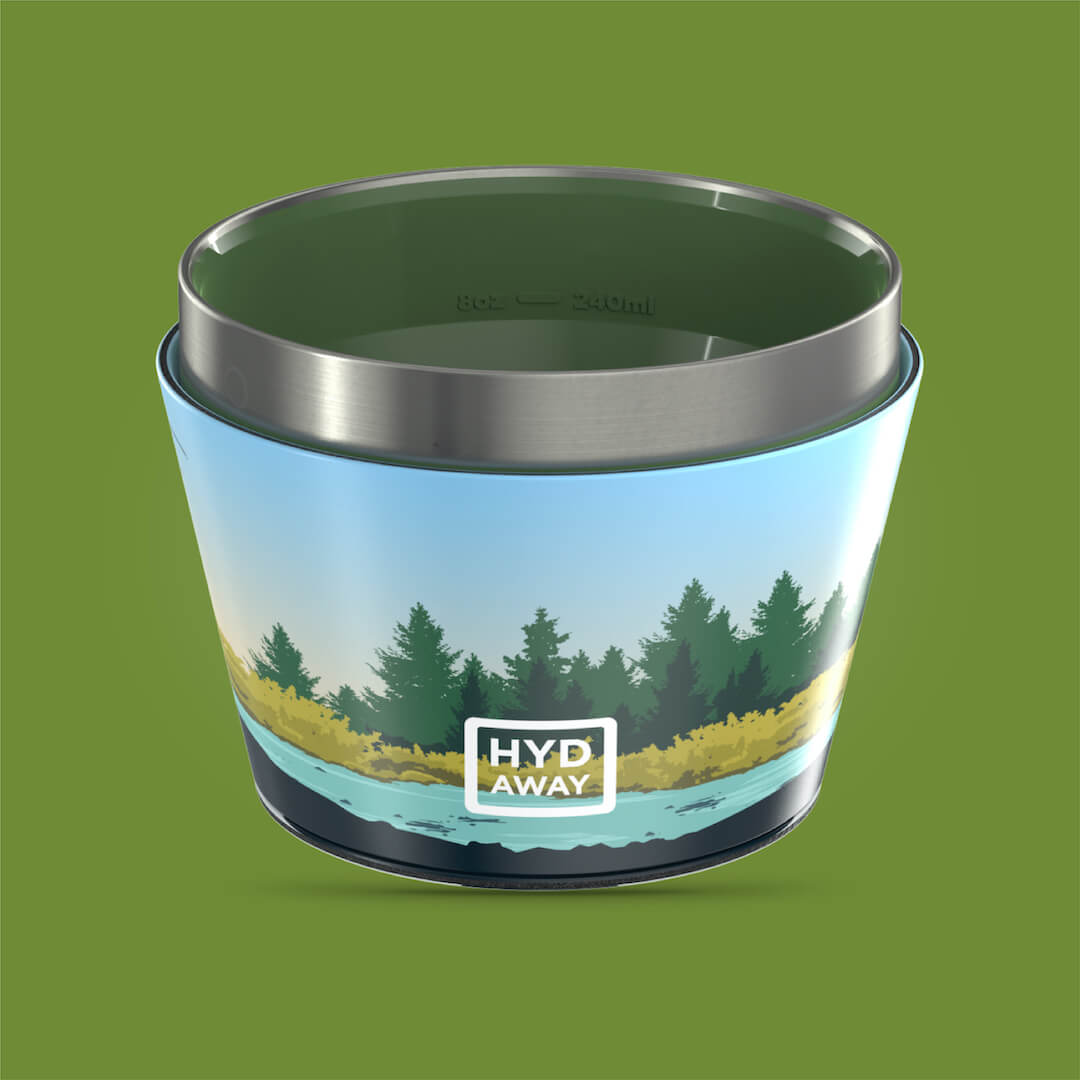
For a three-day trip, I'd build the kit like this: a measured count of body wipes in a flip-top pack, a small bag for used wipes, a collapsible water bottle for rinsing hands and brushes, an insulated bowl with a spill-proof lid for washing a facecloth, and a compact travel case for soap and a razor. That's the same logic behind HYDAWAY's fold-flat drinkware and dinnerware, space matters, and the gear has to earn its place.
If you're also packing for skin exposure, the sun protection travel essentials guide is a useful companion because wipes and skincare usually travel together, not separately. The same goes for your toiletry setup, and HYDAWAY's camping toiletry kit mindset fits right alongside your body wipe setup.
Here's the checklist I'd screenshot before a trip:
- Body wipes: Count them out before you leave.
- Trash bag: Bring one for used wipes only.
- Water bottle: Carry a small rinse option.
- Wash item: Add a cloth or towel if you'll do partial rinses.
- Soap and razor: Keep them in a compact case.
Theme-park families want the same thing as retirement travelers heading to Hawaii, Europe, or Asia, less fuss, less mess, and fewer bulky bottles. That's where compact gear wins. HYDAWAY fits because it's built for people who want to carry less and still have a real kit, not a bunch of compromises.
If you want a tighter travel hygiene setup, visit HYDAWAY and build around the same space-saving mindset you'd use for wipes. Start with the gear that folds flat, packs clean, and makes the rest of your kit easier to live with on the road.