


1 oz Spray Bottle: The Ultimate Travel & Adventure Guide

You notice the problem when you're packing for a flight, loading a daypack for a summer trail, or trying to keep a campervan organized. The bulky bottle that seemed harmless on your bathroom counter suddenly feels ridiculous. It leaks, takes up half a pouch, and often gets used once or twice before ending up in the trash.
A 1 oz spray bottle fixes more of that mess than most travelers realize.
Most guides treat it like a beauty accessory. That's too narrow. In travel and outdoor use, a good 1 oz spray bottle earns its place next to your water bottle, bowl, and first-aid basics. It can carry a hand-cleaning mist, a lens cleaner, a gear wipe-down solution, a light repellent, or a small-purpose hydration booster for hot, dusty days. Small tool. Big payoff.
The Unsung Hero of Your Carry-On
At airports, I see the same packing mistake all the time. People bring full-size liquids they won't finish, then scramble at security or wrestle with overstuffed toiletry bags at the gate.

The same thing happens outdoors. Hikers toss in oversized sanitizer bottles. Families carry heavy cooling sprays. Digital nomads end up with duplicate containers because nothing packs neatly. A 1 oz spray bottle solves that by shrinking one job down to the amount you need.
Why this tiny bottle matters outdoors
Most online advice still misses the point. Existing content on 1 oz spray bottles overwhelmingly focuses on cosmetics, with almost no mentions of rugged outdoor applications, even though forums raise real questions about leak-proofing and durability for multi-day trips and the backpacking personal care category is growing according to this market-gap summary.
That gap matters because trail use is different from bathroom-counter use. You care about:
- Pack shape: It needs to disappear into a side pocket or organizer.
- Leak resistance: It has to survive pressure, jostling, and heat swings.
- Fast access: You should be able to grab it with one hand.
- Reusable value: It should replace disposable minis, not become one more thing you toss.
Where it earns its spot
A 1 oz spray bottle works best when you give it a narrow, clear purpose.
Practical rule: One bottle, one job. Don't ask a single sprayer to handle every liquid in your kit.
For a day hike, that might be a sanitizer mist. For a road trip, it might be a small cleaner for sunglasses and screens. For theme park families, it might be a quick cooling mist or hand-cleaning spray. For longer travel, it becomes part of a more intentional kit where every item has to justify its space.
That's why this little bottle belongs in the adventure category, not just the cosmetic one.
Beyond Perfume The Adventurers Spray Bottle
A 1 oz spray bottle becomes useful when you stop thinking about fragrance and start thinking about problems. Heat, sticky hands, dirty sunglasses, grimy camp utensils, and mystery residue on a phone screen all show up faster than expected on the road.
A standard 1 oz (29.57 ml) spray bottle delivers about 240 sprays, and at 2 sprays per day it can last 120 days, which is why it works so well for long trips and small-batch carry based on this spray capacity breakdown.
Five smart uses that make sense
- Trail-side hand cleaner A mist format helps you control how much you're using. That's handy when you're stopping for lunch on a dusty trail or cleaning up before touching snacks in the car.
- Lens and screen cleaner Cameras, sunglasses, phones, and GPS screens get filthy fast. A dedicated bottle helps avoid using a harsh cleaner from a random wipe packet.
- Electrolyte or flavor mist for hydration routines Some travelers use a light spray approach for quick mouth refresh or to add a small burst of flavor to a drinking routine. Keep the formula simple and test it at home first, because not every liquid sprays cleanly.
- Compact gear cleaner A small cleaning solution works well for wiping down reusable utensils, food lids, or the outside of bowls after a snack stop.
- Bug repellent for short outings A sprayer beats a pour bottle here. You get targeted application on wrists, ankles, hat brims, or the back of the neck.
Match the bottle to the pain point
A lot of people overpack because they don't define the use case. Start there instead.
| Situation | Better spray-bottle job |
|---|---|
| Hot day hike | Cooling or hand-cleaning mist |
| Campervan kitchen | Small gear-cleaning spray |
| Theme park day | Fast hand spray for shared surfaces |
| Long train or plane travel | Refresh mist for hands or face gear |
| Photo outing | Lens-safe cleaner |
A good travel container doesn't just hold liquid. It reduces friction when you're tired, rushed, or dealing with weather.
What doesn't work well
Some liquids don't belong in a fine mist sprayer.
- Thick mixes: Anything heavy can clog.
- Chunky DIY blends: If it isn't fully dissolved, skip it.
- One bottle for multiple jobs: That's how labels get ignored and contents get mixed up.
The best setup is simple. Use one 1 oz spray bottle for a single repeated need, refill it when needed, and keep the rest of your kit lighter.
Choosing Your Bottle Material And Nozzle Quality
Most bad experiences with a 1 oz spray bottle come from the wrong material or a weak sprayer. The bottle itself matters. The nozzle matters just as much.

Plastic for movement and impact
For hiking, flights, crowded bags, and rough handling, plastic (PET or LDPE) is usually the practical pick. Some 1 oz plastic bottles weigh as little as 0.026 lbs, and their chemical resistance makes them a strong option for contents like sanitizers or sunscreens used in active travel as described in this packaging specification.
That matters more than looks. On the trail, I care less about a premium finish and more about whether the bottle survives being jammed next to a stove, charger, or snack bag.
Plastic is the better choice when you want:
- Low weight
- Shatter resistance
- Less stress in a crowded pack
- Everyday utility over presentation
If material safety matters to you, it's worth understanding what BPA-free plastic means before you buy.
Glass for light-sensitive contents
Glass has a place. If you're carrying a light-sensitive liquid and you know the bottle will ride in a padded pouch, amber glass can be the better tool.
Its main advantage isn't style. It's storage performance for formulas that don't like sun exposure.
Use glass when:
- the contents are light-sensitive
- the bottle mostly lives in a van, hotel kit, or protected organizer
- you want a bottle reserved for one specialty use
Skip glass when you're building a rough-use hiking kit or giving bottles to kids.
Nozzle quality decides whether you trust it
I've had cheap spray tops fail long before the bottle itself gave up. That's a key buying lesson. A poor sprayer leaks around the collar, dribbles instead of misting, or stops drawing liquid when the bottle is partly empty.
Check these details before you commit:
- Cap fit: It should close firmly and not wiggle.
- Spray pattern: Fine mist works for skin-safe or surface-light applications. A more direct stream suits targeted cleaning.
- Dip tube length: Too long and it bunches. Too short and it leaves usable liquid behind.
- Actuation feel: The trigger or button shouldn't feel gritty or uneven.
Buy the bottle for the environment it's going into, not for the shelf it looked good on.
A quick decision guide
| Your travel style | Better choice |
|---|---|
| Backpacking and hiking | Plastic |
| Family day trips | Plastic |
| Van-life with protected storage | Plastic or glass |
| Light-sensitive formulas in sunny places | Amber glass |
| Shared household or general-purpose kit | Plastic |
Material isn't the whole story, but it's the first fork in the road. Get that right and the rest of the setup gets easier.
Flying Easy Navigating TSA And Airline Rules
The 1 oz spray bottle shines most at the airport because it solves a common issue before it starts. It sits well under the liquid size limit, packs cleanly, and gives you more control over what you're carrying.

Pack for inspection, not just for space
Airport packing gets easier when every liquid has a visible purpose and secure closure. A tiny spray bottle helps because it doesn't invite overfilling.
Use a simple routine:
- Leave some headspace: A completely full bottle is more likely to push liquid into the sprayer when pressure changes.
- Tighten the cap before bed: Do it the night before your flight, not at the gate.
- Separate active-use liquids: Keep your in-flight hand spray where you can reach it without unpacking your whole bag.
- Use a dedicated pouch: A washable travel pouch keeps one leak from spreading.
For more ideas on organizing compact liquid kits, this guide to reusable travel containers is useful.
Avoid the usual in-flight mistakes
People often blame the bottle when the issue is packing technique. Bottles fail when they're overfilled, loosely capped, or tossed in with hard objects that keep pressing the nozzle.
A few travelers also forget that their whole carry-on system needs to work together. If you're flying with a pet too, this overview of TSA pet carrier requirements is a solid companion read because it helps you think through airport logistics beyond liquids alone.
Here’s a practical walkthrough that helps first-time flyers visualize how to handle travel-size liquids.
What belongs in your flight spray bottle
Keep it boring. Airport day isn't the time to experiment with a thick DIY mix or an unlabeled mystery liquid.
Best candidates are usually:
- A simple hand-cleaning spray
- A light surface mist for tray-table wipe-downs
- A basic personal refresh spray
- A small-purpose cleaner for glasses or screens
The goal isn't to bring everything. It's to carry the few liquids you'll use between security and arrival.
The Sustainable Choice Cleaning And Refilling Best Practices
The smartest thing about a 1 oz spray bottle isn't its size; it's that you can keep using the same one instead of buying disposable minis every trip.
That matters more now because search interest for "travel spray bottle eco" has risen 28% since April 2025, while many guides still ignore material safety, dishwasher safety, and reusability as noted in this trend summary.
Reuse only works if you clean properly
A refillable bottle only stays useful if you treat it like gear, not trash. That means cleaning between uses, especially when you switch contents.
Use this routine:
- Empty it completely Don't top off old liquid with new liquid.
- Wash the bottle and sprayer Warm water and a thorough rinse go a long way for basic maintenance.
- Flush the nozzle Spray clean water through the mechanism until it runs clear.
- Air-dry fully Moisture trapped inside a cap or sprayer is where problems start.
- Label before refilling If you carry more than one bottle, this step saves confusion later.
If you already use refillable gear, adding bottle cleaner tablets to your cleaning routine can help keep the rest of your kit in good shape too.
What good refill habits look like
Not every refill practice is sustainable just because it's reusable. The good version is deliberate.
- Buy larger refill formats when appropriate: That cuts down on repeat packaging.
- Keep each bottle dedicated: One for cleaning, one for personal care, one for gear.
- Replace only worn parts: If the sprayer fails but the bottle is still good, swap the weak link if you can.
- Choose materials you trust: BPA-free and dishwasher-safe matter when the bottle becomes part of your regular routine.
Reusable travel gear works best when cleaning it is easy enough that you'll do it after a long day.
What doesn't hold up over time
Three habits usually ruin the refill experience:
| Bad habit | Why it causes trouble |
|---|---|
| Mixing leftover liquids | Residue builds and labels stop meaning much |
| Storing wet after washing | Odor and performance issues show up faster |
| Buying the cheapest sprayer available | Reuse drops off when the mechanism annoys you |
A reusable bottle should save waste and save hassle. If it only does one of those, it won't stay in your kit.
Packing Your Compact HYDAWAY Adventure Kit
A 1 oz spray bottle makes the most sense when it supports a full compact system. On its own, it's helpful. Paired with collapsible and reusable gear, it starts to clean up your whole packing style.

Kit one for a day hiker
This setup is all about speed and weight.
Pack:
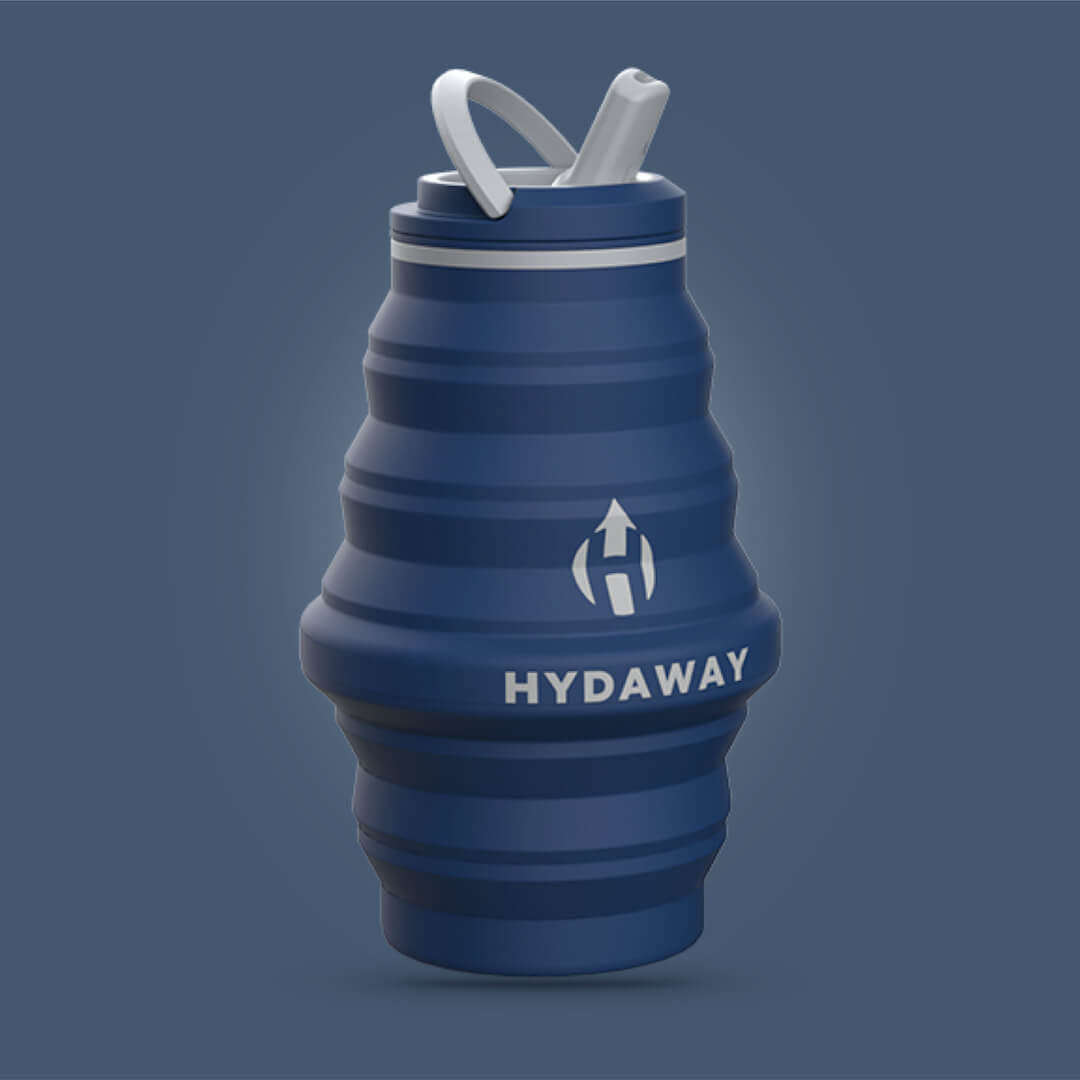
- A 17oz Collapsible Bottle for water on the move
- One 1 oz spray bottle with hand-cleaning mist
- Sunglasses and a cloth
- Snacks in a compact pouch
- A Packable Daypack to keep the whole system minimal
This is the kind of kit that works on quick Bend trails, a hot afternoon viewpoint stop, or a walk that turns into a longer outing. The spray bottle handles the small hygiene job without forcing you to carry a bulky container.
Kit two for a digital nomad
A longer travel rhythm needs more flexibility and less clutter.
Try this combination:
| Item | Job in the kit |
|---|---|
| 25oz Collapsible Bottle | Daily hydration |
| 1 oz spray bottle | Screen or hand-cleaning spray |
| Travel Case | Keeps loose items contained |
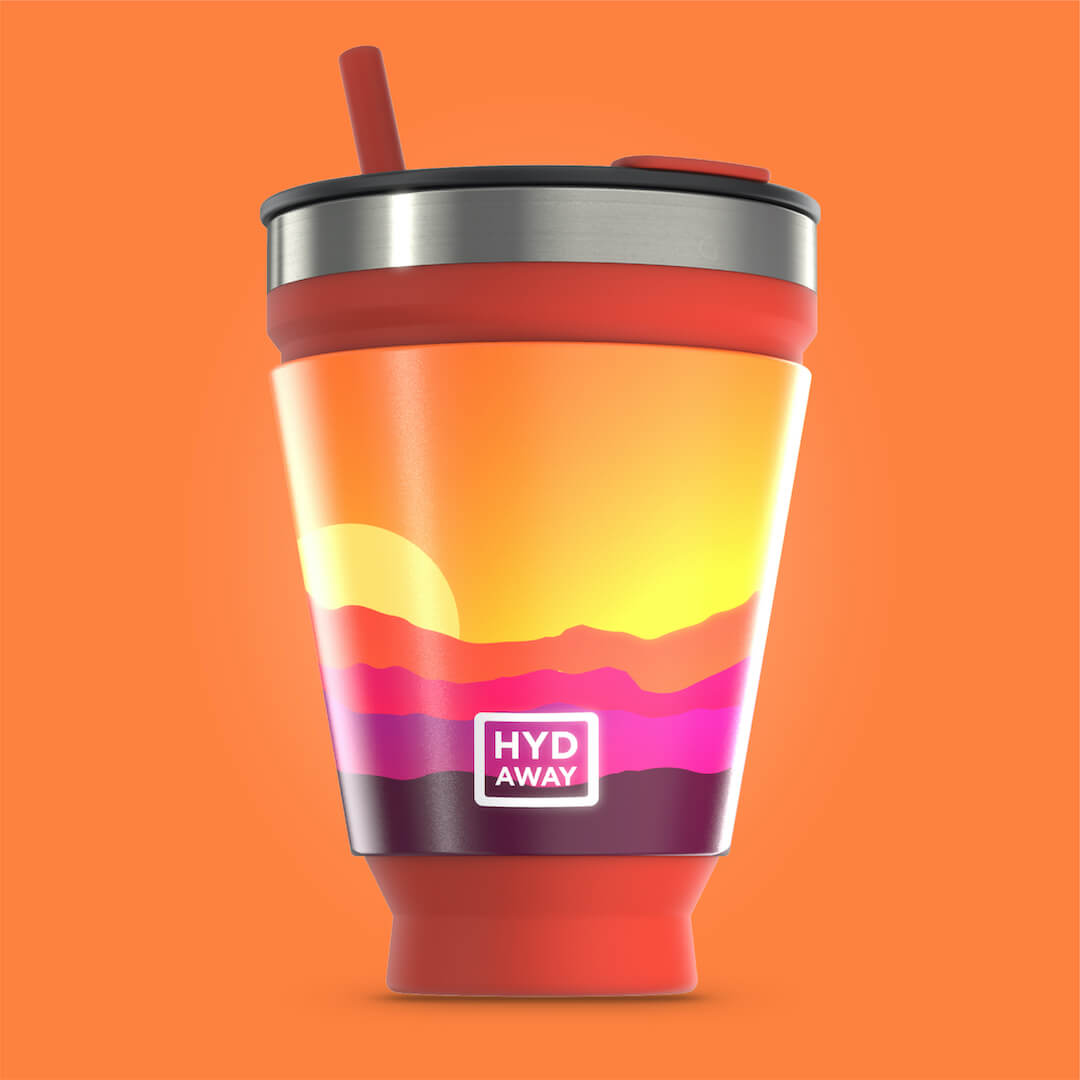
| Insulated tumbler | Coffee or tea without disposable cups |
| Compact charging pouch | Keeps tech separate from liquids |
The key here is separation. Keep the spray bottle in the same place every day so you don't end up rummaging through cords, adapters, and snacks just to clean your glasses before a train ride.
Kit three for a family theme park day
Families need access, not perfection. The best setup is one that handles spills, sticky hands, and refill breaks without becoming a burden.
A practical park kit often includes:
- A couple of collapsible water bottles
- One or two 1 oz spray bottles for quick hand-cleaning or cooling tasks
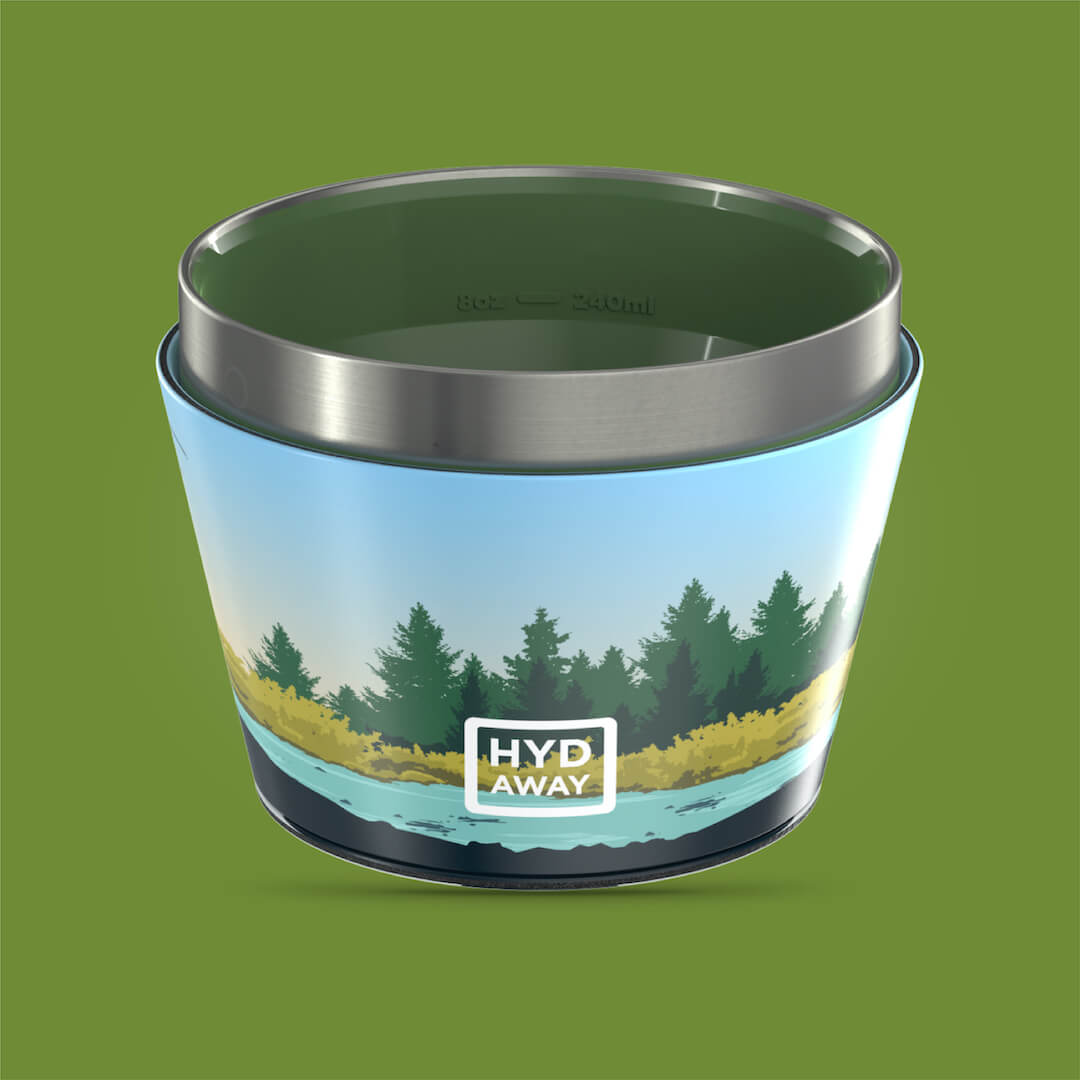
- An insulated food bowl with spill-proof lid for snacks
- A foldable day bag for layers and extras
Keep one spray bottle where an adult can reach it fast, not buried under ponchos and souvenir wrappers.
Compact gear really pays off here. You can refill water, carry snacks, and handle the messy little moments without relying on a chain of disposable purchases throughout the day.
Why the system works
The bottle isn't the star. The system is.
When your water container collapses, your bowl nests efficiently, and your spray bottle handles one very specific need, you stop carrying dead space. That's the difference between a kit that looks organized at home and one that stays useful through an actual travel day.
Carry Less Adventure More
Small gear choices change the feel of a trip. A 1 oz spray bottle is one of those choices. It cuts bulk, handles a real need, and makes it easier to stick with reusable habits instead of buying another disposable mini on the road.
That's the bigger point. Compact gear isn't about squeezing more stuff into a bag. It's about carrying less friction through the day.
If you're mapping out your next trip, or even trying to plan your next adventure or staycation, it's worth looking at the small items that improve everything. A better bottle, a better pouch, a better refill routine. Those are the details that make travel smoother and waste lighter.
The travelers who stay organized aren't usually carrying more. They're carrying tools that do their jobs cleanly, repeatedly, and without drama.
Frequently Asked Questions About 1 oz Spray Bottles
Can I use a 1 oz spray bottle for homemade bug spray or electrolyte mixes
Yes, but keep the formula thin and fully mixed. Fine mist sprayers don't love thick liquids or anything with particles.
If the contents are light-sensitive, amber glass can be the better option because it blocks 90 to 95% of UVA and UVB rays and can extend the shelf life of organic formulations by 6 to 12 months based on this amber glass bottle specification.
How do I stop the nozzle from clogging
Start with a cleaner liquid. That's the main fix.
If a bottle clogs:
- rinse the sprayer with warm water
- spray clean water through it several times
- avoid heavy oils or partly dissolved mixes next time
Is plastic or glass better for travel
For rough travel, hiking, and family use, plastic is usually the easier answer. It's lighter, less stressful to pack, and better suited to crowded bags.
Glass makes more sense when the contents need more protection from light and the bottle will live in a protected pouch.
Can I take a 1 oz spray bottle on a plane
Yes, this size fits easily within standard travel liquid limits. Label it clearly and pack it so the cap won't get pressed open.
What's the best way to label multiple bottles
Use simple, durable labels with the content and the date filled. If you're carrying several, color-coding the caps or using different bottle shapes helps prevent mix-ups fast.
Is a 1 oz spray bottle worth carrying for just one short outing
Usually yes, if it replaces a larger bottle you don't need. That's especially true for hand cleaner, lens spray, or a small-purpose refresh mist.
A simple 1 oz spray bottle fits the same mindset behind HYDAWAY: carry less, reuse more, and make every inch of your kit work harder. If you want compact gear that folds flat, travels cleanly, and helps replace disposable habits, HYDAWAY is built for exactly that kind of everyday adventure.