


What Is a Dry Bag and How to Choose the Right One in 2026

Think of a dry bag as your gear’s personal bodyguard. It’s the one piece of equipment standing between your phone, your camera, and a sudden downpour or an unexpected wave. For any adventure, from a spontaneous city break to a planned kayaking trip, it’s the ultimate peace of mind, making sure your must-haves stay perfectly dry, no matter what the weather throws at you.
What Is a Dry Bag? Your Gear’s Best Friend

At its core, a dry bag is a simple idea with a seriously important job: to create a totally waterproof seal that protects your belongings from water, sand, and dust. It’s like a flexible, portable vault for the things you can’t afford to get wet.
What started as a niche item for hardcore rafters and sailors has totally crossed over into the mainstream. And it's no surprise! As travelers and families become more adventurous, they've realized just how incredibly useful a dry bag can be in everyday life.
From Niche Gear to Everyday Essential
So, why is everyone suddenly obsessed with dry bags? Because life, especially when you travel, is full of unexpected splashes. One minute you’re navigating a surprise downpour while commuting on your e-bike, the next you’re trying to survive the front row of a log flume ride. The need to protect your stuff is universal.
A dry bag isn't just a waterproof sack; it's a key part of a smart, packable travel system. For anyone who loves to travel light, efficiency is everything. A dry bag fits right in with other space-saving gear, like HYDAWAY's collapsible products, creating a go-anywhere kit for any kind of trip.
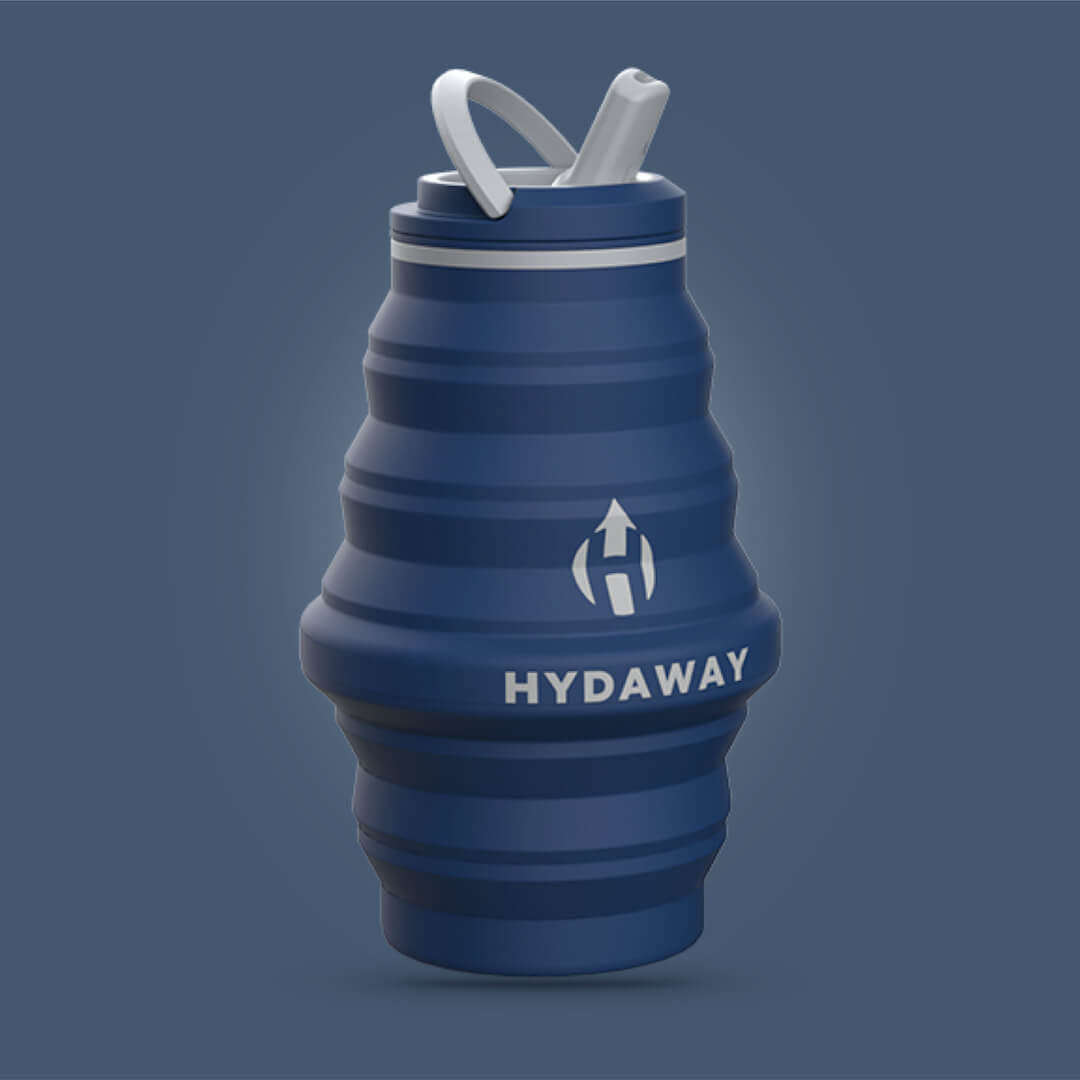
A dry bag slots perfectly into a minimalist travel setup. Picture this: you tuck your electronics, passport, and snacks into a 10L dry bag, then slide it into a HYDAWAY collapsible backpack right next to your folded water bottle. That’s the magic of carrying less and doing more.
This simple system is a game-changer for all kinds of people on the move:
- Theme Park Families: Keep your wallet, phone, and a spare set of clothes bone-dry on water rides. A dry bag means you can say "yes" to the splash zone without worrying about a waterlogged smartphone.
- Adventure Travelers: Protect your camera and passport while kayaking down a river or hiking through a misty forest. Imagine paddleboarding on a calm lake; a dry bag keeps your essentials safe and accessible right on your board.
- Digital Nomads: Shield your laptop and chargers from surprise rainstorms or wind-blown beach sand. For anyone working from a cafe in a tropical location, a dry bag is your mobile office's insurance policy against a sudden downpour.
Once you realize a dry bag is your gear's best friend, you might start thinking about what other equipment is worth owning. For water lovers, a common next step is to invest in your own dive gear for all those future underwater adventures. Protecting that investment starts with a solid dry bag, making it a foundational piece of kit for any excursion you're planning for 2026 and beyond.
How Dry Bags Keep Your Gear Safe and Dry
Ever wondered how a simple bag can be so ridiculously good at keeping water out? It’s not magic, but it is a pretty clever combination of tough-as-nails materials and a brilliant seal.
Once you get how these pieces work together, you’ll see why this piece of gear is a non-negotiable for any traveler who might encounter a little (or a lot of) water.
It All Starts With the Material
At its core, a dry bag is all about its waterproof fabric. You’ll usually find two main players in this space, each with its own strengths for different kinds of adventures.
First up is Polyvinyl Chloride, or PVC. Think of this as the armor for your gear. It’s a tough, rubbery material that’s built to take a beating—highly resistant to scrapes, punctures, and the kind of abuse that comes from being tossed in a kayak or strapped to a paddleboard. If your adventures are on the rougher side, like a multi-day rafting trip, a PVC bag is your best bet.
The other popular choice is coated nylon. Where PVC is the tank, nylon is the nimble scout. It's much lighter and way more flexible, folding down to a tiny size that’s perfect for stashing in a backpack or suitcase. A nylon dry bag is a traveler’s dream, giving you serious water protection without the bulk—a perfect partner for packable gear like a HYDAWAY collapsible backpack. This makes it ideal for day trips or slipping into your luggage "just in case."
The Secret is in the Seal
Of course, the best waterproof fabric in the world won’t do you any good without a solid seal. That's where the roll-top closure, the signature move of almost every dry bag, comes in.
The idea is genius in its simplicity. Think about rolling up a tube of toothpaste from the bottom. As you roll, you squeeze the air out and create a tight, compressed seal that stops anything from getting out. A dry bag is the exact same principle, but in reverse.
To get that perfect seal, you just press the two stiff edges of the opening together and roll them down tightly at least three times. This creates a series of folds that form an unbeatable barrier, making it nearly impossible for water to sneak inside.
A buckle then clips the ends together, locking that roll in place and giving you a handy grab-and-go handle. It's this straightforward, mechanical system that makes a dry bag so reliable, whether you're caught in a sudden downpour or dealing with splashes at the water park.
Seams That Don’t Quit
Finally, how a bag is put together is just as crucial as what it’s made of. The seams—where the pieces of fabric meet—are the most likely weak spots for water to find a way in. Quality dry bags have this covered with two main techniques:
- Welded Seams: This is the gold standard. The process uses heat and pressure to literally melt two pieces of fabric into one, creating a single, continuous, and totally waterproof bond. It’s the strongest and most dependable seam you can get.
- Taped Seams: With this method, the seams are stitched and then a waterproof tape is applied over them on the inside. It’s a solid technique, but it can be less durable than welding over the long haul.
Knowing what to look for in materials and construction helps you pick the right gear for the job. A heavy-duty PVC bag with welded seams is built for serious action, while a packable nylon bag is your go-to for lightweight travel. Both are designed to do one thing perfectly: keep your essentials safe, sound, and dry.
What Size Dry Bag Do I Actually Need?
Finding the perfect dry bag isn’t about chasing the “best” one on the market. It’s about matching the right gear to your adventure. The bag you’d trust on a multi-day rafting trip is total overkill for a casual day at the beach, and the small pouch for your phone won’t do you much good when you’re packing for the whole family.
Let’s be honest, visualizing liters can be tricky. So, instead of just throwing numbers around, let's talk about what actually fits inside and what that means for your trip.
A Size for Every Adventure
-
2L - 5L Bags: The Valuables Protector Think of these little guys as your waterproof pocket. A 2L or 5L dry bag is just the right size for the absolute essentials: phone, wallet, keys, and maybe a small snack bar. They're perfect for when you want to travel light, like on a stand-up paddleboard, a quick kayak outing, or even just navigating a crowded water park with the kids. It's just enough to keep your pockets empty and your valuables safe.
-
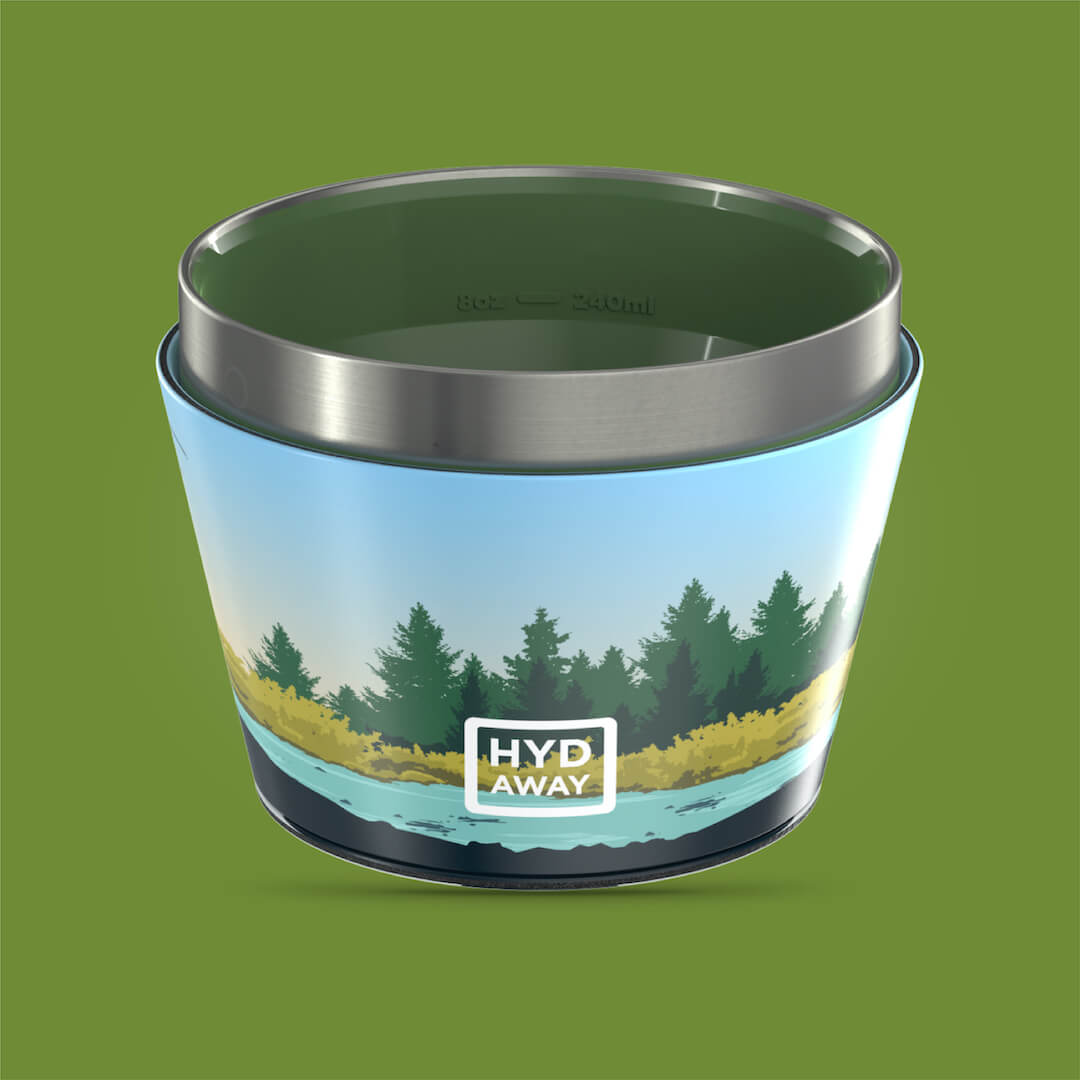
10L Bags: The Day-Trip Workhorse This is hands-down the most versatile size you can get. A 10L bag gives you enough space for your essentials plus a few key extras for a full day out. You can easily toss in a compact towel, sunscreen, a change of shirt, and your lunch without a problem. It’s the perfect size for a self-contained day-trip kit and has plenty of room for your HYDAWAY collapsible water bottle and an insulated food bowl.
-
20L+ Bags: The Expedition & Family Hauler When you’re packing for more than just yourself or need to protect bulkier items, you'll want to size up to a 20L bag or larger. This is a lifesaver for family beach days, easily swallowing multiple towels, a full spread of snacks, and a change of clothes for everyone. For campers and boaters, these bigger bags are essential for keeping a sleeping bag, cooking gear, or a weekend's worth of clothes bone-dry.
To help you visualize what size will work best for you, here's a quick reference guide.
Dry Bag Size and Use-Case Guide
| Bag Size (Liters) | Best For (Activity) | Typical Contents |
|---|---|---|
| 2L – 5L | Paddleboarding, Kayaking, Water Parks | Phone, keys, wallet, small snack |
| 10L | Day Hikes, Beach Trips, Bike Commuting | Essentials + light jacket, lunch, water bottle |
| 20L | Family Outings, Camping, Boating | Towels, extra clothes, sleeping bag, camera gear |
| 30L+ | Multi-Day Rafting, Overlanding, Group Trips | Multiple sleeping bags, full set of clothes, cooking kit |
Ultimately, the goal is to have just enough room for what you need, without carrying a half-empty bag.
More Than Just a Sack: Different Styles for Different Trips
While the classic roll-top sack is what most people picture, dry bag designs have evolved to handle all kinds of travel.
-
Dry Bag Backpacks: These are a total game-changer for anyone who hikes, commutes, or travels in wet climates. You get the full waterproofing of a dry bag combined with the comfort of real backpack straps, making it easy to carry heavier gear completely hands-free.
-
Dry Bag Duffels: For road trips, boat excursions, or overlanding adventures, a duffel-style dry bag is brilliant. The wide opening makes packing—and later, finding—your gear incredibly simple. They’re perfect for keeping clothes and equipment organized in the back of a truck or on a roof rack, no matter the weather.
To help you decide, think about the trade-offs between durability and packability.

If you know your bag is going to get beat up, tough PVC is your friend. But if you need something that packs down small for travel, a flexible nylon bag is the way to go. Getting the right material and size means you’ll have gear you can count on for your next adventure. For more tips on managing your gear on the move, check out our guide on choosing the best hiking water containers.
Practical Ways to Use Your Dry Bag Everywhere
If you hear “dry bag” and immediately picture a hardcore rafter navigating whitewater rapids, it’s time to expand that image. That single-use stereotype is long gone. Today, this incredibly versatile piece of gear has become a non-negotiable for savvy travelers, families on the go, and even daily commuters who get its value far beyond the water's edge.
This isn’t just another bag. It’s peace of mind.
Picture this: you’re a digital nomad working from a charming cafe in a city known for its sudden, tropical downpours. A dry bag becomes your mobile office, a lifeline ensuring your laptop and hard drives survive an unexpected drenching. Or think about a family trip to a theme park. After the big splash ride, a dry bag is the hero that keeps a change of clothes, your phone, and the day's snacks from turning into a soggy, grumpy mess.
Your Go-Anywhere, Do-Anything Gear Protector
The modern traveler prizes gear that pulls double, or even triple, duty. This is where a dry bag truly shines, embodying the HYDAWAY philosophy of smart, space-saving products that adapt to your life. The same bag that protects your phone from sand at the beach can become an impromptu laundry bag that evening.
It can also double as a portable wash basin for dishes at your campsite, an organizer for dusty gear in the back of an RV, or even a makeshift ice bucket. Just toss in some ice and a few drinks, and you have an instant, contained cooler.
A dry bag is the ultimate example of "carry less, do more." Its uses are limited only by your imagination, making it a perfect partner to a streamlined travel kit with a HYDAWAY collapsible backpack and water bottle. This system means you're prepared for anything without being weighed down by bulky, single-purpose items.
When you're packing for any water adventure, having the right gear is key—and that includes protecting your valuables. For more great ideas on what to bring, check out these essential picks for snorkeling.
Real-World Uses for Modern Explorers
The applications are truly endless. A great dry bag isn't just about water; it's about total protection from whatever the world throws at you.
- Sand and Dust Protection: Keep that fine, sneaky grit away from your camera lenses and phone screens during a beach day or a desert 4x4 adventure.
- Impromptu Cooler: On a river trip and feeling parched? Toss a bag of ice inside your dry bag with some drinks to keep meltwater contained and everything else in your pack bone-dry.
- Odor Containment: Seal away a damp wetsuit or sweaty gym clothes. This is a game-changer for preventing unwanted smells and moisture from taking over the rest of your luggage.
- Pillow: When camping, trap a bit of air inside, seal it up tight, and wrap it in a t-shirt. You’ve got a surprisingly comfortable pillow. For more genius packing hacks, see our guide on what to pack for a camping trip.
How to Pack and Care for Your Dry Bag
So, you've got yourself a dry bag. That's a fantastic first step toward keeping your gear safe and dry on any adventure. But like any great piece of travel equipment, knowing how to use it properly is what really unlocks its potential and makes it last for years of trips.
Getting it right is simple, but it’s the difference between gear that’s bone-dry and a waterlogged mess. This is something we're passionate about at HYDAWAY—making sure our durable, long-lasting products serve you well on every journey.

The secret to a truly waterproof seal? It's all in the roll-top closure. We’ve seen it countless times—people don't roll it enough. For maximum protection, you just need to remember the "three-roll rule."
The Art of the Perfect Seal
This little ritual is your best defense against water, and it only takes a few seconds.
- Push Out Extra Air: Gently press down on your bag's contents to squeeze out most of the air. This helps it pack down nice and tight. On the flip side, if you need it to float, just leave a bit of air inside before you seal it.
- Line Up the Top: Grab the two stiff plastic strips at the opening and press them together so they're perfectly flat and aligned.
- Roll It Down: Here’s the key part. Firmly roll that top down at least three times. Every single roll adds another barrier against moisture.
- Click and Go: Clip the two ends of the buckle together. This locks the roll in place and gives you a handy grab-handle.
That's it. This simple technique ensures your gear stays protected, whether you’re caught in a sudden downpour on a hike or braving the splash zone at a theme park with the family.
Proper packing isn't just about sealing out water; it's about smart organization. It transforms your dry bag from just a sack into a key part of your travel system, just like a well-packed backpack can make any trip run smoother.
To help you master your entire packing game, check out our full guide on how to pack a backpack like a pro for any adventure.
Pack Smarter, Not Just Tighter
How you load up your dry bag really matters. A bit of strategy can protect both your valuables and the bag itself from unnecessary wear and tear. Try to avoid overstuffing it, which puts a ton of stress on the seams and the closure. If you’re struggling to get those three tight rolls, your bag is definitely too full.
Here's a packing order we swear by:
- Bottom Layer: Start with soft, less-fragile things like a t-shirt or a small towel. This creates a natural cushion at the base of the bag.
- Middle Layer: This is prime real estate for your electronics. Tuck your phone, camera, or power bank in here, preferably inside their own smaller cases for double the protection.
- Top Layer: Keep things you’ll need to grab quickly right at the top. Think sunscreen, snacks, or your HYDAWAY collapsible water bottle for easy access.
Keep It Clean for the Next Adventure
Once you’re back home, a little bit of care goes a long way in preventing mold, mildew, and material breakdown. The worst thing you can do is toss a damp, dirty dry bag into the closet.
After your trip, turn the bag inside out and give it a gentle wipe-down with some mild soap and water. The single most important step is to let it air dry completely before you put it away. Hang it upside down in a shady spot with good airflow until it's totally dry.
Store it in a cool, dry place away from direct sunlight, and it will be in perfect shape and ready to go for your next journey.
Your Dry Bag Questions, Answered
Got a few questions? We figured you might. Getting the little details right is what turns good gear into great gear you can rely on. Let's walk through the most common questions we hear from travelers, so you can feel totally confident using your dry bag from day one.
Are All Dry Bags Fully Submersible?
That’s a great question, and the short answer is no—this is a really important difference to understand. Most roll-top dry bags are designed to be extremely water-resistant. This means they can laugh off a torrential downpour, shrug off a huge splash from a boat, and even handle a quick, accidental plunge into the river. They usually have a rating like IPX6, which means they're certified against powerful jets of water.
To be truly submersible for any length of time, you need a bag rated IPX7 or IPX8. Those are a different beast altogether and almost always use a heavy-duty waterproof zipper instead of a roll-top. For the vast majority of adventures—a day at the beach, a paddle down the river, or just getting caught in the rain—a quality roll-top bag is more than enough protection.
Can I Use a Dry Bag for My Laptop or Camera?
Absolutely! This is one of the smartest ways to use a dry bag, especially if you’re a digital nomad or just love taking pictures on your travels. There’s one big thing to remember, though: a dry bag provides fantastic waterproofing, but not impact protection. It won’t do much to save your expensive camera if you drop it on a rock.
The best approach is what we call the "double protection" method. First, tuck your electronics into their own padded sleeve or camera case. Then, slide that cushioned item into your dry bag. This gives you a one-two punch of protection against both water and bumps, which is the ultimate peace of mind.
How Do I Prevent Mold or Bad Smells?
A little bit of care goes a long way in making your bag last for years. After a trip—especially one where it held a damp wetsuit or muddy gear—the first thing you should do is turn the bag completely inside out. Give it a quick wipe-down with a cloth, using a bit of mild soap and water.
The most crucial step is to let the bag air dry completely before you roll it up and put it away. Storing a dry bag while it's still damp is a surefire way to end up with mold and funky smells. Once it's bone dry, store it in a cool, dry spot out of direct sunlight to keep the material in top shape.
This simple habit keeps your bag fresh and ready for whatever adventure comes next.
Should I Trap Air Inside My Dry Bag?
This one totally depends on what you're doing that day! Sometimes, trapping a little air inside before you seal it is a brilliant move. It makes the bag buoyant, helping it float on the surface if it ever takes an accidental swim in a lake or river. That makes it way easier to grab. The trapped air also adds a tiny bit of extra cushioning for your gear.
Just don't overdo it and inflate it like a balloon, as that puts extra stress on the seams. On the other hand, if you need to save as much space as possible—say, when you're packing it into a larger travel bag like the HYDAWAY collapsible backpack—you'll want to squeeze out all the air you can before sealing. This makes it super compact and easy to stow.
At HYDAWAY, we’re all about smart, packable gear that makes every trip better. A great dry bag is the perfect partner to our collapsible, space-saving products, ensuring you can carry less and do more, no matter what the forecast says. Check out our full collection of adventure-ready gear at myhydaway.com.