


Choosing Your Hiking Water Containers

Staying hydrated on the trail isn't just about feeling good—it's absolutely essential for your performance, safety, and whether you actually enjoy the hike. The best hiking water containers strike the right balance between capacity, weight, and packability for your specific adventure, from classic rigid bottles to clever collapsible designs. Your choice directly impacts everything from how you feel on a steep climb to how efficiently you can organize your gear.
Why Your Water Container Choice Matters
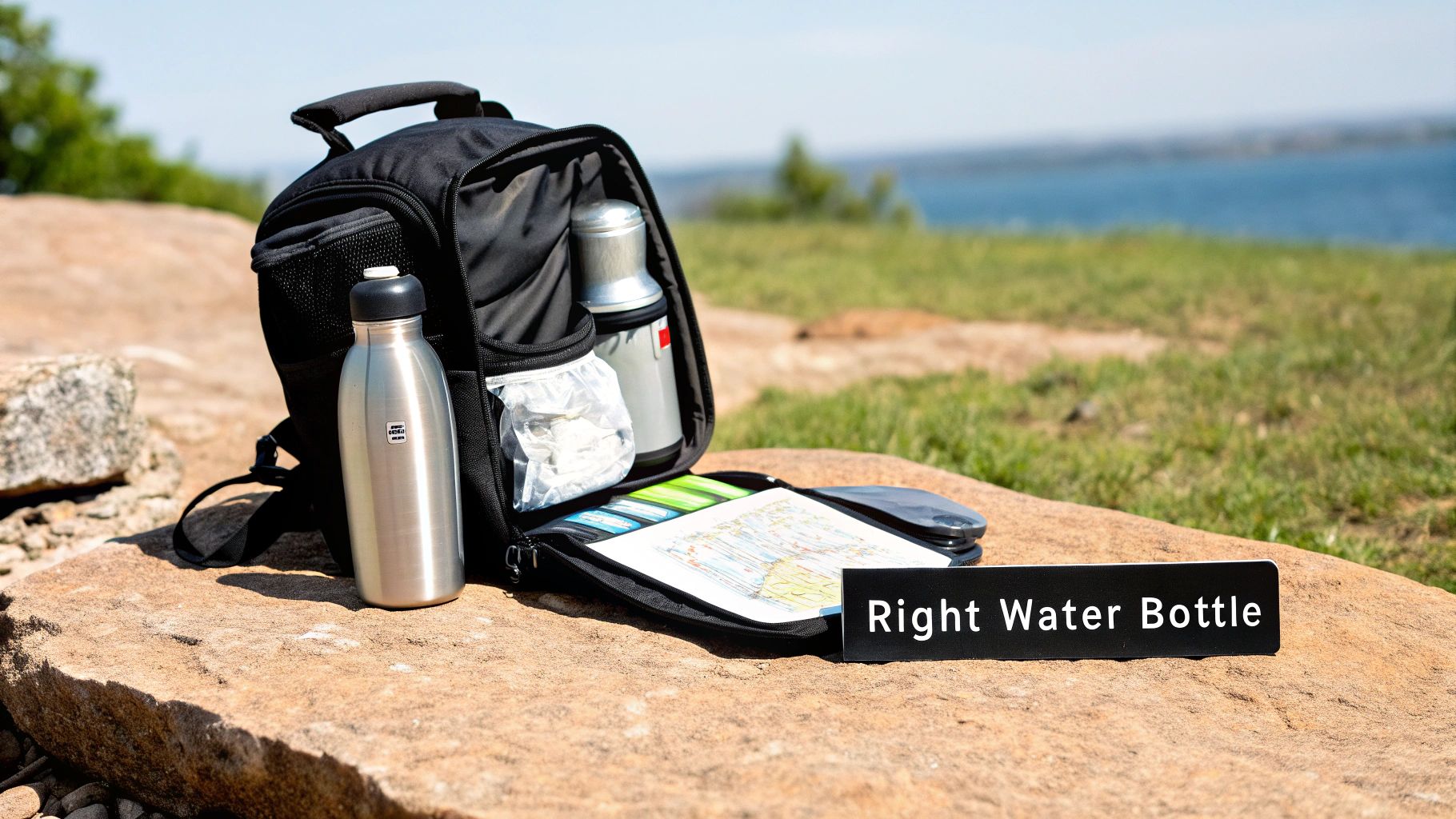
Deciding how to carry your water is one of the most fundamental gear choices any hiker makes. It goes way beyond just picking something to hold H2O; it affects your pack's weight, its balance, and how much space you have left for other must-haves like a rain jacket or a first-aid kit. A bulky, half-empty bottle can become a clunky annoyance, while the right system makes staying hydrated totally seamless.
Think about this common scenario: you're halfway through a day hike and have already downed most of your water. With a traditional hard-sided bottle, you're stuck lugging around a hollow, space-hogging container for the rest of your trip. For a traveler exploring a national park, that same bulky bottle is a pain to fit into a daypack or carry-on. This is exactly where modern designs have changed the game for hikers who really care about efficiency.
The real-world impact of your water container becomes crystal clear on multi-day treks. The wrong bottle can mean extra weight on climbs, awkward pack-outs, and a constant struggle to stay hydrated without stopping all the time.
The Rise of Packable Hydration
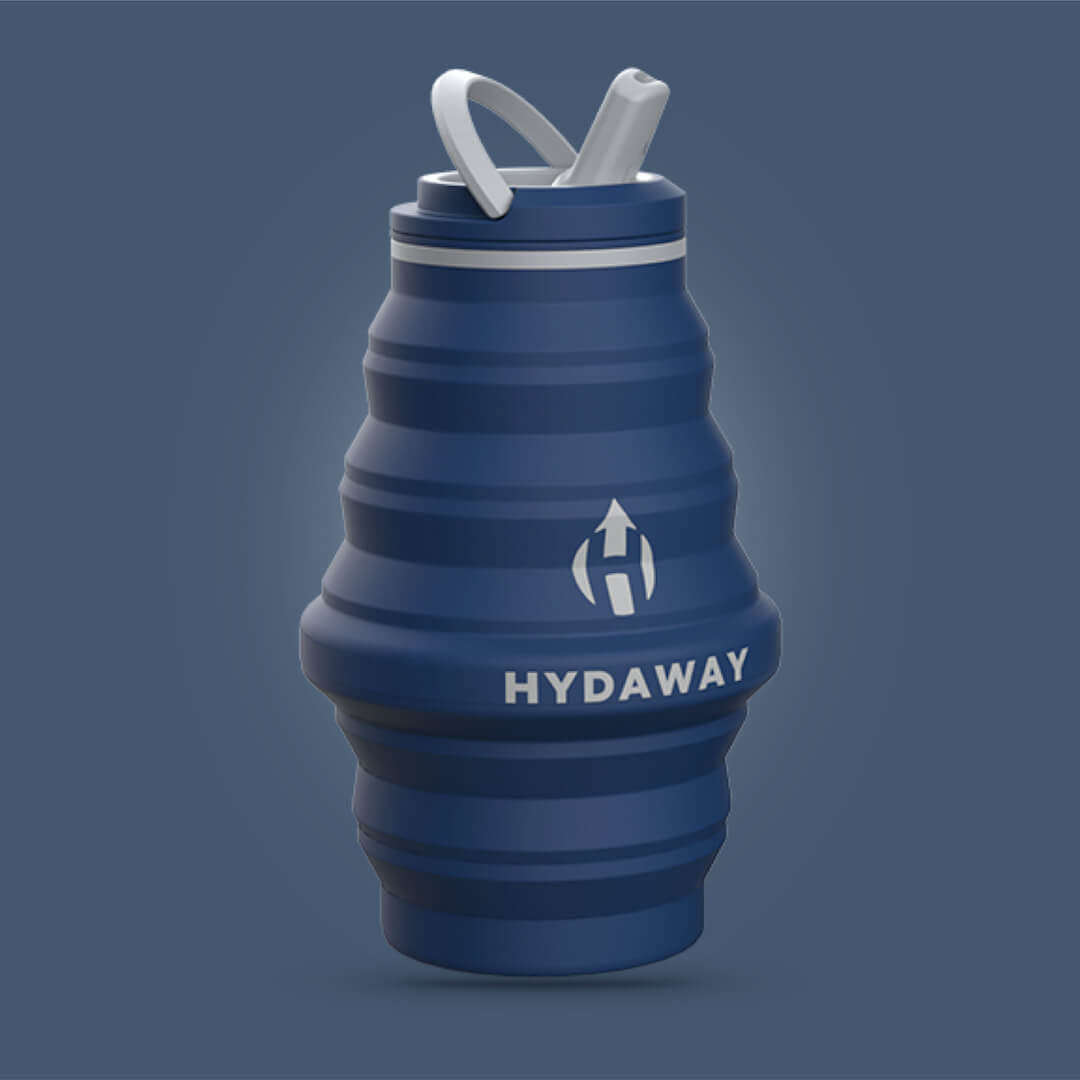
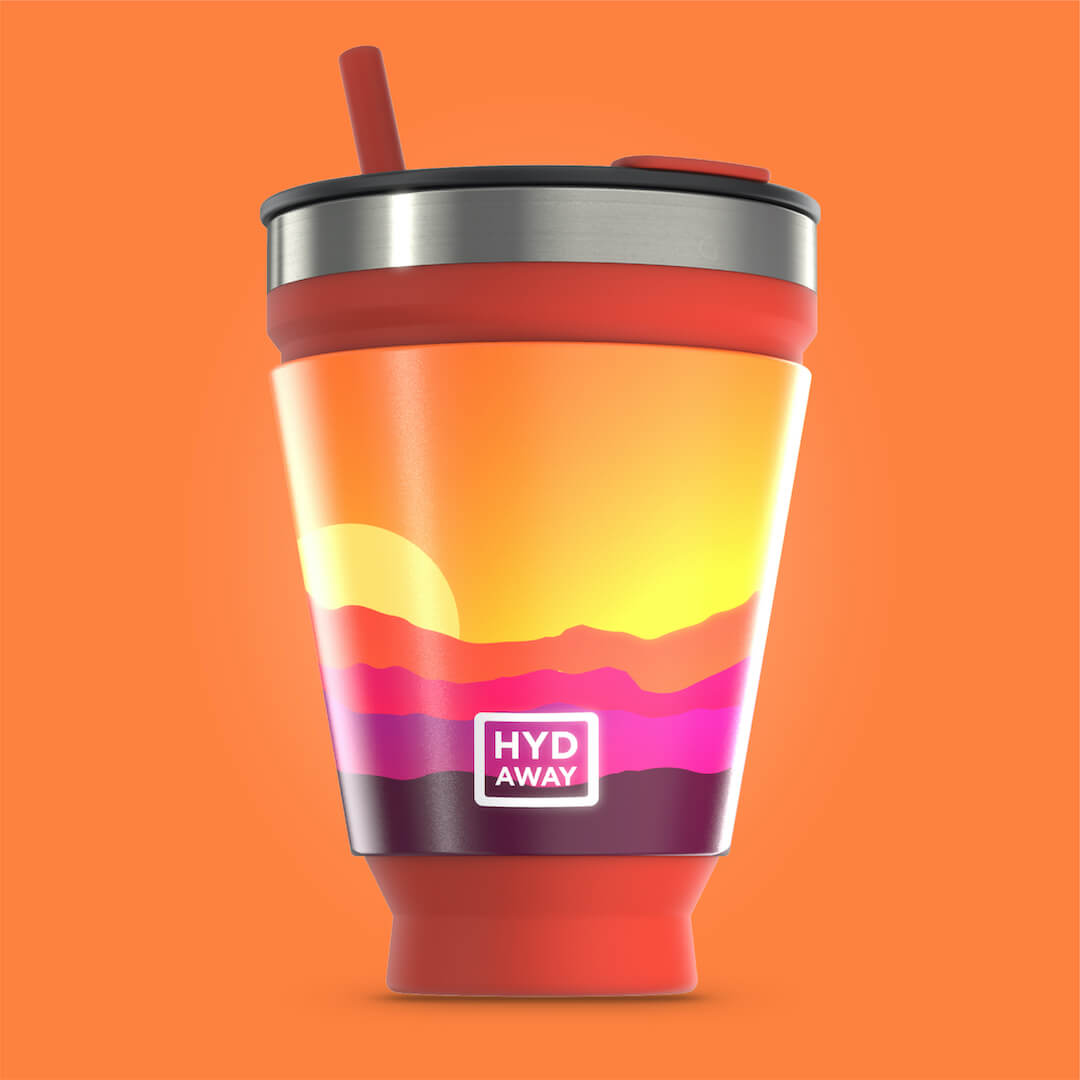
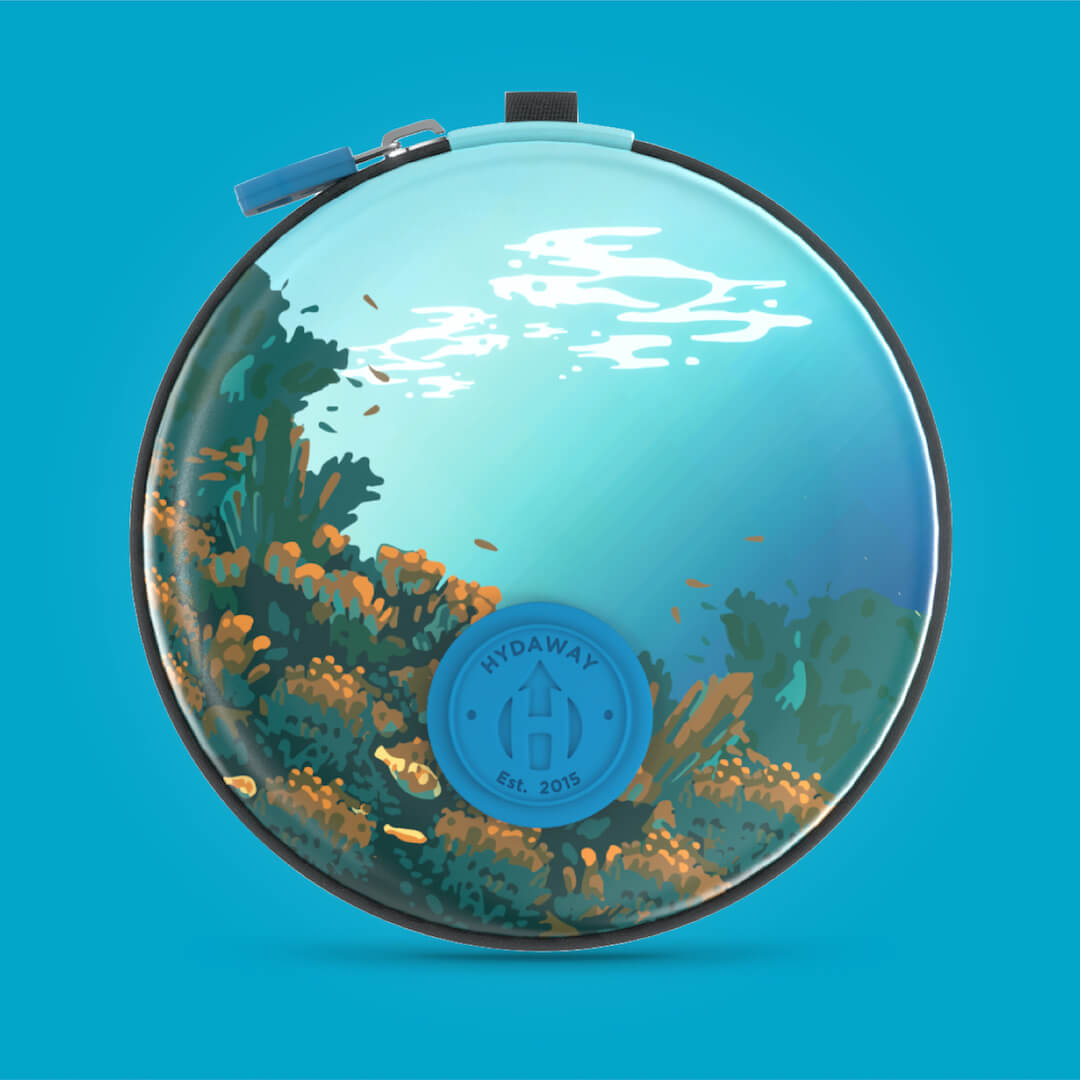
Innovators in the outdoor space saw this problem and came up with some brilliant solutions. Brands like HYDAWAY introduced collapsible bottles that offer a super practical, space-saving alternative. These containers work perfectly when they're full, but once they're empty, they shrink down to a small disc you can slip into a pocket or clip to your bag.
This clever design solves a few key on-trail headaches:
- Saves Precious Pack Space: Once empty, a collapsible bottle frees up valuable room for snacks, extra layers, or whatever else you need.
- Reduces Clutter and Noise: No more hollow bottles clanking around in your backpack with every step.
- Offers Versatile Capacity: You can use one as your main bottle or carry it as a lightweight backup for those long stretches between water sources.
For anyone from a weekend warrior to a seasoned thru-hiker, understanding the different types of hiking water containers is the first step toward smarter packing and better adventures. If you want to dive deeper into specific models, check out our guide to the best water bottles for hiking to find the perfect match for your trail style.
How Materials Impact Your Hike
Picking the right material for your hiking water bottle is a bigger deal than you might think. It’s not just about looks—it directly affects your pack weight, how tough the bottle is, and sometimes, even how your water tastes. To make the right call, you need to understand the trade-offs between the big three on the trail today: plastic, stainless steel, and silicone.
This decision is more relevant than ever, with more people hitting the trails and looking for the right gear. The reusable water bottle market is projected to hit $10.26 billion in 2025, and plastic options still make up about 34.6% of that. Why? Because they're lightweight and cheap, making them an easy grab-and-go choice for a lot of people.
The Reliable Standard: Plastic
Tough, BPA-free plastics like Tritan have been a trail staple forever, and for good reason. They offer a fantastic balance of being super light and surprisingly durable. We’ve all seen a classic Nalgene bottle take a tumble down a rocky slope and come out with just a few scratches. They just work.
But not all plastics are created equal. It's absolutely critical to choose bottles that are certified BPA-free to steer clear of potential health risks. You can get the full rundown on the importance of safe plastics in our guide on what BPA-free plastic is. The one real downside? They take up the exact same amount of space in your pack whether they’re full or bone-dry.
Rugged and Insulated: Stainless Steel
If you’re the kind of hiker who prioritizes toughness above all else, stainless steel is your champion. These bottles are nearly indestructible. Plus, they bring a killer feature to the table: insulation. There's nothing quite like a sip of ice-cold water hours into a sweltering summer hike—something plastic just can't deliver.
Of course, that bombproof build comes with a cost: weight. Stainless steel is, by far, the heaviest option. For backpackers counting every ounce on a long-distance trek, that extra weight can be a deal-breaker. They’re perfect for day hikes or car camping, but can feel like an anchor in your pack on a multi-day journey.
Pro Tip: Hiking in freezing weather? An insulated stainless steel bottle can be a lifesaver. It’ll keep a warm drink hot for hours and, more importantly, stop your water from turning into a useless block of ice overnight.
Flexible and Packable: Silicone
Food-grade silicone is the smart evolution of the hiking water bottle, blending durability with mind-blowing packability. This is where products from HYDAWAY really change the game. A HYDAWAY bottle gives you the safety and reliability you'd expect from a premium, BPA-free material, but with one game-changing trick: it collapses.
Imagine you just finished your water on a city walking tour or after clearing airport security. Instead of carrying a bulky, empty bottle, you just squish your HYDAWAY down to a slim, one-inch puck. You can toss it in your daypack, pocket, or even a purse, freeing up a ton of space. This makes it an amazing choice for:
- Minimalist Hikers: When every single inch of pack space counts.
- Travelers: Slides easily into luggage or a small daypack, perfect for staying hydrated on the go without the bulk.
- A Secondary Bottle: Carry it collapsed as a backup for long stretches between water sources without the bulk.
Calculating Your On-Trail Water Needs
Figuring out how much water to pack is one of hiking’s trickiest puzzles. Hauling too little is a serious safety risk, but carrying too much is just dead weight that saps your energy on every uphill climb.
The old rule of thumb—"one liter for every two hours of hiking"—is a decent starting point, but it really fails to account for the real world. A humid, 10-mile trek through the Appalachians in July demands a totally different water strategy than a high-altitude climb in the dry, thin air of the Rockies in September. The reality is that your personal hydration needs are dynamic. They shift based on the intensity of your hike, the day's weather, and the terrain you're tackling.
Factors That Change Everything
Instead of clinging to a generic formula, you need to think like a strategist. Getting this right is the key to choosing the right hiking water containers for your trip.
Consider how each of these variables will impact your body’s demand for water:
- Temperature and Humidity: A hot, muggy day will make you sweat far more than a cool, dry one, drastically increasing your fluid loss. The local weather plays a huge role; checking a source for Wasatch weather conditions can help you predict what you're up against and adjust your water supply accordingly.
- Exertion Level: A casual, flat walk is miles away from a strenuous ascent with major elevation gain. The harder you work, the more you’ll need to drink. A hike with 1,000 feet of elevation gain will tax your body much more than a 5-mile loop on level ground.
- Altitude: As you climb higher, the air becomes thinner and drier. This causes your body to lose water more rapidly just through breathing. Staying properly hydrated is one of the best ways to stave off altitude sickness.
For a practical approach, start with a baseline of half a liter per hour of moderate hiking. From there, adjust upward based on the conditions you’ll face. On a hot, strenuous day, you might need to double that to a full liter per hour.
Packing Smart and Planning for Refills
Carrying all your water from the trailhead isn’t always practical or even necessary. The smartest hikers learn to use their map as a hydration tool. Before you head out, scout your route for reliable water sources like rivers, streams, or springs. This lets you carry less weight and simply refill along the way with a trusted filter or purification tablets.
This is where a flexible hydration system really shines. You can start with a main reservoir or bottle but also pack a lightweight, collapsible container for extra capacity when you need it.
A HYDAWAY bottle is perfect for this role. For example, you can start a long day hike with your main water supply and a collapsed HYDAWAY in your pack. When you reach a waterfall halfway through, you can filter water to refill both containers, giving you ample supply for the return journey without carrying extra bulk all morning. It takes up virtually no space when empty, but you can expand it to carry an extra 17 or 25 ounces when needed. This strategy ensures you have enough water to get to your next source safely, all while letting you pack lighter.
This visual guide shows how different materials—like plastic, steel, and collapsible silicone—fit into your hiking gear strategy.
The infographic highlights how silicone offers a unique advantage in packability, complementing rigid plastic and insulated steel options.
Innovative Features That Matter on the Trail
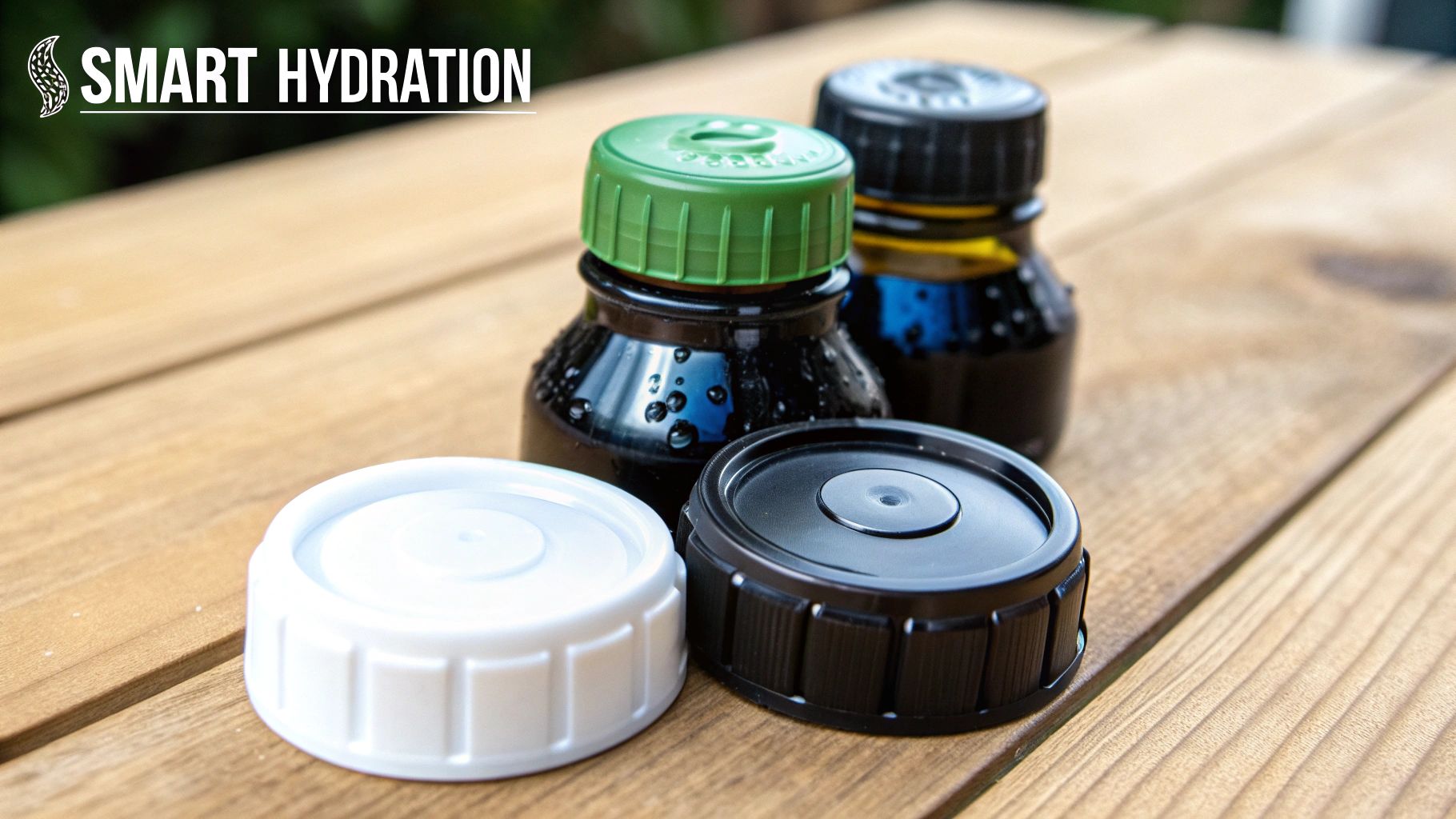
Let's be honest, today's hiking water containers are a world away from the simple canteens of the past. They're thoughtfully engineered with features that make a real difference when you're miles from the nearest tap. Little details, from the way you fill up to how you stash your gear, can completely change your experience on the trail.
There's a reason this gear is getting so much smarter—hikers are demanding more. The outdoor hydration bottle market is actually expected to hit $3.78 billion in 2025, and that growth is fueled by designs that solve real-world problems. We're talking integrated filters, clever shapes, and smarter, more packable forms. You can find more insights on the growth of the outdoor hydration market and see what's driving the innovation.
Lids and Openings Make a Difference
The lid on your water bottle might seem like a tiny detail, but it controls everything—how you drink, how you fill, and how you clean it. The two most common designs are popular for very different reasons.
A wide-mouth opening, like the classic Nalgene, is a true workhorse in the backcountry. It makes scooping water from a shallow stream a breeze, and you'll have no trouble dropping in ice cubes or water purification tablets.
On the flip side, a narrow-mouth opening or a specialized spout is built for sipping on the move. It's the best way to avoid splashing water all over yourself when you're navigating a rocky section of trail. Some of the best designs give you the best of both worlds:
- Screw-Tops: The old faithful. They provide a rock-solid, leak-proof seal but usually require two hands to open.
- Bite Valves: The standard for hydration reservoirs, these allow for quick, hands-free sips.
- Spout Lids: A great middle ground, giving you a controlled flow that’s easy to drink from without a big mess.
The HYDAWAY bottle nails this with a smart, watertight screw-top lid that also has an easy-to-use flip-up straw. You get a secure seal for your pack and instant access for a quick drink, which is perfect whether you're climbing a mountain or navigating a crowded theme park with your family.
The Ultimate Innovation: Packability
Lids are great for convenience, but the one feature that has truly changed the game for modern hikers is packability. Think about it. You finish your water halfway through a hike, and you're stuck lugging a bulky, rigid bottle that takes up just as much space empty as it did full.
This is where collapsible hiking water containers completely rewrite the rules of managing your gear.
Picture this: You’ve just summited a peak, finished the liter of water from your ascent, and are ready for an easier trip down. Instead of carrying a hollow plastic shell, you squash your bottle down to a flat little disc, tuck it away, and instantly free up a huge chunk of space in your pack.
That's the magic of a HYDAWAY collapsible bottle. It’s a sturdy, reliable water carrier when you need it. But once it's empty, it shrinks to about an inch tall.
This makes it an absolute game-changer for travelers, minimalist hikers, or anyone who wants a backup container without the bulk. You can start your day with a rigid bottle and a collapsed HYDAWAY, then fill the HYDAWAY at your last stream before making a dry camp. It’s all about maximum flexibility with minimal wasted space.
Proper Cleaning and Maintenance for Your Gear
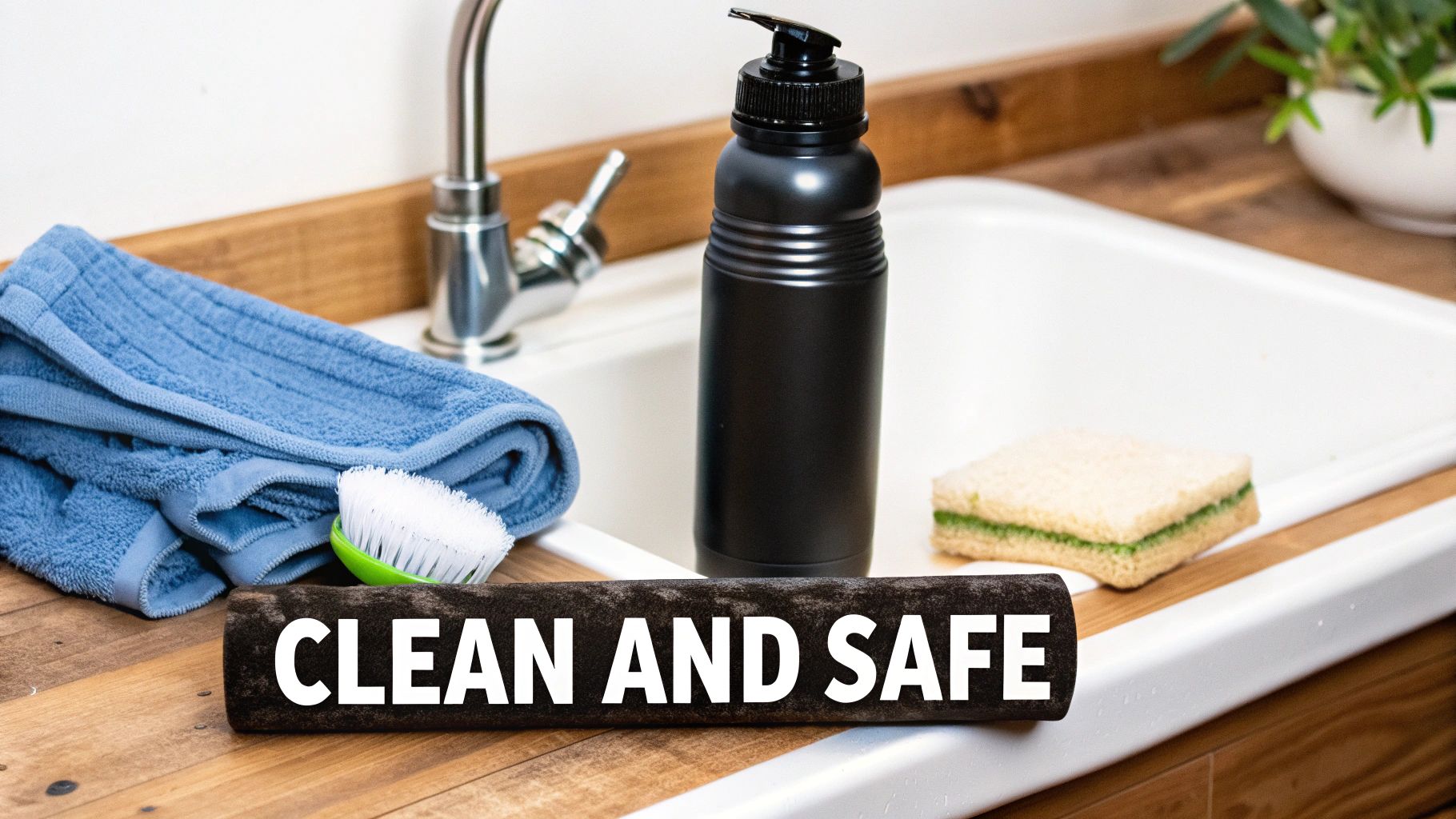
Let's be honest: your hiking water containers are only as good as they are clean. It’s easy to toss your pack in the closet after a long hike, but neglecting this crucial step can lead to some nasty surprises. I'm talking about foul tastes, funky smells, and even the growth of mold or bacteria that can make you sick on the trail.
A simple, consistent cleaning routine is the best defense. The good news? Keeping your bottles and reservoirs pristine doesn't require a lot of time or specialized gear.
For most containers, a little prevention goes a long way. Just getting into the habit of rinsing your bottle with warm, soapy water after every single hike is a total game-changer. This simple act stops leftover sugars from sports drinks or residue from electrolyte tablets from building up, which is what often causes that unpleasant plastic taste or smell.
Simple and Effective Cleaning Routines
Different types of containers need slightly different approaches. What works for a rugged stainless steel bottle isn't quite the same as what’s needed for a flexible hydration reservoir.
Here’s a quick rundown for your go-to gear:
- Rigid Bottles (Plastic & Steel): Grab a long-handled bottle brush and scrub the interior walls and bottom with warm, soapy water. Pay special attention to the threads on the bottle and the lid—that's where bacteria love to hide.
- Hydration Reservoirs: These can be a bit trickier because of the hose and bite valve. Specialized cleaning kits with brushes for the tube are worth their weight in gold. After washing, make sure you prop the reservoir open so it dries completely. This is key to preventing mold.
- Collapsible Bottles: One of the best things about silicone containers is their easy maintenance. The simple construction of a HYDAWAY bottle, for example, means fewer nooks and crannies for grime to build up. Plus, they are completely dishwasher safe, which makes cleanup pretty much effortless after a long trip or a busy week.
A great DIY cleaning solution is probably already in your kitchen. Just fill your container partway with warm water, add a tablespoon of baking soda and a splash of white vinegar, then shake it like you mean it. Let it sit for about 15 minutes before rinsing thoroughly.
Making Maintenance Even Easier
The design of your gear can make this chore a lot less painful. Wide-mouth openings are way simpler to scrub, and bottles with fewer complex parts in the lid are quicker to clean.
This is another area where thoughtful design really shines. The straightforward, easy-to-disassemble nature of HYDAWAY bottles means you spend less time scrubbing and more time planning your next adventure. You can pick up more tips for keeping your gear in top shape in our detailed guide on caring for your collapsible water container for camping.
Remember, proper care extends the life of your gear, saving you money and reducing waste in the long run.
Sustainable Hydation on the Trail
Let's be real: every piece of gear we bring into the wild has an impact. Choosing a reusable water container for your hike is one of the simplest—yet most powerful—things you can do to protect the trails you love. It's a direct stand against the mountains of waste from single-use plastic bottles.
This isn't just a trend; it's a fundamental shift in how we think about our gear. The global market for hydration containers, which hit about $14.69 billion in 2024, is expected to nearly double by 2035. That explosion is being driven by people like us—hikers, travelers, and adventurers demanding better, more sustainable options. You can dive deeper into these sustainability-driven market trends to see how our choices are shaping the entire industry.
Beyond the Bottle: The Bigger Picture
True sustainability is more than just slapping a "reusable" label on something. It’s about the whole life of the product. It’s about brands committing to safe, long-lasting materials, ethical manufacturing, and creating gear that's built to withstand years of adventure, not just a single season. A truly durable container means you're not buying a replacement every year, which cuts down on manufacturing waste and keeps more stuff out of landfills.
A HYDAWAY collapsible bottle is a perfect real-world example. It's designed to last and replace countless disposables over its life. And because it packs down so small, you're more likely to have it with you all the time—at the airport, on your daily commute, or at a weekend festival. That convenience makes it so much easier to say no to single-use plastics in every part of your life.
Choosing durable, reusable gear is more than a purchase—it's an investment in the future of our trails. It’s a vote for cleaner landscapes and a commitment to preserving these wild places for the next generation of adventurers.
Making an Impact with Every Sip
When you pick a well-made reusable bottle, you're doing more than just carrying water. You're actively fighting against trailside litter and the massive environmental cost of producing and throwing away plastic.
By making a rugged and packable option like a HYDAWAY bottle a core part of your kit, you're carrying a symbol of your commitment to responsible recreation. Every time you refill it on the trail, it’s a small but meaningful act of conservation.
Your Top Questions About Hiking Bottles, Answered
Even the most seasoned hikers have questions about their gear. When it's about something as critical as staying hydrated on the trail, you want straight answers. Let's dig into a couple of the questions we hear all the time.
How Often Should I Replace My Bottle?
This really comes down to what your bottle is made of and how hard you use it. A high-quality stainless steel bottle can be a companion for years and years if you take care of it. With plastic bottles, you'll want to replace them if they get deeply scratched, turn cloudy, or start holding onto funky smells even after a good scrub.
Durable silicone containers, like our HYDAWAY bottles, are designed for the long haul. The only time you'd really need to think about a replacement is if you notice a tear or some other kind of physical damage.
Can I Put Hot Drinks in My Hiking Bottle?
Before you pour, always check the material. Insulated stainless steel is your go-to for hot liquids like coffee or tea—no question. Most plastics, on the other hand, just aren't built for high temperatures and the heat can cause the material to break down.
Food-grade silicone, the kind we use in HYDAWAY bottles, can usually handle warm liquids just fine. That said, it's always smart to check the manufacturer's maximum temperature rating before pouring in anything close to boiling.
Pro Tip: For longer treks, a lot of us use a hybrid system. Carry a main 2-3 liter reservoir for easy sipping while you walk, and bring a secondary bottle for drink mixes. A HYDAWAY is perfect for this role, since it squishes down to almost nothing until you need it. And of course, always pack a reliable water filter for refills.
Ready to upgrade to a smarter, more packable way to hydrate? The HYDAWAY collapsible bottle is the perfect sidekick for any hiker's kit, saving you precious space and weight without compromise. Find your perfect adventure bottle at HYDAWAY.