


Your 2026 Packing for Travel Checklist: Stress-Free Trips

Your bag is open on the bed. Chargers are on the nightstand, clothes are in half-made piles, and one extra “just in case” item keeps turning into five. That is how trips start heavy. They also start disorganized, with a suitcase full of duplicates and a missing item you will need on day one.
A better packing for travel checklist solves that problem before you leave home. The goal is not to cram more into a bag. The goal is to build a system. Each item should earn its space, work with the rest of your gear, and adapt to the parts of travel that usually create friction: airport transfers, long walking days, weather changes, quick meals, laundry gaps, and shifting plans.
That is why smart packing often comes down to collapsible gear, reusable organizers, and lightweight basics that cover more than one job. A flat water bottle, a towel that dries overnight, containers you refill instead of rebuying, and a daypack that folds into your main bag all support the same outcome. Less bulk, less waste, and fewer decisions on the road. If you want a practical example of how one small swap supports that system, a lightweight reusable water bottle for travel is a good place to start.
Trip style matters too. A city itinerary asks for different gear than a beach day or a week of mixed transit and remote work. If you are heading to Hawaii, these Kona Snorkel Trips packing recommendations show how a specific activity changes what belongs in your bag.
The list that follows focuses on items that work together in practice, not just items that look sensible on paper. That difference is what makes packing lighter feel repeatable.
1. Collapsible Water Bottle
You clear security, refill your bottle, and spend the next six hours changing gates, trains, or neighborhoods. By the time it is empty, a rigid bottle has turned into dead space in your bag. A collapsible one keeps working because it shrinks with the day.

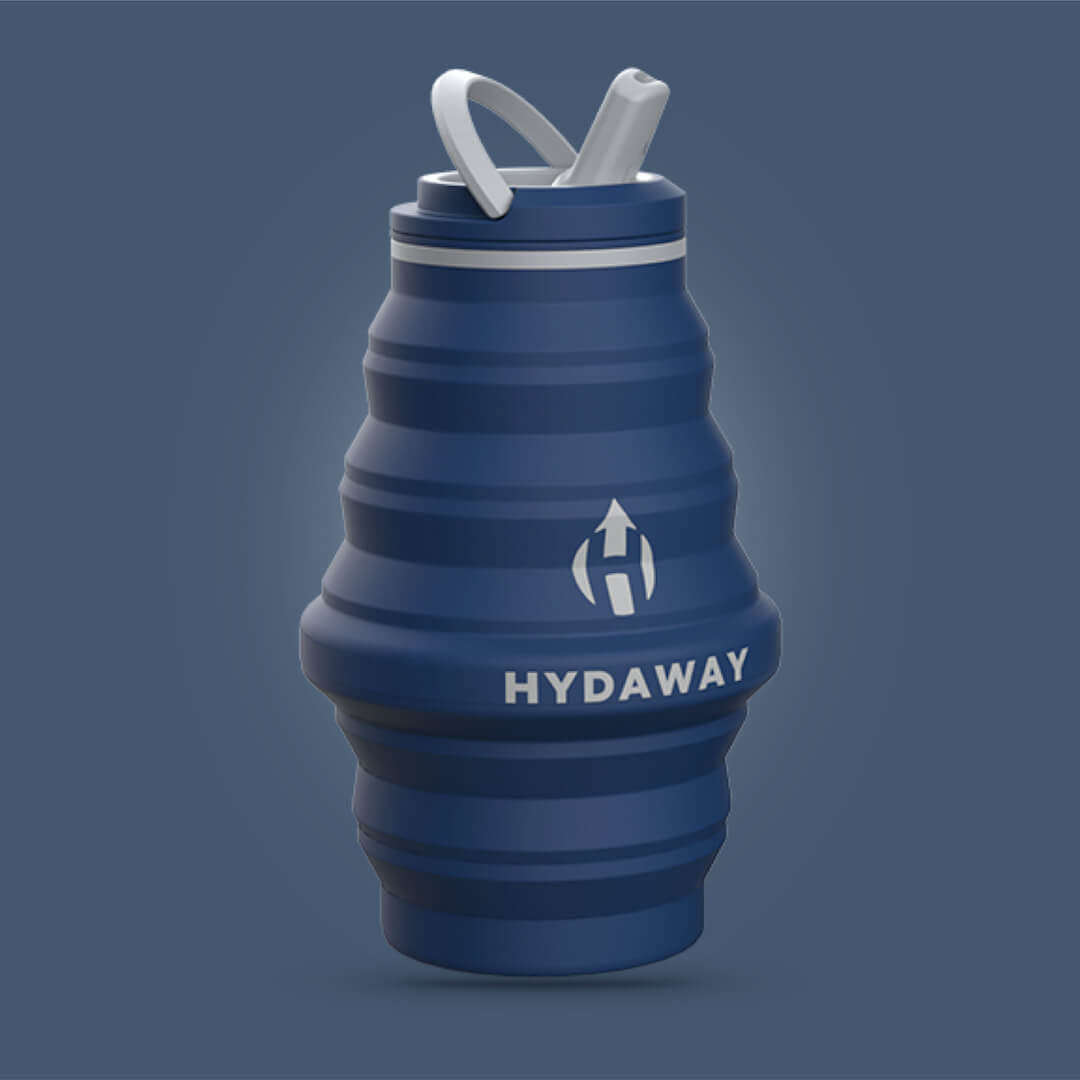
HYDAWAY makes a version that fits this system well. It expands when you need it, then folds down small enough to stop competing with layers, snacks, and tech in a personal item. That matters on travel days when your bag has to keep changing roles.
Where it earns its space
A collapsible bottle solves a specific packing problem. Hydration matters in transit, but empty containers usually become clutter. This design lets you carry water when you need it and reclaim that space when you do not.
I find it most useful on mixed-format days. Morning flight, afternoon walking, early dinner, then a museum or train. A bottle that can flatten after the refill window closes keeps the rest of the kit easier to manage, especially when it is sharing space with a packable layer and a few small organizers.
The sustainability benefit is practical, not abstract. A refillable bottle reduces single-use purchases and makes it easier to keep drinking water on the road because carrying the bottle stays low effort.
Practical rule: If an item is useful only when full, it should take up very little space when empty.
There is a trade-off. Flexible bottles are lighter and easier to stash, but they do not insulate like steel and they need regular cleaning so they do not pick up odor. For hot climates or long outdoor days, I would still choose insulation. For flights, rail travel, city trips, and minimalist day carry, collapsible usually wins.
What works and what doesn't
- What works: Filling it after security, then flattening it before you start the hotel-to-dinner part of the day.
- What works: Keeping it accessible in an outer pocket so refill stops stay easy.
- What works: Pairing it with other compact food gear, such as a collapsible camp dish set for travel meals, so your eating and hydration setup works as one system.
- What doesn't: Expecting it to hold temperature like an insulated steel bottle.
- What doesn't: Packing it away damp for days. Silicone gear needs time to dry.
If you want a closer look at why this format suits lighter travel, HYDAWAY's guide to a lightweight reusable water bottle adds useful context.
2. Collapsible Dinnerware and Bowls
You get back to your room after a long day, the restaurant options nearby are overpriced, and the best meal available is a grocery-store salad, cut fruit, or leftovers from lunch. A collapsible bowl turns that moment from inconvenience into an easy routine.
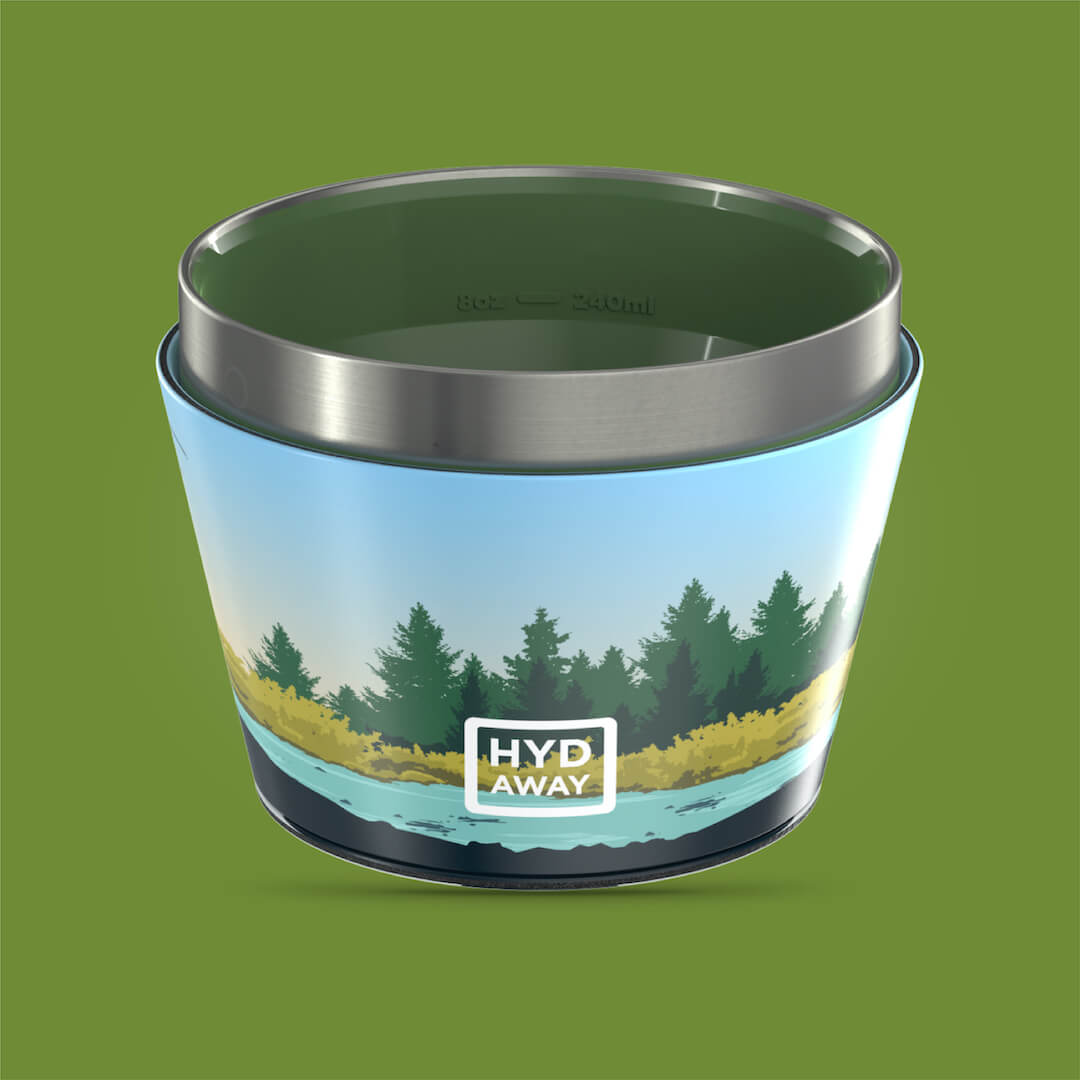
HYDAWAY's bowls fit this job because they compress when empty and take up far less space than rigid food containers. That matters in a campervan, but I notice it even more in a carry-on, where hard-sided meal gear creates dead space you cannot use well.
Its value lies in how dinnerware connects with the rest of your packing setup. A bowl with a lid works for breakfast at the hotel, lunch on a train, market snacks in a park, and simple dinners in a rental kitchen. Instead of packing separate containers for every food scenario, one compact piece covers most of them.
A bowl is usually more practical than a plate on the road. It handles oatmeal, noodles, salad, fruit, soup, and leftovers with less mess and fewer limits. If your trip mixes transit, day trips, grocery stops, and a place to store food, reusable dinnerware helps you eat well without building your day around restaurants.
The sustainability case is straightforward. Reusable bowls cut down on disposable containers and plastic cutlery, and they make leftovers easier to save instead of wasting food.
Good travel gear earns its space more than once a day.
There is a trade-off. Silicone bowls are lighter and easier to pack, but they do not feel as sturdy as ceramic or metal, and they need time to dry before you zip them away. In humid climates, that matters. For road trips, camping, apartment stays, and family travel, the space savings usually outweigh the compromise.
Smart use cases
- Hotel and grocery run: Yogurt, fruit, salad kits, leftovers, or a simple breakfast before an early start.
- Camping or van travel: Hot meals without dedicating cabinet space to full-size kitchenware.
- Family outing: Snacks stay contained, cleanup stays simple, and you avoid a pile of single-use packaging.
- Work-from-anywhere trips: A desk lunch or packed meal without buying throwaway containers.
If you want the full setup to work together, this guide on how to pack efficiently for travel with a compact food system pairs well with HYDAWAY's overview of a camp dish set.
3. Packing Cubes and Reusable Organization System
You open your bag after a long transit day and need one clean shirt, a charger, and your toiletries. A good organization system gets all three in seconds, without dumping half your suitcase on the bed or hotel floor.

Packing cubes work best as part of a repeatable system, not as random containers. The goal is simple: every item category gets a home, every trip follows the same logic, and repacking takes minutes instead of guesswork. That matters even more on multi-stop trips, family travel, and any itinerary where you unpack and repack often.
I use the same core layout on almost every trip. One cube for daily clothes. One smaller cube for underwear, socks, and sleepwear. One pouch for cables and power gear. One pouch for toiletries or medications. One washable bag for laundry from day one.
That last piece saves more frustration than people expect.
Dirty clothes spread fast, especially if you are dealing with rain, sweat, beach gear, or a few nights between laundry stops. Giving worn items their own container keeps clean clothing usable and helps you see what still needs washing before the trip gets messy.
Build a system you can repeat
A reusable organization setup helps you pack lighter because it creates limits you can see. If the clothing cube is full, edit. If the tech pouch will not close, remove duplicates. The system does the checking for you.
A few design choices make a real difference:
- Mesh panels: Faster visual checks without opening every cube.
- Clear pouches: Useful for cords, medication, documents, and small items that disappear easily.
- Compression panels: Best for soft layers and bulkier casual clothes. Less useful for linen, collared shirts, or anything that wrinkles easily.
- Color coding: Helpful for couples, families, or mixed-purpose trips where work gear and casual gear need to stay separate.
Analysts at Minitab, in how to pack like a statistician, recommend treating packing as a repeatable decision process. That approach holds up in real travel. Review what the trip requires, pack by category, then notice what you used. After two or three trips, your cubes stop being storage and start acting like a lightweight packing template.
The trade-off
More organizers can create their own clutter. Too many cubes waste space, add weight, and make simple packing feel fussy. For most travelers, four to six pieces is enough to cover clothing, small gear, toiletries, and laundry without turning the suitcase into a box of smaller boxes.
Soft-sided, washable organizers usually make the most sense if you want a lighter, lower-waste setup that works across different trips. Reusable pouches also cut down on the disposable plastic bags that tend to multiply during travel.
If you want to connect cubes, pouches, and collapsible gear into one lighter setup, HYDAWAY's guide on how to pack efficiently for travel is a useful companion.
4. Lightweight Microfiber Towel
A travel towel is a classic item that many people either underuse or overrate. The right one is useful. The wrong one feels like carrying a synthetic rag you resent.

For me, the towel belongs on your packing for travel checklist if your trip includes beaches, hostels, camping, hot climates, gym stops, boat days, or any schedule where wet gear can become a problem. It's less useful on a pure hotel-city trip where towels are always available.
Where a quick-dry towel helps most
The best use case isn't replacing every towel. It's handling the inconvenient moments. A quick swim before checkout. A surprise rainstorm. Drying off after snorkeling. Sitting on damp grass in a park. Wrapping wet shoes or swimwear so the rest of your bag stays dry.
Research on destination-focused packing also points toward gear for those everyday transitions, not just generic wardrobe counts. Rick Steves' packing list for traveling light specifically highlights practical items like a lightweight day pack, collapsible umbrella, picnic supplies, and a fold-up tote. That same philosophy applies here. Good travel gear supports what happens between attractions.
Don't pack a travel towel because it seems adventurous. Pack one because your itinerary has repeated chances to get wet and very little time to dry things properly.
What to choose
- Small towel: Best for workouts, sink laundry, or a beach day as backup.
- Mid-size towel: Best all-around option for most travelers.
- Large towel: Worth it only if water activities are central to the trip.
The drawbacks are real. Microfiber doesn't feel like cotton, and some versions hold onto odors if you pack them damp. But if you'll use it more than once or twice, it earns its keep fast.
5. Travel-Sized Toiletries and Containers
Toiletries create more packing problems than clothing. They leak, take up awkward space, and tempt people into packing full-size products for short trips. A good system keeps only what you'll realistically use.
For flights, refillable containers and travel-sized formats are still the cleanest solution. They fit more easily into a compact toiletry bag, make security less annoying, and help you avoid carrying heavy bottles from home to hotel and back again.
Pack the routine, not the fantasy self
Travelers overpack toiletries for the same reason they overpack clothes. They pack for a version of themselves who suddenly becomes more experimental on the road. That usually means unused products and a heavier bag.
A tighter setup looks like this:
- Daily-use basics: Toothbrush, toothpaste, cleanser, moisturizer, deodorant, any must-have medication.
- Trip-specific adds: Sunscreen for beach travel, insect repellent for outdoor trips, richer moisturizer for dry climates.
- Shared items when possible: One toothpaste, one sunscreen, one body wash for a couple or family when that makes sense.
- Leak control: Use containers you trust, then bag them anyway.
The practical trade-off is that smaller containers require refilling and more attention. Some products also don't translate well to tiny formats. Sunscreen is the classic example. If sun exposure is a core part of the trip, don't underpack it in the name of minimalism.
Sustainable version of the same habit
Reusable silicone containers make the most sense when you travel regularly. You buy the product you already like, decant what you need, and stop accumulating half-used mini bottles. It's a small habit, but over many trips it reduces waste and keeps your setup consistent.
The best toiletry kit is boring. That's a compliment. You should be able to pack it in minutes because the categories and container sizes never change.
6. Quick-Dry Travel Clothing
You feel the value of quick-dry clothing on day three, not day one. A shirt gets sweaty on a walking tour, socks need a sink wash, and your bag starts looking a lot smaller if every piece has to earn its space twice.
That is why I build travel clothing around reuse, not outfit planning. The goal is a small rotation that washes easily, dries by morning, and works across different parts of the trip. For a weekend city break, that keeps a personal item from turning into an overstuffed bag. For a longer trip, it cuts laundry stress and reduces how much you carry overall.
A simple count still helps. As noted earlier in the article, capped packing rules work because they force decisions early. Once the number is set, fabric matters more than quantity. Neutral colors, lighter weights, and pieces that can handle repeat wear do more for your packing system than extra backups.
Start with the pieces that create the most repeat wear
Upgrade the items you wash most often and wear closest to the body first:
- Underwear and socks: Small, high-turnover items that benefit most from overnight drying.
- T-shirts and base layers: Easy to rewear under a layer or wash in a sink.
- Lightweight pants or shorts: One dependable pair often replaces two or three “just in case” options.
- A compact outer layer: Rain and wind protection usually earns more use than a bulky extra sweater.
The trade-off is fabric feel. Some quick-dry synthetics can hold odor or feel clammy in humid heat. Merino blends usually feel better and smell fresher longer, but they cost more and can be less durable if treated roughly. The right choice depends on the trip. Hot, active travel often favors faster-drying synthetics. Cooler mixed-use trips can justify merino or a blend.
One rule is consistent across both. If a piece wrinkles fast, dries slowly, and only works with one outfit, it is taking up room that a better layer could use.
Quick-dry clothing also makes the rest of your setup work better. Packing cubes stay slimmer because you need fewer duplicates. A microfiber towel handles sink laundry more effectively. The result is a travel system with fewer pieces, less weight, and less washing drama on the road.
7. Insulated Travel Case or Cooler Bag
You leave the hotel early with a full day planned. By noon, everyone is hungry, the nearest food option is overpriced, and the snacks you packed are warm, crushed, or gone. A small insulated case fixes more of that day than people expect.
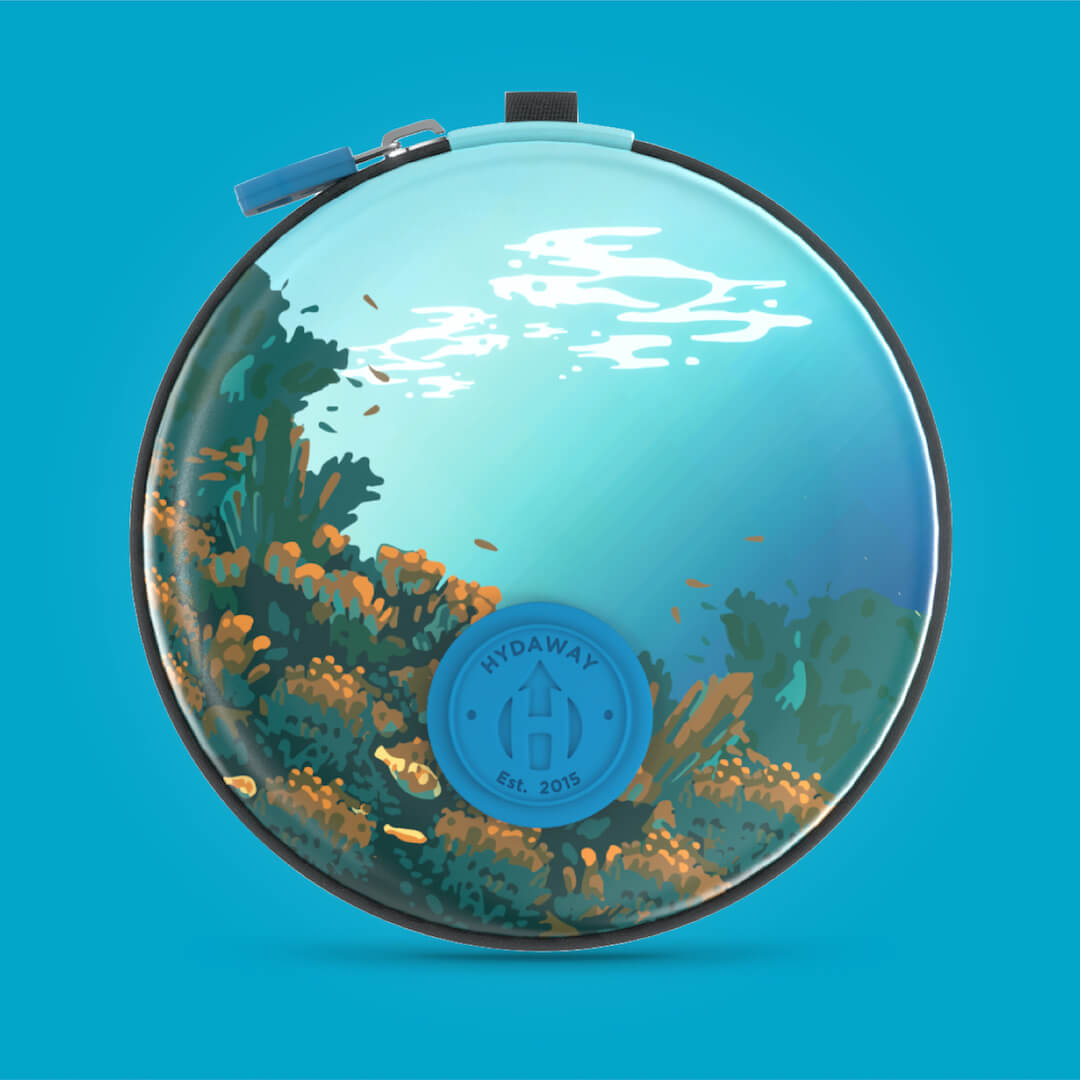
HYDAWAY already fits the compact, reusable approach noted earlier in this guide. The same system logic applies here. If you pack your own food, even occasionally, insulation turns a loose snack plan into something dependable.
Why this belongs on more packing lists
An insulated bag earns its space on trips with long gaps between meals. It helps on road days, beach days, train days, theme park visits, and family outings where buying every drink or snack adds up fast. It also supports a lower-waste routine because you can carry refillable drinks, cut fruit, sandwiches, and leftovers instead of relying on single-use packaging all day.
Analysts at Strategic Market Research found that travel accessories now extend well beyond clothing support, with organization, power, and other practical add-ons shaping how people pack, according to this travel accessories market analysis. Portable food storage fits that shift. A smart packing system is not only about fitting more into a bag. It is about carrying what keeps the day running well.
Best use cases
- Family day trips: Pack easy wins such as fruit, wraps, yogurt pouches, and refillable bottles.
- Car or van travel: Keep a few cold basics on hand and stop less often for expensive convenience food.
- Beach, park, or hiking base days: Carry lunch and drinks without adding a hard cooler.
- Work and transit days: Bring breakfast or lunch through a long stretch of trains, buses, or co-working stops.
There is a trade-off. Even a collapsible insulated bag takes space, and soft coolers need quick cleanup if something leaks. But if your travel style includes full-day outings or self-catered meals, this piece connects with the rest of your kit well. Reusable containers fit inside it. Your water bottle stays colder longer. Your daypack carries fewer random food items loose in side pockets. That is the point of a packing system. Each piece supports the others, so you travel lighter, spend less, and improvise less.
8. Universal Power Bank and Charging Cables
A dead phone at the wrong hour creates a chain reaction. Boarding passes, maps, ride apps, translation tools, and hotel details often sit on one battery. Travelers forget chargers often enough that power deserves its own place in the packing system, not a last-minute spot near the zipper.

Build one charging kit
Keep your charging setup together in one small pouch. Mine usually holds a power bank, one wall plug, a short USB-C cable, any device-specific cable I still need, and a compact adapter for international trips. That pouch moves between bags as one unit, which cuts down on forgotten pieces and loose cords.
This part of the system works best when each item earns its weight. Short cables tangle less and take less space. A charger with multiple ports can replace two separate plugs. If your devices share the same cable type, simplify around that and retire the extras.
- Use one dedicated pouch: Cables stay protected and easy to find.
- Choose short, sturdy cables: They pack smaller and create less mess.
- Charge everything the night before: Power banks are easy to forget because they often live packed away.
- Size the battery to the trip: A compact bank works for city days. Longer train rides, remote work, or delayed transit may justify more capacity.
I treat a power bank as part of the main kit now, not an emergency add-on.
The trade-off is simple. More battery means more weight, and cheap banks often fail when you need them most. A mid-size, reliable model usually hits the best balance. It covers a long day of heavy phone use without turning your day bag into a brick.
9. Lightweight Daypack or Backpack
If you only upgrade one bag category, make it your daypack. A smart daypack keeps the rest of your packing system usable once you leave the hotel.
A lightweight backpack handles the practical aspects that generic lists often miss. Water, layers, snacks, compact dinnerware, charger pouch, towel, fold-up tote, maybe a small umbrella. Those in-between items define whether a city day feels smooth or clumsy.
Match the bag to the trip rhythm
For urban travel, a compact bag with a few well-placed compartments usually beats a giant technical pack. You want enough structure for daily essentials, but not so much volume that you're tempted to carry your whole hotel room around. For hikes or outdoor-heavy travel, comfort and load distribution become more important.
This is also where collapsible gear shines. A flat-folding bottle and compact bowl are easier to live with in a daypack because they don't create dead bulk when you've finished using them. That's one reason HYDAWAY products fit naturally into a minimalist travel setup. They support movement rather than forcing you to dedicate bag space all day.
What to look for
- Comfort first: Shoulder straps matter more than aesthetic details.
- Simple organization: A main compartment plus a few usable pockets is enough.
- Weather tolerance: Water resistance helps, especially in transit-heavy cities.
- Packability: If it can flatten or compress when not full, even better.
A daypack can also become your personal item on flights, which makes it one of the hardest-working pieces in your travel setup. The biggest mistake is choosing one that's too large. More capacity often just invites more clutter.
10. Travel-Sized First Aid Kit
You feel the value of a first aid kit the moment a small problem threatens to derail the day. A heel starts rubbing halfway through a walking tour. A headache hits during a train delay. Someone gets a minor cut opening food in a rental apartment. A compact kit solves these problems fast, without a pharmacy stop or a pile of single-use purchases.
For a smart packing system, this kit should work like every other piece of gear in your setup. Small, organized, refillable, and ready to move from one trip to the next. I keep mine in a slim zip pouch with clear categories so I can find what I need in seconds instead of digging through loose items at the bottom of a bag.
Keep it practical and destination-aware
Pack for the problems you are likely to handle yourself. That usually means adhesive bandages, blister treatment, pain relief, any personal prescriptions in original containers, and a few basics that match the trip. Beach travel may call for after-sun care. Hiking trips need better blister prevention. Long-haul and food-heavy itineraries often justify digestive support.
The goal is coverage, not bulk.
- Daily medications come first: Pack enough for the full trip, plus a small buffer in case of delays.
- Blister care earns its space: A tiny patch can save a full day of walking.
- Digestive basics are often worth carrying: New routines, unfamiliar meals, and long transit days can cause problems.
- Emergency information belongs in the same pouch: Keep insurance details and key contacts easy to access.
There is a trade-off here. A well-stocked kit can become dead weight if you treat it like a miniature clinic. The better approach is a tight, edited set of supplies that covers common issues and fits your actual travel style.
Maintenance matters too. Adhesives dry out, packets split, and medications expire. Refresh the pouch before each trip, restock what you used, and remove anything past its date. That habit keeps the kit light, reliable, and aligned with the rest of a minimalist packing system.
This item will not make your bag look better. It will make the whole system more resilient, which matters more on the road.
10-Item Travel Packing Comparison
| Item | Complexity 🔄 (implementation) | Resources ⚡ (requirements) | Expected outcomes ⭐📊 | Ideal use cases 💡 | Key advantages ⭐ |
|---|---|---|---|---|---|
| Collapsible Water Bottle | Low, simple deploy/collapse; minimal maintenance | Very low, lightweight silicone, minimal space | Reliable hydration, large luggage space savings, less single-use plastic | Travelers, hikers, theme‑park visits, digital nomads | Space‑saving, lightweight, eco‑friendly |
| Collapsible Dinnerware and Bowls | Low–Medium, simple use, needs careful drying | Low–Medium, silicone ± insulation, spill lids add bulk | Reduced disposables, warmer meals, neater transport | Campers, van‑lifers, overlanders, families on trips | Insulated options, spill‑proof, reusable |
| Packing Cubes & Reusable System | Medium, requires setup and discipline | Medium, initial kit cost, multiple sizes | Increased packing density, faster pack/unpack, fewer wrinkles | Business travelers, long‑trip backpackers, digital nomads | Compression, organization, protection of items |
| Lightweight Microfiber Towel | Low, simple use and quick maintenance | Very low, minimal weight/volume | Fast drying, less luggage bulk, reduced mildew risk (if cared for) | Backpackers, beach travelers, hostels, van life | Compact, quick‑drying, antimicrobial options |
| Travel‑Sized Toiletries & Containers | Low, refill/label routine; TSA considerations | Low, small refillable bottles, frequent refills | TSA compliance, lower luggage weight, reduced spill damage | Air travelers, short trips, minimal packers | Compliant, convenient, reduces disposable waste (when refillable) |
| Quick‑Dry Travel Clothing | Medium, selection and care to retain performance | Medium–High, higher upfront cost, low pack volume | Faster drying, fewer garments needed, odor control | Adventure travelers, backpackers, digital nomads | Lightweight, rewearable, wrinkle‑resistant |
| Insulated Travel Case / Cooler Bag | Medium, pre‑chill and ice management required | Medium, ice/packs add weight; some space even collapsed | Keeps perishables safe, saves on food costs, extends meal options | Families, van‑lifers, theme‑park visits, campers | Temperature retention, cost saving on meals |
| Universal Power Bank & Cables | Low–Medium, choose capacity/compatibility; keep charged | Variable, weight scales with mAh; cables/accessories needed | Device uptime, supports remote work and safety, photo/video continuity | Digital nomads, photographers, hikers, long travel days | Multiple charges, emergency power, multi‑device support |
| Lightweight Daypack / Backpack | Low–Medium, pick proper fit and features | Medium, investment cost; ergonomic materials | Comfortable hands‑free carry, organized access, fits as carry‑on | Day hikes, carry‑on travel, daily exploration, digital nomads | Versatile, organized, ergonomic carrying |
| Travel‑Sized First Aid Kit | Medium, requires customization and updating | Low, compact supplies but needs periodic restock | Immediate minor care, reduces emergency visits, peace of mind | Remote adventures, developing countries, families | Compact safety, self‑sufficiency, destination‑specific items |
Your System for Smarter, Sustainable Travel
You're halfway up a station staircase, your bag is overstuffed, and the item you need is buried at the bottom. That moment usually comes from packing by habit instead of packing by system.
A strong packing setup works as a kit with clear jobs. Water, meals, clothing, organization, power, daily carry, and basic health cover most trips. Once those pieces are in place, you can adjust for a weekend in a city, a beach holiday, a rail itinerary, or a longer remote-work stay without rebuilding your checklist from scratch.
An advantage is consistency. A ready toiletry pouch saves time. A cable pouch keeps chargers from spreading through your bag. A small first aid kit stays stocked and easy to grab. Packing cubes keep the same logic trip after trip, so you spend less time deciding and less time digging.
This system also cuts waste in practical ways.
Reusable containers reduce the usual trail of single-use purchases that pile up on the road. A refillable bottle covers hydration. Compact dinnerware handles takeaway meals, market lunches, and long transit days. Quick-dry clothing lowers the number of pieces you need to pack and wash. A durable daypack keeps day-to-day carry stable instead of relying on disposable shopping bags or last-minute extras.
The benefit shows up in small transitions that generic packing lists miss. Airport to train. Train to hotel. Hotel to market. Museum to picnic. Beach to dinner in damp clothes and sandy sandals. Smart, collapsible gear earns its place because it handles those ordinary shifts without adding bulk when it's not in use.
If you want to make this useful before your next trip, start small. Build one pouch for power and cables. Build one refillable toiletry kit. Add one compact reusable item that solves a recurring problem, such as a collapsible bottle or bowl if that matches how you travel. The goal is not to replace everything at once. The goal is to create a kit that gets easier to use, lighter to carry, and more reliable every time you leave home.
Sustainable habits tend to stick when they remove friction instead of adding chores. That principle applies on the road and at home, which is why broader insights on choosing reusable pet supplies echo the same idea. Reusable systems last when they make everyday life simpler.
Build your kit once. Refine it after each trip. Let the checklist become a quick review, not a stressful ritual.
If you want a lighter, more reusable travel setup, take a look at HYDAWAY. Their collapsible bottles, bowls, drinkware, and compact travel gear fit naturally into a packing system built around saving space, reducing single-use waste, and making day-to-day travel easier.