

Custom Branded Water Bottles: A Complete Buyer's Guide

You're probably in a familiar spot. An event is coming up, a team kit needs a refresh, or leadership wants a branded giveaway that feels useful instead of disposable. The usual swag options are on the table, but you already know what happens to many of them. They get tossed in a drawer, left in a hotel room, or thrown away after the event.
A good water bottle can do the opposite. It can ride in a backpack, sit on a desk, clip into a stroller pocket, or travel through airports and trailheads. That's why custom branded water bottles keep showing up in smarter merchandise plans. They live where people live.
Your Brand in Their Hands Every Day
A marketing manager planning a conference giveaway often starts with the same question. What will people keep? Not what photographs well on the booth table. Not what looks cheap enough to buy in volume. What gets used next week.
That's where a water bottle earns its place. It's practical, easy to understand, and tied to an existing habit. People already carry drinkware to work, the gym, school pickup, flights, and weekend outings. In the United States, bottled water remained America's favorite packaged drink in 2024 for the ninth year in a row, and per-capita bottled water consumption reached 47.1 gallons, compared with 33.8 gallons for carbonated soft drinks, according to the Bottled Water Consumption Shift report. That matters because branded bottles don't need to create a new behavior. They fit into one that already exists.
The broader category is large enough to justify real strategic thinking. The global reusable water bottle market was valued at USD 9.67 billion in 2024 and is projected to reach USD 12.60 billion by 2030, according to Grand View Research's reusable water bottle market analysis. That's a signal for merchandising teams. Reusable bottles aren't a novelty line item. They're part of a durable consumer category with room for retail, gifting, employee kits, hospitality, and event programs.
A bottle only works as branded merchandise if the recipient wants it after the event is over.
If you're choosing among promotional products, this is also where brand planning matters. The strongest bottle programs usually come from the same thinking used in developing a robust brand strategy. The bottle should match how your audience moves through the day, what they value, and what kind of brand impression you want to leave.
Decoding Your Customization Options
A custom bottle is a bit like a custom car. The paint matters, but the frame, tires, and interior determine whether anyone wants to drive it every day. With custom branded water bottles, the equivalent choices are material, decoration method, lid style, insulation, and size.

Start with the body of the bottle
Material changes performance first, and branding durability second. According to Merchery's drinkware bottle options, stainless steel generally offers the best dent resistance and thermal retention, while BPA-free plastic reduces weight and cost. Glass can look premium, but it's the most vulnerable to breakage.
A quick comparison helps:
| Material | Best for | Main upside | Main trade-off |
|---|---|---|---|
| Stainless steel | Commutes, outdoor use, employee gifts | Strong durability and insulation | Heavier than plastic |
| BPA-free plastic | Large events, school programs, casual distribution | Lightweight and lower cost | Lower long-term insulation and more visible wear |
| Glass | Premium gifting, desk use | Clean look and feel | More breakage risk |
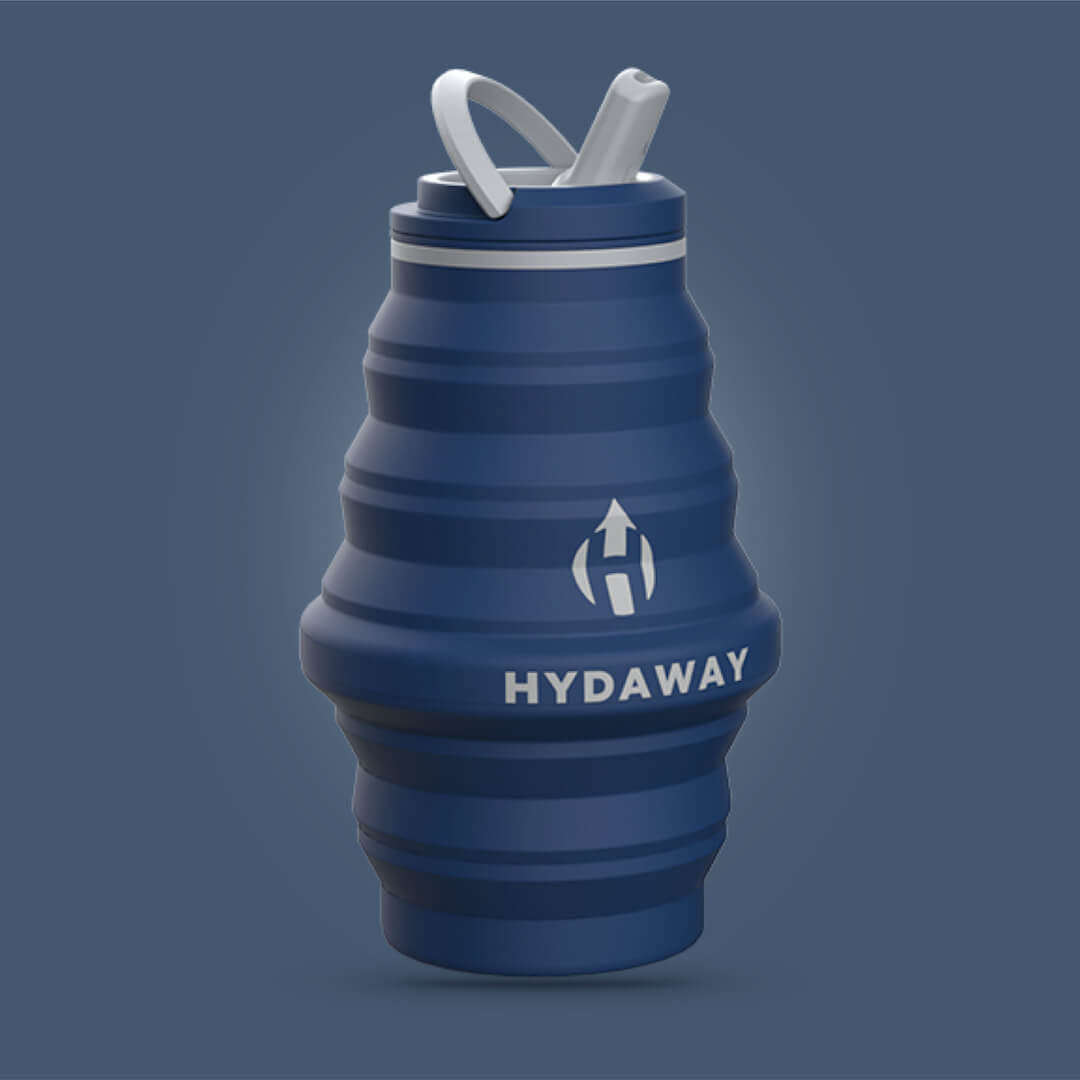
| Collapsible silicone designs | Travel, space-conscious users, mobile lifestyles | Packs down for portability | Branding needs to respect folding surfaces |
That last category matters more than many buyers realize. A bottle that collapses or folds solves a different problem than a standard rigid bottle. It's built for carry convenience, which can make it more likely to travel with the user instead of staying home.
Then choose how the logo lives on the surface
Not every imprint method ages the same way. Some decoration styles look sharp on day one but wear faster when the bottle gets dropped into bags, washed often, or rubbed against keys and laptop chargers.
Here's the practical view:
- Screen printing works well for simple logos and bold spot-color graphics.
- Laser engraving is often the safer choice on metal when you want a subtle, long-lasting mark.
- Full-color digital printing is useful when your brand art depends on gradients or richer visual detail.
Practical rule: Match the decoration method to the bottle's expected abuse, not just to the mockup.
Don't ignore lids, capacity, and use case
A screw-top can feel secure for travel. A straw lid may suit gym use better. A flip-top can be convenient for quick access, but it needs to be easy to clean. Capacity matters too. Bigger isn't always better if the bottle becomes bulky or awkward in cup holders and backpacks.
If your audience is active, sport-oriented, or frequently on the move, this guide to custom sports water bottles is useful because it frames bottle choice around actual use, not just decoration.
How to Choose the Right Bottle for Your Audience
The biggest mistake in drinkware buying is choosing for the logo instead of the user. A bottle can look great in a proof and still fail in practice because it's too heavy, too large, awkward to clean, or easy to scratch.

Three common audience types
Think about the person receiving the bottle, not the department approving it.
The desk worker wants something that fits into a normal workday. That often means clean design, easy refill access, and a profile that doesn't dominate a desk. This person may value a bottle that looks polished in meetings and doesn't sweat or leak inside a laptop bag.
The event attendee is different. They're walking, carrying handouts, moving between sessions, and often flying home. Weight and portability matter more. If the bottle is bulky, it may never leave the convention center.
The traveler or outdoor user usually cares about space, reliability, and easy packing, making unconventional formats a sensible option. A collapsible bottle can be a smarter brand choice than a standard rigid one because it solves a real annoyance. It takes up less space when empty and is easier to stash in a daypack, carry-on, glove box, or jacket pocket.
Ask the questions most buyers skip
A lot of custom bottle pages focus on colors and imprint placement. The more useful questions come later. According to Quality Logo Products' product guidance, buyers should ask how customization affects dishwasher safety, scratch resistance, and overall durability. That's what determines whether the bottle still reflects well on the brand after months of use.
Use this short filter before you approve a style:
- Will it fit daily routines like commuting, air travel, workouts, or office use?
- Will the finish still look good after repeated handling?
- Can the user clean it easily without special care?
- Is the decoration placed where hands, straps, or fold lines won't wear it down quickly?
If the bottle creates friction, people won't carry it. If they won't carry it, the branding doesn't matter.
Solve a problem, and the brand gets remembered
The best promotional products remove a small inconvenience. That's why space-saving drinkware stands out for mobile audiences. For a trade show aimed at remote workers, digital nomads, outdoor brands, or family travelers, a bottle that stores flat or packs small may outperform a standard bottle because it earns a place in the recipient's bag.
That's the better framework. Don't ask, “Which bottle shows our logo best?” Ask, “Which bottle fits this person's life so well that they'll keep using it?”
Designing Artwork That Wows and Works
Bottle artwork fails for a simple reason. Many teams try to place flat, detailed brand art onto a curved, limited surface and assume it will behave like a brochure or webpage. It won't.

Keep the design simple enough to survive the surface
The first rule is restraint. A bold logo, short message, or clean icon usually performs better than a complex graphic with small text. Cylindrical surfaces compress visual space. Handles, seams, grip areas, and tapering shapes reduce it further.
For full-color designs, printers often use CMYK, but that process is limited by the bottle's print area and curvature. MOO's branded water bottle guidance notes that buyers should get a digital preview so artwork doesn't distort and remains legible.
A quick do and don't list
- Do use a simplified logo lockup if your primary brand mark has fine lines or tiny text.
- Do test contrast between bottle color and artwork color.
- Do place important elements inside the approved imprint area, not close to edges or curves.
- Don't shrink a full campaign graphic onto a narrow print panel.
- Don't assume wraparound art will read cleanly once the bottle is in someone's hand.
- Don't forget the lid and silhouette because the bottle shape affects how the artwork feels.
Think about viewing distance
A desk bottle and an event giveaway get seen differently. At a desk, subtle branding can work. In a busy venue, the mark has to read faster. That doesn't mean louder is always better. It means clearer is better.
A useful mental test is this. If someone sees the bottle from a few steps away, can they identify the brand or the message without rotating it in their hand?
Good bottle design isn't about using every inch. It's about protecting the parts people can actually see.
Labeling is different from decoration
There's another place buyers get tripped up. If you're selling or distributing bottled water with a custom label, that's not the same as branding an empty reusable bottle. The FDA treats custom-labeled bottled water as a food product, and label requirements can include water type, source information, distributor or packer contact details, and a Nutrition Facts panel when claims trigger it, as noted in the earlier MOO reference.
That's why design approval needs two checks. One is visual. The other is compliance.
Making an Impact with Sustainable Choices
A reusable bottle isn't automatically a sustainable choice. It only becomes one when people use it often enough to replace disposable options in their routine.
That's the most important shift in thinking. Buyers often focus on the material and stop there. Material matters, but behavior is what determines whether the bottle supports a lower-waste outcome.
Reuse is the real metric
The core question is simple. Will this bottle get used regularly? The 4imprint water bottle category guidance points to the primary goal: choosing a bottle that meaningfully displaces single-use plastic by encouraging frequent reuse.
That changes how you judge value. A cheaper bottle that gets left behind isn't the better sustainability choice. A sturdier bottle that matches the recipient's habits may create more real-world reuse, even if it costs more upfront.
What to look for in practice
A more responsible bottle program usually includes several practical filters:
- Choose for routine fit: If your audience travels, portability matters. If they work at desks, easy daily cleaning may matter more.
- Choose for lifespan: Finishes that scratch quickly can make the bottle feel worn out before it fails.
- Choose for maintenance: If a lid is frustrating to wash, recipients may stop using the bottle.
- Choose for trust: Verified BPA-free materials and durable construction help recipients feel comfortable making the bottle part of daily life.
If sustainability is central to your campaign, it helps to compare the bottle against broader eco-friendly promotional products rather than treating any reusable item as automatically aligned with your values.
Sustainability and brand honesty
People notice when a branded item feels thoughtful. They also notice when “eco-friendly” looks like a slogan printed on something flimsy. A bottle that's built for repeated use, easy cleaning, and everyday carry supports the message better than one that only uses green language.
That's why the end-user experience matters so much in sustainability conversations. The bottle has to earn its place in someone's routine. If it does, your brand becomes part of a useful habit instead of part of the waste stream.
The Ordering Process from Quote to Fulfillment
Ordering custom branded water bottles feels intimidating the first time because there are several moving parts. The easiest way to manage it is to treat it like a production workflow, not a shopping trip.

The six decisions that shape the order
-
Pick the supplier carefully
Look for a vendor that can explain materials, imprint methods, proofing, cleaning guidance, and packaging options in plain language. If you're comparing options for sourcing promotional water bottles in bulk, use that stage to compare not just price, but also product fit, decoration quality, and shipping support. -
Request a quote with real detail
A vague quote leads to surprises. Specify bottle model, color, decoration method, imprint location, quantity, and in-hand date. If the project serves a larger program, these notes on reusable water bottles in bulk can help frame the questions you ask early. -
Review the proof slowly
The digital mockup is where many preventable problems get caught. Check logo size, placement, orientation, color contrast, and how the art sits on the bottle shape. If the bottle folds, telescopes, or has textured grip zones, verify that the decoration doesn't cross a function-critical area.
Terms buyers should understand
Some purchasing language sounds more technical than it is. Here's the plain-English version:
| Term | What it means |
|---|---|
| Minimum order quantity | The smallest order a supplier will produce for that custom setup |
| Setup fee | The prep cost for screens, files, or production configuration |
| Per-unit cost | The price for each bottle before or after quantity effects, depending on the quote |
| Lead time | The time needed for production after proof approval |
| Fulfillment | How products are packed, shipped, and sometimes distributed to multiple locations |
What happens after approval
Once the art is approved, the project moves into production, quality check, then shipping. During these stages, much stress frequently arises, usually because the event date is fixed and production is not infinitely flexible.
A few habits reduce risk:
- Build in buffer time: Don't plan for your boxes to arrive the day before your event.
- Ask how quality is checked: You want to know who verifies imprint consistency and finish quality.
- Confirm shipping format: Bulk cartons, individual packaging, and multi-location fulfillment affect the plan.
- Keep one final signoff owner: Too many approvers can delay proof approval and compress the production window.
Procurement gets easier when one person owns the timeline, one person owns the artwork, and both talk before the quote is finalized.
Go Beyond the Logo with a Bottle Theyll Keep
The strongest branded bottle programs don't start with decoration. They start with the person using the bottle on an ordinary Tuesday. That's the standard to use when you compare styles, materials, and imprint methods.
If the bottle fits that person's life, your brand gets repeated exposure without forcing the issue. If it cleans easily, travels well, and still looks good after regular use, the item keeps working long after the event table is cleared. That's the difference between merchandise that performs and merchandise that just ships.
Good custom branded water bottles are simple in concept and demanding in execution. You need the right material for the setting, the right decoration for the wear pattern, the right shape for the routine, and a realistic view of what “sustainable” means in practice. Reuse is the point. Utility is what creates reuse.
That's why modern buyers are moving past one-size-fits-all drinkware. A commuter, a conference attendee, a family heading into a theme park, and a traveler packing light don't all need the same bottle. The smarter buy is the one that solves a specific problem so well that the user keeps reaching for it.
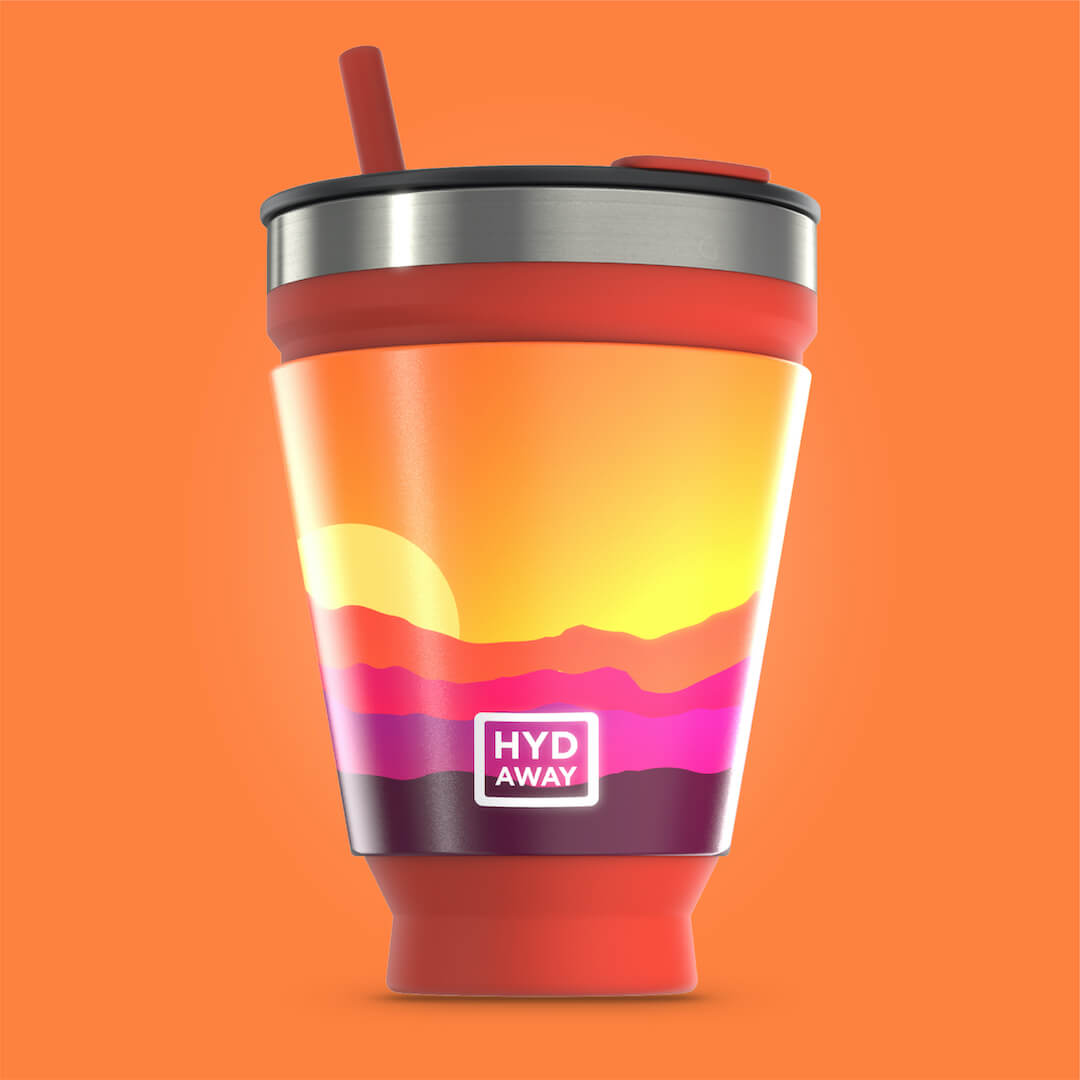
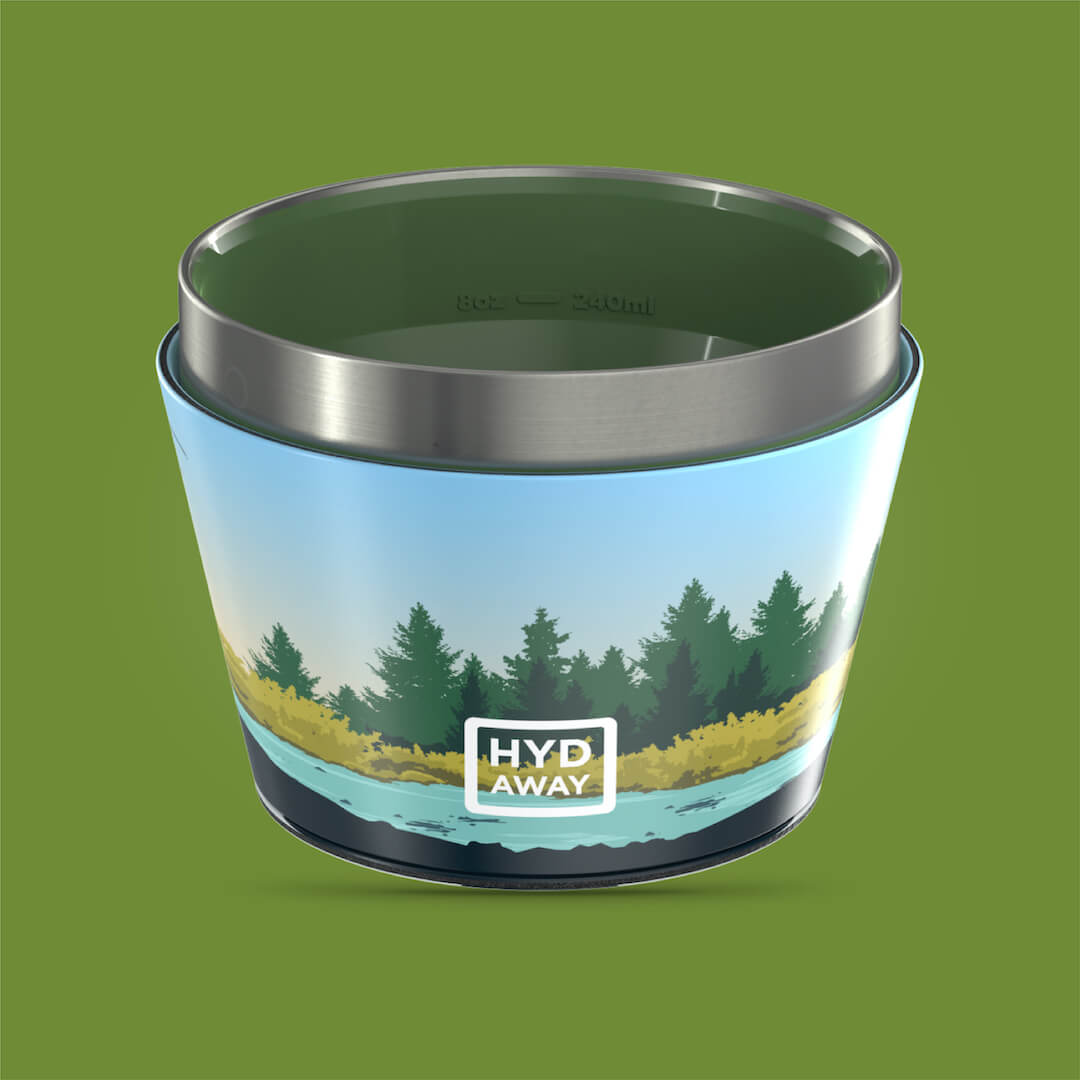
If you want branded drinkware that feels current, useful, and built for people who are on the move, explore HYDAWAY. Its collapsible bottles and portable drinkware bring something different to the category: packable design, everyday practicality, and custom branding options that fit modern travel, work, and outdoor life.