

Top 10 Adventure Ideas: Your 2026 Travel Guide

Monday starts with a crowded inbox. By Friday, the weather clears, your bag is still half-packed from the last false start, and the trip that sounded exciting now feels like work. Good adventure ideas solve that problem. They fit the time and budget you have, and they rely on gear that packs small, works hard, and does not create extra waste.
Adventure in 2026 is not limited to big-ticket expeditions. It can mean a two-night shakedown on a local trail, a van weekend on public land, a fast summit mission before noon, or a well-planned family outing that avoids disposable bottles, overpriced snacks, and overstuffed daypacks. The difference is usually not ambition. It is setup.
That is the angle of this guide. Each idea comes with a practical mini-playbook. You will see where each trip fits best, what to pack, how to save space, and how to cut waste without making travel harder. Compact, multi-use gear often costs less over time because it replaces duplicates, packs into smaller spaces, and gets used at home between trips.
For hikers and campers, packing discipline matters early. A smart starting point is this ultralight camping gear list for compact, multi-use packing, especially if you are trying to cut bulk before you spend money on bigger upgrades.
The thread running through all ten ideas is simple. Carry less. Waste less. Say yes more often. Collapsible bottles, insulated bowls, reusable tumblers, and packable food containers earn their place because they remove friction from real trips, not because they look clever on a gear shelf.
1. Ultralight Backpacking and Thru-Hiking
Ultralight backpacking rewards honesty. If you carry it for days, every item has to justify its place. The hikers who enjoy long miles usually aren't the ones with the most gear. They're the ones with the fewest awkward, single-use items rattling around their pack.
The classic dream routes still pull people in. The Pacific Crest Trail, Appalachian Trail, Continental Divide Trail, and Tour du Mont-Blanc remain the kind of trips hikers build entire seasons around. But the best way to start isn't a giant commitment. It's a one- or two-night shakedown trip where you notice what stays buried in your pack.
What actually works
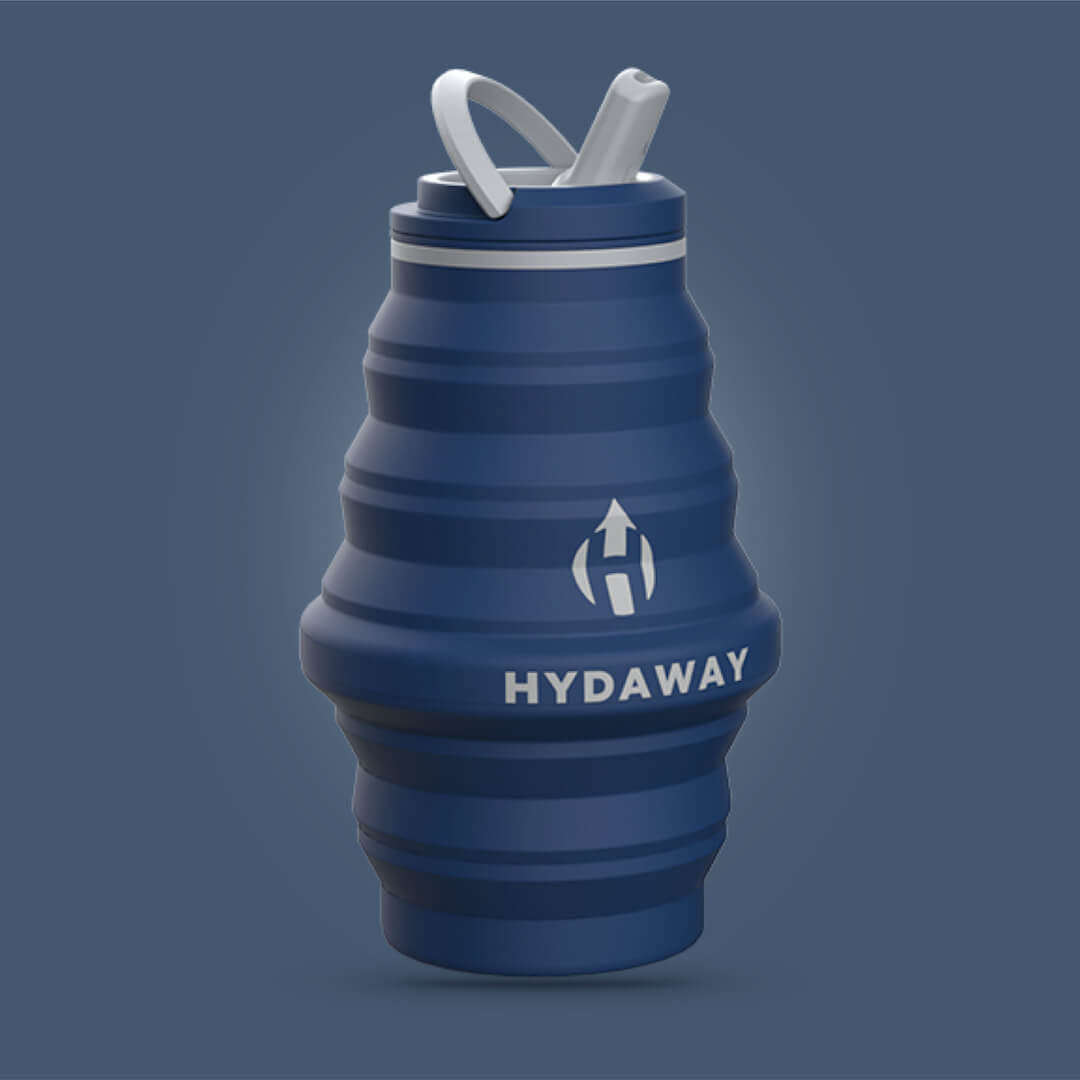
A flat-packing water bottle makes more sense here than a rigid bottle because empty space matters almost as much as weight. The HYDAWAY 17oz or 25oz Collapsible Water Bottle is easy to stash in side pockets, hip belts, or crowded food bags. An insulated bowl with a lid also pulls double duty. It handles camp meals, trail lunches, and soak-cooking without needing a separate mess kit.
For newer hikers, the smartest move is to copy a proven packing logic, not a random gear haul. HYDAWAY's guide to an ultralight camping gear list is a useful starting point because it centers compact, multi-use pieces instead of bulky add-ons.
Practical rule: If an item only solves one small problem, leave it home unless that problem is serious.
Trade-offs worth making
- Choose durable reusables: A collapsible bottle saves room, but only if you trust it enough to use it daily.
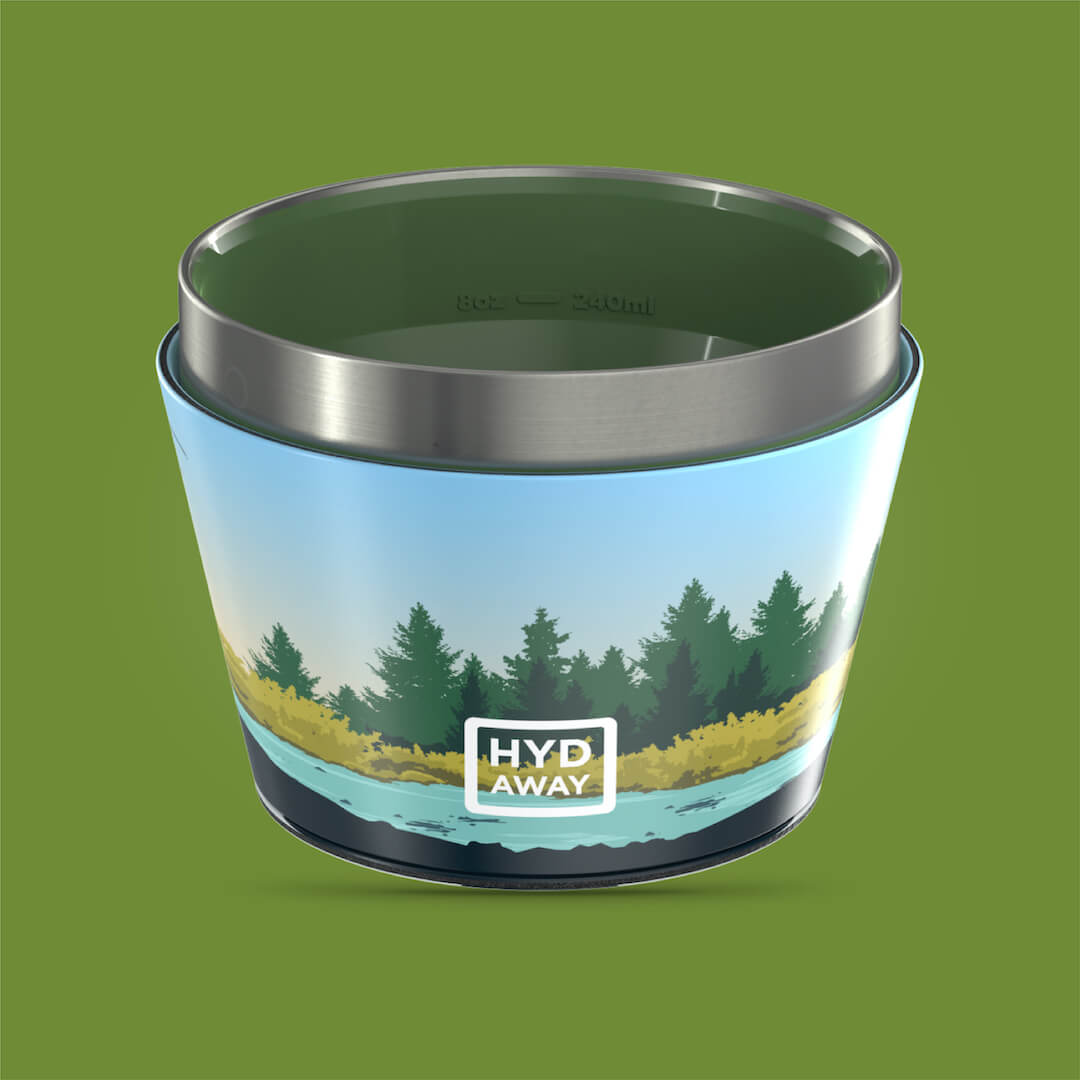
- Test food systems early: The HYDAWAY Insulated Bowl is excellent for simple meals. It won't replace a full cookpot if you're making elaborate backcountry dinners.
- Track friction, not just ounces: Some hikers obsess over tiny weight cuts and ignore access. Gear that's hard to reach often goes unused.
Ultralight hiking isn't about suffering with less. It's about moving better with what you need.
2. Van Life and Overlanding Adventures
Van life looks romantic online. In practice, it's a storage puzzle on wheels. A good van setup feels calm because every object has a place, and every item earns repeat use. A bad one feels cluttered by day three.
For 2026, this style of travel still works especially well for digital nomads, retirees, and couples who want flexibility without constant unpacking. North American desert loops, Scandinavian summer routes, and long slow drives through mountain regions all reward compact gear more than fancy gear.

The van kitchen problem
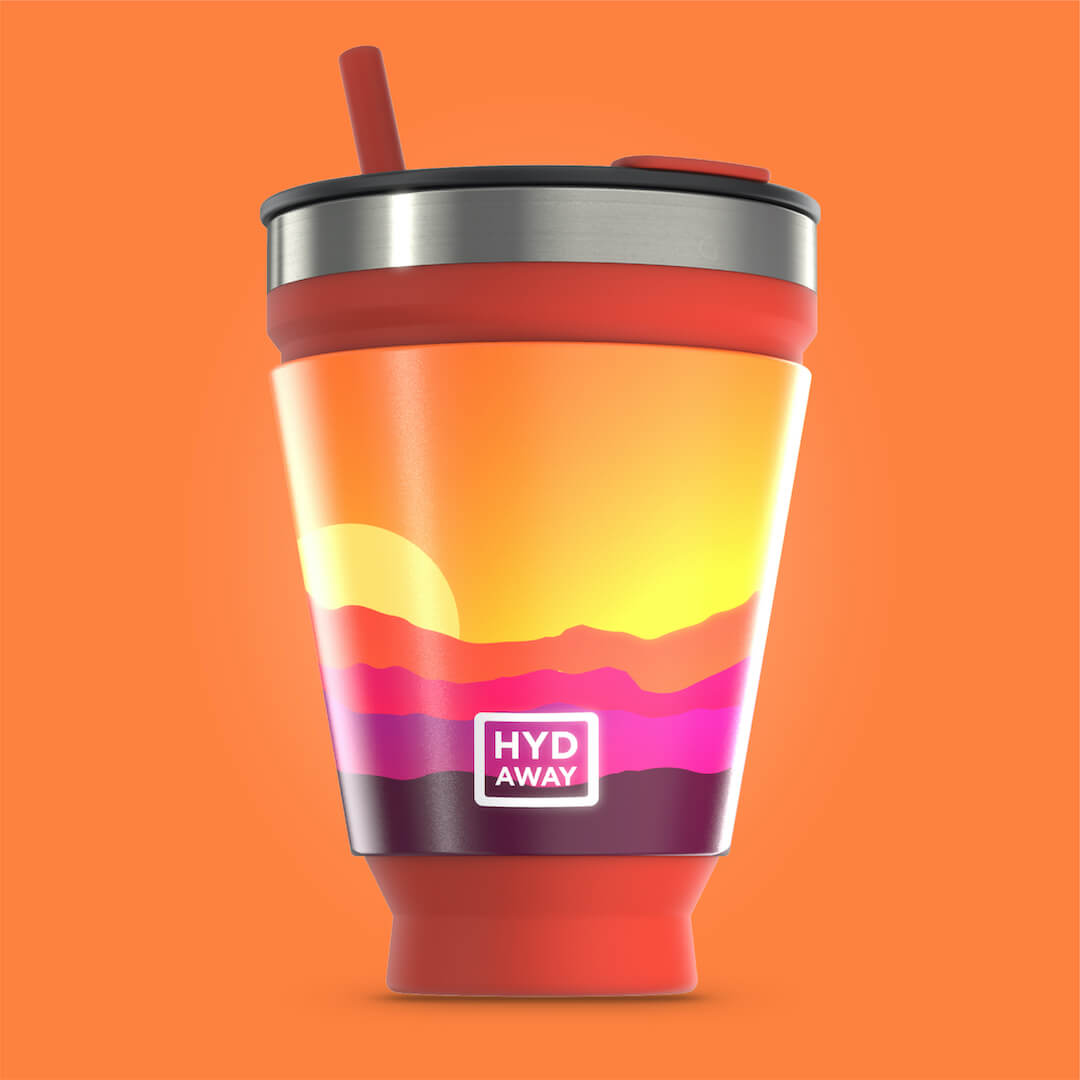
Rigid cups, bowls, and food containers multiply fast in a tiny cabinet. That's why collapsible dinnerware matters more in a van than it does in a house. The HYDAWAY Insulated Bowl with Spill-Proof Lid handles leftovers, trail lunches, and simple breakfasts. HYDAWAY Pints are useful for coffee, soup, or an evening drink outside camp without taking up permanent shelf space.
If you're building out a practical setup, this list of van life essentials gives a better baseline than aesthetic-only packing lists.
What to pack and what to skip
- Pack for movement: Bring items you can use inside the van, at a picnic table, or on a quick town walk.
- Skip duplicate kitchenware: Four styles of cups in a two-person van is how drawers stop closing.
- Use leak-resistant pieces: Vehicle travel punishes weak lids and awkward shapes.
The HYDAWAY Collapsible Backpack is especially good here. You can leave the van parked, flatten the pack when it isn't needed, then open it for groceries, beach gear, or a day exploring a city center.
A van feels bigger when your gear collapses back into the walls of your routine.
The trade-off is that compact systems require discipline. If you buy flat-packing gear but still carry five backups, you lose the advantage.
3. Multi-Day Wilderness Camping and Backcountry Exploration
You reach camp with an hour of light left, your water source is a short walk downhill, and the wind is picking up. On trips like this, bulky gear stops being an inconvenience and starts costing time, fuel, and energy. A backcountry setup needs to earn its place every day.
This category covers alpine basins, desert canyons, forest routes, and remote coastal camps. The common thread is self-sufficiency. Gear has to pack small, work hard, clean up fast, and hold up for several days without creating extra waste.
Water and meal setup
I build these trips around the water plan first. If collecting, filtering, and carrying water takes too many steps, people drink less than they should or haul more than they need. HYDAWAY's camping water storage guide is a practical reference because it focuses on carry methods that fit real trail use, not just car-camping bins.
A HYDAWAY Collapsible Water Bottle fits well into a refill rotation because it takes up far less space once it is empty. That matters on routes with long dry stretches followed by reliable sources. You can carry what the terrain requires, then flatten part of the system when the load changes.
The same logic applies to meals. A single insulated bowl with a lid handles breakfast, trail lunches, and simple dinners without adding a stack of hard-sided kitchen gear. Less volume in your pack usually means less rummaging at camp, and that makes rough-weather evenings easier.
What works better in the field
- Test your full setup close to home: Filters, cook systems, and sleep gear should all get a shakedown before a remote trip.
- Plan meals with low cleanup: One-pot food cuts fuel use, dishwater needs, and food residue that attracts wildlife.
- Carry containers that collapse or nest tightly: Dead space adds up fast once you include layers, shelter, and food.
- Check permits and seasonal restrictions early: Popular routes, fire bans, and water availability can change the whole plan.
Backcountry travel is getting busier in many well-known areas, especially on easy-permit summer routes. Solitude is still out there, but it often comes from better timing, shoulder-season flexibility, or choosing a less obvious zone instead of the most photographed one.
That is also where sustainable habits pay off. Refillable water storage, reusable meal gear, and simpler cooking systems cut trash, reduce replacement purchases, and make camp chores faster. The trade-off is that lightweight, compact kits demand discipline. If you keep adding backup items "just in case," the space-saving advantage disappears.
4. Budget-Conscious Travel to International Destinations
You land after an overnight flight, ride into town, and start the usual first-day cycle. Buy water. Buy snacks. Buy a cheap container for leftovers. Throw half of it out before the next bus or budget flight. That pattern drains cash and creates a lot of waste.
Budget-conscious international travel works better with a small repeatable system. The goal is simple. Keep your bag light enough for frequent moves, avoid daily throwaway purchases, and stay flexible enough to say yes to a cheap train, a market lunch, or a last-minute guesthouse.
This approach fits fast and slow trips alike. A few nights in Bangkok, a week in Guatemala, hostel stops across Eastern Europe, or a longer loop through Vietnam, Cambodia, and Laos all reward the same discipline. If you change beds often, every bulky item becomes baggage fees, shoulder strain, or clutter in a tiny room.
The low-cost system that keeps paying off
Active international trips can get expensive fast, as noted earlier. Reusable, compact gear helps control the parts of the budget you can manage day to day.
The HYDAWAY 17oz bottle earns its place because it disappears into a sling or small daypack when empty, then saves you from paying tourist prices for bottled water all day. The Insulated Bowl handles market fruit, takeaway noodles, hostel leftovers, and simple grocery meals. One container that covers breakfast, lunch, and a late dinner is better than packing a pile of single-purpose gear.
I have found that significant savings show up in repetition, not one big purchase. Refill water for a week, carry your own snacks on transit days, and keep leftovers instead of buying another meal out of convenience. That habit also cuts plastic waste in places already dealing with heavy tourism pressure.
What actually saves money on the road
- Book at least some stays with kitchen access: Even two or three self-catered meals per week can reset a stretched budget.
- Pack for one-week laundry cycles: A tighter clothing kit keeps your bag carry-on friendly and leaves room for useful items.
- Carry one reusable bottle and one meal container: That covers water, transit snacks, market food, and leftovers with very little bulk.
- Use local food well: Street food and markets often beat tourist-zone restaurants on both price and quality, but a bowl and spoon make those meals easier to carry back.
The trade-off is maintenance. Reusables save money only if you rinse them regularly and restock before long bus rides or flight days. Travelers who hate cleaning gear may prefer to spend more for convenience. Travelers who want a lighter bag, lower daily costs, and less trash usually find the habit worth keeping.
5. Day Hiking and Peak Bagging
Not every adventure needs a permit lottery or a flight. Some of the best adventure ideas fit between breakfast and dinner. A local summit, a lake trail, or a steep training route can reset your week better than a passive day off.
This is also one of the best entry points for families, beginners, and people rebuilding fitness. Current outdoor participation numbers support that broader shift. The same participation summary noted that 175.8 million Americans aged 6+ participated in outdoor recreation in 2023, equal to 57.3% of that population, and that the 2023 total rose from the prior year, in the outdoor activity participation report summary. Adventure is mainstream now, not reserved for expedition people.

How to make day hikes easier to repeat
The best day-hike kit is the one you don't have to rethink every time. Keep it semi-packed. A HYDAWAY bottle, a lightweight layer, snacks, a basic first-aid pouch, and sun protection cover most outings. Add the HYDAWAY Collapsible Backpack if you want a bag that stores flat at home or in the car but opens up for a real load.
Peak bagging adds a fun structure. It works especially well when motivation is low, because the next objective is already chosen. Mount Tamalpais training hikes, sunrise climbs like Mount Batur, or bigger objectives like Half Dome all benefit from the same habit.
A better rhythm for busy people
- Start before the crowd: Early light is cooler, quieter, and easier on parking.
- Use local routes midweek: You don't need a major park to build consistency.
- Pack a real lunch: A compact insulated bowl beats squashed snacks at the bottom of your bag.
The most successful hikers aren't always the fittest. They're the ones who make hiking easy to repeat.
What doesn't work is treating every day hike like a heroic mission. Keep the setup simple enough that saying yes feels automatic.
6. Theme Park and Amusement Park Optimization Tours
Theme parks count as adventure if you do them with intent. They test stamina, logistics, heat management, timing, and family morale. Anyone who has done a full park day with kids, grandparents, or a mixed-energy group knows this is not a passive outing.
This is one of the most overlooked places for compact gear. Theme park bags need to stay light, organized, and easy to carry through queues. HYDAWAY products fit unusually well here because they collapse down after use instead of hogging bag space all day.
The family strategy that works
Start with water. Bring refillable bottles and use refill stations or fountains where allowed. Pack fruit, trail mix, simple sandwiches, or kid-safe snacks in an Insulated Bowl with Spill-Proof Lid. The bowl gives you one clean, reusable food container that doesn't turn into a sticky mess if packed carefully.
This category also matches a broader content gap. Existing adventure lists often miss families, mixed-ability groups, and age-diverse travelers who need practical planning, not just destination ideas. That gap is well described in this piece on mini-adventure ideas for mixed travel needs.
Small moves that make the day smoother
- Arrive early: Popular rides are easiest before the park fully fills.
- Plan a cool-down window: Indoor shows, shaded benches, and slow rides help everyone reset.
- Keep food flexible: Kids may snack more than they meal. One compact bowl is more useful than multiple containers.
The trade-off is bag discipline. If you bring too much "just in case" stuff, the park day gets heavier every hour. Compact reusables solve the hydration and snack problem without turning your daypack into luggage.
7. Adventure Travel to Remote and International Destinations
Big-ticket adventure travel is still thriving. Grand View Research estimates the global adventure tourism market at USD 534.4 billion in 2026, with growth to USD 1.76 trillion by 2033 at an 18.6% CAGR, according to Grand View Research's adventure tourism market report. For travelers heading to places like Patagonia, Nepal, Tanzania, Peru, or remote parts of Vietnam, that scale matters because it signals a crowded, competitive trip market with lots of options and varying quality.
That's why planning discipline matters more than hype. For remote or international trips, the strongest gear decision is often restraint. Bring proven layers, proven footwear, and a compact hydration and meal setup that can adapt across airports, transfers, and trail days.
What earns a spot in the duffel
The HYDAWAY 25oz Collapsible Water Bottle is a good fit for airports, bus transfers, and trek days because it packs flatter than a rigid bottle when empty. The Insulated Bowl works for early lodge breakfasts, packed lunches, and simple meals in transit.
A lot of people overpack expedition-style accessories they barely touch. What usually matters more is reliability, easy cleaning, and gear that doesn't create dead volume in your bag.
Better decisions before departure
- Train with your actual loadout: A small gear flaw becomes a big annoyance after multiple travel days.
- Use reputable guides: Strong operators communicate clearly and don't improvise the basics.
- Leave room in your bag: Remote travel often includes food carries, laundry gaps, and extra layers.
If your idea of adventure leans toward ocean routes and onboard exploration, some travelers also pair active land itineraries with cruise ships as part of a longer sabbatical or regional trip.
8. Water Adventures with Kayaks, Canoes, and River Expeditions
Boats punish clutter. If your gear isn't compact, secure, and easy to reach, paddling days get messy fast. Water adventures reward a different kind of packing logic than hiking. Stability and waterproofing matter as much as weight.
Sea kayaking, canoe camping, calm lake touring, and longer river journeys all benefit from soft-sided, low-profile gear. The HYDAWAY bottle makes sense here because it tucks into odd spaces when empty, and the sealed bowl works well for protected snacks or meals between landings.

Packing for wet environments
The key is layering protection. Use dry bags for essentials, then keep frequently used items in places you can reach without unpacking the whole boat. A collapsible bottle reduces bulk during camp transitions, and a compact bowl is easier to stow than a rigid food system.
The adjacent adventure sports and activities market is valued at USD 227.3 billion in 2024 and projected to reach USD 346.6 billion by 2034, with land-based activities accounting for 48.7% of market share, according to this adventure sports and activities market report. Even though that report notes land-based dominance, water trips remain one of the clearest places where efficient gear storage directly improves the experience.
Safety and comfort on the water
- Wear the PFD every time: No shortcuts.
- Practice recovery skills: Calm water practice changes how you handle stress later.
- Separate wet and dry systems: Snacks, spare layers, electronics, and camp gear shouldn't compete for the same space.
For travelers adding technical water fun to a broader Europe trip, you can plan your Bled canyoning trip alongside paddling days or mountain stops.
A quick visual can help if you're deciding whether this style fits you.
9. Fitness Training and Outdoor Commuting Adventures
Some of the best adventure ideas don't look like trips at all. They look like a bike commute, a trail run before work, a lunchtime stair session, or a weekly route you slowly turn into a personal challenge.
This approach works because it lowers the setup cost of adventure. You don't need permits or hotel bookings. You need a repeatable route, a reason to go, and gear that fits around normal life. HYDAWAY's compact drinkware is especially useful here because it crosses categories cleanly. A bottle for the commute, a tumbler for the office, a pint for a recovery drink, and a collapsible backpack for carrying layers or groceries.
The microadventure advantage
One underserved angle in current adventure content is the need for ideas that fit limited time, budget, or gear. That's well captured in this roundup of adventure ideas for people with limited time and equipment. The practical takeaway is simple. Many people don't need bigger trips first. They need easier starts.
That could mean cycling to a new neighborhood coffee spot, running a local ridge at sunrise, or turning your train commute into a walk-run with a packable bottle and lunch bowl.
Adventure gets easier when it fits inside the day you already have.
What builds momentum
- Keep a kit at the door: Bottle, cap, light layer, and snack.
- Use outdoor routes on purpose: Parks, stair sets, and bike paths feel different from a treadmill.
- Track consistency, not heroics: Regular movement beats sporadic suffering.
What doesn't work is waiting for the perfect trip window. Outdoor fitness becomes sustainable when your gear supports ordinary life instead of requiring a separate identity.
10. Retirement Bucket-List Travel and Sabbatical Adventures
Three weeks into a sabbatical, the trip stops feeling like a vacation and starts feeling like daily life in motion. That is when bulky luggage, single-use purchases, and awkward gear show their real cost.
Retirement travel and long breaks work best with a system you can live with for months, not a packing list built for one highlight reel day. The typical pattern is usually slower and better. Train transfers, apartment check-ins, market runs, museum days, coastal walks, and the occasional bigger hiking or paddling outing. Gear needs to handle that middle ground without filling every corner of your bag.
Pack for the routine you will repeat
I see the same mistake over and over. Travelers pack for rare edge cases and underpack for ordinary days.
A better setup starts with compact items you will use constantly. A HYDAWAY bottle earns its place because it disappears when empty and comes back out on walking days, transit days, and hot afternoons. The Insulated Bowl covers simple apartment meals, takeaway food, picnic lunches, and leftovers, which cuts both waste and food spending over a long trip. The Collapsible Backpack gives you a second carry option for day use without forcing you to haul an extra full-size bag across countries.
Small savings matter more on month two than on day two.
Build a slower system that lasts
Long-form travel gets easier when you reduce friction in a few specific places.
- Stay longer in each stop: Fewer transit days means less packing, fewer booking mistakes, and more time to learn the local rhythm.
- Book places with a basic kitchen and laundry access: Cooking a few simple meals a week lowers costs fast and reduces disposable packaging.
- Choose gear that is easy to clean and easy to dry: On a sabbatical, maintenance decides what you keep using.
- Leave room in your bag: Extra space matters for groceries, layers, and the few items you pick up because you need them.
For 2026, that matters even more because many bucket-list travelers are mixing classic sightseeing with practical, lower-impact habits. They are taking rail segments instead of short flights where it makes sense, booking longer apartment stays, and carrying reusable basics so they can buy food locally instead of relying on packaged convenience meals. The trip feels better, and the budget usually does too.
That is the playbook here. Carry less, stay longer, and bring gear that keeps working long after the first destination loses its novelty.
10 Adventure Ideas: Quick Comparison
A good adventure choice depends less on hype and more on fit. Time, budget, skill, recovery, and gear volume all change what feels realistic and rewarding.
Use this table as a field guide, not a ranking. The best option is the one you can pack for well, afford without regret, and repeat with a lower impact.
| Adventure Type | Complexity 🔄 | Resources & Cost ⚡ | Expected Outcomes ⭐📊 | Ideal Use Cases 💡 | Key Advantages ⭐ |
|---|---|---|---|---|---|
| Ultralight Backpacking & Thru-Hiking | High, careful gear selection, route finding, resupply planning | Moderate to high upfront gear investment; lower ongoing load and consumable waste | High efficiency and distance covered; stronger trail endurance ⭐⭐⭐⭐ | Long-distance trails, fastpacking weekends, section hikes | Less fatigue, faster pace, minimal environmental footprint |
| Van Life & Overlanding Adventures | Medium to high, vehicle setup, route permits, legal overnight planning | High upfront conversion or vehicle cost; moderate ongoing fuel and maintenance | High mobility and comfort flexibility; outcomes depend on route style ⭐⭐⭐⭐ | Road trips, dispersed camping loops, remote access travel | Freedom to travel with amenities; room for repair kits, food storage, and comfort items |
| Multi-Day Wilderness Camping & Backcountry Exploration | High, permits, weather judgment, water treatment, self-sufficiency | Low to moderate gear cost; added planning for safety and permits | Deep wilderness immersion, solitude, practical skill growth ⭐⭐⭐⭐ | Backcountry parks, alpine routes, desert traverses | Solitude, wildlife access, stronger campcraft and self-reliance |
| Budget-Conscious Travel to International Destinations | Medium, budget planning, transport timing, local logistics | Lower daily cost potential; works best with durable, compact gear | Longer trips at manageable cost; strong cultural immersion ⭐⭐⭐ | Backpacker routes, slow travel circuits, lower-cost regions | Lower spend, deeper local experiences, less single-use waste with reusable gear |
| Day Hiking & Peak Bagging | Low to medium, basic route planning, weather checks, fitness prep | Low equipment needs; minimal time commitment | Repeatable fitness gains and a clear sense of progress ⭐⭐⭐ | Short hikes, weekend summit attempts, family outings | Accessible, flexible, easy to fit into regular life |
| Theme Park & Amusement Park Optimization Tours | Medium, reservation timing, park rules, crowd strategy, meal prep | Moderate ticket cost; easier to control food spending with planning | Better park value, less carry fatigue, fewer impulse purchases ⭐⭐⭐ | Family park days, multi-day park itineraries, high-season visits | Significant food and beverage savings, reduced waste, improved comfort |
| Adventure Travel to Remote & International Destinations | Very high, training, guides, medical prep, layered logistics | High total cost; insurance and specialized gear often required | Major personal achievements and strong travel memories ⭐⭐⭐⭐ | Kilimanjaro, Patagonia, Arctic itineraries, multi-week expeditions | Bucket-list milestones, cultural depth, access to rare environments |
| Water Adventures: Kayaking, Canoeing & River Expeditions | High, paddling skill, rescue basics, weather and water assessment | Moderate to high, specialized gear, rentals, or guide fees | Access to remote waterways; strong endurance and technical growth ⭐⭐⭐⭐ | River trips, sea kayaking routes, canoe camping, whitewater runs | Remote access, full-body effort, excellent wildlife viewing |
| Fitness Training & Outdoor Commuting Adventures | Low to medium, progressive training and route choice | Low equipment cost; built around local roads, trails, or bike lanes | Steady fitness and mental reset; habits that hold up over time ⭐⭐⭐ | Trail running, bike commuting, outdoor conditioning | Cost-effective, lower-carbon, easy to repeat year-round |
| Retirement Bucket-List Travel & Sabbatical Adventures | Medium, longer planning horizon, health prep, pacing, logistics | Moderate to high time and money commitment; benefits from long-term budgeting | Deep satisfaction from slower travel and wider route freedom ⭐⭐⭐⭐ | Extended rail journeys, long stays, multi-country itineraries | More time for meaningful experiences, flexible pacing, lasting memories |
Carry Less, Adventure More
Dawn starts cold at the trailhead, the van door slides open in a dusty pullout, or the family is already queueing at rope drop with a full day ahead. Trips that happen usually share the same trait. The kit is ready, the load is manageable, and nothing in the bag feels like dead weight. That is what turns adventure from a nice idea into a repeatable part of life.
Across all ten adventure types, the pattern is practical. Good adventures run on systems. A thru-hiker trims ounces to protect knees and morale. A van traveler builds around stackable, multi-use gear because cabinet space disappears fast. A budget international traveler avoids airport purchases by carrying a bottle, bowl, and compact day bag that work from transit days to hostel kitchens. The details look different, but the principle stays the same. Pack for function, not fantasy.
I have seen the same trade-off play out for years. People buy bulky gear for a dream trip, then leave it at home on the trips they could take every month. Compact gear gets used because it fits real life.
That is why small pieces matter more than they first appear. A collapsible bottle earns its place when water access is irregular on a long drive, in an airport, or at a hot trailhead. An insulated bowl pulls double duty for camp meals, grocery-store takeout, and leftovers in a rental apartment. A pint that works at camp can work just as well at a community concert or a casual evening back in town. A packable backpack gives you extra carrying capacity only when you need it, instead of demanding space on every trip.
Sustainability is part of that same equation, and experienced travelers know it is rarely separate from cost control. Reusables reduce the steady drip of convenience purchases that add up at fuel stops, visitor centers, ferry terminals, and amusement parks. They also cut waste in places that already carry too much of it. Less trash in the vehicle or pack is one less thing to manage when settling in.
The 2026 version of adventure looks broader than the old stereotype. It includes commuter rides before work, guided river trips, multi-week sabbaticals, family park days, and ambitious remote itineraries booked through specialists who handle the hard logistics, including bespoke travel for discerning clients. That broader definition is useful because it gives more people a workable entry point. Start local, build skill, refine the kit, then go farther if the pull is still there.
A repeatable setup wins.
Keep a hike kit staged by the door. Build a van kitchen around nesting and collapsible pieces. Carry one reliable bottle and one durable bowl on travel days instead of buying disposable versions of both. Use weekday training and outdoor commuting to make bigger objectives feel normal rather than intimidating. Let the gear remove friction, save space, and cut waste. It should support the trip, not become the trip.
Adventure gets stronger when it fits your actual life. Choose the version you can do again next month, then make it lighter, cleaner, and easier to start.
Ready to make your next trip lighter, cleaner, and easier to pull off? Explore HYDAWAY for collapsible water bottles, insulated bowls, compact drinkware, and travel-ready gear built for hikers, van-lifers, families, commuters, and anyone who wants to carry less without giving up function.