


How to Pack Efficiently for Travel A Modern Guide for Smart Travelers

If you want to know the real secret to packing efficiently, it's not some magical folding technique. It all comes down to one thing: proactive planning. The whole game is won before you even open your suitcase. It's about having a thoughtful strategy that cuts out the excess, ditches the last-minute panic, and makes sure you have exactly what you need—nothing more, nothing less.
Your Pre-Trip Blueprint for Efficient Packing
The best-packed bags I've ever seen belong to travelers who start thinking about their luggage long before it’s time to zip it up. Efficient packing is a mindset, not just a task. It’s about finally breaking up with that chaotic "just-in-case" approach and adopting a deliberate, scenario-aware plan that's built for your specific trip.
This is where you stop guessing and start strategizing. Instead of just chucking in five extra shirts "just in case," you build a framework that forces every single item to earn its spot. Think of this blueprint as your first line of defense against a heavy, overstuffed bag.
Build Your Capsule Wardrobe
The cornerstone of any smart packing plan is the capsule wardrobe. If you're not familiar, it's just a small collection of essential pieces that you can mix and match to create a surprising number of outfits. The name of the game is versatility; every top should work with almost every bottom, and your layers should be totally interchangeable.
Let’s say you’re planning a two-week trip to Japan in the spring, aiming to see the cherry blossoms in Kyoto and experience the bustling city life of Tokyo. A practical capsule wardrobe might look like this:
- Tops: A few t-shirts (white, black, gray), one stylish long-sleeve shirt, and a versatile merino wool sweater.
- Bottoms: One pair of well-fitting dark jeans, some comfortable travel pants, and maybe a versatile skirt.
- Outerwear: A lightweight, packable jacket that can handle a surprise rain shower or a cool evening.
- Shoes: Three pairs, max. Comfortable walking sneakers for temple hopping, one smarter option for dinner in Ginza, and a pair of packable flats or sandals.
With just these few items, you can create dozens of different looks, covering everything from serene garden walks to skyscraper sightseeing. This isn't just a niche trick anymore; it's how smart travelers are approaching their journeys to stay light and agile.
Plan Outfits, Not Just Items
This is where the strategy gets really powerful. Stop packing items and start packing outfits. Before your trip, physically lay out or just list the specific combinations you’ll wear each day. I know it sounds tedious, but this simple action is the single most effective way to kill off unnecessary clothing.
For that Japan trip, you'd plan for a day exploring the Arashiyama Bamboo Grove (sneakers, travel pants, t-shirt) and a different outfit for a night out in Shinjuku (jeans, long-sleeve shirt, nice shoes). This simple exercise forces you to be honest about what you'll actually wear. You’ll quickly realize you definitely don't need eight t-shirts for a week-long trip.
Planning by outfits rather than individual garments is a proven way to slash your packing volume and eliminate that "what do I wear?" decision fatigue on the road. It’s a practical method to ensure everything you bring directly matches your trip's needs.
This approach is perfectly suited to modern travel habits. People are taking more frequent, shorter trips—a trend where capsule packing absolutely shines. In fact, American Express found that 74% of people planned one to three domestic trips in 2024, with 59% planning one to three international trips. For these common 3-7 day journeys, a good capsule wardrobe can easily meet 60-80% of your clothing needs.
To make this crystal clear, here’s a simple template you can adapt for your next week-long adventure.
Your 7-Day Capsule Wardrobe Template
This mix-and-match template shows how just a few core items can create over a dozen unique outfits, proving you don’t need to pack your entire closet for a week away.
| Item Category | Quantity | Example Items | Potential Outfits |
|---|---|---|---|
| Tops | 4 | 2 Neutral T-Shirts (e.g., black, white), 1 Long-Sleeve, 1 Button-Down | The T-shirts pair with everything. The long-sleeve is great for layering, and the button-down works for smart or casual looks. |
| Bottoms | 2 | 1 Pair of Dark Jeans, 1 Pair of Versatile Trousers (e.g., chinos) | These two can be dressed up or down, covering daytime exploring, dinners, and everything in between. |
| Outerwear | 1 | Lightweight Jacket or Cardigan | An essential layer for cool evenings, airplanes, or unexpected weather. |
| Shoes | 2 | 1 Pair of Comfortable Sneakers, 1 Pair of Nicer Shoes (e.g., flats, loafers) | Your sneakers will be your go-to for walking, while the other pair covers dressier occasions without adding bulk. |
| Accessories | 2-3 | Scarf, Belt, Statement Jewelry | Small items that completely change the vibe of an outfit with minimal space commitment. |
By sticking to this simple framework, you can easily create enough combinations for a full week, with options to spare. It’s all about making your clothes work harder, so you don’t have to.
The Power of Space-Saving Gear
Your pre-trip blueprint shouldn't stop at clothes. Smart gear choices are just as important. While your wardrobe is a major space hog, things like water bottles and toiletries can be surprisingly bulky. This is where modern, collapsible gear is a total game-changer.
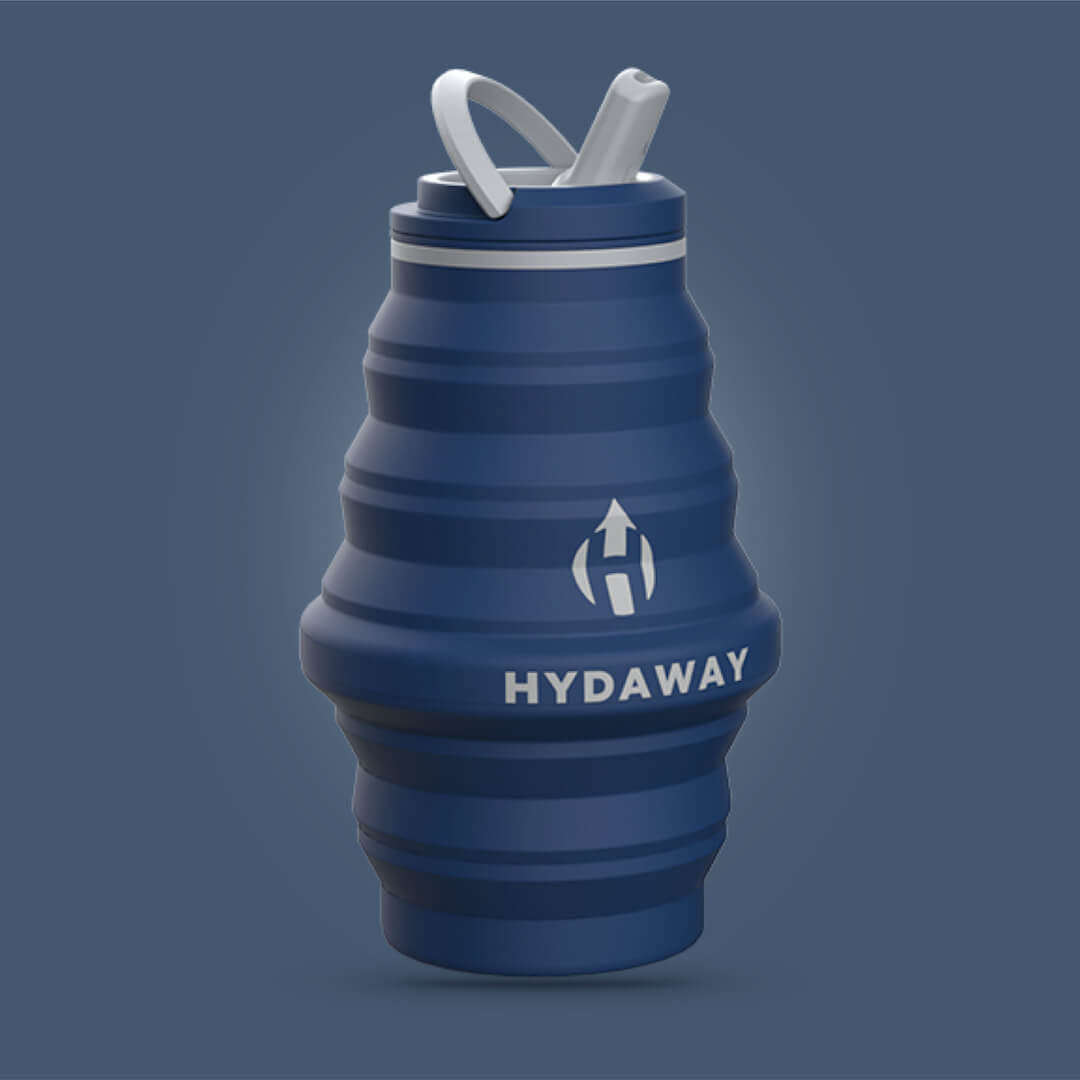
Instead of a rigid water bottle taking up a ton of real estate in your bag on the flight home, a HYDAWAY Collapsible Water Bottle folds down to just over an inch thick. It’s the perfect example of planning for efficiency—it does its job when you need it and virtually disappears when you don’t. This means you can stay hydrated exploring the city, then collapse it to save precious space for that souvenir you bought.
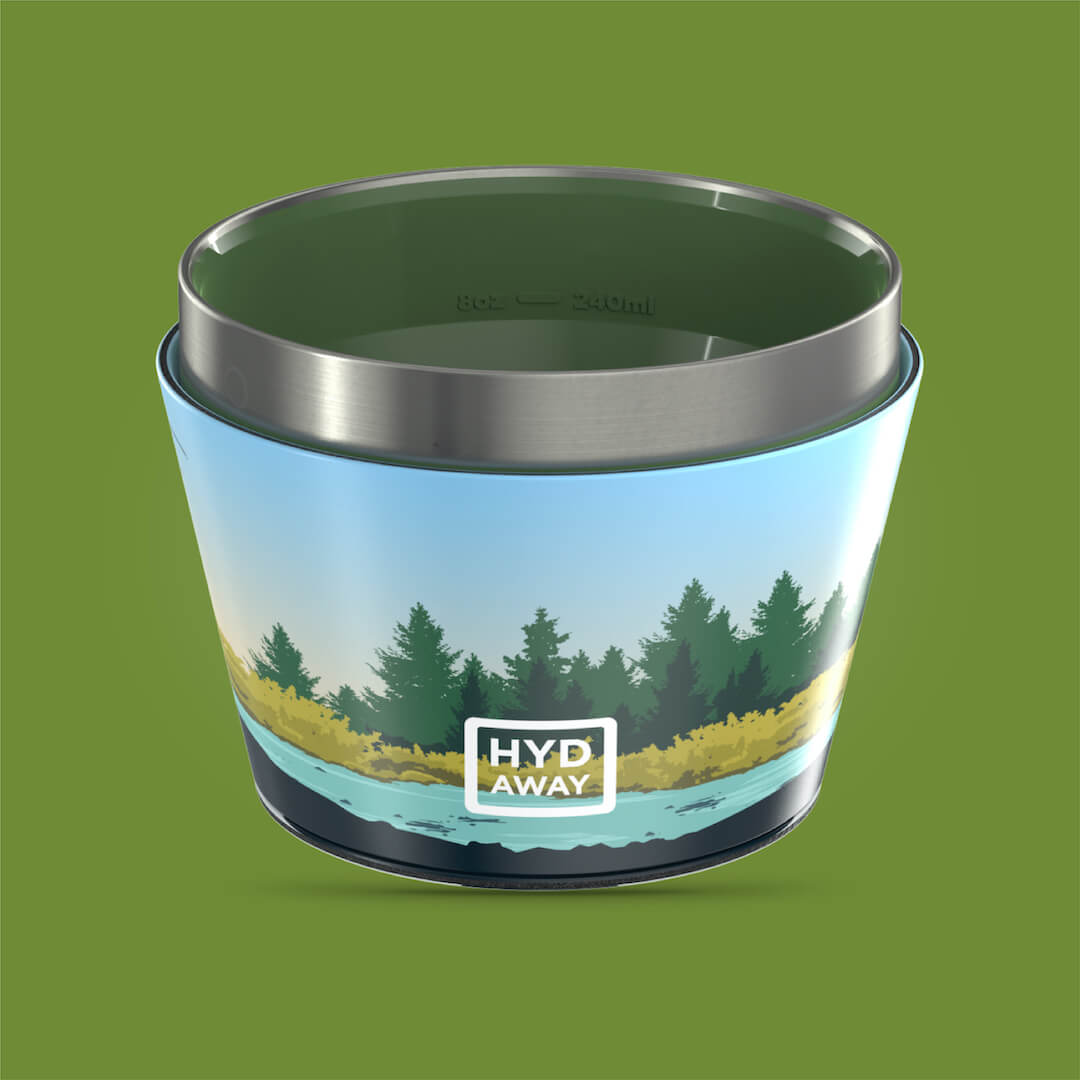
This kind of thinking can be applied to other essentials, too. A bulky lunch container can easily be swapped for a HYDAWAY Collapsible Bowl, which is perfect for a road tripper wanting to pack leftovers from a great restaurant or an adventurer who needs a lightweight bowl for trailside meals. By making these smart swaps before you even start packing, you’re already miles ahead.
Getting Tactical: Modern Packing Techniques and Tools
Okay, you've got your travel blueprint and a killer capsule wardrobe laid out. Now for the fun part: making it all fit. This is where the real magic happens, moving from a pile of clothes on your bed to a perfectly organized, easy-to-manage bag. Believe it or not, how you pack is just as important as what you pack.
The first trick to learn is how to handle different fabrics. The old rolling versus folding debate isn't about picking a side; it's about knowing when to use each technique.
The Art of Rolling Versus Folding
For most of your clothes, rolling is your best friend. It’s a game-changer for soft, wrinkle-resistant stuff like t-shirts, knits, workout gear, and anything synthetic. Rolling squeezes out all the trapped air, shrinking each item down to its smallest possible size. When you line them up vertically in a packing cube, you can see everything you own at a glance—no more frantic digging for that one specific shirt.
But some things just don't want to be rolled. Folding is the way to go for structured garments or anything that creases easily. Think blazers, crisp cotton dress shirts, or stiff trousers. A simple, flat fold helps them keep their shape and avoids those stubborn, deep-set wrinkles. I usually lay these items right on top of my rolled clothes to keep them as smooth as possible.
Unleash the Power of Packing Cubes
If you haven't jumped on the packing cube bandwagon yet, now's the time. These little fabric organizers are the single best way to bring a sense of calm to the chaos of a suitcase. They’re not just for separating your tops from your bottoms; they’re for creating a modular system that makes living on the road a breeze.
Imagine you're on a multi-city European trip, moving from a hotel in Rome to an Airbnb in Paris. Instead of repacking your whole bag, you just grab the cubes you need. I like to think of them as creating "kits" for my trip:
- A cube for all my tops: T-shirts, sweaters, and tanks all rolled up and ready to go.
- One for bottoms: Jeans, shorts, and travel pants.
- A small one for underwear and socks, because nobody has time to search for those.
- A dedicated tech cube: Keeping chargers, adapters, and cables from turning into a tangled mess.
With this system, you'll never have to dump your entire bag out just to find a clean pair of socks. For anyone backpacking through Southeast Asia or hopping between cities, it’s a total game-changer. You just pull out the cube you need and leave the rest of your bag perfectly packed.
Packing cubes are more than just organizers; they're compressors. Zipping them up squeezes your clothes down, freeing up a surprising amount of space for souvenirs or other essentials. It's the secret weapon for traveling carry-on only.
Smart Gear That Makes Its Own Space
Beyond just how you pack, the gear you choose can fundamentally change the game. We’ve all dealt with bulky reusable items that are a pain to carry, but today's travel gear is designed with portability in mind.
Take your water bottle, for instance. A normal rigid bottle eats up the same amount of space whether it's full or empty. This is where a HYDAWAY Collapsible Water Bottle is a total lifesaver. Once you've finished your drink, it squishes down to just over an inch thick. You can tuck it into a pocket or a tiny corner of your bag, instantly reclaiming valuable real estate for the trip home.
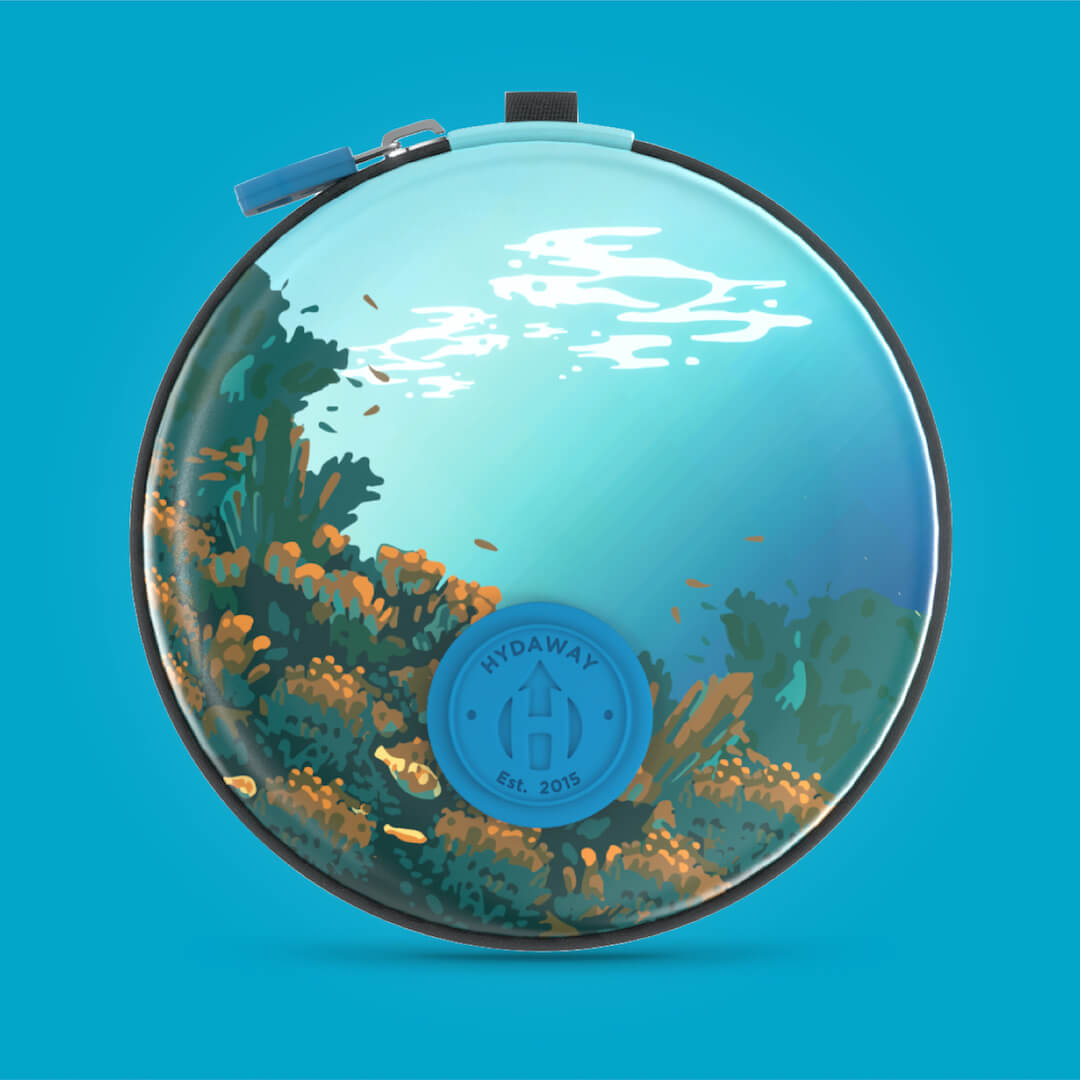
This space-saving mindset extends to other small essentials, too. A durable, waterproof HYDAWAY Travel Case can keep things like charging cables, toiletries, or medications from becoming a jumbled mess. It’s perfect for creating a dedicated first-aid kit or a tech pouch that’s not only organized but also protected from any potential spills. This means your expensive electronics are safe, and you can always find your pain reliever without digging through your whole bag.
At the end of the day, mastering these skills has a real impact on your wallet. Packing efficiently means you can often get away with a smaller bag. With 40–65% of leisure travelers now choosing to go carry-on only, dodging checked bag fees has become a huge part of traveling smarter. Major US airlines often charge $30–$35 for the first checked bag, and that adds up fast. A solo traveler can save $60–$70 on a round-trip flight just by packing light. You can see how these trends are shaping travel in the latest survey from Sabre.com. For a family, that’s money you can put toward an amazing meal or a once-in-a-lifetime experience.
The Carry-On Versus Checked Bag Decision
Deciding between a carry-on and a checked bag is one of those classic travel dilemmas. It’s a choice that really sets the tone for your whole trip—dictating how nimble you are, how much you spend, and honestly, how much stress you’ll face at the airport. Getting this right is a huge part of packing smart.
For a lot of us, especially digital nomads bouncing around Europe or adventurers on a multi-stop trip, going carry-on only is the holy grail. The freedom is just unbeatable. You can stroll past the check-in lines, breeze by the baggage carousel when you land, and never have that sinking feeling that the airline lost your bag. That kind of agility is a lifesaver when you’ve got a tight connection or you're trying to navigate a new city's public transit.
But let's be real, checking a bag isn't a sign of failure. Sometimes, it's the smartest move. If you're on a family vacation with gear for four people or an adventure trip that requires bulky stuff like ski boots or hiking poles, a checked bag is your best friend. It means you can bring what you actually need without sacrificing comfort or safety.
The Hybrid Strategy: A Smarter Approach
After years on the road, I’ve found the sweet spot is often a hybrid approach. This means you pack all your must-haves in your carry-on and check the less critical, bulkier items. Think of it as your travel insurance policy.
By keeping a change of clothes, all your medications, electronics, and important documents with you in the cabin, a lost or delayed bag becomes a minor hiccup, not a total trip-ruiner. This is my go-to method for any trip longer than a week.
Perfecting Your Carry-On
Your carry-on should be your curated survival kit. This is where you keep your TSA-approved toiletries in a clear bag, your laptop, chargers, and any meds. It's also the perfect spot for clever, space-saving gear that makes the journey a little better.
A HYDAWAY Collapsible Bowl, for example, is a brilliant addition. It takes up virtually no space but is perfect for enjoying cereal in your Airbnb or packing snacks for a long train ride, helping you avoid buying overpriced, single-use packaged foods. This is the kind of gear that turns a good carry-on into a great one. For more ideas on getting the most out of your small bag, check out our guide on how to pack for a week in a carry-on.
A key technique for carry-on packing is knowing when to roll and when to fold. This decision tree breaks it down based on fabric type.
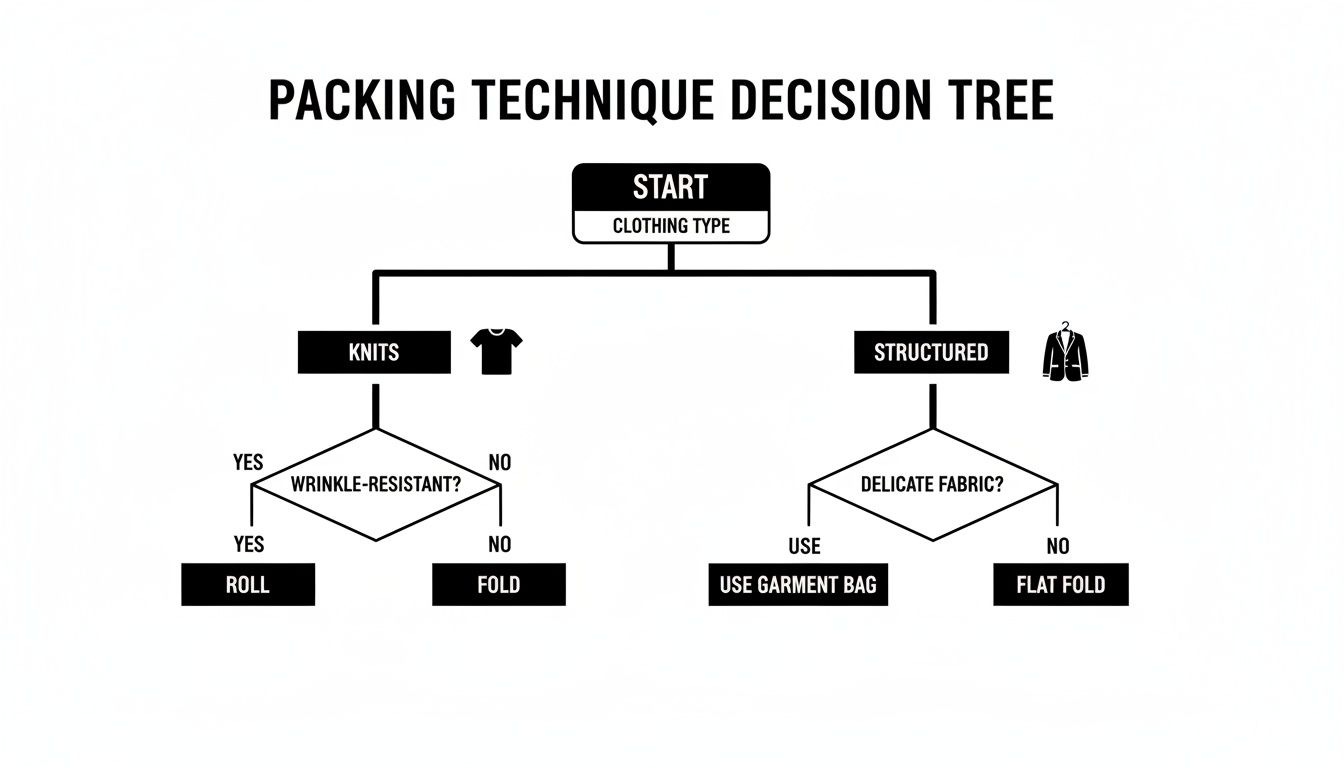
As you can see, soft items like t-shirts and knits are best rolled to squeeze out air and save space. More structured pieces, like blazers or dress shirts, should be folded to keep their shape and avoid deep wrinkles.
Carry-On vs. Checked Bag Decision Matrix
Still on the fence? This table can help you figure out the best strategy for your specific trip.
| Travel Scenario | Recommended Strategy | Key Considerations |
|---|---|---|
| Weekend City Break (2-4 Days) | Carry-On Only | Speed and mobility are key. You don't need much, so avoid the hassle and fees of a checked bag. |
| One-Week Vacation (Mix of Activities) | Hybrid Approach | Pack essentials in a carry-on and check a bag for extra outfits, shoes, and souvenirs. Gives you flexibility. |
| Long-Term Travel / Digital Nomad | Carry-On Only | Maximum freedom and cost savings. Forces you to be a minimalist and master the capsule wardrobe. |
| Adventure Trip (Skiing, Diving, etc.) | Checked Bag | Specialized gear is bulky and often not allowed in the cabin. Checking is a necessity. |
| Family Holiday | Checked Bag + Carry-On Backpack | You'll need space for everyone's stuff, plus a carry-on for in-flight essentials, snacks, and entertainment. |
Ultimately, there's no single right answer—it all comes down to what makes the most sense for your journey.
The Financial and Efficiency Impact
Choosing to travel light isn't just about convenience; it hits your wallet and your schedule, too. With global business travel spending expected to reach about $1.57 trillion in 2025, every minute saved at the airport and every dollar not spent on baggage fees adds up. Packing smarter means moving faster and spending less, which is a win-win for any traveler.
Your luggage strategy sets the tone for your entire journey. Choosing carry-on only provides speed and freedom, while checking a bag allows for more gear. The hybrid approach offers the best of both worlds, giving you security and flexibility.
Whether you go with a carry-on, a checked bag, or a bit of both, the goal is to make a conscious choice that fits your trip like a glove.
Organizing Your Tech, Toiletries, and Documents
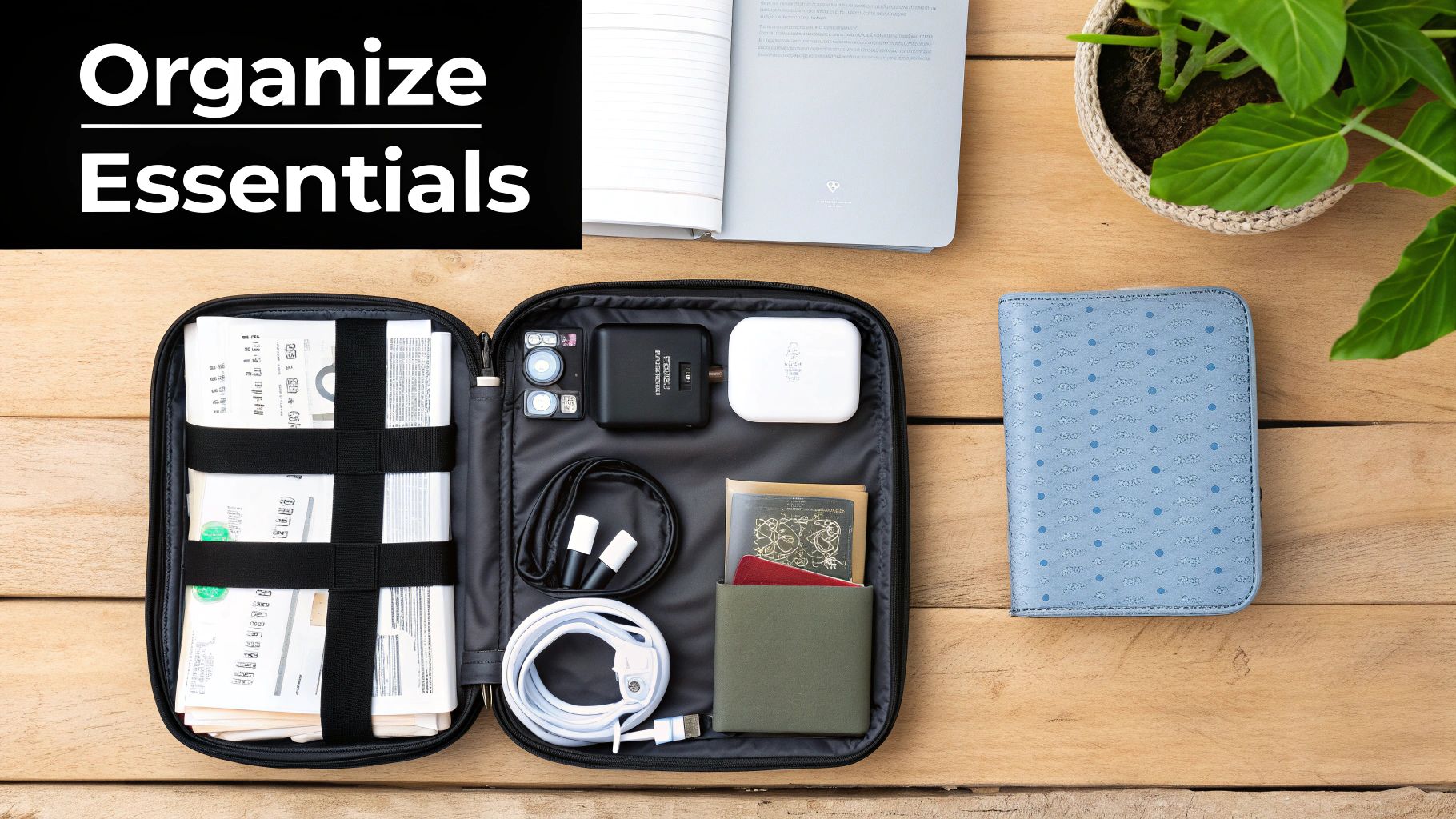
Knowing how to pack efficiently for travel goes way beyond your wardrobe. Once the clothes are sorted out, you're left with what I call the chaotic trio: tangled tech, leak-prone toiletries, and that crucial stack of papers. Having a system for these items is what separates a smooth trip from a stressful one. It keeps your gear safe, your liquids contained, and your important info right where you need it.
This is where you stop just packing things and start organizing systems. By tackling each category with its own strategy, you can prevent all the small stuff from turning into a massive headache on the road.
Streamline Your Electronics
In an age where we’re all carrying phones, laptops, cameras, and e-readers, the resulting "cable spaghetti" can be a real nightmare. My first move is always to consolidate chargers. Instead of hauling four different power bricks, I use a single multi-port USB hub. It’s a small change that can charge everything from one outlet, cutting down on clutter in a big way.
Next, give those cables a dedicated home. A simple cable organizer or a small pouch does the trick. Even better, a waterproof HYDAWAY Travel Case is a fantastic way to organize small electronics and, more importantly, protect them from any potential spills in your bag. Everything from your power bank to your earbuds stays neatly contained and easy to grab, giving you peace of mind that a leaky water bottle won't ruin your expensive gear.
Rethink Your Toiletries
We’ve all been there. The surprise shampoo explosion or the bulky bottles that eat up half your bag. The modern solution? Go solid whenever you can.
- Shampoo and conditioner bars: These are an absolute game-changer. They last for ages, take up almost no room, and completely eliminate the risk of leaks.
- Solid toothpaste tabs: An easy way to ditch another tube of liquid from your carry-on.
- Bar soap: A classic for a reason—it’s simple, effective, and TSA-friendly.
For the liquids you just can't part with, like sunscreen or a specific face wash, the right containers are everything. Invest in a set of high-quality, leak-proof travel bottles. It’s a small upfront cost that saves you from the disaster of opening your suitcase to find everything coated in lotion.
By switching to solid toiletries and using reliable reusable containers for essential liquids, you not only save space and prevent messes but also seriously cut down on your single-use plastic waste. It's a win for your bag and the planet.
And when it comes to essential health items, especially prescriptions, being organized is non-negotiable. A solid guide to traveling abroad with medication can help you pack correctly and navigate international rules without any last-minute stress.
Create a Foolproof Document System
Your passport, tickets, and visas are the most valuable things you'll carry. Losing them can sink an entire trip, so a bulletproof organization system is a must. I swear by a dual physical-digital system that gives you multiple layers of security.
First, your physical documents. I keep my passport, boarding passes, and any necessary visas together in a dedicated travel wallet or a specific, easy-to-reach pocket in my bag. This simple habit means I’m not frantically digging around at the security line or boarding gate. I also stash a couple of physical photocopies of my passport’s main page in a separate bag from the original—just in case.
Second, create digital backups. Before you leave, take clear photos or scans of all your important documents:
- Passport and visa pages
- Driver’s license
- Flight and hotel confirmations
- Travel insurance information
Save these files in a secure cloud service like Google Drive or Dropbox, or even in a password-protected folder on your phone. This digital backup is your ultimate safety net. If your bag gets stolen or your wallet goes missing, you'll still have access to everything you need to get help and keep your journey on track.
Adopting Sustainable Packing Habits
Truly efficient packing goes beyond just cramming everything into a carry-on. It’s about making smarter, more sustainable choices that lighten your footprint on the planet. Every single decision—from the gear you carry to the toiletries you use—is a chance to travel more responsibly. This shift in mindset perfectly marries the goal of efficiency with a real commitment to preserving the places we all love to explore.
By weaving a few simple habits into your routine, you can seriously reduce your environmental impact without giving up an ounce of convenience. You'd be surprised how much single-use waste a few intentional swaps can eliminate, proving that packing light and packing sustainably really do go hand in hand. It's all about being a conscious consumer on the road, just like you are at home.
Make the Switch to Reusable Gear
One of the most powerful changes you can make is ditching single-use plastics for good. Just think about it: how many disposable water bottles, coffee cups, and takeout containers does the average traveler burn through in a single week? The numbers add up fast, contributing to the 8 million tons of plastic that pollute our oceans every year.
This is where smart, reusable gear becomes a game-changer. Instead of grabbing a plastic bottle at every airport and train station, carry a HYDAWAY Collapsible Water Bottle. It’s sturdy and dependable when you need it, but once it’s empty, it collapses down to a slim disc that tucks right into your pocket. This one simple swap saves you money and keeps countless plastic bottles out of landfills.
The same logic works for your food and drinks:
- Insulated Tumbler: A HYDAWAY Insulated Tumbler will keep your coffee piping hot for hours, making disposable cups totally unnecessary. This means you can get your caffeine fix from a local cafe without creating waste.
- Collapsible Bowl: For grabbing takeout or packing your own lunch, a HYDAWAY Collapsible Bowl is perfect. It's a massive space-saver that empowers you to say "no thanks" to styrofoam and plastic containers from street food vendors and cafes, letting you enjoy local flavors more sustainably.
Choose Eco-Friendly Toiletries and Essentials
Your dopp kit is another prime spot for a sustainable upgrade. The travel-sized aisle is usually a sea of tiny plastic bottles, but there are some fantastic alternatives out there that are way better for both your bag and the environment.
Solid toiletries are a traveler’s best friend. Things like shampoo bars, conditioner bars, and solid soap completely do away with the need for plastic bottles. Better yet, they're leak-proof, last way longer than their liquid cousins, and are TSA-friendly—making them an absolute no-brainer for carry-on travel.
Adopting sustainable packing habits isn't about perfection; it's about progress. Starting with one or two simple swaps, like a reusable water bottle and a solid shampoo bar, can dramatically reduce your travel waste and inspire more conscious choices down the road.
Beyond what you pack, a huge part of reducing your impact is understanding the bigger picture. You can dive deeper with a comprehensive guide to sustainable travel that covers everything from transport to lodging.
Pack for a Lighter Overall Footprint
Sustainable packing isn't just about the products you buy; it's about being mindful of your overall consumption while traveling. One of the easiest habits to start is always carrying a reusable shopping bag. It folds down to practically nothing and ensures you can turn down plastic bags at local markets and souvenir shops.
Another great tip is to pack a small laundry kit with some eco-friendly detergent sheets. This lets you wash clothes in a sink or at a local laundromat, meaning you can pack fewer items and travel with a lighter bag. A lighter bag helps reduce fuel consumption for planes and vehicles, which is a win for everyone.
For those looking for even more ways to make a difference, check out our detailed advice on how to reduce plastic waste on the move. By making these habits second nature, you put efficiency and responsibility at the very core of your travel style.
Still Have Packing Questions?
Even the most seasoned travelers run into a few tricky questions when it's time to pack. Getting these final details right can be the difference between a smooth trip and a frustrating scramble for a lost sock. Let’s clear up some of the most common packing puzzles.
Are Packing Cubes Really Worth the Hype?
Yes. One hundred percent, yes. If you grab only one piece of gear from this guide, make it a set of packing cubes. They solve the two biggest packing headaches at once: organization and compression.
Cubes let you bundle your stuff into tidy little kits—one for shirts, one for tech, one for socks. No more digging through your entire bag to find one thing. Even better, they act like mini compressors, squeezing extra air out of your clothes to free up a surprising amount of space. For anyone trying to master the art of carry-on-only travel, packing cubes are the secret weapon.
What’s the Smartest Way to Pack Shoes?
Shoes are always the awkward, bulky items in the bag, but they don't have to be a problem. First off, keep your clothes clean by covering the soles. A dedicated shoe bag works, but honestly, a simple shower cap does the job perfectly and weighs nothing.
Next, place them heel-to-toe along the outside edges of your suitcase. This builds a solid frame for everything else. But the real game-changer is this: stuff your shoes. Fill every inch of them with small items like socks, underwear, or charging cables. This trick not only uses dead space but also helps your shoes keep their shape.
How Do You Pack for a Trip with Hot and Cold Weather?
Packing for a trip that swings from sunny beaches to chilly mountains feels like an impossible task, but the answer is all about layering. Don't waste space on a bulky coat for the cold and a separate rain jacket. Instead, build a smart three-part system.
- Base Layer: Start with something thin and moisture-wicking. Merino wool is a fantastic choice.
- Mid-Layer: Add an insulating piece for warmth, like a fleece pullover or a packable down jacket.
- Outer Shell: Your final layer should be a lightweight, waterproof, and windproof jacket.
This setup lets you adapt to almost any weather by simply adding or removing layers. You can wear all three in the freezing cold, just the shell in the rain, or only the base layer when the sun is out. It’s maximum versatility for minimum space.
So many people make the mistake of packing for every single "what if" scenario. A much better approach is to pack for what's most likely and let a smart layering system handle any surprises.
Tackling these final packing hurdles often comes down to choosing gear that can adapt with you. That's why a HYDAWAY Collapsible Bottle is perfect for these kinds of trips—it saves a ton of space when it's empty, making it ideal for moving between different activities and needs. It's ready for a hot day hike and disappears when you're packing up to head to a colder climate.
At HYDAWAY, we believe smart, collapsible gear is the key to traveling lighter and more sustainably. Our products are designed to perform when you need them and disappear when you don’t, helping you carry less and do more on every adventure. Explore our full collection of space-saving gear at https://myhydaway.com.