


How to Prevent Mold Growth: A Home & Travel Gear Guide

You know the moment. You unzip a gym bag after a busy week and get hit with that stale, swampy smell. Or you reach for a reusable bottle before a Saturday hike, twist off the lid, and find dark specks tucked into the gasket. At home, the warning signs look different but feel just as familiar. A bathroom ceiling stays damp too long. A basement corner smells earthy after rain. A windowsill keeps collecting moisture every morning.
Mold usually doesn't arrive with drama. It shows up in the places people mean to deal with later. That makes it a home problem and a travel problem. The same habits that keep a bathroom dry also protect the gear you toss into a backpack, campervan bin, or office tote on the way out the door.
Most advice on how to prevent mold growth stops at the house. That leaves a big gap for people carrying packable gear through wet commutes, campground wash stations, airport layovers, and humid weekends away. The fix is practical, not complicated. Dry things fast. Keep moisture from hanging around. Then build a few habits that work whether you're caring for a basement, a bottle lid, or a collapsible bowl after lunch on the road.
That Unmistakable Scent of Mold
The first clue is often smell, not sight.
A commuter leaves a damp shaker bottle in a work bag overnight. A parent packs snacks in a reusable container after a theme park day, then forgets it in the car. A van-lifer folds up dish gear after breakfast because the next stop is already calling. None of those choices feels reckless in the moment. Life moves. Gear gets packed. Cleanup slides to later.
Then later arrives.
You open the bag, the cabinet, or the storage bin and catch that musty note right away. If you're unlucky, you also find spotting in the lid threads, around a seal, or in a fold that never fully dried. At home, it's the same pattern in a different setting. A bath mat stays wet. Condensation gathers on a cold pipe. A tiny leak under the sink turns the back corner of the cabinet into a damp little ecosystem.
Mold likes dark, still, damp places. Modern life creates plenty of them, especially in bags, bins, bathrooms, and basements.
What catches people off guard is that reusable gear can be part of the problem when it's stored wet, even if it's cleaned regularly. Foldable and collapsible items are especially easy to stash before they're fully dry. That's convenient when you're moving fast, but it also creates hidden moisture pockets.
The good news is that mold prevention isn't mysterious. The same discipline that keeps a tidy home fresh also keeps everyday carry gear safe, clean, and ready to use. A few small actions, done consistently, beat frantic deep cleaning every time.
The Two Golden Rules of Mold Prevention
Mold prevention gets easier once you stop treating it like a chemistry puzzle and start treating it like a timing and moisture problem. Spores are already around you. The question is whether you let moisture sit long enough for them to settle in.
The first rule is speed. According to the U.S. Environmental Protection Agency, if wet or damp materials are dried within 24 to 48 hours after a leak or spill, mold will not grow in most cases in its brief guide to mold, moisture, and your home. That window matters in a house, but it matters just as much for a damp lunch container, a wet bottle cap, or a collapsible item packed after a rainy trail day.
The second rule is ambient moisture control. Mold doesn't need a flood to start causing trouble. It just needs enough moisture to linger in the air and settle onto surfaces.

Rule one means act today, not tomorrow
If a shower wall is still soaked hours later, if a basement rug feels damp after a storm, or if your travel bottle goes back into its sleeve wet, the clock is already running. Quick drying interrupts the process before mold can colonize.
That means:
- Wipe up spills right away. Don't leave puddles in sink cabinets, under pet bowls, or at the bottom of a cooler.
- Spread items out to dry. Open lids, unfold gear, and separate components so trapped moisture can escape.
- Treat condensation like a leak. If water is collecting on windows, pipes, or walls, dry it and fix the cause.
Rule two means manage the room, not just the object
Humidity changes the whole environment. Historical and statistical data from health departments and the EPA indicate that maintaining relative humidity between 30% and 50% can prevent up to 90% of indoor mold incidents in residential settings, and the CDC and ASHRAE confirm indoor humidity should never exceed 60% in this Broome County mold-control guidance.
Practical rule: If something feels slightly damp, don't store it. If a room feels clammy, don't ignore it.
Those two rules cover almost every mold-prevention decision you'll make. Dry fast. Keep things dry. Whether you're dealing with a bathroom fan, a leaky basement window, or a folded travel cup in a backpack pocket, the logic stays the same.
Creating a Mold-Resistant Home Environment
Your home is the place where small moisture problems either get handled quickly or turn into repeat offenders. Bathrooms, kitchens, laundry zones, window frames, sink cabinets, and basements deserve the most attention because they collect steam, drips, and condensation without asking permission.

Start with bathrooms and kitchens
Steam is sneaky because it doesn't look like a leak. It still leaves moisture behind.
Run exhaust fans while showering or cooking, and keep them going for at least 20 minutes after bathing or cooking. That extra runtime helps remove lingering vapor before it settles onto grout, ceilings, cabinets, and window trim. If you don't have a fan, open a window when weather allows and keep the door positioned to improve airflow.
A few home habits do most of the heavy lifting:
- Dry visible condensation. Wipe windows, walls, and cold pipes as soon as you notice droplets.
- Check under sinks weekly. Small plumbing drips often smell musty before they look dramatic.
- Empty and clean drip areas. Air conditioners, refrigerators, and dehumidifiers can become mold sources if water sits in trays or pans.
- Don't seal moisture in. Air sealing and insulation matter, but trapping damp air behind walls or in crawl spaces creates hidden trouble if moisture hasn't been solved first.
For readers dealing with a damp lower level, this guide for Canadian homeowners offers useful basement-specific prevention ideas that pair well with regular leak checks and airflow improvements.
Use humidity control like a daily maintenance tool
A hygrometer is one of the simplest useful home tools you can own. It tells you whether a room is dry enough, not just whether it feels okay. In a humid climate or a naturally damp basement, a dehumidifier can make the difference between occasional upkeep and constant cleanup.
If you're also choosing food-storage materials with easy cleaning in mind, this overview of safe plastics for food storage is worth a read.
Here's a quick home checklist that works year-round:
| Area | What to watch | What to do |
|---|---|---|
| Bathroom | Steam on mirrors and ceiling | Run the fan longer and leave space for airflow |
| Kitchen | Moisture after boiling or dishwashing | Vent while cooking and dry splash zones |
| Basement | Earthy smell or damp corners | Use a dehumidifier and inspect after rain |
| Windows and pipes | Repeated condensation | Wipe dry and reduce indoor moisture load |
A visual refresher helps if you're setting up a new routine at home:
The biggest mistake I see is waiting for visible spots before taking action. By then, moisture has usually been hanging around for a while. Consistent airflow, prompt drying, and quick leak repairs aren't glamorous, but they work.
Keeping Your Travel Gear and Packables Dry
Travel gear gets exposed to the kind of moisture cycling that houses don't. A bottle gets rinsed at a trailhead sink, folded, packed, unpacked, used again, then tossed into a side pocket on a humid afternoon. A bowl gets washed at camp and stacked before bedtime because everyone wants to crawl into the tent. A commuter finishes lunch, snaps the lid on, and drops the container into a tote for the train ride home.
That's why generic home advice misses the point for people who live out of bags, vehicles, lockers, and daypacks.

Three real-world routines that work
A weekend camper finishes breakfast, rinses drinkware and dinnerware, then clips each piece where air can reach it. The gear doesn't go back into the camp bin until it's dry to the touch. That one pause matters more than any fancy cleaning spray.
A city commuter empties a bottle after the gym, unscrews the lid, and leaves both parts open on the kitchen rack overnight instead of sealing them up in the sink area. In small apartments, that kind of simple separation keeps moisture from lingering in threads and seals.
A digital nomad working from a van or short-term rental has a harder challenge because the environment changes constantly. In humid conditions, storage bins and gear cubes can trap damp air fast. The practical workaround is to create dry-storage habits even when you don't have household equipment.
If gear folds flat, moisture can hide flat too. Open every fold before storage.
What helps when you're off-grid
One useful exception to the usual "just air dry it" advice comes from travel storage. Low-cost alternatives for remote environments, like using silica gel packs in gear cases, can absorb 40% more moisture than air drying alone in humid climates. That matters alongside a projected 35% rise in humid-climate van-living in recent 2025-2026 trends in this University of Georgia Extension discussion of mold prevention.
That doesn't mean tossing a few packets into a bin solves everything. It means dry-storage systems can help when air is heavy and power isn't available.
Try this setup instead:
- For backpacks and day bags: Keep lids loosened until you're home, then fully open and dry the item before putting it away.
- For campervans and overlanding bins: Store cleaned gear with silica gel packs and avoid sealing obviously damp items in plastic tubs.
- For hotel and hostel stays: Use a towel only as a first step. Follow with open-air drying near airflow, not folded storage in the bathroom.
- For lunch kits and work totes: Empty crumbs and moisture daily. Food residue plus trapped dampness is a bad combination.
A deeper cleaning routine matters too, especially for hydration systems with narrow openings and seals. This practical guide to hydration bladder cleaning is useful for anyone rotating between bottles, bladders, and portable drink gear on the go.
What doesn't work well
Packing damp gear "just for tonight" is the classic mistake. So is rinsing without drying, or wiping only the obvious surfaces while ignoring hinges, folds, valves, and lids. Another bad habit is storing cleaned gear in the same closed compartment as wet towels, swimsuits, or rain layers.
Mold prevention on the road isn't about perfection. It's about refusing to trap moisture in places you won't inspect again until next week.
How to Deep Clean Drinkware and Dinnerware
Sometimes prevention slips. A lid smells off. A bottle has buildup in the threads. A folded container sat too long before drying. That's when a proper deep clean beats a quick rinse.
The right approach is simple. Disassemble, clean every surface that touches moisture, and let the item dry fully before reassembly.

A reliable cleaning sequence
Start by taking the item apart as much as the design allows. Remove lids, seals, caps, straws, and any inserts. Mold rarely chooses the easiest surface to reach. It prefers seams, hidden edges, and damp crevices.
Then clean in this order:
- Rinse first. Flush away loose residue so you aren't scrubbing food film deeper into corners.
- Wash with attention to the tight spots. Use a bottle brush, a small detail brush, or a soft toothbrush for threads and lid channels.
- Use the dishwasher if the item is dishwasher safe. That's a strong maintenance habit for many reusable food and drink items.
- Follow with vinegar when needed. Distilled white vinegar kills approximately 82% of mold species because its acidity reaches into porous areas and small crevices, as explained in this drinkware lid cleaning article.
- Rinse thoroughly and dry completely. Don't put parts back together while they're still damp.
Deep-clean shortcut: If a lid has moving parts, assume moisture is hiding in at least one place you can't see at a glance.
Vinegar is useful, but technique matters more
People sometimes overfocus on the cleaning agent and underfocus on drying. Vinegar helps. Scrubbing helps. Dishwasher cycles help. None of them solves the problem if the item goes back into a cabinet or bag while moisture is still trapped around the seal.
A practical rhythm for busy households is to do routine washing after each use, then reserve deeper cleaning for lids, folded components, and travel gear that has been stored for a while. If you want an occasional maintenance boost for reusable bottles, these bottle cleaner tablets can be a handy addition to the regular brush-and-rinse routine.
A quick decision guide
- Mild odor only: Disassemble, wash, brush, and air dry.
- Visible spotting in crevices: Wash thoroughly, use vinegar, scrub detail areas, then dry open.
- Repeated smell after cleaning: Inspect seals, hinges, and storage habits. The issue is often leftover moisture, not weak soap.
The cleanest reusable gear isn't the gear you scrub hardest once. It's the gear you dry properly every time.
Make Mold Prevention a Simple Habit
The best mold-prevention system doesn't feel like a system. It feels like a short list of ordinary actions you barely have to think about anymore. Run the fan. Wipe the condensation. Empty the drip tray. Open the lid. Dry the folds. Don't store damp gear just because you're tired.
That's why learning how to prevent mold growth pays off so quickly. You're not waiting for a major cleanup day. You're removing moisture in the small windows where mold would otherwise get comfortable. That works in a bathroom, under a sink, in a basement closet, and in the backpack you carry to work or onto a plane.
There's also a sustainable upside. Reusable gear lasts longer when it stays clean, dry, and ready to use. You don't end up replacing a perfectly good bottle, bowl, or food container because neglect turned it musty. A little care protects your space, your health, and the gear you rely on.
A mold-resistant life usually looks ordinary. That's the point. Good habits are quiet.
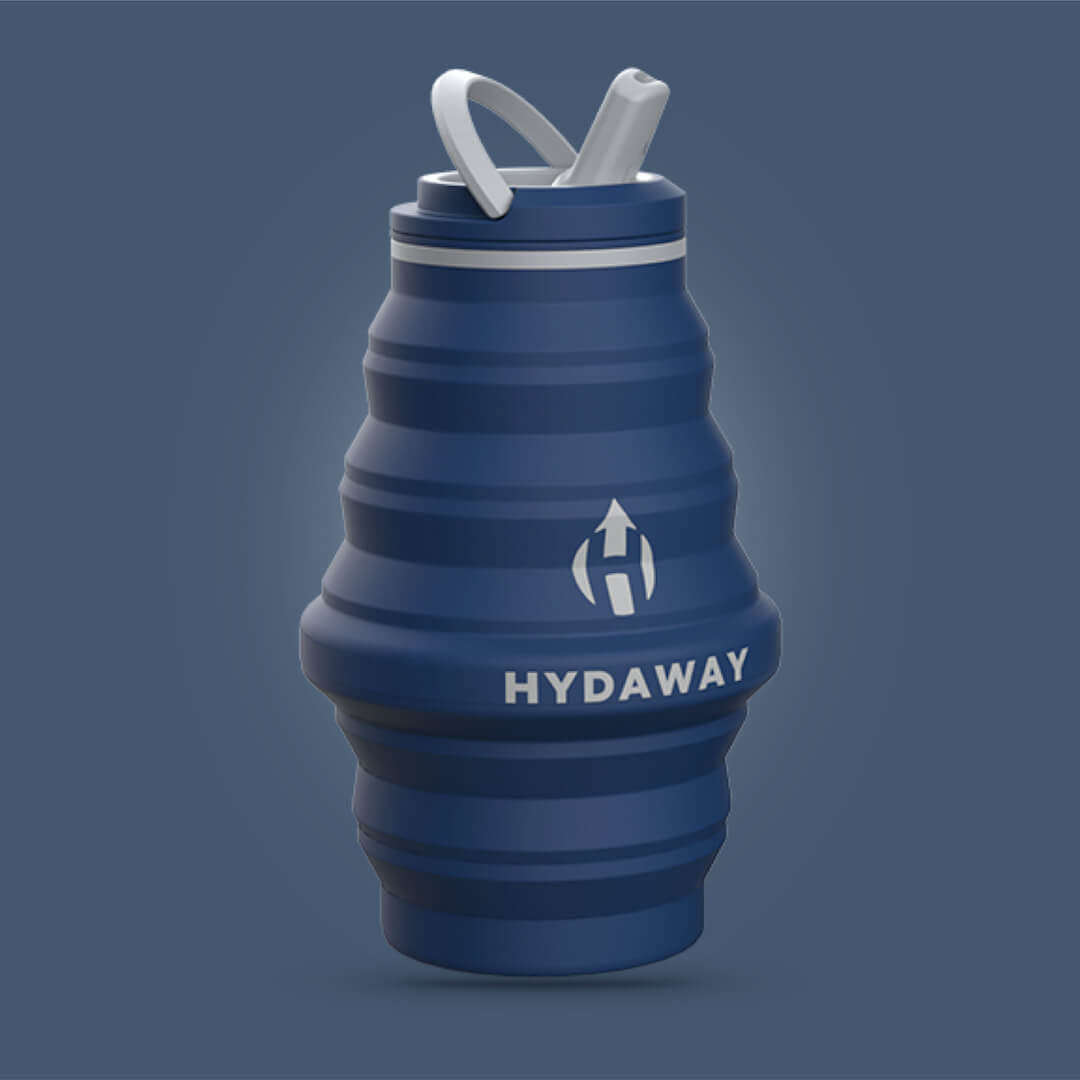
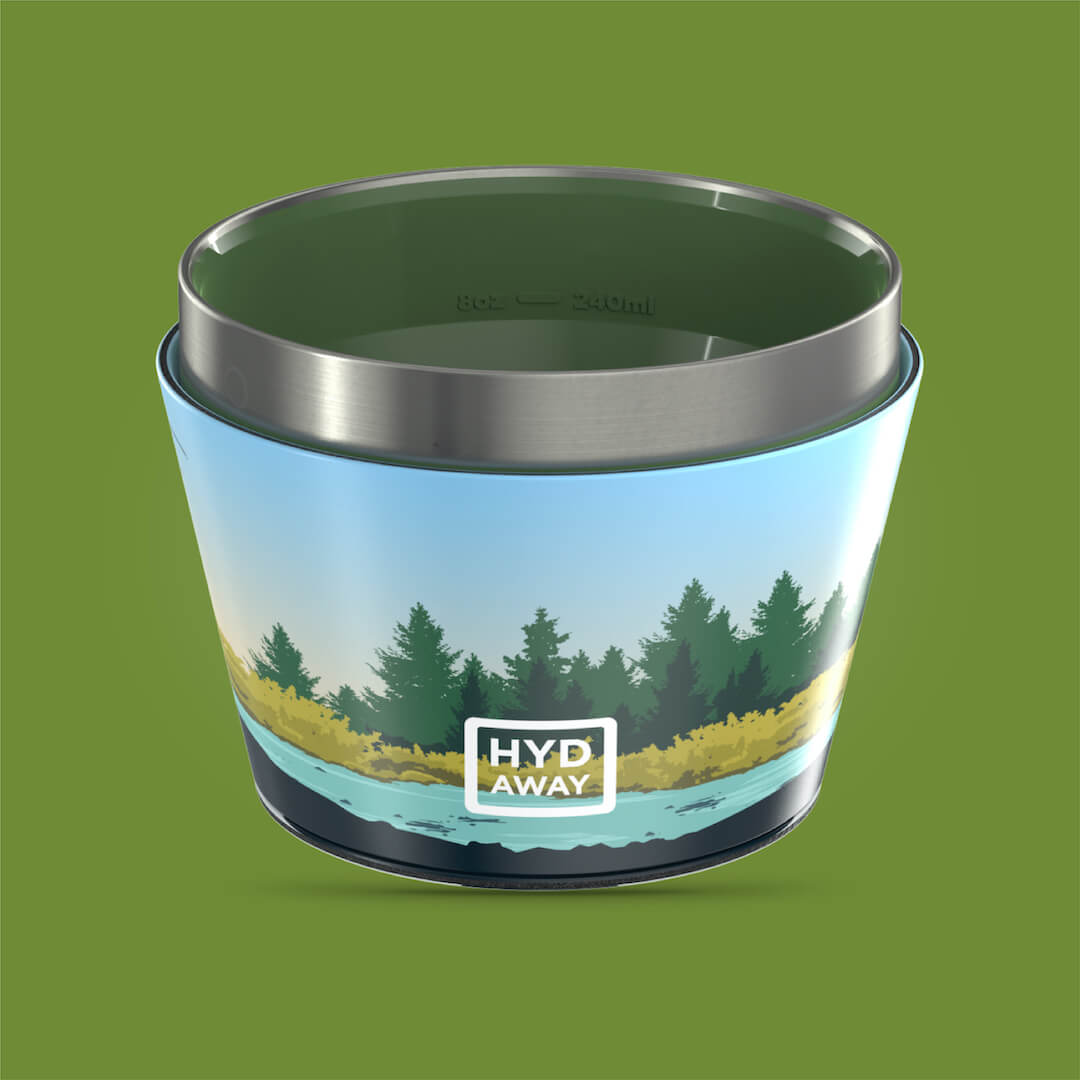
If you want gear that's easier to clean, easier to carry, and built for daily use at home or on the move, take a look at HYDAWAY. Their compact reusable drinkware, dinnerware, and adventure gear fit the kind of real life where space is tight, travel is frequent, and clean, dry storage matters.