


Find the Best National Park in October for Your 2026 Trip

Cool mornings, quieter trailheads, and trees or desert light hitting that brief sweet spot. That's why so many travelers start searching for the best national park in October as soon as summer ends. The hard part isn't finding beautiful parks. It's picking the one that matches the kind of trip you want, whether that means peak foliage, easier hiking weather, fewer people, or a road trip that doesn't turn into a packing mess.
October also punishes sloppy planning. One park is perfect for leaf peeping but packed at the gate. Another has glorious shoulder-season solitude but demands careful water management. A third looks mild on paper, then swings from sunny afternoons to freezing mornings. The right choice depends on how you travel and what trade-offs you're willing to make.
This guide gets straight to the parks that make the strongest October case, plus the gear and trip strategy that make those visits smoother. You'll find practical notes on what works, what can go wrong, and where compact reusable gear from HYDAWAY fits naturally into an autumn park setup. For van-lifers, hikers, and anyone trying to carry less without buying disposable junk along the way, that matters.
1. Great Smoky Mountains National Park, Tennessee & North Carolina – Peak Fall Foliage Without the Crowds
If your October trip is centered on color, Great Smoky Mountains National Park is the benchmark. It's identified as the most colorful of all 62 U.S. national parks during mid-to-late October, with peak foliage falling between October 15 and October 28, 2024, when 3,500 acres of deciduous forest show up to 25 distinct tree species in red, orange, and gold, according to this October parks guide. That same source notes October daily visitation averages about 12,000 compared with 25,000 in summer, a 52% drop in congestion.
The park's elevation gradient, listed there as 875 feet to 6,643 feet, stretches the color progression longer than flatter parks. That's what makes the Smokies such a reliable answer when people ask for the best national park in October. You're not betting on one ridge or one weekend.

What works best here
Cades Cove is a strong move for travelers who want scenery without a huge mileage day. The 11-mile scenic loop gives you wildlife viewing and easy pull-offs, while the broader park has more than enough trail variety for everyone from casual walkers to hikers chasing big elevation.
A few practical trade-offs matter more than the postcard version suggests:
- Best strategy: Arrive early or late for overlooks. Midday bottlenecks still happen at popular pullouts.
- Best gear call: Pack layers and rain protection in one small cube. October can swing fast, especially if you drive up in elevation.
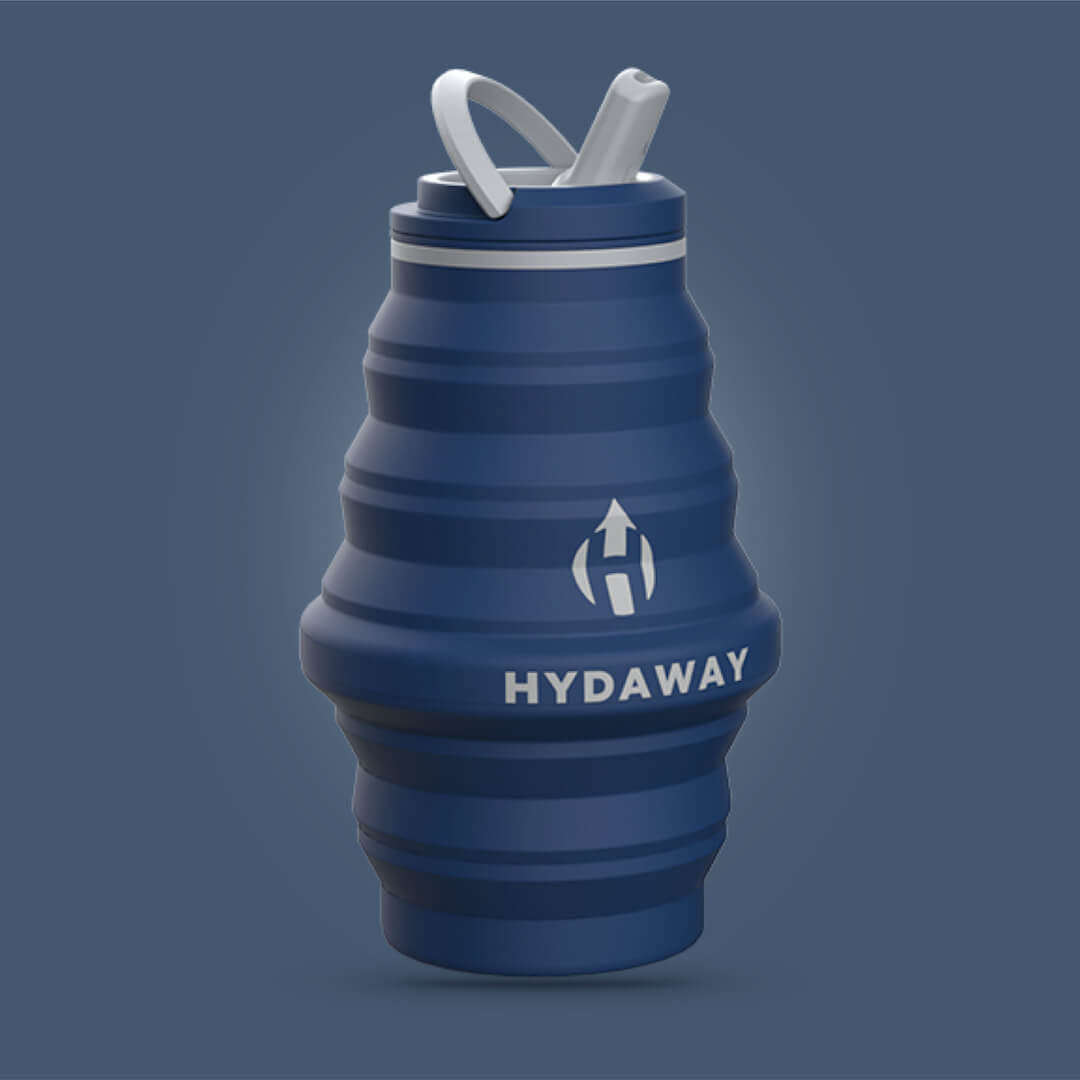
- Best reusable add-on: A HYDAWAY collapsible bottle makes sense here because the park has abundant creeks and springs nearby in many areas, but your bottle still disappears flat into a daypack when you're done.
Practical rule: In the Smokies, choose one scenic driving block and one short hike per day. Trying to “see it all” burns time in traffic and parking lots.
The park's fall color overview from The Wilderness Society also highlights the Smokies as a top October foliage destination spanning Tennessee and North Carolina. That broad footprint is part of the appeal. If one side is socked in with weather, you often have another strong option nearby.
2. Acadia National Park, Maine – Coastal Foliage and Crisp Ocean Air
Acadia works for travelers who want October color without giving up ocean scenery. Rocky shoreline, forested slopes, and reflective spots like Jordan Pond create a look that feels totally different from inland foliage parks. If your ideal autumn trip includes cool air, sea views, and compact sightseeing, Acadia stays high on the list.
What catches people off guard is access friction. October guides often praise Acadia without stressing how important reservations and timing can be. One underserved angle worth taking seriously is that reservation and access windows can shape the whole trip more than foliage quality does, especially in parks like Acadia and Yosemite, as discussed in this fall parks roundup.
Where Acadia shines, and where it pushes back
Acadia is easy to love because the terrain changes quickly. You can walk carriage roads, stop at shoreline viewpoints, then pivot to a higher overlook without a huge drive. That compact layout is great for families, road trippers, and anyone working around a short travel window.
Still, October in Acadia has real trade-offs:
- Strong fit for: Travelers who want mountain, forest, and coast in the same day.
- Less ideal for: Visitors who make spontaneous plans and assume parking will sort itself out.
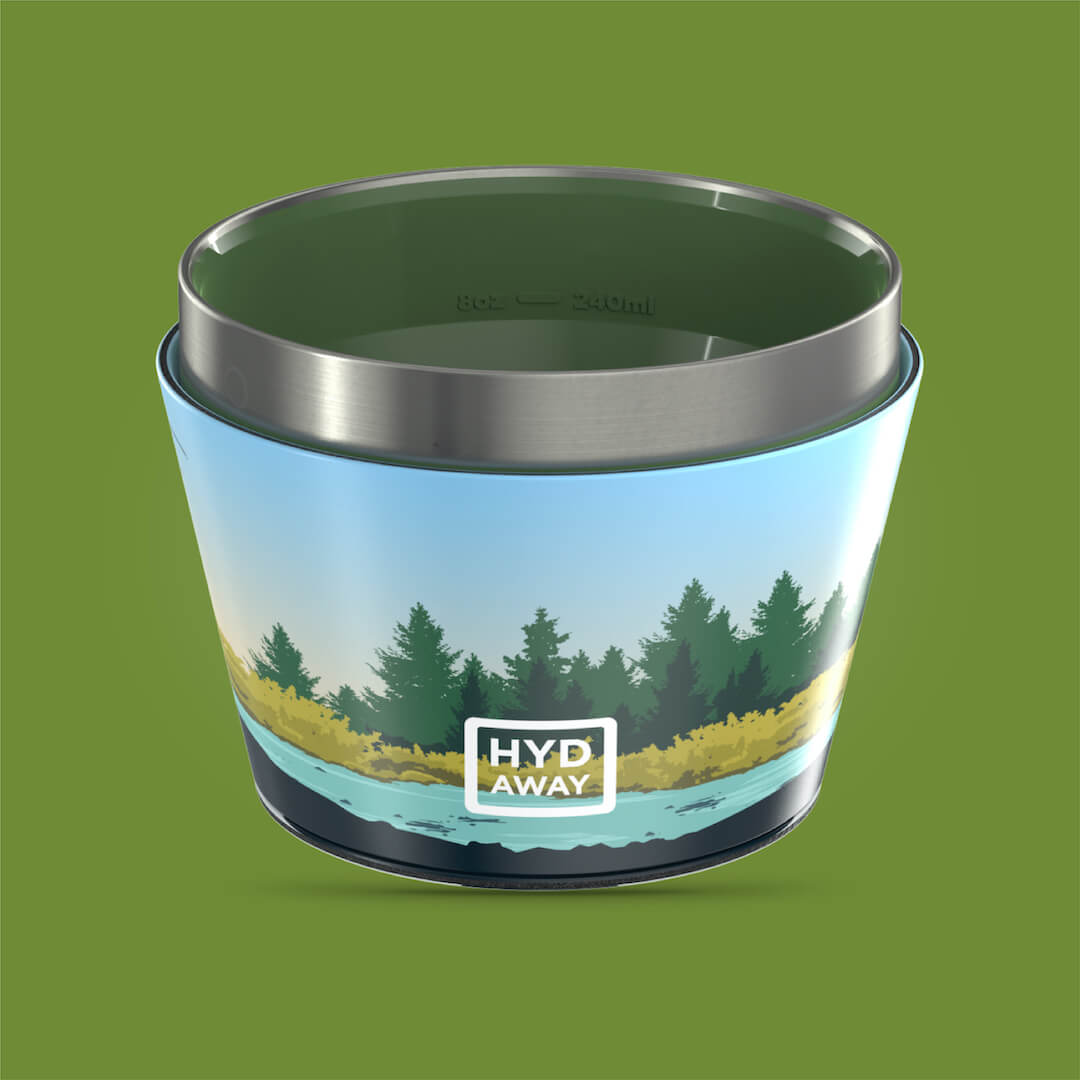
- Packing move that helps: Keep breakfast and hot drinks simple. A HYDAWAY insulated tumbler or bowl fits well for a sunrise stop, especially if you're trying to avoid extra packaging and disposable cups in Bar Harbor.
Cadillac Mountain remains the obvious draw, but I'd treat sunrise there as a commitment, not a casual add-on. If your timing slips, parking pressure and weather can wipe out the payoff. On the other hand, carriage roads and shoreline walks remain enjoyable even when fog rolls in.
Coastal fog doesn't ruin an Acadia day. It just changes the day. Build a flexible plan and keep one lower-exposure walk ready.
Acadia is still one of the best October picks. It just rewards travelers who plan access before they plan photos.
3. Zion National Park, Utah – Desert Autumn Without Peak Summer Heat
Zion is the park people choose when they want big scenery and hiking weather that won't roast them by midmorning. October tones down the harshness of summer and makes long days outside more realistic. That's the upside.
The downside is simple. Zion can still feel busy. The park's shuttle-based rhythm means your day goes well if you start early and goes sideways if you drift into the canyon late. This is one of those places where discipline beats spontaneity.
Why October works in Zion
The big win is comfort. River hikes like The Narrows become more inviting to many travelers when summer heat is gone, and iconic routes benefit from softer autumn light. For photographers, that matters just as much as the temperature.
A few things I'd weigh carefully:
- Best for active travelers: If you want one marquee hike and one scenic afternoon, Zion is excellent.
- Not ideal for low-effort sightseeing: Shuttle queues and popular trailheads can still eat time.
- HYDAWAY fit: Zion is a smart place for a collapsible bottle because many trails have limited water access. You need to carry what you need, but once you're back in town or camp, gear that folds flat saves pack space fast.
The Narrows and Angels Landing get most of the attention, but even shorter walks are worth it in October because the light is gentler and the canyon feels less punishing. I'd also avoid overpacking kitchen gear here. In a small rental car or campervan, space disappears quickly, and a compact reusable setup does more work than a bin full of bulky mugs and food containers.
For travelers comparing desert parks, Zion wins on drama and hiking variety. It loses points if your idea of vacation is easy parking, loose timing, and no advance thought.
4. Rocky Mountain National Park, Colorado – Alpine Tundra and Aspen Gold
Rocky Mountain National Park is a strong choice if you want October to feel sharp and high. Aspen color, alpine views, and cold morning air all arrive together here. It's one of the clearest examples of a park that rewards preparedness and punishes people who show up dressed for the wrong season.
The visual payoff is huge. Bear Lake is easy and scenic. Sky Pond is a more committed day. Trail Ridge Road gives you quick access to above-treeline perspective that feels very different from eastern foliage parks.
The real trade-off is altitude
October is attractive here because you can miss the busiest stretch of summer while still catching strong seasonal color. But elevation changes the equation. Nights can freeze, weather can shift fast, and road access can change with little warning.
That means your packing list needs to be tighter than usual. If you're building a daypack, use a real system instead of tossing in random extras. HYDAWAY's own guide on what to bring on a day hike is a solid framework for keeping essentials compact and useful rather than bulky and forgotten.
- Best move: Start lower and warmer, then drive upward as the day stabilizes.
- Big mistake: Assuming sunshine means summer conditions.
- Gear that earns its space: A HYDAWAY bottle and insulated food container make sense here because frozen or near-frozen mornings make sloppy hydration and lunch planning more annoying than people expect.
Rocky Mountain is also one of those parks where “easy” and “short” aren't always the same as “low consequence.” Even a brief lakeside walk can feel cold and exposed if wind kicks up.
Field note: In high-elevation parks, the smallest useful layer is often more valuable than the extra camera lens.
For travelers who want a classic mountain October, this is one of the best bets. Just respect the altitude and keep your plan flexible.
5. Shenandoah National Park, Virginia – Blue Ridge Mountains Peak Foliage
Shenandoah is one of the easiest parks to recommend when someone wants peak fall without a complicated travel setup. Skyline Drive gives you a long scenic spine through the Blue Ridge, and the trail network lets you keep the trip as easy or as strenuous as you want. That flexibility is a major reason it remains such a dependable answer for the best national park in October.
It also fits weekend travelers well. You can drive in from major mid-Atlantic cities, spend a couple of nights, and still feel like you got a full autumn reset instead of a rushed stopover.
Why Shenandoah is so practical
Some parks in October are all about one signature feature. Shenandoah is better as a complete trip. Scenic pullouts, moderate trails, Appalachian Trail access, and regular wildlife sightings make it easy to build satisfying days without overcommitting.
Its strengths break down like this:
- Best for mixed groups: Families, newer hikers, and experienced walkers can all find good routes.
- Best pacing: Slow. This is a park for overlooks, snacks, short hikes, and repeating the cycle.
- HYDAWAY fit: A collapsible bottle and insulated bowl are useful here if you like roadside picnics instead of crowded dining stops. That's a simple way to cut waste and keep the day moving.
Skyline Drive traffic can build on peak weekends, so I'd avoid assuming you'll glide between overlooks. Pick a section of the park and stay with it. That's usually more enjoyable than trying to drive the whole length while every turnout is full.
Shenandoah doesn't have Zion's spectacle or the Smokies' scale of color. What it has is balance. In October, balance often wins.
6. Mount Rainier National Park, Washington – Alpine Color and Pre-Winter Clarity
Mount Rainier in October feels like a park caught between seasons, and that's exactly why some travelers love it. On the right day, you get clean visibility, gold larches, dark evergreen contrast, and hints of fresh snow around the mountain. It can be one of the most beautiful shoulder-season trips in the country.
It can also be wet, cold, and logistically messy. That's the trade.

This is where gear compatibility matters
A lot of October content talks about low crowds in Pacific Northwest parks but skips the gear question. That's a mistake. One underserved point raised in this October travel angle is that cold, wet conditions can make standard bulky gear a poor fit for overlanders and van-lifers, especially when temperatures dip and rain arrives fast.
That's where compact insulated gear becomes practical, not trendy. In a cold, damp parking lot at Paradise or Sunrise, a fold-flat bottle, insulated tumbler, or spill-resistant bowl is easier to live with than hard-sided clutter rolling around the van.
- Best for: Travelers who'll adapt to weather instead of expecting certainty.
- Hardest part: Road and visibility variability.
- Best HYDAWAY setup: Collapsible hydration plus one insulated piece for hot drinks or soup. In shoulder season, warmth often matters as much as water.
Rainier is strongest when you treat it as an opportunistic trip. Watch conditions, stay flexible, and be ready to pivot from alpine viewpoints to lower-elevation walks if clouds close in. If you need guaranteed clear skies, this isn't the right October pick. If you like moody mountain travel, it's excellent.
7. Death Valley National Park, California – Ideal Temperature Escape
Death Valley is the October park for travelers who'd rather trade leaves for light, space, and desert forms. This is the month when the park starts to become inviting again for long viewpoints, dune walks, crater stops, and night sky sessions. If you're trying to escape cold-weather layers for a few days, it's a smart counterprogramming pick.
The appeal is straightforward. Expansive vistas, fewer seasonal headaches, and a trip style that works especially well for road trippers and van setups.

Water discipline matters more than almost anything else
October daytime temperatures are listed at 75 to 90 degrees, with nights around 50 to 60 degrees in the planning notes for this trip. Even without citing beyond that guidance, the practical reality is clear. It's cooler than summer, but dehydration risk doesn't disappear.
That changes how I'd pack and move through the park:
- Carry all needed hydration: Don't expect casual refill convenience on the road.
- Keep hikes honest: Distances that look short on a map can still feel draining in exposed terrain.
- Use compact reusables well: A HYDAWAY bottle is useful here because you can carry capacity when needed and reclaim space later. That matters in a small vehicle loaded with camp gear.
Badwater Basin, dunes, badlands, and Ubehebe Crater all give you excellent variety without demanding huge mileage. That makes Death Valley especially good for travelers who enjoy scenic stops and short exploratory walks more than all-day trail efforts.
The desert rewards restraint. Stop often, carry more water than feels fashionable, and leave room in the day for sunset.
If your version of the best national park in October means warmth, clean horizons, and room to breathe, Death Valley deserves serious consideration.
8. Grand Canyon National Park, Arizona – Autumn Clarity and Rim Temperature
Grand Canyon in October is all about better hiking weather at the rim and clearer views than many travelers get in summer. It's one of the easiest iconic parks to enjoy without needing extreme mileage. You can have a memorable trip here with rim walks, viewpoints, one moderate trail, and well-timed sunrise or sunset stops.
That said, the canyon still punishes overconfidence. The people who struggle here usually don't struggle because the rim is hard. They struggle because they underestimate what descending into the canyon requires.
Best for classic views, not reckless mileage
A useful current note from a public traveler discussion is that Grand Canyon offers mild October weather that invites hikers to explore the canyon's depths or take mule rides. I agree with the first half, with one caveat. Going below the rim is rewarding, but it's only smart if you respect turnaround times and water needs.
The South Rim is the most practical base for most travelers. If you're bringing a dog, this guide to visiting Grand Canyon with pets is a useful planning companion because pet logistics can shape where you stop and how long you stay.
- Best for: First-timers who want a famous park that still feels manageable in October.
- Watch out for: Crowded weekends on the South Rim.
- HYDAWAY fit: A collapsible bottle and compact snack setup are ideal for rim walks, shuttle hops, and overlooks where you want to avoid buying disposable drinks and wrappers all day.
The canyon is one of the clearest examples of a park where “comfortable” doesn't mean casual. October improves the conditions, but it doesn't erase the consequences of a bad plan.
9. The Essential HYDAWAY Kit for Autumn Park Adventures
The best October park isn't just about where you go. It's also about how efficiently you move through the day. In autumn, that means handling colder mornings, extra layers, variable trail conditions, and the constant temptation to buy throwaway bottles, coffee cups, and takeout containers because your packing system failed by noon.
That's where HYDAWAY fits naturally into park travel. The brand's collapsible setup is built for people who need gear to disappear when it's not in use and still perform when it is. For October, that's more valuable than it sounds.
What belongs in the kit
If I were building one practical setup to use across Smokies foliage, Zion day hikes, Shenandoah overlooks, and Rainier shoulder-season road trips, it would stay pretty lean:
- 17oz or 25oz collapsible water bottle: Best for day hikes, shuttle days, and road trip transitions where pack space keeps changing.
- Insulated tumbler or pint: Useful for cold dawn starts, campground coffee, or an afternoon warm drink after a wet walk.
- Insulated bowl with spill-proof lid: Good for van meals, soups, oatmeal, or simple leftovers when temperatures drop.
- Travel case or compact carry setup: Helps keep reusable gear from getting buried under layers and maps.
For travelers comparing packable hydration options, HYDAWAY's article on the best collapsible water bottles is worth reading. It helps clarify when fold-flat gear beats rigid bottles, especially if you're moving between hikes, camps, and city stops.
A small style note matters too. Autumn travel often means layering constantly, and practical outerwear works better when your gear isn't bulky. If you're dialing in the clothing side of that equation, this piece on warmth and style for mountain escapes pairs well with a compact gear mindset.
Packing truth: The best reusable gear is the gear you'll actually keep accessible, clean, and ready to use. Flat-packed gear usually wins that test.
10. Your October National Park Trip: A Final Checklist
By October, every park is in transition. That's what makes the month so good. It's also what makes small planning mistakes more expensive. The fix isn't overplanning. It's carrying a compact system and making a few smarter decisions before you leave home.
If you want one broad planning reference, HYDAWAY's packing for travel checklist is useful because it keeps the focus on portable essentials instead of aspirational clutter.
What actually improves an October park trip
I'd keep your final trip prep centered on a few practical habits:
- Start earlier than you think you need to: October daylight is precious, and trailhead parking gets tighter fast.
- Pack for temperature spread: Morning cold, midday warmth, and evening chill can all happen in one day.
- Plan food as deliberately as water: A simple reusable bowl, bottle, and hot-drink setup can keep you out of crowded lines and reduce waste.
- Check access details before you drive: Reservation systems, shuttles, road closures, and seasonal changes matter more in October than many travelers expect.
- Leave room in your bag and vehicle: Autumn trips usually involve more layers. Space-saving gear pays off immediately.
One more reason Yellowstone belongs on many October shortlists is crowd relief. A Yellowstone October guide notes that the park sees a dramatic drop in visitor density during October, with summer crowds largely disappearing, and identifies the shoulder season from September to mid-October as the best time to avoid the largest crowds at major parks like Yellowstone and Yosemite, according to Wildland Trekking's October Yellowstone guidance. Even if Yellowstone isn't your final choice, the principle applies everywhere. Shoulder season works best when you lean into its rhythms instead of treating it like late summer.
October trips go better when your setup is lighter, your expectations are sharper, and your plan has enough flexibility to adapt.
Top 10 October National Parks & Trip Essentials
| Destination | Implementation Complexity 🔄 | Resource Requirements ⚡ | Expected Outcomes 📊 | Ideal Use Cases 💡 | Key Advantages ⭐ |
|---|---|---|---|---|---|
| Great Smoky Mountains (TN/NC) | Moderate, early starts for parking and elevation plans 🔄 | Moderate, layered clothing, basic hiking gear, advance lodging | High scenic leaf color; good wildlife viewing 📊 | Family hikes, sunrise drives, staggered-elevation foliage | Free admission; extensive trail network; abundant water |
| Acadia (Maine) | Moderate, coastal weather and limited parking 🔄 | Moderate, warm layers, shuttle use, possible paid lodging ⚡ | Coastal + mountain fall colors; reflective photography 📊 | Sunrise photography, family carriage-road walks, coastal views 💡 | Compact mix of ocean and mountain scenery; accessible carriage roads |
| Zion (Utah) | Moderate–High, shuttle timing and popular trail timing 🔄 | Moderate, sturdy footwear, water management; limited on-trail water ⚡ | Dramatic red-rock vistas with softer autumn light 📊 | Slot canyon hikes, technical viewpoints (Angels Landing), cooler camping | Cooler than summer; fewer crowds; iconic canyon scenery ⭐ |
| Rocky Mountain NP (Colorado) | High, altitude acclimatization and early road openings 🔄 | High, cold-weather layers, insulated gear, altitude prep ⚡ | Aspen gold and tundra color; variable alpine conditions 📊 | High-elevation photography, aspen viewing, alpine hikes 💡 | Trail Ridge Road views; late-season aspen peaks; fewer insects |
| Shenandoah (Virginia) | Low, reliable timing and accessible roads 🔄 | Low, standard hiking kit, park entrance fee ⚡ | Predictable mid-October foliage window; frequent wildlife 📊 | Scenic drives, family-accessible trails, day trips from cities 💡 | Numerous overlooks; close to mid‑Atlantic population centers ⭐ |
| Mount Rainier (Washington) | Moderate, road visibility dependent; watch for closures 🔄 | Moderate, warm, waterproof layers; possible road detours ⚡ | Clear views, alpine larch gold, late wildflower displays 📊 | Alpine photography, larch viewing, moderate high-country access 💡 | Superior October visibility; dramatic summit vistas ⭐ |
| Death Valley (California) | Moderate, heat precautions and remote logistics 🔄 | High, carry all water/fuel, vehicle prep, early starts ⚡ | Desert light, solitude, potential wildflowers after rain 📊 | Desert sunrise/sunset photography, night‑sky viewing, solitude 💡 | Pleasant October temps; minimal crowds; dramatic landscapes ⭐ |
| Grand Canyon (Arizona) | Moderate, rim logistics; North Rim timing matters 🔄 | High, carry significant water for descents; lodging planning ⚡ | Clear views, comfortable rim temps, strong sunset colors 📊 | Rim hikes, scenic drives, early‑October North Rim visits 💡 | Exceptional clarity; extensive overlooks; varied rim experiences ⭐ |
| HYDAWAY Kit (gear pack) | Low, simple buy-and-pack routine 🔄 | Low–Moderate, collapsible bottles, bowls, backpack, tumbler ⚡ | Improved hydration, reduced waste, lighter pack impact 📊 | Multi-park day hikes, van-life, picnics, cold morning shoots 💡 | Space-saving, insulated options; reusable and versatile ⭐ |
| Final Checklist (trip prep) | Low, planning and timing checklist to follow 🔄 | Low, time investment for bookings and packing ⚡ | Higher preparedness, fewer surprises, safer trips 📊 | Trip planning, multi-park itineraries, variable-weather readiness 💡 | Concise, transferable steps that reduce risk and stress ⭐ |
Carry Less, Experience More This Fall
October is the month when many national parks feel most alive and most manageable at the same time. Foliage peaks, summer heat backs off, and shoulder-season light gives trails, overlooks, and camp mornings a different kind of calm. That's why the search for the best national park in October usually comes down to matching the destination to your travel style, not just picking the prettiest postcard.
For pure foliage, Great Smoky Mountains National Park stands out. For coastal autumn atmosphere, Acadia is hard to beat. If you want red rock hikes without peak summer heat, Zion stays compelling. Rocky Mountain and Mount Rainier serve travelers who don't mind variable mountain conditions in exchange for sharp alpine scenery. Death Valley flips the script entirely and offers warmth, space, and desert light when other parks are cooling down. Grand Canyon remains one of the strongest all-around choices for a classic October trip.
The biggest lesson across all of them is that logistics matter almost as much as scenery. Access windows, changing weather, limited parking, water planning, and meal strategy can shape the entire experience. A good October trip usually isn't the one with the most ambitious itinerary. It's the one where the basics are handled so well that you can pay attention to where you are.
That's also where packable reusable gear earns its keep. A collapsible HYDAWAY bottle doesn't just save space. It helps you carry the water you need, then disappear into your bag when you're done. An insulated bowl or tumbler doesn't just look tidy in a gear photo. It makes dawn starts, roadside lunches, and campground dinners easier without leaning on disposable cups, takeout containers, or extra bulky kitchen bins. For van-lifers, road trippers, and anyone trying to keep a smaller footprint, that's a meaningful upgrade.
Eco-conscious travel doesn't have to mean complicated travel. In practice, it often means fewer single-use items, less wasted space, and gear that works across very different conditions. That's exactly what October demands. Conditions change. Plans shift. You need equipment that adapts with you.
If you want one more layer of comfort for chilly campsite mornings or scenic roadside stops, this look at the benefits of year-round blankets pairs nicely with an autumn road trip mindset.
Pick the park that fits your pace. Pack less than you think, but pack smarter. Bring reusable gear you'll use. Then let October do what it does best.
HYDAWAY makes October travel easier with collapsible bottles, insulated drinkware, bowls, and compact kits that save space in your pack, campervan, or carry-on while cutting down on single-use waste. If you want hydration and meal gear that folds flat but still performs on the trail, at camp, or on the road, explore HYDAWAY.