


Bishop CA Rock Climbing: The Ultimate Guide for 2026

You've probably done it already. Opened a weather app, zoomed in on Bishop, checked wind, checked temps, then started another round of tabs for the Buttermilks, Happies, Sads, the Gorge, camping, road conditions, and whether your car can handle one more dirt road approach without rattling itself apart.
That's the authentic Bishop planning experience.
The photos make it look simple. Golden granite, blue sky, someone topped out on an iconic highball, someone else clipping steep pockets in the Gorge. What the photos don't show is the part that matters most once you are there. Which zone works when the wind flips. Which area still climbs well when the road is snowy or the sun disappears. Which objective is worth the drive today, and which one only looked good on your phone last week.
Bishop is one of those rare places that can deliver a huge trip whether you're a boulderer, a sport climber, a trad climber, or a mixed crew trying to keep everyone happy. It's also one of the easiest places to misread if you reduce it to “go in winter.”
Welcome to Bishop Your Next Climbing Epic
A lot of climbers come to Bishop with one image stuck in their head. Big granite eggs in the Buttermilks. Crisp air. Skin that finally sticks. Maybe a dream line you've watched for years and a quiet promise to at least stand underneath it once.
That pull is justified. Bishop has the kind of scenery that makes even a warmup feel important. The town sits below the Sierra, the light stays dramatic almost all day, and the climbing zones each have their own personality instead of feeling like minor variations on the same crag. You don't come here for one afternoon session. You come because Bishop keeps giving you options.

The practical side starts fast, though. Your trip gets better when you stop treating Bishop like a single crag and start treating it like a small climbing region with moving pieces. Wind matters. Sun angle matters. Snow and ice matter. Rock type matters. So does your crew. A group of pure highball boulderers should plan differently than a couple looking to split time between moderates, sport mileage, and rest-day hot springs.
Practical rule: Don't lock your whole trip to one zone before you arrive. Pick a main objective, then keep two backup areas ready.
That's the difference between a Bishop trip that feels smooth and one that turns into a string of half-good decisions. The good news is that Bishop rewards flexibility. Once you understand the areas and how the seasons shift them, the place opens up in a big way.
Choosing Your Crag Bishop's Premier Climbing Areas
Bishop works best when you match the day to the terrain. The area is a major U.S. climbing hub with 461 bouldering routes in the Buttermilks from V0 to V16, while Owens River Gorge has more than 500 sport routes from 5.5 to 5.13c plus about 150 trad routes. Bishop sits at roughly 4,150 feet and can offer climbing through much of the year when conditions cooperate, according to this overview of Bishop climbing terrain and seasonality.

The Buttermilks
The Buttermilks are the postcard version of Bishop CA rock climbing. Giant glacial granite boulders, long landings that still feel serious, and enough history that even the warmups can feel loaded with meaning.
What works here is commitment. If you like tall lines, proud features, and movement that feels physical and exposed, this is your place. What doesn't work is showing up underprepared for highballs or assuming every classic has a friendly topout. A lot of problems here ask for composure as much as power.
A few realities matter:
- Bring enough pads: Buttermilk landings range from flat and welcoming to awkward enough that pad management changes the problem.
- Bring layers: The zone can feel cold in the shade and warm in the sun on the same day.
- Respect the walk-offs: The topout is often part of the climb, not an afterthought.
Happy Boulders and Sad Boulders
These volcanic tableland areas are where many people get the most climbing done. The style is different from the Buttermilks. Steeper walls, more gymnastic movement, more compression, more pockets and rails, and generally easier access from car to climb.
Happy Boulders usually feel more open and sun-friendly. They're often a good call when you want warmth and a social session. Sad Boulders tend to offer more shade and a slightly quieter feel depending on where you wander. The names are silly. The tactical difference is real.
If your crew wants volume, these zones are hard to beat. They suit climbers who want to sample a lot of problems in a day, work a project without committing to a giant topout, or keep everyone within close range.
A quick comparison helps:
| Area | Best fit | Typical feel | Common mistake |
|---|---|---|---|
| Buttermilks | Highball fans, granite lovers, iconic lines | Big moves, proud topouts, scenic and spread out | Underestimating seriousness |
| Happy Boulders | Social crews, moderates to hard bouldering | Sunny, accessible, quick sessions | Going too late on warm days |
| Sad Boulders | Shade seekers, mixed-level groups | Varied, more sheltered, easy to roam | Not bringing enough warm layers |
Owens River Gorge
Owens River Gorge is where sport climbers start grinning before they've even put on a harness. The walls are steep, the tuff is pocketed, and the climbing rewards pacing, route reading, and a willingness to pull through sustained terrain.
The approach can feel more involved than a roadside crag. You descend in, you climb, and then you hike out. That matters. You want enough water, enough food, and a realistic route plan for the day.
If you're choosing between one more route and saving something for the hike out, save something for the hike out.
The Gorge also suits mixed trips because it changes the rhythm. After several bouldering days, clipping bolts on steep stone can feel like a reset for skin, style, and motivation.
Pine Creek and the Sierra side
Pine Creek is the bridge between Bishop valley climbing and bigger mountain terrain. Depending on conditions, it can offer trad, sport, longer routes, and more of an alpine tone without committing to a full expedition mindset.
A common misconception among visitors is that Bishop equals desert only. It doesn't. Part of Bishop's strength is that you can move from high desert boulders to cooler granite settings with a relatively short drive and a very different day.
Pine Creek is a better call when you want:
- Longer routes: More rope time, more systems, less pad shuffling.
- Cooler air: Especially useful when lower zones feel baked.
- A different headspace: Big terrain changes how you pace the day.
Beyond the Basics A Tactical Guide to Bishop's Seasons
The usual advice says Bishop is best in fall and winter. That's true in the broadest sense, but it's also where many trip plans go off the rails. A more useful way to think about Bishop is area by area, not season by season.
That gap matters because most guides don't get specific enough about shoulder seasons, snow access, or how different sub-areas handle shade and heat. This Bishop bouldering guide notes exactly that problem and points out that climbers need a more flexible, area-by-area plan.
Fall and winter
This is the classic window for a reason. Cooler temps improve friction, the valley feels alive with climbers, and the Buttermilks can be magical when conditions line up.
But winter in Bishop isn't just “good.” It's conditional. Snow and ice can change road access. A cold snap can turn leisurely bouldering into a waiting game for sunlight. The move that felt secure at noon might feel completely different in the morning shade.
Your tactical play:
- Plan A might be the Buttermilks if roads are clear and the sun is on your side.
- Plan B is often the Tablelands if lower elevation and more solar exposure make the day workable.
- Plan C can be the Gorge if the temps and sun line up better for roped climbing.
The mistake is committing emotionally to one famous area. Conditions don't care what was on your tick list.
Spring
Spring is where Bishop rewards climbers who stay adaptable. You can get excellent days. You can also get wind, heat spikes, and quick shifts that make one zone feel perfect and another feel miserable.
This is a strong season for moving around throughout the day. Morning in one area, later session in another, then a flexible dinner plan instead of driving yourself into one all-day objective. Spring also favors climbers who read shade well. On a warm day, chasing wall orientation can matter more than chasing the most famous bloc.
A good spring mindset looks like this:
- Start early when you can.
- Choose shade over prestige.
- Keep one higher or cooler backup in mind.
- Leave room to pivot after lunch.
Summer
Many hear “Bishop summer” and stop planning. That's too simple.
Summer in the valley can be brutally hot. That's real. But Bishop is not one single low-elevation bouldering field. Owens River Gorge can still produce usable windows depending on shade and timing. Pine Creek can work depending on conditions. Rock Creek shifts into late spring through early fall. The High Sierra becomes the obvious summer venue if you want to stay on granite and stay sane.
Summer in Bishop is about altitude, shade, and humility. If you insist on valley bouldering in the middle of the day, the place will win.
What doesn't work in summer is the fantasy of an all-day desert session. What does work is splitting the day, starting very early, seeking higher terrain, and treating recovery as part of the plan instead of an afterthought.
A better way to forecast your trip
Don't ask, “Is Bishop in season?” Ask better questions.
- Which area gives me the best rock temperature today?
- What happens if wind or snow changes access?
- Can my group enjoy the backup plan, or only tolerate it?
- Do we need sun, shade, shorter approaches, or a roped day to manage fatigue and skin?
That's how experienced visitors stretch a trip. They don't win by being lucky. They win by refusing to force the wrong venue.
Pack Smart Essential Gear for Climbing and Travel
Packing for Bishop is less about bringing everything and more about bringing the right version of everything. Space disappears fast once you add crash pads, ropes, layers, camp gear, groceries, and the random pile of tape, skin care, and half-dead headlamps that always accumulates in the car.

Climbing gear that actually earns its space
For bouldering, multiple pads matter more in Bishop than in a lot of other destinations. The Buttermilks especially can turn “one good pad” into a bad plan. Bring brushes that work on both granite and volcanic rock, tape, skin repair, and layers you can peel on and off without thinking too much.
For roped days, build your kit around efficiency. A rope that fits your intended routes, enough quickdraws for a full day in the Gorge, a comfortable harness for hanging and belaying, and shoes that match the style. Overly aggressive shoes for every single pitch can make a long day feel longer.
I'd separate your packing into two piles.
- On-rock essentials: shoes, chalk, tape, brush, layers, belay setup, helmet, route notes.
- Vehicle or camp support: extra water, shade layer, food, recovery sandals, skin kit, down layer, headlamp.
That second pile saves trips. It also keeps you from burning time driving back into town because someone forgot the obvious thing.
Camp and travel gear that makes the trip smoother
Bishop rewards compact systems. If you're camping, sleeping in a vehicle, or bouncing between campgrounds and cheap rooms, bulky gear becomes annoying by day two. Packable hydration and dinnerware make more sense here than they do on many shorter climbing trips because your setup keeps moving.
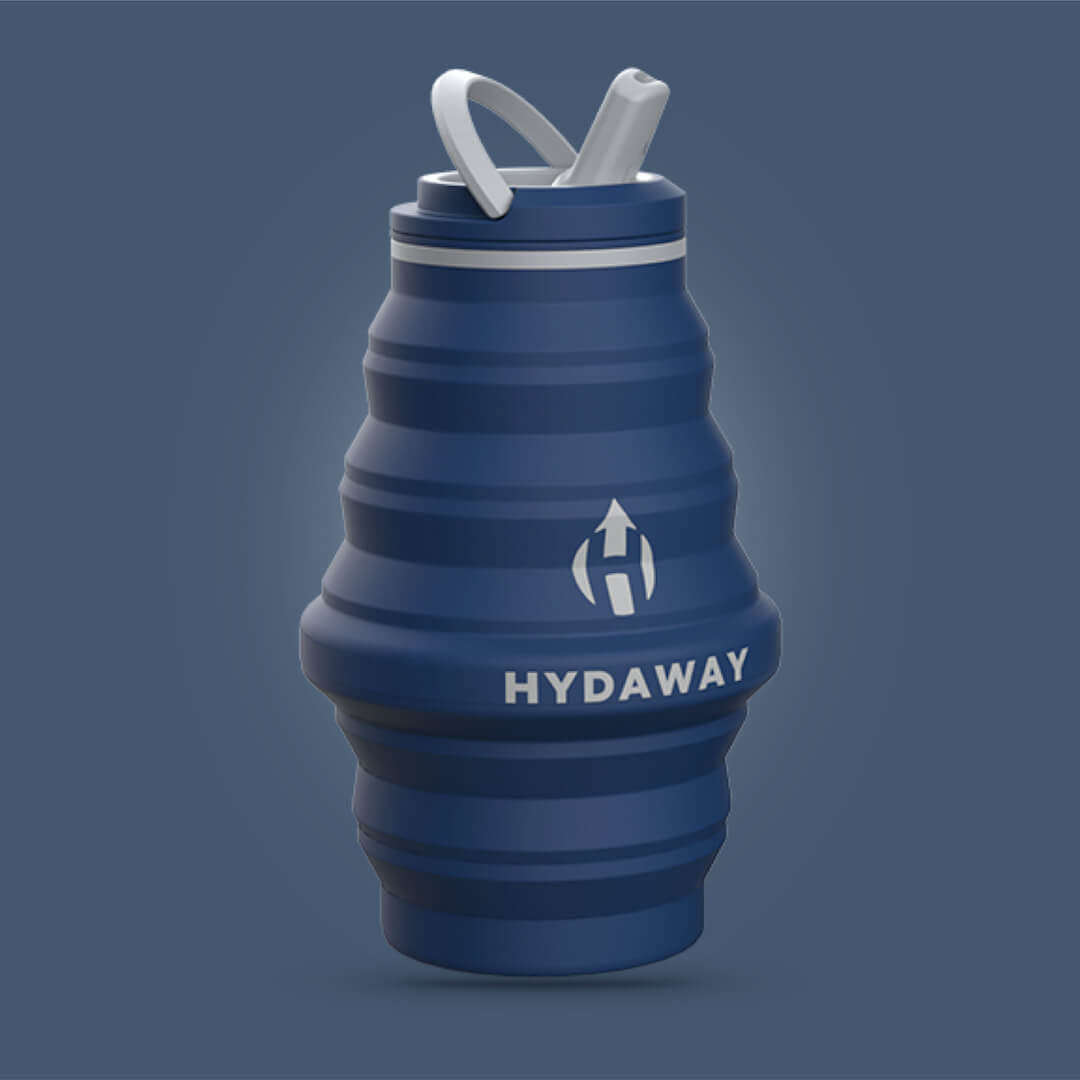
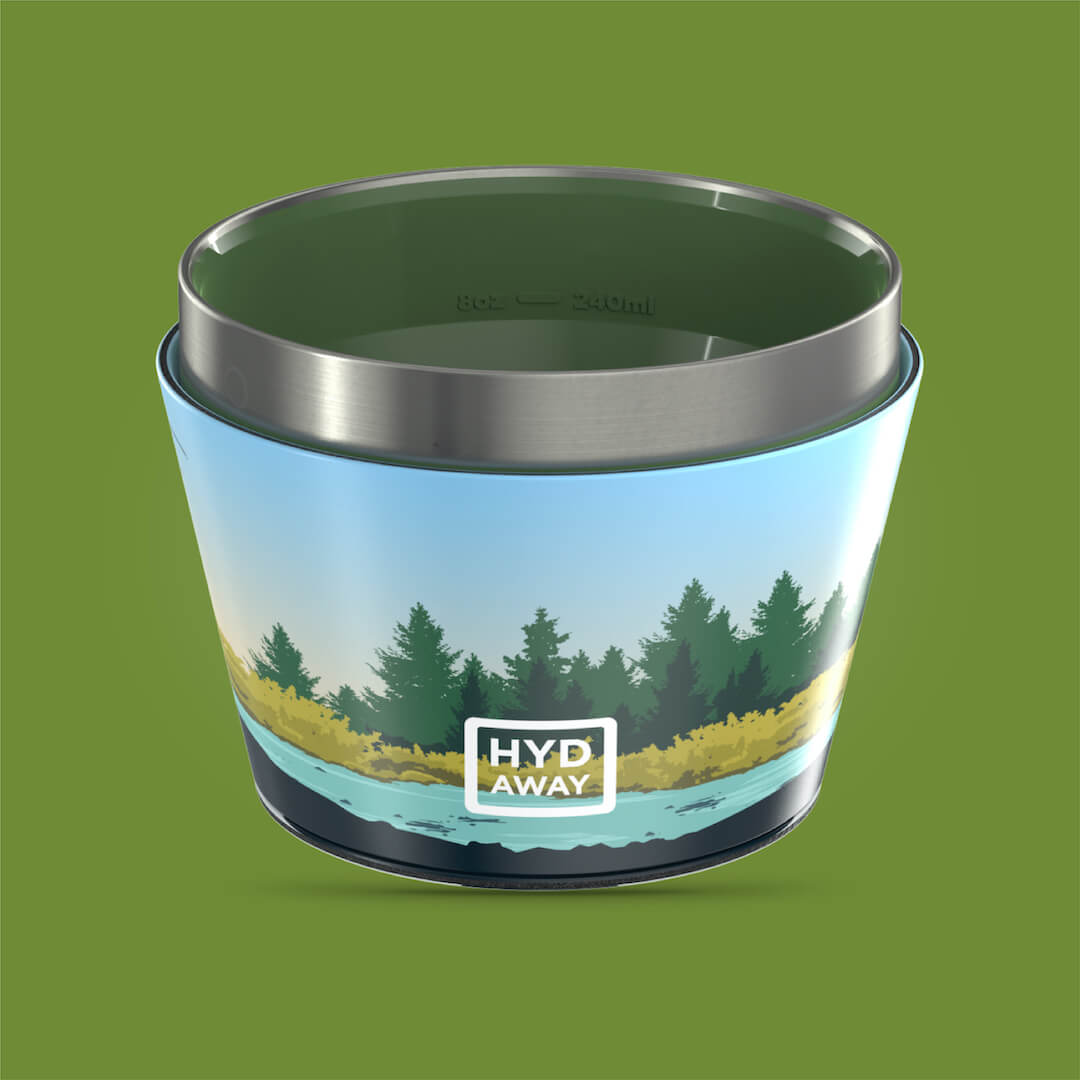
A collapsible bottle is especially handy when you're stuffing gear inside or around pads. A packable bowl or food container also helps with camp dinners, leftovers, and early starts when you want breakfast ready without turning the car into a kitchen explosion. For more smart crossover items that pull double duty outdoors, this guide to what to bring on a day hike overlaps nicely with what works around Bishop.
A simple Bishop packing checklist
| Category | Bring this | Why it matters |
|---|---|---|
| Bouldering | Multiple pads, brushes, tape, skin care | Landings and skin both get real fast |
| Sport climbing | Rope, draws, helmet, belay kit | The Gorge is best when you're ready for a full day |
| Clothing | Puffy, sun layer, beanie, approach pants | Desert mornings and sunny afternoons can feel like different trips |
| Camp setup | Stove, warm mug, compact food kit, headlamp | Evenings cool off and logistics get easier with a real system |
| Recovery | Sandals, extra snacks, lotion, water reserve | Better recovery means more quality climbing tomorrow |
A short product demo makes the compact-gear point better than words alone:
The best pack jobs in Bishop all follow the same rule. Easy access beats perfect organization. If your water, warm layer, and food are buried under pads and ropes, you'll either skip them or waste time digging.
Your Basecamp Lodging Food and Rest Day Beta
Where you stay in Bishop changes how your trip feels. Some climbers want the dirtbag classic. Others want a bed, a shower, and zero interest in hearing someone sort cams outside at dawn. Both approaches work.
Sleeping options that fit different trips
Camping keeps you close to the vibe and usually keeps the trip cheaper. Dispersed-style camping and climber-favorite spots attract people who want sunrise starts and campfire route chat. The tradeoff is exposure, dust, cold nights, and a lot less privacy than people pretend.
Paid campgrounds and standard lodging make more sense when your group includes non-climbers, remote workers, or anyone trying to recover well between bigger days. A motel room can be the smartest move if a storm rolls through or your skin needs a reset and you need actual sleep.
A quick way to choose:
- Camp if you want flexibility, early starts, and the social atmosphere.
- Book a room if your trip is short and you don't want logistics eating climbing time.
- Mix both if you're staying longer and want a recovery night in the middle.
Food strategy in town
Bishop is a real town, not just a highway stop with a gear shop attached. That helps. You can buy groceries, refill on basics, grab coffee, and sort out a forgotten item without losing a whole day.
Still, food planning matters more than people think. Desert climbing days tend to run long, and hunger sneaks up fast when you've spent hours hiking, spotting, belaying, and standing in wind. The best approach is to stock easy breakfast food, reliable lunch items, and one dinner that takes almost no effort for the night you come back wrecked.
A practical Bishop food system:
- Breakfast that's fast: coffee, fruit, oats, breakfast burrito leftovers.
- Lunch you'll want at the crag: wraps, salty snacks, easy fruit, something sweet.
- Dinner with one-pan effort: rice bowls, pasta, soup, prepped protein, camp-friendly comfort food.
Don't build every meal around ambition. Build it around the fact that after a cold day in the Buttermilks, even basic hot food feels like luxury.
Rest days that still feel like Bishop
A proper rest day here doesn't need much. Hot springs, a drive into the Sierra, mellow wandering around town, or a low-key coffee-and-laundry reset can all be enough.
The mistake is treating rest like dead time. Bishop is a basecamp town. That means the off-hours are part of the trip. A slow morning with sore fingers and no agenda is often what makes the next climbing day good instead of mediocre.
If you're climbing hard for several days, use rest days to do three things well:
- Recover physically: eat, hydrate, sleep, walk a little.
- Resupply intelligently: groceries, gas, tape, stove fuel, whatever ran low.
- Reassess objectives: move on from the project that isn't lining up and choose something that suits current conditions.
Putting It All Together Sample Bishop Itineraries
The easiest way to plan Bishop is to stop searching for the perfect itinerary and build one that can bend. Below are two frameworks that work well because they leave room for conditions, fatigue, and the very normal urge to abandon your original plan once you see a better option.
Weekend bouldering warrior
This is the classic fast-hit trip. You arrive with limited time and want to touch the best parts of Bishop without driving yourself into the ground.
Day one arrival and first session
Keep the first day simple. Travel, get food sorted, and start at an accessible bouldering zone rather than forcing a giant objective. Happy or Sad Boulders usually make more sense than a full Buttermilks epic on a travel day.
Good goals for day one:
- Move around a lot
- Keep skin intact
- Find a style that's clicking
- Leave one gear bin organized for the morning
Dinner should be easy. If camp cooking turns into a project, you packed the wrong dinner.
Day two Buttermilks priority day
Start early, especially if you've got a specific bloc in mind. This is your day for the iconic experience. Bring enough pads, warm layers, and enough food that you don't have to bail just because everyone got lazy about lunch.
If the conditions aren't lining up, don't force it. Shift zones. That's a successful Bishop decision, not a compromise.
By evening, do one bit of future-you planning. Prep breakfast, refill water, and think through what your skin and shoulders can still handle tomorrow.
Day three salvage the send day
This day works best when you choose based on what happened, not what you imagined before the trip. If everyone's wrecked from tall granite, go for a more accessible tableland session. If skin is gone, maybe a short scenic day beats one more death-march project attempt.
For trip fuel, simple portable meals help. If you need ideas that travel well and don't become a mess in the car, this roundup of food for hikes is useful beyond hiking and applies nicely to long Bishop sessions.
One week climbing road trip
A longer trip lets you mix styles and recover enough to keep quality high.
| Day | Focus | Why it works |
|---|---|---|
| Day 1 | Arrive and easy bouldering | Shake out travel stiffness and get oriented |
| Day 2 | Buttermilks | Use fresh skin and high motivation |
| Day 3 | Owens River Gorge | Change style and give skin a break from boulders |
| Day 4 | Rest day | Recover, resupply, reset objectives |
| Day 5 | Happy or Sad Boulders | Volume day, moderate projects, easier logistics |
| Day 6 | Pine Creek or another roped objective | Cooler setting and different movement |
| Day 7 | Best conditions call | Return to whatever zone has lined up best |
How to adapt on the fly
A flexible itinerary isn't vague. It has triggers.
If wind is bad, move to the more sheltered option. If road conditions are messy, choose lower-access hassle. If skin is gone, rope up. If everyone's tired, shorten the day before bad decision-making sneaks in.
That is the core bishop ca rock climbing skill set. Not just sending. Choosing well enough that you stay healthy, motivated, and ready for one more good day.
Climb With Respect Safety Stewardship and Etiquette
Bishop climbing only works long term if visitors act like guests, not consumers. That's not abstract. Independent research estimated about 89,000 climber visits per year, with roughly 90% coming from outside Bishop and Inyo County. The same work estimated climbers generate about $15.6 million in annual local spending, support about $5.1 million in local wages, and sustain around 127 jobs in a typical year, according to this presentation on Bishop climbing visitation and local economic impact.
That means your behavior affects more than your crew. It affects access, local tolerance, trail condition, campsite condition, and the tone visitors bring into town.

The non-negotiables
The high desert looks tough, but it's easy to damage. Stay on established trails where they exist. Don't trample fragile ground because you wanted a straighter line to the next boulder. Pack out all waste. Keep camps tidy. Keep noise down.
A lot of climber etiquette is simple common sense, but it's worth saying clearly:
- Manage your pads well: Don't let a giant pad sprawl take over the landing and the social space around it.
- Brush and chalk responsibly: Excess chalk makes stone look worse and changes the feel of a problem for the next person.
- Read the room: If someone is clearly working a line, communicate instead of barging in.
- Control music and shouting: Not everyone came for your soundtrack.
Safety is part of stewardship
Unsafe climbing creates rescue problems, social friction, and unnecessary impact. Spot highballs seriously. Wear a helmet when the objective calls for it. Carry enough water and enough warm layers. If you're projecting hard, respect your own fatigue level.
Off-the-rock preparation matters too. If you're building durability before a Bishop trip, focused strength training exercises can help with the pulling power, tension, and general resilience that make long days outside feel better.
Stronger is useful. Better judgment is more useful.
Better visitor habits
Stewardship in Bishop isn't just about avoiding damage. It's about leaving the place pleasant for the next crew and respectful toward the people who live there year round. Buy local when you can. Be polite in town. Don't treat public land like a disposable backdrop for your vacation.
Sustainable travel habits help here too. Compact reusables, lower-waste food systems, and less single-use trash make camp life cleaner and vehicle life easier. This practical guide to sustainable travel practices lines up well with the kind of choices that make sense on a Bishop trip.
Bishop gives climbers a lot. The fair return is straightforward. Climb hard, clean up after yourself, stay humble when conditions change, and leave the place better than you found it.
HYDAWAY makes the kind of packable gear that fits Bishop well. If your car is already stuffed with pads, ropes, layers, and camp gear, compact hydration and dinnerware can make the whole trip feel less cluttered and more usable. Take a look at HYDAWAY if you want reusable gear that saves space without making camp life harder.