


Travel Tumbler with Straw: The 2026 Buyer's Guide

You know the moment. You buy a coffee before boarding, wedge it into a seat pocket or cup holder, and an hour later it's lukewarm. Or you carry a giant bottle all day, finish the drink, and then keep hauling around the same bulky container long after it's useful. That's where a good travel tumbler with straw stops being a nice extra and starts feeling like real gear.
For travelers, commuters, parents, and remote workers, drinkware has to do more than hold liquid. It has to survive motion, fit into the rhythm of a long day, and stay clean without turning into a chore. A tumbler that works at a desk can fail badly in a backpack. A bottle that's great for the gym can be annoying in an airport line. The details matter.
Why Your Next Trip Needs a Great Travel Tumbler
A disposable cup is fine until it isn't. The lid loosens in the car. The paper softens. The drink cools off fast. Then you're hunting for another coffee, another water stop, another trash can. That cycle gets old quickly if you travel often.

Retail assortments show how mainstream reusable drinkware has become. Major retailers carry stainless steel tumblers from 12 oz to 40 oz, built for moving between the car, office, and trail instead of being tossed after one use, as shown in Target's straw tumbler assortment.
Why this format took over
The modern travel tumbler with straw answers a few problems at once. It gives you one-handed sipping. It handles coffee, water, and cold drinks better than a paper cup. It also cuts down on single-use waste in a way that fits daily life, not just ideal conditions.
If you're trying to build sustainable household habits, this is one of the easiest places to start because it follows you everywhere. Commute. School pickup. Gate change. Road trip.
A reusable tumbler only works if it's easy enough to carry every day. Convenience is what turns a good intention into a real habit.
Who benefits most
Some people need a travel tumbler more than they realize:
- Commuters who want coffee that stays pleasant through the train ride and the walk from the station
- Parents who need a drink they can reach for while juggling bags, snacks, and seatbelts
- Day travelers who want fewer refills and less dependency on overpriced drinks on the road
- Outdoor users who need one container that can move from trailhead to car to campsite
The main upgrade isn't just insulation. It's control. You choose the drink, the temperature, and how often you stop to refill. That's why the right tumbler earns a permanent spot in your bag.
Key Features Every Traveler Should Consider
A travel tumbler with straw looks simple until you compare a few side by side. Then the small choices start to matter. Material changes weight and durability. Lid design changes whether you trust it in a tote. Capacity changes whether it's useful or annoying.

Modern tumblers commonly use double-wall vacuum insulation, and current products in the category are marketed to keep drinks hot for up to 12 hours or cold for 24 hours, with sizes commonly ranging from 12 oz to 40 oz, as shown on W&P's insulated tumbler with straw lid product page.
Start with the body
For most travelers, stainless steel is the practical default. It handles everyday abuse better than flimsier materials, feels more substantial in hand, and suits both hot and cold drinks.
Plastic still has a place. It's often lighter and can be easier to carry for all-day walking. But if you want one tumbler to handle commuting, weekend trips, and regular use, stainless steel tends to age better.
Match size to your actual day
People often buy too large. A huge tumbler sounds smart until it barely fits your bag and feels awkward in crowded spaces.
Use cases matter more than hype:
- Smaller sizes work well for short commutes, coffee runs, and light packers
- Mid-size options are usually the easiest all-around choice for workdays and flights
- Large formats make sense for long drives, hot weather, and anyone who hates refilling
A large tumbler solves one problem and creates another. You refill less, but you carry more bulk.
Lid design is where good tumblers separate themselves
This is the feature shoppers underestimate most. A press-fit lid may be fine in a cup holder. It may be a bad idea inside a backpack. A straw opening can be comfortable to drink from, but it changes what “travel-safe” really means.
Practical rule: If you plan to carry the tumbler horizontally, shop for the lid first and the insulation second.
Look closely at how the straw enters the lid, whether the seal compresses firmly, and whether the closure is intended for active movement or just casual desk use.
Ergonomics matter more than specs
A tumbler can have strong insulation and still be irritating to use. The grip may be slippery. The handle may snag on bags. The base may not fit standard cup holders.
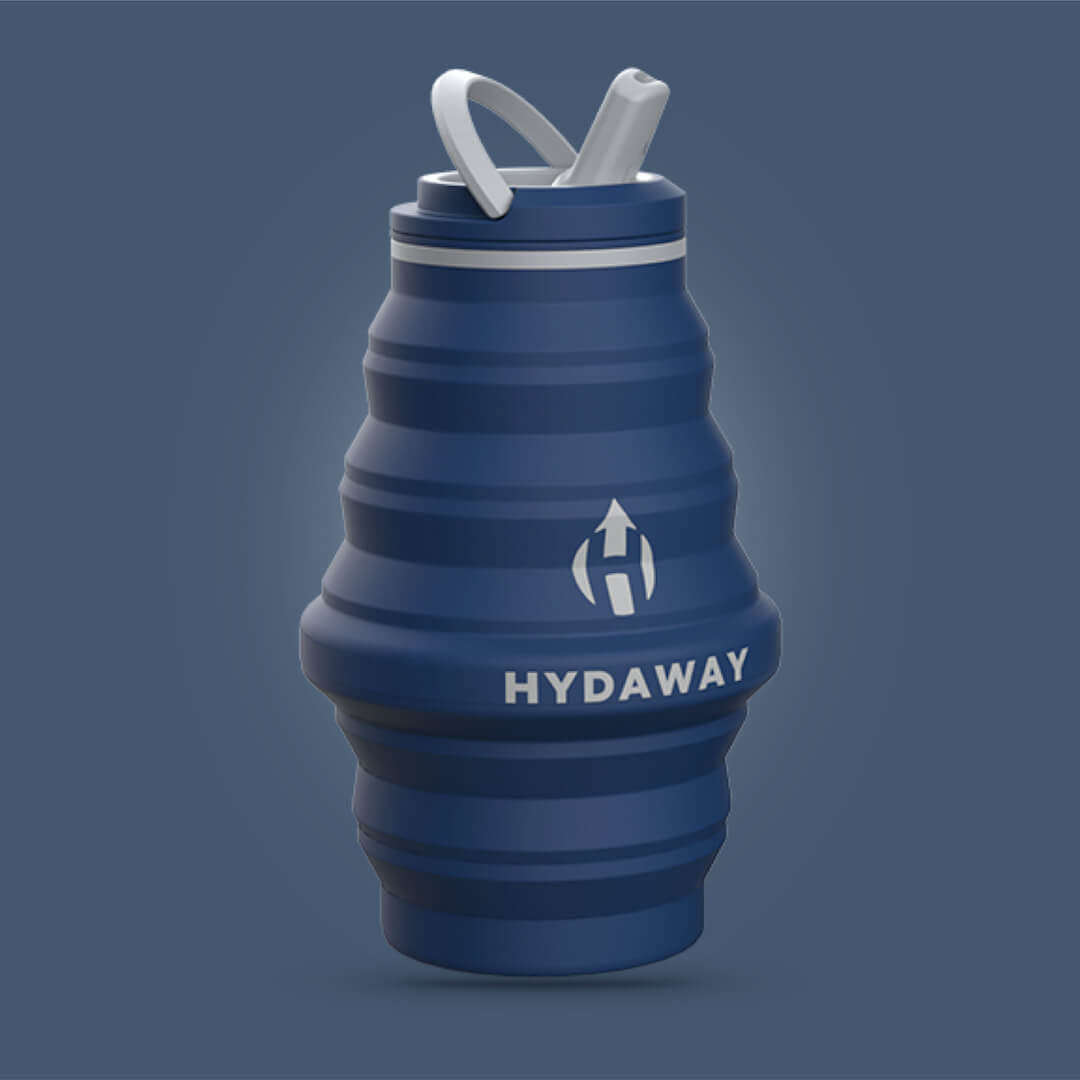
That's one reason packable options have become more interesting for frequent travelers. If bulk is your main complaint, a collapsible design can be a better fit than another rigid cup. For readers comparing shapes and travel-friendly formats, HYDAWAY's guide to the best travel water bottles is useful for thinking beyond raw capacity and focusing on what fits your routine.
Decoding Straw Designs and Materials
The straw changes the whole experience. It affects comfort, cleaning, durability, and what drinks the tumbler handles well. Water is easy. Iced coffee is forgiving. Smoothies, protein shakes, and milk drinks expose every weak point in a straw design.
Material changes the daily feel
Some people care most about taste. Others care about bite comfort or how easy the straw is to wash in a hotel sink. There isn't one right answer.
| Travel Tumbler Straw Comparison | |||
|---|---|---|---|
| Material | Pros | Cons | Best For |
| Silicone | Soft on teeth, flexible, comfortable for frequent sipping | Can feel less rigid, may need careful drying | Commuting, family use, all-day water drinking |
| Stainless steel | Durable, reusable, sturdy feel | Less forgiving on teeth, not ideal for everyone | Iced drinks, long-term reuse, people who want a more rigid straw |
| Plastic | Lightweight, familiar feel, simple to replace | Can feel less premium, varies a lot by design | Casual use, lighter carry, mixed household use |
Shape matters as much as material
A narrow straw is fine for water and cold brew. It's frustrating with thicker drinks. A straight straw is easier to brush clean. An angled one can be more comfortable while walking or driving.
When comparing straw setups, ask these questions:
- What do you drink most often. Water needs less from the straw than smoothies or iced lattes.
- Does the straw remove easily. If it doesn't, deep cleaning gets annoying fast.
- Are there hidden connectors or valves. Small parts can improve function but often add maintenance.
A lot of travel gear gets judged on first use. Straw tumblers get judged on the fifth use, when something smells off and you realize cleanup takes longer than expected.
Food-safe materials are worth understanding
If you use your tumbler daily, material quality matters. Silicone is common in travel gear because it's flexible and practical, especially in components that need to bend or collapse. If you want a plain-language explanation of what to look for, HYDAWAY's article on food-grade silicone is a good reference.
The easiest straw to live with is usually the one you can fully remove, rinse quickly, and inspect without guessing what's trapped inside.
For most travelers, the best straw isn't the fanciest one. It's the one that matches your go-to drink and doesn't punish you later at cleanup time.
The Traveler's Guide to Insulation and Leak-Proofing
Most buyers ask one question first and the wrong question second. They ask how long the tumbler keeps drinks cold or hot. They should also ask whether they'd trust it in a bag with electronics, a paperback, or a spare shirt.

A double-wall vacuum-insulated tumbler works by reducing heat transfer, and commercial products in this category commonly pair that design with about 5 to 6 hours of hot or cold retention. Just as important, some premium versions emphasize a sealed, spill-resistant lid, as described on this travel tumbler product page from HPG Brands.
What insulation does well
Insulation solves a real travel problem. You can fill your tumbler before leaving home and not feel rushed to drink it immediately. That matters on road trips, during airport delays, and on long workdays when your drink sits untouched for stretches.
But insulation gets over-marketed. A tumbler can hold temperature well and still fail as travel gear if the lid isn't secure enough for movement.
Splash-resistant is not the same as bag-safe
Many buying guides get fuzzy regarding this issue. A lid can resist sloshing in a car cup holder and still leak when tipped, shaken, or packed sideways.
Retail shopping pages for tumblers with straws show a wide range of lid styles, and they also reveal the key shopping problem: many straw openings aren't designed to be safely carried in a bag, even when the product is positioned for travel, as noted in Walmart's tumblers with straws shopping page.
Look for these differences:
- Open straw port means convenience first, carry confidence second
- Closable straw cover is better for active movement
- Sealed rotating or locking mechanism is the style to look for if the tumbler may spend time in a backpack
If your tumbler will ever ride next to a laptop, treat “spill-resistant” as a starting point, not a promise.
A quick visual explainer can help if you're comparing form factors and travel use:
How to test before you trust it
Don't wait for a full bag to find out the lid is weak. Test at home.
- Fill with water only the first time.
- Tip it over in the sink and hold it there briefly.
- Shake it gently with the lid fully closed.
- Lay it on a towel for a short period and check for seepage around the straw opening and seals.
That five-minute test tells you more than marketing copy will. For actual travel, that's the difference between a reliable companion and something you only trust upright.
Cleaning and Maintaining Your Tumbler on the Go
A reusable cup earns its place when cleanup is easy. If cleaning feels fiddly, people stop using the tumbler or tend to reserve it for water only. That's usually not a material problem. It's a design problem.
One of the most overlooked realities of straw tumblers is maintenance. Extra parts like straws and silicone seals add friction, and that friction can be enough to make people abandon the product, as highlighted on Package Free's tumbler with straw page.
Keep the routine simple
Travel cleaning doesn't need to be perfect. It needs to be repeatable.
A practical daily routine looks like this:
- Rinse quickly after sweet drinks so residue doesn't dry inside the straw
- Separate removable parts early instead of waiting until buildup hardens
- Air-dry with the lid off whenever possible to reduce stale odor
- Use a small straw brush if your drink rotation includes smoothies, milk drinks, or coffee with add-ins
Match cleaning effort to what you drink
Water is low-maintenance. Coffee leaves oils. Smoothies leave texture. That's why the “best” tumbler depends partly on your beverage habits.
If you mostly drink plain water, a more complex lid may be acceptable. If you rotate between iced coffee, protein shakes, and flavored drinks, choose the design with fewer hidden grooves and easier disassembly.
Buy for the cleanup, not just the first sip. A tumbler that's annoying to wash won't stay in your routine for long.
On-the-go fixes that actually help
When you don't have a full kitchen, keep it basic:
- Hotel rinse: hot water, a little dish soap, vigorous shake, then rinse thoroughly
- Road trip reset: rinse at fuel stops before residue sits for hours
- Camping workaround: dedicate the tumbler to one drink type for the trip instead of switching from coffee to smoothies to electrolyte mix
The easiest long-term win is choosing a tumbler with parts you can see, reach, and dry without guesswork. Fancy features are easy to like on day one. Simple construction is what keeps a tumbler usable on day fifty.
How Collapsible Tumblers Redefine Travel Hydration
Rigid tumblers solve temperature problems but create a space problem. When they're empty, they still take up the same room in your tote, carry-on, or daypack. That's fine at home. It's less fine when every inch in your bag matters.

That's why collapsible drinkware is such a useful shift for travelers. It addresses the annoying part of traditional tumblers that most reviews skip over. Empty-bag bulk. If your day includes airport security, a train ride, a museum, and a long walk back to your hotel, packability matters almost as much as sipping comfort.
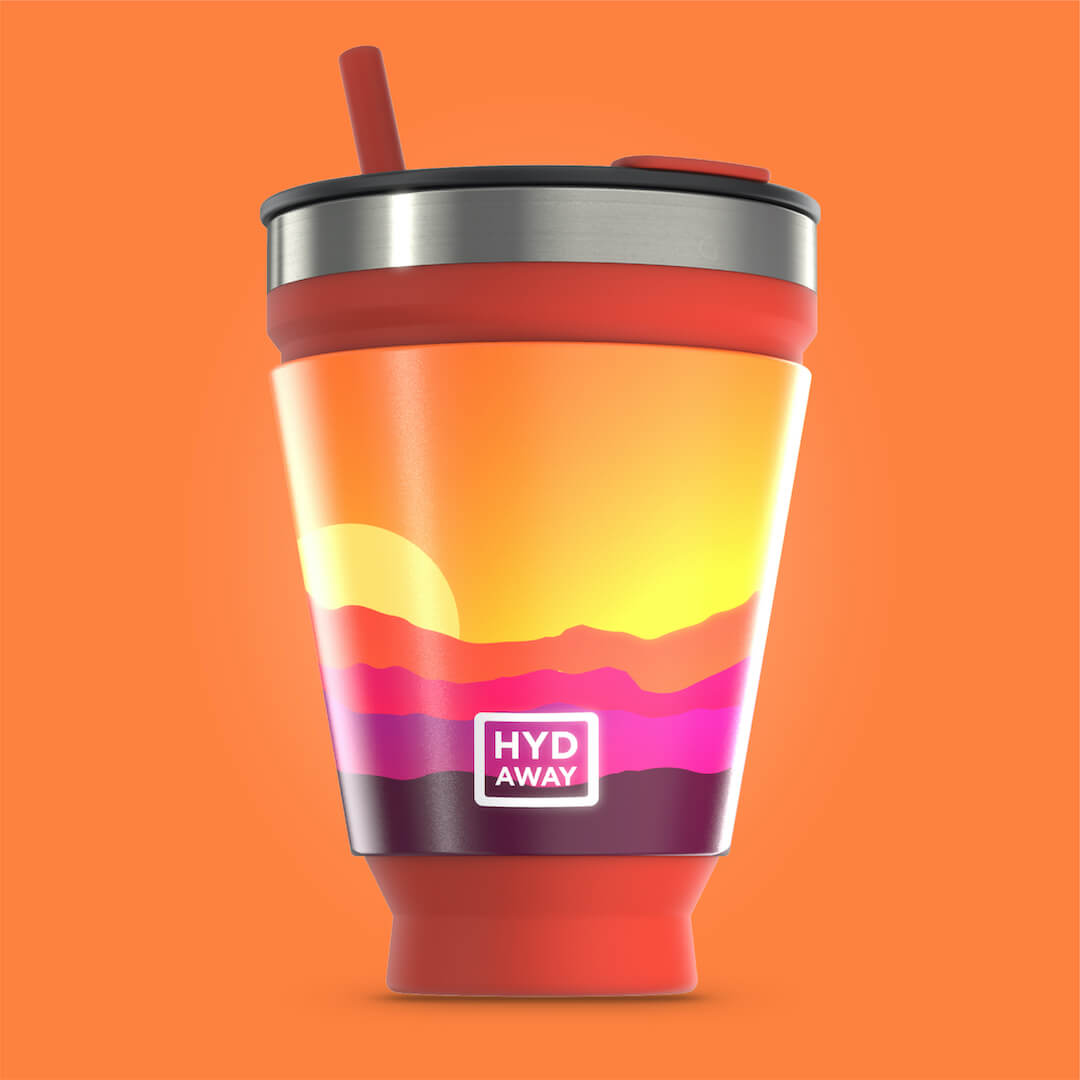
A collapsible tumbler makes the most sense for people who carry gear all day and don't want dead space taken up by an empty cup. That includes commuters, families at theme parks, van-lifers, and travelers trying to keep a personal item light and flexible. For a closer look at how this format works in practice, HYDAWAY's piece on the collapsible travel cup is a useful starting point.
Its appeal is simple. You use the tumbler when you need it, then shrink the footprint when you don't. That's a very different experience from lugging around a rigid container just because you might want another drink later.
Frequently Asked Questions About Travel Tumblers
Are straw tumblers good for hot drinks
They can be, but comfort depends on the lid and straw setup. Some people prefer a direct-sip opening for hot coffee and use the straw mainly for cold drinks. If you switch between both, a hybrid lid is often more practical than a straw-only design.
Can I throw a travel tumbler with straw into my backpack
Sometimes. Don't assume yes. It depends on whether the straw opening seals and whether the lid is meant for horizontal carry. Test it with water at home before trusting it around electronics or clothing.
What size should I buy for travel
Choose based on the longest stretch of your day, not your biggest possible thirst. A smaller or mid-size tumbler usually travels more gracefully. Larger models are useful when refill access is limited.
What's the easiest tumbler to keep clean
Usually the one with the fewest parts, the widest access for rinsing, and a fully removable straw. If you drink anything besides water, easy disassembly matters more than flashy extras.
Is a collapsible tumbler worth it
Yes, if your main frustration is carrying an empty rigid cup. It's especially useful for flights, day trips, commuting, and minimalist packing. If your tumbler spends most of its life on a desk, the advantage is smaller.
If you want drinkware that takes up less space in real life, not just in product photos, take a look at HYDAWAY. Its collapsible approach fits travelers, commuters, and everyday carry setups that don't have room for one more bulky item.