


Washing Camelbak Bladder: Prevent Mold, Stay Hydrated

You get back to a hostel late, rinse off in a sink the size of a cereal bowl, and realize your CamelBak bladder still needs attention before a 6 AM bus. Or you pull a reservoir from a van drawer after a week of dusty roads and find the tube still damp because nothing really dries in a humid rig. That is the moment this guide is built for.
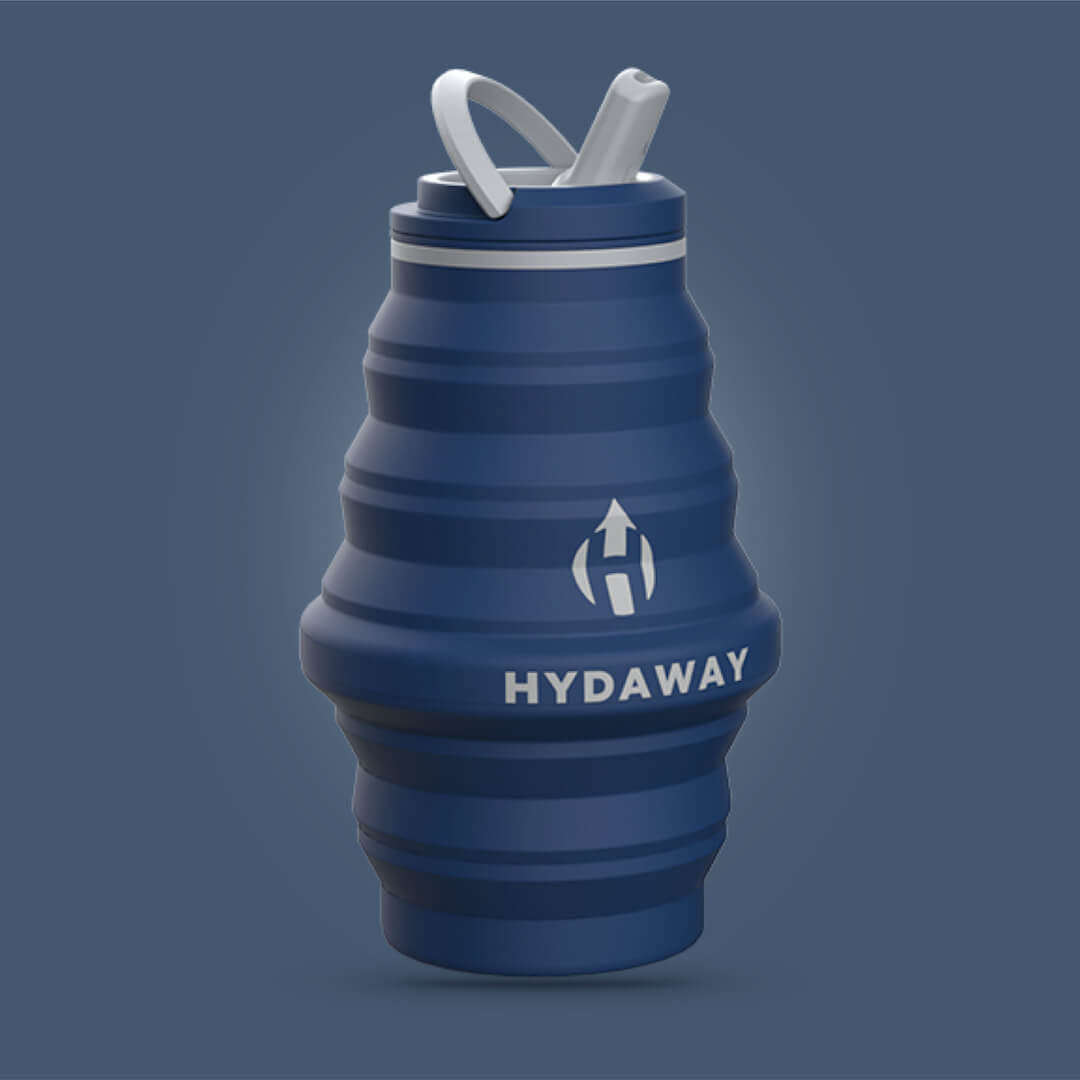
A neglected bladder tastes bad, smells worse, and can ruin confidence in the one piece of gear meant to keep you moving. The problem gets trickier with travel and collapsible kits. A rigid bottle can sit open on a rack at home. A hydration reservoir, a rolled-up HYDAWAY bottle, and a bite valve stuffed into a packing cube hold moisture in folds, seams, and small parts long after they look empty.
Washing camelbak bladder systems does not need a big home setup or a perfect drying station. It does need a routine that fits real trips. The best approach is simple: clean it fast after use, dry it fully even in tight quarters, and store it in a way that does not punish you when the next hike, flight, or desert crossing comes up.
I have found that drying is usually the part people underestimate. In a garage at home, you can leave a bladder open overnight and call it good. In a humid motel room, a camper drawer, or a one-bag travel setup, you need a smarter method or the moisture stays trapped. That is why this guide pays as much attention to drying and storage as it does to soap, tablets, and brushes.
That Forgotten Bladder in Your Pack
The classic mistake is simple. You finish a hot hike, toss your pack in the trunk or gear bin, and tell yourself you’ll rinse the bladder tomorrow. Then work gets busy, weather changes, or travel starts. A week becomes a month.
When you finally find it again, the problem usually shows up in one of three places. The reservoir smells stale, the tube looks suspicious, or the bite valve has that faint funk that makes you second-guess every sip. None of that is rare. Reservoirs stay dark, enclosed, and damp, which is exactly why they get gross faster than a hard bottle sitting open on a drying rack.
Why this happens so easily
A hydration bladder is convenient because it hides in your pack and feeds water through a tube while you move. That same design also traps moisture in seams, corners, tubing, and valves. If you’ve ever used drink mix, electrolytes, juice, or anything besides plain water, residue sticks around longer.
A bladder can look empty and still be wet enough inside the tube and mouthpiece to cause problems.
That’s why washing camelbak bladder gear should be treated more like caring for a piece of backcountry equipment than rinsing a cup in the sink. If you’d clean your cook pot after a trip, clean your hydration system too.
The payoff for doing it right
A clean bladder tastes better, lasts longer, and doesn’t surprise you the night before a flight, trail race, or weekend in the desert. It also saves you from emergency scrubbing in a motel bathroom or campground sink when you should be packing food and checking maps.
For people who travel often, that matters. The less time you spend rescuing neglected gear, the more often your setup is ready when a spontaneous hike, long drive, or airport-to-trail day opens up.
Gathering Your Cleaning Arsenal
This part is often overcomplicated or underprepared for. You don’t need a lab bench. You need a few purpose-built tools and one or two cleaning agents you trust.

What actually earns a place in your kit
A good reservoir cleaning kit does most of the heavy lifting. The useful pieces are:
- A large reservoir brush for corners, seams, and the broad inner surfaces.
- A narrow tube brush that can pass through the hose instead of just flushing it.
- A small brush for the bite valve and cap parts where residue likes to hide.
- A drying frame or hanger that keeps the bladder open while it air-dries.
If you want a ready-made setup, start with a dedicated hydration bladder cleaning kit. The main advantage isn’t convenience alone. It’s that the right brush size reaches the spots your fingers can’t.
Cleaning agents worth keeping around
You don’t need five products. You need the right match for the situation.
| Cleaner | Best use | Trade-off |
|---|---|---|
| Mild dish soap | Routine cleaning after normal water use | Won’t do as much for stubborn odor on its own |
| Cleaning tablets | Deep cleaning, odor, flavored drink residue | Costs more than pantry options |
| Baking soda | Neutralizing odor, gentle deep clean | Needs rinsing and brushing to finish the job |
| White vinegar | Mineral scale and periodic maintenance | Smell lingers if you rush the rinse |
| Dilute bleach | Last-resort mold response | Must be used carefully and rinsed thoroughly |
A practical DIY backup
If you’re on the road and don’t have a full kit, use what’s safe and simple:
- Bottle brush substitute if it fits without scraping the material
- Clean chopstick or utensil handle to help hold the bladder open while drying
- Paper towels to wick moisture from corners before air-drying
- Mild soap only, not harsh degreasers or scented cleaners
Field rule: If a tool leaves scratches, fuzz, or strong fragrance behind, it doesn’t belong inside a hydration bladder.
The point of building this kit once is that you’ll stop improvising badly. Most cleaning failures aren’t from lack of effort. They come from not brushing the tube, not opening the reservoir to dry, or using the wrong cleaner for the mess.
The Five-Minute Post-Hike Habit
You get back to camp after dark, toss the pack in the cargo area, and tell yourself you’ll clean the bladder in the morning. Then morning becomes a drive day, the pack stays zipped, and two days later your first sip tastes stale. That’s how a simple rinse turns into a real cleaning job.
The fix is a five-minute habit done while you’re already unloading gear. It matters even more for travelers, overlanders, and anyone carrying collapsible gear. Soft reservoirs and compact bottles dry slower when they’re stuffed into drawers, bins, or seat-back pockets, so a quick post-hike clean saves trouble later.
The routine that keeps trouble small
After any hike, ride, or airport-to-trail transfer, do this before the bladder goes back in the pack:
- Empty it completely. Leftover water gets musty fast in a warm vehicle or tent.
- Add warm water and a drop of mild soap. You only need enough water to move through the reservoir well.
- Shake with purpose. Work the soapy water into the corners, folds, and top seam.
- Run that water through the tube and bite valve. If the hose stays wet but unflushed, the next drink will tell on you.
- Rinse until there’s no soap taste. Send clean water through the tube too.
- Start drying right away. Prop the bladder open, even if you only get partial airflow before bed.
That’s the whole job.
If you use only plain water, this routine usually keeps the bladder in good shape between deeper cleans. If you use electrolyte mix, flavored tablets, or anything sugary, clean it the same day. Waiting overnight is where residue starts to cling.
Why this habit works on the road
Back home, you can spread gear across a counter and let everything air out. On the road, space works against you. A hydration bladder gets shoved into a roof box, clipped inside a daypack, or rolled next to collapsible gear like a HYDAWAY bottle. Moisture lingers in folds and low spots, especially when you break camp early.
That is why the fast wash matters. You are removing the stuff that feeds odor before it settles into the tube, valve, and seams.
There’s a second benefit. You stay trip-ready. A clean reservoir packed the night before means one less chore at the trailhead, campsite, or hostel sink.
The spots that get skipped
The tube is the first miss. Plenty of hikers rinse the bladder body, leave the hose alone, and wonder why the water tastes off on the next outing.
The bite valve is the other one. It collects saliva, dust, and drink residue, especially on travel days when packs get tossed onto dirty surfaces. Pinch and flush it every time.
If you travel often, it also helps to keep a small backup of hydration bladder cleaning tablets for travel kits. They are handy when you miss a wash window and need a reset without carrying a full cleaning setup.
One more practical crossover from vehicle travel. If you already have a habit of sanitizing an RV water system, use that same mindset here. Clean water gear stays clean when you deal with residue early, not after the smell shows up.
Five minutes after each use keeps the bladder fresh, easier to dry in tight quarters, and ready for the next start before sunrise.
A Guide to Deep Cleaning Methods
A quick rinse handles yesterday’s water. A deep clean fixes the reservoir you forgot in a duffel after a red-eye flight, the one that carried electrolyte mix across three hot travel days, or the bladder that sat half-full in a van cubby while you chased weather.

Deep cleaning has three jobs. Break up residue, clean the hose and bite valve, and leave the reservoir easier to dry in cramped places. That last part matters more for travelers and overlanders than many guides admit. If you are cleaning gear in a motel bathroom or at a camp sink, you need a method that works without a full drying rack and a sunny backyard.
Method one with commercial cleaning tablets
Cleaning tablets are the simplest reset when the bladder tastes off, smells stale, or has carried anything besides plain water. They are compact, easy to pack, and predictable. That makes them a strong travel option, especially for collapsible gear with folds and corners that are harder to scrub thoroughly on the road.
The basic process is straightforward. Fill the reservoir with warm water, add the tablet, run some solution through the tube, let it soak, then scrub and rinse well. Follow the product directions for soak time and water volume.
Use tablets when:
- The bladder came out of storage smelling closed-up
- You used sports drink, juice, or flavored mixes
- You need a reset during a long trip
- You want a low-mess option in a small space
The trade-off is cost. Tablets are easy to carry and hard to mess up, but they are not the cheapest route for frequent cleaning. For travel kits, I still like having a few on hand because they save time and guesswork. This guide to hydration bladder cleaning tablets for travel kits is a good place to compare options.
Method two with baking soda
Baking soda is a practical middle ground. It is cheap, easy to find in any grocery store, and useful when the bladder smells stale but is not visibly grimy.
Mix baking soda with warm water, fill the reservoir, and work the solution through the hose. Let it sit for a while, then brush the bladder body, tube, and bite valve before rinsing thoroughly. If any film remains, follow with a mild soap wash.
This method works well for travelers because the supply list is short and the cleanup is simple. The weak point is that it can knock back odor without fully removing residue in the tube or valve. If you stop once the smell improves, the bad taste often comes back on the next fill.
Method three with soap and hand washing
Mild dish soap and warm water are still the baseline deep-clean method for plain-water users. It is cheap, available almost anywhere, and effective if you scrub the parts that trap buildup.
Pay attention to the hose, the bite valve, and the seam areas inside the reservoir. Those are the parts that keep flavor and funk alive after a lazy wash. A reservoir brush helps, but even a careful hand wash does the job if you are thorough and rinse until no soap taste remains.
Be cautious with dishwasher advice. Some hikers get away with it on certain products, but heat and aggressive cycles can shorten the life of soft materials, fittings, and printed coatings. Hand washing is the safer bet if you want the reservoir to last through a full season of trips.
Which method makes sense on the road
A simple comparison helps:
| Method | Best for | Weak point |
|---|---|---|
| Tablets | Travel resets, post-storage cleaning, flavored drink residue | Higher ongoing cost |
| Baking soda | Stale smell and light residue | Needs brushing and a careful rinse |
| Soap and hand wash | Regular deep maintenance | Can struggle with stubborn odors |
For overlanders, the bigger lesson is familiar. Water gear needs the same discipline as the rest of your system. If you already have experience sanitizing an RV water system, the mindset carries over well. Clean early, clean thoroughly, and do not leave damp gear sealed up after the job.
Use soap for routine deep maintenance, baking soda for light funk, and tablets when you need a reliable full reset away from home.
Mastering the Art of Drying and Storage
You finish a long day on trail, roll into a cramped motel or a dusty camp, rinse the bladder, and toss it back in the pack because morning comes early. That is how clean reservoirs turn sour.

Drying is the part that decides whether your next fill tastes fresh or like old plastic and mildew. On the road, it matters even more. Travelers, overlanders, and anyone using collapsible gear do not always have a big kitchen rack or a sunny laundry room. You get a sink, a hook, maybe a breeze through a cracked window. The method has to work in tight quarters.
How to dry it so it actually stays clean
Take the system apart as far as your model allows. Reservoir, hose, bite valve, cap. Shake out the easy water first, then deal with the hidden water that sits in folds, corners, and the valve.
I use a simple sequence that travels well:
- Disconnect the tube and remove the bite valve if your model allows it
- Drain from the lowest point
- Wick out pooled water with a clean paper towel
- Prop the reservoir open with a dryer, whisk, or clean hanger
- Hang it where air moves
- Leave parts separated until fully dry
The propping step matters. A bladder that looks open can still hold moisture where the walls touch. For collapsible systems, this is the usual failure point because soft materials fold back onto themselves so easily.
Tight-space fixes for travel days
A hotel bathroom, van galley, or camp kitchen changes the routine. Drying flat on a counter rarely works. Hang the reservoir vertically from a towel bar, headrest, or cargo hook so gravity helps pull water out. Clip the hose separately and let it hang straight. If space is really limited, run a clean paper towel corner through the opening to wick moisture while the bladder hangs.
For travelers who pack collapsible bottles and reservoirs together, clean storage matters just as much as drying. These water bladder storage habits are especially useful when your gear lives in drawers, roof boxes, or a crowded duffel between stops.
Here’s a simple visual refresher for the drying part:
The freezer trick and when to use it
As noted earlier, CamelBak recommends freezer storage for a clean, dry reservoir during longer breaks between uses. It is a smart option if you travel seasonally, store gear in a humid rig, or know the bladder may sit untouched for weeks.
Use the freezer when:
- You won’t use the bladder for a while
- Your home base is humid
- You’ve deep-cleaned and want to preserve that work
- You tend to forget gear between outings
Only freeze it after it is fully dry. Freezing slows problems down. It does not fix trapped moisture.
One more practical point. If you use flavored mixes, clean and dry with even more discipline because sweet residue lingers in the tube and valve. Choosing simpler drink mixes can make maintenance easier on long trips. If you want options, take a look at electrolytes for clean hydration.
If you would not pack a damp tent for a week in the back of the truck, do not store a damp reservoir in a cabinet, drawer, or freezer.
Banishing Stubborn Mold and Odors
You unzip the pack the night before a drive into canyon country, pull out the reservoir, and get hit with that swampy smell. At that point, speed matters, but so does judgment. Some bladders clean up well. Some are telling you they are done.

What to try first
Start with the least aggressive fix that has a real chance of working. Scrub visible spots with a soft brush and a baking soda paste. Then wash the full system with warm water and mild soap, flush the tube, clean the bite valve, and rinse until there is no residue left.
If the smell is stronger than what you can see, treat the tube and valve like the main problem. In my experience, that is where funk hangs on, especially after a long road trip when the bladder was stuffed half-dry into a drawer or gear bin.
For heavier contamination, some hikers use a very diluted bleach rinse or a baking soda soak, followed by repeated rinsing and a full dry-out. Use bleach carefully. Keep it weak, keep the contact time short, and do not use it as a routine cleaner. It is a salvage move.
For van-lifers, overlanders, and humid stops
Travel changes the cleaning equation. A reservoir sitting in a cool gear room at home is one thing. A collapsible bladder packed into a cabinet in a van, wedged behind recovery gear, or folded into a duffel after a ferry crossing is another.
Humidity, poor airflow, and tight storage make mold and odor more likely to come back. That is why travelers do better with quicker intervention. Clean at the first sign of odor, dry the tube separately if you can, and avoid sealing the bladder away until you are sure the inside is dry.
This matters even more with collapsible gear, including HYDAWAY-style bottles and reservoirs, because flexible walls and compact shapes are great on the move but less forgiving when moisture gets trapped in folds.
Vinegar rinses can help with lingering smells between full cleanings, especially when you are working out of a campsite sink or a hostel bathroom and want a lower-impact option. They are better for odor control than heavy mold removal. If you see black or pink growth that keeps returning after a proper cleaning, replacement is the smarter call.
When flavor is the problem
A lot of “mystery odor” is old drink mix. Sweetened powders and flavored electrolytes leave film in the tube and bite valve, and that film turns a small cleaning miss into a bigger one fast.
If you use mixes regularly, simpler formulas make cleanup easier on the road. This guide to electrolytes for clean hydration is a useful place to start if you want less residue in your water gear.
Retire the bladder when cleaning no longer restores trust. If the tube stays cloudy, the inside still feels slick after washing, or the odor returns right away, do not gamble on it before the next trip.
If you care about space-saving gear that’s easier to live with between trips, take a look at HYDAWAY. Their collapsible travel and hydration gear is built for people who want less bulk, simpler cleanup, and more room for the next adventure.