


No Cook Backpacking Food: Lighten Your Pack and Simplify Your Meals

No-cook backpacking food is a game-changer for hikers who want a simpler, lighter way to eat on the trail. It's all about preparing meals by just adding cold water or eating them as-is. Think instant mashed potatoes, couscous, dried fruits, nut butters, and cured meats—all without ever needing a stove, fuel, or pots. For hikers who value efficiency and simplicity above all else, this approach is a revelation.
Why Go No Cook on the Trail

Picture your pack feeling noticeably lighter, your days on the trail feeling longer, and your camp setup becoming refreshingly simple. That’s the real promise of a no-cook backpacking strategy, and it’s why more and more hikers are happily leaving their stoves at home. The perks go way beyond just convenience; they can fundamentally improve your entire experience out there.
The most immediate win is the weight savings. By ditching a clunky stove, fuel canisters, and cookware, you can easily shave 2-3 pounds from your base weight. Think about it: every pound off your back is extra energy you have for the miles ahead. That translates directly into less fatigue on those steep climbs and more stamina to push for that extra viewpoint at sunset. If you're serious about lightening your load, our ultralight backpacking gear list has even more tips.
Save Time and Boost Efficiency
Beyond the weight, think about the incredible amount of time you’ll get back. The whole nightly ritual of setting up a stove, waiting for water to boil, cooking, and then scrubbing pots in the dark? It gets replaced by a process that takes just a few minutes. With a no-cook meal, you pretty much just add water and eat.
A no-cook approach isn't just about what you leave behind; it's about what you gain. More time to watch the sunset, an earlier start in the morning, and the freedom to camp wherever you find a flat spot, not just where it’s convenient to cook.
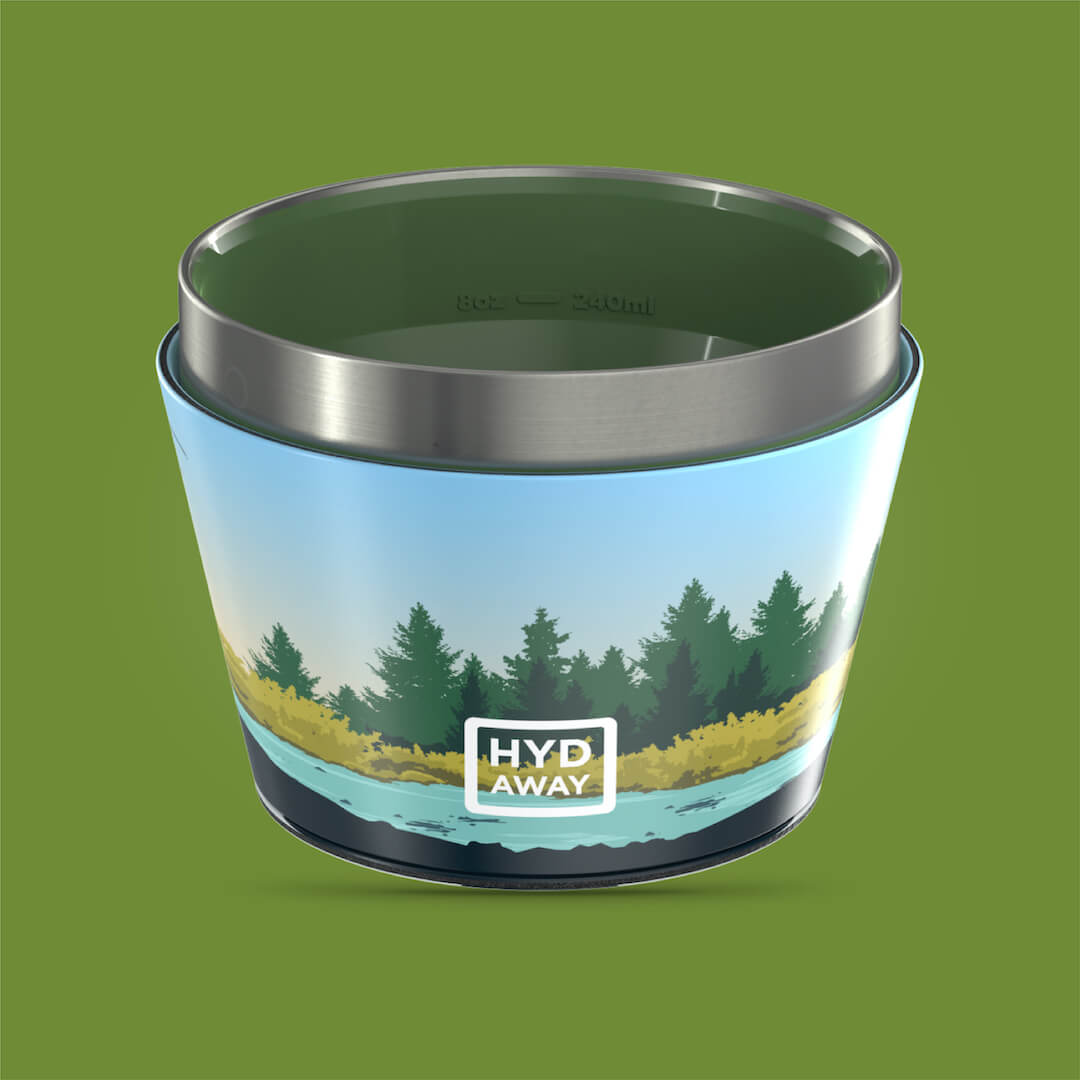
This efficiency means you can even “cook” dinner while you’re still hiking. For instance, you could add cold water to your couscous in a HYDAWAY Insulated Food Bowl in the afternoon. Its secure, leak-proof lid means no spills in your pack, and by the time you roll into camp, dinner is fully rehydrated and ready to go. Imagine finishing the last mile knowing your meal is already prepared—it's a practical way to streamline your camp chores and get to relaxing faster.
Enhance Safety and Environmental Responsibility
Going no-cook also has some serious safety and environmental upsides. With wildfire risk becoming a bigger and bigger concern—especially with widespread fire restrictions predicted for dry seasons—going stoveless completely eliminates the danger of an open flame. In many dry, fire-prone areas, a no-cook plan isn't just a choice—it’s a necessity.
This approach also cuts down on waste. By pre-portioning your meals at home and using reusable containers like HYDAWAY’s collapsible bowls and bottles, you massively reduce packaging trash. It’s a simple but powerful way to practice Leave No Trace principles and become a better steward of the beautiful backcountry trails we all love to explore.
The Real Benefits of a No Cook Strategy
Going stoveless isn't just some niche trend for hardcore ultralighters. It's a game-changing strategy with real-world advantages for any hiker. The most immediate benefit is one you’ll feel in your legs and back with every single step: a lighter pack. When you ditch the stove, fuel canister, and pot, you can easily shed 2-3 pounds from your base weight.
That might not sound like a lot, but your body will notice. A lighter load means less strain on your joints, more gas in the tank for those tough climbs, and more energy to push for that stunning alpine lake you've been dreaming about. It's a simple formula: less weight equals more freedom on the trail.
Ultimate Trail Efficiency
The next big win is all about time. A traditional camp cook-up, from pulling out the stove to scrubbing the last bit of food off your pot, can easily chew up 30-45 minutes. With no cook backpacking food, your "kitchen time" drops to five minutes, tops. Just add water, give it a stir, and you’re eating.
Think about what you could do with all that extra time. Get an earlier start to beat the afternoon sun? Take a longer, guilt-free nap by a river? Or just sit back and actually watch the sunset instead of fussing with your stove? That efficiency is a true backcountry luxury.
The whole point is to trade chores for experiences. Instead of scrubbing a pot in the dark, you’re free to be present—journaling, stargazing, or simply putting your feet up.
Here’s a practical tip you can use on your next trip: a few hours before you plan to make camp, just add water to your couscous or refried beans inside a HYDAWAY Insulated Food Bowl. The leak-proof lid keeps it secure in your pack while the food rehydrates on the go. When you finally drop your pack, a ready-to-eat meal is waiting for you, helping you act on your need for a quick, effortless dinner after a long day.
Flexibility and Essential Safety
A no-cook meal plan also gives you incredible flexibility. You're no longer tied to specific spots that are safe or convenient for operating a stove. Suddenly, any relatively flat spot can be your kitchen, opening up a whole new world of campsite possibilities.
This is a huge deal in areas with fire restrictions, which are becoming more and more common. With fire bans impacting a high percentage of wilderness areas during peak season, going stoveless isn't just a convenience—it's often a necessity. Considering that a significant number of recent wildfires were human-caused, leaving the stove at home is a responsible choice that helps protect the wild places we all love. This shift is clear in the market, with no-cook options fueling a booming industry expected to hit $466 million by 2032. Hikers are choosing these foods for their simplicity and safety. You can get more details from this in-depth market analysis.
At the end of the day, a no-cook strategy just makes everything simpler. It means:
- No fuel calculations: Never again will you stress about your canister running dry two days before a resupply.
- No stove maintenance: Forget about clearing clogged fuel lines or wrestling with a finicky ignitor in the cold.
- Less mess and cleanup: With no pots to scrub, you use less precious water and spend less time on camp chores.
- Simpler resupplies: For thru-hikers, this means lighter, easier-to-pack resupply boxes.
This approach gives you the freedom to truly hike your own hike, letting you focus on the trail ahead instead of the logistics of your next meal.
Fueling Your Body for the Trail
Going stove-free on the trail is all about smart nutrition. A successful no cook backpacking food strategy isn't just about grabbing a few granola bars, but understanding how that food powers your body over miles of tough terrain.
Think of yourself as a high-performance engine on a long-haul journey. You wouldn’t put junky fuel in a race car, and the trail demands the best you can give it.
Most hikers will burn anywhere from 3,000 to 5,000 calories a day. Sometimes even more, depending on how gnarly the trail gets. To carry that much energy without your pack feeling like a bag of bricks, you need to focus on calorie density. The magic number most backpackers aim for is 100-125 calories per ounce of food. Nailing this is the secret to a food bag that’s both ultralight and packed with power.
Understanding Your Macronutrients
Your trail fuel is broken down into three main sources: carbohydrates, fats, and proteins. Each one plays a totally different, but equally critical, role in keeping your internal engine humming from sunrise to sunset.
-
Carbohydrates: The High-Octane Fuel Carbs are your body's go-to for quick energy. They deliver that instant boost you need for a steep climb or a long, grueling afternoon. Skimp on carbs, and you'll feel sluggish and hit that dreaded wall. Think of them as the rocket fuel for immediate get-up-and-go. Great no-cook sources are things like dried fruits, crackers, tortillas, and granola.
-
Fats: The Long-Haul Endurance Fuel Fat is the most calorie-dense nutrient you can carry, packing more than twice the energy of carbs or protein by weight. This makes it an ultralight backpacker's absolute best friend. Fats are your slow, steady-burning diesel fuel for the long haul, keeping you moving for hours. Foods loaded with healthy fats include nuts, seeds, nut butters, olive oil, and cured meats like salami or pepperoni.
-
Protein: The Engine Repair Crew After a tough day on the trail, your muscles are full of microscopic tears. Protein is the essential building block that acts like an overnight repair crew, rebuilding and strengthening those muscles so you can wake up ready to do it all again. It's absolutely crucial for fighting off fatigue and preventing injuries. Nuts, seeds, jerky, hard cheeses, and protein powders are all fantastic no-cook options. Including a variety of high-protein hiking snacks is a great way to keep your energy and repair systems firing on all cylinders.
Building a Balanced No-Cook Meal Plan
A solid no-cook menu isn't just a random assortment of snacks. It’s about mindfully combining these macronutrients into balanced meals that keep you energized all day long.
Think of each meal and snack as a chance to refuel. A quick handful of nuts (fat and protein) paired with some dried mango (carbs) is a perfect mini-meal that provides both immediate and sustained energy.
This infographic really nails the core benefits of leaving the stove at home and simplifying your trail kitchen.

When you ditch the cooking gear, you're rewarded with a lighter pack, more time to soak in the views, and peace of mind in fire-prone areas.
A perfect real-world example of this is cold-soaking. You can combine instant mashed potatoes (carbs) with a good glug of olive oil (fat) and some jerky bits (protein) in a HYDAWAY Insulated Bowl. Just add water in the afternoon, stash it in your pack, and by the time you make camp, you’ve got a complete, calorie-dense meal ready to eat. It’s a game-changer for hikers who want a practical way to ensure a nutritious dinner is ready the moment they stop.
Your No Cook Backpacking Pantry

Putting together a no-cook backpacking pantry is a lot like building a fantasy sports team. You need star players for every position to create a winning combination. If you think going stoveless means you're stuck with nothing but granola and jerky for days on end, think again. Your local grocery store is packed with lightweight, calorie-dense foods that can make no-cook trail life surprisingly delicious.
The secret is to stop thinking about individual meals and start thinking in categories: breakfast, lunch, dinner, and snacks. When you stock up with a few options from each group, you can mix and match on the fly, keeping your menu interesting and avoiding that dreaded trail food fatigue. This approach simplifies your shopping list and guarantees you’ll have a balanced and satisfying menu for your whole adventure.
Power Up Your Mornings
Trail breakfasts need to be two things: fast and full of calories. You want to get moving, not stand around fussing with a meal. The goal is to get a quick hit of carbs for immediate energy, plus some fats and protein to keep you going until your first break.
- Instant Oats or Grits: A trail classic for a reason. Just add cold water and a scoop of powdered milk or protein powder, give it a stir, and let it sit for a few minutes. Toss in some dried fruit and nuts for a boost of flavor and calories.
- Granola or Cereal: This is as easy as it gets. Pair it with powdered whole milk or NIDO (which is extra creamy and fatty), and you're good to go. I always look for granola loaded with nuts and seeds to maximize calorie density.
- Breakfast Bars and Pop-Tarts: Seriously, don't knock the humble Pop-Tart. They're packed with simple carbs and are ready to eat right out of the wrapper—perfect for those mornings you want to be on the trail before the sun is even up.
The appeal of these easy, lightweight options is catching on. The market for dehydrated backpacking and camping food hit USD 3.5 billion in 2023 and is on track to reach a massive USD 6.5 billion by 2033. It’s clear that more and more hikers are swapping heavy cookware for no cook backpacking food that just needs a splash of water to come to life. You can see the full story on the explosive growth of the dehydrated food market.
Midday Fuel for the Trail
Lunch is usually an on-the-go affair or a quick stop, so it has to be easy to assemble and eat without making a huge mess. This is where those high-calorie, ready-to-eat foods really prove their worth.
Think of your lunch as a collection of high-energy building blocks you can throw together in different ways.
- Wraps and Tortillas: These are the backcountry’s best friend. They’re way more durable than bread, they don't get squished into oblivion in your pack, and they make the perfect edible container for all your fillings.
- Spreads: Those little single-serving packets of peanut butter, almond butter, Nutella, and even cream cheese are gold. They provide a fantastic base of fats and protein to keep you chugging along.
- Meats and Cheeses: Hard salamis, pepperoni, and jerky are shelf-stable and bursting with flavor and protein. For cheese, stick to hard varieties like cheddar or parmesan, which can easily last for days without refrigeration. A classic salami and cheese tortilla is a hiker favorite for a reason!
Effortless Dinners with Cold Soaking
Dinner is your reward for a hard day's work on the trail—a chance to refuel and recover. This is where the magic of cold soaking really shines. Using a secure, wide-mouthed container, you can "cook" a delicious meal while you're still hiking the last couple of miles to camp.
The HYDAWAY 22oz Insulated Food Bowl is perfect for this. Its secure, leak-proof lid gives you the confidence to toss it in your pack without worrying about spills. Simply add your dry ingredients and water in the afternoon, and by the time you arrive at camp, a fully prepared dinner is waiting for you. This directly helps you act on your need for a simple, satisfying meal without any hassle at the end of a tiring day.
Here are a few of my go-to options for cold-soaked dinners:
- Instant Mashed Potatoes: Rehydrate with cold water, then stir in a glug of olive oil, some bacon bits, and cheese powder. It’s a savory, comforting meal that hits the spot.
- Couscous or Ramen: You'd be surprised how well these rehydrate in cold water. Add a bouillon cube or a soy sauce packet for flavor, along with some dehydrated veggies and a protein.
- Instant Refried Beans: Just mix with water until it's the consistency you like. You can scoop it up with corn chips or roll it into a tortilla for a hearty, protein-packed feast.
To really level up your meal prep, check out our guide on using collapsible silicone food containers on the trail. They're a total game-changer for keeping your no-cook backpacking food organized and easy to enjoy.
Sample 3-Day No Cook Backpacking Meal Plan
To give you a clearer picture of how this all comes together, here’s a sample menu. This plan shows how you can mix and match pantry staples for a varied, calorie-dense diet that requires zero cooking.
| Meal | Day 1 | Day 2 | Day 3 |
|---|---|---|---|
| Breakfast | Granola with NIDO powdered milk and dried berries. | 2 Pop-Tarts and a handful of almonds. | Cold-soaked instant oats with peanut butter powder and chia seeds. |
| Lunch | Salami and cheddar cheese wrapped in a tortilla. | Tuna salad (from a pouch) mixed with mayo packets, eaten with crackers. | Peanut butter and honey on a tortilla with a side of Fritos. |
| Dinner | Cold-soaked instant mashed potatoes with olive oil and bacon bits. | Cold-soaked ramen with a bouillon cube, dehydrated veggies, and jerky pieces. | Cold-soaked refried beans with cheese powder, eaten with corn chips (Fritos). |
| Snacks | Trail mix, fruit leather, protein bar. | Beef jerky, Snickers bar, dried mango. | Clif Bar, potato chips, mixed nuts. |
This is just a starting point, of course! The real fun comes from experimenting with different combinations to find what you love. Once you get the hang of it, you’ll see that eating well on the trail without a stove is not only possible but also incredibly simple and satisfying.
Packing and Organizing Your Food
Great food planning is only half the battle; how you pack it can honestly make or break your entire trip. Nobody wants to be that person digging past their rain gear and tent just to find a single energy bar. The key to managing your no cook backpacking food is organization—turning that chaotic jumble in your pack into a streamlined, grab-and-go system.
The first move is what a lot of us trail veterans call "pre-tripping" your food. This just means getting everything out of its bulky, heavy store packaging while you're still at home. That cardboard box around your granola bars or the big bag your trail mix came in? All it does is add unnecessary weight and take up precious space. Repackage everything into smaller, well-sized Ziploc-style bags to cut down on both.
The Daily Food Bag System
With everything repackaged, it's time to assemble your daily food bags. This is a dead-simple system, but it's incredibly effective out on the trail. Just take a larger Ziploc or a lightweight dry sack and load it up with all the food you’ll need for a single day—breakfast, lunch, dinner, and all your snacks.
This method completely stops you from having to rummage through your entire food supply every time you get a little hungry.
- Morning: Just grab your breakfast baggie of oats.
- Mid-day: Pull out your tortilla and nut butter packet for an easy lunch.
- Afternoon: That energy bar is right there on top, ready for your next break.
Label each daily bag (e.g., "Day 1," "Day 2"), and you’ve got a foolproof system. For thru-hikers, this trick makes resupply stops lightning-fast. You can just mail pre-assembled daily food bags to yourself, making town chores quicker so you can get back to what you love—hiking. If you need more general advice on what to pack, our complete guide on how to pack a backpack for a trip can help fill in any gaps.
Think of it like this: your pack is your mobile home, and your daily food bag is your kitchen pantry. Keeping it organized means less time spent on chores and more time enjoying the view.
Smart Gear for a Smart System
Your gear should work with your system, not against it. Beyond the food itself, having the right gear is a game-changer. Picking from the best Top Rated Travel Backpacks can make a huge difference in how you carry and access your no-cook meals. And inside that pack, HYDAWAY gear is built to support this exact kind of efficient, no-cook strategy.
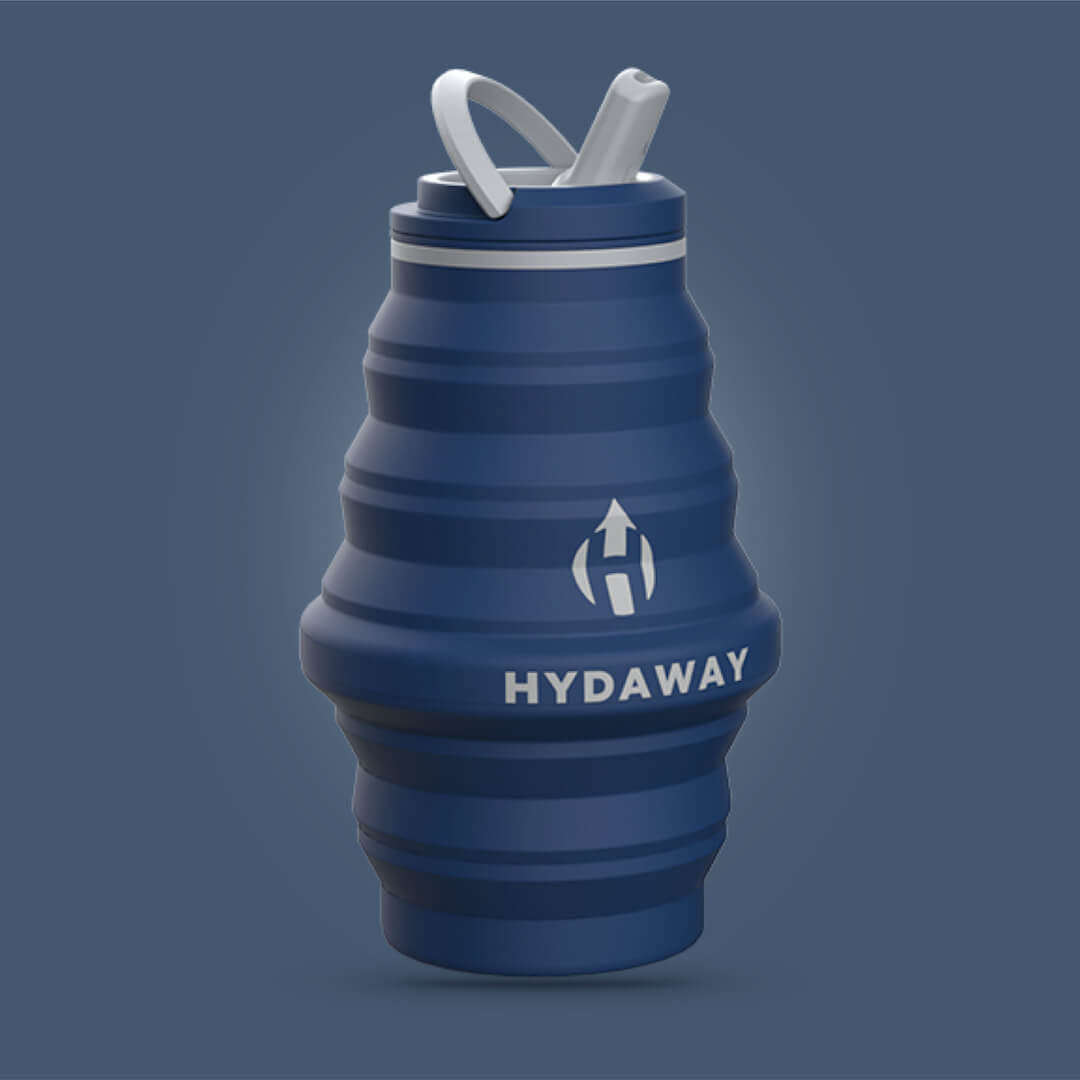
For example, when you’re rehydrating your dinner, getting the water right matters. The external measurement markings on a HYDAWAY Collapsible Bottle let you add the perfect amount of water to your instant mashed potatoes or couscous, so you don't end up with a soupy or clumpy mess. Once you're done, the bottle squishes down to just over an inch thick, freeing up a ton of space in your pack. This is a practical solution that fits seamlessly into your life by saving space and making meal prep foolproof.
The complete HYDAWAY Camp Kit, with its bowl, cup, and bottle, gives you a durable and incredibly space-efficient setup for all your meals. The insulated bowl is perfect for cold-soaking, and the entire kit nests together, proving you don't have to choose between performance and packability. It’s a sustainable system that streamlines your whole no-cook process from start to finish.
Creative No Cook Meal Ideas for the Trail

Think a no cook backpacking food menu means you’re stuck with boring GORP and protein bars? Think again. With a little creativity, you can whip up trail meals that are not only delicious and calorie-dense but will also make you the envy of every hiker still waiting for their water to boil. It’s all about combining the right shelf-stable ingredients to create something truly special.
The appetite for convenient trail nutrition is exploding. In 2024, the backpacking food market hit $2.31 billion and is on track to reach $4.31 billion by 2032. What's driving this? A huge number of hikers are ditching their stoves—a whopping 65% of Pacific Crest Trail thru-hikers now rely on no-cook strategies to save weight and time. And with freeze-dried ingredients retaining up to 97% of their nutritional value, it’s a smart way to fuel your adventures. You can get a deeper look into the backpacking food market to see the full picture.
Trail-Side Pad Thai
Forget everything you thought you knew about trail food. This recipe is a flavor explosion that comes together in minutes without any heat. It’s the perfect example of just how gourmet no-cook meals can be.
Instructions:
- In your HYDAWAY Insulated Food Bowl, combine thin rice noodles, a packet of peanut butter powder, a splash of soy sauce (from a small bottle), and a pinch of chili flakes.
- Pour in cold, treated water until the noodles are just covered. Seal the leak-proof lid and let it sit for 20-30 minutes, giving it a good shake every so often.
- Once the noodles are tender, stir it all together. Top with crushed peanuts for that satisfying crunch. The insulated bowl helps all those flavors meld together perfectly, making it easy to create a delicious meal you'll actually look forward to.
Cheesy Bean Mash Wraps
After a long day on the trail, this is the ultimate comfort food. It's hearty, savory, and incredibly easy to make, delivering a fantastic punch of protein and carbs right when you need it most.
The secret ingredient here is the Fritos. They add a salty, crunchy texture that takes this simple wrap to the next level. It’s a simple trick that elevates a basic meal into something you’ll actually crave.
Instructions:
- Mix instant refried bean flakes with cold water in your bowl until you have a thick, mash-like consistency.
- Stir in a generous amount of cheese powder and a handful of crushed Fritos or other corn chips.
- Spoon the bean mixture onto a tortilla, roll it up, and enjoy a seriously satisfying, protein-packed burrito.
No-Bake Berry Cheesecake
Yes, you can have dessert in the backcountry. And yes, it can be this good. This sweet treat is the perfect way to end your day on a high note.
Instructions:
- Start by crushing some graham crackers or shortbread cookies in the bottom of your HYDAWAY bowl to create a crust.
- In a separate bag, mix cream cheese powder with a little cold water until it forms a thick, creamy consistency.
- Spoon the cream cheese mixture over the cracker base. Top it all off with freeze-dried berries for a final touch of sweetness and flavor.
Your No Cook Backpacking Questions Answered
Deciding to go stoveless on the trail can feel like a huge jump, and it’s totally normal to have questions. You might be wondering if you’re trading comfort or even safety just to lighten your pack. Let's tackle some of the most common concerns hikers have so you can hit the trail with total confidence.
Lots of hikers worry they'll have to give up their morning ritual. I mean, what’s a sunrise in the mountains without a warm cup of coffee?
How Do I Handle Morning Coffee or Tea?
Good news: you absolutely don't have to sacrifice your caffeine fix. Modern options make it incredibly easy to get that morning boost without firing up a stove.
- Instant Coffee: Brands like Starbucks VIA or Alpine Start are made specifically to dissolve in cold water. Just tear open a packet, pour it into your water bottle, give it a good shake, and you’re good to go.
- Caffeine Powders or Tablets: For the true ultralight fanatic, this is the way. A tiny pill or a small scoop of powder gives you a measured dose of caffeine instantly—no mixing, no fuss.
- Cold Brew Concentrates: If you're a coffee aficionado, you can pack a small, lightweight plastic bottle of cold brew concentrate. A quick splash into your water creates a surprisingly smooth and rich cup right on the trail.
Another big question revolves around safety. The whole idea of eating food that’s just been soaked in cold water can feel a little odd at first, leading people to ask if it's really safe.
Is Cold-Soaked Food Safe to Eat?
Yes, absolutely. The key thing to remember is that most of your typical "no-cook" foods—like instant mashed potatoes, ramen, or couscous—are already cooked and then dehydrated. The process of cold soaking is just rehydration, not cooking.
As long as you use properly treated or filtered water, cold-soaking is perfectly safe. The process doesn't introduce any new bacteria; it just adds water back into the food to make it edible again.
Think of it this way: you wouldn't think twice about adding clean water to a powdered drink mix, and this is the exact same principle. Your main focus should always be on having a clean water source, not on the soaking itself.
Won’t I Miss a Hot Meal?
This is a totally valid point, and it’s more mental than physical. On a cold, rainy day, the comfort of a hot meal can be a massive morale booster. While a cold-soaked dinner won't give you that same internal warmth, there are some clever workarounds.
You could fill an insulated bottle with a hot drink in town before you start your hike. Sipping on hot tea or cocoa in the evening can provide that same comforting feeling. Another popular trick is to use chemically activated hand warmers. Tucking one into your pocket or holding it while you eat can make a big difference.
What Are the Best Containers for Cold Soaking?
The right container is non-negotiable. You need something that is 100% leak-proof, tough enough to get knocked around in your pack, and has a wide enough mouth to eat from comfortably.
This is exactly where the HYDAWAY Insulated Food Bowl shines. Its wide mouth makes filling, stirring, and eating a breeze, while the secure screw-on lid guarantees you'll never open your pack to find a soupy mess. For anyone who wants to try cold-soaking, this bowl is the practical, reliable tool that makes it possible, fitting perfectly into a lifestyle where convenience and reliability on the trail are top priorities.
Ready to build your ultimate, space-saving trail kitchen? Explore the full lineup of collapsible, adventure-ready gear from HYDAWAY and see how you can carry less and do more on your next adventure. Check out the collection at https://myhydaway.com.