


Stainless Plates Bowls: 2026 Guide to Durability &

You're probably dealing with one of two bad setups right now. Either your camp kit still includes flimsy plastic that stains, warps, or cracks when you least want it to, or you've gone the other direction and packed rigid bowls and plates that eat up precious space in your bag, van drawer, or carry-on.
That's why stainless plates bowls still matter in 2026. They solve real travel problems. They're tough, easy to live with, and they help you stop buying disposable junk over and over. But they're not perfect. The smartest choice depends on whether your trip demands durability first, or packability first.
Why Your Adventure Needs Better Dinnerware
I've watched people ruin a perfectly good trail lunch with gear that had no business leaving the house. A plastic container cracks in a cold pack. A cheap bowl hangs onto last night's curry smell. A ceramic plate survives the drive out, then chips on day one at camp.

Good dinnerware doesn't sound exciting until you're hungry, tired, and trying to eat on a tailgate, a picnic table, or a windy overlook. Then it becomes obvious. You need gear that won't break, won't create extra trash, and won't make cleanup a chore.
That's one reason more buyers are moving away from throwaway options. The global stainless steel cookware market, including plates and bowls, is projected to reach USD 12.46 billion by 2030, driven by consumers choosing healthier, eco-friendly alternatives to plastic, according to Grand View Research's stainless steel cookware market report.
What goes wrong in real travel use
The problems are usually basic:
- Plastic fails at the wrong moment because it cracks, warps, or picks up odors.
- Ceramic wastes space and makes every packed bin heavier and more fragile.
- Disposable gear creates trash you then have to carry, sort, or throw away on the road.
- Poorly chosen bowls slow you down because cleanup gets annoying when water is limited.
Bring dinnerware that matches the hardest part of your trip, not the easiest meal of your week.
If you're headed into bear country, meal storage and meal gear need to work together. A rigid container might be right for food protection, while your eating setup should stay compact and simple. If you need a practical refresher, these packing tips for bear containers are worth reading before your next backcountry trip.
Why stainless still earns its place
Stainless steel has lasted in camp kits for a reason. It's reliable. It handles rough treatment, repeated washing, and daily use without acting precious.
For van-lifers, families, overlanders, and digital nomads, that matters more than trendy design. A bowl that survives years of road meals is better than a cheap replacement cycle. The point isn't just eating. It's reducing friction so travel feels easier.
Understanding Stainless Steel Grades and Safety
You feel steel's quality fastest when dinner is hot, your hands are cold, and cleanup water is limited. Good stainless earns its keep in that moment. Cheap mystery metal does not.
For travel bowls and plates, start with food-grade 18/8 stainless. That grade has the right balance for repeated food use, corrosion resistance, and long-term durability. If a brand dodges the grade or hides behind vague language like “premium metal,” move on.
What 18/8 actually means
The numbers refer to the alloy mix, specifically chromium and nickel. You do not need a metallurgy lesson. You need to know what that means on the road.
18/8 is popular for food gear because it resists rust, stands up to acidic meals better than lower-grade steel, and has a smooth, non-porous surface that is easier to wash clean. That matters if you rotate between coffee, tomato-based meals, oats, and trail food in the same bowl.
It also helps with taste. Good stainless should not leave a metallic note in your food. If it does, the finish is poor, the steel is low grade, or both.
Safety matters, but so does honest gear selection
A lot of brands wave around “stainless” as if every steel bowl is the same. It isn't. 304 stainless is the grade you will often see behind 18/8 labeling, and it has become the standard for reusable food equipment because it holds up well under regular washing and food contact. For a traveler, that means fewer replacements, fewer surprises, and less junk entering the waste stream.
That still does not make stainless the automatic winner for every trip.
A rigid 18/8 bowl is a smart pick for van travel, road trips, family camping, and any setup where abuse is guaranteed. For ultralight travel or tight pack volume, the safer material choice can still be the wrong gear choice if the bowl is too bulky or conducts too much heat to hold comfortably. That is where modern collapsible systems earn a serious look.
What to check before you buy
Use this filter before you spend money:
| Check | Why it matters |
|---|---|
| 18/8 or 304 labeling | Shows the brand is stating a known food-use grade |
| Smooth interior finish | Makes sticky food and oil easier to clean with less water |
| Rolled or rounded edges | Feels better to eat from and usually signals better finishing |
| Simple construction | Fewer seams and crevices mean less grime and easier drying |
| Verified material claims | Cuts your odds of buying coated or poorly specified metal |
If you already carry an insulated stainless steel bottle, apply the same buying logic to your plate and bowl. Material grade and build quality matter more than extra features you will never use.
And if you want proof instead of branding, read up on how third-party verification helps confirm reusable gear claims. It is one of the best ways to separate dependable kit from polished copy.
The Real-World Pros and Cons for Travelers
Stainless gets praised for being tough, and that praise is deserved. But travelers need a more honest conversation. Tough is good. Too bulky, too hot to hold, or too clanky at sunrise camp is less good.

Where stainless wins without debate
If your gear gets tossed into truck beds, crammed into van cabinets, handed to kids, or dropped on gravel, stainless makes sense. It doesn't crack like ceramic, and it doesn't feel disposable.
Many travelers assume all stainless is too heavy. That's sloppy thinking. As noted in this discussion of stainless steel plates for families and travel, food-grade 18/8 stainless provides toddler-proof durability without excessive weight, which is exactly why nomads and overlanders keep coming back to it.
Here's where it shines most:
- Rough use. It survives drops, stacking, and repeated travel days.
- Family trips. Kids can be hard on gear. Stainless handles that reality.
- Daily repetition. If you eat from the same bowl every day in a van or campsite, durability matters more than showroom looks.
Where stainless asks for compromise
Single-wall stainless isn't magic. Hot food can warm the bowl quickly. If you're balancing chili on your lap at camp, you'll notice.
It also makes noise. Stack a few metal plates together in a drawer and you'll hear every mile of washboard road. Some travelers don't care. Others hate it by day three.
If your trip involves constant packing and unpacking, “quiet” becomes a real feature.
The thermal reality most guides skip
Stainless has a useful middle-ground thermal behavior. It can keep food feeling warm longer than flimsy plastic, but it does not insulate like a double-walled or hybrid design. That matters if your meal sits around while you set up camp, manage kids, or wait for the rest of the group.
A lot of content misses this nuance. Standard stainless is good at being sturdy and safe. It is not the same as insulated.
A fast pros and cons breakdown
| Pros | Cons |
|---|---|
| Highly durable for road, camp, and family use | Can get hot with warm meals |
| Hygienic surface and simple cleanup | Clanky in storage |
| Better warmth feel than plastic | Rigid shape takes fixed space |
| Travel-friendly compared with ceramic | No microwave use |
My opinion is simple. Stainless is the best choice when break resistance and easy cleaning matter more than compact storage. If your priority is shaving every bit of bulk from your kit, you'll start looking elsewhere.
Stainless vs Collapsible Silicone A Head-to-Head Comparison
You unzip your pack at lunch and the bowl is fighting for room with your stove, jacket, and food bag. That's the moment dinnerware stops being a kitchen choice and becomes a travel choice.

Space decides more trips than durability
Stainless wins on toughness. It loses on volume. A rigid bowl keeps its full shape whether it's empty or packed, so it claims the same space all day. In a camp box, that's manageable. In a daypack, bike bag, or crowded van drawer, it gets annoying fast.
Collapsible designs fix that specific problem. Sea to Summit's Detour line is a good example. Their bowl keeps the utility of stainless in the eating surface, but folds down slim for storage, as shown in this Sea to Summit Detour bowl video overview and on Sea to Summit's Detour stainless steel bowl product page. That matters more than people admit. Saving a little depth in every drawer and pocket adds up over a long trip.
My advice is simple. If your setup gets packed and unpacked constantly, packability is not a luxury feature. It's part of comfort.
Heat changes the eating experience
Stainless handles hot food well, but single-wall pieces pass heat to your hands quickly. That's fine for quick meals at a table. It's less pleasant when you're standing around camp holding soup, kneeling beside a stove in the wind, or feeding a kid before your own dinner goes cold.
Collapsible silicone and hybrid bowls often feel better in actual use because the outer structure stays easier to hold, and some insulated models keep heat where you want it. If warm meals tend to sit for a few minutes while you set up camp, repack gear, or sort out camp chores, that difference is real.
For a closer look at how a travel-focused flexible design solves that problem, read this collapsible silicone bowl guide.
Weight, noise, and daily friction
Here's the part many gear guides skip. Stainless is usually the better long-term buy for abuse, but collapsible gear often wins the daily usability test.
Metal clanks. Fixed shapes waste space. Hot sides can be awkward. Collapsible bowls are quieter, easier to stash, and often easier to live with in small-space travel. The trade-off is that they usually have more design complexity, so build quality matters more.
If you want to compare outdoor eating tools, use the same filter I use for any travel kit. Ask what annoys you after ten days on the road, not what looks toughest on day one.
| Priority | Stainless steel | Collapsible silicone or hybrid |
|---|---|---|
| Hard-use durability | Excellent | Good to very good, depends on build |
| Packability | Fair | Excellent |
| Comfort with hot meals | Fair | Better, especially in insulated designs |
| Noise in storage | Poor | Much better |
| Simple, fixed design | Strong | Strong, but with more parts |
Rigid stainless is the right call for car camping, cabin kits, and travelers who want one bombproof bowl for years. Collapsible gear is the smarter choice for tight storage, lighter packing, and trips where every inch of space gets used twice.
How to Choose Your Perfect Adventure Plate and Bowl
Not everyone needs the “best” bowl. They need the right bowl for how they travel.

If your current setup annoys you, listen to that. Gear frustration usually points straight to the right upgrade. Too much noise in drawers means your rigid kit may be overbuilt for your needs. Bowls tipping over in the car means you may need a lidded option. Running out of room means packability has become your top priority.
For the ultralight backpacker
Go small, flexible, and low-bulk. A rigid plate is usually dead weight unless you have a specific meal routine that needs it. Most backpackers are better off with one compact bowl that can handle breakfast oats, trail lunch, and dinner.
Look for these features:
- Collapsible body so it disappears into a side pocket or food bag
- Secure lid if you eat on the move or save leftovers
- Easy one-vessel use because fewer pieces means less cleanup
For van-lifers and car campers
You've got more room, but not infinite room, so a mixed setup works best. Keep a couple of rigid stainless plates for cutting, serving, and meals that benefit from a stable surface. Add compact bowls for everything else.
That's also the point where it helps to compare outdoor eating tools as a system rather than buying dinnerware one piece at a time. Plate, bowl, cup, and utensil choices should work together.
The best camp kitchen isn't the one with the most gear. It's the one you can unpack and clean without thinking.
For families and theme park days
Families need low drama. That means durable gear, simple cleanup, and containers that don't make a mess in a stroller bag, backpack, or car seat organizer.
A bowl with a lid often beats a plate here. It handles snacks, fruit, pasta, and leftovers better. If you're carrying food all day, a compact insulated bowl is usually more useful than a classic plate.
Here's a quick decision table:
| Traveler type | Best fit |
|---|---|
| Backpacker | Collapsible bowl over a rigid plate |
| Van-lifer | Mix of stainless plates and compact bowls |
| Family traveler | Lidded bowl first, plate second |
| Office-to-trail commuter | Portable insulated bowl |
| Minimalist traveler | One versatile collapsible bowl |
Later in the decision process, it helps to watch how compact gear is used in real life, not just how it looks in product photos.
My recommendation by travel style
If you mostly eat at campsites, picnic tables, or in a van kitchen, stainless plates bowls still make a lot of sense. They're familiar, tough, and forgiving.
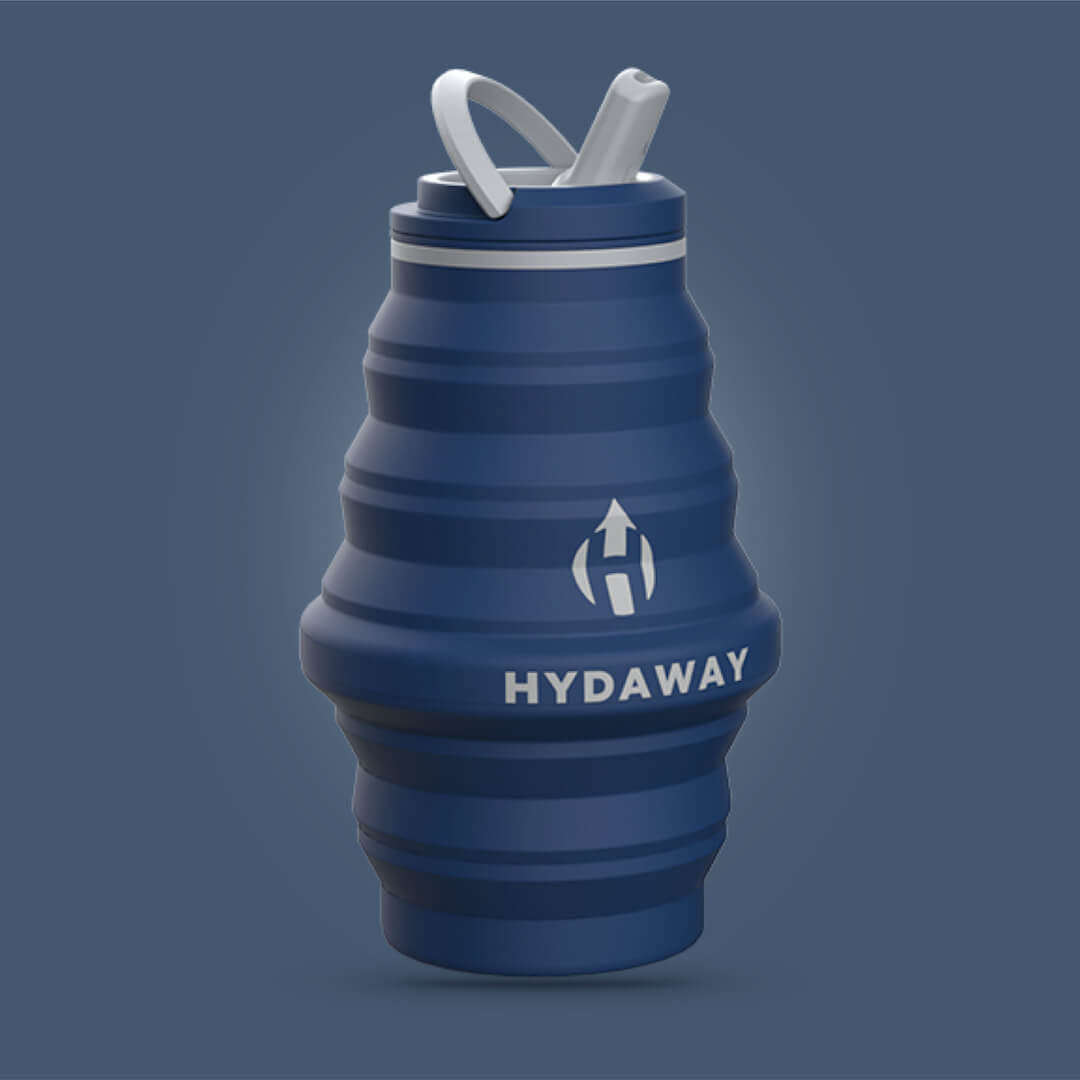
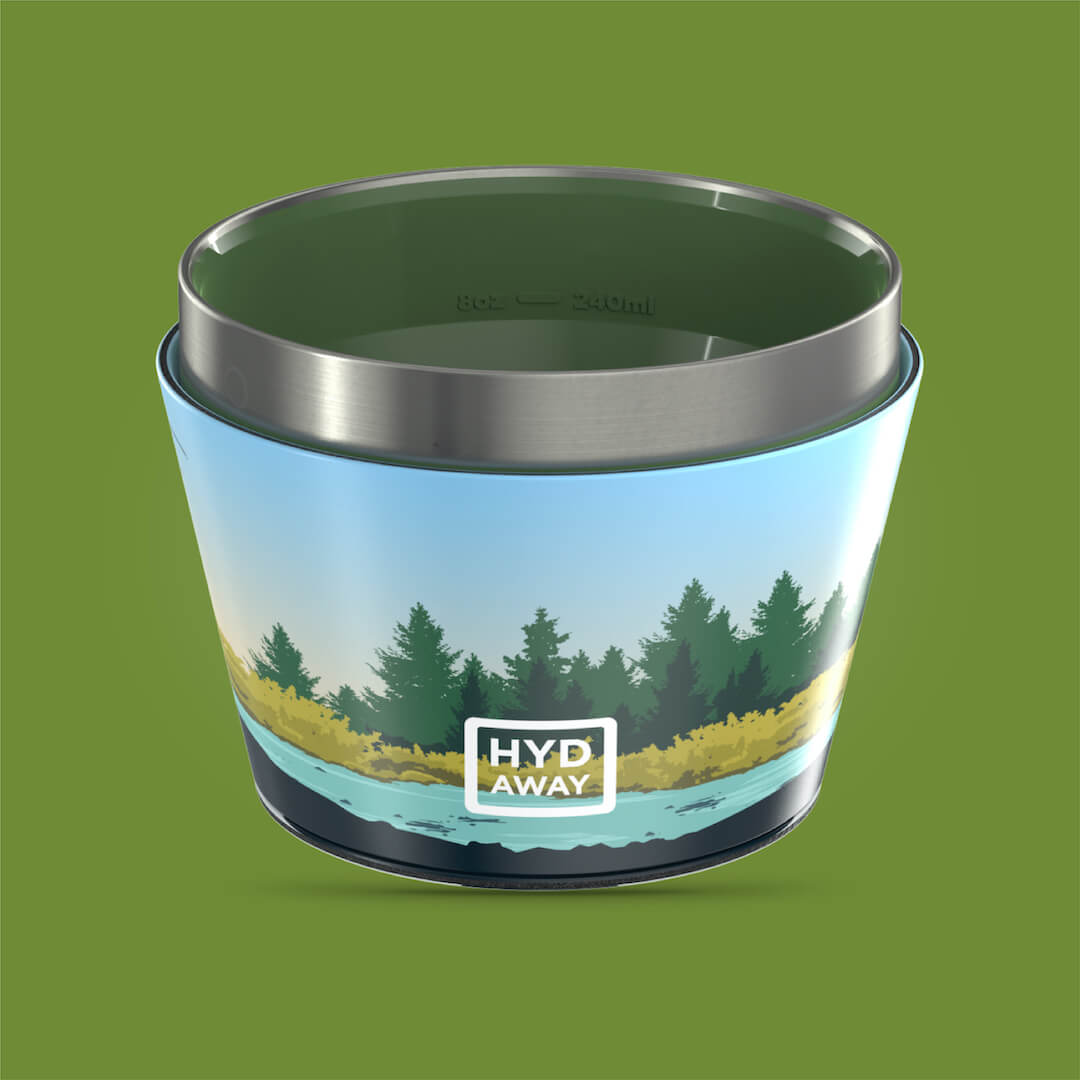
If you fly often, live out of one bag, or care about every inch of storage, modern collapsible gear fits your life better. HYDAWAY products are especially relevant for that kind of traveler. They suit people who want dinnerware that tucks into a day bag, stays useful at a campsite, and doesn't waste space in a tiny apartment, campervan, or theme park backpack.
Cleaning and Caring For Your Gear On The Go
Dirty dinnerware turns into tomorrow's problem fast. Leave oily residue sitting in a bowl overnight and your whole bag starts to smell like regret.
The good news is that quality stainless can be wonderfully low-maintenance. A key advantage for travelers is that quality stainless steel bowls don't absorb oil stains or retain odors and can often be cleaned with just water, which makes life easier when you don't have a full kitchen, according to Alaska Gear Company's collapsible stainless steel bowl notes.
The simple field-clean method
Do this right after eating:
- Wipe first. Use a small spatula, spoon, or scrap of bread to remove the worst of the food.
- Rinse lightly. A little water goes further when you've already removed residue.
- Wipe dry. A dedicated camp cloth keeps spots and grime from building up.
That routine works for both stainless and quality collapsible bowls. The less food you leave behind, the less water you need.
What helps on longer trips
A few habits keep dinnerware from turning gross:
- Air dry fully before nesting gear back into a closed bin or bag.
- Separate damp items from dry clothing and paper goods.
- Clean lids and seams carefully because those hide residue more than open bowls do.
- Carry a deeper-clean backup for stubborn smells and film.
If you want a low-effort option for occasional heavy cleanup, these bottle cleaner tablets for a deeper clean are useful for reusable gear kits.
Dry your gear before you pack it away. Most “hard to clean” gear is really just “put away wet” gear.
What not to do
Don't toss dirty bowls into a drawer and promise yourself you'll deal with them later. You won't enjoy opening that drawer tomorrow.
Don't scrub aggressively with anything that can rough up the surface more than necessary. Smooth interiors stay easier to clean over time. And don't overcomplicate the process. Fast cleanup is one of the main reasons reusable travel dinnerware works so well.
Your Questions Answered
A few practical questions usually decide the purchase.
| Question | Answer |
|---|---|
| Are stainless plates and bowls safe for hot food? | Yes, food-grade stainless is a solid choice for hot meals. The main caution is comfort, since the surface can warm up in your hands. |
| Do stainless bowls keep food hot for a long time? | Not by themselves. Standard stainless holds some warmth, but it doesn't insulate like double-walled or hybrid designs. |
| Are stainless plates bowls too heavy for travel? | Usually not for most travelers. They're often a smart middle ground when you want durability without the fragility of ceramic. |
| What's better for tiny spaces, stainless or collapsible bowls? | Collapsible bowls win on storage. Rigid stainless keeps its shape but always takes up the same amount of room. |
| Do stainless bowls hold smells or stains? | Quality stainless resists both well, which is one reason travelers like it for repeated use. |
| Should I bring a plate or just a bowl? | If you only bring one piece, bring a bowl. It handles more meal types and travels better. |
| What's the best setup for mixed travel? | For many people, it's one rigid eating piece at camp and one compact collapsible piece for everything else. |
The short version is this: choose stainless when you want toughness and simple cleanup. Choose collapsible gear when space and insulation matter more.
If you're ready to stop wasting space on bulky dinnerware or replacing cheap containers that never last, take a look at HYDAWAY. Their collapsible bowls, bottles, and compact travel gear fit real life. They work for hikers, van-lifers, digital nomads, parents, and anyone trying to carry less without giving up convenience.