


8 Best East Coast USA Destinations for Your 2026 Trip

Your Ultimate East Coast Adventure Awaits
The best East Coast USA destinations aren't just about picking a famous skyline, a beach town, or a national park. They're about how the trip feels once you're there. You've probably been in that exact travel moment already. You're walking all day, paying too much for bottled water, carrying a bag that somehow got heavier by noon, and settling for an overpriced meal because you didn't pack anything practical.
That's where smart packing changes the trip. The East Coast gives you a rare mix of dense cities, historic sites, coastal drives, and trail systems close enough to combine in one longer itinerary. It also comes with friction. Crowds in major hubs, expensive convenience purchases, limited seating in busy areas, and weather that can shift fast. Good gear solves more of that than is generally assumed.
The region matters because demand is strong. The U.S. travel market grew by 51% to $422 billion in 2022, with consumers averaging 3.2 trips in the previous 12 months and $5,048 in annual travel spending, according to Phocuswright's U.S. consumer travel report. That shows up clearly across East Coast city breaks, road trips, and outdoor escapes.
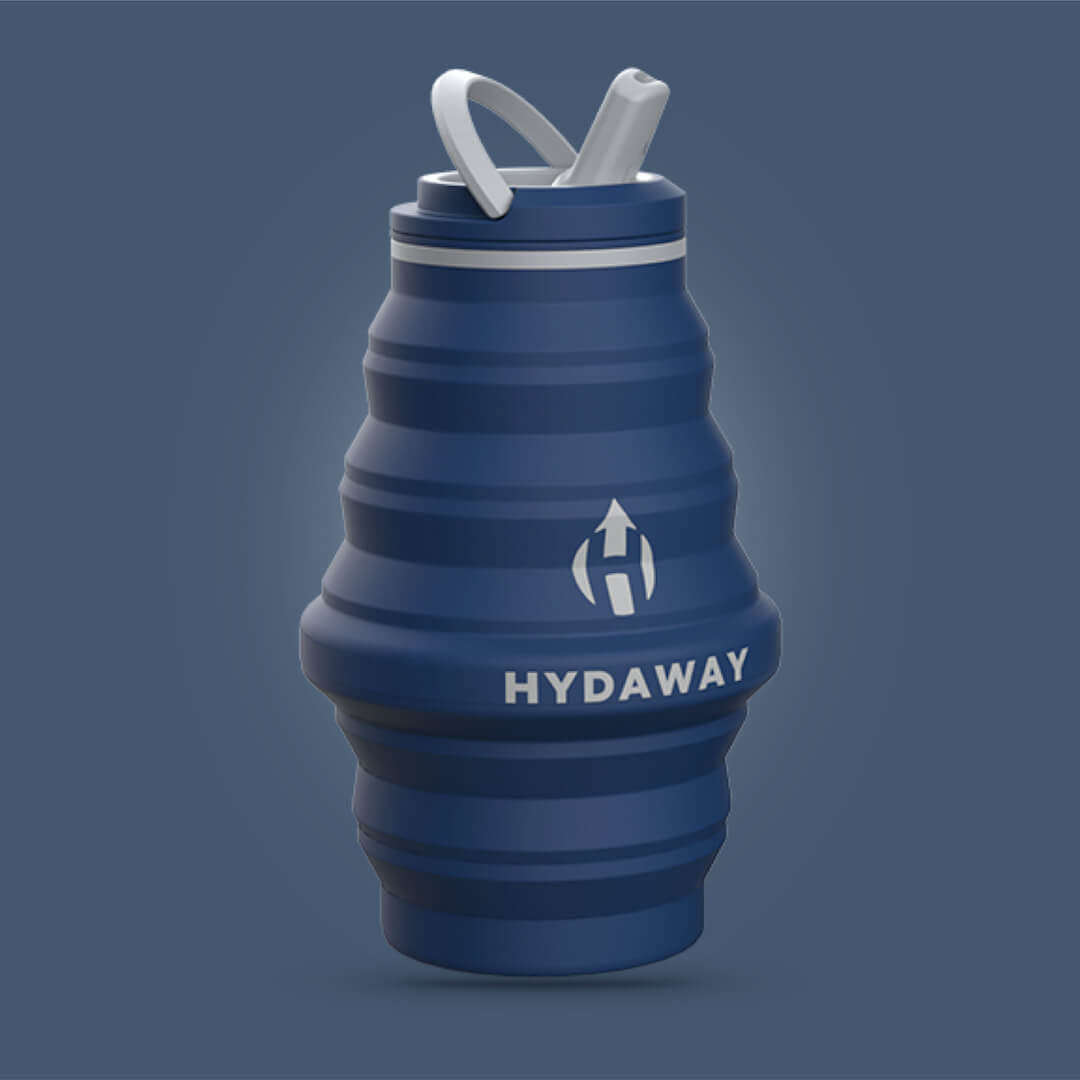
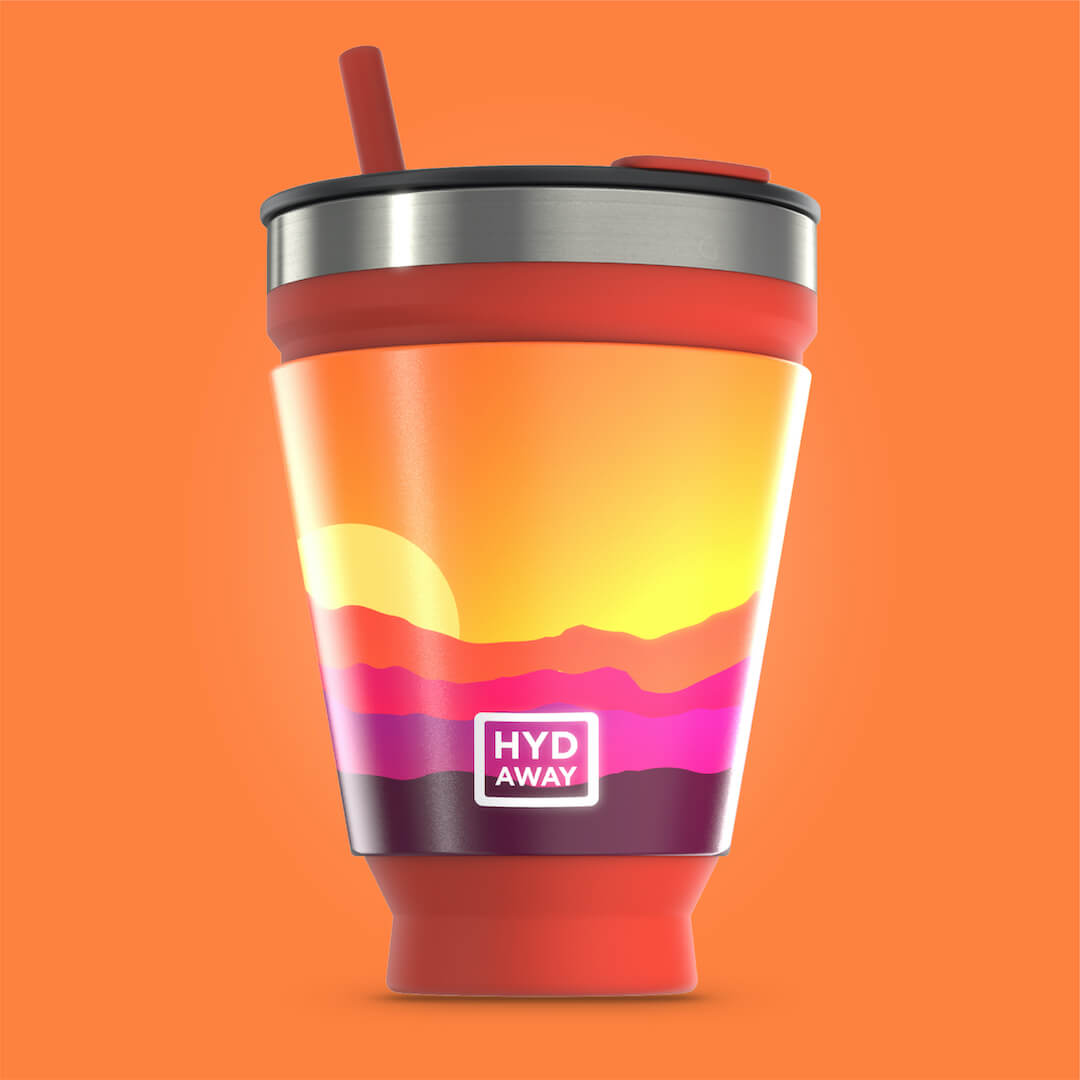
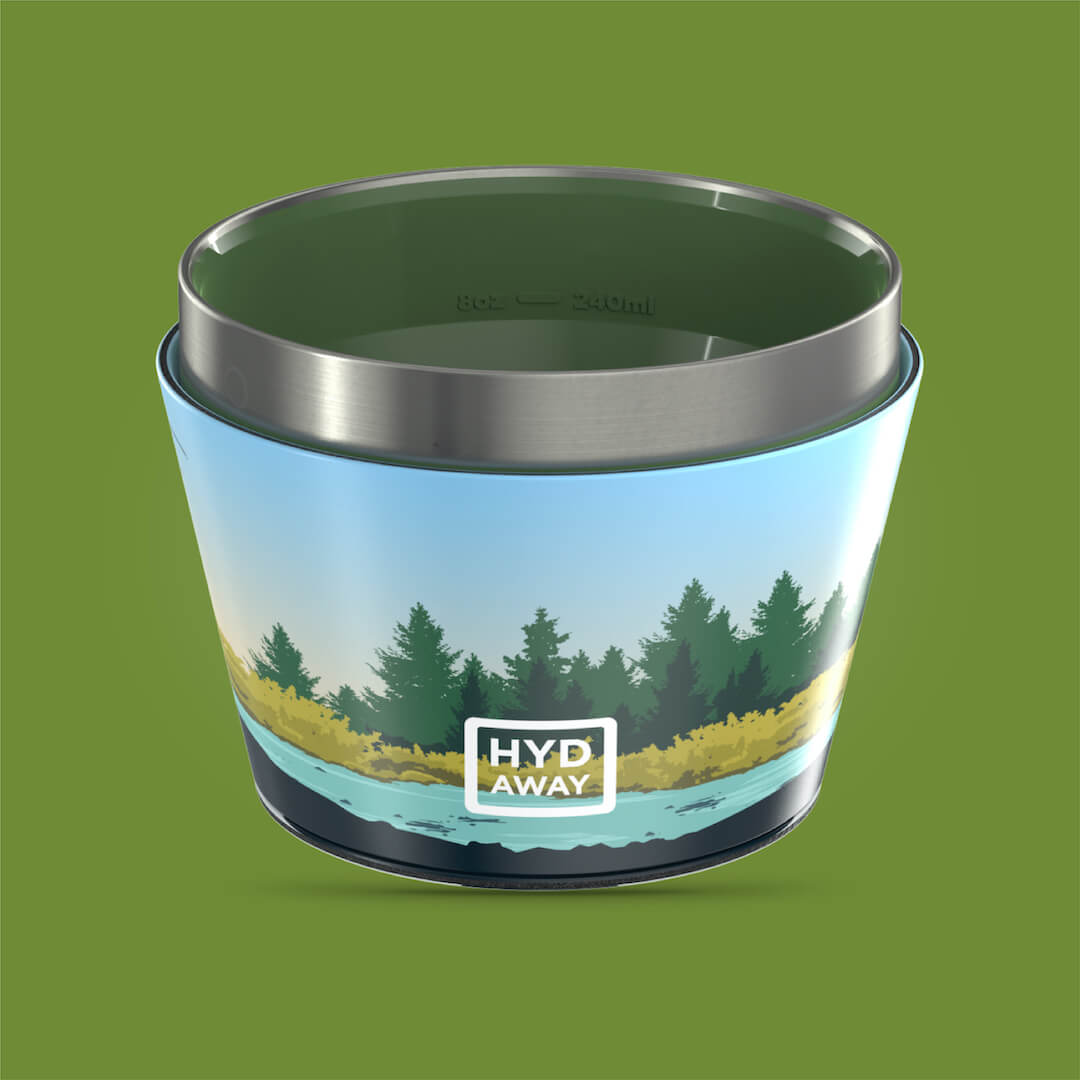
A HYDAWAY collapsible bottle, insulated tumbler, and insulated bowl won't make a destination better on their own. They do make the day smoother. You carry less, buy fewer disposable drinks, and stay flexible when plans change. If you're mapping out 2026 now, these are the East Coast USA destinations worth your time, plus the practical ways to do each one smarter.
1. New York City, NY - Urban Adventure & Cultural Exploration
You feel New York in your shoulders before you feel it in your photos. By midafternoon, you have already climbed subway stairs, walked several neighborhoods farther than expected, and probably paid too much for a drink near a major attraction. The city is exciting because it keeps you moving. It is also one of the easiest places on the East Coast to overspend on convenience.
That trade-off matters here more than in almost any other destination on this list. New York rewards travelers who keep their setup light, eat flexibly, and refill instead of buying the same basics over and over. A heavy daypack gets old fast in Manhattan. So does stopping for bottled water every few hours.
A smart New York kit is simple. Carry a HYDAWAY 25oz collapsible bottle for refill stops, an insulated tumbler for coffee or iced drinks, and an insulated bowl for breakfast, leftovers, or market food back at the hotel. If you are still sorting out your setup, this guide to the best collapsible water bottle for travel is a useful place to start. Keep HYDAWAY's guide on how to pack light in mind too, because New York is the clearest example of why lighter gear usually means a better day.
What works in New York
Travelers who do well here usually plan around energy, not just attractions. Start with one anchor stop, then leave room for walking, transit changes, and one unplanned detour. That keeps the day fun instead of turning it into a forced march.
- Start early in high-demand areas: Museums, observation decks, and popular neighborhoods feel better in the morning, especially on weekdays.
- Use refill opportunities: Hotel gyms, airports, museum fountains, and larger transit hubs can save you from paying city prices for basic water.
- Keep one meal flexible: An insulated bowl makes grocery breakfasts, deli lunches, or leftover pasta practical in a small hotel room.
- Trust the subway over cars: In heavy traffic, rideshares cost more and often save little time.
- Pack for sitting anywhere: New York does not always give you a clean, convenient table when you want one. A tumbler and bowl make park lunches and casual breaks easier.
One practical example. A family doing Central Park, the American Museum of Natural History, and a Midtown evening often spends a surprising amount on drinks and snacks because everyone gets thirsty at different times. A collapsible bottle and insulated bowl cut a lot of that waste without adding bulk. Solo travelers get the same benefit. The lighter your bag, the longer the city stays enjoyable.
For travelers building a multi-stop East Coast trip, it can also help to compare Florida flight expenses before locking in your route, especially if New York is only the first leg.
For travelers bringing pets along or arranging care while they explore, Global Pet Sitter New York is a useful planning resource.

2. Miami & South Florida - Beach Culture & Tropical Adventure
You leave the hotel at 9 a.m. with sunscreen, towels, and good intentions. By noon, the water you bought is warm, lunch is overpriced, and the beach bag feels heavier than it should. Miami does that fast. Heat, humidity, and long outdoor days punish sloppy packing more than almost anywhere else on the East Coast.
South Florida also sprawls. A trip can easily mix South Beach, Wynwood, Little Havana, an airboat tour, or a drive toward the Keys. That variety is part of the appeal, but it creates a common problem. Travelers pack for the beach, then end up carrying the wrong things for the rest of the day.
A HYDAWAY collapsible bottle solves more than one issue here. It cuts down on bottled water purchases, takes up less room once empty, and is much easier to keep in a tote or small daypack between stops. For anyone comparing options, HYDAWAY's guide to the best collapsible water bottle for travel is a useful place to start. An insulated bowl earns its place too. It gives you a clean setup for fruit, poke, pasta salad, or takeout that would otherwise be awkward to eat on the beach or in a park.
Best way to handle Miami days
The smart play in Miami is to build around heat, not fight it. Start with outdoor time early, keep the middle of the day flexible, and avoid carrying a full-size backpack unless you need it. Heavy bags get old quickly on sand, sidewalks, and causeways.
A couple doing South Beach in the morning and Wynwood later can save a surprising amount by refilling water at the hotel before heading out and packing a simple lunch or snack setup. Families benefit even more. Kids rarely want one tidy sit-down meal at the exact moment adults do, and South Florida food stops are often expensive because they are convenient, not because they are good.
- Get to the beach early: You get better parking, lower heat, and a more relaxed setup.
- Use refill points strategically: Start with hotel ice and water, then top off when you return between outings.
- Pack food that holds up well: Fruit, wraps, pasta salad, and sturdy sandwiches work better than messy hot meals.
- Keep your carry light: A collapsible bottle and bowl cover more needs than a bulky cooler bag for most city-and-beach days.
One trade-off matters here. Reusables only help if you bring them out with you. In Miami, that means choosing gear that folds down small enough to stay in the bag after lunch or after the bottle is empty. That is where HYDAWAY gear fits the trip well. It supports the fun part of South Florida travel without forcing you to haul extra bulk all day.
If airfare is still shaping your route, this guide on compare Florida flight expenses can help you think through airport options across the state.
3. Washington D.C. - History, Monuments & Free Museums
Washington, D.C. works best for travelers who want full days without full-price admission. You can spend the morning at the Lincoln Memorial, cross the National Mall, and step into a Smithsonian museum without buying a ticket. That sounds easy on paper. In practice, D.C. rewards people who plan for distance, weather, and crowded meal times.
I've found that the biggest D.C. mistake is building an itinerary around free entry and ignoring the physical cost of the day. The Mall is long, museum stops eat up time, and food near major sights gets expensive fast. A smart D.C. day is less about squeezing in everything and more about protecting your energy so the highlights still feel good by late afternoon.
HYDAWAY gear fits that kind of trip well. A collapsible bottle cuts down on overpriced bottled drinks, especially since refill opportunities are easy to find inside many museum buildings. A HYDAWAY insulated bowl gives you a practical way to carry a grocery-store lunch, salad, or simple takeout and eat outside when you want a break without restaurant prices. If you are out from breakfast through evening monuments, that choice saves both money and time.
A better way to plan a D.C. day
Start with one anchor museum, one secondary stop, and a monument block. That is usually enough for a satisfying day, particularly in warmer months or with kids, older travelers, or anyone trying to avoid the drained feeling that hits after hours on foot.
A retired couple doing the Mall can carry bottles that collapse after use instead of rattling around all day. A parent, teacher, or group leader gets another advantage. Packable bowls make picnic lunches much simpler on the grass near the museums, and they reduce the scramble to find seating at the exact moment everyone is hungry.
The trade-off is straightforward. Reusables only help if they stay easy to carry once lunch is over and the bottle is empty. In D.C., bulk becomes a real annoyance because you are walking, standing in lines, going through museum security, and shifting between indoor and outdoor stops.
- Start early at the monuments: Morning light is better, temperatures are easier, and the big sites feel less crowded.
- Check timed-entry rules before you go: Some popular museums and government sites need more planning than first-time visitors expect.
- Build in an outdoor meal break: A packed lunch on the Mall often works better than waiting in a long lunch line during peak hours.
- Carry less than you think you need: A collapsible bottle and bowl cover the common pain points without turning your daypack into dead weight.
D.C. gives travelers a rare East Coast combination: major history, strong museum access, and plenty to do without paying admission all day. The city feels even better when your setup is light, refillable, and flexible enough to handle a long day between monuments and museums.
4. Boston, MA - Colonial History & Walkable Urban Culture
You leave your hotel planning for a short history walk, then Boston does what Boston always does. It pulls you farther. A few blocks on the Freedom Trail turn into the Common, Beacon Hill, a detour for seafood, maybe a walk across the river, and suddenly you have spent the whole day on your feet.
That is why Boston works so well for travelers who like to explore actively and travel light. It packs major history, student energy, waterfront views, and good food into a city that rewards walking more than constant rideshares. Among East Coast USA destinations, Boston stands out for travelers who want a full day with very little wasted transit time.
The Freedom Trail is still the right starting point, but the best version of Boston is broader than the standard checklist. Add Beacon Hill for the classic streetscape, the Public Garden for a slower reset, and Cambridge if you want the city to feel current instead of purely historical. Boston is strongest when you mix the headline sights with everyday neighborhood time.
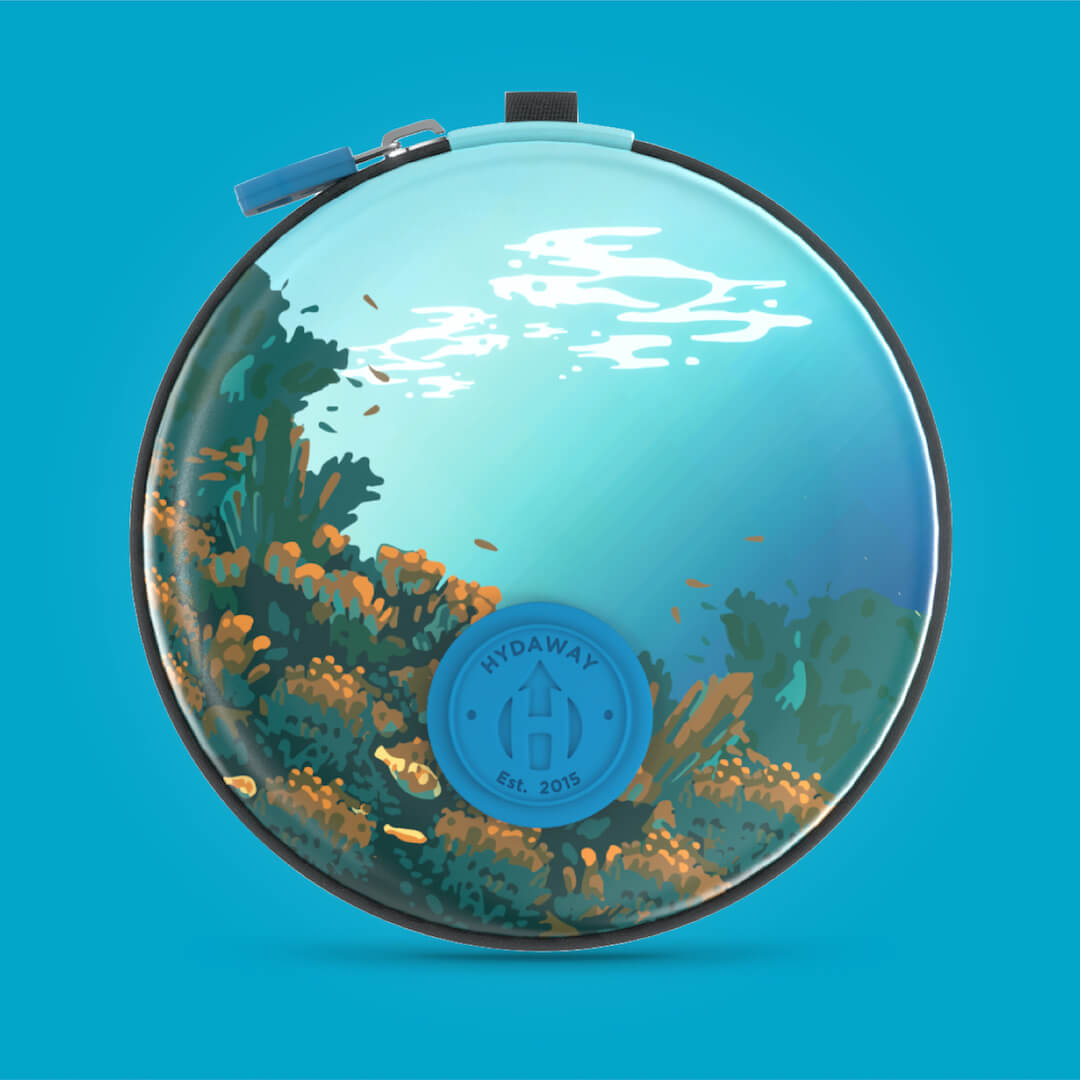
HYDAWAY gear earns its place here because Boston has a habit of stretching the day. A collapsible bottle cuts down on overpriced drinks around the busiest visitor zones and stays out of the way once it is empty. A collapsible backpack helps on days when layers come on and off, especially in shoulder season. An insulated bowl is practical if you grab chowder, market food, or leftovers and want the freedom to eat in a park, on the harbor, or wherever you find a decent seat first.
How smart travelers handle Boston
Boston asks for a little restraint. You can overbook this city easily, then spend the afternoon tired, hungry, and carrying more than you need over brick sidewalks and older subway stations.
A family doing the Freedom Trail can save money fast with refillable bottles and one simple packed lunch instead of buying drinks and snacks at every stop. A solo traveler or student can carry a HYDAWAY tumbler and collapsible backpack, pick up takeout, and stay flexible between Boston Common, Cambridge, and the waterfront. If your trip continues south later, keep Charleston SC attractions for 2026 bookmarked for contrast. Boston is denser and faster on foot, while Charleston rewards a slower stroll.
- Start with one anchor area: Freedom Trail, Back Bay, or Cambridge. Trying to cover all three in a single day usually turns Boston into a transit and fatigue problem.
- Use the T for longer jumps, not every stop: Boston is often better on foot once you are in a neighborhood.
- Plan one sit-down meal, not three: The city has plenty of good food, but one memorable restaurant plus lighter park or takeout meals usually feels better than stopping constantly.
- Pack for changing weather without bulking up: A light layer in a collapsible day setup is more useful than carrying a heavy bag all day.
- Respect the pavement: Cobblestones, brick paths, and uneven sidewalks are charming until your bag is overloaded.
Boston rewards travelers who stay curious and keep their setup simple. Carry less, refill often, and leave room for unplanned turns. That is usually when the city feels best.
5. Charleston, SC - Antebellum Charm & Coastal Elegance
Charleston is slower than the northern city stops, and that's part of the appeal. You come here for old houses, shaded streets, waterfront views, and a food scene that makes lingering easy. The city works well for couples, multigenerational family trips, and anyone who wants a walkable base with a polished feel.
It's also a place where little costs add up. Parking, bottled drinks in tourist corridors, and frequent restaurant stops can push a casual day higher than expected. HYDAWAY gear helps most with exactly that kind of drift spending. An insulated bottle handles warm afternoons in the historic district, and an insulated bowl is ideal for market food, leftovers, or a simple picnic by the water.
A couple visiting in spring can spend a whole day touring historic homes and gardens with one refillable bottle each and never feel deprived. A family can pick up local produce, prepared foods, or bakery items and turn Waterfront Park into a low-stress meal stop instead of another reservation.
Where Charleston rewards smart planning
The city feels best when you keep the schedule loose. One morning activity, one long wandering block, and one evening meal is often better than trying to stack plantations, museums, shopping, and dinner all in the same day.
- Walk the historic district instead of driving it: That's where the details show up.
- Use takeout strategically: Charleston's scenic public spaces make simple meals feel better than rushed restaurant visits.
- Carry only what you'll use: Heat and humidity punish overpacking.
- Book major tours ahead: That keeps the day calm once you arrive.
For more trip ideas and itinerary inspiration, Charleston SC attractions for 2026 is a helpful companion resource.
6. Acadia National Park, ME - Coastal Wilderness & Mountain Adventure
You park before breakfast, pull on a light layer, and head out while the coast is still quiet. By lunch, the sun is stronger, the trailhead lot is full, and anything extra in your pack feels heavier than it did at 7 a.m. Acadia rewards travelers who pack for a long, flexible day instead of a single hike.
What makes Acadia stand out among East Coast USA destinations is the range packed into a small area. You can walk granite shoreline in the morning, climb for wide ocean views, then clean up and eat in Bar Harbor by evening. That variety is the upside. The trade-off is constant transition. Weather shifts quickly, parking fills early, and a bulky daypack gets annoying fast.
A HYDAWAY 25oz collapsible bottle fits this park well because empty space matters once the water is gone. On a shorter outing, it tucks away instead of rolling around in the bag or taking up room you want for layers and snacks. If you're mixing hiking with picnics, a HYDAWAY insulated bowl earns its keep too. It's a practical way to carry fruit, sandwiches, or a simple camp meal without adding another rigid container to the load.
Before you head out, HYDAWAY's guide on what to bring on a day hike is a smart check on what belongs in your pack and what should stay in the car.

How to do Acadia without overpacking
A couple staying in Bar Harbor can carry one bottle each, pack lunch in insulated bowls, and turn a scenic stop into a relaxed meal instead of an expensive mid-day detour. A family gets another benefit. Less bulky gear leaves more room for layers, kid snacks, and the small extras that always seem to pile up on national park days.
I'd plan Acadia around energy, not mileage. One demanding hike plus a slower scenic stretch usually beats stacking ambitious trails back to back.
- Start early for popular trailheads: Morning parking is far easier than midday parking.
- Use the carriage roads for recovery time: They work well for biking, walking, and mixed-ability groups.
- Pack food you want to eat cold: Pull-offs, shoreline stops, and picnic areas are part of the experience.
- Keep the daypack light: Acadia often includes more climbing and more layer changes than travelers expect.
- Treat Bar Harbor as the finish, not the whole day: The park is the main event. Town works best afterward.
7. Outer Banks, NC - Wild Horses & Barrier Island Bliss
You drive for a while, cross water, pass dunes, and realize the Outer Banks works best once you stop treating it like a checklist. This is a barrier-island trip built around beach hours, lighthouse stops, wild horse tours, and simple meals that are better on a porch or in the sand than in a crowded restaurant. That slower pace is the appeal.
It also asks for smarter planning than many East Coast beach trips. Distances look short on a map, but traffic, bridge bottlenecks, and seasonal conditions can stretch a simple outing into most of a morning. I like the Outer Banks for travelers who want space and scenery, but the trade-off is less convenience. You get fewer easy pop-in options and more reasons to bring what you need with you.
That is where HYDAWAY gear earns its place without adding bulk. A HYDAWAY insulated bottle cuts down on overpriced bottled water during long beach days, and it packs small once you are back in the car or rental. HYDAWAY bowls fit the rental-house rhythm especially well. Buy groceries once, pack lunch before heading out, and turn a dune overlook or quiet beach access into an easy meal instead of another expensive stop.
Smart way to do the Outer Banks
A family staying in Corolla can pack fruit, sandwiches, and cold drinks before a wild horse tour and avoid paying convenience-store prices later. A couple splitting time between beach stops and a lighthouse visit can carry collapsible bottles in a small daypack, then tuck them away when they are empty and the afternoon slows down.
The practical challenge here is logistics. Ferry timing, beach driving rules, and seasonal business hours matter more than they do in a compact city destination. That Adventurer's East Coast road trip guide makes that point well when it discusses the planning details glossy roundups often skip.
- Do a grocery run early: Breakfast, snacks, and beach lunches save money fast in the Outer Banks.
- Go in shoulder season if your schedule allows: You get a calmer atmosphere, easier parking, and more room to enjoy the coastline.
- Build your day around one area at a time: The drive is part of the trip, but too much backtracking wastes good beach hours.
- Keep the daypack light: Water, sun protection, a towel, and a packed lunch usually beat hauling extra gear you will not use.
8. Philadelphia, PA - Revolutionary History & Vibrant Food Scene
You finish a morning at Independence Hall, walk a few blocks through Old City, and realize Philadelphia works best when you treat it as both a history trip and a food trip. The city rewards travelers who like to cover a lot on foot, eat well without overspending, and keep the day kit light.
Philadelphia offers one of the smartest value plays on the East Coast. You get foundational U.S. history, a compact center, strong neighborhood identity, and casual food that is worth planning around. Old City gives you the headline sights, but the city gets more interesting once you add Reading Terminal Market, side streets in Center City, and time to sit in a square with something good in hand.
That is also why HYDAWAY gear fits Philly so well. A collapsible bottle makes sense on long walking days between historic sites, museums, and market stops, especially when you do not want to keep buying drinks. A reusable insulated bowl solves another common city problem. You can pick up takeout at Reading Terminal Market or another casual spot and turn a park bench or public seating area into lunch instead of paying for table service every time.
How to get more from Philly
A first-time visitor can spend most of the day around the historic district and still rack up serious walking mileage. A collapsible bottle helps because it takes up almost no space once empty, which matters when your bag is already carrying a layer, charger, and a few market finds.
Food is where smart planning pays off fast. Philadelphia has plenty of places where ordering prepared food is the better move than booking another full sit-down meal. I usually recommend building one flexible meal into the day, then using a HYDAWAY bowl and whatever public seating is nearby. It saves money, cuts packaging waste, and keeps the schedule open.
Eat the famous things, then save the paid seat for the meal that is actually worth slowing down for.
- Reserve timed-entry historic sites early: Key attractions can shape your day more than travelers expect.
- Group nearby stops together: Old City is easy on foot, but the day gets less efficient if you zigzag across town.
- Use market food for one meal: It is one of the easiest ways to eat well without running up the budget.
- Pack lighter than you think you need: In Philadelphia, comfort usually comes from carrying less, not more.
- Visit in cooler or milder weather if you can: The city is at its best when walking between neighborhoods feels pleasant, not like a chore.
East Coast USA: 8-Point Destination Comparison
| Destination | 🔄 Implementation complexity | ⚡ Resource requirements | ⭐ Expected outcomes | 💡 Ideal use cases | 📊 Key advantages |
|---|---|---|---|---|---|
| New York City, NY - Urban Adventure & Cultural Exploration | High, dense crowds, timed tickets, lots of walking | High cost (hotels/food); requires strong walking gear and reusable hydration | ⭐⭐⭐⭐, unmatched cultural variety and entertainment | Urban explorers, museum/Broadway-focused trips, short intensive itineraries | Concentrated world-class museums, transit network, diverse dining |
| Miami & South Florida - Beach Culture & Tropical Adventure | Moderate, weather risk (hurricane season) and activity bookings | Moderate, sun/hydration gear, water-sport rentals, parking/ride costs | ⭐⭐⭐, strong beach and nightlife experiences | Beach vacations, water-sports groups, winter-escape travelers | Year-round warm weather, extensive beaches, vibrant nightlife |
| Washington D.C. - History, Monuments & Free Museums | Moderate, timed entries and high season crowds; lots of walking | Low–Moderate, many free attractions; walking comfort required | ⭐⭐⭐⭐, high educational and historical value | History buffs, school groups, free-museum itineraries | Free Smithsonian museums, iconic monuments, organized layout |
| Boston, MA - Colonial History & Walkable Urban Culture | Moderate, compact routes but seasonal weather affects plans | Moderate, MBTA access, comfortable shoes, seasonal costs | ⭐⭐⭐, concentrated colonial history and academic culture | Freedom Trail walkers, university visitors, food-focused days | Highly walkable historic sites, strong dining, compact downtown |
| Charleston, SC - Antebellum Charm & Coastal Elegance | Low–Moderate, easy to navigate but peak-season planning needed | Moderate, tours/restaurant costs; comfortable walking attire | ⭐⭐⭐, charming historic and culinary experience | Romantic getaways, culinary tourism, leisurely explorers | Intact historic district, plantations, Southern cuisine |
| Acadia National Park, ME - Coastal Wilderness & Mountain Adventure | Moderate–High, early starts, parking limits, trail planning | Moderate, hiking/camping gear, limited park services | ⭐⭐⭐⭐, high scenic and outdoor-recreation value | Hikers, fall-foliage seekers, coastal wilderness enthusiasts | Rugged coastline, extensive trails and carriage roads |
| Outer Banks, NC - Wild Horses & Barrier Island Bliss | Moderate, remote logistics, possible 4WD needs for wildlife access | Low–Moderate, rental vehicle, beach gear, seasonal lodging | ⭐⭐⭐, relaxed beaches and unique wildlife encounters | Surfers, budget beachgoers, families seeking wildlife | Uncrowded beaches, wild horses, affordable coastal access |
| Philadelphia, PA - Revolutionary History & Vibrant Food Scene | Low–Moderate, timed site entries and summer crowds | Low, generally more affordable lodging/food; walking required | ⭐⭐⭐, strong history plus authentic food culture | Foodies, history tours, budget urban travelers | Revolutionary landmarks, Reading Terminal Market, walkable historic core |
Travel Smarter on Your East Coast Adventure
You finish a long day on the East Coast with tired feet, a half-empty wallet, and a bag full of things you barely used. That usually comes down to small decisions, not the destination itself. The travelers who enjoy New York, Miami, D.C., Boston, Charleston, Acadia, the Outer Banks, and Philadelphia the most tend to solve the same practical problems early: water, food, pack weight, and space.
That is where smart gear earns its spot.
These destinations ask different things from you. New York rewards light packing and all-day mobility. South Florida rewards hydration and easy beach carry. D.C. and Boston favor long walking days with museum stops, public transit, and quick meals between sights. Acadia and the Outer Banks punish bulky, poorly planned gear fast. A smart traveler adjusts the kit to the trip instead of hauling the same full load everywhere.
HYDAWAY products fit that approach because they solve specific annoyances that come up again and again on East Coast trips. A collapsible bottle helps you skip overpriced bottled water in airports, city centers, and beach towns. An insulated bowl gives you a practical setup for takeout, picnic lunches, market food, campsite dinners, and leftovers back at the hotel. A collapsible backpack helps on days when you want extra carrying capacity for snacks, layers, or souvenirs, but do not want a heavy daypack on your shoulders the entire time.
I have found that the best travel purchases are often the least exciting ones. They are the items that keep you from buying another $4 water, another mediocre lunch because you had no way to carry something better, or another oversized bag because your gear would not compress.
That matters on the East Coast, where one trip can shift from subway stairs to beach boardwalks to national park trails in a matter of days. Compact reusable gear saves space in a carry-on, cuts down on waste, and lowers the number of throwaway purchases that subtly inflate a budget. It also makes flexible travel easier. You can grab food at a market in Philadelphia, refill before a museum afternoon in Washington, or pack a simple summit lunch in Acadia without carrying a lot of dead weight.
There is a sustainability benefit too, but the primary advantage is convenience. People stick with reusable gear when it is easy to carry and easy to clean. HYDAWAY gets that part right, which is why the products make sense for city breaks, road trips, beach weekends, and multi-stop East Coast itineraries.
If you want travel gear that saves space, cuts waste, and earns a spot in your bag, explore HYDAWAY. Their collapsible bottles, insulated bowls, tumblers, backpacks, and travel-ready accessories are built for city walks, beach days, camp meals, and long transit days when bulky gear just gets in the way.