


Stuff Sacks Backpacking: 2026 Guide to a Lighter Pack

You know the moment. You unzip your pack to grab a rain layer, and half your gear comes with it. Headlamp tangled in socks. Stove buried under food. Puffy jacket loose at the bottom. By the time you find what you need, you've turned your backpack into a yard sale.
A good pack system changes that fast. Not because stuff sacks are exciting gear, but because they solve one of the biggest trail problems: wasted space and wasted motion. When your kit has a place, you stop digging and start moving.
That matters beyond the backcountry. The same mindset helps on a weekend hike, in a van drawer, or while repacking at an airport gate. Packability isn't just about saving room. It makes your gear easier to use when you're tired, wet, cold, or in a hurry.
Beyond the Jumble Why Smart Packing Begins with Stuff Sacks
The mess usually starts with good intentions. You toss soft layers around your cook kit to “use the space.” You wedge snacks into side gaps. You tell yourself you'll remember where everything is. Then the weather changes, daylight fades, and your system falls apart.
Stuff sacks fix that by turning a pile of gear into categories you can trust. One sack for sleep clothes. One for food. One for repair and hygiene. It sounds simple because it is simple. That's why it works.
A lot of hikers think of stuff sacks as tiny accessories. In practice, they're closer to the frame of your organization system. They let you separate clean from dirty, dry from damp, and daytime gear from camp-only gear. They also make repacking much faster because you handle a few units instead of dozens of loose items.
A tidy backpack doesn't just save space. It saves attention when conditions get busy.
That becomes obvious on multi-day trips. If your camp layers always live in the same sack, you stop hunting for them. If your first-aid kit rides in the same spot every time, you can reach for it without thinking. If your snacks are grouped together, lunch stops take two minutes instead of ten.
The goal isn't to buy more containers. The goal is to reduce chaos. If you want a broader view of building an efficient loadout, HYDAWAY's guide on how to pack a backpack is useful because it treats packing as a system, not a random stack of gear.
Stuff Sacks vs Dry Bags vs Compression Sacks
These terms get mixed together all the time, and that leads to bad gear choices. A lot of hikers buy one type expecting it to do another job. The easiest way to think about them is like desk organization.
A stuff sack is your folder. It groups related items. A dry bag is your waterproof envelope. It protects what can't get wet. A compression sack is your binder strap. It shrinks bulky gear so it takes up less room.

What each one does well
A plain stuff sack is the generalist. It keeps clothing together, separates a cook kit from the rest of your pack, and prevents small items from drifting into dead zones. It usually doesn't offer full waterproofing, and it usually isn't built to squeeze every bit of air out of bulky insulation.
A dry bag is the risk-management tool. If you're carrying electronics, maps, a quilt, or sleep clothes in wet conditions, this is the bag that keeps a bad day from getting worse. Roll-top closure is the giveaway. If rain, river crossings, boat travel, or soaked brush are part of the trip, dry bags earn their keep.
Compression sacks target one problem: bulky soft goods. Sleeping bags and puffy layers often take up more volume than their weight suggests. Compression straps pull that bulk inward. The tradeoff is that over-compressing insulation can make the load denser, harder to shape inside a pack, and more annoying to pack around.
Practical rule: Match the bag to the job. Use organization sacks for access, dry bags for protection, and compression sacks only when bulk is actually the problem.
Pack Organizer Comparison
| Type | Primary Purpose | Best For | Waterproofing |
|---|---|---|---|
| Stuff sack | Organization | Clothing, toiletries, food categories, small loose gear | Basic to none |
| Dry bag | Weather protection | Electronics, sleep gear, valuables, critical spare clothes | High |
| Compression sack | Volume reduction | Sleeping bags, puffy jackets, bulky soft items | Some weather resistance, varies |
A lot of hikers don't need all three in large numbers. Often the smartest setup is a few light stuff sacks, one dry bag for critical gear, and one compression sack only if your sleep system really benefits from it.
If waterproof protection is the main concern, this HYDAWAY article on choosing a waterproof dry bag gives a useful consumer-level breakdown of where dry storage makes sense and where it doesn't.
Materials and Weight Tradeoffs for Stuff Sacks
Material choice sets the tone for your whole packing system. Pick sacks that are too delicate, and you spend the trip babying them. Pick sacks that are too heavy or stiff, and your organization starts costing pack space and ounces without giving much back.

A good stuff sack should match the job, not win a spec-sheet contest. The bag holding tomorrow's base layer has a different job than the one carrying a cook pot, toiletries, or a repair kit. That is why the best setups usually mix materials instead of buying one matching set.
DCF, silnylon, and regular nylon
DCF works well for hikers chasing the lightest possible setup and treating their gear with care. It sheds moisture well, packs small, and keeps weight down. The tradeoff is durability in everyday use. Repeated stuffing, abrasion from hard gear, and rough campsite habits can wear it out faster than many people expect.
Silnylon or silpoly lands in the practical middle. It stays light, slides into awkward spaces in the pack, and handles repeated trail use without feeling disposable. For many backpackers, this is the easiest material to live with because it balances low weight with enough toughness for regular trips.
Traditional nylon makes sense when durability and low cost matter more than shaving every gram. It is a solid choice for food bags, ditty bags, loaner gear, and travel that mixes trail miles with car camping or flights. You give up some weight and packability, but you get a sack that tolerates being crammed, dragged, and reused for years.
How to judge whether a sack is worth its weight
Skip the marketing language and look at how the sack fits into the rest of your kit. A superlight sack only helps if it survives your normal routine. A heavier sack only earns its place if it protects gear better, lasts longer, or works better with the items inside it.
A few practical checks help:
- Match the material to the contents. Soft clothing can live in lighter fabric. Cook kits, bear hang gear, and sharp-edged odds and ends usually need something tougher.
- Pay attention to how the fabric behaves in the pack. Slick, flexible sacks fill dead space better than stiff ones, which matters just as much as listed volume.
- Check the closure and seams. A light sack with weak stitching or a sloppy drawcord is often a short-lived bargain.
- Spend weight where failure would matter. Wet sleep clothes, a torn repair kit, or a split food bag can create much bigger problems than a worn-out sack for spare socks.
I have had the best results from treating stuff sacks as tools, not collectibles. One light sack for clothing, one more protective bag for items that need to stay dry, and one tougher utility sack covers most trips better than a full rainbow of specialty bags.
What works in real packing systems
Uniformity looks tidy at home, but trail efficiency usually comes from mixing materials on purpose. Use lighter sacks for compressible, low-risk items. Use tougher fabrics for gear that gets handled hard. Keep the overall system simple enough that you can pack it half-awake in the cold and still know where everything lives.
That is the bigger point with stuff sacks backpacking systems often miss. The goal is not owning the lightest or toughest sack in every category. The goal is building a kit that packs fast, protects the gear that matters, and wastes as little space as possible.
How to Size and Pack Your Stuff Sacks
You roll into camp in the rain, reach for your puffy, and pull out your cook kit instead. That usually means the problem is not the sack itself. The problem is the system.
Good sizing fixes a lot of trail friction. A sack that's too small turns morning pack-up into a wrestling match. One that's too large lets gear slide around, wastes space, and makes the whole load feel less stable.
Liter sizing helps because it gives you a repeatable way to match storage to gear volume. It also makes it easier to adjust your setup trip by trip instead of guessing every time you swap a quilt for a colder bag or add extra layers.
Battlbox's guide to stuff sack sizes for backpacking lays out a useful baseline. Summer down sleeping bags often fit in the smaller end of the range, while colder-weather and synthetic bags usually need noticeably more volume. Layers follow the same pattern. A thin base layer takes very little space, but an insulated jacket can need a much larger sack than people expect. That is why two soft items that both feel compressible still deserve different sizes.
A simple sizing framework
Most backpackers do well with three working sizes, then adjust from there after a few trips.
- Small sacks are best for dense or easy-to-lose items. Toiletries, electronics, first-aid, repair supplies, headlamps, cables, and snacks fit here.
- Medium sacks handle the categories you touch often. Spare clothing, a cook setup, or a grouped camp kit usually land in this range.
- Large sacks are for bulky soft gear. Sleep systems, food storage, and extra insulation are the common candidates.
As noted earlier, extensive field testing from experienced backpacking reviewers points to a similar real-world pattern: very small sacks for pocket-size essentials, mid-size sacks for clothing, and larger sacks for sleeping gear or high-volume food carries. That lines up with what I see on trail. The exact liter number matters less than leaving a little margin so the sack closes without a fight and still molds into your pack.
If you are still guessing, start by stuffing each gear category into a cardboard box or shopping bag at home, then compare how much space it takes. It is a simple way to avoid buying sacks based on labels instead of your gear.
Two ways to pack them inside the backpack
Most systems fall into two styles.
The block method uses sacks as modules. Put the heaviest ones close to your back and near the middle of the pack. Use smaller sacks to fill side gaps or stack on top. This setup is fast to unpack, easy to remember, and works well if you repack in wind, cold, or rain.
The fill-the-voids method uses fewer sacks and lets soft gear spread into open spaces around harder items. Clothing and insulation get flattened instead of packed into round bundles. That usually creates a denser, cleaner load, especially in smaller packs, but it takes more discipline because your organization is less obvious at a glance.
Both methods work. The better one is the one you can repeat when you're tired.
If you want more detail on how compression changes sizing and shape, this guide to using a compression stuff sack without wasting pack space is a helpful companion to the basic stuff sack approach.
A quick visual can help if you're dialing in your own system:
Organize by category or by timing
Size is only half the job. Access matters just as much.
- By category. Kitchen items together. Hygiene items together. Sleep gear together. This makes camp routines straightforward and helps you notice missing items quickly.
- By timing. Keep day-use gear separate from camp-only gear. This works well if you stop often and do not want to unpack half the bag for lunch, rain gear, or a filter.
- By moisture risk. Separate wet-prone items from gear that must stay dry. This is especially useful in shoulder season, on paddle-to-hike trips, or anywhere your shelter and rain gear may go away damp.
My default is simple: pack by category first, then adjust based on annoyance. If you keep opening the same sack three times before noon, that category probably needs to move. That is a key advantage of a systems approach. You are not trying to build a perfect arrangement on day one. You are building a setup that gets faster, cleaner, and easier to live with every trip.
Advanced Packing Strategies and Waterproofing
The most useful question isn't “Which stuff sack should I buy?” It's “Do I need a stuff sack here at all?” That sounds minor, but it changes how your whole kit behaves.
A lot of backpacking content still treats sacks as the default for every gear type. Greenbelly points out that this is a real blind spot in current advice, because many guides don't seriously compare sacks against lighter alternatives like a single pack liner or using the compartments already built into the pack. Their discussion of when stuff sacks aren't always the best solution is especially relevant for fast-and-light hikers.
When fewer sacks work better
Loose packing isn't sloppy if it's intentional. A quilt or spare layers can fill dead space better when they're not trapped in separate round bags. One pack liner can protect a large share of your gear with less complexity than several individual sacks. It can also make loading a frameless or softer pack easier because the contents mold into the bag body.
This works best when your kit is already simple. If you're carrying lots of tiny items, frequent camp luxuries, or gear that comes out at many stops, too little organization becomes its own tax.
The hybrid system most hikers end up using
For real trips, the middle ground usually wins.
- Use a pack liner for broad protection against rain and persistent wet conditions.
- Add a dedicated dry bag for the gear that absolutely must stay dry, usually sleep insulation or electronics.
- Use a few stuff sacks selectively where access matters more than theoretical weight savings.
- Skip extra sacks for gear that's fine loose, especially soft clothing that can fill gaps.
Waterproofing is strongest when you protect consequences, not every single item equally.
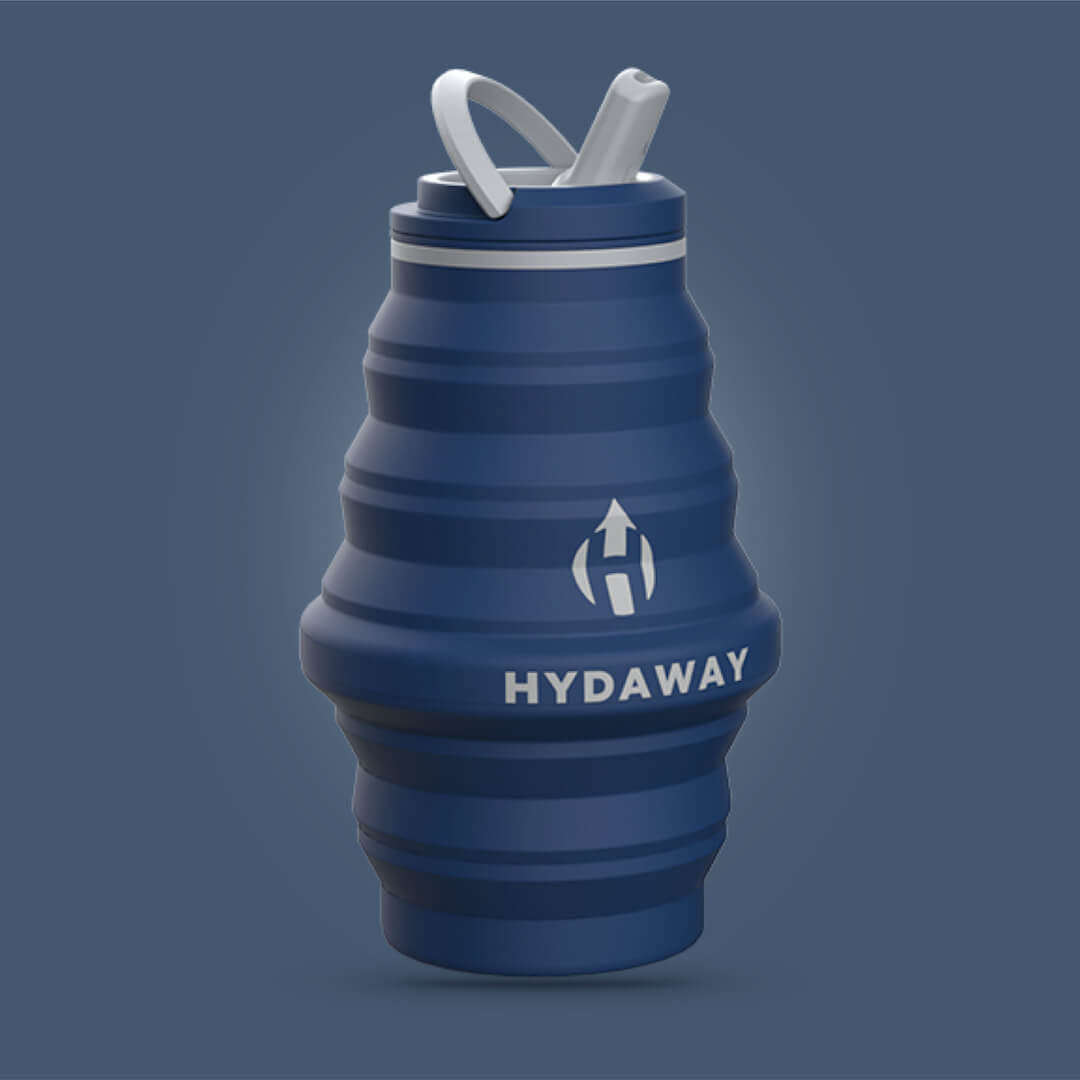
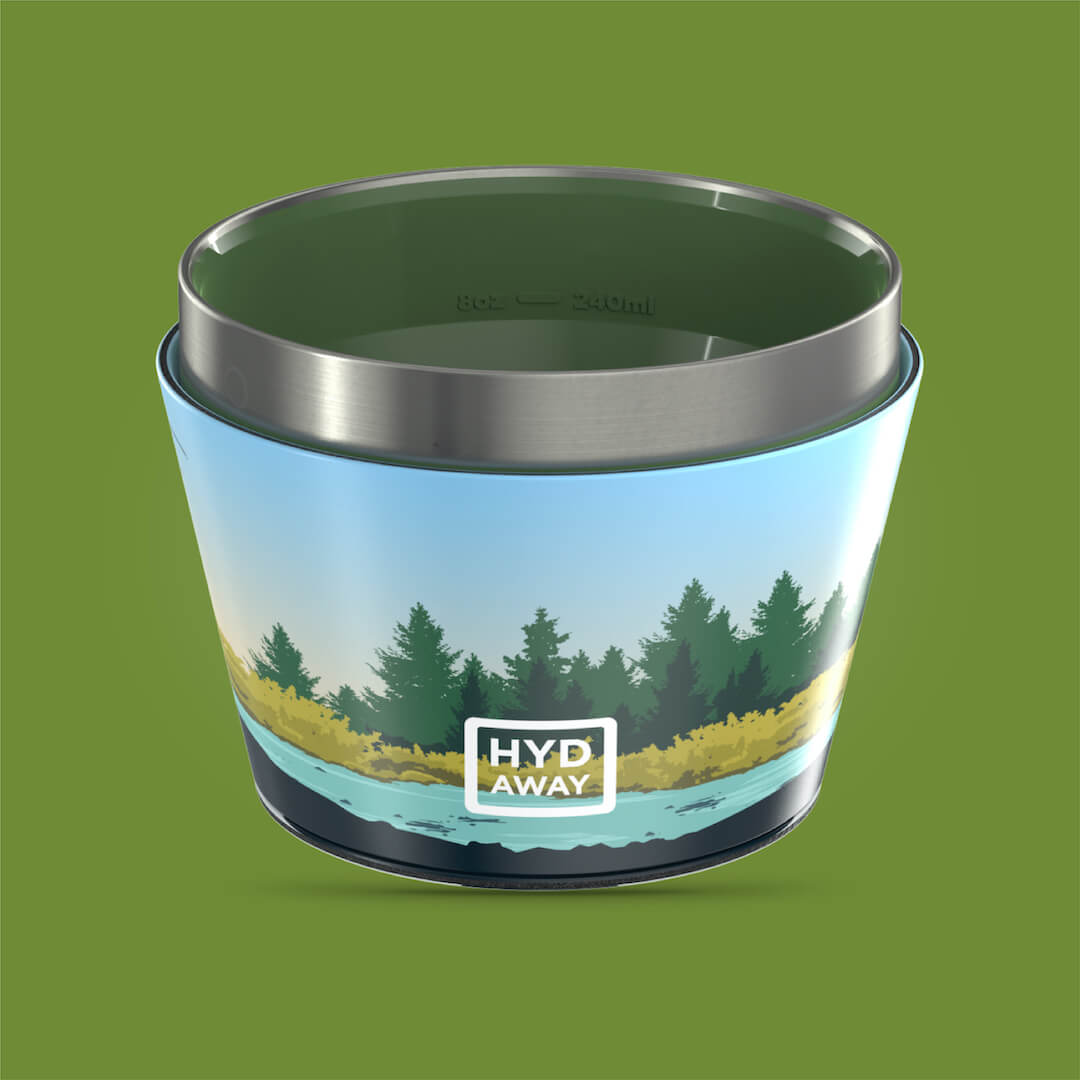
This is also where compact, collapsible gear helps. A rigid bowl, bottle, or food container can force you to pack around empty space. A flattening design reduces that problem. One example is HYDAWAY's collapsible bottle and bowl system, which fits naturally into a minimalist setup because it stows smaller when not in use instead of demanding permanent pack volume.
What doesn't work well
A few habits create more trouble than they solve.
- Over-compressing insulation can make your load harder to arrange and less pleasant to unpack at camp.
- Using too many tiny sacks often creates a scavenger hunt instead of a system.
- Trusting water resistance as waterproofing leads to wet sleep gear sooner or later.
- Duplicating organization and storage adds bulk without adding clarity.
If you're considering a volume-reduction setup for one bulky item, this HYDAWAY article on a compression stuff sack gives a clear overview of when compression helps and when it's just extra hardware.
Your Adventure-Ready Packing Checklist
Backpackers don't need a perfect gear spreadsheet. They need a starting setup they can use this weekend. The right arrangement depends less on identity and more on how often you repack, how wet your environment is, and how many different roles your gear has to cover.

Four practical setups
Day hiker Keep it light and obvious. One small sack for first-aid and repair odds and ends. One small sack for snacks if you like clean separation. Rain shell loose or in a very light sack if your pack tends to swallow it.
Multi-day backpacker Stuff sack systems prove their value for multi-day backpacking. Use a protected bag for critical dry gear, one medium sack for camp clothes, one sack for food organization, and one utility sack for hygiene or electronics. If your sleeping bag is bulky, add compression only after confirming it improves your load shape.
Van-lifer Think in modules, not compartments. One sack for dry pantry items, one for coffee or brew gear, one for cords and charging, and one for laundry separation. Soft-sided storage works well in vans because it handles odd cabinets and shifting loads better than rigid bins.
Global traveler Use sacks to turn one backpack into zones. Flight essentials near the top, sleep kit separate, toiletries in one grab-and-go bag, and dirty laundry isolated from the rest. This is also where packable drinkware and bowls make sense because they give you everyday utility without occupying full-size luggage space all the time.
Keep the system easy to maintain
A good setup lasts longer if you treat it like trail gear, not disposable packaging.
- Air sacks out after trips so trapped moisture doesn't linger.
- Separate dirty from clean storage before you throw everything back in a closet.
- Rinse bags that carried food or toiletries before residue builds up.
- Store compression sacks loosened rather than cranked tight around insulation gear.
The best system is the one you can remember half asleep in bad weather. Start small. Label mentally, not physically. Adjust after each trip based on what annoyed you, not what looked clever at home.
If you like gear that packs small and earns its space, take a look at HYDAWAY. Their collapsible bottles, bowls, and travel-ready accessories fit the same practical philosophy as a smart stuff sack system: carry what you need, cut dead space, and keep your kit easier to live with on the trail, on the road, and in everyday travel.