


Ultimate Replacement Bladder Camelbak Guide 2026

You refill before sunrise, shoulder the pack, and expect the hydration system to disappear into the background. Then the first sip tastes flat, or you set the pack down and notice moisture creeping through the back panel. That is usually the point where a simple replacement starts looking better than one more cleaning cycle or one more temporary fix.
Searches for replacement bladder CamelBak usually come from hikers, travelers, cyclists, and overlanders who need an answer fast. Sometimes the right move is a fresh reservoir that matches the pack you already trust. Sometimes the smarter move is to reconsider the whole setup, especially if your needs now include flights, hotel stays, day trips, or tighter packing constraints.
CamelBak has been a long-standing benchmark in hydration gear, which is why so many older packs are still in service. But replacing a worn bladder is also a good chance to ask a better question: do you want the same system again, or do you want a hydration setup that stores smaller, cleans easier, and works beyond the trail? Packability matters more than many buyers expect, especially for mixed-use travel, and good water bladder storage habits make a real difference in lifespan.
For long days outside, route planning and hydration strategy belong together. Karoo Outdoor offers useful guidance on reliable hydration for your Karoo adventures, especially if you are balancing distance, heat, and limited refill points.
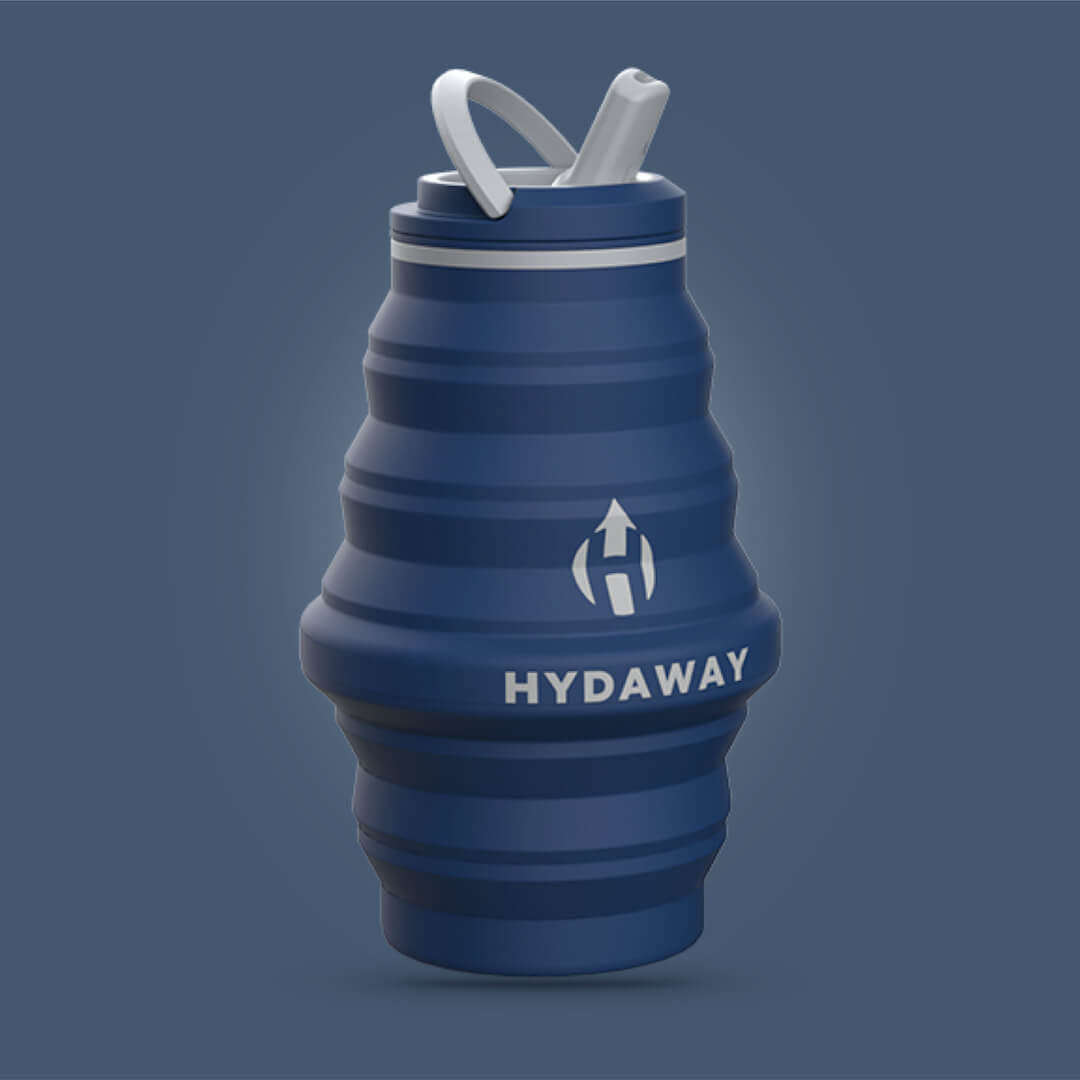
This guide treats a replacement bladder as more than a spare part. It is a chance to get your current pack working properly again, or to switch to a more flexible option such as HYDAWAY collapsibles if your routine now includes travel, commuting, or minimalist day carry.
Why Your Hydration Pack Needs a Fresh Start
A bladder rarely announces the end politely.
One weekend it’s fine. On the next trip, the water smells off even after a rinse, or a tiny leak shows up just below the fill opening. You tighten the cap, shift the hose, and hope for the best. That usually buys time, not confidence.
A worn reservoir changes how you move. You sip less because the taste is bad. You carry a backup bottle because you no longer trust the seal. You stop focusing on the route and start monitoring your gear.
The point where maintenance stops working
Old bladders usually fail in familiar ways:
- Taste that won’t leave: You can clean a lot of things out of a reservoir, but not every old-plastic smell or ingrained residue.
- Soft leaks that become trip problems: A tiny seam issue can soak insulation, clothing, or electronics before you notice.
- Cloudy interior or stubborn film: If you can’t fully dry the inside, the problem keeps returning.
- Hose and valve fatigue: Even when the reservoir body survives, drink tubes and bite valves can become the weak link.
Practical rule: If you’re spending more time managing the bladder than using it, replacement is usually the right call.
That’s especially true for hikers and travelers who rely on pack-based hydration to stay moving. If you’re building a setup for long days out, route planning matters as much as gear. Karoo Outdoor has a useful guide to reliable hydration for your Karoo adventures, and that kind of terrain planning pairs well with checking your reservoir before the trip, not after the first leak.
Why replacement beats one more compromise
A new bladder restores trust. That matters more than people admit.
When your system works, you drink naturally and keep your hands free. When it doesn’t, hydration becomes another task. If you’ve got an older pack, replacing just the reservoir often gives the whole bag a second life without replacing everything else.
Storage habits also play a big role in how fast an older reservoir turns into a problem. If your bladder spends long periods packed away between trips, it’s worth reviewing water bladder storage best practices before you install a fresh one and repeat the same cycle.
How to Choose the Right Replacement Bladder
You pull your pack on for a full day out, fill the reservoir, and ten minutes later the setup already feels wrong. The bladder is too tall for the sleeve, the hose exits at an awkward angle, or the pack rides like a lump against your back. That usually happens because the replacement was chosen by brand and liters alone.
A good replacement bladder has to match three things at once: your pack, your route, and how you drink on the move. If you hike with one dedicated pack, a direct CamelBak-style replacement often makes sense. If you rotate between a hiking pack, carry-on, commuter bag, and weekend travel setup, this is also the point to reconsider whether a traditional reservoir is still the best format for every trip.

Start with capacity and pack shape
Capacity is the first filter, but it only matters if the filled bladder still sits flat inside your pack.
For most setups, the common choices break down like this:
- 1.5L: Best for short hikes, fast walks, bike rides, and trips with easy refill access.
- 2L: The most versatile size for day hiking and mixed travel use.
- 3L: Better for long dry stretches, hot conditions, or routes where water access is uncertain.
- Small-format reservoirs: Better suited to running belts and compact vest-style systems than standard daypacks.
The mistake I see most often is buying too much volume. A larger reservoir sounds safer, but a full 3L bladder can crowd a narrow daypack, bow the back panel, and make the load feel worse than carrying a bottle in the side pocket. Measure the hydration sleeve height and width before ordering. Do not assume the pack body tells you enough.
Pay attention to drinkability
Flow rate changes how often people drink. If the hose is narrow or the bite valve takes too much effort, sipping becomes a chore, especially on climbs or when riding. Higher-flow designs usually feel better in use because you get a proper drink with less suction.
That matters more than it sounds on paper.
If you are comparing options beyond CamelBak, look closely at hose diameter, shutoff valve design, and whether the bite valve can be replaced separately. A good reservoir is easier to live with when the wear parts are simple to swap.
Check fit points before you buy
A replacement bladder does not need to be the same brand as the pack, but it does need to fit the pack properly. Check these four points first:
- Sleeve dimensions: Measure the internal sleeve, especially if the pack tapers near the top.
- Hanger or hook compatibility: Some reservoirs hang from a center loop, others from a molded handle or clip point.
- Hose routing: Make sure the hose reaches the shoulder port cleanly without sharp bends.
- Filled profile: Wide reservoirs can create pressure spots in slim technical packs.
Here is the practical comparison:
| Model | Capacity (Liters) | Best For | Key Feature |
|---|---|---|---|
| CamelBak Crux | 1.5 | Short hikes, trail runs, light bike rides | Compact size with easy drinking |
| CamelBak Crux | 2.0 | Day hikes, travel daypacks, all-around use | Balanced capacity for most packs |
| CamelBak Crux | 3.0 | Long hikes, backpacking, dry camps | Higher water carry for longer stretches |
| CamelBak runner-style reservoir | 0.83 to 1.3 | Running belts and compact carry systems | Built for smaller hydration setups |
Opening style affects long-term ownership
The bladder you can clean easily is the bladder you will keep using. Wide openings are easier to fill at awkward taps, easier to inspect, and much easier to dry fully. Removable hoses help too, especially if you use drink mixes or store the reservoir between trips.
CamelBak has improved closure systems, hose connections, and cleaning access over time, as noted earlier in the article. Those details are not marketing fluff. They directly affect how quickly a bladder dries, how simple it is to scrub, and whether you bother maintaining it after a hard trip.
If you want a broader comparison while you shop, Rider 18 has a useful roundup of best hydration bladder picks.
Choose for the trip, not just the old reservoir
A direct replacement is often the right answer for a hiking pack you already trust. A 2L or 3L CamelBak-style reservoir still works well for long walks, steady trail days, and packs designed around a hydration sleeve.
But some travelers are better served by rethinking the whole system. If your usual week includes flights, city walking, day hikes, and a lot of time with an underpacked bag, a flexible collapsible option can be smarter than replacing a rigid full-size reservoir by default. Traditional bladders carry well in the mountains. Packable collapsibles bring a different advantage. They disappear when empty and take up far less room in travel gear.
That is the main choice here. Replace like for like if your pack-based setup still fits your trips. If your routine has changed, use the replacement decision to build a hydration system that fits both trail use and everyday travel.
Your Step by Step Bladder Installation Guide
Most bladder installs are easy until one small detail turns into a leak. The usual culprit is a hose connection that wasn’t fully seated or a reservoir that’s twisted inside the sleeve.
Start with a clean table and an empty pack. Don’t rush the hose routing.

Remove the old reservoir carefully
If the old hose feels glued in place, don’t yank it.
Use this order:
- Empty and dry the old bladder as much as possible so you’re not spilling trapped water into the pack.
- Disconnect the hose gently. If the connection is stubborn, warming the join with hot water can soften it enough to remove without tearing parts.
- Inspect the sleeve and clip points before installing the new reservoir. Dirt, grit, and old moisture inside the sleeve can abrade the new bladder over time.
A quick wipe inside the hydration sleeve is worth doing every single time you swap reservoirs.
Seat the new bladder so it rides flat
Placement matters. A bladder that bunches at the bottom feels bulky and can pull the hose into an awkward angle.
Use this method:
- Hang or clip the top of the reservoir first.
- Lower it flat into the sleeve.
- Press the bottom corners down so the reservoir spreads evenly.
- Route the hose through the pack’s intended port before the pack is full of other gear.
If you pack first and insert the bladder last, you often end up forcing the hose around hard edges or compressing the reservoir in a way that creates pressure points.
A hydration bladder should sit like a back panel, not like a stuffed pouch.
Connect the hose and valve without creating future leaks
Push every connection until it feels fully home. Partial seating is the classic beginner mistake.
Check these points before adding water:
- Tube connection: It should be snug with no visible gap.
- Quick Link or connector point: Make sure it locks cleanly if your system uses one.
- Bite valve orientation: Point it so the natural drinking angle matches how it sits on your shoulder strap.
Once connected, fill the reservoir partway and hold it over a sink or outside. Squeeze gently. If a fitting weeps now, it’ll leak more once the pack is compressed on your back.
A visual walkthrough helps if you’re working with unfamiliar hose geometry or replacing multiple pieces at once:
Final fit check before the trail
Put the filled pack on and test the whole route of the hose.
Ask three simple questions:
- Does the hose reach the bite point without pulling?
- Does the valve sit where you can grab it with one hand?
- Does the bladder stay flat as the pack moves?
If the answer to any of those is no, fix it before the first trip. Hydration systems are easy to trust when installed well, and annoying when they’re merely good enough.
Mastering Bladder Maintenance and Cleaning
You get back to camp, drop the pack by the door, and tell yourself you’ll deal with the bladder tomorrow. That small delay is how clean water systems start tasting stale, growing film in the hose, and aging faster than they should.
Good maintenance is less about scrubbing harder and more about timing. Clean it soon, dry it completely, and store it in a way that doesn’t stress the material. If you travel a lot, that matters even more. A reservoir that sits half-damp in a hostel locker or buried in a gear tote usually fails from neglect long before it wears out on trail.
The quick routine that prevents most odor and buildup
For plain water use, keep the routine simple and repeatable:
- Rinse it the same day: Warm conditions inside a pack speed up odor and biofilm.
- Wash with mild soap and warm water: Agitate the reservoir, then run clean water through the hose and bite valve.
- Dry the reservoir fully open: Air circulation matters more than heat.
- Dry the hose and valve separately when you can: Those parts stay wet longer than the main chamber.
Drink mixes change the job. Electrolytes, sweeteners, and flavored tablets leave residue fast, especially in bite valves and around caps. If you use those often, treat every trip like it needs a full wash, not just a rinse.
Deep cleaning when a rinse no longer fixes it
Bad taste, a slick feel inside the bladder, or visible discoloration means residue is already established. At that point, a quick swish is wasted effort.
Use a full cleaning sequence:
- Wash the reservoir body with warm water and mild soap.
- Brush or flush the hose until the water runs clean and neutral-smelling.
- Scrub the cap, threads, and bite valve. Those areas collect residue first.
- Let every part dry disassembled, if your model allows it.
Purpose-built tools help here, especially with narrow hoses and stubborn moisture. A hydration bladder cleaning kit makes more sense than improvising with chopsticks, paper towels, and hope.
Storage matters as much as cleaning
I see more old bladders ruined in storage than on the trail. Folding a reservoir while it is still damp, stuffing it under heavy gear, or sealing it closed for months shortens its life.
CamelBak advises cleaning and drying the reservoir thoroughly before storage, and notes that some users store reservoirs in the freezer to help prevent mildew. The company’s guidance is in the official CamelBak FAQ. That advice is reasonable for a newer bladder in regular rotation. It is less appealing for an older reservoir that already shows stiffness, cloudy film, or material fatigue.
Use the storage method that matches the bladder’s condition:
- Newer reservoir used often: Clean it, dry it completely, and freezer storage can be a practical option if the material is still supple.
- Older reservoir or long-idle gear: Store it dry, open, and uncompressed at room temperature.
- Seasonal storage bins: Keep the bladder flat or loosely hung. Do not trap hard folds under stoves, shoes, or cookware.
That trade-off matters. Freezer storage can reduce mildew risk. Room-temperature storage is gentler on aging materials. If you are already replacing a bladder, it is also a good time to reconsider whether a traditional reservoir still fits how you travel. For daily carry, flights, or mixed urban and trail use, a collapsible system can be easier to dry, pack, and rotate than one large bladder that spends weeks sitting unused.
What usually works, and what usually causes trouble
| Practice | Usually Works | Usually Causes Problems |
|---|---|---|
| Cleaning the same day | Yes | Letting it sit dirty for several days |
| Drying with the reservoir held open | Yes | Closing it while moisture is still inside |
| Storing older bladders open and uncompressed | Yes | Leaving sharp folds under heavy gear |
| Cleaning the hose and valve as separate parts | Yes | Rinsing only the main chamber |
A hydration system does not need much maintenance. It does need consistent maintenance. That is the difference between a bladder that lasts for years and one that starts tasting wrong halfway through the season.
Troubleshooting Common Bladder Problems
You notice the problem at the worst time. Water on the bottom of the pack, weak flow on a climb, or that stale plastic taste halfway through a hot day. Some issues are easy fixes. Others are warning signs that the reservoir is done and your best move is to replace the part or rethink the whole setup.

Fixing pinhole leaks and seam weeps
Slow leaks around the fill opening or along a seam are common on older reservoirs. A long-running repair tip from hikers on WhiteBlaze suggests using a flexible silicone sealant for small seam leaks, and the original discussion is archived in this WhiteBlaze forum thread on Platypus and hydration bladder seam repairs.
That repair can buy time if the leak is small and the surrounding material still feels flexible.
Use a careful process:
- Locate the exact leak by adding a little water and pressing gently on the reservoir.
- Dry the area fully inside and out.
- Apply a thin layer of flexible sealant only where the leak starts.
- Cure it completely according to the sealant instructions.
- Retest before a real outing by filling and hanging the bladder over a sink or tub.
Skip this repair if the seam is opening up over a long stretch, the film is getting brittle, or you see multiple weak spots. In those cases, the problem is age, not a single defect.
Clearing a clogged bite valve or hose
Restricted flow usually comes from dried drink mix, fine grit, or a bite valve that has started to deform. Start with the simple checks before replacing the whole reservoir.
- Remove and rinse the bite valve
- Flush the hose with warm water
- Look for a kinked tube inside the pack
- Check the valve slit for buildup or damage
If the valve feels tacky, stays partly closed, or leaks after cleaning, swap that part first. It is cheaper than replacing the entire system. For a parts-specific breakdown, this guide to CamelBak replacement bite valves covers what to replace and when.
Reducing plastic taste without making it complicated
A new bladder or one that sat unused for months can taste flat or plasticky. Repeated wash, rinse, and full dry cycles usually improve that. The key is full drying, not perfume-level cleaning tricks.
Use mild soap and warm water. Rinse until there is no soap residue left. Then dry it completely before the next fill.
If bad taste keeps coming back after several cleanings, pay attention to the age of the reservoir and what has been stored in it. Old material and leftover sports drink residue are harder to fix than plain water odor.
Knowing when to stop repairing
Field fixes have value. They keep a trip going, stretch the life of good gear, and save money when the problem is minor.
But repeated repairs on a tired reservoir rarely end well. Replace the bladder if you see any of the following:
- More than one leak point
- Taste or odor that returns after proper cleaning
- Cracking, stiffness, or cloudy wear near seams and corners
- A hose and valve setup that keeps failing even after part swaps
At that point, the decision is bigger than a patch job. A standard CamelBak-style replacement still makes sense for dedicated trail use, but if your hydration gear also needs to work for flights, commuting, or light travel, this is often the right time to reconsider whether a traditional bladder is still the best tool.
Rethinking Hydration with HYDAWAY Collapsibles
A fresh CamelBak reservoir solves one problem well. It doesn’t solve every hydration problem you have.
That matters because many people searching for a replacement bladder aren’t just hikers. They’re also travelers, remote workers, festival goers, road trippers, theme park parents, and commuters. A trail reservoir is excellent inside a pack. Outside that use case, it can be awkward.

Where a bladder wins
A reservoir still makes the most sense when you need:
- Hands-free drinking while hiking or biking
- Weight carried inside the pack rather than in side pockets
- Frequent sipping on the move without stopping
For dedicated trail days, that’s hard to beat. A CamelBak-style system keeps water accessible and stable.
Where collapsible bottles make more sense
There are plenty of situations where a traditional bladder is the wrong tool.
Consider these real-life examples:
- Airport travel: An empty collapsible bottle takes up less bag space before security, then fills easily after screening.
- Theme parks and family outings: Carrying several fold-down bottles in a small day bag is easier than managing a shared hydration pack.
- Coworking and city use: A bottle works better at a desk, in a cafe, or during transit than a hose-fed reservoir.
- Campervan and overland life: Packable drinkware is easier to stash in tight drawers, seat pockets, and modular bins.
For those uses, collapsible formats fit the day better than a hydration bladder ever will.
The smart move is often a hybrid setup
People avoid much friction by adopting this strategy.
Use a hydration reservoir for the trail. Use collapsible bottles for everything around the trail. That gives you a system instead of a single product trying to do every job badly.
A hybrid setup works especially well for:
| Situation | Better Choice | Why |
|---|---|---|
| Long hike with steady movement | Hydration bladder | Hands-free drinking while moving |
| Flight day and airport transfer | Collapsible bottle | Packs flat when empty |
| Theme park or urban sightseeing | Collapsible bottle | Easier carrying and refilling |
| Daypack that shifts between trail and town | Both | Match the container to the day |
The best hydration setup isn’t always one product. It’s the least annoying combination for the way you actually travel.
That’s the practical reframing many buyers miss. Replacing an old CamelBak bladder is often the right call. It’s also a good moment to ask whether your everyday hydration needs have changed since you bought the pack in the first place.
Frequently Asked Questions About Your CamelBak Bladder
Can I use a new Crux bladder in an older non-CamelBak pack
Usually, yes. Reservoirs are less brand-locked than many buyers expect.
What matters is fit inside the sleeve, a secure hang point if your pack uses one, and clean hose routing to the shoulder strap or port. I’d also check the width of the filled bladder, not just total liters, because some older daypacks have a narrow sleeve that looks large enough until the reservoir is full.
What size should most hikers choose
For typical day hikes, a mid-size reservoir is the practical starting point. It carries enough water for regular trail use without taking over the whole pack.
Go smaller for short runs, cool weather walks, or routes with frequent refill points. Go larger for hot conditions, dry trails, or long stretches where water access is uncertain.
What does CamelBak’s lifetime warranty actually cover
CamelBak’s Got Your Bak warranty is intended for manufacturing defects in materials and workmanship, and CamelBak decides whether to repair or replace the product. It does not cover normal wear, misuse, or damage that comes from age and long service life. You can verify the current terms on CamelBak’s official warranty page: CamelBak Got Your Bak Warranty.
In practice, an older bladder with worn seams, staining, odor that will not clear, or pinholes from years of folding and use is usually a replacement issue, not a warranty claim.
Are third-party hoses and valves a good idea
Sometimes. The trade-off is simple: lower cost versus fit risk.
If the diameter, connection style, and bite valve seat are not exact, you can end up with slow leaks, weak flow, or a hose that pulls loose under pressure. Third-party parts make the most sense when you already know the dimensions match and the original replacement part is unavailable.
Is a seam leak always the end of the bladder
No, but inspect the material before trying to save it.
A tiny puncture or minor seep can sometimes be patched with a flexible, water-safe repair material. If the reservoir film feels stiff, thinned out, sticky, or brittle, repair rarely lasts long enough to trust on trail. At that point, replace it.
Why does my bladder still smell after cleaning
The usual problem is trapped moisture in the hose, bite valve, cap threads, or corners of the reservoir body. Washing removes residue. Drying prevents the smell from coming back.
If odor returns quickly after proper cleaning and full drying, the material may be retaining smell from age and repeated use. That is often the point where a new reservoir makes more sense than another cleaning cycle.
Should I store my bladder in the freezer
Freezer storage can help between uses, but only with a clean, fully dried bladder. If moisture or residue is left inside, you are just preserving the problem.
For older reservoirs, I prefer open, dry storage at room temperature. Repeated folding and cold storage can be harder on aging materials, especially around seams and hose connections.
Is replacing the bladder better than replacing the whole pack
Often, yes. If the pack still fits well, carries comfortably, and the zippers, harness, and back panel are in good shape, a fresh reservoir is the cheaper and smarter fix.
It is also a good time to reconsider the job your hydration setup needs to do now. If you still hike regularly, replacing the bladder keeps the pack useful. If your days now include flights, city walking, road trips, commuting, and only occasional trail use, a new reservoir plus a collapsible bottle setup can be the better long-term system.
If you want a hydration setup that works beyond the trail, take a look at HYDAWAY. Their collapsible bottles, drinkware, and travel-ready gear are built for people who need packable options for flights, road trips, commutes, family outings, and everyday carry. Pair a reliable trail reservoir with gear that folds flat the rest of the time, and your hydration kit becomes much easier to live with.