

Your Ultimate Overlanding Kitchen Setup Guide for 2026

A truly great overlanding kitchen is so much more than a pile of gear. It's a complete system for cooking, cleaning, and storage that feels like a natural extension of your vehicle. The best ones are all about an intuitive workflow, taking that classic home kitchen "triangle" of cook, clean, and cool and cleverly adapting it to the back of a truck or SUV. Get this right, and you'll spend less time setting up and more time soaking in the adventure.
Designing Your Mobile Culinary Command Center

Think of your overlanding kitchen as the heart of your camp. It’s where you’ll brew that first life-giving cup of coffee at sunrise and whip up a well-earned meal after a long day on the trail. A great setup feels less like a chore and more like a joy. The secret is simply thoughtful design that works with your vehicle and travel style, not against it.
The goal isn't to perfectly replicate your kitchen at home, but to build an efficient, functional workspace for the wild. It's this philosophy that has helped power a massive movement. In 2023, the outdoor recreation economy generated an incredible $1.2 trillion in economic output, which just goes to show how many people are getting serious about their adventures.
Adapting the Kitchen Triangle for Overlanding
At home, the "kitchen triangle" is all about easy movement between your stove (cook), sink (clean), and fridge (cool). Out on the trail, the principle is the same: create a logical flow between these three core zones so you aren't tripping over yourself.
- Cool Zone: This is your fridge or cooler. It needs to be one of the most accessible things in your rig so you can grab ingredients or a cold drink without an entire vehicle teardown. For a lot of us, a 12V fridge on a slide-out is the gold standard for a reason.
- Prep and Cook Zone: This is your main workspace. It’s where your stove lives and where you need a stable surface for chopping and prep. A good camp table or a well-organized tailgate is absolutely essential here.
- Clean Zone: This area houses your water supply and your wash-up system. For this zone, a collapsible sink, like HYDAWAY's multi-use basins, is perfect because it's sturdy when you need it and packs flat to save space. You'll want to position it so you can easily and responsibly dispose of greywater away from your immediate campsite.
A well-designed workflow means you can pull into camp, open the back of your rig, and have your kitchen up and running in under five minutes. Efficiency is freedom on the trail.
Choosing Your Kitchen Layout Style
Your vehicle is the foundation for your kitchen’s entire design. Whether you’re working with a nimble Subaru Forester or a full-size truck with a camper shell, there’s a layout that will feel right for you. A great place to start is exploring some smart cooking solutions for nomadic travelers to see how others optimize space and function.
The Tailgate Kitchen This is the simplest and often the first setup for many overlanders, perfect for SUVs, wagons, and trucks. You just use your vehicle's tailgate as the main counter space. Set your stove on top, and work directly out of the back. It’s cost-effective and doesn't require any permanent modifications.
The Slide-Out System For a more integrated approach, you can install a drawer or full slide-out platform in your cargo area. These systems, whether from a pro builder like Goose Gear or a weekend DIY project, can house your stove, fridge, and storage all in one slick unit. You just pull it out, and your galley is instantly ready to go.
The Integrated Chuck Box This is a modern take on the classic camp kitchen box. It’s a self-contained unit that holds your stove, utensils, and pantry essentials. You can set it on a tailgate or a separate table. The real win here is organization; everything you need to cook is in one grab-and-go container. This is exactly where space-saving gear like HYDAWAY's collapsible bowls and drinkware shines, letting you pack a full dinnerware set into just a tiny corner of the box.
Choosing the Essential Gear for Your Overland Kitchen

Okay, you’ve got your layout planned. Now for the fun part: filling it with the gear that turns a collection of boxes into a working kitchen. This isn't about grabbing every shiny new gadget you see on Instagram. It’s about being deliberate and choosing reliable, field-tested equipment that’s right for your adventures.
Smart gear choices are what make the difference between a frustrating trip and a fantastic one. It's a trend we're seeing across the board—the camp kitchen market has exploded, growing from $1.5 billion in 2023 and rocketing toward a projected $2.7 billion. Why? Because people are realizing that investing in quality gear makes for a better time on the trail. You can even explore the data on this expanding market to see how big this movement has become.
The Heart of the Kitchen: Your Cooking System
Your stove is the centerpiece, the one piece of gear you’ll use every single day. The best one for you really depends on your travel style—are you a weekend warrior or planning a multi-month trek where fuel types might change?
- Dual-Fuel Propane Stoves: You can't go wrong with a classic two-burner propane stove. Brands like Coleman and Camp Chef have been staples for decades because they just work. They’re affordable, simple, and tough as nails. Plus, those little 1lb green propane canisters are sold at nearly every gas station and grocery store in North America, making fuel a non-issue.
- Butane Burners: These single-burner wonders are incredibly compact and lightweight. They're perfect for solo travelers, whipping up a quick trailside lunch, or just as a second burner for boiling water for coffee. They heat up in a flash but can get a little sluggish in the cold or at high altitudes.
- Induction Cooktops: If you've invested in a serious electrical system with a house battery and an inverter, an induction cooktop is a game-changer. It’s clean, offers amazing temperature control, and means you don't have to carry combustible fuel inside your rig. Just know that it’s completely reliant on your power setup.
For most folks just getting started, a two-burner propane stove is the perfect blend of performance and value.
To Fridge or to Cooler: The Great Debate
How you keep your food cold is one of the biggest gear decisions you’ll make, and it’s a hot topic around the campfire.
High-end rotomolded coolers from brands like Yeti or RTIC are amazing for shorter trips. If you pre-chill everything and manage your ice, you can easily get three or four days of cold food. But they have a downside: they need a constant supply of ice, which eats up space and eventually turns your food into a soggy mess.
A 12V powered fridge is a true game-changer for any trip longer than a weekend. No more soggy food, no more daily ice runs—just consistent, reliable cooling. It’s an investment that pays for itself in convenience and reduced food waste.
Powered fridges from companies like Dometic or ARB run right off your vehicle's 12V system. The upfront cost is higher, and you need a solid power source, but the freedom from the "ice run" is priceless for serious overlanding.
Overlanding Kitchen Gear Comparison
Deciding between budget, mid-range, and premium options can be tough. This table breaks down the core components to help you match your gear to your budget and travel style.
| Component | Budget-Friendly Option | Mid-Range Option | Premium Option |
|---|---|---|---|
| Cooking System | Single Butane Burner | Classic 2-Burner Propane Stove | Dual-Burner Expedition Stove or Induction Cooktop |
| Food Storage | High-Quality Rotomolded Cooler | Entry-Level 12V Fridge | Dual-Zone 12V Fridge/Freezer |
| Table/Surface | Basic Folding Plastic Table | Aluminum Roll-Top Camp Table | Vehicle-Mounted or Integrated Slide-Out Table |
| Water Storage | Loose Water Jugs (2-3 gallons) | 7-Gallon Rigid Water Container with Spigot | Integrated Water Tank with a 12V Pump |
| Dinnerware | Old plates/bowls from home | Basic Enamelware or Plastic Set | HYDAWAY Collapsible Bowls & Pints |
Ultimately, the best choice is the one that reliably meets your needs on the trail. You can always start with more budget-friendly gear and upgrade key pieces as you figure out what's most important to you.
The Small Gear That Makes a Big Difference
The big-ticket items get all the glory, but it’s the small stuff you use every single day that truly shapes your kitchen experience. This is where being smart about space-saving gear pays off in a huge way.
Take your plates and bowls, for example. A stack of four heavy ceramic plates from your home kitchen is bulky, rattles constantly, and is just waiting to break. This is where modern, collapsible gear is an absolute lifesaver.
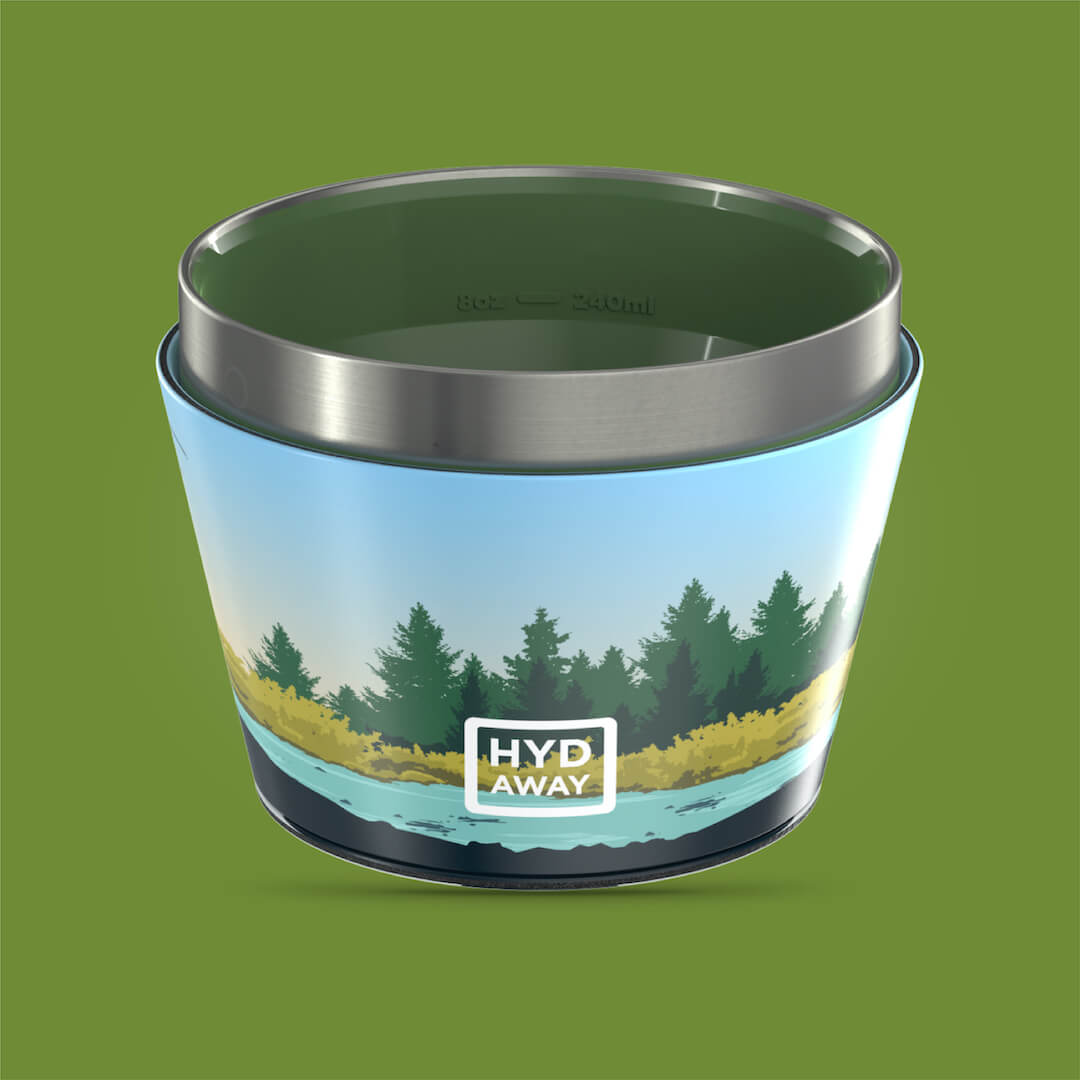
A set of HYDAWAY's collapsible, insulated bowls, for instance, can replace that entire clunky stack. They pack down to just over an inch thick, freeing up an entire drawer for more food or other gear. And because they're insulated and have spill-proof lids, they’re perfect for storing leftovers, which means less food waste and no more messing with plastic wrap.
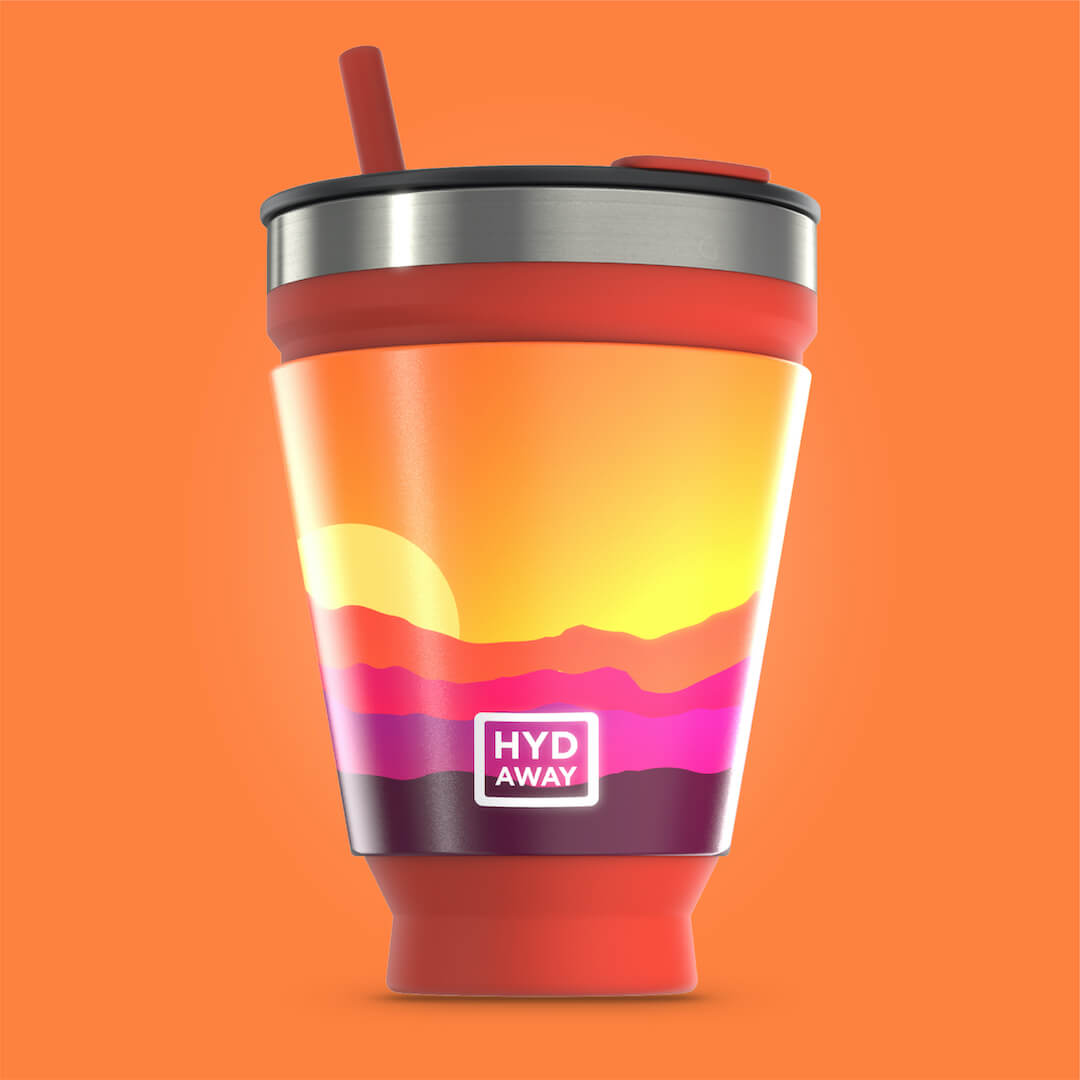
This same thinking applies to your cups. Instead of packing fragile glasses or creating waste with single-use cups, HYDAWAY’s collapsible pint glasses and tumblers are a durable, reusable dream. You get the satisfying feel of a real cup, but they collapse flat for effortless packing. It’s a sustainable system that makes your whole kit more efficient. You can find more great ways to build out a smart system by checking out these camping kitchen setup ideas.
Mastering Storage and Organization in Tight Spaces

Ask any seasoned overlander and they’ll tell you: a functional kitchen is an organized one. When you’re dealing with the tight confines of a vehicle, every single square inch counts. Mastering your storage strategy is what separates a frustrating trip from a fantastic one.
You want a system where you can grab what you need without a full-on excavation project. This means getting a bit more intentional than just tossing gear in the back and hoping for the best. It’s all about creating a smart overlanding kitchen setup.
Storage Systems Built for the Trail
When it comes to organizing your kitchen, most setups fall into one of three camps: built-in drawers, a box system, or the classic chuck box. Each has its own vibe, and what's best for you really boils down to your vehicle, your budget, and how permanent you want this kitchen to be.
-
Commercial Drawer Systems: These are the gold standard for integrated storage. Companies like Goose Gear and DECKED make some seriously tough, vehicle-specific drawer systems. They provide secure, clean, and organized access to your gear. It's a big investment, no doubt, but they are built to last and make life on the road incredibly smooth.
-
DIY Drawer Builds: Got some basic woodworking skills? Building your own drawer system is a hugely popular and budget-friendly route. The best part is you can customize the whole thing to perfectly fit your rig and your specific gear. A DIY build gives you ultimate control.
-
The Box System: This is probably the most flexible and affordable way to go. The idea is simple: use a few durable, clearly labeled totes (like Front Runner Wolf Packs or even basic plastic bins) to sort your gear. One box for cooking, another for dry foods, one for cleanup. It's a modular system that lets you easily pull your kitchen out of the truck and set up on a picnic table.
A well-organized box system is a thing of beauty. When you can grab the "Coffee Box" in the morning and have everything you need—from beans to your brewer—in one place, your whole day starts better.
Create Modular Kits for Ultimate Efficiency
Whatever your main storage system is, the real secret to next-level organization is creating smaller, modular "kits" for specific jobs. Think of them as grab-and-go packs that have everything for one task. This little tactic is a total game-changer at camp.
For instance, your Spice Kit could be a small padded pouch with mini containers of all your go-to seasonings. Your Cleanup Kit might be a HYDAWAY collapsible basin that holds biodegradable soap, a scrubber, and a quick-drying towel. This approach stops you from digging through a giant "everything drawer" just to find the salt.
Pack Smarter with Collapsible Gear
Here's where you can win back a shocking amount of space. Let's be real, traditional kitchen gear is bulky. A stack of four rigid plates or bowls can eat up half a drawer, rattling and clanking with every bump in the trail.
This is the exact problem HYDAWAY collapsible dinnerware was created to fix. Just imagine replacing that tall, awkward stack of plates with four of our insulated bowls that pack down completely flat. All of a sudden, you've got a ton of space back for more food, another piece of gear, or just some welcome breathing room.
This one simple change can have a domino effect on your whole overlanding kitchen setup. That space you just recovered in the drawer? It might be the perfect spot for a dedicated pantry area. For anyone trying to maximize every last inch, checking out other collapsible camping cookware can unlock even more packing possibilities.
When you combine a solid storage system with modular kits and space-saving essentials, you build a kitchen that isn’t just organized—it's a genuine pleasure to use. Everything is always within reach, setup is a breeze, and you can focus on the real reason you’re out there in the first place: the adventure.
Your Guide to Water Systems and Camp Cleanup
Let's talk about two things that can make or break any overlanding trip: water and waste. Getting these right isn't just about chores; it's the foundation of a safe, sustainable, and genuinely enjoyable adventure. A solid system for your water and a responsible plan for cleanup are non-negotiable for a great overlanding kitchen setup. Here’s how to handle both like you’ve been doing it for years.
Having enough fresh water is about so much more than just staying hydrated. It’s what you cook with, what you clean with, and what you use to wash up at the end of a long day. Your entire mobile kitchen really hinges on having an accessible and reliable water source.
Choosing Your Water Storage Method
Your water solution can be as simple as a few jugs for a weekend jaunt or as integrated as an onboard tank for those longer, more remote journeys.
-
Simple Jerry Cans: The most straightforward method is using durable, portable water containers. Grabbing a 7-gallon rigid jerry can with a built-in spigot is a massive upgrade over those flimsy jugs from the grocery store. It’s easy to fill, simple to dispense from, and you can just pop it on a table for easy gravity-fed water.
-
Onboard Tanks with 12V Pumps: For a truly seamless setup, an onboard water tank hooked up to a 12V pump is the next level. This gives you running water on demand, pretty much just like at home. These systems can be tucked into drawer units or mounted in unused vehicle space, giving you a clean, efficient water supply for your whole camp.
No matter which path you choose, always bring more water than you think you’ll need. A good rule of thumb is one gallon per person, per day, just for drinking, cooking, and basic cleaning. You can explore more options and supplement your main storage with these collapsible water containers for camping.
The Leave No Trace Cleanup System
A clean camp is a happy camp. It’s on all of us to leave these beautiful wild places even better than we found them. The three-bin dishwashing system is the gold standard for responsible cleanup out on the trail—it’s easy, effective, and contains all your greywater.
A practical way to implement this is with HYDAWAY's collapsible basins. You can use one as your hot wash bin and a second for your rinse, and they pack down flat when you're done, saving critical space.
-
The Scrape Bin (Hot Wash): First things first. After eating, scrape every last food scrap from your dishes into a dedicated trash bag. Never wash food chunks into your water. Then, in your first bin, add a small drop of biodegradable soap and hot water for a good scrub.
-
The Hot Rinse Bin: The second bin is just for plain hot water. This is where you’ll rinse all the soap off your freshly washed dishes.
-
The Cold Sanitize Bin: Your final stop is a cold water rinse, often with a tiny capful of bleach to sanitize everything. Let the dishes air dry on a rack or a clean towel before you pack them away.
By using this system, you capture all your "greywater." This dirty water should never be dumped into a lake or stream. Instead, strain it for any missed food bits, then walk at least 200 feet away from any water source, campsite, or trail to scatter it.
The Role of Smart Gear in Cleanup and Hydration
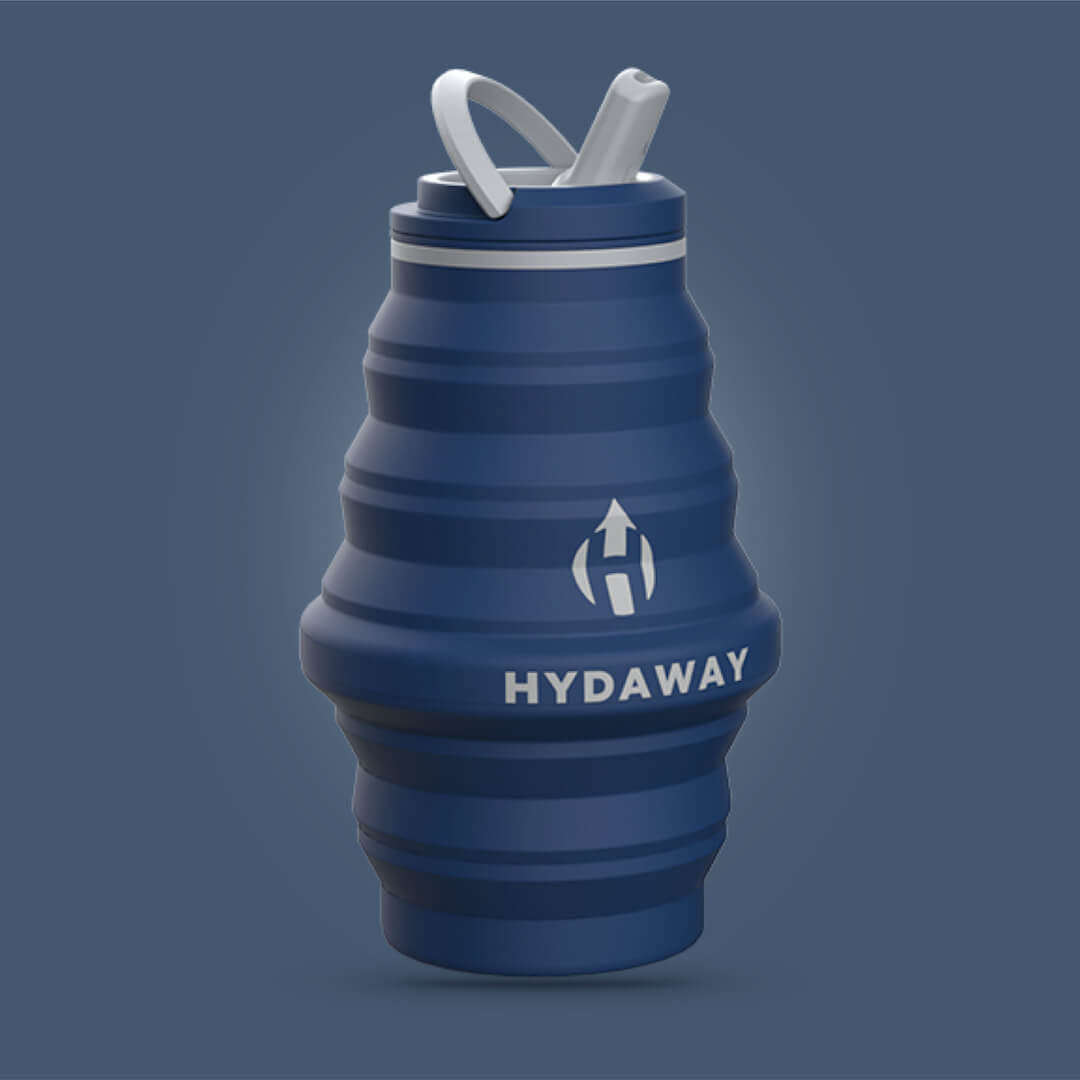
This is another area where choosing versatile gear really pays off. When you head out for a side-hike away from your rig, a HYDAWAY 25oz collapsible water bottle is perfect. It holds plenty of water for a few hours, but when it’s empty, it collapses down small enough to slip into your pocket. No more carrying a bulky, empty bottle back to camp.
When it comes to meals and cleanup, the right dinnerware makes a world of difference. Using a HYDAWAY insulated bowl with its spill-proof lid means you can easily save leftovers. This cuts down on food waste and completely eliminates the need for single-use plastic wrap. Just pop the lid on and stick it in your cooler for an easy lunch the next day. It’s these little thoughtful choices that help keep your entire overlanding kitchen efficient and sustainable.
Powering Your Galley and Ensuring On-Trail Safety
Gone are the days when an overlanding kitchen was just a propane stove and a simple cooler. Now, we’re running refrigerators, water pumps, and stringing up camp lights—all of which need a reliable source of juice. Of course, with more gear comes a greater need to focus on safety out on the trail.
It’s no surprise that people are investing more in their setups. The global outdoor cooking equipment market was valued at $8.53 billion in 2022 and is expected to hit a staggering $18.53 billion by 2032. We're all looking for gear that makes our adventures more comfortable and, most importantly, safer. You can dive into more data on these market trends to see just how fast this community is growing.
Choosing Your Power System
Keeping a 12V fridge running is probably the number one reason overlanders start looking into a better electrical system. You really have two solid options: a built-in dual-battery system or one of the grab-and-go portable power stations.
-
Dual-Battery Systems: This is the more permanent, integrated solution. It means adding a second "house" battery to your vehicle that's dedicated to running all your accessories. It’s kept separate from your starter battery with an isolator, which is a lifesaver—it means you can run your fridge all night without worrying about being stranded with a dead engine. This is the gold standard for a fully kitted-out overlanding kitchen setup.
-
Portable Power Stations: Companies like Jackery and Anker have completely changed the game for off-grid power. These all-in-one boxes pack a lithium battery, an inverter for AC outlets, and a bunch of ports (12V, USB, AC). You can charge them up at home, from your car while you drive, or with solar panels once you're at camp.
For a lot of folks, a portable power station is the perfect way to get started. There are no permanent modifications to your rig, and you get the flexibility to carry power away from the vehicle—perfect for charging a phone in your tent or running lights at a picnic table.
On-Trail Safety Your Kitchen Cannot Overlook
An organized camp kitchen is a safe camp kitchen. It's about more than just knowing where your spatula is; it's about being ready for the realities of cooking in the wild, from managing fuel to being a good neighbor to wildlife.
Fuel and Fire Safety
Your stove is easily the biggest fire risk in your entire setup. You have to treat it with respect every single time.
- Fuel Storage: This is a big one. Never, ever store propane or butane canisters inside a hot vehicle. The heat can cause them to expand, leak, or worse. Keep them in a ventilated space, like an exterior-mounted box or on a roof rack.
- Fire Extinguisher: Always—and I mean always—have a fire extinguisher rated for Class B (flammable liquids) and C (electrical) fires within arm's reach of where you're cooking. Not buried in a drawer, not packed in a bin. Right there, ready to grab.
- Clear Cooking Zone: Before you even think about lighting that stove, clear a 10-foot radius around it. Get rid of any dry grass, leaves, or anything else that could go up in flames.
Cooking in Bear Country
If you're traveling through bear country, you have a responsibility to be smart about how you cook and store your food. It protects you, and it protects the bears. A bear that gets a food "reward" from a campsite is one that's put in danger.
This decision tree is a great visual guide for how to handle cleanup responsibly in the backcountry.

What this really boils down to is being smart with your soap and water. Whether you’re using a biodegradable soap or just hot water and a scraper, the key is to contain your greywater and dump it far away from any streams or lakes.
When you’re in bear country, this cleanliness becomes a critical safety rule. Scented soaps can attract animals, so your goal is to make your camp as boring and scent-free as possible. This is where a sealed container like the HYDAWAY bowl is incredibly useful; its leak-proof lid seals in any leftover food smells, keeping your site off the radar of curious critters.
Meal Planning and Pro Tips from the Trail
You’ve got the perfect kitchen setup dialed in, but what are you actually going to cook? After a long day on the trail, a good meal isn't just a luxury—it's essential. The best trail food is simple, delicious, and deeply satisfying.
The secret to amazing camp meals actually starts back at home, long before your tires even touch the dirt. The goal is always to do less work at camp. Think one-pot wonders like chilis, stews, and hearty pasta dishes that are a breeze to cook and even easier to clean up.
Do the Work at Home, Relax at Camp
Prepping your ingredients before you leave is the single best thing you can do for your future self. Chop up those onions and peppers and toss them in reusable bags. Go a step further and pre-cook proteins like ground beef or shredded chicken. This saves an incredible amount of cooking time and fuel at the campsite.
My favorite trail meals are the ones where I just pull a bag of prepped ingredients from the fridge, dump it in a pot, and have a hot dinner ready in less than 20 minutes. That means more time enjoying the sunset and less time swatting bugs by the stove.
When you're brainstorming what to make, getting your breakfasts sorted can really set the tone for the day. For some great ways to fuel your mornings, check out these best camping breakfast ideas to get your adventures started right.
A Sample 3-Day Overlanding Meal Plan
Feel free to use this simple plan as a jumping-off point for your next adventure. It's built for pure efficiency and minimal cleanup.
| Meal | Day 1 | Day 2 | Day 3 |
|---|---|---|---|
| Breakfast | Oatmeal with berries & nuts | Scrambled eggs & sausage | Leftover chili (reheats great!) |
| Lunch | Wraps with pre-cooked chicken | Leftover pasta salad | Sandwiches with cheese & salami |
| Dinner | One-pot chili | Pasta with pre-made sauce | Burrito bowls with pre-cooked beef |
Essential Pro Tips from the Trail
Beyond the food itself, a few hard-won lessons can make any trip run a lot smoother. These are the little things you learn out of necessity.
- Always Pack Extra Trash Bags: You will make more trash than you think. A solid, leak-proof trash solution is non-negotiable for practicing Leave No Trace.
- Bring a Doormat: It sounds silly, but a cheap doormat at your tent or vehicle door makes a huge difference in keeping the outdoors out.
- The Power of a Well-Stocked Pantry: Keep a dedicated bin filled with your pantry staples—oil, spices, coffee, tea, and quick-grab snacks. This "go-bin" makes it easy to head out on a last-minute trip without forgetting the essentials.
Ultimately, your gear choices have a direct line to your enjoyment on the road. When you use multi-purpose items like HYDAWAY's collapsible bowls, their spill-proof lids mean you can use one container to cook, eat, and store leftovers. That’s fewer dishes to wash and less to pack, turning your camp kitchen into a place of pure joy.
Common Questions We Hear on the Trail
When you're first piecing together your overlanding kitchen, the questions can feel endless. We get it. Deciding what you truly need versus what’s just extra weight is a classic overlander's dilemma. Let's clear up a few of the most common questions we hear from folks gearing up for their first big trip.
What’s the Best Stove for a Beginner?
If you're just starting out, you can't go wrong with a classic two-burner propane stove. Seriously. They are the workhorses of the overlanding world for a reason—they're dead simple to use, incredibly reliable, and won't break the bank.
The best part? They run on those little green 1lb propane canisters you can find at literally any hardware store, gas station, or Walmart. You'll never be stuck without fuel. It gives you all the cooking power you need without the fuss of more complicated systems.
Do I Really Need a 12V Fridge?
This is the big one. For quick weekend trips—say, three days or less—a high-quality rotomolded cooler will do the trick just fine. The key is to pre-chill everything (including the cooler itself) before you head out.
But for anything longer, or if you're traveling in serious heat, a 12V fridge is a total game-changer. No more fishing your food out of a watery, melted-ice mess. It's a significant investment, for sure, but ask anyone who has one—they'll tell you it's one of the best upgrades they've ever made.
How Can I Actually Save Space in My Kitchen?
Space is everything in a rig. The secret is to think multi-use and collapsible. Ditch the bulky, rigid pots and pans from your home kitchen and grab a nesting cookware set. That's a good first step.
But the most dramatic space-saver? Swapping out your traditional dinnerware. Switching to collapsible gear like HYDAWAY’s bowls and drinkware can cut down the storage space for your eating essentials by over 75%. This one change can literally free up an entire drawer for more food or other gear.
What’s the Best Way to Store Spices?
Nothing’s worse than opening a drawer to find it covered in escaped paprika after a bumpy trail. You need a dedicated, compact spice kit with small, airtight containers.
You can find mini travel shakers online, but getting creative works too—think tiny repurposed containers or even pill organizers. A pro tip is to pre-blend your favorite spice mixes at home for specific meals. It saves you time and even more space at camp.
Ready to reclaim precious space in your rig? Explore how HYDAWAY's innovative collapsible dinnerware and drinkware can make your overlanding kitchen more efficient and organized. Discover the full collection and see what a difference it can make.