


No Cook Hiking Food: Lightweight, Stove-Free Trail Meals

Picture this: a lighter pack on your back, no fumbling with fuel canisters in the fading light, and more time to just sit and soak in the view. That’s the simple, beautiful reality of no-cook hiking. When you decide to ditch the stove, you’re not just saving weight; you’re simplifying your whole trail experience, making it more about the adventure and less about the chores.
Embrace Stove-Free Freedom on the Trail
Going stove-free is so much more than just resigning yourself to a diet of granola bars. It’s a smart, strategic shift that lets you enjoy satisfying, high-energy meals without the weight and hassle of a stove, fuel, and cookware. We're seeing everyone from weekend warriors to seasoned thru-hikers fall in love with the freedom this approach offers. It just makes getting outdoors easier and more enjoyable.
The payoff is immediate. Your pack feels noticeably lighter on that first big climb, and meal prep becomes a matter of minutes, not a half-hour ordeal.
Why Go No-Cook?
- Lighter Pack: Leaving your stove, fuel, and pot behind can easily shave 1-2 pounds from your base weight. You'll feel that difference with every single step.
- Simplicity and Speed: Your meals are ready as fast as you can open a package or add some cold water. That means more time for resting, exploring, or just enjoying that sunset.
- No Fuel Worries: Ever played the "how much fuel is left?" guessing game? No more. You'll never have to stress about a canister running empty or trying to find a replacement in a tiny trail town.
This preference for simple, efficient trail food isn't just a niche trend. The dehydrated and freeze-dried food market, a huge part of the no-cook world, is projected to hit USD 0.41 billion by 2035. That growth is fueled by hikers like us who need to refuel after burning thousands of calories. In fact, over 65% of U.S. outdoor lovers now look for clean-label meals with natural ingredients. You can dig into more of these market trends over at businessresearchinsights.com.
For a quick overview, this table breaks down the essentials of getting started with no-cook meals.
Quick Guide to Going No-Cook
| Benefit of No-Cook | Essential Food Type | HYDAWAY Gear Match |
|---|---|---|
| Lighter Pack & Less Bulk | Dehydrated & Freeze-Dried Meals: Lightweight, calorie-dense options like beans, couscous, or mashed potatoes. | Collapsible Bowls: Our 1-Quart bowls are perfect for rehydrating meals and pack down to nothing. |
| Instant Energy & Snacking | High-Calorie Snacks: Nuts, seeds, dried fruit, jerky, and energy bars are your best friends for on-the-go fuel. | Everyday Carry Cups: Our 12oz cups are great for portioning out trail mix or enjoying a quick snack. |
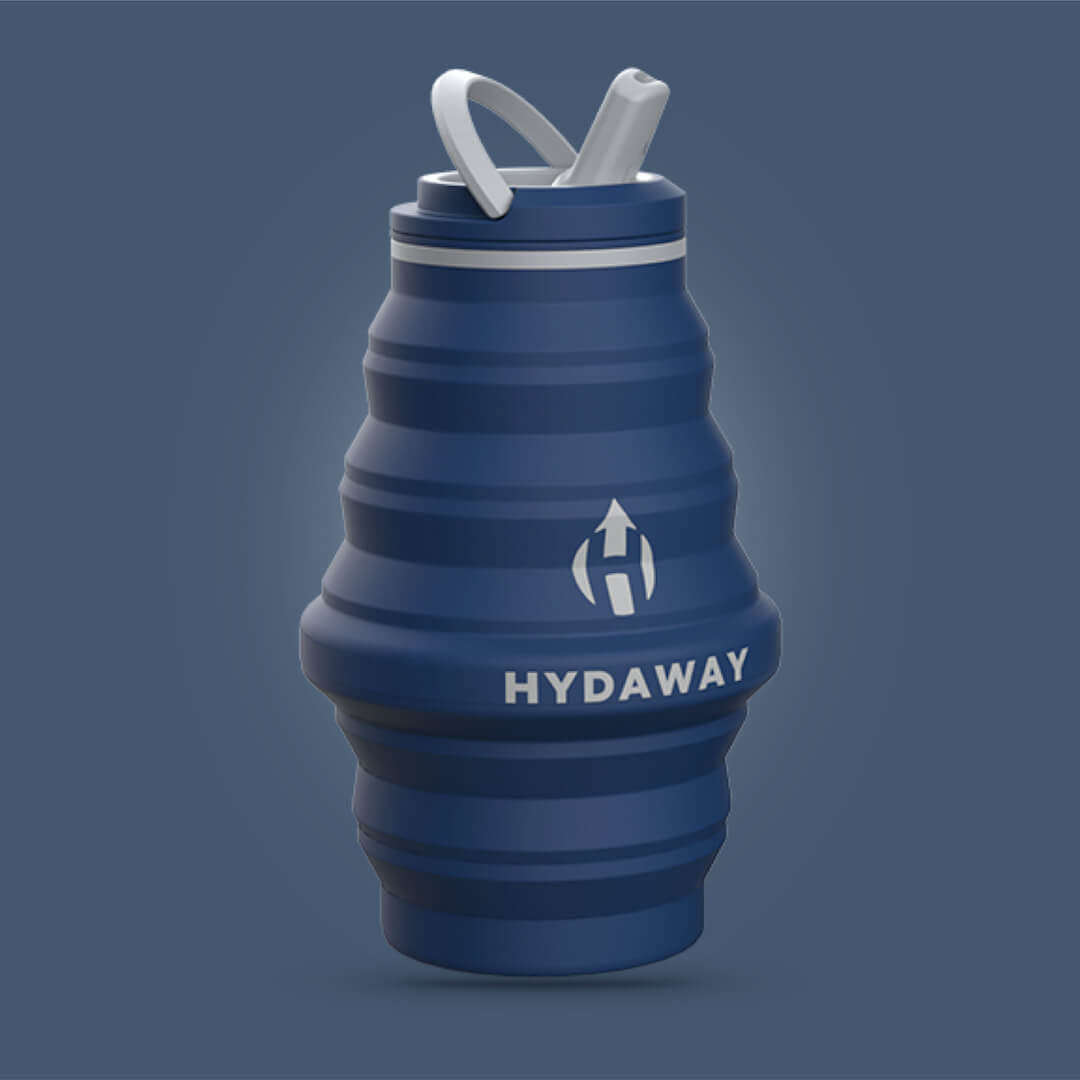
| Simple, Fast Hydration | Powdered Drinks: Electrolyte mixes, protein powders, and instant coffee add flavor and nutrients to your water. | Collapsible Bottles: The 25oz bottle is ideal for carrying and mixing your drinks on the trail. |
As you can see, matching the right food with the right gear is the key to making your no-cook system seamless and convenient.
Imagine this: you've just reached a stunning overlook in Bend, Oregon, right as the sun begins to set. Instead of messing with a stove, you pull out your HYDAWAY 25oz bottle, pour cool water into a collapsible bowl filled with couscous, and let it rehydrate while you kick back and relax. That’s the effortless reality of no-cook hiking.
This guide is here to show you exactly how to build your own delicious, lightweight, and satisfying no-cook meal plan. We'll get into everything from trail nutrition to stocking your pantry, proving once and for all that you don't need a flame to enjoy a fantastic meal in the wild.
Mastering Lightweight Trail Nutrition
Ask any seasoned backpacker and they’ll tell you: on the trail, every single ounce matters. Nailing your lightweight nutrition plan isn't about skimping on food; it's about making every gram in your pack work for you. The secret? Calorie density.
It’s just a simple measure of calories per ounce, but it’s the key to unlocking a lighter pack. You want foods that give you the most energy for the least weight. Think of it like this: a small bottle of olive oil is an absolute powerhouse, packing a staggering 240 calories per ounce. Compare that to a bag of pretzels, which offers only about 108 calories per ounce. That difference is huge when you’re carrying everything on your back.
Understanding Your Fuel: Carbs, Fats, and Protein
To build a solid no-cook meal plan, you need to know what kind of fuel your body needs and when. A smart mix of all three macronutrients will keep you energized from the trailhead to the summit and back.
- Carbohydrates: These are your body’s go-to for quick energy. Simple carbs, like those in dried fruit or energy chews, give you that immediate kick for a steep, tough climb. Complex carbs from things like oats or tortillas provide a more sustained, steady power release.
- Fats: This is your long-haul fuel. As the most calorie-dense macronutrient (9 calories per gram), healthy fats from nuts, seeds, and oils provide slow-burning energy that will keep you moving for hours.
- Protein: After a long day of hiking, your muscles need to repair themselves. Protein is crucial for recovery. Packing jerky, tuna packets, or protein powder helps your body rebuild, so you wake up ready for the next day's miles.

As you can see, ditching the stove and fuel does more than just lighten your pack. It makes your whole process faster and simpler. No more fiddling with burners in the wind—just quick, easy, and satisfying meals.
Real-World Calorie Planning
So, what does this look like in practice? Imagine you're prepping for a challenging multi-day trek. You know you’ll be burning thousands of calories. Instead of just grabbing random snacks, you'd focus on calorie density: swapping heavy bread for lightweight tortillas, carrying olive oil packets to boost your cold-soaked couscous, and packing peanut butter powder to mix up a protein-rich drink right in your HYDAWAY bottle.
This strategic approach to trail food is catching on. The market for outdoor camping food hit USD 5.2 billion in 2024 and is projected to jump to USD 8.9 billion by 2033. This growth is fueled by serious hikers who might burn 5,000-6,000 calories on a big day and the demand for better, more efficient food options.
As a rule of thumb, look for foods that offer at least 100-125 calories per ounce. Check the nutrition labels and prioritize items high in fats and healthy carbs. This simple habit will make your pack lighter and your body happier.
For hikers looking for a clean energy boost without the jitters, some are turning to things like caffeine-free ketone performance shots. They provide a concentrated source of fuel that fits perfectly with the lightweight, high-performance ethos of no-cook backpacking, helping you push through those last tough miles.
Building Your Ultimate No-Cook Pantry

This is where you set yourself up for success on the trail. Having a well-stocked "trail pantry" is your ticket to delicious, high-energy meals that don’t rely on a stove. The best foods are always going to be shelf-stable, lightweight, and absolutely packed with the nutrition you need to crush those miles.
Let's move beyond basic trail mix and start thinking about a full, satisfying menu that fuels your adventure from sunup to sundown.
No-Cook Breakfast Ideas
Mornings on the trail are all about efficiency. You want something that provides lasting energy but gets you packed up and moving quickly.
- Instant Oatmeal or Cream of Wheat: These are staples for a reason. Just add some cold water, give it a good stir, and let it sit for a few minutes. I always toss in some powdered coconut milk, nuts, and dried fruit to seriously boost the flavor and calorie count.
- Granola or Cereal with Powdered Milk: Before your trip, pre-mix your favorite granola with whole or coconut milk powder in a reusable bag. On trail, all you need to do is add water for a surprisingly crunchy and satisfying breakfast.
- Breakfast Bars and Pastries: When you really need to get going, nothing beats a high-calorie breakfast bar or a toaster pastry. They deliver that quick shot of carbs to get your day started right.
For a practical family hiking tip, you can pre-portion individual servings of oatmeal into HYDAWAY's collapsible food storage containers. Hand one to each kid, add water, and breakfast is served. It's an easy way to ditch single-use plastics and make sure everyone has a perfectly portioned meal ready to go. You can find more ideas on using reusable containers in our guide to collapsible silicone food storage containers.
Lightweight Lunch and Dinner Options
Trail lunch needs to be quick and easy, while dinner is your time to refuel and recover. The great thing is, a lot of no-cook options work beautifully for both meals.
- Tortillas with Fillings: Tortillas are far more durable and packable than bread—they're a true superstar in my pack. Fill them with single-serving packets of nut butter, tuna, or salmon for a balanced, protein-heavy lunch. Hard cheeses and cured meats like salami also hold up incredibly well without refrigeration.
- Cold-Soaked Grains and Noodles: This technique is a total game-changer for backcountry dinners. Couscous, ramen noodles, and even instant mashed potatoes rehydrate perfectly with just cold water and a little time.
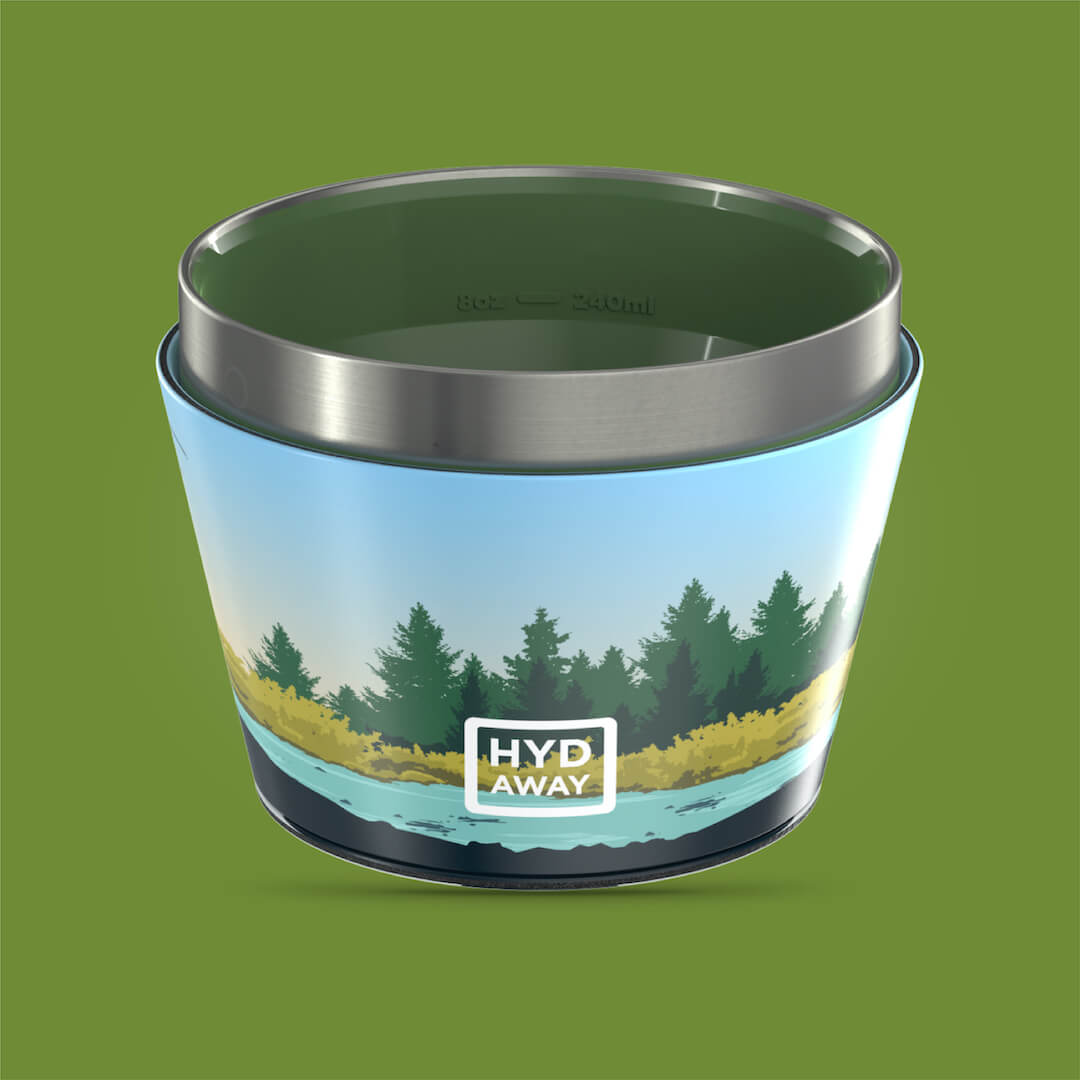
Trail Hack: Use a HYDAWAY Insulated Bowl for cold-soaking. Its secure, spill-proof lid means you can add water to your couscous or ramen at your lunch spot and let it rehydrate in your pack while you hike the last few miles to camp. When you arrive, dinner is ready.
Snacks and Meal Enhancers
Snacks are what keep you going between meals, and enhancers are the secret weapons that turn bland food into something you actually look forward to. For a deep dive into the best fuel for the trail, checking out a guide to grab and go protein snacks is a must when stocking up.
A few creative add-ins can make all the difference:
- Olive Oil Packets: A brilliant way to add ~120 calories and healthy fats to any dinner.
- Spice Blends: A tiny baggie with your favorite spice mix can completely transform instant potatoes or ramen.
- Dehydrated Veggies: These add much-needed texture, nutrients, and flavor to any cold-soaked meal.
- Nut Butters and Powders: Absolutely essential for high-calorie, protein-rich fuel that keeps you full.
By building your pantry with these kinds of versatile items, you’ll be ready for any adventure without ever having to mess with a stove.
No-Cook Meal Plans for Every Adventure
Alright, now for the fun part—turning all that nutritional theory into a real, trail-ready plan. Trust me, having a solid strategy for your no cook hiking food can be the single biggest factor between a fantastic day on the trail and a grueling, energy-sapped slog back to the car.
Let’s walk through a couple of go-to meal plans I use for different types of hikes. Think of these as a starting point. Feel free to tweak them based on your own tastes, how many calories you burn, and how long you’ll be out there. The mission is simple: stay fueled and happy without ever touching a stove.
Plan 1: Fast and Light 15-Mile Day Hike
When you’re knocking out a long day hike, the name of the game is minimal weight, zero fuss, and instant energy. You're moving quickly, so your meals and snacks need to be things you can eat on the go without breaking stride. This plan is all about high-calorie fuel that’s easy to get to.
For a push like this, the HYDAWAY 17oz bottle is my secret weapon. It’s ridiculously lightweight, and once you’ve crushed your water, it collapses to almost nothing. That saves a surprising amount of pack space for the hike out.
-
Breakfast (At home or the trailhead): I always start with a high-calorie smoothie loaded with protein powder and a scoop of granola. It gives you a solid energy base that’s easy to digest.
-
Mid-Morning Snack (On trail): A high-carb energy bar (think Clif Bar) and a handful of dried fruit like mangoes or apricots. This is perfect for topping off your glycogen stores right before a big climb.
-
Lunch (At your turnaround point): Grab two flour tortillas and pack single-serving pouches of salmon or tuna. Add a cheese stick. It's a perfect combination of protein, fats, and carbs with absolutely no mess.
-
Afternoon Snack (On the way back): A bag of trail mix—the good stuff with nuts, seeds, and chocolate. This delivers the quick sugars and lasting fats you need to power through those last few miles.
Plan 2: Challenging 3-Day Backpacking Trip
Heading out for multiple days means your food plan needs a lot more thought. You have to balance sustained energy, recovery, and enough variety to keep things interesting. This menu is all about calorie-dense foods that rehydrate without heat and give you a solid mix of macros.
The HYDAWAY 25oz bottle is a must-have for longer trips, giving you more capacity for drinking and rehydrating meals. But the real star of the show here is your HYDAWAY Insulated Bowl. You can use it to cold-soak your dinner while you hike the last couple of miles to camp, so a real meal is waiting for you the second you drop your pack.
Pro Tip: I pack each day’s food into its own large, reusable bag. It keeps everything organized and stops you from rummaging through your entire food supply just to find one snack. It’s a simple system that makes trail life so much easier.
To give you an idea of how this looks in practice, here is a sample menu that balances weight, calories, and satisfaction.
3-Day No-Cook Backpacking Meal Plan Example
This sample plan shows just how delicious and varied a no-cook backpacking menu can be. It’s designed to be lightweight, easy to pack, and full of the energy you need for a multi-day adventure.
| Day | Breakfast | Lunch | Dinner | Snacks |
|---|---|---|---|---|
| Day 1 | Two packs of instant oatmeal with nut powder. | Two tortillas with peanut butter packets. | Cold-soaked couscous with dehydrated veggies & an olive oil packet. | Jerky, one energy bar, dried fruit. |
| Day 2 | Granola with powdered coconut milk. | Salami and hard cheese with crackers. | Cold-soaked instant mashed potatoes with bacon bits & spices. | Trail mix, one protein bar, candy bar (like a Snickers). |
| Day 3 | Two high-calorie breakfast bars. | Leftover crackers, cheese, and salami. | A large bag of Fritos topped with a packet of chili or beans. | Remaining jerky and dried fruit. |
A plan like this proves you don't have to sacrifice a good meal just because you left the stove at home. For even more inspiration, check out our other trek food ideas to keep your trail menu fresh and exciting on every trip.
Smart Packing and Food Safety Strategies
 Let's be honest, how you pack your no-cook hiking food is just as critical as what you bring. A smart system keeps your meals safe, your pack organized, and your trail life a whole lot easier. It's all about protecting your fuel from critters, the weather, and even the chaos inside your own backpack.
Your best packing strategy starts before you even step foot on the trail: repackaging. Ditching those bulky grocery store boxes and bags is the single best way to save space and cut weight. I always transfer things like granola, nuts, or couscous into durable, reusable bags. This one simple move dramatically shrinks your food volume and gets rid of packaging that would just become trail trash.
Maximize Space with Collapsible Gear
Once your food is sorted, the next big win comes from your gear choices. This is where collapsible containers really shine. Think about it—after you’ve hydrated a meal or chugged your water, that rigid bowl or bottle just becomes dead weight and wasted space.
Your HYDAWAY bowl and water bottle, on the other hand, flatten down to just over an inch thick when you're done. It's amazing how much room this frees up in your pack for the hike out, making everything feel less cramped. This is a huge plus, especially on multi-day treks as your food supply starts to shrink.
By the end of your hike, your used HYDAWAY gear collapses, freeing up valuable real estate inside your pack. This is a practical benefit that rigid containers simply can't offer, making your load lighter and more manageable on the final stretch.
Safeguarding Your Food on the Trail
Protecting your food is a non-negotiable part of backcountry safety and being a responsible hiker. Depending on where you’re headed, this means taking some real precautions against curious wildlife.
- Bear Canisters: In many national parks and busy backcountry areas, a bear-resistant canister isn't just a good idea—it's required. They can be bulky, but they offer the best protection. My pro tip? Pack dense, high-calorie foods to make every inch of that precious canister space count.
- Bear Bags: Where they're permitted, a properly hung bear bag works great to keep your food stash safe. You'll want a durable, odor-proof sack and to master the right hanging technique (at least 12 feet high and 6 feet from the tree trunk).
- Preventing Cross-Contamination: Use separate, dedicated bags for different foods. Always keep your snacks and meals well away from scented items like sunscreen or hand sanitizer to avoid any weird flavor transfer. Nobody wants a soapy-tasting trail mix.
These habits directly support the "Leave No Trace" principles we all hike by. Using reusable gear like HYDAWAY containers is a core part of minimizing your impact and ensuring you can pack out everything you packed in. For a deeper dive into organizing all your gear, you can learn more about how to pack a backpack like a pro.
Common Questions About No-Cook Hiking
Thinking about ditching the stove on your next hike? It's a big shift, and it’s totally normal to have some questions. It’s a whole different way of thinking about trail food, so let's walk through some of the most common concerns. We'll get you ready to hit the trail stove-free and full of confidence.
Is Cold-Soaking Food Actually Safe and Enjoyable?
You bet it is. Cold-soaking is a time-tested technique that thousands of hikers rely on to rehydrate staples like ramen, couscous, instant beans, and mashed potatoes. Honestly, it's a game-changer for simplifying your trail life.
The secret is a good, leak-proof container. A practical example is using an insulated and secure container like the HYDAWAY Insulated Bowl. The spill-proof lid means you can start your dinner rehydrating at your last water source and let it soak in your pack while you hike the final miles to camp. No leaks, no hassle.
The texture is definitely different from a hot meal, but you'd be surprised how refreshing and satisfying it can be, especially on a warm day. Just give your food about 30-90 minutes to do its thing and fully rehydrate.
How Do I Get Enough Calories Without Hot Meals?
This is a huge one for a lot of hikers, but hitting your calorie target is actually pretty straightforward. The key is to think in terms of calorie density.
Your goal is to pack foods that are loaded with healthy fats and complex carbs. We’re talking nut butters, packets of olive oil to add to your meals, dried fruit, high-quality energy bars, and plenty of nuts and seeds.
A classic rookie mistake is filling your food bag with bulky, low-calorie stuff like pretzels. Get in the habit of glancing at the nutrition label before you pack anything.
Always aim for foods that offer over 100 calories per ounce. This one simple rule is the foundation of smart no-cook packing—it guarantees you’re carrying the most energy for the least amount of weight.
What About Coffee or Tea on a Cold Morning?
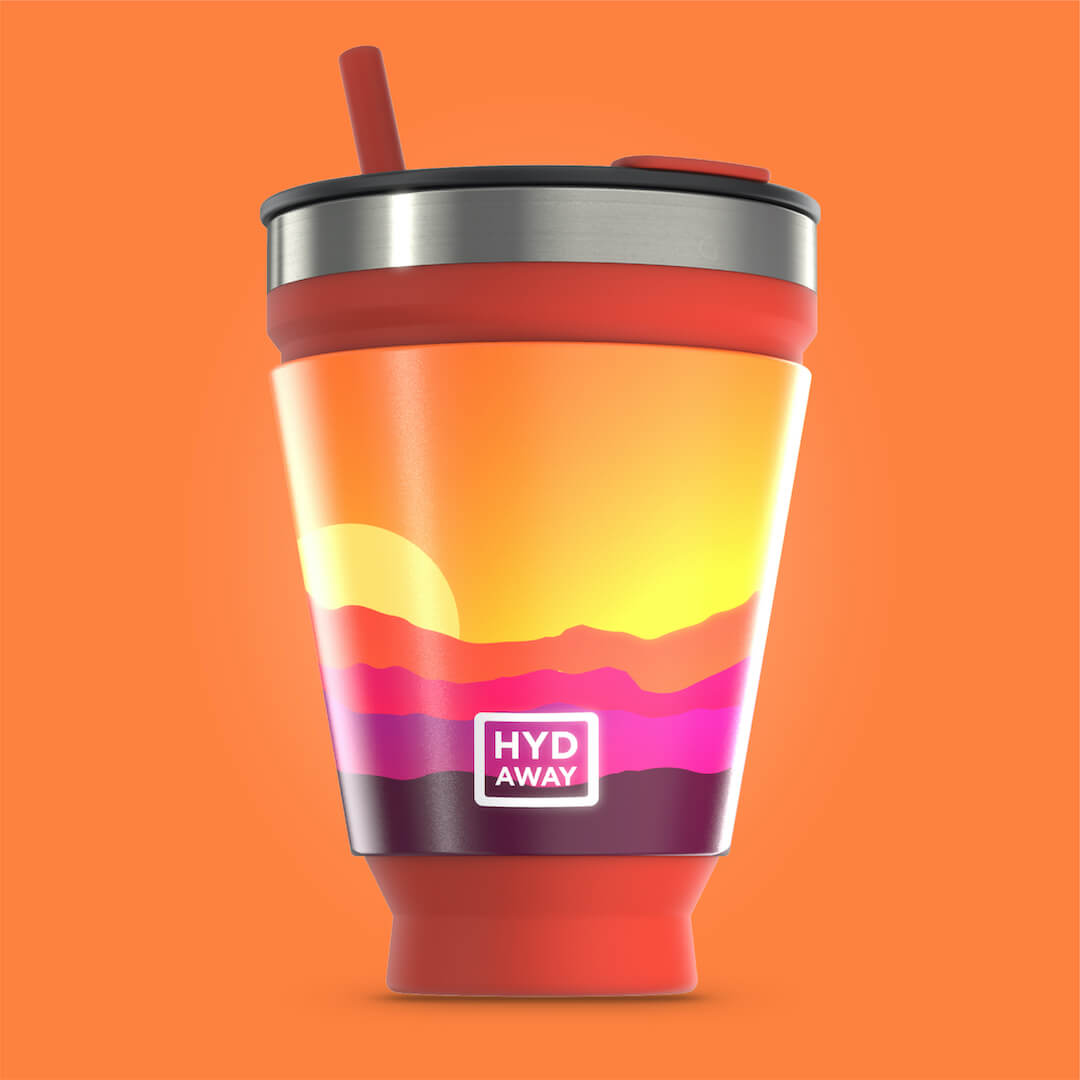
Going stove-free doesn't mean you have to give up your morning ritual. For a quick caffeine hit, instant coffee and tea powders mix easily with cold water right in your HYDAWAY Tumbler or bottle.
If you want to up your coffee game, you can make a cold brew concentrate at home and carry it in a small, secure bottle. Another fantastic option is caffeinated energy chews or bars for a quick boost with zero prep. For many of us, the weight saved by leaving the stove and fuel at home is more than worth skipping a hot drink.
How Do I Keep My Food from Getting Crushed?
Ah, the classic trail tragedy of pulverized crackers and flattened tortillas. The easiest fix is to give your fragile snacks some armor. A practical solution is to pack them inside a hard-sided container. For example, your collapsed HYDAWAY Bowl can double as a protective case for items like crackers or a small pastry inside your food bag.
Another trick I use is to pack delicate foods right in the center of my backpack, cushioned on all sides by soft things like my rain jacket or sleeping bag. It also helps to repackage food out of its bulky original boxes and into smaller, more flexible bags. This not only saves a ton of space but also reduces the chances of anything getting crushed.
Ready to build your ultimate no-cook kit? The right gear makes all the difference. At HYDAWAY, we design collapsible, space-saving bowls, bottles, and drinkware that are perfect for any stove-free adventure. Explore the full collection at https://myhydaway.com and start packing smarter.