


The Ultimate Guide to Food Storage Silicone Containers

When you see "food storage silicone," you might think of those colorful, flexible baking mats or ice cube trays. But this stuff is so much more than a kitchen gadget—it's a smart, safe, and seriously durable alternative to the plastic containers overflowing your cabinets. It's a game-changer for modern kitchens and anyone living an active, on-the-go lifestyle because it can go from the freezer to the microwave to the dishwasher without skipping a beat. Planning your weekly lunches or packing for a weekend trip just got a lot simpler.
What Is Food Grade Silicone and Why Is It Everywhere?
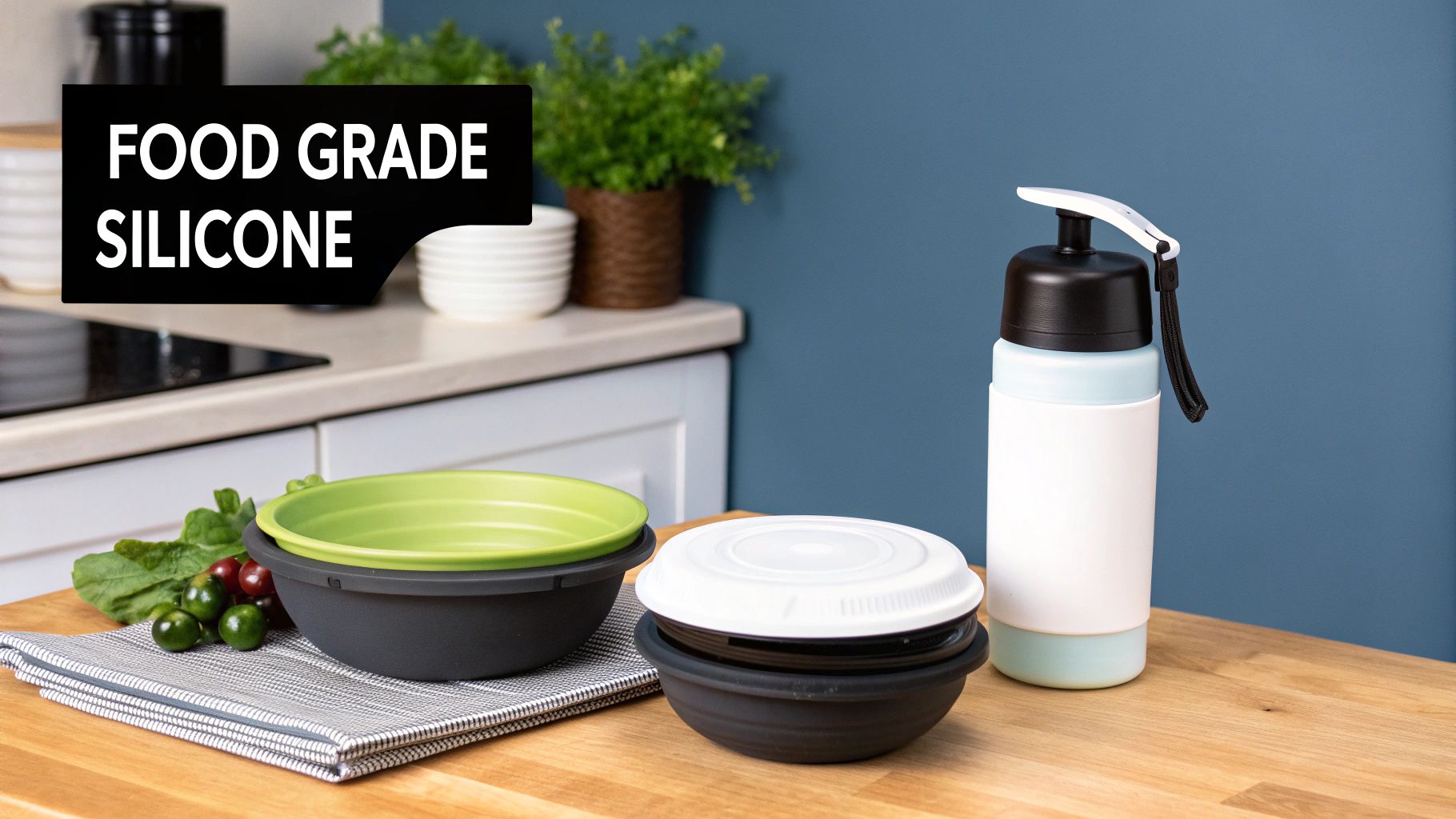
Ever notice how food storage silicone seems to have popped up in everything from baby spoons to travel mugs? This isn't just another passing kitchen trend. It’s a real solution to the growing demand for healthier, more sustainable products that can keep up with our lives. For example, the rise of meal prepping and bento-style lunches for both adults and kids has made versatile, sectioned silicone containers a must-have.
Unlike plastic, which is made from petroleum, food-grade silicone starts with silica—a natural element you find in sand. That fundamental difference is what gives silicone its superpowers. Think of it as the Swiss Army knife of your kitchen.
A Modern Material for Modern Needs
Silicone’s boom in popularity comes down to one thing: it solves a ton of common kitchen frustrations. It directly addresses the biggest worries people have with other materials, especially plastic.
Here’s why it’s become so common:
- Health and Safety: It’s free from nasty chemicals like BPA and phthalates that can leach into your food, particularly when you heat it up.
- Extreme Versatility: You can freeze leftovers, microwave a quick lunch, or even bake with it in the oven. It won’t warp, melt, or degrade.
- Durability and Longevity: Just one silicone container can replace hundreds of single-use plastic bags. It’ll last for years without cracking or getting brittle.
And the market reflects this shift. The global silicone lunch box market is on track to hit $750 million by 2025 and is projected to grow at 7.5% annually through 2033. This isn't just a blip; it's fueled by a massive collective move away from disposables as we all become more aware of plastic pollution. You can dive into the full analysis of the silicone lunch box market to see the numbers for yourself.
Smart Design for Active Lifestyles
For anyone who lives out of a backpack or just has a small kitchen, standard food storage is a pain. Bulky glass containers are heavy and one wrong move away from shattering. Rigid plastic containers are a space-hogging nightmare.
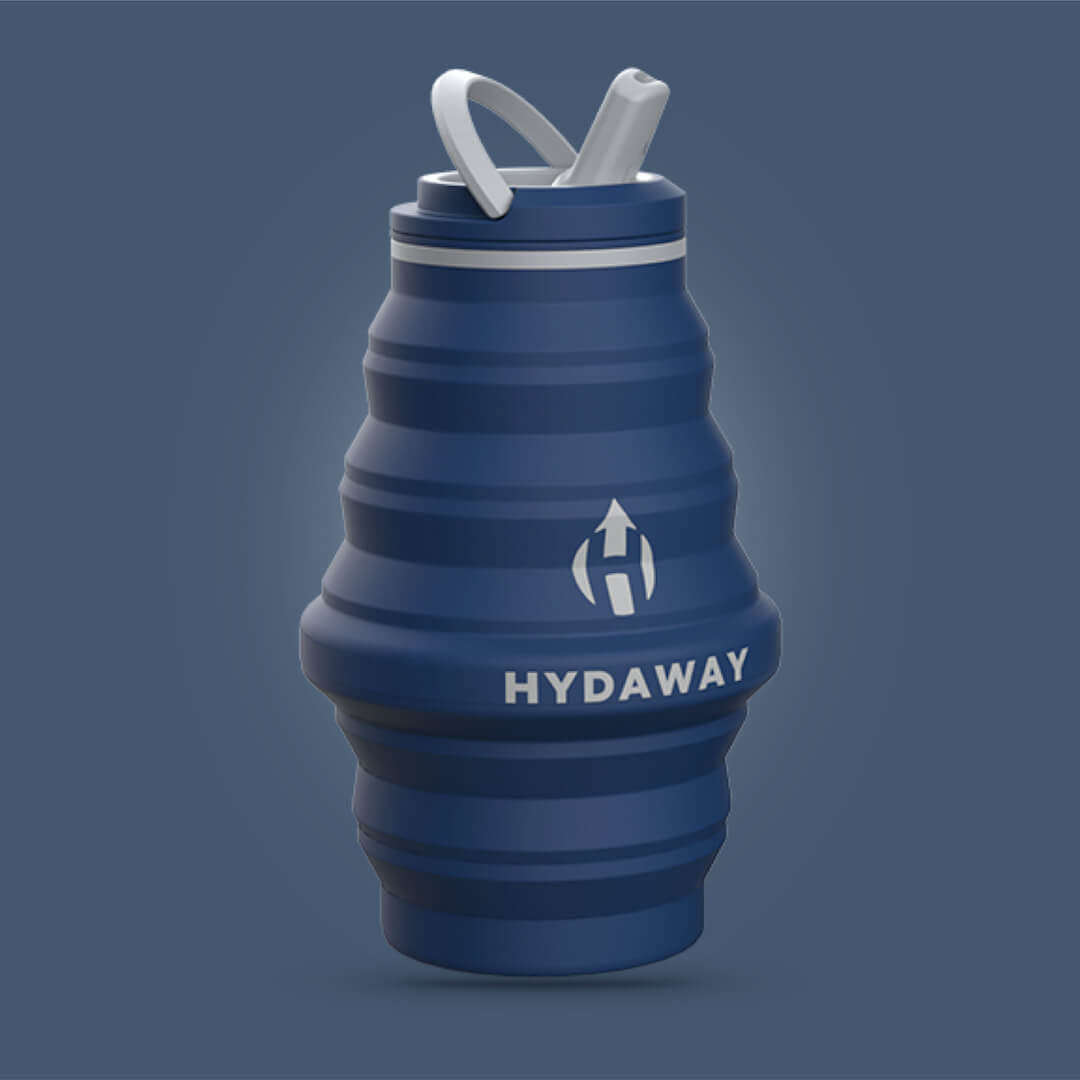
This is precisely where innovative brands are making a difference. By engineering collapsible food storage silicone containers, companies like HYDAWAY solve the universal problem of limited storage space.
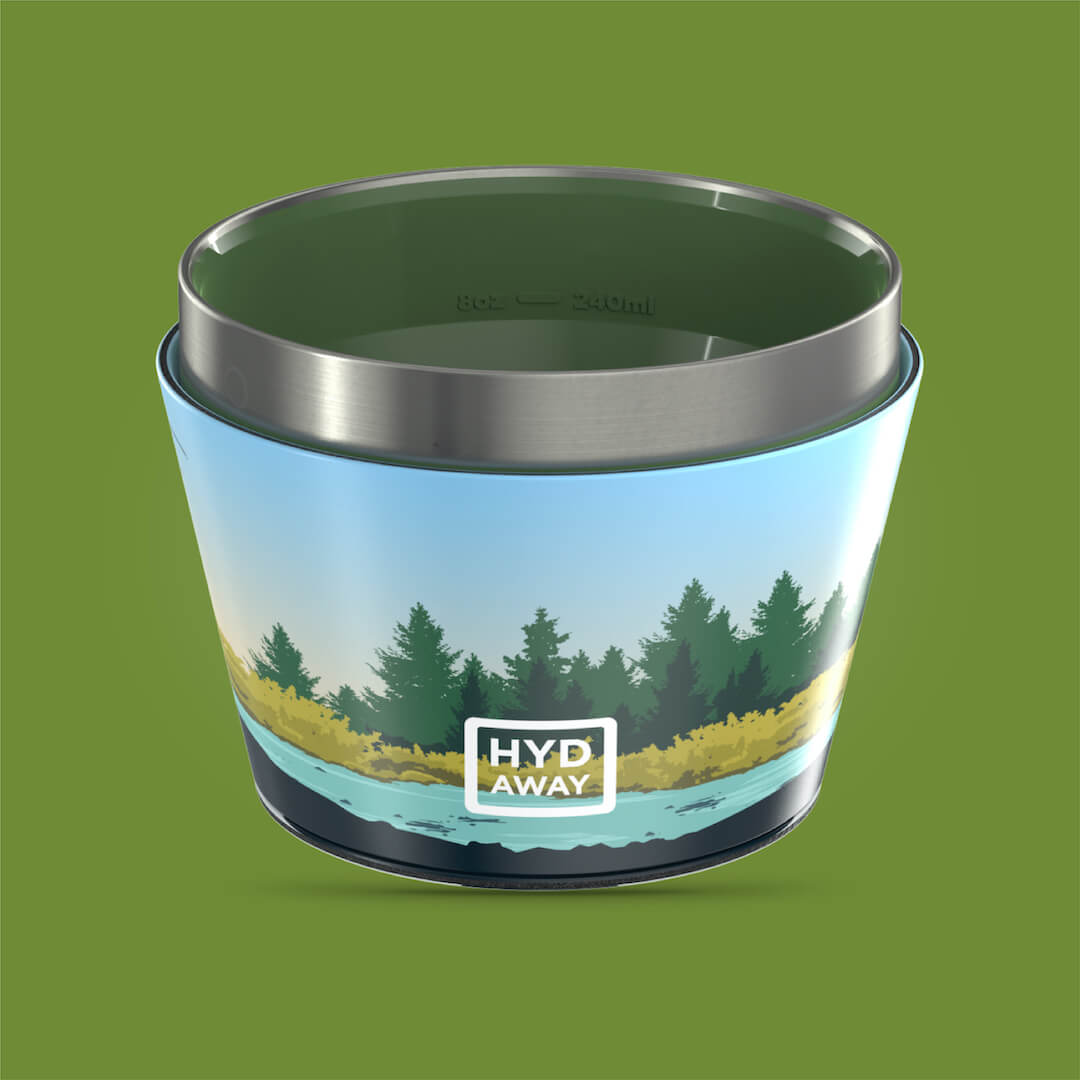
Imagine packing a full-sized bowl for your camping dinner that squishes down to the thickness of a coaster. HYDAWAY’s Collapsible Bowls were designed for exactly that—giving you top-tier, leak-proof performance when you need it and packing down to almost nothing when you don't. For the modern professional, this means your lunch bowl fits neatly in your work bag after you eat, leaving plenty of room for your laptop and other essentials. It’s the perfect fix for streamlined homes, RVs, and any adventure where every inch of space counts.
Is Food Storage Silicone Actually Safe for Your Family?
When it comes to products that touch your family’s food, safety isn't just a feature—it's everything. The good news? High-quality food storage silicone is designed from the ground up with your health in mind. Unlike some plastics that can leave you wondering, pure silicone is a stable and inert material.
Basically, that means it won’t react with your food or leach nasty chemicals, even when you’re nuking leftovers in the microwave or freezing a big batch of chili for a rainy day. It's naturally free of worrisome stuff like BPA, BPS, and phthalates, which have been linked to health issues. If you want to get into the weeds on that, check out our guide on what being BPA-free truly means for your kitchenware.
Understanding Quality: What to Look For
Heads up: not all silicone is created equal. Knowing the difference is your ticket to shopping with confidence. The absolute gold standard is 100% food-grade, platinum-cured silicone. Platinum curing is a much cleaner manufacturing process that creates a purer, more durable final product with zero chemical leftovers.
Cheaper silicone, often cured with peroxide, might contain fillers that can compromise its safety and performance. Luckily, there’s a simple trick to spot these lower-quality products right in the store.
The Pinch Test: A Quick Way to Check for Fillers
Just pinch and twist a flat part of the silicone container. If you see white streaks appear, it almost certainly contains plastic fillers. Pure, high-quality silicone will hold its original color, no matter how much you twist it.
This little test puts the power in your hands, making sure you only bring home the safest stuff for your kitchen. At HYDAWAY, we’re all about that peace of mind, which is why we exclusively use certified-safe, platinum-cured silicone in all our gear, like our leak-proof Collapsible Bowls. You can trust them for your kids' school lunches or your own meal prep without a second thought.
Unpacking the Safety Benefits
One of silicone's biggest safety wins is its incredible thermal stability. It can handle a massive temperature range, typically from -75°F all the way up to over 400°F (-59°C to 204°C), without breaking a sweat or degrading. This versatility prevents the chemical leaching that can happen when certain plastics are pushed to extreme hot or cold.
You can see the shift happening. In North America and Europe, silicone is gaining major ground on plastic, and for good reason—it’s safer and more sustainable. It can be reused for up to five years, a huge jump from the 6-12 months you might get from many plastics. Plus, it doesn’t shed microplastics, a growing concern after studies found contamination in tap water across the globe. You can dig into more insights on the plastic and silicone food storage container market to see exactly why so many people are making the switch.
A Practical Comparison Of Silicone, Plastic, And Glass
Choosing the right food storage container can feel like a guessing game. Do you go with classic glass, lightweight plastic, or flexible silicone? Instead of just a simple pros-and-cons list, let's put these materials head-to-head in real-world situations to see which one really comes out on top for your needs.
Think about packing a lunch for a weekend hike. A heavy glass container is a shatter risk and weighs down your pack, but you’re wary of the chemicals in some plastics. This is the exact scenario where food storage silicone hits its sweet spot—it’s shatterproof and feather-light like plastic but inert and non-toxic like glass.
Durability And Everyday Use
When it comes to durability, each material has its strengths. Glass is incredibly long-lasting and resists scratches, but one accidental drop on a hard trail means it's game over. Plastic is cheap and won’t break, but it’s prone to staining, warping from dishwasher heat, and holding onto stubborn food odors (like last week’s garlic pasta).
Silicone, on the other hand, offers a unique blend of resilience. It’s completely shatterproof, making it a safe choice for everything from a kid’s lunchbox to a bumpy RV trip. It also handles extreme temperature shifts without cracking or degrading, giving you a container that’s truly built for the long haul.
This quick overview shows why high-quality silicone is such a trustworthy choice.
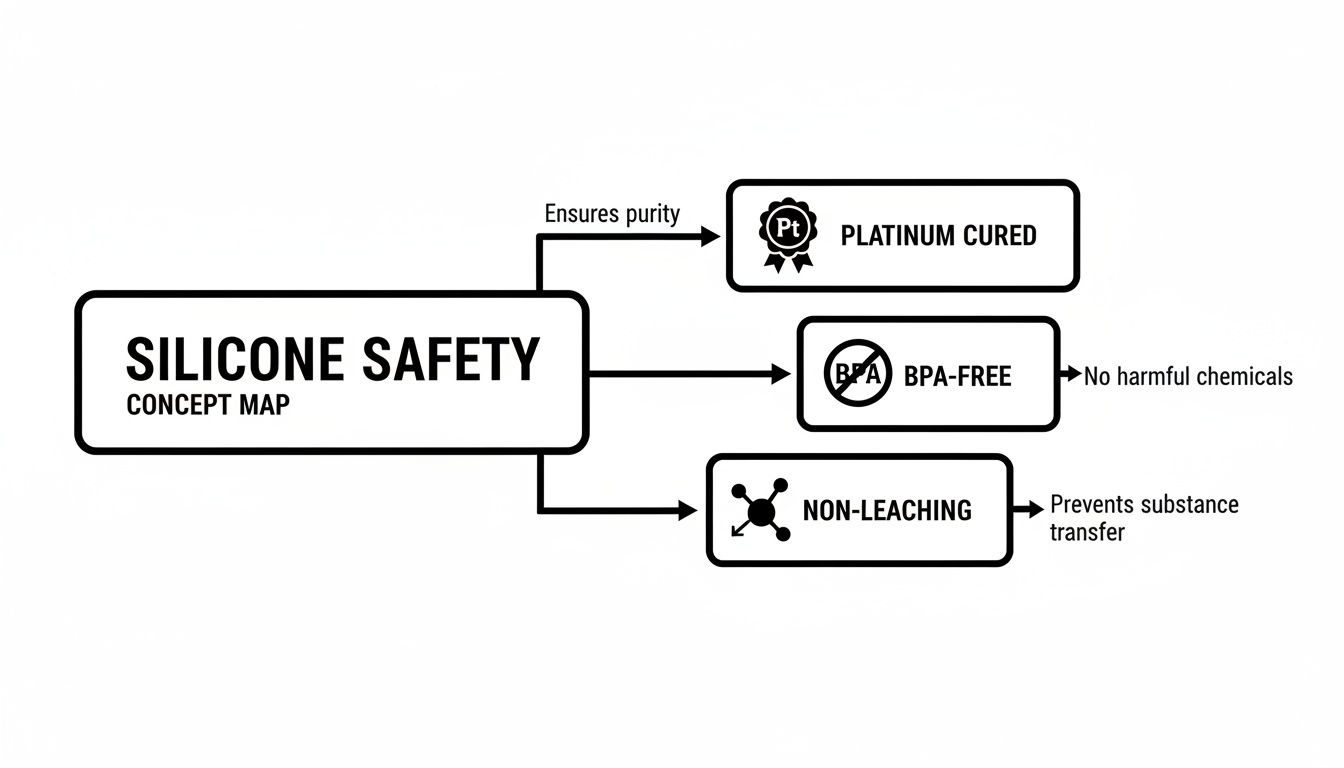
The best stuff is platinum-cured for purity, guaranteed BPA-free, and won't leach sketchy chemicals into your food.
The Space And Weight Factor
Here’s where silicone’s biggest advantage becomes crystal clear, especially for those with limited space or an active lifestyle. Glass is heavy and bulky. A cabinet full of glass containers takes up a ton of real estate. Rigid plastic containers are lighter but still create a frustrating storage puzzle.
This is where HYDAWAY’s design changes the game completely. Our collapsible silicone containers offer all the benefits of silicone—durability, safety, versatility—while completely eliminating the bulky storage footprint that plagues both glass and rigid plastic.
Imagine your entire set of food prep bowls nesting together, collapsing down to the thickness of a single plate. That's the HYDAWAY difference. You get a leak-proof, durable container when you need it and reclaim precious cabinet space when you don’t. This makes it a no-brainer for van life, backpacking, or simply decluttering your kitchen.
Food Storage Material Showdown: Silicone vs. Plastic vs. Glass
To make it even clearer, let's break down the key differences in a quick-reference table. This should help you pinpoint which material best fits your daily routine and adventures.
| Feature | Silicone | Plastic | Glass |
|---|---|---|---|
| Durability | Shatterproof, flexible, handles extreme temps | Prone to warping, staining, and absorbing odors | Very durable, but can shatter or chip when dropped |
| Weight | Very lightweight and packable | Lightest option | Heaviest option, not ideal for travel |
| Safety | Food-grade, BPA-free, non-leaching | Varies; look for BPA-free, risk of microplastic leaching | Inert, non-toxic, and non-porous |
| Versatility | Freezer, microwave, oven, and dishwasher safe | Usually microwave and dishwasher safe (top rack) | Freezer, microwave, oven, and dishwasher safe |
| Storage | Excellent; collapsible designs save massive amounts of space | Nests well but remains bulky | Stacks but takes up significant cabinet space |
| Best For | Travel, camping, small kitchens, kid's lunches, van life | Budget-friendly meal prep, dry goods storage | Home use, meal prep, storing acidic or staining foods |
Ultimately, choosing the right container comes down to your priorities. While glass is great at home and plastic has its place, it's hard to beat silicone's blend of safety, packability, and rugged durability for an on-the-go lifestyle.
As you think about the environmental impact of your choices, it's worth exploring the broader landscape of eco-friendly food packaging to see all the options out there. If you’re specifically looking to move away from disposables, you can check out more sustainable alternatives for plastic in our detailed guide.
How to Properly Clean and Care for Your Silicone Containers
One of the absolute best things about food storage silicone is how ridiculously easy it is to care for. It’s not like plastic that gets stained by a hint of tomato sauce, or glass that you have to handle like a carton of eggs. Silicone’s tough, non-stick surface makes cleanup feel like a magic trick.
Most days, a simple run through the dishwasher is all you’ll need to get your containers sparkling clean and ready for whatever you throw at them next. Just pop them on the top rack, and you’re golden. If you're washing by hand, a little warm, soapy water and a soft sponge will do the job perfectly.
Tackling Common Cleaning Challenges
Even the most durable gear runs into a tough mess now and then. After a few rounds of storing that amazing curry or a vibrant pasta sauce, you might notice a faint stain or a smell that just won't quit. Don't sweat it—a few things you probably already have in your kitchen will fix it right up.
Here are a few of our go-to tricks for a deeper clean:
- For Stubborn Odors: Got a lingering garlic smell? Mix up a 50/50 solution of white vinegar and warm water and let your container soak for about 30 minutes. The vinegar is a champ at knocking out stubborn smells before a final wash.
- To Remove Stains: Make a thick paste with baking soda and water. Slather it over the stained spot and let it sit for a few hours—or even overnight for those really set-in marks. A gentle scrub and a rinse, and it’ll be good as new.
- For That Oily Film: Every so often, you might notice a sticky, oily residue building up. The easiest fix is to just rub a cut lemon over the surface. The citrus cuts right through the grease. Give it a final wash with hot, soapy water, and you're done.
These simple methods prove that keeping your silicone gear in top shape is no big deal, so you can feel confident packing up any meal for the road.
Easy On-the-Go Cleaning with HYDAWAY
When you're living out of a backpack, dealing with dirty dishes is the last thing you want to do. This is where HYDAWAY’s smart design really makes a difference. The smooth, non-stick silicone surface means most of the time, all you need is a quick rinse to get it ready for your next meal.
Picture this: you just finished dinner at your campsite. Instead of wrestling with a bulky, greasy pot, you just give your HYDAWAY Collapsible Bowl a quick wipe, collapse it flat, and tuck it away. It takes seconds. That kind of effortless cleanup is exactly why it's the perfect sidekick for any adventure.
Integrating Silicone Into Your Travel and Outdoor Adventures

Sure, food storage silicone is a star in the kitchen, but its real genius shines when you step outside. For any traveler, hiker, or adventurer, conventional storage is often a frustrating choice between something that’s tough and something that packs down small. This is where silicone stops being just a kitchen accessory and becomes essential adventure gear.
Imagine you're packing for a multi-day trek where every single ounce and inch of pack space is precious. Instead of strapping a bulky, rigid plastic bowl to your pack, you could carry a full-size container that collapses to the thickness of a wallet. This isn't some futuristic concept; it’s the practical reality of well-designed silicone.
The Ultimate Space Saver for Any Journey
For anyone living out of a suitcase, van, or backpack, space is the ultimate currency. Rigid containers, whether they’re plastic or glass, are notorious space hogs. They turn packing into a frustrating game of Tetris and leave you with less room for the things you actually need.
Collapsible silicone completely flips that script. It gives you the sturdy structure and volume you need for a hot meal after a long day, but flattens down to almost nothing when you’re done with it.
- For the Backpacker: A collapsible bowl means enjoying a proper meal without sacrificing that valuable real estate in your pack. It's the difference between a satisfying trail dinner and eating out of a crinkly, messy bag.
- For the Van Lifer: In a tiny kitchen, stackable and collapsible dinnerware means more room for food and other supplies. You get all the function of a full kitchen set without any of the clutter.
- For the Air Traveler: Packing snacks or even a whole meal for a long flight becomes totally effortless. A leak-proof silicone container keeps your food secure, and once you’re done, it collapses to free up space in your carry-on.
This packability is exactly what makes HYDAWAY's Collapsible Bowls so indispensable. They’re engineered to perform flawlessly when full and practically disappear when empty, helping you travel lighter and smarter.
Lightweight Durability That Goes the Distance
Adventure gear has to be tough. Glass is way too fragile and heavy for the trail, and cheap plastic can crack in the cold or warp if it gets too close to a campfire. Silicone, however, hits that perfect sweet spot. It’s incredibly lightweight yet resilient enough to be squished, dropped, and crammed into a full pack without ever breaking.
A huge advantage is its leak-resistant security. A high-quality silicone container with a well-designed lid means you can confidently pack liquids or saucy meals without worrying about a disastrous spill inside your bag.
The market for durable, reusable solutions is booming. Silicone storage bags are carving out a solid niche, with the market expected to hit $4.30 billion by 2035. This growth shows just how many people are waking up to silicone's perks: it's 100% reusable, BPA-free, and tough enough to handle freezer burn without cracking—unlike plastic, which can shed microplastics. You can dig into more data on the booming silicone storage bag market to see the trend for yourself.
By choosing gear like the HYDAWAY Travel Bottle, you're not just saving space. You're investing in a durable, leak-proof solution that replaces countless single-use items. This directly shrinks your environmental footprint on every trip, aligning your adventures with a real commitment to sustainability. To dive deeper, check out our guide on the benefits of reusable travel containers.
How to Choose the Right Food Storage Silicone
Finding your way through all the food storage silicone options is actually pretty simple once you know what to look for. The goal is to land on containers that are durable, safe, and practical enough for your lifestyle—whether that means meal prepping at home or packing light for an adventure.
Your first priority should always be safety and quality. Make sure you only choose containers clearly labeled as 100% food-grade or platinum-cured silicone. This is your guarantee that they're free from fillers, BPA, and other nasty chemicals you don't want anywhere near your food. Next, give the lids a good look. A secure, leak-proof seal is absolutely non-negotiable for preventing messy spills in your lunch bag or backpack.
Finally, think about how the design fits your life. For everyday use at home, stackable sets are a dream. But for travel, camping, or just making the most of a small kitchen, nothing beats a collapsible design. That's where HYDAWAY's gear, like our Collapsible Bowls, really shines. They meet all these quality standards while delivering that game-changing, space-saving design.
By investing in high-quality, reusable silicone, you’re not just buying a container. You're choosing a healthier, more organized, and sustainable way to live.
As you get deeper into food storage, it's also helpful to see how other solutions work. For instance, things like specialized vacuum coffee canisters show just how important it is to match the right tool to the job for keeping different kinds of foods fresh.
Got Questions About Silicone Food Storage?
Thinking about making the switch to silicone for your food storage? You're not alone. It's a smart move, but it's normal to have a few questions before you dive in. We've rounded up some of the most common ones we hear to give you the straight answers.
Will My Silicone Containers Stain or Hold Onto Smells?
For the most part, no. High-quality silicone is pretty amazing when it comes to resisting stains and odors because it's non-porous. Think of it like glass, but without the risk of shattering.
That said, some really potent, colorful foods (looking at you, tomato sauce and turmeric) can sometimes leave a faint tint behind. If you notice a stubborn smell or a slight stain, it's an easy fix. Just soak it in a 50/50 mix of white vinegar and water, or use a little baking soda paste. A quick wash after, and it's good as new.
Isn't All Food-Grade Silicone Pretty Much the Same?
Definitely not. This is a big one. You want to look for products specifically labeled as 100% food-grade or platinum-cured silicone. This is your guarantee that the material is pure, with no nasty fillers, BPA, or other chemicals you don't want anywhere near your food.
The Pinch Test: A Traveler's Trick: Here's an old-school way to check for quality. Pinch and twist a flat part of the container. If it turns white, it's likely been cut with plastic fillers. Pure silicone, like what we use in all HYDAWAY gear, will hold its original color.
And for anyone on the go, always check for a secure, leak-proof lid. For adventurers and commuters, that's absolutely non-negotiable.
How Is Silicone Actually Better for the Planet?
The biggest win for silicone is its sheer durability and reusability. A single HYDAWAY bowl can take the place of thousands of single-use plastic bags and containers over its lifespan. Just think about all that trash that won't end up in a landfill.
Unlike plastic, silicone doesn't break down into those nasty microplastics that are polluting our oceans and sneaking into our food chain. While it's not biodegradable, its incredible longevity and the fact that it can be recycled at special facilities make it a far more sustainable choice for anyone trying to lighten their footprint on the planet.
Ready to upgrade your adventures with gear that’s safe, durable, and packs down to almost nothing? Check out the full collection of HYDAWAY collapsible bowls, bottles, and travel accessories at https://myhydaway.com and see how easy it is to travel smarter.